Lošinj 2025-26: Shoulder-Season Tennis at Ljubicic Academy
 Tommy
Tommy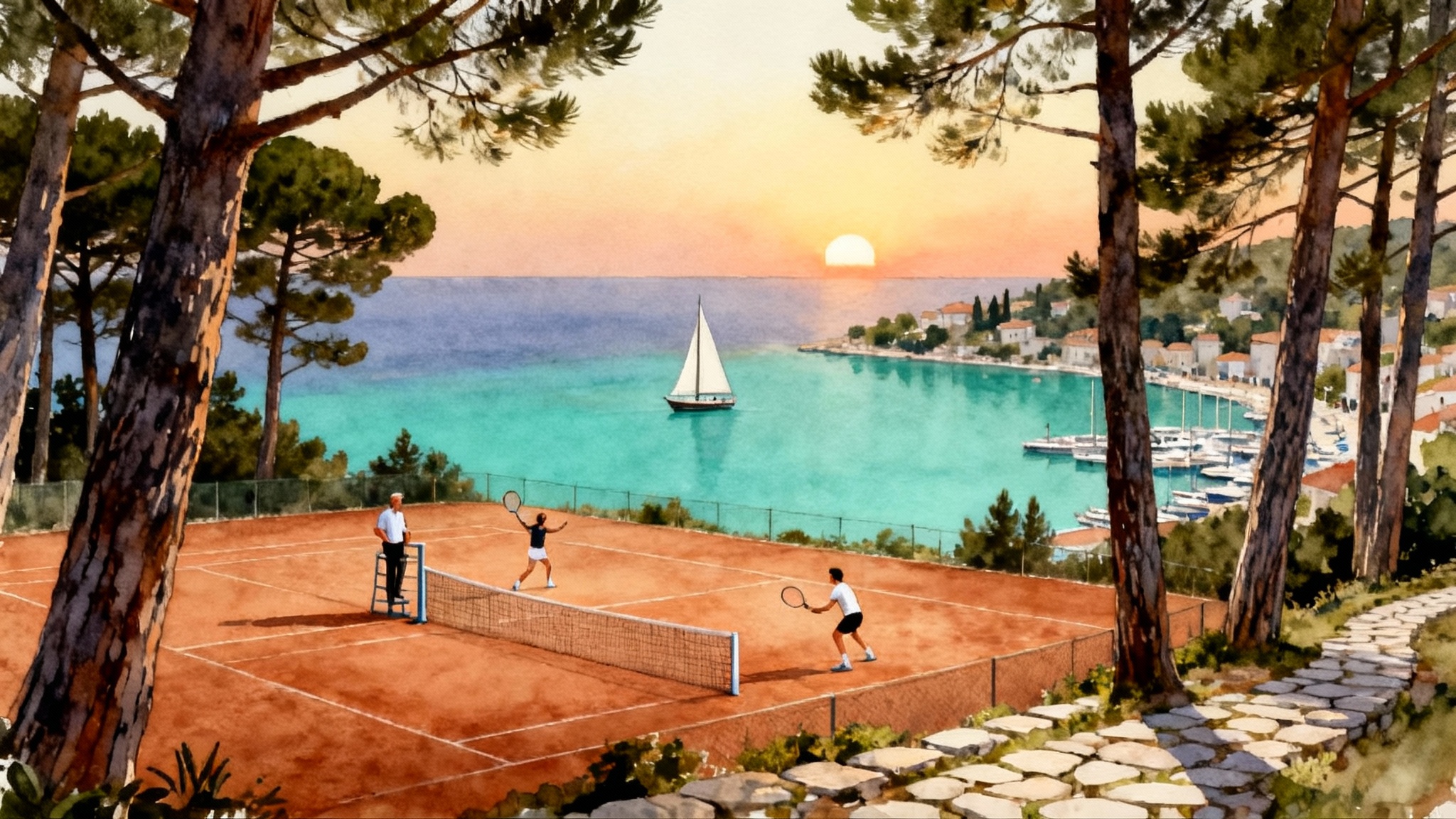
Why Lošinj in the shoulder season works for real players
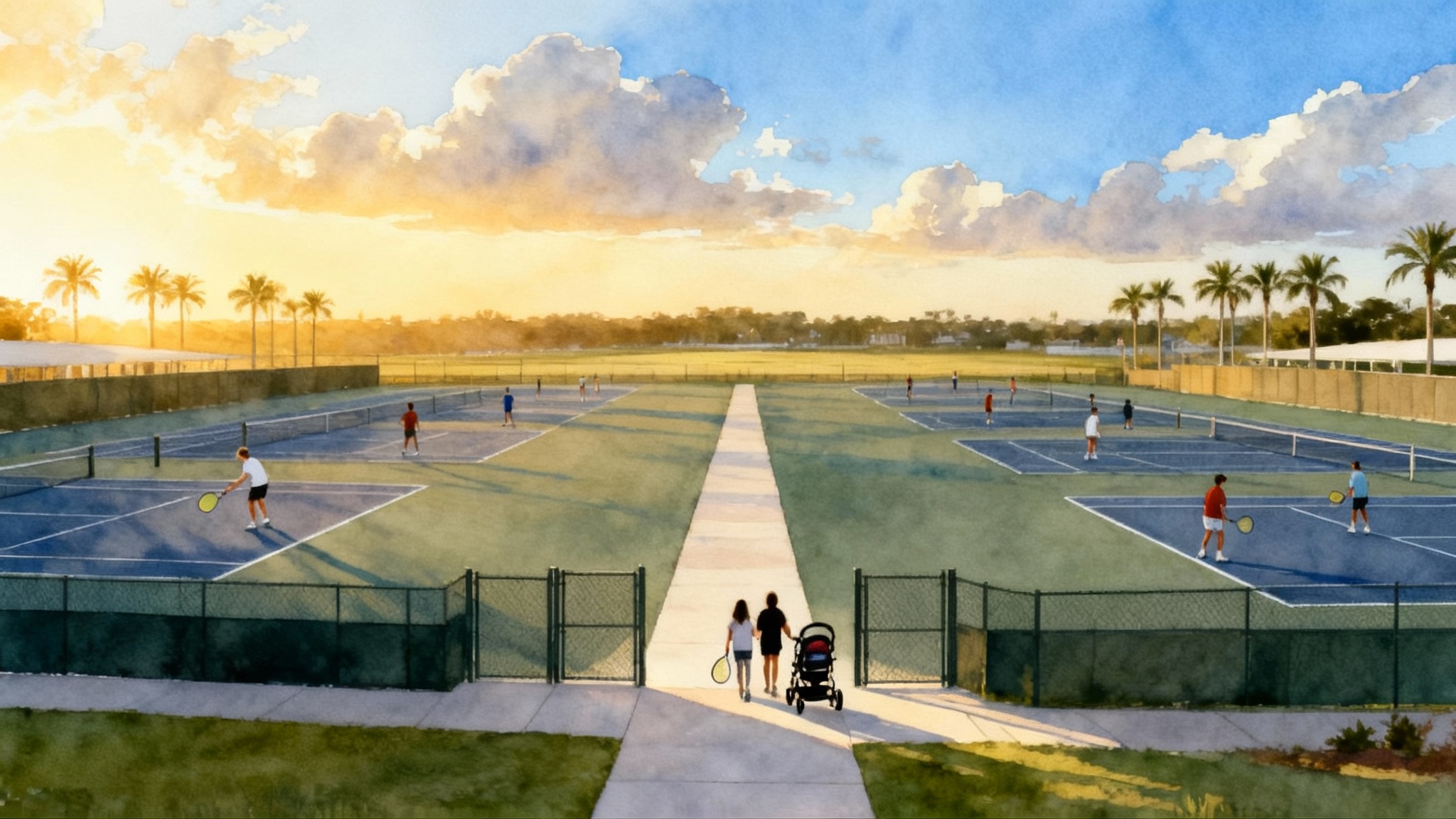
If you want a training block that actually moves the needle instead of a distracted holiday, Lošinj in April to June and September to October is the sweet spot. The air is warm enough for long sessions but not so hot that footwork fades after the first hour. The sea is close and clean for cold-water recovery. The island is big enough to keep families entertained but small enough to navigate without stress.
Spain and Italy get the headlines, which also means higher prices and busier courts in the exact months most amateurs can travel. Lošinj gives you the same Mediterranean light, pine forests, and clay underfoot with fewer queues, calmer streets, and a training rhythm that feels professional rather than touristic. You will spend your time hitting balls instead of sitting in traffic.
Anchor your week at Ljubicic Tennis Academy
Base your trip around the Ljubicic Tennis Academy profile, named for Ivan Ljubicic, former world number three and one of the savviest player developers in Europe. The program prioritizes small-group training, purposeful drills, and repeatable match patterns over empty basket-feeding. Expect work on both red clay and hard courts so that you can transfer your movement and timing between surfaces without losing confidence.
What you can expect on a typical training day:
- Court ratio designed for learning: four players per court as a hard cap, with a dedicated coach who rotates through focused themes
- Two-hour morning block on red clay for footwork ladders, serve plus one patterns, and crosscourt to down-the-line progressions
- One-hour optional midday block for serve buckets, returns, or video review of your contact height and balance at the split step
- Ninety-minute afternoon matchplay with scenario scoring such as 30 all starts, breaker simulations, or ad-in only games to build aggression under pressure
The mix of surfaces matters. Clay gives you time to build points and improves recovery steps, while hard court sharpens your depth discipline and first-strike awareness. Training on both in a single week makes the gains stick when you return home.
The microclimate that supports long sessions
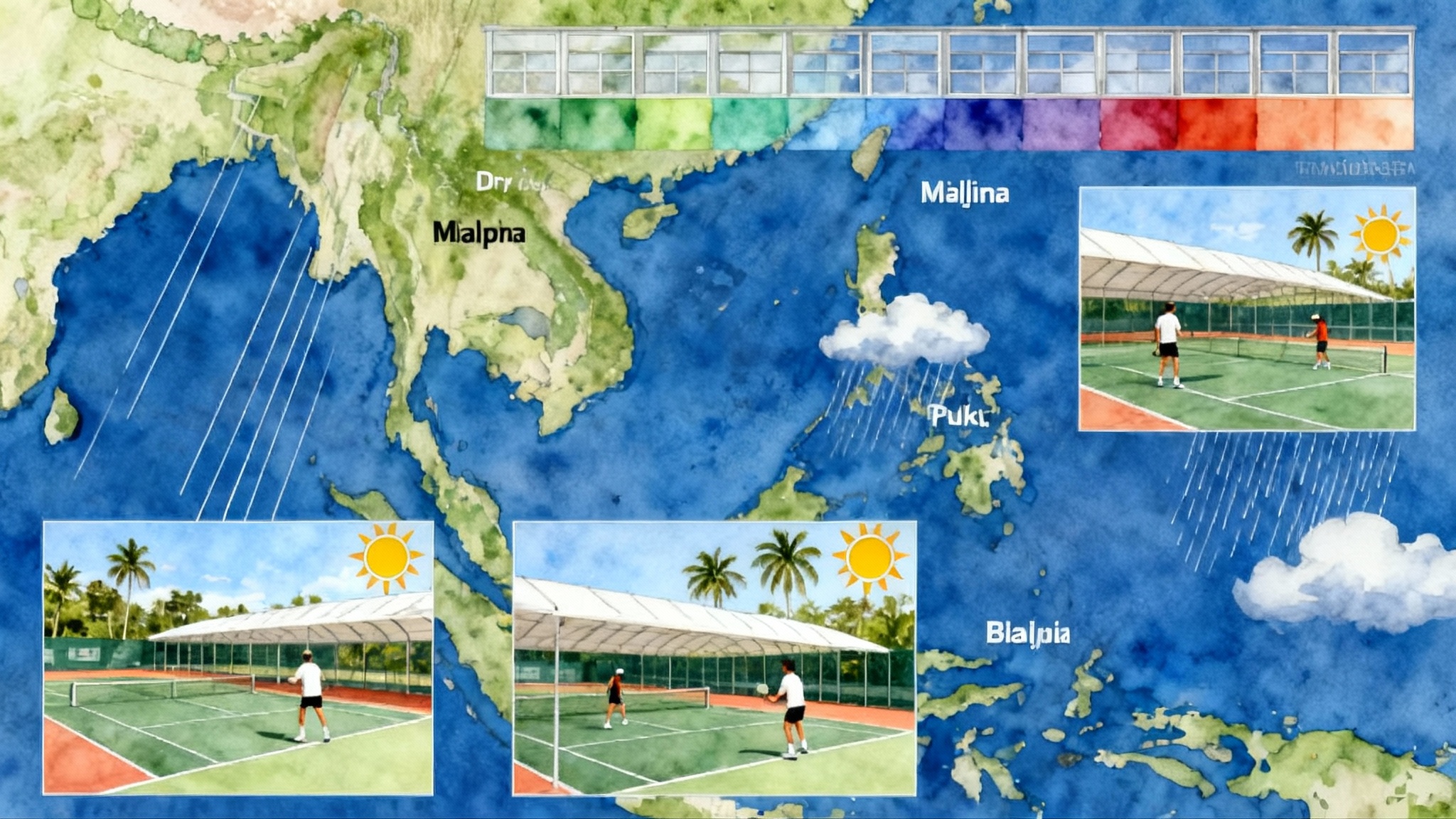
Shoulder-season weather on Lošinj is not a marketing phrase. It is a practical advantage. In April and May you typically play in light layers to start and short sleeves by the first changeover. In late May and June, mornings are ideal and afternoons are bright without the peak summer heat. September and October deliver similar conditions, with the added benefit of warm sea temperatures in early September and quiet promenades by October.
What it means for your training load:
- Two on-court blocks per day are realistic for adult players without flirting with overuse
- Reliable ball response on clay for most of the day, with less late-afternoon stickiness than you find in humid inland venues
- Repeatable recovery habit: evening sea dips become a routine rather than a one-time cold shock
Pack for variety. Bring a light windbreaker, two pairs of clay-specific shoes, spare socks for the afternoon block, and a thin beanie for early April mornings if you start at 8:00.
A seven-day model that balances work and recovery
Here is a sample week that fits both serious players and tennis-traveling families. Adjust the volume if you are coming off a layoff.
- Day 1, Saturday: Arrival, easy walk, 30-minute mobility, early dinner. No tennis. Your goal is sleep and hydration.
- Day 2, Sunday: Morning clay fundamentals, afternoon matchplay sets to 6 with tiebreakers. Evening sea recovery for 8 minutes, then a hot shower and calf release.
- Day 3, Monday: Serve and return focus. Split courts by level for second-serve aggression and first-serve location. Optional video breakdown after lunch. Family time late afternoon.
- Day 4, Tuesday: Pattern day. Crosscourt heavies into line change, inside-out forehand plus inside-in follow. Finish with transition drills that force one volley, then an overhead. Short sea dip and a calm dinner.
- Day 5, Wednesday: Active recovery. Easy bike ride or coastal walk, one-hour technical hit only. Afternoon off for museum or harbor time. Early night.
- Day 6, Thursday: Hard court speedwork. Short-point starts, return plus one, first-ball depth contests. Late afternoon clay set for contrast. Ten minutes in the sea and a light stretch.
- Day 7, Friday: Match day. Two competitive sets with coaching notes on the changeovers. Wrap with a 20-ball closing drill you want to take home. Celebrate with the family.
- Day 8, Saturday: Depart or add a second week with reduced volume.
If you are traveling with juniors, mirror the same structure but reduce total minutes per block and insert skill games that reward footwork rather than raw power. If you are coaching yourself, keep a simple notebook that tracks three things each day: what went well, what was learned, and one cue to repeat tomorrow. Your memory will fade by the time you land back home unless you write these down.
Logistics that are easy, not fussy
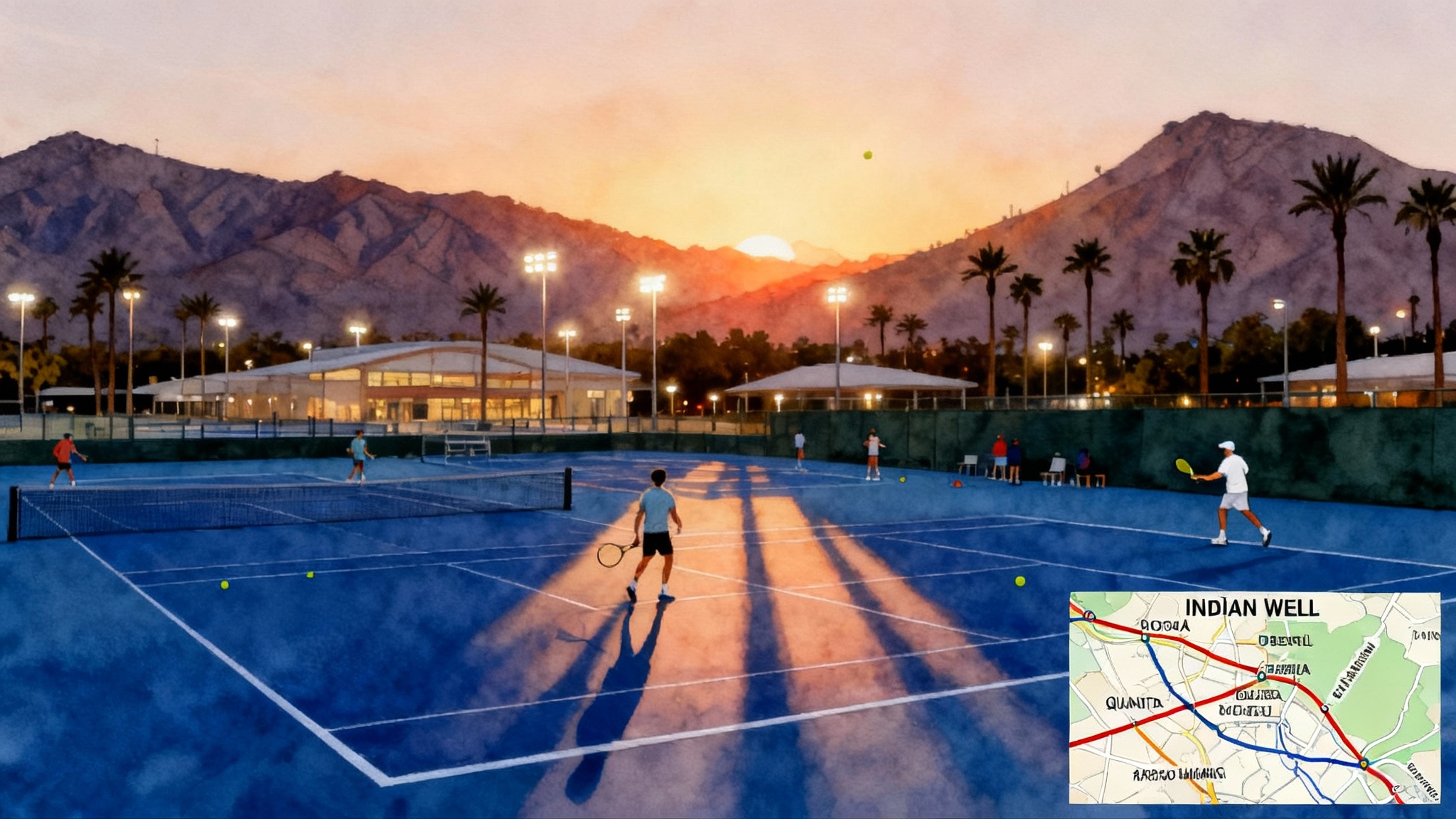
Lošinj is an island that feels connected, not remote. You have multiple airport options on the mainland, and the final leg is a scenic drive plus a short bridge crossing to the island from Cres. The last step always looks complicated on a map, but in practice it is straightforward because traffic in the shoulder months is light.
- Airports: Rijeka and Pula are the most convenient, with Zagreb a solid option if you prefer major carriers and more frequent schedules. Zadar can work for some itineraries. Choose based on arrival time that lets you reach the island before dinner.
- Car or transfer: Families usually take a rental car for flexibility. Solo players often book a transfer and rely on bikes and walking once on the island. Distances are short, and many promenades are safe and flat.
- Ferry and bridge sequence: Your route will include a car ferry to Cres and a short bridge crossing onto Lošinj. In April to June and September to October sailings are less crowded. Buy tickets with a sensible buffer between landing and departure rather than racing the clock.
Once you arrive, treat Mali Lošinj as your hub for shops, bakeries, and a relaxed harbor scene. The academy and courts are an easy reach from the main accommodation zones, and the island roads are intuitive. If you are bringing your own racquets, pack them in a hard case or well-padded bag and keep one frame in a carry-on if your airline rules allow it.
Where to stay, and how to match it to your training
Think in three simple zones and choose based on your priorities:
- The Cikat Bay zone: Pine shade, family friendly promenades, coves for post-session swims, and a quick walk or short ride to courts. Great if you want a tight loop with minimal logistics.
- Mali Lošinj town: Lively harbor, more cafes, easy access to groceries, and an energetic evening walk. Ideal if you want a little buzz after training without crowds.
- Veli Lošinj and nearby coves: Quieter streets, pastel houses, and small swimming spots. Best for couples or anyone who wants early nights and early starts.
If tennis is the core of your trip, map your accommodation to the courts first, then pick your view. A five-minute walk beats a perfect photo taken after a 20-minute drive and a parking search.
Value compared to Spain and Italy
On a tennis trip, the hidden costs are court time, transport between venues, and the minutes you lose shuttling at the wrong hours. Lošinj shines because your training base, recovery options, and food stops cluster in a small radius.
Shoulder-season accommodation pricing on the island is competitive, especially for family rooms and self-catering apartments. Court fees for clay and hard courts are typically reasonable, and small-group coaching spreads the cost efficiently. Meals trend Mediterranean simple: grilled fish, risotto, fresh salads, and bakery stops for breakfast. You will notice it in the daily spend and in the mental ease of not battling for tables.
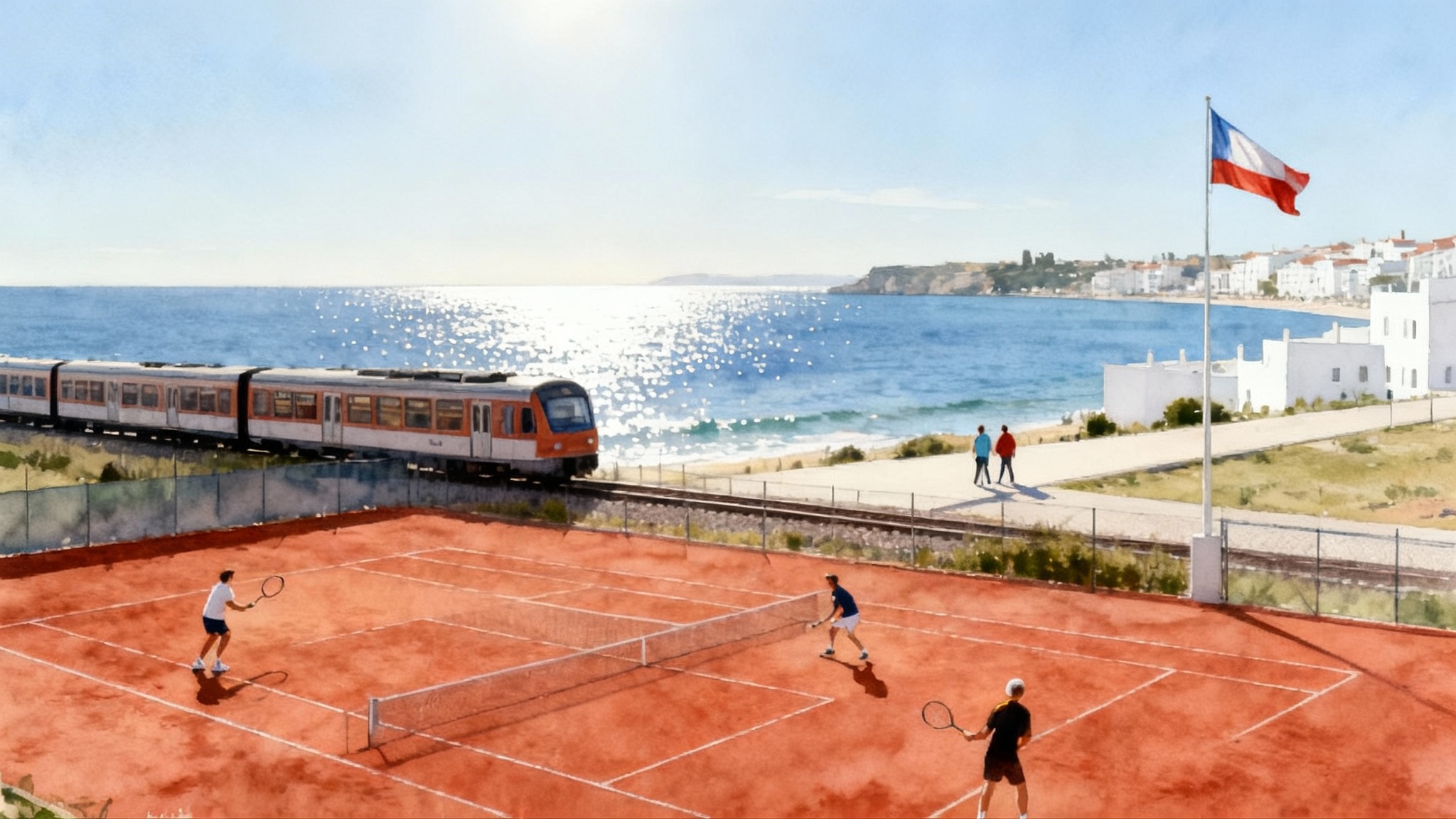
For a city-plus-clay alternative, see our Lisbon Estoril clay city base. If you are planning winter training elsewhere in Europe, compare with the Tenerife vs Madeira winter bases guide.
When comparing with Mallorca or coastal Tuscany, ask three practical questions rather than chasing headline nightly rates:
- How far is my bed from my first serve of the day, in minutes, door to court?
- How many hours of playable light and comfortable temperatures do I get this month?
- What is the true cap on group size at my academy sessions?
Lošinj tends to score well on these three in April to June and again in September to October, which is why it suits serious players and traveling families who want time on court to be the center, not an accessory.
Family add-ons that enrich the week
Winning a vacation with a family is less about ticking every box and more about offering a short list of good choices. Lošinj makes that easy.
- Dolphin spotting boat outings appeal to all ages and can be scheduled on your light training day
- Coastal paths through pine forest are stroller friendly and shaded, which makes late morning walks pleasant even after you finish a sweaty clay block
- Calm swimming coves let kids snorkel while you do a short mobility routine nearby
- The Apoxyomenos museum is compact and fascinating, perfect for a rest day hour
- Hills like Osoršćica offer a half-day hike with broad views and a simple picnic
None of these require long drives or complex logistics, so they do not steal recovery time. That is the point.
What to pack so every session counts
Tennis punishes improvisation. Pack with intention and you will protect your training blocks.
- Two pairs of clay shoes plus one hard court pair, with your primary clay soles broken in two weeks before departure
- Six extra overgrips per frame and a compact string kit if you are sensitive to tension changes. If you do not travel with strings, bring a short list of target tensions for the local stringer
- Pre-cut kinesiology tape for blisters and a few finger wraps. Clay rewards slides but can punish soft skin in week one
- Electrolyte tablets you trust at home. Switching brands on the road is a common mistake
- Light waterproof shell and a cap with a dark underbill to reduce glare when serving
- Resistance band and mini loop for activation. Use a five-minute routine before every hit
- Swim cap and goggles for recovery dips or short open-water swims in the coves
Add a hard rule: no new shoes out of the box on day one. Your feet will thank you by day three.
Handling wind, showers, and real life
Shoulder season keeps temperatures ideal but the sea can bring wind. Treat the breeze as a training tool rather than a mood killer. Warm up crosswind on clay to exaggerate margin over the net, then move your serve practice to the hard court to feel a cleaner launch. If showers arrive, courts here tend to drain quickly, and hard courts dry faster. Use the gap for video review, serve shadow swings, or a short strength session focused on split-step timing and hip rotation.
Set one boundary with your travel group before you arrive: a two-hour block each day that is non-negotiable for you. Everyone plans around it and you are fully present before and after. That clarity keeps the trip harmonious.
Booking cleanly from idea to first ball
- Pick dates that fit your work and family calendars. For 2025 and 2026, aim for April to mid June and again September to late October
- Secure academy sessions first so you lock the small-group ratio. Ask for a written daily outline and the exact cap on players per court
- Choose accommodation within a short walk or ride to the courts. Confirm the distance in minutes rather than relying on map scale
- Plan the inbound route with a buffer. If you are renting a car, book the automatic early. If you are using a transfer, share flight details and get a contact number you can text on arrival
- Build one off-court anchor for the family, such as the museum or a short boat outing, and schedule it on your active recovery day. Everyone looks forward to it, and no one argues about timing
A simple training framework to take home
Use this three-part structure each day and keep it when you return home:
- Ten minutes of activation with bands and skips
- One focused technical theme for the morning block, one tactical theme for the afternoon block
- Two written cues that you repeat at every changeover, such as shoulder height on the takeback and split at the bounce
By the end of the week you will have a small playbook that fits in a pocket. That is the real souvenir.
The bottom line
Lošinj is an uncrowded, better-value alternative that does not ask you to compromise on the quality of your training. In 2025 and 2026, the island’s shoulder season offers what most players actually need: predictable light, playable temperatures, and a base at Ljubicic Tennis Academy profile that guarantees small-group attention on red clay and hard courts. Add sea recovery you can repeat daily, short distances that remove friction, and enough family-friendly variety to keep everyone smiling.
Choose your week, lock your court time, and give yourself the gift of focused sessions in a place built for them. When you finish the final set on Friday and watch the sun move across the harbor, you will feel the difference between a tennis-themed vacation and a real training week.