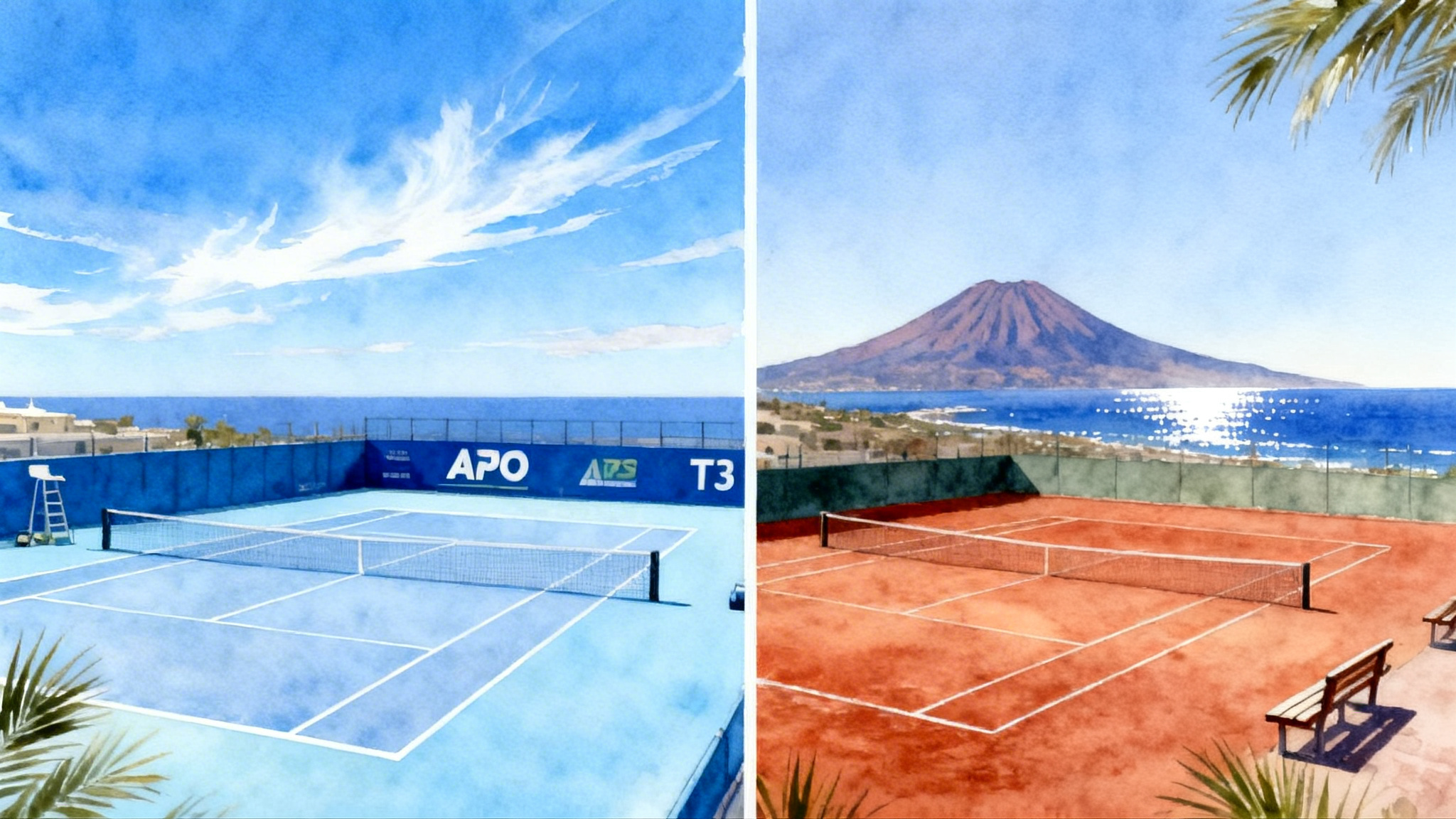
Desert Winter Tennis Guide: Indian Wells, Scottsdale, Dubai
Where to train from November through March when the rest of the map is frozen. Compare Indian Wells, Scottsdale, and Dubai on weather reliability, wind, humidity, altitude, and court access. Includes 7‑day plans and local recovery picks.
 Tommy
Tommy
Why desert winters are tennis gold
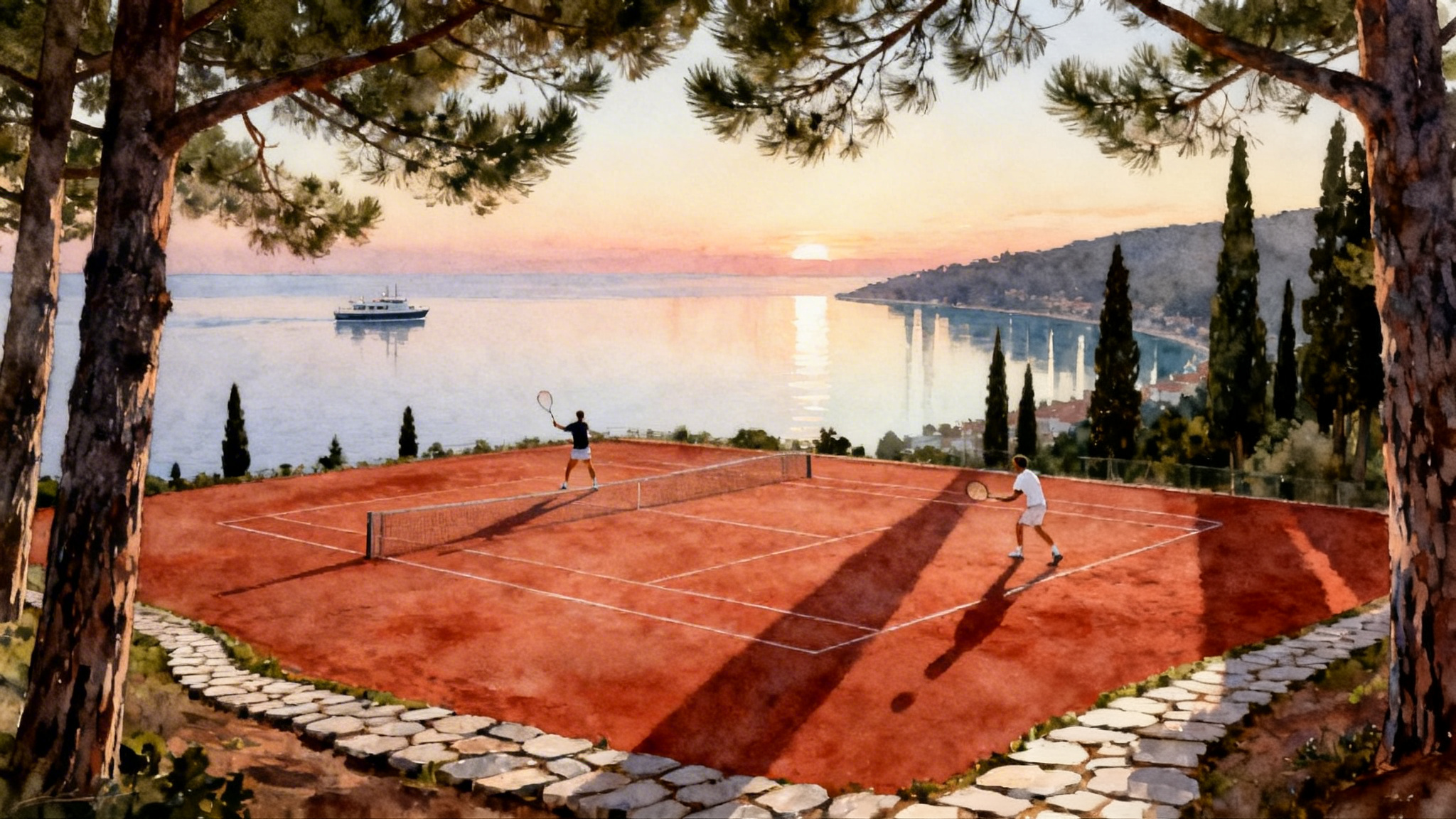
From November through March, three desert hubs deliver what winter players crave most: dry air, predictable sunshine, and long daylight. Indian Wells in California, Scottsdale in Arizona, and Dubai in the United Arab Emirates each offer a slightly different recipe of temperature, wind, humidity, altitude, and court access. This guide compares them head to head, then gives you two sample seven-day training plans built around major events, the BNP Paribas Open schedule in early March and the Dubai Duty Free Tennis Championships dates in February. For additional warm-season options, see our South Tenerife winter tennis and a stateside Austin Hill Country training base.
Climate reliability, in plain language
Desert training is about removing variables. Fewer rainouts, less humidity soaking the balls, and stable ball flight let you stack quality repetitions. Here is what that looks like on court.
-
Indian Wells, California
- Temperatures: Highs typically 68 to 82 Fahrenheit from December to March, cool mornings near 45 to 55. You will want a light layer for 8 a.m. hits and a cap for midday sun.
- Humidity: Often 20 to 40 percent. Felt stays crisp, strings feel lively, and grips stay dry.
- Wind: Many mornings are calm. Breezes pick up after lunch, especially in March. Plan your key drilling block before 11 a.m. and your pattern play when wind rises so you learn to aim bigger targets.
- Rain: Infrequent winter showers, usually short. Most weeks you will not lose a session.
-
Scottsdale, Arizona
- Temperatures: Highs usually 65 to 78 Fahrenheit from December to March, with cooler nights. Similar comfort to Indian Wells, but start times at 9 a.m. can feel brisk in January.
- Humidity: Very low, often 15 to 35 percent. Balls keep their bounce. Hydration matters because sweat evaporates quickly.
- Wind: Light in the morning, variable in the afternoon. Winter fronts can bring a gusty day or two each month.
- Rain: A handful of days per month at most. Courts dry fast.
-
Dubai, United Arab Emirates
- Temperatures: Highs roughly 75 to 85 Fahrenheit in December through March, with pleasant evenings for night sessions.
- Humidity: Moderate for a desert, often 45 to 65 percent. Evening moisture can soften ball felt a bit, which many players read as slightly slower through the air and heavier off the strings.
- Wind: Gentle sea breezes most days. Occasional dusty north wind days appear, but they are not common.
- Rain: Rare. If it does rain, facilities drain well and recover quickly.
Bottom line on reliability: if your priority is near zero rainouts and cool mornings, Indian Wells and Scottsdale are neck and neck. If you prefer warmer evenings and want to play under lights after dinner, Dubai is the most comfortable.
Altitude and ball flight, explained simply
Air density and court height change how the ball travels. A practical coaching rule of thumb is that for every one thousand feet of elevation, the ball flies about one percent faster and kicks a touch higher. You also get slightly less spin bite because the thinner air offers less resistance.
- Indian Wells sits near sea level. Ball flight is true, and the gritty acrylic hard courts in the region tend to play medium to medium slow, which rewards heavy spin and patience.
- Scottsdale is around twelve hundred feet. The effect is modest but noticeable for heavy topspin. Serves and forehands carry a little farther, and kick serves jump well. String two pounds tighter than your sea level setup if you tend to overhit.
- Dubai is at sea level. Night sessions feel a fraction slower due to humidity and cooler temperatures. If you rely on fast, flat contact, you may drop tension one to two pounds to keep the ball lively at night.
If you are developing serve shape, our kick serve mechanics guide pairs well with desert bounce.
Practical gear adjustments
- Strings: Bring two string setups and log how each responds morning versus evening. Desert dryness speeds string notching and tension loss. Re-stringing once per week keeps depth windows consistent.
- Balls: If you bring your own for training, choose a regular duty felt for gritty courts and high duty felt for smoother acrylic. Swap in a fresh can daily for rhythm drills.
- Grips and skin: Dry air eats grips and hands. Pack extra overgrips and a small tube of hand balm to avoid cracked fingers.
Surface access and how to actually get a court
-
Indian Wells and the Coachella Valley
- Public access: Indian Wells Tennis Garden opens to the public for bookings outside tournament blocks, and there are excellent municipal options in Palm Desert and La Quinta. Courts book quickly in March, so reserve ahead.
- Private clubs and resorts: Many gated communities limit access to guests or members only. If you stay at a resort, confirm court time is included or bookable at your preferred hours.
-
Scottsdale and Greater Phoenix
- Public access: Scottsdale is a public court paradise. Scottsdale Ranch Park and Indian School Park offer dozens of lit courts, ball machines, and organized mixers. The Phoenix Tennis Center is another reliable base.
- Private clubs and resorts: Resorts such as The Phoenician or JW Marriott Desert Ridge have guest-priority access, plus clinics. If you want frictionless morning reservations, a resort with on-site courts is worth the premium.
-
Dubai
- Public access: Courts cluster at private clubs, residential communities, and hotels. You can book non-member slots at many venues, often with a modest guest fee.
- Booking apps and academies: Multi-venue academies run adult drills across the city, and booking platforms list open slots. Night sessions are widely available, which is perfect for business travelers.
Tip that saves you headaches
Choose a base within a fifteen minute drive of two different facilities. If one sells out, the backup keeps your schedule intact.
Where to stay near courts, neighborhood by neighborhood
-
Indian Wells area
- Indian Wells and La Quinta: Closest to Indian Wells Tennis Garden and La Quinta Resort courts. Quiet, upscale, easy parking.
- Palm Desert, near El Paseo: Great dining, quick access to Palm Desert Civic Center Park courts.
- Rancho Mirage, near The River: Central location for bouncing between clubs.
-
Scottsdale area
- Old Town Scottsdale: Walkable restaurants, ten to fifteen minutes to Indian School Park and Scottsdale Stadium area.
- McCormick Ranch and Gainey Ranch: Family friendly, near McCormick Ranch Park and several resorts.
- Kierland and Scottsdale Quarter: Newer hotels and apartments, a short drive to Scottsdale Ranch Park and north Scottsdale courts.
- Desert Ridge and Grayhawk: Easy freeway access, close to larger resort complexes.
-
Dubai
- Garhoud: Adjacent to Dubai Duty Free Tennis Stadium and near the airport, efficient for tournament week.
- Dubai Marina and Jumeirah Beach Residence: Sea views, plentiful night-life, and quick access to multiple hotel courts.
- Jumeirah Lakes Towers: Apartment hotels and mid-range options with short rides to Marina area facilities.
- Downtown Dubai: Central hub if you want city energy and a balanced commute to most clubs.
Drop in clinics and resort programs to target
-
Indian Wells region
- Indian Wells Tennis Garden: Adult clinics, live ball sessions, and match play are offered most of the winter outside pro event weeks. Call ahead for level ratings and caps.
- La Quinta Resort and Club: Daily adult programs, morning drills, and private coaching, plus multi-day camps in peak months.
- City programs: Palm Desert and La Quinta city parks host organized mixers and ladder play. These are wallet friendly and social.
-
Scottsdale and Phoenix
- Scottsdale Ranch Park and Tennis Center: Drop in drills, rating-based mixers, and ball machine rentals. Night play is excellent.
- Indian School Park: Adult drills and leagues that pair well with a morning strength block.
- Health clubs with courts: The Village Health Clubs and similar facilities offer fast moving clinics for visiting players who purchase day passes.
-
Dubai
- Citywide academies: Well known academies host adult drills at multiple sites. Sign up for morning technique and evening point play, then add a private lesson to tune serve targets.
- Hotel programs: Major beach hotels maintain quality hard courts with guest priority and coaching on request.
When you inquire, ask three specifics: maximum player count, coach to court ratio, and whether point play is live ball or fed ball. These three answers predict training intensity better than any brochure.
Recovery add ons that keep you training day after day
-
Indian Wells and Coachella Valley
- Hikes: Indian Canyons and the Santa Rosa foothills offer gentle grade hikes that pair with afternoon mobility.
- Spas and soaks: Desert Hot Springs mineral pools are forty minutes away, a perfect rest day treat.
- Food: El Paseo in Palm Desert is your recovery carb headquarters.
-
Scottsdale and Phoenix
- Hikes: Camelback Mountain and Pinnacle Peak are iconic. The McDowell Sonoran Preserve has flatter trails for easy days.
- Spas: Resort spas at The Phoenician, Boulders, and Sanctuary on Camelback deliver classic post match recovery.
- Recovery tech: Many clubs offer compression boots and infrared saunas. Book a thirty minute session after your heaviest day.
-
Dubai
- Water and wind: Stroll the Jumeirah Corniche or Kite Beach after night matches.
- Desert reset: A half day desert trip with easy dune walking gives your joints a break from hard courts.
- Spas: Major hotels run high standard hydrotherapy circuits. Schedule this before your heaviest practice day to show up fresh.
Cost ranges to budget realistically
Prices swing by date and by whether a major event is in town, but these working ranges will keep your spreadsheet honest.
-
Court time per hour
- Indian Wells area: 10 to 40 United States dollars at municipal or public facilities, 30 to 60 at resorts.
- Scottsdale: 5 to 25 at municipal centers, 25 to 50 at resorts.
- Dubai: 60 to 120 United Arab Emirates dirhams, roughly 16 to 33 United States dollars, with premium hotel courts higher.
-
Group clinics, per person
- Indian Wells and Scottsdale: 25 to 50 at public centers, 45 to 90 at resorts.
- Dubai: 80 to 150 United Arab Emirates dirhams for group drills, with private lessons around 300 to 500 dirhams per hour depending on venue and coach profile.
-
Lodging, per night for mid-range
- Indian Wells area: 160 to 320 United States dollars most winter weekdays, rising on March event weekends.
- Scottsdale: 140 to 280 mid week, higher on long weekends and during the golf tournament and spring training.
- Dubai: 120 to 260 mid week in winter, higher during February event weeks and holidays.
Money saver: if you plan three or more clinics at one facility, ask for a training bundle. Many centers quietly discount multi-session bookings.
Shoulder weeks to dodge crowds and still get sunshine
- Indian Wells: Early November is quiet and dry. Late January through early February offers stable weather before the tournament build up. The two weeks after the March event often settle quickly.
- Scottsdale: Early December and early January are calm, with prime weather and open courts. Late January can spike with events, so aim just before or just after.
- Dubai: The first half of November and the final third of March tend to be open, with warm evenings and easier court bookings.
Sample seven day training plan, Indian Wells during BNP Paribas Open
This plan assumes you arrive the Friday before main draw action and stay near Indian Wells or La Quinta. Adjust sleep and hydration on day one. If you intend to watch night sessions, shift heavy practice to morning.
- Day 1, Friday: Travel, 30 minute mobility, 60 minute light rally at sunset. Focus on depth windows at sea level. Early dinner.
- Day 2, Saturday: 8:00 a.m. serve plus first ball patterns, 90 minutes. 30 minute video review. Afternoon hike in the Santa Rosa foothills. Evening doubles set, 60 minutes, to rehearse returns.
- Day 3, Sunday: 8:00 a.m. live ball baseline plus short ball attack, 120 minutes. Lunch, then stadium grounds session for pro match scouting. Note how players defend the ad corner on the slower hard court.
- Day 4, Monday: 7:30 a.m. private lesson, 60 minutes, on second serve targets. 10:00 a.m. clinic, 90 minutes, for return patterns. Afternoon ice bath or cold pool dip, 5 to 8 minutes total with gentle movement.
- Day 5, Tuesday: 8:00 a.m. match play, best of three short sets with a local ladder. Afternoon pro session in the stadium. Study how heavy spin finds the back fence here.
- Day 6, Wednesday: Recovery morning, 45 minute bike or hike. 4:00 p.m. shadow swings and serve basket, 45 minutes. Night session in the stadium, bring layers for cooler desert evenings.
- Day 7, Thursday: Peak practice, 90 minute offense versus defense drill day. Close with 20 minutes of serve plus one patterns. Evening stretch, pack, and a last desert dinner.
Logistics note: book morning courts a week or more in advance for tournament week. If you see winds increasing after lunch, move technical work forward and save point play for the breezy slot.
Sample seven day training plan, Dubai during Championships week
A February Dubai week invites morning technique and post dinner point play under lights. Base near Garhoud if stadium access is a priority, or in Marina or Jumeirah Lakes Towers if you love the waterfront.
- Day 1, Friday: Arrival, 45 minute walk on the Corniche. 8:00 p.m. light hit under lights, 60 minutes, to feel the ball in mild humidity.
- Day 2, Saturday: 8:30 a.m. technical clinic, 90 minutes, on neutral rally tolerance. Afternoon nap. 7:00 p.m. doubles mixer, 90 minutes, practice eye discipline on quick exchanges.
- Day 3, Sunday: 9:00 a.m. private lesson, 60 minutes, on serve rhythm and toss height. Evening stadium session for scouting. Observe how players manage depth with sea level bounce.
- Day 4, Monday: 8:00 a.m. patterns and approach clinic, 90 minutes. Lunch and pool recovery. 8:00 p.m. match play set, 60 minutes.
- Day 5, Tuesday: Recovery morning with 30 minute easy spin on a bike or beach walk. 7:30 p.m. serve plus return ladder, 75 minutes. Short mobility before bed.
- Day 6, Wednesday: 8:30 a.m. live ball, 120 minutes, with cross court forehand to backhand pattern work. Evening pro session in the stadium.
- Day 7, Thursday: 9:00 a.m. peak practice, 90 minutes, finish with tie break scenarios. Afternoon spa circuit, then a quiet dinner.
Hydration reminder: carry electrolytes to every session. Dry heat in Indian Wells and Scottsdale, and warm evenings in Dubai, can mask fluid loss because sweat evaporates quickly.
Choosing your hub, decision guide
- Pick Indian Wells if you want the slowest hard courts, the feel of a major event week, and mornings that are usually calm. Best for patient grinders and players tuning high spin shapes.
- Pick Scottsdale if you want maximum public court access across many neighborhoods, a touch of altitude for livelier bounce, and a food scene that handles team dinners with ease. Best for players who like many match play options.
- Pick Dubai if you want warm nights under lights, minimal rain risk, and a cosmopolitan city base with reliable coaching depth. Best for business travelers and night owls who train after work.
Practical booking checklist
- Reserve three morning sessions before you book flights. If you cannot get morning slots, reconsider dates.
- Ask for a rain or wind policy. A simple reschedule window protects your volume goals.
- Confirm ball machine availability and bring your preferred hopper drill list.
- For clinics, get the level range in writing. If the posted range is too wide, request a tighter group or opt for a private.
What to pack for desert tennis
- Sun kit: brimmed hat, two pairs of sunglasses, mineral sunscreen, and a light long sleeve layer.
- Feet: two pairs of shoes rotated daily so midsoles rebound. Dry air accelerates foam fatigue.
- Strings and grips: at least two reels or six sets for a week if you hit daily. Ten overgrips minimum.
- Recovery: lacrosse ball, mini band, and a travel sized massage gun. Thirty minutes nightly prevents stiffness.
A smart closing thought
Desert training is not about suffering in the heat. It is about predictability, rhythm, and stacking days. Choose the hub whose micro variables match your game, set a morning anchor session before the wind and the inbox arrive, and use the city around you for enjoyable recovery. With a clear plan and a flexible backup court, November through March can be the most productive five months of your tennis year.