Austin Hill Country Tennis 2025–26: Base at Legend Academy
Make Austin’s Hill Country your October to April tennis base. Train at Legend Tennis Academy’s new covered, lighted courts, plug into a clear junior pathway, access UTR and USTA events, and live lakeside around Lake Travis.
 Tommy
Tommy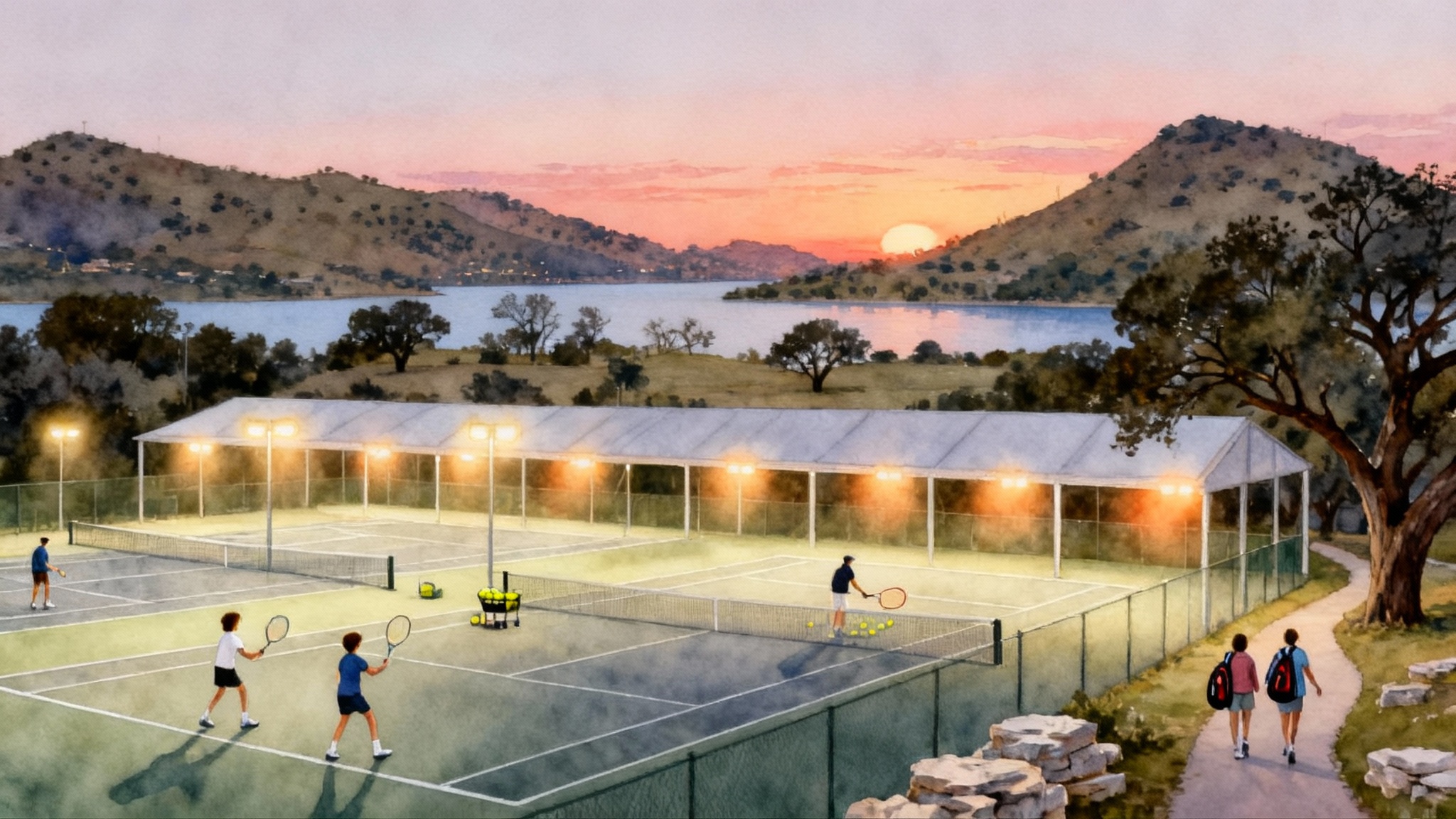
Why Austin’s Hill Country is the smartest shoulder‑season base
October to April is the sweet spot for high‑quality training in Central Texas. Daytime temperatures settle into a reliable band that lets you stack court hours without the heat fatigue of summer, and spring winds arrive late enough to leave five full months of mostly calm practice windows. Set your base around Lake Travis in the Hill Country and you get cooler mornings, scenic recovery runs, and quick access to the Austin metro’s tournament grid.
The practical advantage is simple: players can live lakeside, train on pro‑caliber hard courts, and compete across the city most weekends, all while avoiding peak‑season prices in other tennis hubs. Families appreciate the lifestyle mix, adults get a clean weekly rhythm, and juniors follow a clear development ladder from fundamentals to match‑play and tournament reps.
Meet the anchor: Legend Tennis Academy
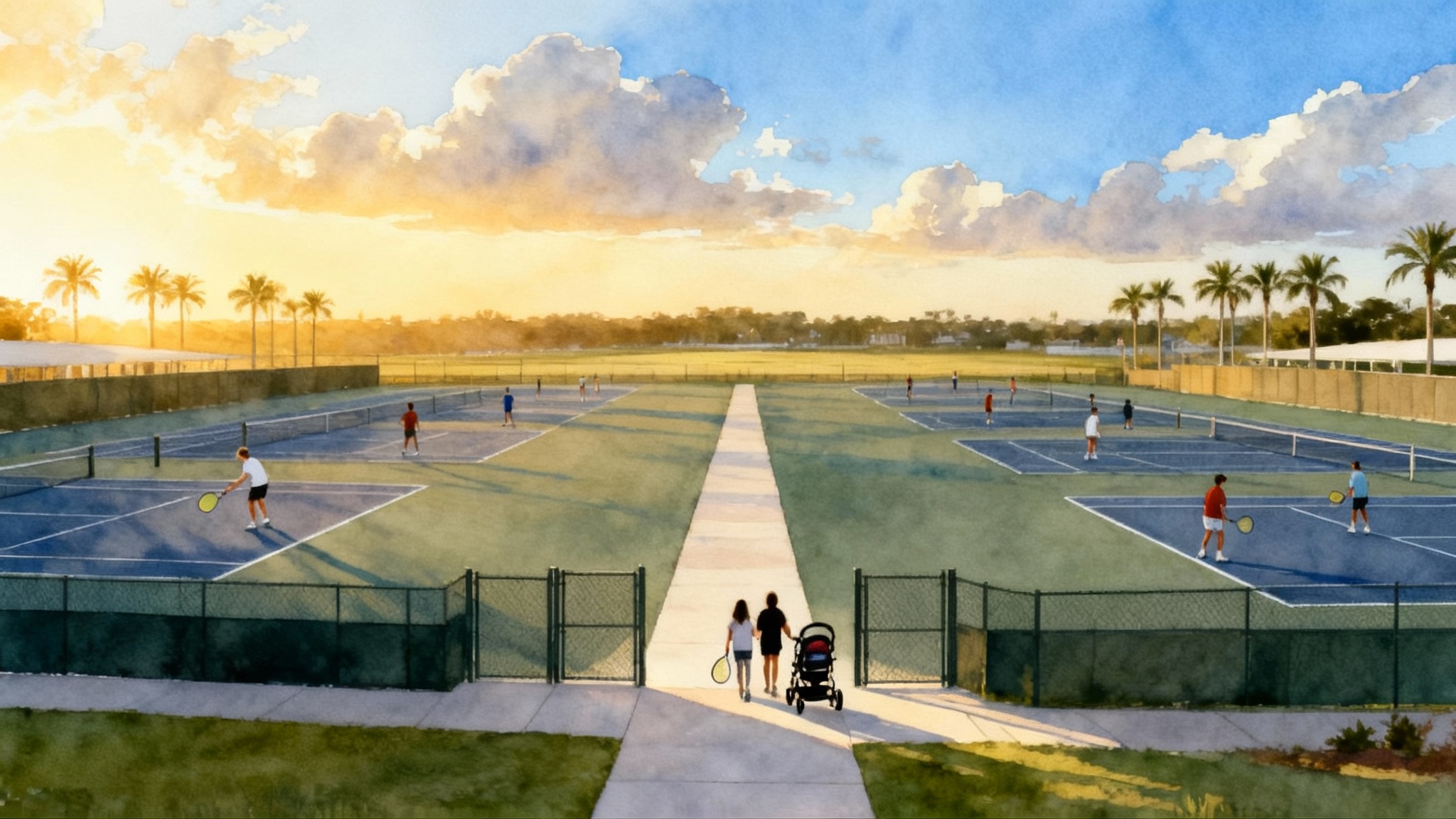
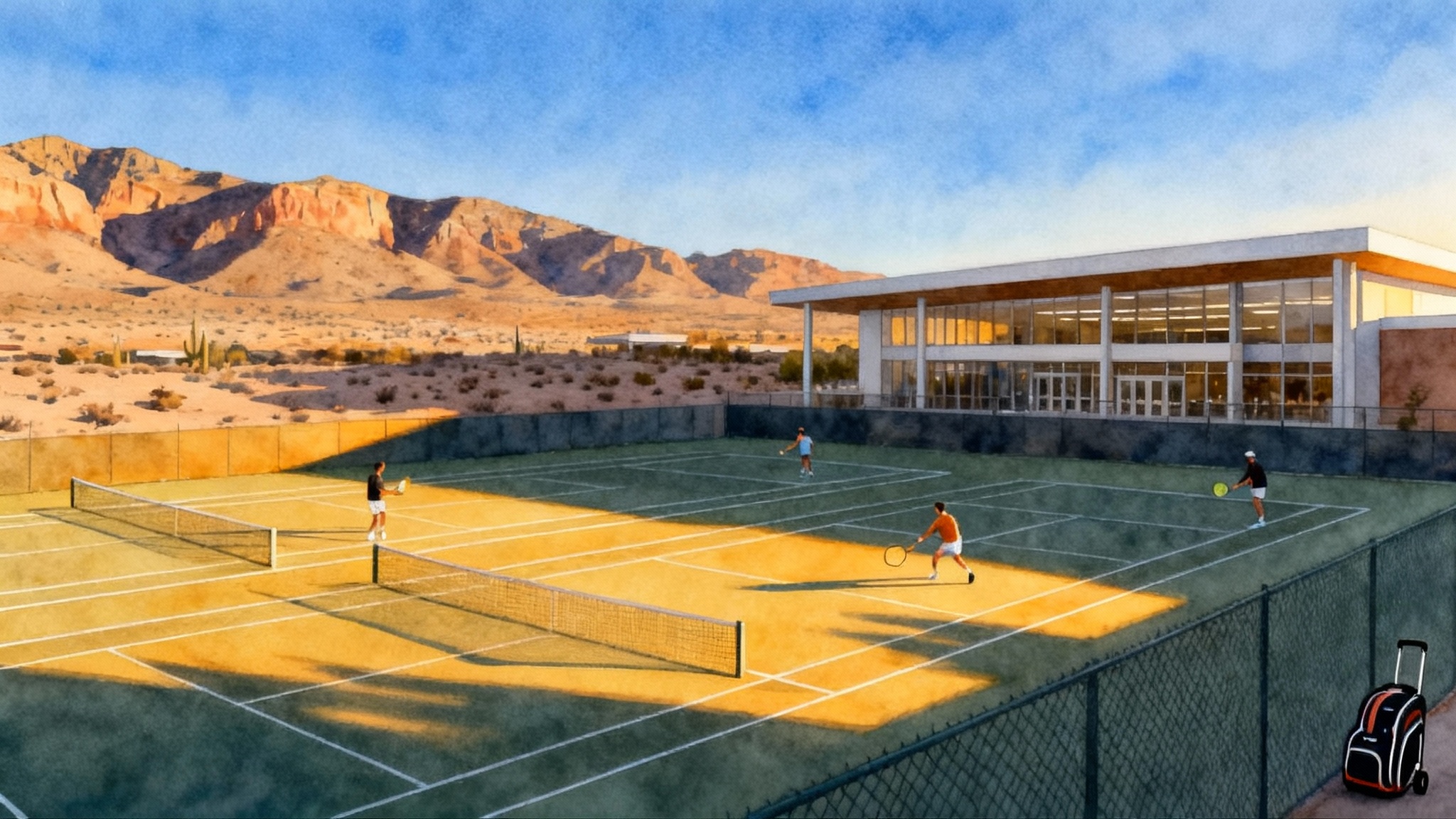
Legend Tennis Academy is the heartbeat of this 2025–26 plan. The academy’s new covered, lighted courts opened in 2025, creating all‑weather training slots from early morning into the evening. Covered courts remove rain delays and midday glare, while lights unlock cooler, low‑wind sessions after school and work.
The junior pathway is deliberately structured. It starts with fundamentals and footwork, moves into themed live‑ball, and then transitions to tactical sets and Universal Tennis Rating (UTR) match‑play blocks. Weekly checkpoints assign specific goals, such as second‑serve patterns under scoreboard pressure or plus‑one patterns off the return. Adult programming mirrors that clarity. Sessions progress from technical clinics to live‑ball scenarios, with optional evening point‑play under the lights.
If you want help finding the right session and building a full plan, visit the Legend Tennis Academy listing. For broader U.S. planning comparisons, see our Orlando 2025–26 tennis base guide and the Atlanta year‑round tennis guide.
October to April climate calendar
The numbers below are typical ranges for Austin, informed by long‑term climate normals. For additional context, consult the NOAA climate normals database. Use these bands to schedule high‑intensity blocks, rest days, and tournament weekends.
-
October
- Typical high and low: 80 to 85°F, 58 to 64°F
- Rain profile: the fall wet pulse can drop brief afternoon showers; mornings are usually clear
- Wind: light
- What to do: emphasize volume and technical reps on hard courts; build base fitness with tempo runs on shaded greenbelts
-
November
- Typical high and low: 68 to 74°F, 48 to 54°F
- Rain profile: fewer storms; occasional brisk fronts
- Wind: light to moderate on frontal days
- What to do: layer in tactical live‑ball and first match‑play blocks; schedule Friday night sets under lights for match rhythm
-
December
- Typical high and low: 58 to 64°F, 40 to 46°F
- Rain profile: modest, with quick‑passing systems
- Wind: calm most mornings
- What to do: prioritize quality over volume; add serve plus one patterns and return games; be aware of cedar pollen for sensitive athletes
-
January
- Typical high and low: 56 to 62°F, 38 to 44°F
- Rain profile: drier than fall, cold fronts bring brief chill
- Wind: light mornings, occasional breezy afternoons following fronts
- What to do: schedule morning technical blocks on covered courts; use afternoons for strength and mobility inside
-
February
- Typical high and low: 60 to 66°F, 42 to 48°F
- Rain profile: modest, with a few gray days
- Wind: starting to increase, mostly manageable
- What to do: progress to competitive point‑play sets; introduce serve targets with speed plus spin goals
-
March
- Typical high and low: 70 to 76°F, 50 to 56°F
- Rain profile: scattered spring showers; quick drying on wind
- Wind: moderate breezes are common
- What to do: mornings for precision; afternoons for movement and patterns that tolerate wind. Build in one tournament weekend
-
April
- Typical high and low: 78 to 84°F, 58 to 62°F
- Rain profile: spring showers with rapid clear‑outs
- Wind: easing by late month
- What to do: peak for tournaments with targeted set play, return games, and short, fast fitness sessions
How to read the calendar: mornings are your quality window. Book the most technical work 8:00 to 11:00. Use the covered, lighted courts for targeted evening sessions that simulate match stress without heat. Plan one rest or active‑recovery day per week.
Housing around Lake Travis
A lakeside base gives you access to quiet mornings, trail options, and short drives to training.
-
Steiner Ranch
- Who it suits: families and adults who want neighborhood parks, coffee, and easy trail access
- Commute: typically 10 to 25 minutes to most Hill Country tennis venues depending on time of day
- Housing mix: single‑family homes, some townhomes, limited short‑term rentals
-
Lakeway and Bee Cave
- Who it suits: families and tournament‑oriented juniors who value quick hops to courts and groceries in one compact zone
- Commute: often 5 to 20 minutes to training sites in the Lake Travis area
- Housing mix: short‑term rentals, lake‑view condos, resorts, and neighborhood homes
-
Hudson Bend and Volente
- Who it suits: adults and families who want lake life and sunset decks
- Commute: expect 10 to 25 minutes to training, with a few winding roads
- Housing mix: cottages and lake houses, some with private docks
-
Spicewood
- Who it suits: longer stays that prioritize quiet, space, and starry nights
- Commute: 20 to 35 minutes depending on the exact address
- Housing mix: ranch houses, cabins, and boutique rentals
Booking tips
- Shoulder‑season value is real. Sunday to Thursday stays are usually the best price window
- Ask hosts about wind exposure on decks if you plan to string racquets or do recovery outside
- Confirm parking layout if you travel with a ball machine or a roof box
- When possible, choose homes with a small garage or gear room to store bags, recovery tools, and stringing setups
Sample week plans you can copy
Below are example frameworks. Swap times to your school or work schedule and slot in Legend Tennis Academy sessions across the week.
Junior pathway week
-
Monday
- 7:00 to 7:30: mobility, shoulder care, and three minutes of deep breathing
- 8:00 to 10:00: technical block on covered courts, serve and first ball patterns
- 5:30 to 7:00: live‑ball plus situational games, emphasis on neutral to offense transitions
-
Tuesday
- 7:00 to 7:20: sprint mechanics and change‑of‑direction
- 8:00 to 10:00: return games and depth windows, second‑serve aggression without overhitting
- 6:00 to 7:30: strength and mobility in the gym, optional 15‑minute cold plunge or lake dip
-
Wednesday
- 8:00 to 10:00: tactical themes for the week, such as forehand inside‑in on short cross replies
- Afternoon: video review and goal setting for the weekend
-
Thursday
- 7:30 to 9:30: point‑play ladder, best of five four‑point tiebreaks with serve targets
- 5:30 to 6:30: serves only, 60‑ball session with charting
-
Friday
- 8:00 to 9:30: light hit, patterns on autopilot, exits by 75 minutes
- Evening: match‑play under lights. Two sets to four with full changeovers, then a 10‑point tiebreak
-
Saturday or Sunday
- Tournament day or match‑play block through Universal Tennis Rating events when available
- If no event, schedule two practice sets with a third set played as situational games
Adult week
-
Monday
- Early: 20 minutes of bands and core
- 8:00 to 9:30: clinic focused on contact point and spacing
- Evening: 45‑minute recovery walk on neighborhood trails
-
Tuesday
- 8:00 to 9:30: doubles patterns with first‑volley quality, then return position experiments
- 6:30 to 7:30: low‑impact strength and shoulder care
-
Wednesday
- 8:00 to 9:00: serves with targets, 50 to 70 balls, chart makes
- 6:30 to 8:00: social doubles or mixed, keep it light
-
Thursday
- 8:00 to 9:30: live‑ball wave drills, neutral to defense to neutral resets
-
Friday
- 8:00 to 9:00: short, sharp tune‑up under the cover if windy
- Evening: match‑play to four
-
Weekend
- One day off‑court adventure around Lake Travis. One day for league or tournament play
Family week
-
Monday to Friday mornings
- Parents: 8:00 to 9:00 adult clinic while younger kids do red or orange ball
- Junior: 9:00 to 11:00 pathway session
-
Afternoons
- Homework and downtime, then 5:30 to 6:45 point‑play under the lights two evenings per week
-
Weekend
- One day as a family lake walk and picnic. One day for tournaments or friendly matches
Tournament access across the Austin metro
Austin supports regular competition for both juniors and adults through Universal Tennis Rating (UTR) events and United States Tennis Association (USTA) tournaments. The pattern looks like this:
- UTR match‑play: frequent one‑day or evening blocks, ideal for rating movement and specific tactical goals
- USTA tournaments: weekend draws for juniors and adults across skill levels, with formats ranging from round‑robin to single elimination
Your strategy: build a four‑week arc. Weeks one and two emphasize training volume, week three features a UTR evening event plus a lighter weekend, and week four is a USTA tournament weekend. This rhythm balances technical growth with competitive polish.
For planning, start with the USTA Texas tournament calendar and filter by the Austin area, age group, and surface. Legend Tennis Academy staff can help you sequence these dates around your training blocks.
Flights and on‑the‑ground logistics
-
Airport
- Austin‑Bergstrom International Airport sits to the southeast of downtown. Lake Travis area drives typically run 35 to 60 minutes depending on traffic
- Nonstop flights from most major hubs make weekend turnarounds practical. Expect about 3 hours from Denver, 3.5 hours from Chicago, just over 4 hours from Los Angeles, and under 4 hours from Miami when winds are favorable
-
Ground transportation
- A rental car is the simplest choice for families and tournament travel across the metro
- Rideshare works for single adults staying close to training, but allow buffer time during school commute windows
-
Food and recovery
- Stock a simple breakfast kit to front‑load morning sessions. Plan one early dinner at home before match‑play nights
- Build a weekly rhythm with mobility, shoulder care, and short walks. The combination of covered courts and evening lights makes it easy to train hard without chasing perfect weather
-
Medical and stringing
- Keep a list of local physical therapists who understand junior growth plates and overhead athletes
- Bring a backup racquet and strings. If you string at home, ask about a quiet corner for your machine at your rental
Value, weather, and surface comparison
The choice is not which region is best in the abstract. It is which region aligns with your training goals, budget, and calendar. Here is a practical comparison for October to April.
-
Austin Hill Country
- Weather: cool mornings and mild afternoons, with brief cold fronts that pass fast
- Value: shoulder‑season lodging around Lake Travis keeps costs reasonable, especially midweek
- Surfaces: high‑quality acrylic hard courts at the academy, with some local access to clay for recovery days
- Edge: covered and lighted courts guarantee reps, and the metro offers frequent competitive play without long drives
-
South Florida
- Weather: warm and humid in fall, very pleasant midwinter, more rain in October and late spring
- Value: winter lodging peaks. Training slots are abundant but often booked early
- Surfaces: widespread Har‑Tru clay with plenty of hard courts in larger facilities
- Edge: clay volume and density of events if you are targeting clay‑court movement and point construction. Compare with our Orlando 2025–26 tennis base guide
-
Atlanta
- Weather: colder midwinter, with some freeze days that cut outdoor windows
- Value: strong for local families, less so for fly‑in players due to weather risk
- Surfaces: healthy mix of hard and clay at clubs and parks
- Edge: convenient for Southeast families who need drive‑to events, but winter volatility can fragment training. See the Atlanta year‑round tennis guide
-
Southern California
- Weather: mild with pockets of winter rain. Cool marine mornings, especially near the coast
- Value: higher lodging costs near premier clubs
- Surfaces: mostly hard courts with limited clay access
- Edge: predictable outdoor windows and a deep tennis culture, but cost and traffic can eat into training time
What this means for 2025–26: if your goals center on consistent hard‑court reps, a clear junior ladder, and frequent UTR and USTA starts without expensive lodging, Austin’s Hill Country is the efficient choice for October to April. If you must stack clay hours, South Florida still holds an edge. If you need coastal weather with low humidity and budget is flexible, Southern California fits. Atlanta is strong for locals who can pivot indoors on cold snaps.
How to make it yours for 2025–26
-
Set dates now
- Pencil a four to eight week block between late October and mid‑April. Avoid holiday peaks unless family travel requires it
-
Reserve your training spine
- Book Legend Tennis Academy’s covered and lighted sessions first. This locks in morning quality and evening match‑play without weather surprises
-
Layer housing and commute
- Choose Lakeway, Bee Cave, Steiner Ranch, Hudson Bend, Volente, or Spicewood based on school needs and commute tolerance. Ask for blackout curtains and a quiet workspace
-
Build your competition arc
- Set one USTA weekend per month and fill with UTR evening blocks. Track workloads and insert one lighter week every four
-
Protect the engine
- Schedule two mobility sessions per week and a true off day. Use the lake trails for easy recovery walks that support sleep
-
Keep the plan visible
- Post goals on the fridge and in your tennis bag. Simple prompts help juniors stick to serve targets and return depth standards
When the weather tries to interrupt, covered and lighted courts keep the plan rolling. When you need a reset, the lake and hills give you quiet time between sessions. Set the spine now and you will arrive in April with more quality reps, better match habits, and a training base you will want to repeat next season.
The bottom line
Choose a base that makes your daily decisions easy. In Austin’s Hill Country, you can wake to cool mornings, train on covered, lighted courts at Legend Tennis Academy, and compete across the metro most weekends. Families settle in around Lake Travis, adults keep a steady rhythm, and juniors climb a clear ladder from fundamentals to match‑play. That is how October to April becomes the most productive stretch of your tennis year.