Tokyo Spring Tennis 2026: Setagaya Coaching and Sakura
 Tommy
Tommy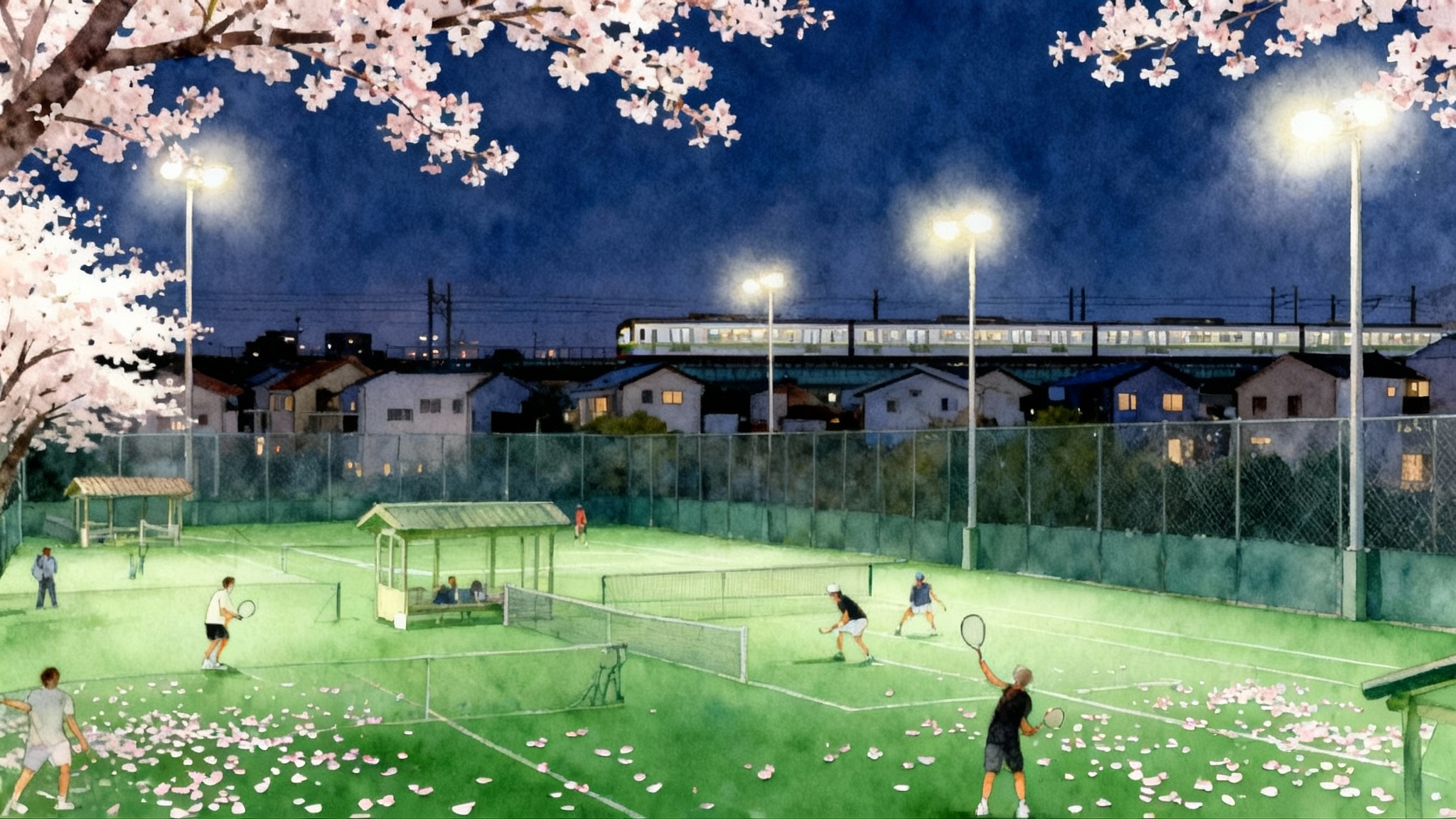
Why spring 2026 in Setagaya makes tennis better
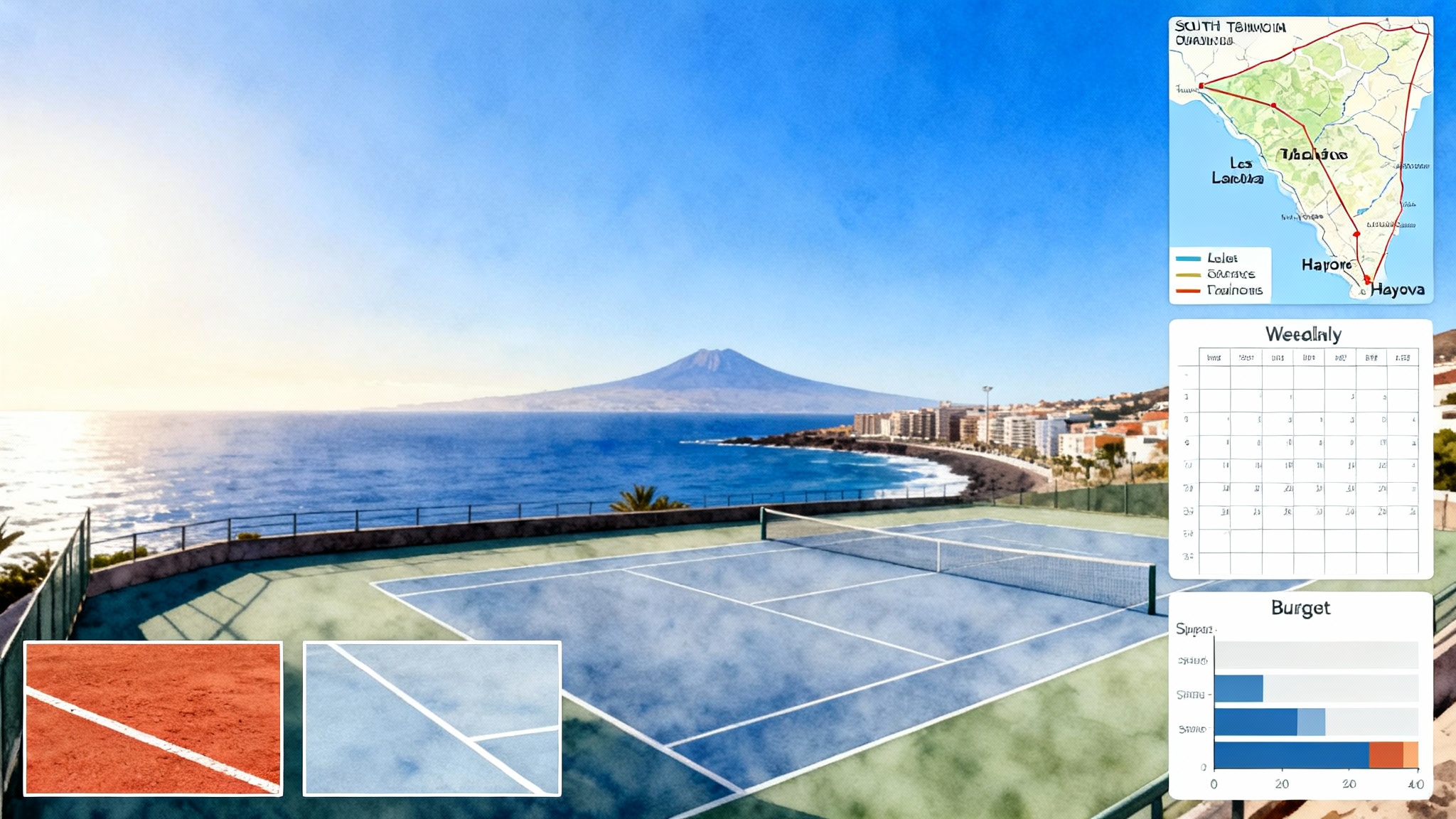
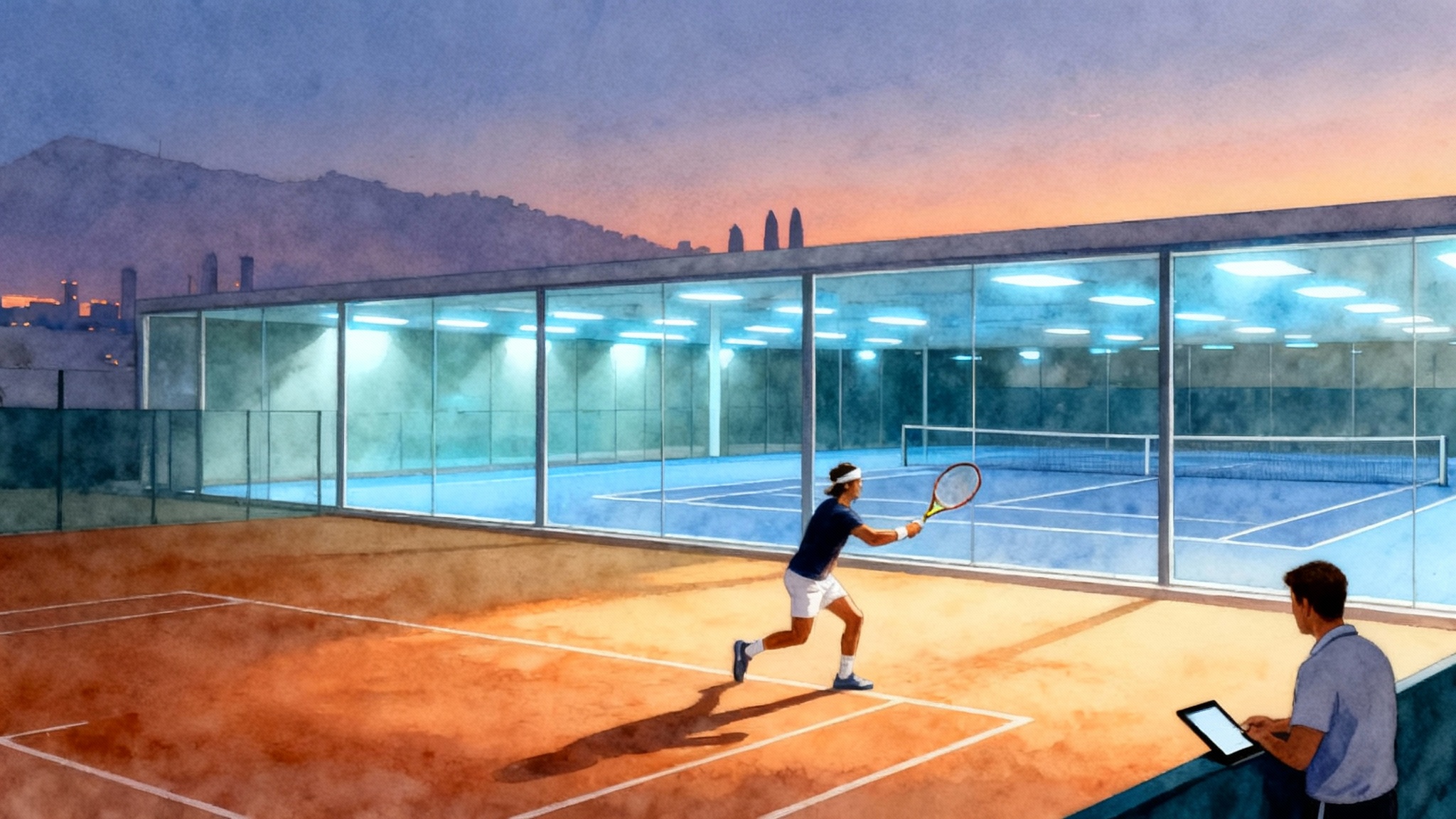
Late March to mid April in Tokyo lines up a rare combination for players: cool, steady temperatures, long evening light, and cherry trees in bloom. Setagaya sits on the city’s western side with fast rail into Shibuya and Shinjuku, yet its streets and parks feel residential and calm. That balance makes it ideal for a train and play trip, especially if you anchor your coaching with Seijo Tennis Academy in Setagaya and supplement citywide sessions with Shi Shi Tennis Academy in Tokyo. Public courts with lights extend play into the evening, and private centers add indoor bubbles or fully covered courts for rainy days.
The result is a practical formula: morning coaching while the air is crisp, a midday hanami break under blossoms, and evening match play under lights. You are not chasing the sun. You are using the timetable of the city.
Weather, blossoms, and what that means for your sessions
Expect daytime highs that are comfortable for sustained movement, with cool mornings that reward an energetic warmup. Layers work best: a light long sleeve for the first fifteen minutes, then a breathable tee. Humidity is moderate. Rain is possible, which is why building in at least one indoor session is smart. If your schedule spans two weekends, probabilities favor at least one clear day for hanami.
Cherry blossom timing varies year to year, but Tokyo’s typical window runs from the last week of March through the first half of April. Plan your hard commitments around this window and keep sightseeing flexible. When petals start to fall, courts close to parks can be at their most atmospheric. A few pink petals on a green surface make footwork practice surprisingly memorable.
Your coaching anchors: Seijo and Shi Shi
-
Seijo Tennis Academy (Setagaya): This neighborhood program is a natural base if you are staying along the Odakyu Line near Seijo Gakuenmae. Expect small group drilling, technical checkpoints with clear demonstrations, and easy add on match play. The staff are accustomed to players dropping in for a short block during spring travel. Start by contacting Seijo Tennis Academy in Setagaya with dates, level, and goals.
-
Shi Shi Tennis Academy (citywide): This group runs sessions across Tokyo and is useful for filling gaps in your schedule. If rain threatens, ask about their indoor or partially covered options. Their weeknight sessions are friendly to working visitors who want to hit after dinner. See Shi Shi Tennis Academy in Tokyo for schedule and fit.
For both academies, write ahead with your level, preferred time windows, and whether you want technique heavy drilling, point construction, or match play. Send a short video clip of your serve and forehand from behind the baseline. It shortcuts the first day and tells coaches exactly where to start.
Evening lights and rain safe domes
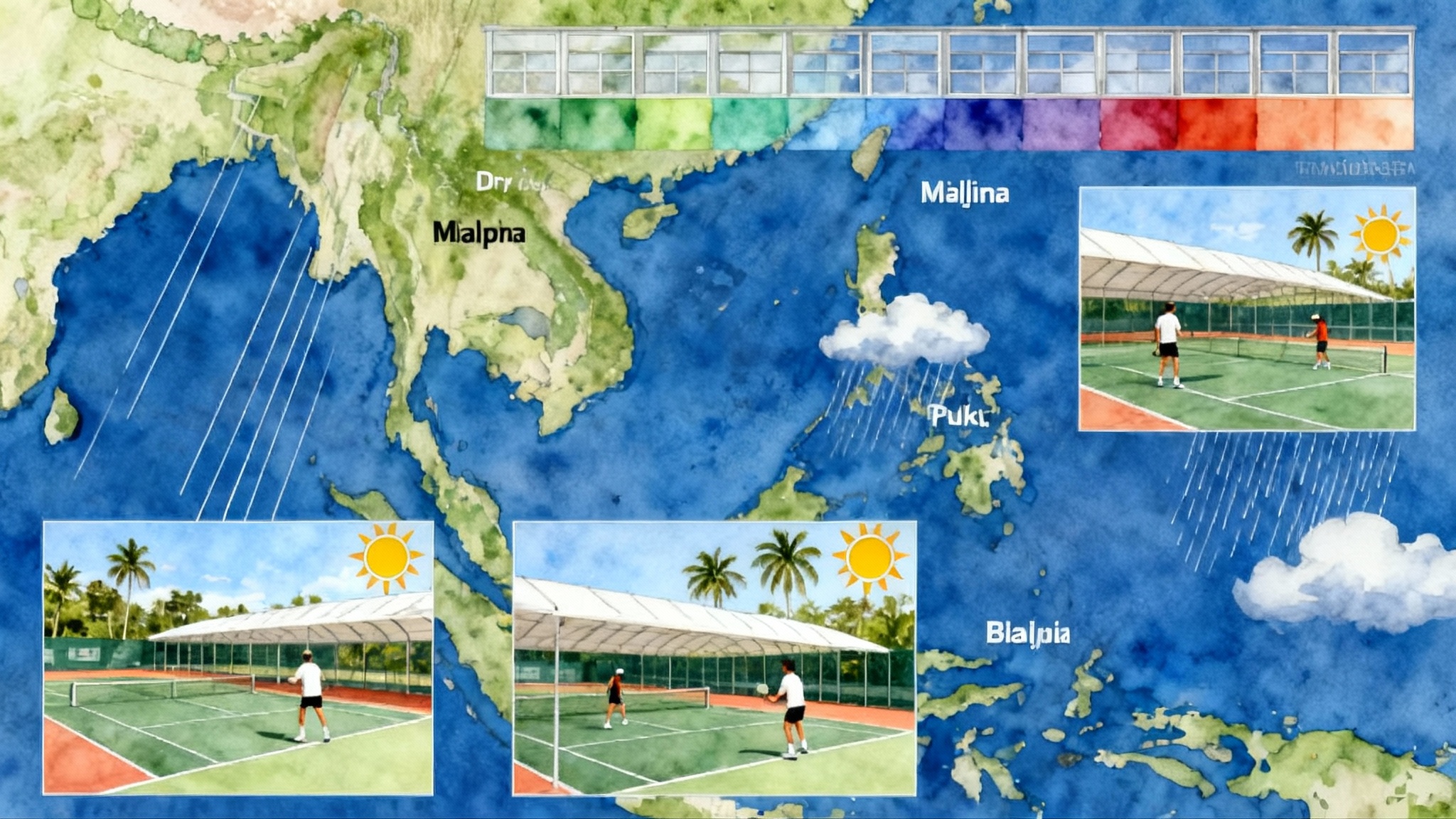
Tokyo’s tennis infrastructure is built for people who work all day and play at night. Many public and private courts have lighting; private centers commonly run until late evening and some offer bubble domes or indoor halls that keep play going during showers. If you book a court directly, ask two questions up front:
-
Light availability and fees: Lights sometimes have a separate meter with a coin box or a prepaid card. Budget a small add on per hour for night sessions.
-
Rain plan: For facilities with indoor courts or domes, find out how they prioritize bookings if a storm shifts everyone indoors. Some centers move academy sessions inside first and then release remaining slots.
Plan at least one indoor session during your week. It removes the stress of watching a forecast and gives you guaranteed volume on the ball.
The court surface most visitors overlook
Tokyo’s most common public surface is an artificial grass infill known locally as omni. It plays slower than acrylic hard courts but faster than traditional clay, with a lower, skidding bounce when the sand gets dry. Bring all court shoes with a durable outsole rather than clay specific herringbone patterns. If omni is new to you, ask coaches for a 10 minute adaptation block on day one: low contact points, through the ball accelerations, and a slightly longer split step to guard against the skid. Once adjusted, omni rewards clean footwork and makes approach and volley patterns fun again.
Rail friendly neighborhood bases
Choose a base that keeps your travel short and your evenings walkable. Four good options:
- Seijo Gakuenmae: Leafy streets, quick access to Seijo Tennis Academy, and a relaxed cluster of bakeries and coffee shops near the station. Ideal if your training is Seijo heavy.
- Sangenjaya: On the Den en toshi Line, two stops to Shibuya. Dense with casual dining, which helps if you finish under the lights and want a quick meal.
- Futako Tamagawa: Riverside paths, an easy hop to Setagaya facilities, and larger hotels with fitness rooms. Handy for morning runs before practice.
- Shimokitazawa: Lively, creative, and well connected via Odakyu and Inokashira lines. If you want vintage shopping between sessions, this is your stop.
From any of these, you can reach Shibuya or Shinjuku fast, then transfer to other lines for citywide sessions with Shi Shi. The practical rule is simple: under 20 minutes to your primary academy, under 35 minutes door to door for backup courts.
Booking etiquette that keeps doors open
- Reserve early, confirm simply: Email in clear bullets with dates, times, level, and goals. Screenshots of your availability grid reduce back and forth.
- Be five minutes early on court: Courts are booked in precise blocks. Arriving early allows for ball pickup and net height checks without stealing time from your hitting.
- Cash and contactless: Many facilities accept cards and phones, but smaller centers may prefer cash for light meters or ball fees. Keep small bills and coins.
- Share the space: When ball baskets are out, stack them out of play between drills. During cross court games, announce balls crossing with a quick, loud “ball.”
- Indoor shoes rules: If you step into an indoor bubble or building, carry a clean pair of court shoes. Dust from outdoor courts is not welcome inside.
- Photos and privacy: Ask before filming. Coaches are happy to help if they know you will use the footage for personal analysis.
How to split training, sightseeing, and hanami
Cherry blossom viewing pairs beautifully with tennis because peak hours for both do not overlap. Courts are easiest to book early in the morning and after dinner. Parks are most calm early morning or late afternoon on weekdays. Between sessions, target parks near your courts:
- Kinuta Park (Setagaya): Broad lawns and long paths. Perfect for a picnic after morning drilling.
- Komazawa Olympic Park: Athletic vibe, cherry lines along walking routes, and nearby eateries for a quick carb reload.
- Meguro River: Not in Setagaya proper, but easy by train. Evening illuminations near peak bloom can follow a night session.
- Shinjuku Gyoen: A little farther, but the variety of cherry species stretches the bloom window. Pair it with a midday rest if you trained early.
Pack a compact picnic set: onigiri, fruit, a thermos, and a light jacket to sit comfortably under the trees. Remember that alcohol rules and picnic etiquette vary by park; follow posted signs and keep noise low.
A four day train and play plan
This short plan fits a long weekend around late March or early April. Adjust days of week as needed.
Day 1, Thursday
- Morning: Arrive and check in near Seijo Gakuenmae or Sangenjaya. Short shakeout jog and mobility.
- Afternoon: Technique session at Seijo Tennis Academy. Focus on contact height and forehand timing on omni. Finish with 15 minutes of overheads; spring winds can drift lobs.
- Evening: Quick dinner near the station. Lighted court hour for serves only. Keep volume low and target second serve shape.
Day 2, Friday
- Morning: Hanami walk in Kinuta Park before crowds. Ten minutes of visualization for play patterns.
- Late morning: Citywide drilling with Shi Shi Tennis Academy. Ask for cross court patterns and transition work.
- Afternoon: Recovery bowl of noodles and a 20 minute nap.
- Evening: Match play set under lights. Write down two tactical rules for day 3.
Day 3, Saturday
- Morning: Indoor session as a rain hedge. Work on return depth and body serves in a controlled environment.
- Midday: Komazawa Olympic Park stroll and stretch. Keep steps easy.
- Evening: Two sets of match play. Apply Friday’s rules and note serve plus one patterns that broke down under pressure.
Day 4, Sunday
- Morning: Short technical check at Seijo. Film 10 forehands and 10 serves.
- Afternoon: Final hanami along the Meguro River. Coffee and a slow walk.
- Evening: Pack and compress. Share clips with coaches and note three habits to keep at home.
A seven day plan with volume and variety
Day 1, Saturday
- Arrive in Setagaya. Gentle jog. Evening serve routine under lights to set your rhythm.
Day 2, Sunday
- Morning: Seijo session with a focus on footwork and contact spacing.
- Afternoon: Hanami picnic in Kinuta Park. Light band work and ankle mobility.
- Evening: Citywide match play slot with Shi Shi. One long set to 10 games.
Day 3, Monday
- Morning: Rest or light sightseeing. If you must move, do a 30 minute shadow swing session in a quiet corner of the park.
- Afternoon: Indoor court booking as weather insurance. High intensity drilling: two ball approach, first volley depth, recovery steps.
- Evening: Protein forward dinner. Early sleep.
Day 4, Tuesday
- Morning: Seijo stroke check with a coach. Compare to Day 2 video.
- Afternoon: Work or museum window. Keep steps below eight thousand to save legs.
- Evening: Lit court doubles with locals. Volunteer to return on the deuce side to get forehand reps.
Day 5, Wednesday
- Morning: Day trip light. Wander Shinjuku Gyoen for late or early bloomers depending on the season.
- Afternoon: Recovery. Calf massage and hamstring flossing.
- Evening: Singles ladder match with Shi Shi group. Track first serve percentage and rally length.
Day 6, Thursday
- Morning: Indoor or dome session to guarantee volume. Serve targets and second ball punishers.
- Afternoon: Coffee in Shimokitazawa and a slow browse. Feet up for thirty minutes before evening play.
- Evening: Night set in Sangenjaya area court. Work on return plus one.
Day 7, Friday
- Morning: Final Seijo session. Consolidate key corrections: grip pressure on contact, shoulder turn on backhand, and recovery footprints after a wide ball.
- Afternoon: Last blossoms if petals are still falling. Short gratitude stroll.
- Evening: Warm down, pack, and share notes with your home coach.
Getting around with a racquet bag
Trains are the backbone of this plan. Keep your kit streamlined:
- A slim backpack style racquet bag fits best between your knees when seated or at your side when standing. Avoid hard cases at rush hour.
- Preload a transit card on your phone or carry a rechargeable card to reduce stop time at gates.
- Leave for sessions ten minutes earlier than maps suggest. Station changes and elevators can add time with gear.
What to pack for spring success
- Two racquets, freshly strung slightly tighter than your humid midsummer home setup to keep response predictable in cool air.
- Six to eight overgrips for humid or rainy days, plus a towel and a spare pair of socks for night sessions.
- Light shell and compact umbrella. Tokyo rain can arrive quickly.
- Small first aid kit: blister pads, athletic tape, and ibuprofen if your doctor approves.
- A printed card with your hotel address in Japanese for taxis after late night play.
Costs and how to budget without guesswork
Prices vary by facility and time slot, but you can plan with ranges:
- Private academy group session: expect a moderate fee per hour, with discounts for multi session packs.
- Private indoor or dome court: higher than outdoor public courts, often with a light fee add on in the evening.
- Public outdoor courts: the base hourly rate is usually modest; some areas add a small light fee per unit of time at night.
Two money savers: share courts with another traveling pair, and stack sessions into two hour blocks to reduce per hour costs. If your group is three or four, rotate one player on basket feeding to keep volume high.
A simple performance framework for the week
- Technical: One focus per day. Examples: forehand contact in front, backhand shoulder turn, serve toss height. Write it on your wrist tape.
- Tactical: One pattern per day. Examples: serve wide, play to backhand, finish down the line; or return middle, chip and charge after a short ball.
- Physical: Ten minutes of jump rope or mini hurdle footwork before each session. Finish with five minutes of ankle and hip mobility.
- Mental: After each hit, write a two line diary entry: what worked, what to change tomorrow. This makes the trip compounding rather than random.
Respect that makes visitors welcome
- Quiet on trains and in lobbies. Keep phone calls short or step outside.
- Pack out all trash from courts and parks. Use designated bins when available.
- Offer new balls if you set up a hit with locals. It is a small gesture that reads as big courtesy.
- Return borrowed court squeegees and brushes neatly where you found them.
Troubleshooting common spring scenarios
- Forecast swings from sun to rain: Lock one indoor session midweek. Ask academies about standby slots to move another session inside if needed.
- Blossom crowds near famous rivers: Go early or go late. Or choose neighborhood parks in Setagaya for calmer scenes between sessions.
- Sore wrist from omni skid: Check string tension and switch to a softer cross if needed. Add a short wrist stabilization routine after play.
- Jet lag: Book your first real hit for late afternoon or early evening, not 7 a.m. The lights are your friend.
Bringing it all together
A tennis week in Tokyo during cherry blossom season works because the city is set up for it. Cool mornings sharpen focus. Evenings under lights extend play without heat. Indoor domes protect your volume when rain arrives. Setagaya gives you a calm base with quick rail lines, Seijo Tennis Academy in Setagaya anchors your technique, and Shi Shi Tennis Academy in Tokyo fills the gaps with flexible match play. If you want a template for dome heavy planning outside Japan, scan our Berlin winter domes guide. Add hanami between sessions and you get a trip that feels both athletic and seasonal, precise and relaxed. If you plan with one indoor guarantee, one neighborhood base, and a single daily focus, you will leave with better habits, a camera roll of pink petals, and a serve that holds up in any season.