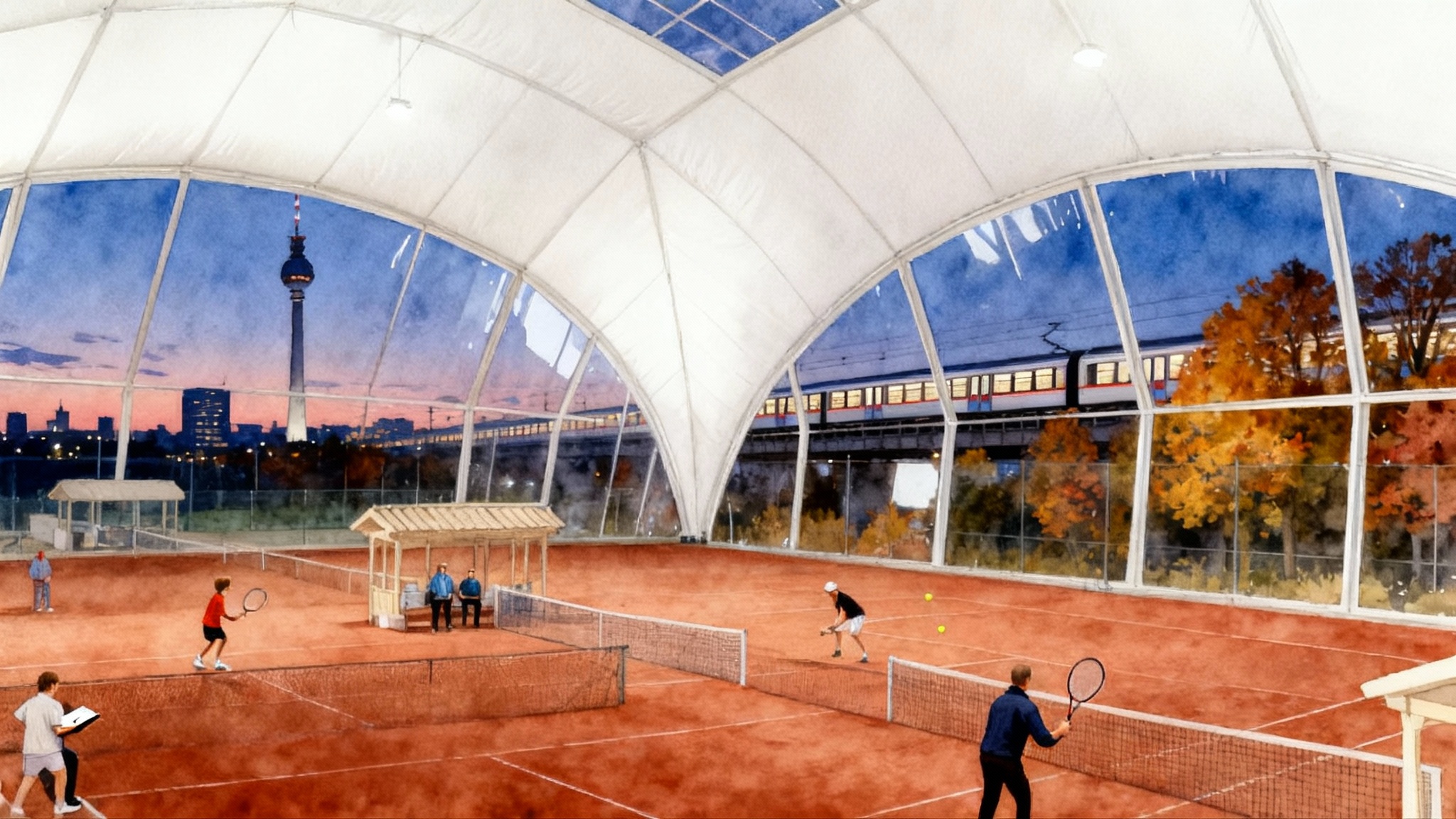
Best New Tennis Academies 2025–2026: Programs Worth the Flight
A clear, comparative guide to four rising academies you can book with confidence: Legend Tennis Academy in Austin, Ljubicic Tennis Academy in Croatia, RoundGlass Tennis Academy in India, and Tenerife Tennis Academy in Spain.
 Tommy
Tommy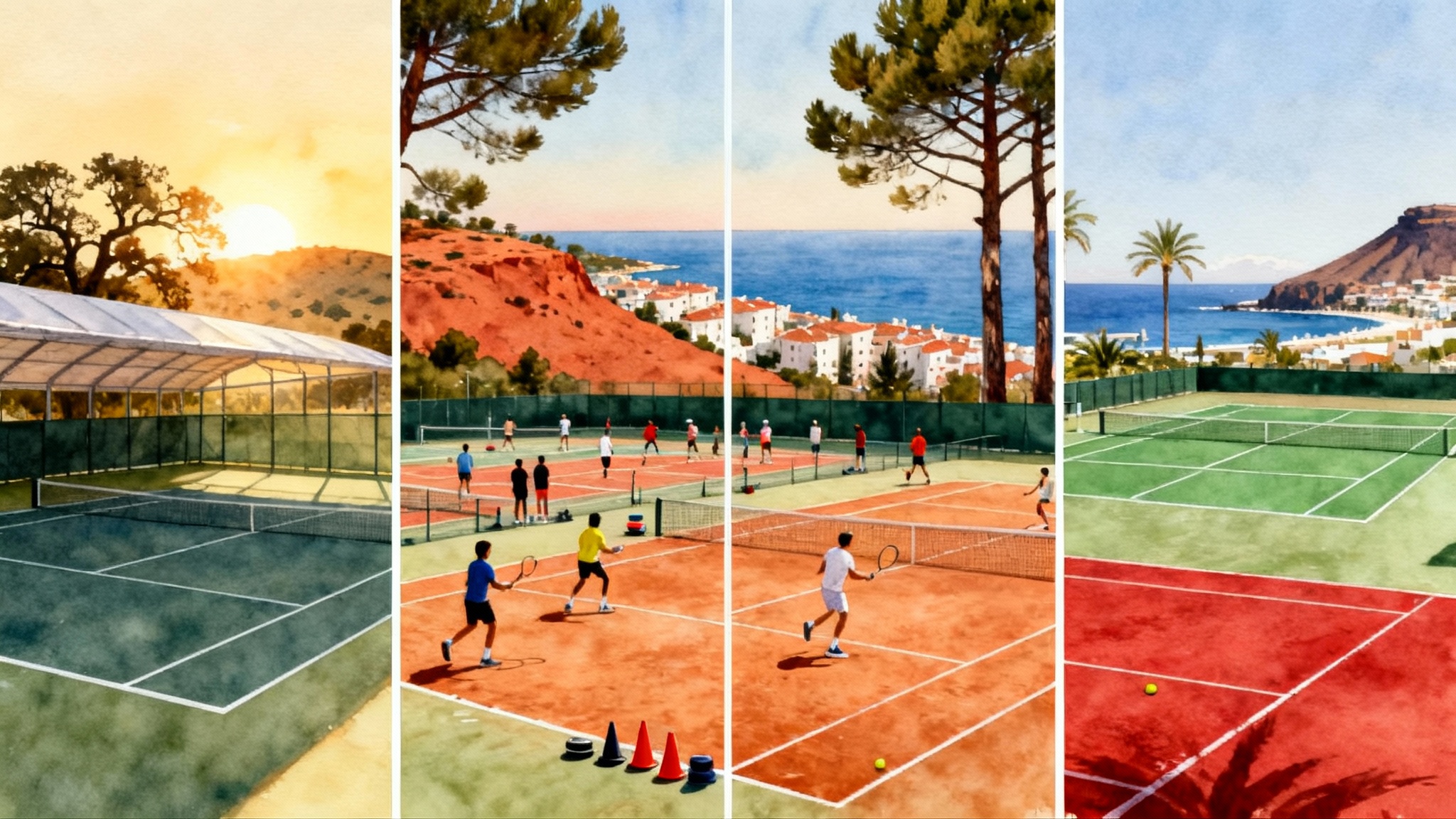
Why these four are on our 2025-2026 shortlist
If you are weighing a serious training block for your player, you need more than glossy photos. You need coaching ratios that translate to minutes of feedback, surfaces that match the season you are preparing for, sports science support that prevents injuries, academic options that actually work, and prices that are transparent. The four academies below either launched or were significantly revamped in the past three years and are earning attention from families who are willing to fly for the right fit: Legend Tennis Academy in Austin, Ljubicic Tennis Academy on the island of Lošinj in Croatia, RoundGlass Tennis Academy in Punjab, and Tenerife Tennis Academy in Spain.
This guide explains what each does differently and gives you a practical trial-visit checklist so you can choose quickly and confidently.
What matters most in 2025-2026
Before the profiles, align on five variables that decide fit:
- Coaching ratio: Real learning is time-on-task with a coach. Smaller groups usually mean more corrections per hour.
- Training surfaces: Match the surface to your next competitions. Clay builds point construction and patience. Hard courts sharpen first-strike patterns and movement under pressure.
- Sports science and recovery: Strength and conditioning, physio access, and data capture help performance and durability.
- Academics and boarding: If you plan a multi-week or full-time stay, the school plan must be realistic, not idealized.
- Pricing band: Clarity on tuition, add-ons, and housing avoids surprises.
Legend Tennis Academy, Austin, United States
Explore program detail and location specifics at the Legend Tennis Academy.
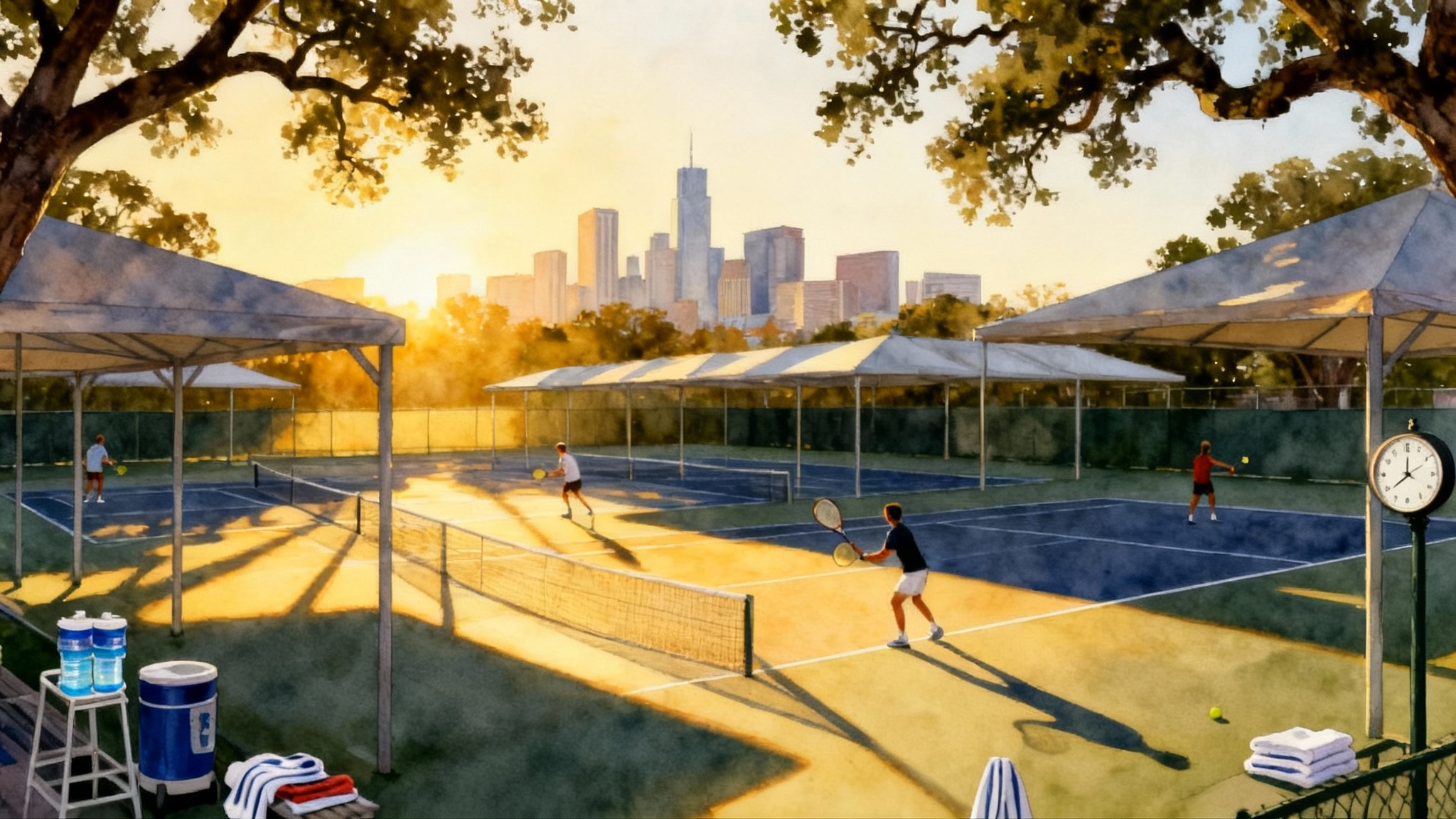
- Headline: A new Central Texas base with a covered court focus and small junior caps
- Coaching ratios: Group sessions cap at about 5 players per court. Weekend semi-privates run 2 players per coach. Private lessons available.
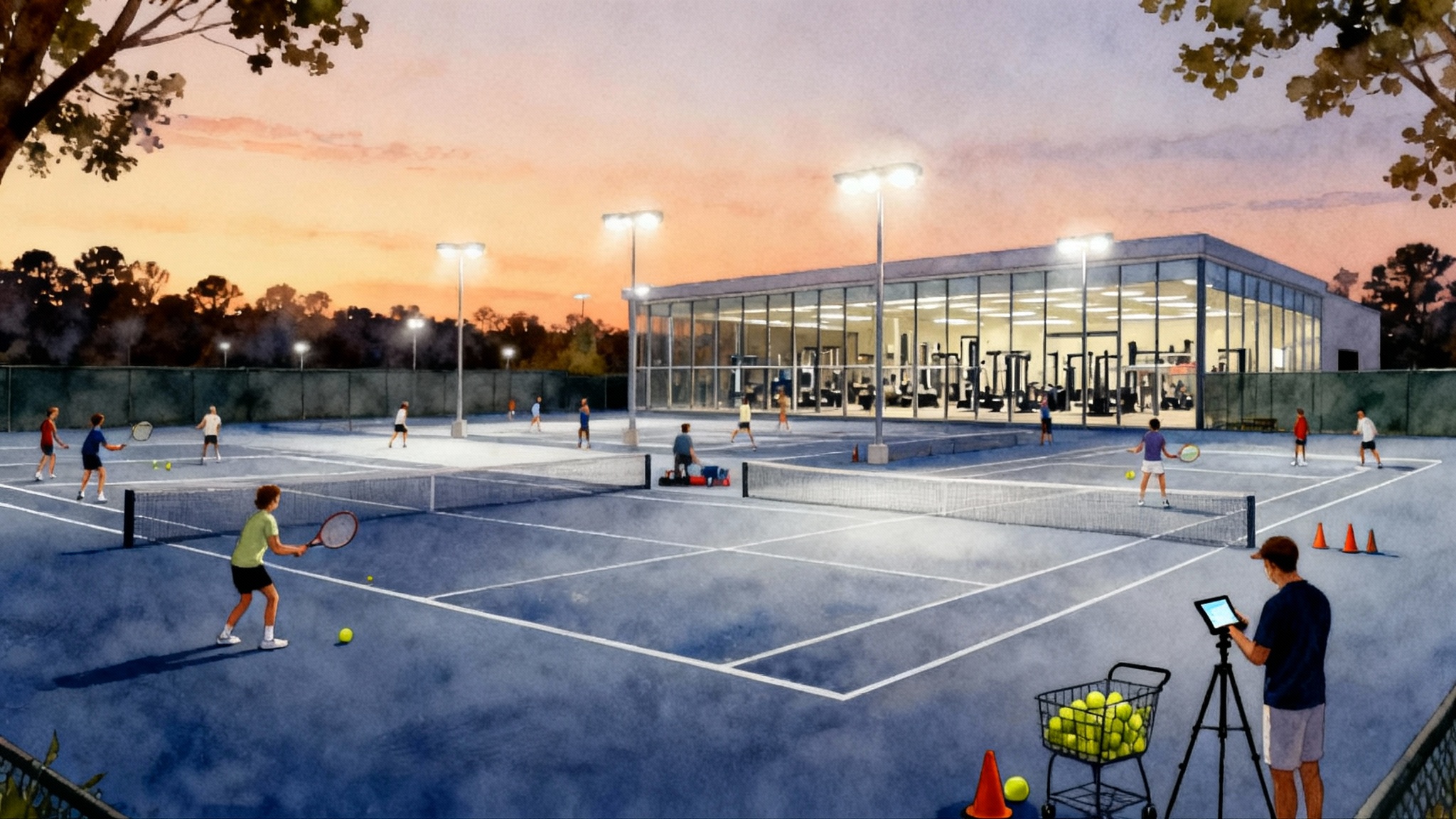
- Surfaces: Outdoor hard courts with one covered court and lighting. Additional indoor courts are planned in a second construction phase.
- Sports science support: Strength and conditioning with an on-site workout area. Formal lab testing is limited, so ask how they track strength gains, sprint times, and workload.
- Academics and boarding: Day-training model. No on-site school or dorms. For visiting families, short-term rentals in the Bee Cave and Lakeway corridor keep commutes under 20 minutes.
- Pricing band: Transparent group pricing across tiers for one to four days per week, plus semi-private options. Memberships are available for local families. Expect monthly spend to vary by frequency, with group programs at the lower end and 2-to-1 lessons at the higher end.
- Who it fits: Elementary through high-school players who want tight, coach-led groups on hard courts and a consistent weekly cadence. Good for varsity preparation and United States Tennis Association event tune-ups.
How sessions feel: Picture a two-hour high school varsity block. Players start with footwork ladders, shift to live-ball patterns that reward early preparation, then close with situational points that force a first-serve plus first-ball strike. With caps around five per court, the coach can stop a rally, walk to a player, and cue a correction before the next rep.
Questions to ask on a visit:
- What is the actual court-to-coach load at peak hours on weekdays versus weekends?
- How do coaches progress a player from group to semi-private without breaking the training rhythm or budget?
- How will the indoor expansion change program structure and availability during summer heat waves?
For broader in-state options, compare facilities and ratios in our Best Texas Tennis Academies guide.
Ljubicic Tennis Academy, Veli Lošinj, Croatia
See the campus overview and travel context at the Ljubicic Tennis Academy.
- Headline: Boutique, coach-dense training on the Adriatic, designed by Ivan Ljubicic
- Coaching ratios: The pro pathway emphasizes small groups, mostly two players per court. That is unusually tight for academies and accelerates technical changes. See the academy’s description of small group work and its pro program for confirmation of the two-per-court focus: mostly two players per court.
- Surfaces: A clay-forward environment with access to hard courts. Facilities include multiple red clay courts plus hard courts that can be covered in colder months and an indoor option, which keeps progress consistent through shoulder seasons.
- Sports science support: Regular physio check-ups, a well-equipped gym with sea views, and structured fitness blocks alongside tactical work. Ask how they periodize strength across a 10-month cycle and how often movement screens are repeated.
- Academics and boarding: The full-time program runs September through June, with full board in a hotel steps from the courts. Schooling is family-managed, typically via online curricula or individualized arrangements. Confirm supervision policies for minors and any study support.
- Pricing band: Pricing is offered by inquiry for full-time and performance-week packages. Budget for premium European academy rates aligned with the unusually low player-to-coach ratio.
- Who it fits: Tournament-committed juniors who need high contact time with coaches to rebuild a stroke, refine patterns on clay, or prepare for European circuits.
How sessions feel: The court rhythm is calm and analytical. With two players per court, the coach can move from a basket to live ball without losing precision. A set might be paused after three points to adjust return position by half a step or change the serve target tree based on wind.
Questions to ask on a visit:
- On a rain day, how do you protect the two-per-court promise when courts move indoors or under bubbles?
- How are weekly fitness loads set when a player arrives mid-cycle for a one-week performance block?
- What are the coach handoffs when a player returns for multiple blocks across the year?
RoundGlass Tennis Academy, Punjab, India
- Headline: Scholarship-driven pathway with integrated wellbeing and exposure travel
- Coaching ratios: Small groups for the elite pathway, with ratios varying by squad and session. Because formal caps are not always published, verify the peak-hour group size during a trial.
- Surfaces: Training runs across partner venues in Chandigarh and Mohali, giving players a mix of hard, clay, and in some cases grass. The variety is helpful if you compete on different surfaces during the year.
- Sports science support: A holistic approach that blends strength and conditioning, yoga and breathwork, and regular input from sports psychologists. In-house physiotherapists work on posture, asymmetry, and movement quality, and video is used to track technical evolution across months.
- Academics and boarding: Program structures vary. Many players live with family or in local housing, and schooling is typically through local schools or online. If you need boarding, ask whether partner hostels are available and how academic supervision is handled on travel weeks.
- Pricing band: The academy leans on tryouts and scholarships. Fees vary by program and support level, with equipment partnerships and subsidized coaching for selected athletes. Families should request a written breakdown that separates coaching, fitness, travel, and staff support.
- Who it fits: Ambitious juniors in South Asia who want a professionally run program with strong sports-science habits and cost structures that can be attractive compared with Europe or the United States.
How sessions feel: You will see more group dynamics around fitness and mindset. A typical day couples technique in the morning with structured match play in the afternoon. Yoga or breath sessions bookend the work, and video feedback packages the day into a few clear takeaways.
Questions to ask on a visit:
- What is the ratio on my child’s likely squad during peak times, and who runs that court?
- Which tournaments will the academy target in the next eight weeks, and how are entries and travel handled?
- What is the process for strength testing and retesting through the season?
Tenerife Tennis Academy, Tenerife, Spain
- Headline: Two-site model with clay in Chayofa and GreenSet hard courts at T3
- Coaching ratios: Daily blocks blend individual morning work with small group afternoon sessions for pre-academy and full-time players. Ask for the exact cap on your child’s court and how many coaches are on a pod.
- Surfaces: Three European red clay courts at the Chayofa base, plus access to seven GreenSet hard courts at Tenerife Top Training in nearby La Caleta. This gives you a balanced mix when planning a tour of Spanish clay and hard-court events.
- Sports science support: On-site physio screenings, rehab support, and structured strength and conditioning. Recovery options are strong at the T3 site, including sauna and cold exposure.
- Academics and boarding: A British curriculum pathway with iGCSE and A-level options delivered through the Synergy Study Centre, plus player housing and host family options.
- Pricing band: Full-time tennis tuition is published, with separate fees for academics and boarding. See the academy’s published full-time prices and housing options to map total spend across ten months: Full Time prices and boarding.
- Who it fits: Players who want a true study-and-train setup with a clear price sheet, a friendly climate year-round, and easy switching between clay and hard.
How sessions feel: Mornings are quieter and technical, often on clay to stretch points and footwork. Afternoons flip to GreenSet hard for first-strike patterns and serve-plus-one reps, then into gym blocks or recovery.
Questions to ask on a visit:
- How do coaches decide which surface to use across a week based on the player’s upcoming schedule?
- What does a typical academic day look like during tournament weeks, and who owns communication between the classroom and the court?
- How many individual hours are included per week in the full-time package, and how can families add more without disrupting group chemistry?
Side-by-side quick take
- Smallest default ratio: Ljubicic Tennis Academy, which builds most sessions around two players per court.
- Clay access: Ljubicic and Tenerife offer daily clay work. RoundGlass has access to clay and other surfaces via partner venues. Legend is hard-court centric.
- Most integrated academics on site: Tenerife’s British pathway is built into the daily schedule. Ljubicic offers boarding and training with schooling arranged by families. Legend and RoundGlass expect school plans to be family-managed.
- Year-round weather: Tenerife is the easiest climate for winter training. Austin is strong except for midsummer heat and isolated winter cold snaps. Lošinj offers long outdoor periods plus winter coverage. Punjab is seasonal with heat and monsoon considerations.
- Budget signal: Tenerife publishes full-time tuition and housing tiers, which helps planning. Legend’s transparent monthly group and semi-private pricing suits local families. Ljubicic and RoundGlass price by inquiry and scholarship level, reflecting bespoke setups.
A 90-minute trial-visit checklist
Bring this list to any academy tour. You will leave with evidence, not impressions.
Coaching and courts
- Watch one full drill block. Count players per court and the number of real-time technical interventions each athlete receives.
- Ask what changes the coach expects in two weeks. If the answer is generic, probe for the exact drills and video angles they will use.
- Confirm surface access by day and time. If your next events are on clay, you need at least 60 percent of court time on clay.
Sports science and recovery
- Request the strength and conditioning assessment sheet. Look for baseline tests like medicine ball throws, jump profiles, sprint splits, and a plan to repeat them.
- Ask how they monitor acute workload spikes and how they prevent overuse in the serving shoulder.
- Tour the recovery setup. If there is a physio, ask how many players they can see per day and the referral process to outside care.
Academics and boarding
- For full-time options, ask for a sample academic week during a tournament. Verify who supervises study halls and how missed work is handled.
- For boarding, meet a house parent or host family. Ask about transport, curfew, and how illness is handled.
Pricing and policies
- Get a written quote that separates tennis, fitness, video, boarding, food, laundry, airport transfers, and tournament travel.
- Note refund rules for weather or injury and whether make-ups are guaranteed.
How to choose in one evening
- Set the goal: Name the next three events on your player’s calendar and the two weakest skills holding them back.
- Map the surface: Pick the academy whose default surface and weather match that calendar for at least 70 percent of sessions.
- Buy feedback, not court hours: Favor the tightest coaching ratio you can afford for the first two weeks. Rebuild a key pattern fast, then settle into a steadier group cadence.
- Protect school: If you are going full time, demand a sample academic plan and contact with the lead teacher before you pay a deposit.
- Lock the numbers: Tally total cost including extras. If a line item is not written down, consider it unfunded.
Final word
A great academy is not a brand or a postcard view. It is the daily math of how many minutes your player spends receiving precise, corrective feedback on the right surface with the right recovery and a school plan that does not crumble during travel. Use the profiles and checklists above to pressure-test each option. When the answers are specific, the training will be too. That is the moment a flight becomes an investment, not a gamble.