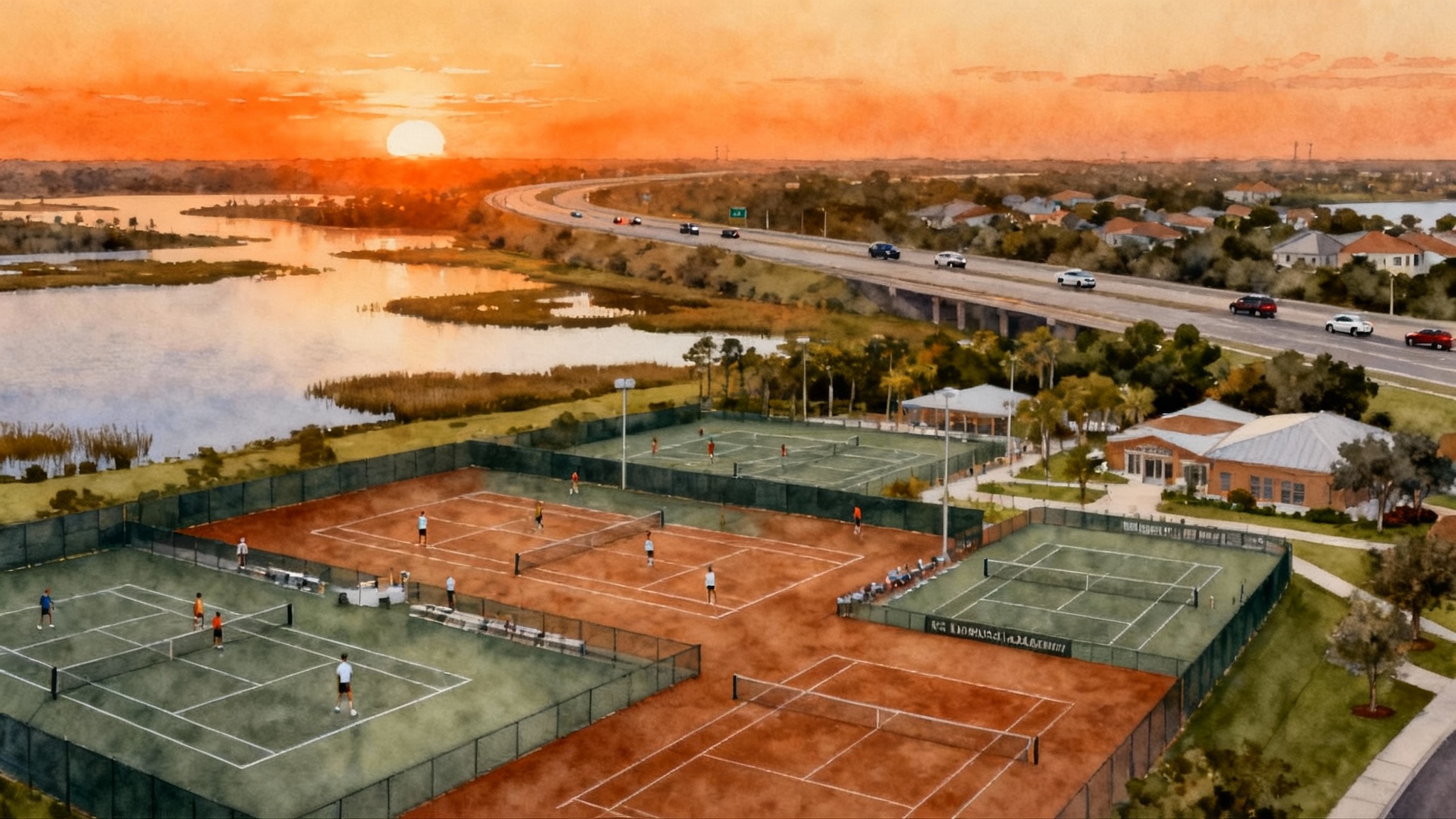
Best Tennis Academies in Germany 2025–2026: Berlin Aachen Munich
A clear, parent-friendly comparison of Germany’s top junior academies in Berlin, the Cologne–Aachen corridor, and Munich. We explain clay-first training, winter indoor access, coaching ratios, boarding and school models, and DTB, Tennis Europe, and ITF pathways.
 Tommy
Tommy
Why Germany keeps producing match-tough juniors
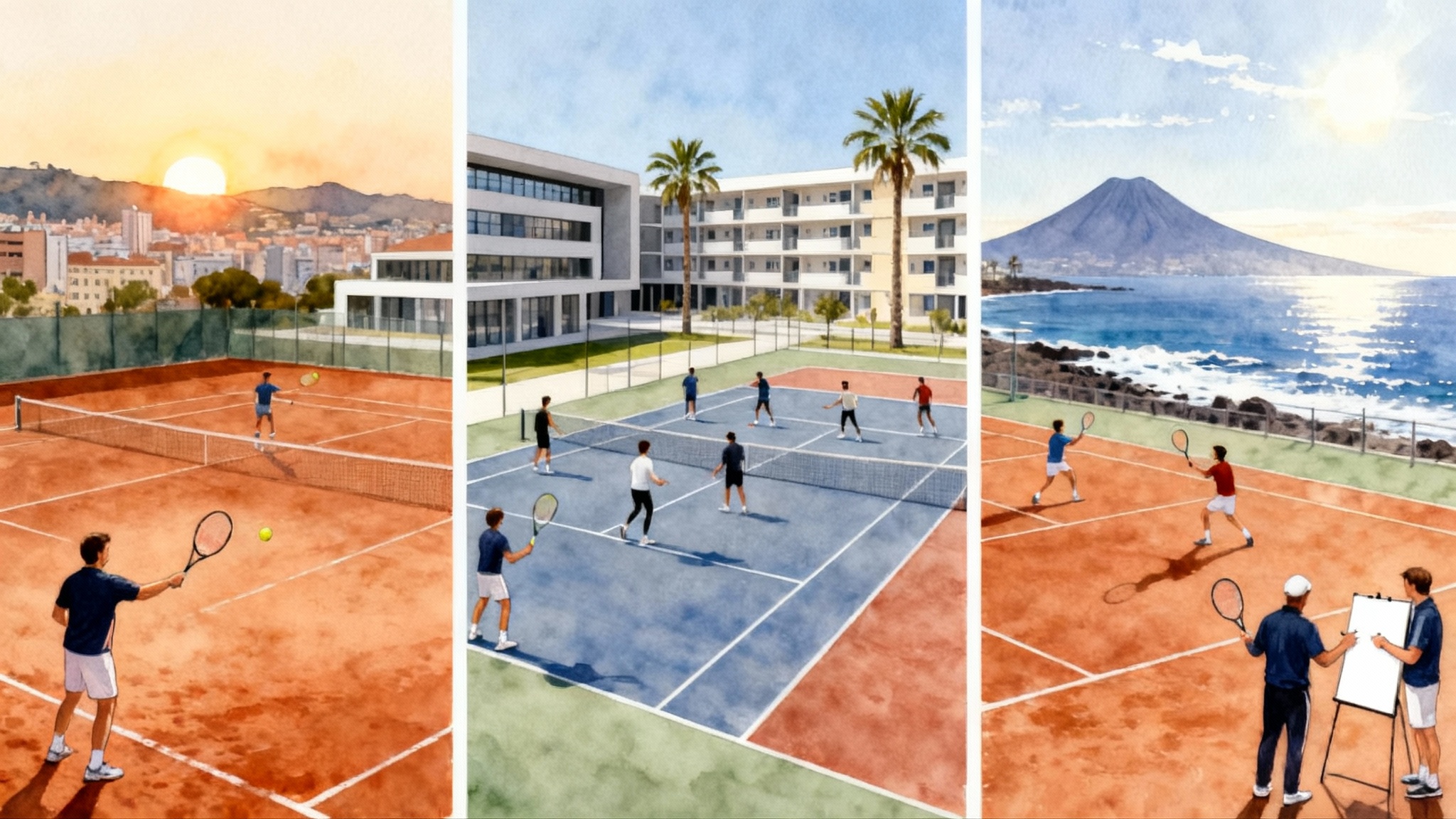
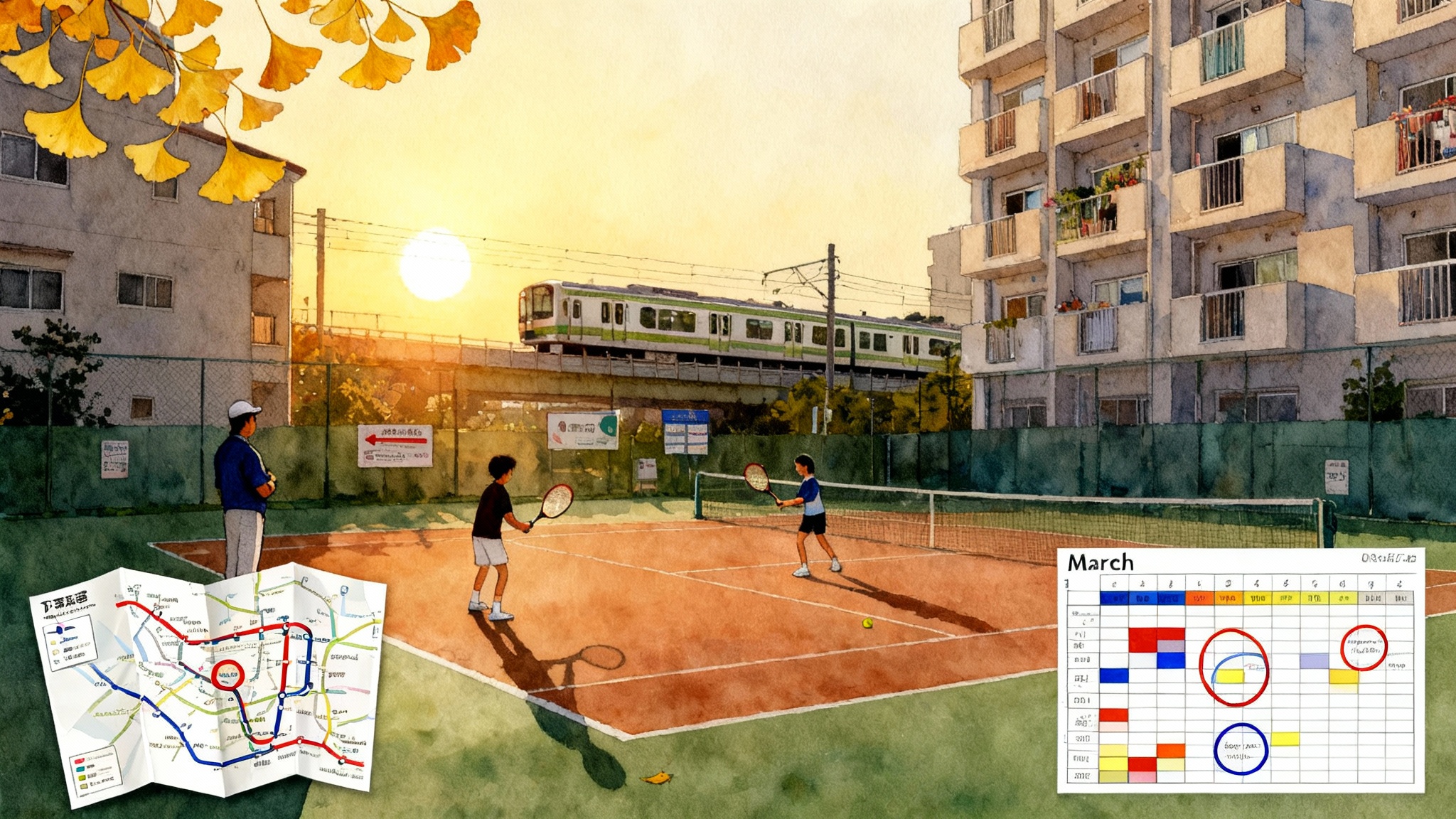
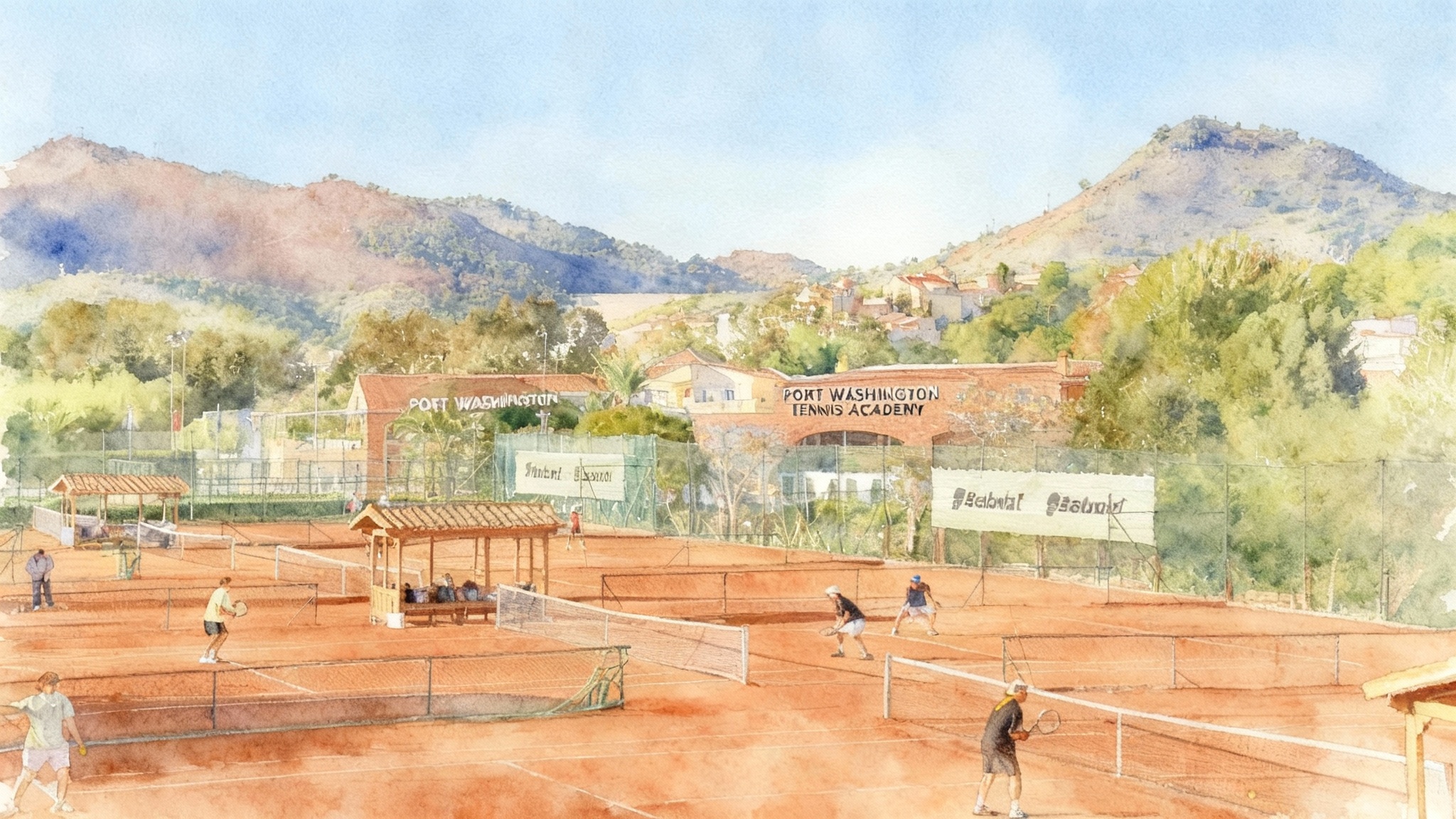
If you ask European coaches why German-trained players feel so complete, the answer starts with clay. German clubs and academies build footwork, patience, and point construction on red clay first. That slow surface is a teacher. It punishes shortcuts and rewards balance, shape, and decision making. Add a long indoor season that forces clean timing and precise targets, and you have a development model that ages well when players later move to faster courts.
For families choosing an academy in Germany for 2025–2026, three regions stand out: Berlin, the Cologne–Aachen corridor in North Rhine–Westphalia, and greater Munich. Each offers a dense club ecosystem, year-round indoor options, and access to national and international junior events. Below, we compare what matters most for juniors and their parents, then take deeper dives on two programs families ask us about most often: TennisTree in Berlin and ToBe Tennis Academy in Alsdorf.
What really matters when you compare academies
Think like a tournament director and a school principal at the same time. These five levers shape your child’s daily reality and long-term ceiling:
- Surface and training model
- Clay-first, hard-court second: Ask how many weekly hours are on clay in the main build-up weeks and how the academy transitions to hard courts before indoor events.
- Progression by intent: A good plan moves from heavy rally tolerance to first-strike patterns, not the other way around.
- Winter indoor access
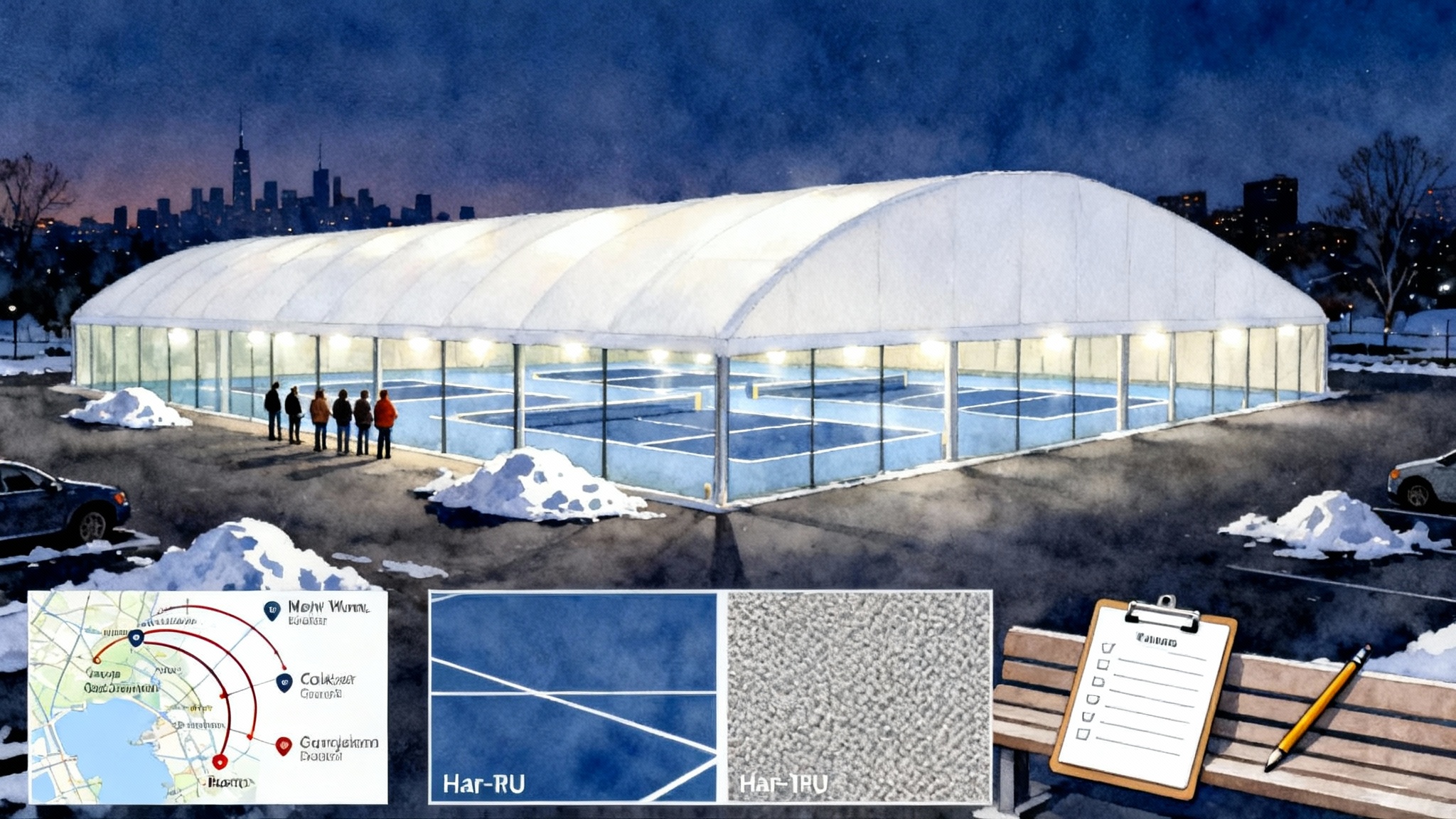
- Dedicated indoor hours in prime time: Many clubs rent domes to the public. Academies that control prime blocks reduce the scramble for courts when nights get short.
- Ball flight and lighting: Indoor carpet and hard courts in Germany are quick and low bouncing. The best programs adjust drills and string setups accordingly.
- Coaching ratios and session design
- True ratio on court: A posted 1:4 ratio can become 1:6 if two players are with the fitness coach. Verify who feeds, who live-coaches, and how often players rotate tasks.
- Video and objective checkpoints: Two to four video sessions per month with concrete focuses such as forehand height over net and serve landing zones.
- Integrated schooling and boarding
- Timetable fit: The key is frictionless transitions. Will the school release the player at 13:30 for a 14:00 court? Is transport included? Are there quiet study blocks with supervision?
- Exam windows and tournament travel: German public schools, Gymnasien, and international schools have rigid exam dates. Ask how the academy protects learning time before exams.
- Tournament pathways and match volume
- National to regional to international: The best academies stage weekend match plays, enter players in Deutscher Tennis Bund events, then transition to Tennis Europe and International Tennis Federation tournaments with a plan, not a hope.
Pathways, explained in three clear steps
Families often hear three acronyms. Here is how they stack and feed each other.
-
DTB: Deutscher Tennis Bund is the German Tennis Federation. Juniors build national match experience in federation and regional association events. These shape confidence, routines, and a first national ranking.
-
Tennis Europe: For players aged 12, 14, and 16 and under, Tennis Europe is the continental circuit. Category levels and team events give international match reps without huge travel costs from Germany. The calendar is dense within driving distance. For a quick look at the season’s age-group majors, see the European Junior Championships.
-
ITF Juniors: This is the global under-18 tour. Grades from J30 to J500 signal increasing strength of field, points, and travel requirements. Germany hosts events across the calendar, which reduces cost for a German-based player. Read the structure overview in the ITF World Tennis Tour Juniors.
A helpful way to plan is to map the year by school terms. Use DTB and regional events during heavy school blocks, step into Tennis Europe in windows with lighter academics, and build ITF Juniors during summer and the long winter indoor swing.
Deep dive: TennisTree, Berlin
Profile in one sentence: a player-first Berlin program that blends clay fundamentals with metro-accessible indoor training, designed for juniors who need structure plus flexible academics. Learn more about the program’s setup at TennisTree in Berlin.
What stands out
- Citywide court network: TennisTree leverages a mix of club partnerships around Berlin to maintain clay volume in spring and summer, then pivots to reliable indoor slots from October to March. The city’s transport network keeps commute times reasonable.
- Small-squad technical work: Expect two to three technical themes per mesocycle, for example, neutral-ball patience on clay and second-serve aggression indoors. Coaches use constraints-based drills that force choices, such as crosscourt-to-down-the-line switches with a serve-pattern trigger.
- Match play every week: Friday or Saturday match-play blocks are common. These simulate tournament routines, including precise warmups, changeover routines, and simple between-point cues.
A sample week in-season
- Monday: 90 minutes on clay, forehand height and depth; 45 minutes strength and mobility; 30 minutes guided study.
- Tuesday: 60 minutes serve and return on hard; 60 minutes points to targets; 30 minutes video review.
- Wednesday: 75 minutes aerobic footwork on clay; 30 minutes prehab; optional 30 minutes guided study.
- Thursday: 90 minutes on indoor carpet, patterning with first ball inside the baseline; 45 minutes speed and medicine ball throws.
- Friday: 120 minutes match play; 15 minutes journaling and debrief.
Schooling and boarding
Berlin has a deep mix of public Gymnasien, bilingual internationals, and online school options. TennisTree helps fit timetables to training blocks and provides supervised study rooms in the late afternoon for commuting players. Families who need boarding typically combine a host-family arrangement during the school week with supervised weekends around tournaments.
Coaching ratio and staff time
A realistic training block runs 1:3 or 1:4 for drilling, then 1:4 or 1:5 for live ball and points. The director or lead coach appears weekly on each junior’s court, not just at evaluations. Expect two formal evaluations per term with technical checkpoints and match statistics.
Tournament planning from Berlin
Berlin’s airport and rail links make it easy to reach Tennis Europe events in Poland, Czechia, Denmark, and the Netherlands. Through winter, Berlin-based players can mix DTB indoor events, a few Tennis Europe starts, and selected ITF J30 or J60 indoor stops in Germany and neighboring countries to build a steady ranking without breaking the budget.
Who thrives here
Self-starters who like a big-city environment and families that want flexible school choices with many indoor court options. TennisTree works well for juniors stepping from regional level toward Tennis Europe and for under-18s building their first ITF ranking with minimal travel days.
Deep dive: ToBe, Alsdorf near Aachen
Profile in one sentence: a clay-first academy on the Belgium–Netherlands–Germany triangle that maximizes cross-border tournament access and German club depth, ideal for families who want a quieter base with quick travel to dense junior calendars. Explore details at ToBe Tennis Academy in Alsdorf.
What stands out
- Location leverage: From Alsdorf, you can reach Belgium and the south of the Netherlands in a short drive. That puts many Tennis Europe and ITF match opportunities within a manageable radius. Players accumulate matches without long school absences.
- Clay, then speed: ToBe loads clay hours from April to October for rally tolerance and decision rules, then layers faster indoor sessions on carpet and hard courts from late autumn. Coaches teach how to carry clay habits into quicker conditions, especially on return position and first-ball height.
- Cohort training: ToBe organizes players in small cohorts by level, not by age. Within a block, the session shifts from cooperative patterns to live chaos. Coaches track one or two key indicators per session, such as serve plus one depth or forehand unforced-error counts per set.
A sample week in-season
- Monday: 120 minutes on clay, crosscourt shape and direction changes; 30 minutes lower-body strength.
- Tuesday: 60 minutes serve and second-shot targets; 60 minutes live sets; recovery jog and mobility.
- Wednesday: 45 minutes hand-feed technical block; 45 minutes return plus two rallies on indoor carpet; 30 minutes video with cue cards.
- Thursday: 75 minutes pattern work with scorekeeping games; 45 minutes agility and single-leg balance.
- Friday: 120 minutes match play; 15 minutes debrief with written actions for the weekend tournament.
Schooling and boarding
Families often pair ToBe with local Gymnasien or international programs in Aachen. The academy schedules morning or early afternoon training blocks around school releases and provides study hall in the evening with transport between courts and boarding. During exam periods, on-court load tapers and video and set plays replace heavy drilling.
Tournament planning from Aachen
Players can run a robust national schedule in North Rhine–Westphalia, then add cross-border starts to build experience. The region’s club culture also offers adult league matches in summer that toughen competitive habits and doubles skills.
Who thrives here
Juniors who prefer a quieter base with fewer distractions, and families who want high match volume across Germany, Belgium, and the Netherlands without frequent flights. ToBe fits players progressing from strong regional results toward regular Tennis Europe and entry-level ITF events.
Munich and the southern hubs: what to know in one glance
Munich’s tennis ecosystem blends federation infrastructure with storied clubs and a high density of indoor courts across the metro area. Here is how to read the landscape:
- Federation presence and sparring: The greater Munich area features high-performance environments that attract strong national players, which raises the average practice set quality. More chances to spar with older, faster hitters can accelerate learning for ambitious juniors.
- Clay heritage: The south of Germany has a rich clay tradition. Many clubs prioritize red-clay court maintenance and load spring and summer sessions outdoors. Expect point construction, height, and heavy legs to be a theme.
- Winter practicality: The indoor scene includes hard and carpet surfaces. Academies that lock in dome hours early avoid mid-winter court shortages. Ask for a written indoor allocation plan across December to February.
- Travel map: Munich is a useful base for Austria, Czechia, and northern Italy. Families can combine school breaks with compact tournament swings in neighboring countries to sample stronger draws without long flights.
If you are also considering southern Europe training blocks, compare formats with our Spain Tennis Academies 2025–2026 guide.
Coaching ratios, explained with real tradeoffs
- 1:2 to 1:3 for rebuilds: When mechanics change on serve or forehand, you want fewer players, more feedback, and deliberate pace. These blocks are short and intense.
- 1:4 as a daily driver: Most top-day academies in Germany run 1:4 on court. That supports cooperative patterns, then live points with one coach managing rotations and live cues.
- 1:5 or larger only with clear structure: Large groups can work if there are two coaches for the block or if a fitness coach runs a second station in a planned circuit. If you see long lines or idle time, ask for the session plan and the reason behind the ratio.
Action for families: Ask academies to write the ratio in the offer letter per session type. Insist on a monthly block where the player receives two individual or semi-individual technical slots to protect key changes.
Boarding and school models that actually work
- Public school plus afternoon training: Common in Berlin and Aachen. Training runs from about 14:00 to 17:00, with study hall from 17:30 to 19:00.
- Morning training plus late school: Some Gymnasien and international schools allow a late start two or three days per week. This suits players who train better in the morning.
- Online or blended for older juniors: For 16 and over who chase Tennis Europe and ITF points, a blended model protects travel weeks. The academy should provide supervised study blocks and exam proctoring.
Action for families: Request the academy’s exam calendar overlay and a transport map. A 20-minute daily time saving from door to court adds up to almost eight extra training days per year.
Building a year plan from Germany
Think in three phases and let the school calendar do half the work.
- September to December: Indoor adaptation and national match play. Two technical themes, one weekly match-play block, and one to three ITF J30 or J60 starts if the player is ready.
- January to March: Indoor peak. Serve and return projects, faster-court decision making, and selective tournament entries where the player can win matches and learn.
- April to August: Clay volume and outdoor tournaments. Heavier rally tolerance, shape, and patterning on clay with a concentration of DTB, Tennis Europe, and if appropriate, one or two higher-grade ITF events. Use May and July windows for travel-intensive swings.
Two rules of thumb
- Never chase points at grades where the player loses first round twice in a row. Step down, collect wins, then step back up.
- Keep a rolling 12-week plan with one physical focus, one technical focus, and one tactical focus. That keeps coaches and parents aligned.
Budgeting the German way: realistic, not rosy
Costs vary by city and program. These ranges reflect what families commonly report for 2025–2026 and are meant to help you prepare questions, not to quote any academy’s price.
- Group training pack, 4–6 sessions per week: 500 to 1,200 euros per month depending on ratio and city.
- Individual technical sessions, 2 times per month: 120 to 180 euros per session.
- Strength and conditioning, 2 sessions per week: 200 to 400 euros per month if billed separately.
- Indoor court surcharges in winter: 8 to 20 euros per session added to tuition, or bundled. Peak-time private indoor hours typically price at 25 to 50 euros per hour when not included.
- Boarding with supervised study: 1,500 to 3,000 euros per month depending on room type and meals.
- Tournament travel inside Germany by rail or car: 60 to 200 euros per event excluding coaching; add a coaching travel share when the academy provides on-site support.
Action for families: Ask for a transparent winter addendum that specifies indoor surcharges, match-play coaching fees, and tournament-day support rates. Confirm what happens when a session is canceled for weather or a school exam.
Berlin vs Cologne–Aachen vs Munich: quick decision guide
- Choose Berlin if your child thrives in a big city with many indoor options and diverse school choices. Training blocks are flexible and travel to Poland and the north of Germany is straightforward. TennisTree is a strong fit for players stepping from regional success to continental play.
- Choose the Cologne–Aachen corridor if you want volume. ToBe’s location near Belgium and the Netherlands increases the number of realistic tournament entries without flights. The environment is quieter and school logistics can be simpler.
- Choose Munich if you want a denser high-performance sparring scene and the ability to jump into Austria and Czechia during school breaks. Be proactive about winter court allocations, since demand is high.
For more global context on when a flight is worth it, see our benchmark roundup in the Best New Tennis Academies 2025–2026.
What to ask on your academy visit
- Can you show me this month’s session plans for my child’s level, including the ratio and the coach assigned to each block?
- Which two technical themes will you protect for my child in the next eight weeks, and how will you check progress?
- How do you schedule indoor courts from November to February, and what happens when there is a crunch week?
- Which school partners or schedules have worked best for players aiming at Tennis Europe and ITF? Can I see a sample timetable?
- What is your year plan from DTB events to Tennis Europe and ITF? Which events are realistic targets in the next term?
The bottom line
Germany’s clay-first model grows problem solvers who can win matches on any surface. Berlin, the Cologne–Aachen corridor, and Munich each offer that foundation, but they differ in day-to-day rhythm, winter logistics, and travel geometry. TennisTree in Berlin and ToBe Tennis Academy in Alsdorf are two strong examples of how to combine clay fundamentals, winter access, coaching structure, and smart scheduling into a plan that fits school and family life. Choose the region that best matches your child’s learning style and your family’s calendar, then hold the academy to a clear, written plan. Tennis rewards the families who make good plans and keep good habits. Germany gives you the courts, the coaches, and the calendar to do both well.