How IMG Academy Powered Sebastian Korda’s ATP Breakthrough
Sebastian Korda’s path from Bradenton courts to tennis stadiums shows how a big academy and a focused home coach can work as one system. Here is the blueprint families can adapt, from training blocks to travel cadence and roles.
 Tommy
Tommy
The model that lifted a prodigy
When people talk about Sebastian Korda, they often mention his smooth ball striking, his calm court presence, and the famous surname. Behind the highlight reels sat a simple model that let a talented junior become a world class professional. One engine was IMG Academy in Bradenton, Florida, with its fully built tennis ecosystem. The other engine was the family’s own coaching hub led by his father, Petr Korda, who set technical priorities and protected the player’s identity. Think of it as a two engine plane. The academy provided altitude with resources, volume, and opponents. The home coach provided direction with a steady hand on the yoke.
This piece breaks down how that system worked in practice and how families can translate it at different budget levels. We will map the academy routines, sparring access, and travel cadence, then turn those into clear takeaways about splitting responsibilities, choosing block lengths, and getting the most from a big campus without losing individual attention.
What IMG Academy uniquely supplied
Large academies market courts and coaches. The real edge is coordination. IMG is a campus where a player can stack high quality inputs in a single day. That means a morning session that targets a single technical theme, midday strength and conditioning, afternoon match play against opponents of different styles, and end of day recovery. The operational convenience is the feature. The campus bundles coaching, fitness, sports science, recovery, and a steady stream of visiting hitters. For a developing player, that density shortens the time between trying an adjustment and testing it under pressure. The feedback loop is faster.
For families considering that route, start by understanding the system you are buying. Read the academy’s description of its daily rhythm, its staff roles, and its player pathways. It helps to review the official overview of the program, such as the IMG tennis program outline. Use it to cross check what a typical week really looks like and what is guaranteed versus offered as available.
A day in Bradenton, simplified
Below is a realistic day structure that mirrors what top juniors often experience on a resource rich campus. The exact clock times move, the logic does not.
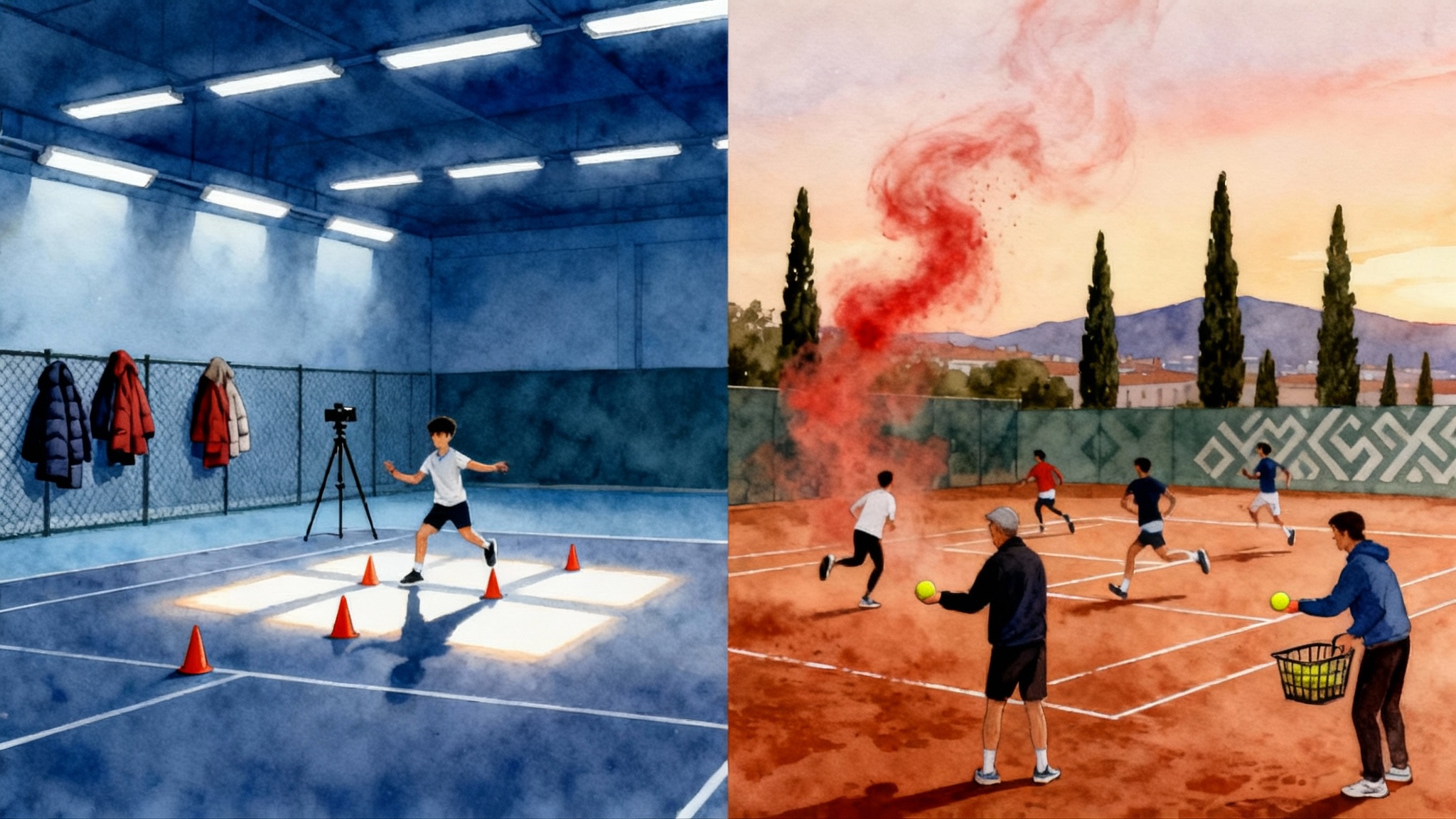
- 7:00 a.m. to 7:30 a.m., mobility and activation. Bands, hips, shoulders. Two simple screens: overhead squat and single leg balance. Any compensation patterns are logged for the afternoon coach to consider.
- 8:00 a.m. to 10:00 a.m., theme practice. One technical theme only. Example: serve targets into the deuce box, then first ball forehand, then recovery step timing. Sequences keep volume high but thinking simple.
- 10:30 a.m. to 11:30 a.m., strength and conditioning. Power development early in the week, acceleration and deceleration mechanics midweek, endurance later. Strength loads are individualized with two or three reference lifts and sprint timing over 10 and 20 meters.
- Lunch and class window, then a 60 to 90 minute break. Light walk, hydration, and film review on a tablet. The point is to arrive at the afternoon session fresh and primed.
- 2:30 p.m. to 4:30 p.m., live ball and sets. Rotate opponents by playing style. Begin with a left hander pattern drill, shift to a counterpuncher who tracks everything back, finish with a big first strike player. Each set begins with a serve plus one pattern to wire the morning theme into real points.
- 5:00 p.m. to 5:30 p.m., recovery. Stationary bikes, guided breath work, and soft tissue. Players log a quick readiness score and any niggles before leaving the courts.
The product is not just hours. It is the sequence. Technical input, then physical loading, then live testing, then recovery. Players who live in this rhythm collect many small improvements that show up on match day.
Sparring that bends the learning curve
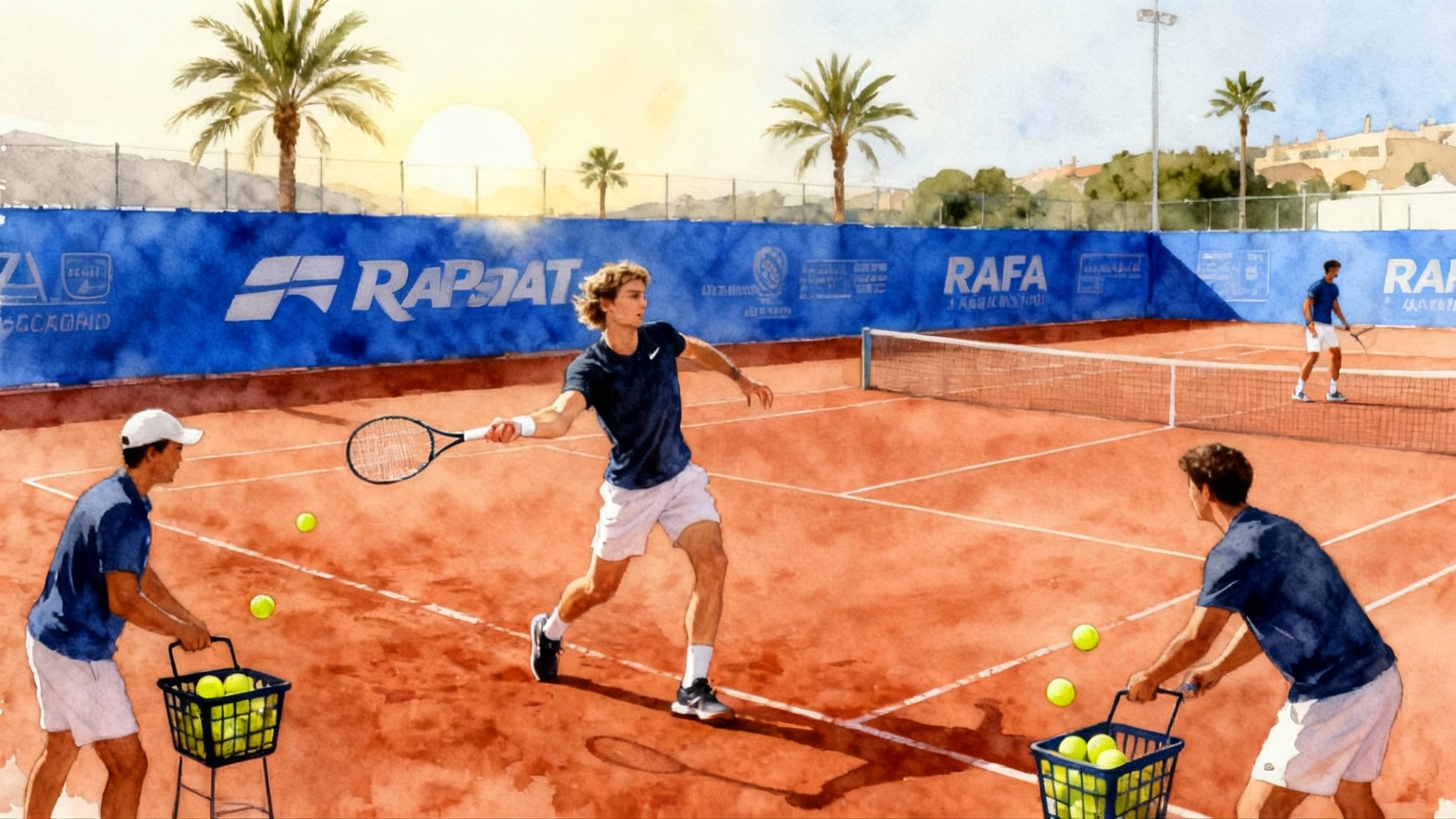
One of the quiet advantages of IMG is the stream of athletes who pass through Bradenton. Korda could test patterns against college tops, touring pros, and high level juniors without leaving campus. That volume of looks matters. It is hard to build a complete game if your weekly opponents are all the same. On a big campus a player can schedule a left hander day, a heavy topspin day, a flat hitter day, and a counterpuncher day. The week becomes a mini tour.
Families can replicate this even if they do not live near a major academy. Build a monthly sparring calendar that fills four slots: one left hander, one defender, one first striker, one all court player. If you cannot find them locally, buy two sparring days per month at a regional center and make it a routine. The goal is not exotic opponents. The goal is predictable variety.
Strength, recovery, and data
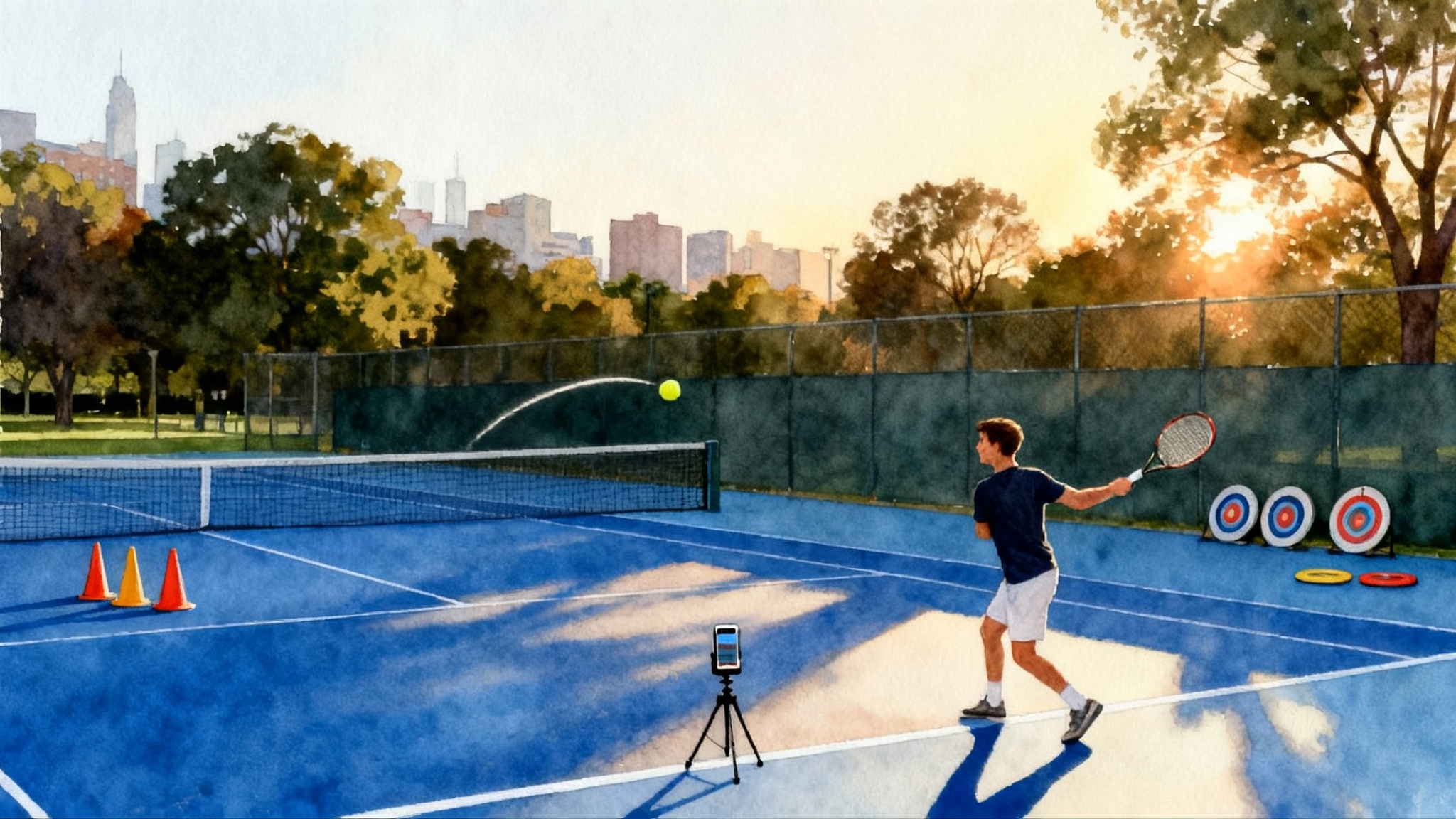
Elite campuses integrate the gym, the courts, and recovery. The best version is simple and visible. Weekly sprint splits are posted. Serve speeds are captured with a pocket radar. A short movement screen is repeated every two weeks. Recovery is scheduled like practice, not treated as optional. At its best the environment nudges the player toward good habits even when no one is watching.
You can copy this at home. Track three simple measures that relate to your player’s style.
- First serve percentage in competitive sets on practice days, not practice buckets.
- Ten meter sprint time recorded once per week, barefoot on a track or in the same shoes on the same surface.
- A single movement screen, for example the overhead squat viewed from the front and the side, filmed every two weeks.
Put these in a shared spreadsheet the whole team can see. Progress becomes visible, which calms nerves when results wobble.
The defined role of the home coach
Sebastian’s father, Petr, did what a great home coach should do. He set the technical north star, decided what mattered and what could wait, and kept the player’s communication simple. The home coach should not try to do every job. The role is editor in chief, not newsroom. When an academy coach or a visiting specialist suggests an adjustment, the home coach decides whether it fits the arc of the season and how it gets translated into daily tasks. For another example of a clear lead coach model at work, study how the Piatti Academy forged Jannik Sinner.
A clean division of labor looks like this:
- Home coach sets two non negotiable technical priorities per quarter. Example: improve backhand return contact point and widen the first step to the forehand wing.
- Academy team designs the weekly menu that serves those priorities, schedules sparring, and executes the drilling.
- Home coach reviews film at the end of each microcycle, which is usually ten to fourteen days, and confirms whether the theme is sticking.
- Player logs questions and owns the warm up checklist. Autonomy is part of the education.
There is a hidden benefit to this split. The player hears one clear voice on identity and two or three supportive voices on day to day execution. That lowers noise.
Travel cadence that smooths the jump
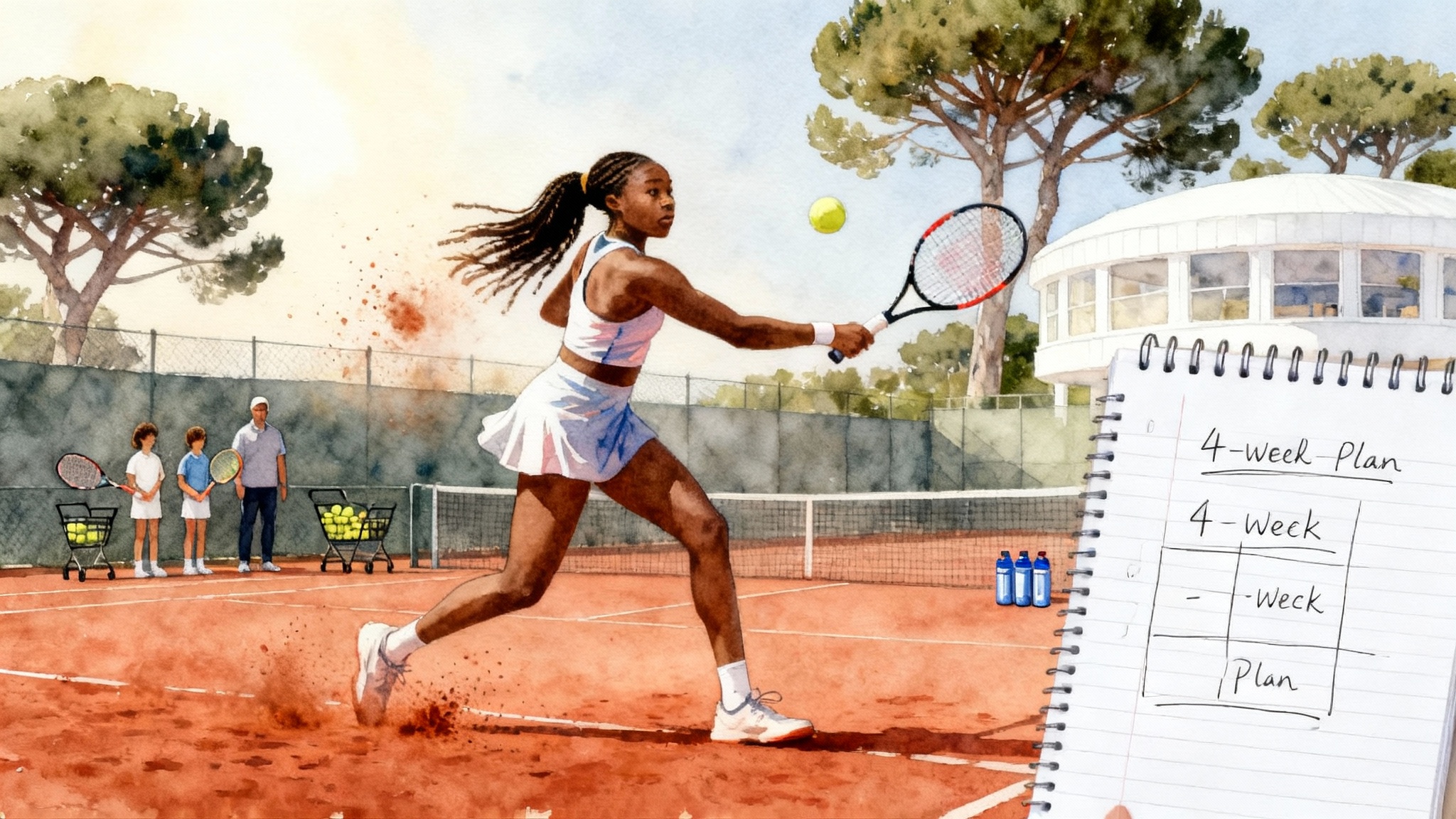
The move from top junior to the ATP tour is less about one big result and more about a repeatable calendar. The model in Bradenton prioritized blocks of training that were long enough to build skills and short enough to retain competitive sharpness. A common pattern was a three to four week training block, then a two to three week competition block, with a travel day and a recovery day in between. The calendar had a beat to it.
Here is a workable sequence for a transitional season.
- Preseason block, four weeks. Technical rebuild and physical loading. The hardest gym weeks happen here, and match play is scripted sets.
- Early season events, two to three weeks. Choose tournaments with similar surface speeds to reduce variability while the new patterns are fragile.
- Rebuild block, two weeks. Short but focused, keeping the body healthy and the serve patterns sharp.
- Mid season run, three to four weeks. Mix higher level events with one reachable draw to protect confidence and ranking progress.
- Summer block, two to three weeks. Emphasize heat tolerance, serve power, and resilience. Florida is a perfect lab for this.
- Late season events, two to four weeks. Travel with one clear performance goal, such as first serve plus one execution over sixty percent in matches.
The detail that keeps this cadence working is the travel plan. When the academy helps manage flights, practice courts on arrival, physio appointments, and hitting partners in each city, the player saves energy for matches. A big campus has alumni and contacts everywhere. That network is part of the product.
Case touchpoints worth knowing
Korda’s junior results announced the potential, including the boys title at the Australian Open. His professional arc featured steady steps rather than a single miracle week. He picked off his first tour level title, kept climbing at prestigious events, and then held his own in deep runs against top players. The pattern mattered more than any one scoreboard. For a concise official record of his results and profile, see the ATP player profile for Sebastian Korda. To compare models, read how Equelite built Carlos Alcaraz.
The ingredient families can copy is not the surname. It is the clarity of the system and the willingness to let each block do its job.
Actionable takeaways for families
The following framework is portable. Use it if you train at a large academy, a regional center, or a local club with a small but committed team.
1) Split responsibilities clearly
Put roles on paper. Ambiguity is friction that shows up as mixed messages on the eve of a match.
- Home coach defines identity, technical priorities, and the rule for acceptance. Example: if the player executes the first serve target and the next ball pattern sixty percent of the time in sets, do not chase a new idea that week.
- Academy coach manages daily menus, opponent variety, and short feedback loops. After each practice, one sentence is logged: what went right, what felt hard, what to try tomorrow.
- Strength and conditioning coach owns speed, power, load management, and return to play timelines after minor issues. This person should talk to the tennis coach at least once per week.
- Player owns the warm up, the hydration plan, and the post match notes. No one cares about a career more than the athlete; give them real jobs that build this muscle early.
2) Choose the right training block length
Block length is a lever. Too short and nothing consolidates. Too long and matches feel foreign. Korda’s environment often used three to four week training windows in the off season and two week windows during the calendar. For most juniors, this is a good starting point.
- Use three to four week blocks when making a technical change to serves, returns, or footwork patterns. That gives enough time for high volume repetitions, gym loading, and at least six set play days.
- Use ten to fourteen day blocks to sharpen tactics between tournament runs. Two or three theme days, two gym days, three live ball days, and one or two set days will keep match habits fresh.
- Lock the block length before the block begins. Do not move the goalposts when a practice goes badly. Protect consolidation.
3) Use big academy resources without losing attention
Large centers offer variety and depth, but players can feel like a number. The fix is structure.
- Book sparring with intention. At the start of the week, schedule opponents that stress the two themes you care about. Do not let randomness decide your player’s learning menu.
- Set a three sentence communication protocol. After each session, the academy coach sends three sentences to the home coach: one outcome the player controlled well, one skill that needs another rep day, one note on body status. Keep the loop moving without essays.
- Anchor one weekly one on one. Even on a busy campus, protect a private hour with the lead coach to rehearse the theme without distractions.
4) Build a tournament calendar that compounds learning
Results matter, but the calendar should serve development. In the transition from junior competition to professional events, a mixed schedule helps the player learn to win and to stretch.
- Choose a baseline series of reachable events where the player can win matches and execute patterns with confidence.
- Add one stretch event per block that pushes the level. The purpose of the stretch event is information. What parts of the game scale, what breaks under pressure, what is nearly ready.
- Plan recovery windows. Two complete days off after travel and a deep run can prevent a month of brain fog. Recovery is not a luxury. It is a performance skill.
5) Measure progress with simple metrics
Do not drown in data. Pick the numbers that the match respects.
- Serve plus one execution rate in sets, by side. Track both deuce and advantage serves. If a pattern stalls below sixty percent for two weeks, adjust the target or the first step.
- Break point conversion on return games across a block. Treat it as a tactical grade, not a moral judgment. Use it to decide whether to start the point inside the baseline or neutral.
- Sprint splits at ten and twenty meters, and a single jump test. Speed opens time windows that let technique breathe.
For skill consolidation at home, use our reliable forehand 30-day plan to pair metrics with weekly themes.
Common pitfalls and how to avoid them
- Too many voices. Families sometimes think more experts mean more progress. In practice it means more opinions and less ownership. Solve it with a lead voice and a two person support team.
- Chasing new toys. When a tool or test arrives on campus, it is tempting to change the plan. If the new input does not serve the two quarterly priorities, park it for the off season.
- Over scheduling. Two tournaments back to back with international flights in between hurts more than it helps. Fatigue erases technical gains. Protect one recovery day and one light day after every travel day.
- The highlight reel bias. Social clips of winners do not show the serve target that made the winner possible. In practice, rehearse the build, not the finish. On campus, ask coaches to measure the build actions, for example depth on neutral forehands and crosscourt backhand height.
How to make this work at different budgets
Not every family can live in Bradenton or purchase a full time academy package. The principle still travels.
- Low cost version. Two days per month at a regional center where you buy sparring and one private session, a weekly home club practice with a theme, and a simple gym program with two movements for power and two for stability. Use a shared spreadsheet and free video analysis apps.
- Mid cost version. One six week block per year at a major academy during school breaks, quarterly check ins with a lead coach, and a remote strength coach who delivers progressive plans. Join two local adult leagues for match toughness and variety.
- Full cost version. Year round academy enrollment with a dedicated lead coach, integrated strength and conditioning program, and coordinated tournament travel. Even at this level, keep the home coach role front and center as the editor in chief.
The bigger lesson from Bradenton
Sebastian Korda’s rise did not hinge on one hidden drill or secret piece of equipment. It grew from a clear split of responsibilities and from a campus that turned daily habits into a fast feedback loop. A big academy offered opponents, structure, and recovery on repeat. A focused home coach kept the message simple and guarded the player’s identity. That is a repeatable template. For more examples of academy models that scale, see how how Pilic Academy forged Djokovic.
If you adopt this model, begin with one page that defines roles, a three week calendar that sets the block length, and three metrics you can track without stress. Then let the system do its work. The altitude comes from resources, the direction comes from leadership, and the flight stays smooth when the two engines pull together.
Conclusion: two engines, one destination
From Bradenton’s humid courts to packed stadiums, Korda’s path shows how to make a large academy and a family coach work in harmony. Let the campus do what it does best, variety, volume, logistics. Let the home coach do what only a trusted leader can do, protect identity, choose priorities, and translate advice. Families who build that two engine system discover the same payoff, a faster, calmer climb from promise to the big stage.