Best France Tennis Academies 2026: Paris, Lyon, Riviera Guide
A parent-focused 2026 scorecard for France’s leading junior and pro-track tennis academies in Paris, Lyon, and the French Riviera. Compare clay-court intensity, schooling options, English support, training loads, tournaments, and real costs.
 Tommy
Tommy
How to read this 2026 scorecard
This guide is built for parents who want clarity before committing time and money. We compare France’s leading junior and pro-track academies across the criteria that shape outcomes for ages 10 to 18. You will see a quick-read scorecard, specific examples, sample weekly schedules, tournament pathways, and a transparent cost model that reflects what families actually pay across a season.
France is a world capital for clay-court development. The country’s training culture rewards patience, height over the net, and physical resilience. That is good news for players aiming at college tennis or the professional track, provided training is matched to school demands and competition access. When you finish this article, you should know which region and program type best fits your child, what a realistic week looks like, and how to budget for 2026.
The quick scorecard: who fits what
Below is a simplified, parent-facing scorecard that summarizes common offerings at four well-known program types in France. Use it to shortlist, then confirm current specifics with each academy before you sign.
| Program focus | Typical location | Clay-court intensity | Boarding + school integration | English-language support | Weekly training load | UTR or ITF access | True annual cost (tuition + boarding, excl. travel) |
|---|---|---|---|---|---|---|---|
| All In Academy (Lyon campus) | Greater Lyon | High in spring to autumn, mixed surfaces in winter | Strong links to local French schools and distance learning options; can support bilingual pathways | Staff can accommodate English, daily life has French immersion | 22–28 hours on court, 8–12 hours strength and conditioning | Regular domestic events, coordinated travel to national junior and UTR matchplay | Rough range 35,000–55,000 euros |
| All In Academy (French Riviera campus) | Riviera coastal belt | Very high clay usage year-round | Boarding plus local school partners or accredited distance learning | English-friendly coaching group, everyday French helps integration | 24–30 hours on court, 8–12 hours physical prep | Dense Riviera calendar, frequent UTR and national events within short drives | Rough range 38,000–58,000 euros |
| Mouratoglou-type high-performance center | Near Nice | Very high clay exposure with access to hard courts | Full boarding and structured academics on or near campus, including international tracks | Strong English provision across sport and school | 24–30 hours on court, 10–12 hours physical and recovery | Frequent on-site or nearby tournaments, organized logistics | Rough range 50,000–70,000 euros |
| French Touch Academy-style performance base | Cap d’Agde and satellite sites | High clay focus with tournament-style practice blocks | Boarding plus school coordination or distance learning | Bilingual staff in training blocks, English support available | 22–26 hours on court, 8–10 hours fitness | Regular French junior circuit access, coordinated UTR matchplay | Rough range 32,000–50,000 euros |
Notes for parents:
- Clay intensity means the percentage of live hitting and points done on red clay. Riviera sites usually stay closest to 80 percent or higher for most of the year. Lyon often adds indoor hard during winter.
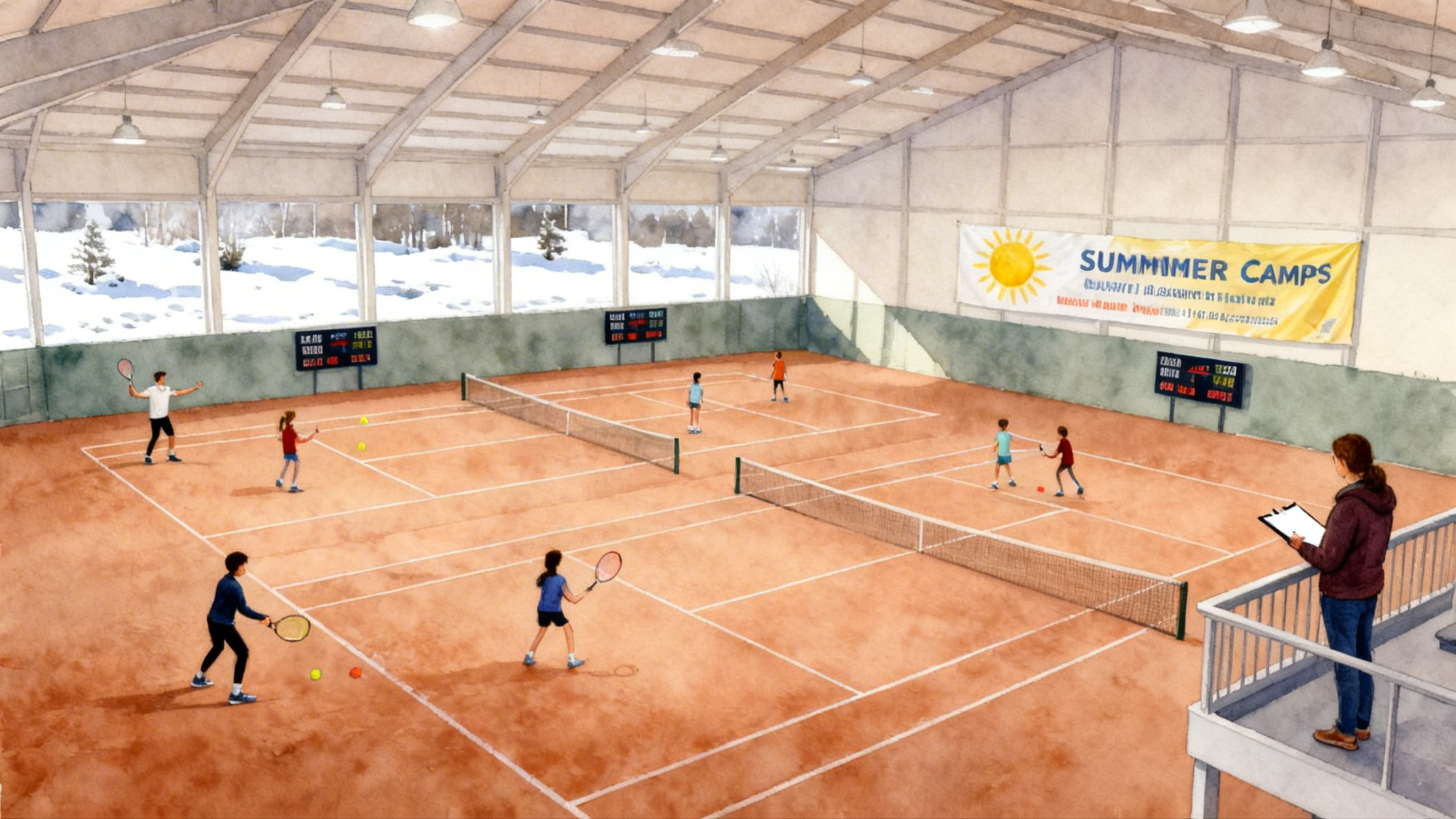
- Weekly loads reflect full-time annual programs. Summer camps and short blocks usually reduce on-court hours by 15 to 25 percent while adding more supervised matchplay.
- Costs vary by room type, meal plan, education choice, and medical coverage. The ranges above capture tuition and boarding for a typical year. Tournament travel, stringing, and extras sit on top of this.
Regional overview: Paris, Lyon, and the French Riviera
-
Paris region: Central Paris has superb clubs and coaching groups, yet fully integrated boarding plus academics is limited inside the city. Families who need boarding often combine suburban training hubs with a partner school or a distance learning plan. Paris is perfect for short training blocks tied to museum-grade culture and easy international flights. It is less convenient if you want a walkable boarding campus next to a heavy tournament calendar.
-
Lyon: A development-first city with a strong sports culture, balanced cost of living, and access to both indoor hard courts in winter and clay in other seasons. The All In Academy Lyon campus is a flagship for players who want purposeful clay work without the Riviera’s crowds. The city’s international schools and French curriculum options give real choice to families prioritizing academics.
-
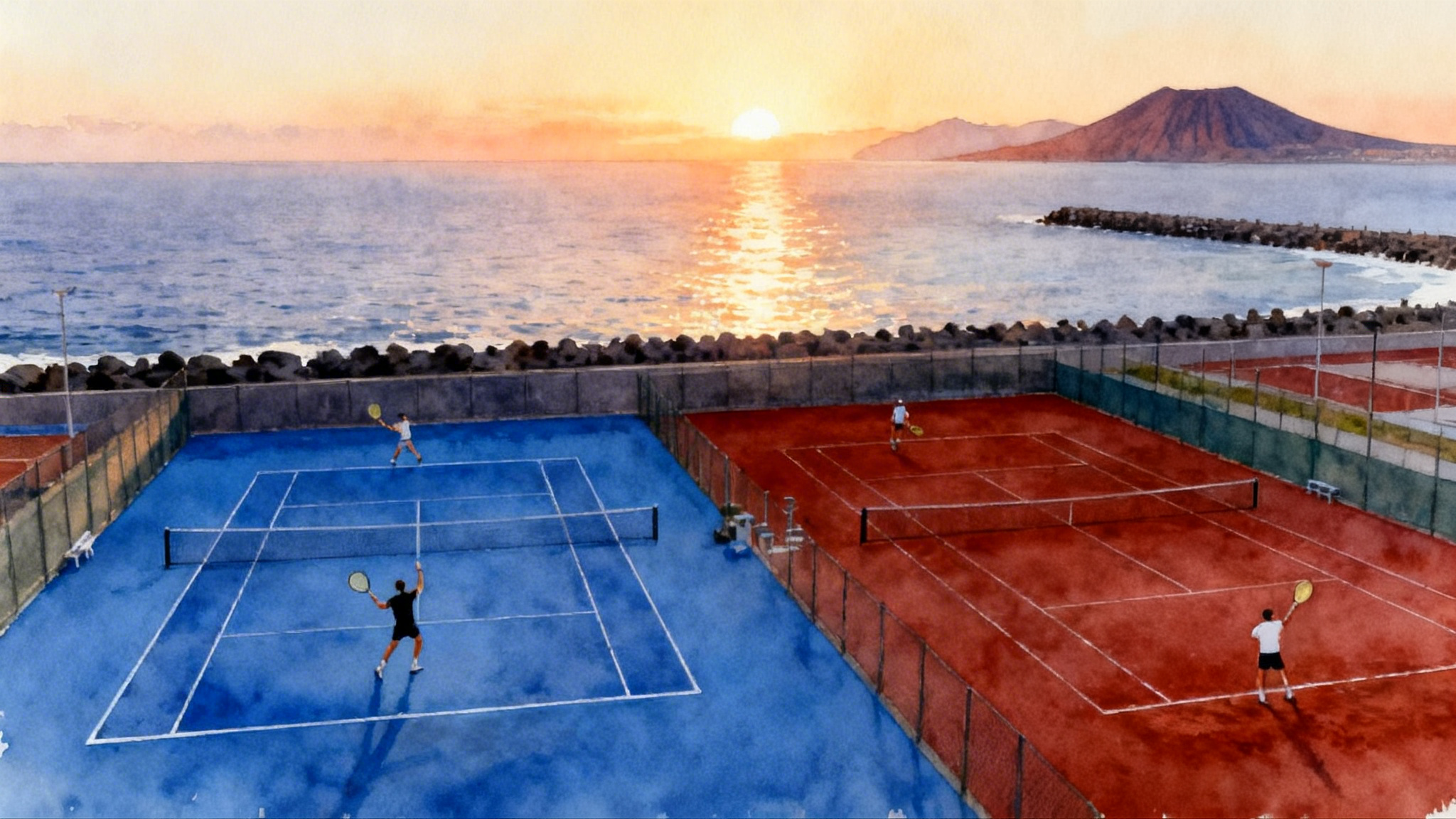
French Riviera: The highest density of clay courts, performance sparring, and tournaments in France. It also has the most English-friendly daily life for international athletes. Boarding is common, logistics are efficient, and the weather is training friendly. Demand in May and June spikes around Roland Garros, so book early if you plan a 2026 summer block. For official ticketing and published dates, see the Roland Garros visitor guide.
If you are also comparing Iberia, scan our Spain tennis academies 2026 for surface mix and cost context.
Inside the programs: what actually changes outcomes
- Clay-court intensity that fits the player’s identity
- Early developers benefit from more time on clay to sharpen patterns, height, and footwork. Late developers may need a weekly hard-court dose for tempo and first-strike confidence. Riviera programs lean clay heavy. Lyon blends surfaces across the year. Balance matters more than headline percentages.
- Boarding plus school integration, without academic whiplash
- The gold standard is a single point of contact who coordinates tennis loads with school deadlines. Ask who owns the weekly plan. Distance learning via accredited French platforms or international curricula can work well if the academy schedules quiet study blocks and proctors assessments. If your child needs daily English for core subjects, confirm teaching hours and the qualification pathway before you enroll.
- English-language support that scales with age
- Under 14s typically need English available at school and around the dorms. Over 15s can handle more French immersion, which accelerates social integration. Riviera sites often have the deepest English-friendly peer groups.
- Weekly training loads that are progressive, not copy-paste
- Look for a written plan that phases from general preparation to tournament peaking, with explicit recovery. Full-time programs in France often run 30 to 40 total hours across court, fitness, and matchplay. If your child’s numbers are far above that, ask how the staff measures readiness and sleep.
- Tournament access that is practical, not just promised
- The best indicator is a published calendar of likely events within 90 minutes of campus, including who drives, who coaches on site, and the expected entry fees. The Riviera typically wins on volume. Lyon offers a strong mix with less seasonal price pressure. For international context and dates, use the ITF junior tournament calendar.
Sample weekly schedules parents can picture
Below are three realistic examples you can use to pressure test fit. Translate each block into your family’s school needs and sleep patterns.
College-track, age 14 to 17, in Lyon during school term
- Monday: 7:30 breakfast. 8:15 school. 14:00 on-court drills and patterns, 2 hours. 16:15 strength, 60 minutes. 17:30 study hall, 90 minutes. 19:30 dinner. 21:30 lights out.
- Tuesday: 7:30 breakfast. 8:15 school. 14:00 serve and return, 90 minutes. 15:45 speed mechanics, 45 minutes. 17:00 supervised matchplay, 90 minutes. Evening study.
- Wednesday: 8:30 tactical session, 2 hours. 11:00 school half day. 15:00 mobility and prehab, 45 minutes. 16:00 study.
- Thursday: 8:15 school. 14:00 live points on clay, 2 hours. 16:15 conditioning circuits, 60 minutes. 18:00 recovery.
- Friday: 8:15 school. 14:00 set play and pressure drills, 2 hours. 16:15 conditioning, 45 minutes. 17:15 team meeting. Early night before weekend event.
- Saturday or Sunday: Local tournament or UTR matchplay, 2 to 3 matches as draw dictates.
Pro-track, age 15 to 18, Riviera block outside major exams
- Monday: 8:00 movement prep, 20 minutes. 8:30 clay rally tolerance and height control, 90 minutes. 10:15 serve plus first ball, 45 minutes. 11:15 strength, 75 minutes. 15:00 live patterns and situational points, 90 minutes. 17:00 mobility, 30 minutes.
- Tuesday: 8:30 return plus plus-one, 75 minutes. 10:00 transition and volley patterns, 45 minutes. 11:15 anaerobic intervals, 45 minutes. 15:00 sets, 2 hours with coaching timeouts.
- Wednesday: 9:00 technical block on backhand and contact point, 75 minutes. 10:30 footwork ladders and deceleration, 40 minutes. 16:00 supervised study or language tutoring. 17:30 recovery swim.
- Thursday: 8:30 matchplay with constraints, 2 hours. 11:00 strength, 60 minutes. 15:00 serve games and breaker rehearsal, 75 minutes.
- Friday: 8:45 clay movement and sliding, 60 minutes. 10:00 light hit, 45 minutes. 11:00 physio screen. 15:00 travel to weekend tournament.
- Saturday to Sunday: Tournament matches with coach on site.
Summer block, Paris base with travel weekends, ages 12 to 16
- Monday to Friday: 2 to 3 hours on court daily with mixed hard and clay, 45 to 60 minutes fitness, afternoon museum or language workshop two days per week. Saturday or Sunday: day trip for matchplay or a regional event.
Tournament access: UTR and ITF in practice
- UTR matchplay: Many French centers schedule weekend UTR sessions or internal ladders to give consistent rating movement. Ask how entries are confirmed, how many guaranteed matches you get, and whether a coach watches each match.
- ITF juniors: Families should map a 12-week window and then place likely tournaments with driving times and budget per week. Do not forget protected study days before and after travel. Validate dates and entry deadlines through the ITF junior tournament calendar.
- National events: France maintains a busy domestic junior circuit in spring and summer. Riviera academies often stack two nearby events to reduce hotel nights and van miles.
The true cost of attendance in 2026
A realistic annual budget is more than tuition and a dorm bed. The numbers below are typical for a full-time program and a separate four to eight week summer block.
Full-time annual program, euro estimates
- Tuition and coaching: 18,000–30,000
- Boarding and meals: 14,000–28,000
- Education fees: 6,000–18,000 depending on French curriculum, bilingual track, or international school
- Tournament travel: 5,000–20,000 depending on calendar and coaching on site
- Stringing and equipment: 600–1,500 for strings and grips, plus 2 to 6 rackets per year
- Medical and physiotherapy: 500–2,000
- Insurance and licenses: 300–800
- Airport transfers and local transport: 600–1,500
Summer block, four to eight weeks
- Training package: 1,000–1,800 per week depending on group size and one-to-one hours
- Accommodation and meals: 600–1,200 per week for dorm or supervised residence
- Tournament entries and transport: 150–350 per week
- Flights and baggage: 800–1,500 round trip from North America if booked early
How to compare apples to apples
- Request a pro forma invoice with all likely fees, including stringing and coaching day rates at tournaments.
- Ask what is included when a player is injured. The best programs maintain school and lower-load technical blocks rather than leaving athletes idle.
- Confirm refund and deferral policies. Visa delays and exam changes are common in May and June.
Travel and visa planning for May to August 2026
- Timeline: May and June bring Roland Garros and the busiest hotel weeks in Paris. If you plan a combined tennis plus sightseeing trip, lock flights and refundable rooms as early as practical, then set training dates after you secure tickets. Refer to the earlier link for official visitor guidance.
- Passport and entry: Verify passport validity rules and any electronic travel authorization requirements for your nationality well before departure. Policies can change. Build a two week buffer in case appointments or approvals take longer than expected.
- Getting around: The high-speed TGV makes Paris to Lyon or Paris to Nice feel easy. Factor in transfer windows so athletes can hydrate and stretch after long sits. For Riviera tournaments, a van with a roof box for bags helps keep rackets flat and safe.
- Packing for clay: Bring two pairs of clay-specific tennis shoes, a spare set of insoles, and a small brush for red dust. Pack extra overgrips and two string setups. Humid coastal air and long rallies can nudge tension down. Many players settle between minus 1 and minus 2 kilograms from their hard-court setup.
- Health and heat: Late June and July can be hot on clay. Electrolytes, a white hat, and ice towels are not luxuries. Ask the academy how they enforce shade breaks and cold-water access.
Paris vs Lyon vs Riviera: choosing by pathway
College pathway
- Best fit: Lyon or Riviera boarding programs that coordinate directly with a bilingual or international school. You want predictable study blocks, a published testing calendar, and staff who prepare video, match logs, and coach references for college recruiting. For a US baseline, see our Florida academy benchmarks.
- Why it works: You gain steady clay development without sacrificing grades. You also get denser matchplay than in many home countries, which drives a healthier UTR without over-travel.
- What to ask: How many class hours are protected daily. How many filmed matches you will receive each month. How the staff prepares email introductions and highlight reels for coaches.
Pro-track pathway
- Best fit: Riviera or a Lyon cluster with close-range events and a willingness to reshape loads when the athlete is peaking. Boarding plus a flexible education plan is critical after age 15.
- Why it works: Clay builds mental stamina and repeatable patterns. The tournament map is rich enough to play weekly without crossing borders. English-speaking support lowers friction for international athletes, while French immersion builds resilience.
- What to ask: Who travels with the player, how live scouting is used before matches, and whether set-play themes carry from practice into tournaments.
Paris pathway for families
- Best fit: Summer blocks or periods when a parent is on assignment in the city. Pair a high-performance club environment with a school that can compress exams or offer distance learning. Use the TGV to play Riviera or Lyon events during weekends.
- Why it works: Cultural access plus solid training. It is a strong option when boarding is not required or when the family prefers to be close by.
- What to ask: Whether the program arranges weekend matchplay, how many red clay sessions are guaranteed each week, and how they handle rainy days in spring.
Questions to put on one page before you sign
Academy operations
- Who owns the weekly plan across tennis, fitness, recovery, and school. Ask for a sample week with your child’s name on it.
- How often does an athlete see the same lead coach. Consistency is development.
- What are the ratios for squads and for one-to-one lessons. List maximums, not averages.
Education and language
- Which school or distance platform is used, who proctors exams, and how many tutoring hours are included.
- How English support works in class and around the dorms. If English is primary, confirm subject coverage in English rather than translation on the fly.
Competition
- What a 12-week tournament block looks like, who drives, and what coaching on site costs per day.
- How withdrawals and injuries are handled. Ask for a real example from last season.
Costs and policies
- A line-item quote that covers training, boarding, school, tournament coaching, transport, stringing, and physiotherapy.
- Payment schedule, refund rules, and what happens if visa timing slips.
Your next step
Shortlist two to three centers that match your pathway, then schedule a video call with the tennis director and the school lead at the same time. Ask for a trial week where your child is placed into their likely training group. If you want an independent view before you spend, use our team to benchmark offers and training loads. You can also compare regional options in our Spain tennis academies 2026 and keep a close eye on Lyon via the All In Academy Lyon campus.
The bottom line
France remains one of the best places on earth to grow a complete tennis player. Clay habits, thoughtful coaching, and a rich tournament map give juniors the repetition they need to thrive in college programs and, for the few who can handle it, to attempt the pro track. Choose the region that fits your family’s school plan and budget, confirm the weekly plan in writing, and anchor your calendar around smart tournament clusters. Get those pieces right and 2026 will feel less like a gamble and more like a plan.