Best Spain Tennis Academies 2026: Barcelona to Canary Islands
A transparent, data-led scorecard for Spain’s top tennis academies in 2026. Compare training volume, clay and hard access, boarding and academics, English support, coaching ratios, tournaments, and real costs. Tenerife Tennis Academy is our rising dual-surface pick.
 Tommy
Tommy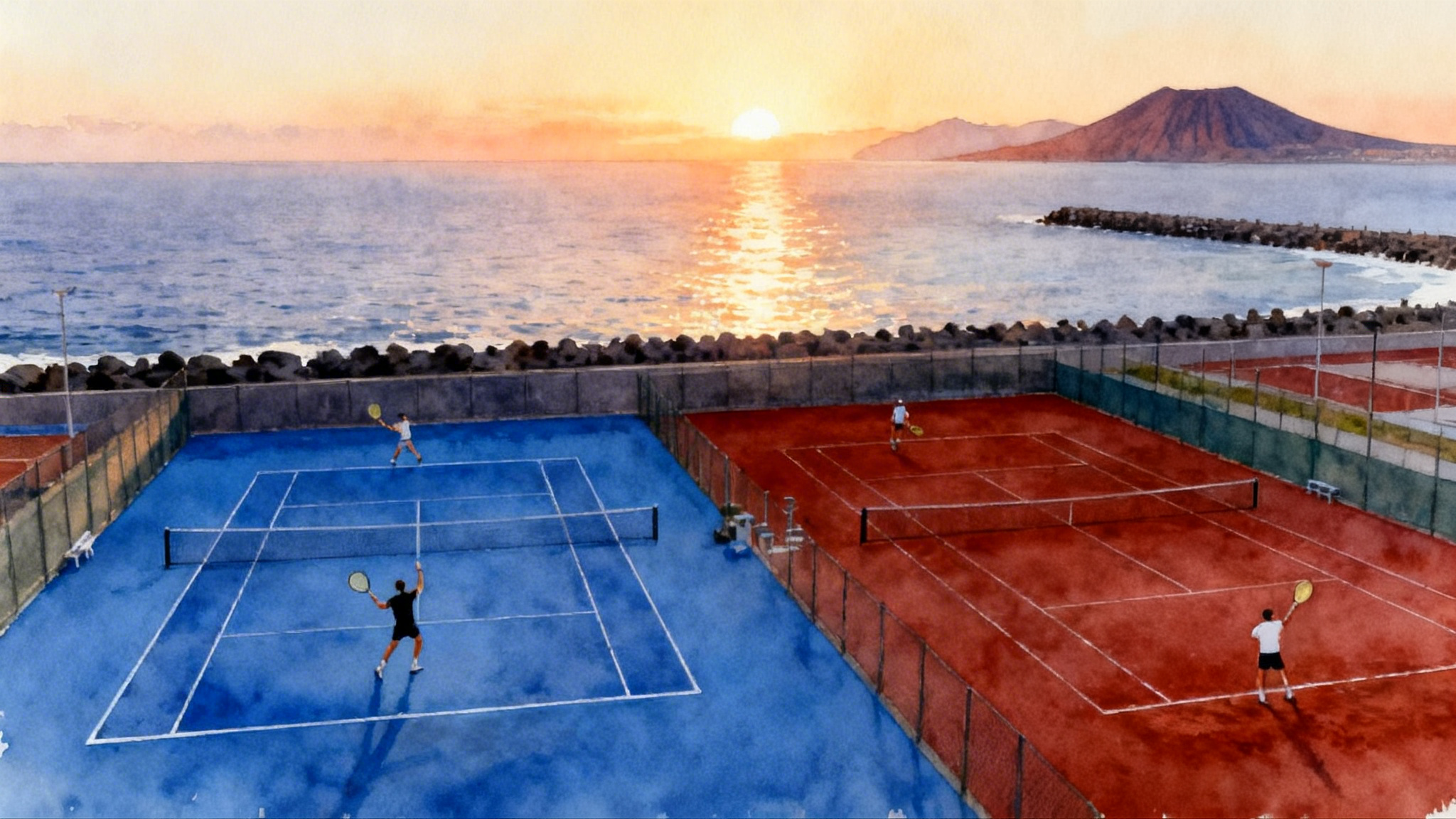
How to read this 2026 buyer’s scorecard
Spain offers four very different tennis ecosystems within one country: the Barcelona cluster, Mallorca, Valencia, and the Canary Islands. To keep this guide practical, we score each region for juniors and adults on the factors that decide real outcomes: training volume per week, clay versus hard access, boarding and academics, English-language support, tournament proximity, coaching ratios, facilities, and 2026 costs you can actually plan around. Use the quick comparisons to build a shortlist, then apply the action steps at the end to secure your summer or fall 2026 place.
Two quick notes before we start:
- Training hours are shown as realistic ranges that combine on-court and fitness, since most programs split the day.
- Costs vary by season and room type. We quote current public ranges and typical inclusions so families can budget with fewer surprises.
The quick scorecard: 2026 snapshot by region
Below, each region gets a concise, apples-to-apples snapshot. Think of it as the spec sheet you would want if you were buying a performance racket.
Barcelona area
- Training volume per week: roughly 18 to 28 hours total for juniors in weekly camps, 20 to 30 hours in annual programs, with adults typically 10 to 20 hours depending on package.
- Clay versus hard: clay dominates, hard courts exist but are limited at most sites. Great for building point construction and shot tolerance.
- Boarding and academics: strong. The Emilio Sánchez Academy has on-campus residence options and integrates with ES American School for grades one through twelve, which is helpful for United States families seeking continuity.
- English-language support: consistent. International student mix is high.
- Tournament proximity: excellent. Dense calendar of regional events and quick access to Catalonia and Aragon circuits, plus frequent junior and national weeks within a two-hour radius.
- Coaching ratios: typical 3 to 4 players per court during group blocks, with private add-ons common.
- Facilities: large multi-court campuses around the city, plus boutique programs that cap groups and personalize.
- 2026 costs: weekly junior programs in the Barcelona cluster commonly price near one thousand to one thousand seven hundred euros without or with boarding, and adults see similar training-only totals with fewer supervised hours. At the Emilio Sánchez Academy, recent weekly pricing shows non-boarding around one thousand one hundred eighty five euros and boarding options around one thousand six hundred to one thousand seven hundred euros per week. These figures help set expectations for summer 2026.
Who thrives here: juniors who want a clay-first education and frequent competition, and adults who want technical resets with heavy ball contacts. For a skills refresher, see our Master the Tennis Return guide.
Mallorca
- Training volume per week: structured junior weeks commonly deliver 16 to 24 hours on court and fitness, adults choose focused blocks.
- Clay versus hard: balanced, with deep access to both surfaces.
- Boarding and academics: integrated, with residence, school, medical, and recovery under one roof, which reduces logistical friction.
- English-language support: strong in coaching and student services.
- Tournament proximity: good locally, with fast links to mainland events when needed.
- Coaching ratios: group sessions usually 3 to 4 players per court, private lessons widely available.
- Facilities: mega-campus level, with indoor options and extensive recovery and performance services.
- 2026 costs: summer junior weeks publicly list from about two thousand two hundred euros per week for full packages at the flagship campus. See inclusions on the Rafa Nadal Academy 2026 camps page.
Who thrives here: families who value structure, on-site supervision, and resort-grade amenities paired with serious training.
Valencia and the Valencian Community
- Training volume per week: competitive tracks in the region routinely schedule 20 to 28 hours combined, with intensity spiking near event weeks.
- Clay versus hard: mixed, skewing to clay, with multiple hard courts on the best campuses.
- Boarding and academics: options range from on-site residences and hotel-style rooms to host-family setups, plus access to local or online schooling.
- English-language support: reliable for performance programs.
- Tournament proximity: excellent. Regular International Tennis Federation junior weeks and frequent national events run through the calendar, and travel to Alicante, Castellón, and Murcia expands options.
- Coaching ratios: published 3 to 4 players per coach in group training at leading centers is common.
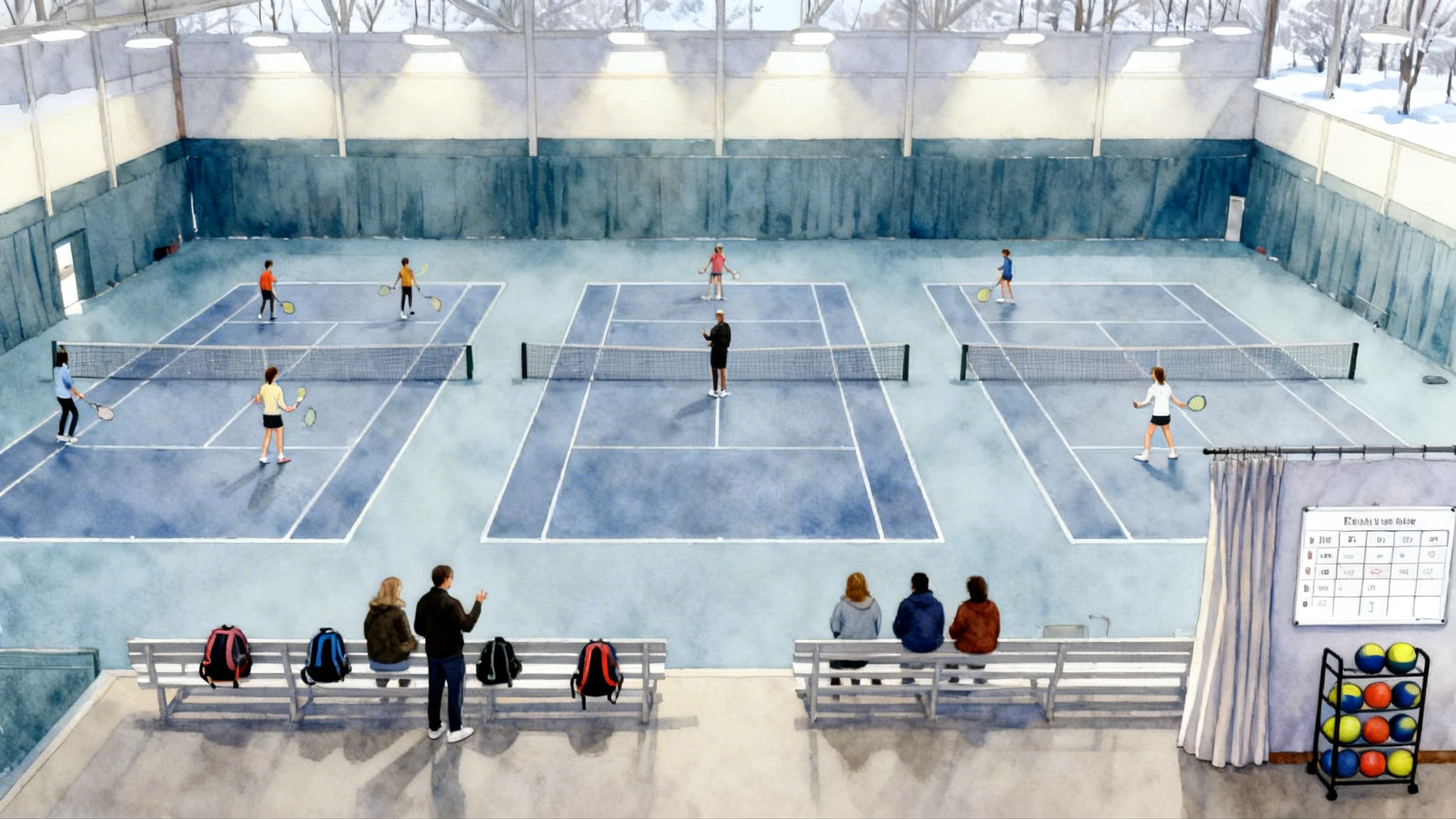
- Facilities: full-spectrum performance centers with 15 to 20 courts are typical, often including indoor options and a show court.
- 2026 costs: signature summer stages in well known programs list near one thousand seven hundred euros per week with full board. Short-term competition weeks that include accommodation often price in the one hundred eighty to two hundred euros per day range. Annual packages vary by schooling and housing.
Who thrives here: tournament-focused juniors ready to play often, and adults seeking a hard training block with match play.
Canary Islands, with Tenerife in focus
- Training volume per week: flexible. Expect 15 to 25 hours combined for visiting players, and 20 to 28 hours for full-time juniors.
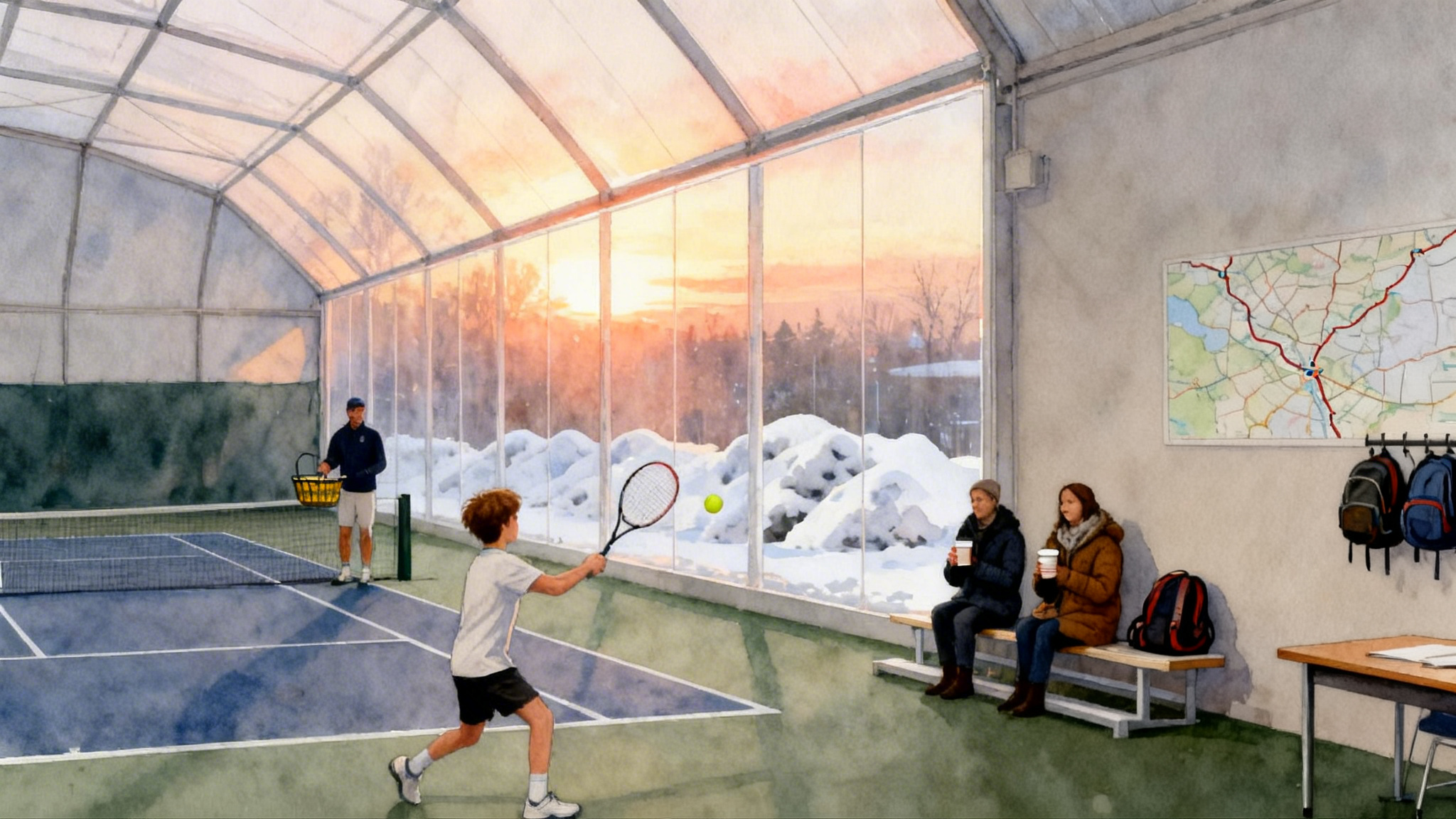
- Clay versus hard: unique dual-surface access on the same island. Hard courts at a coastal high-performance center pair with red clay a short drive inland, which makes it easy to train adaptations in a single week.
- Boarding and academics: player houses and vetted host families are common, plus dedicated study centers and online school support.
- English-language support: strong, especially in Tenerife’s south where tourism drives bilingual staff.
- Tournament proximity: steady winter and spring activity on the islands and quick flights to mainland events when stacking matches matters.
- Coaching ratios: boutique settings trend toward smaller groups and more individual feedback.
- Facilities: year-round outdoor training, strength and conditioning spaces, and recovery access at performance centers.
- 2026 costs: full-time junior tennis from roughly one thousand two hundred to one thousand four hundred euros per month, academics from the mid five hundreds per month, host-family or player-house lodging from about nine hundred euros per month, and meal plans around four hundred fifty euros per month. Weekly camp totals vary by inclusions, typically landing below mainland mega-campus prices.
Who thrives here: juniors and adults who want volume, sun, and a dual-surface rhythm without winter interruptions.
Boutique versus mega-campus: which model fits you in 2026
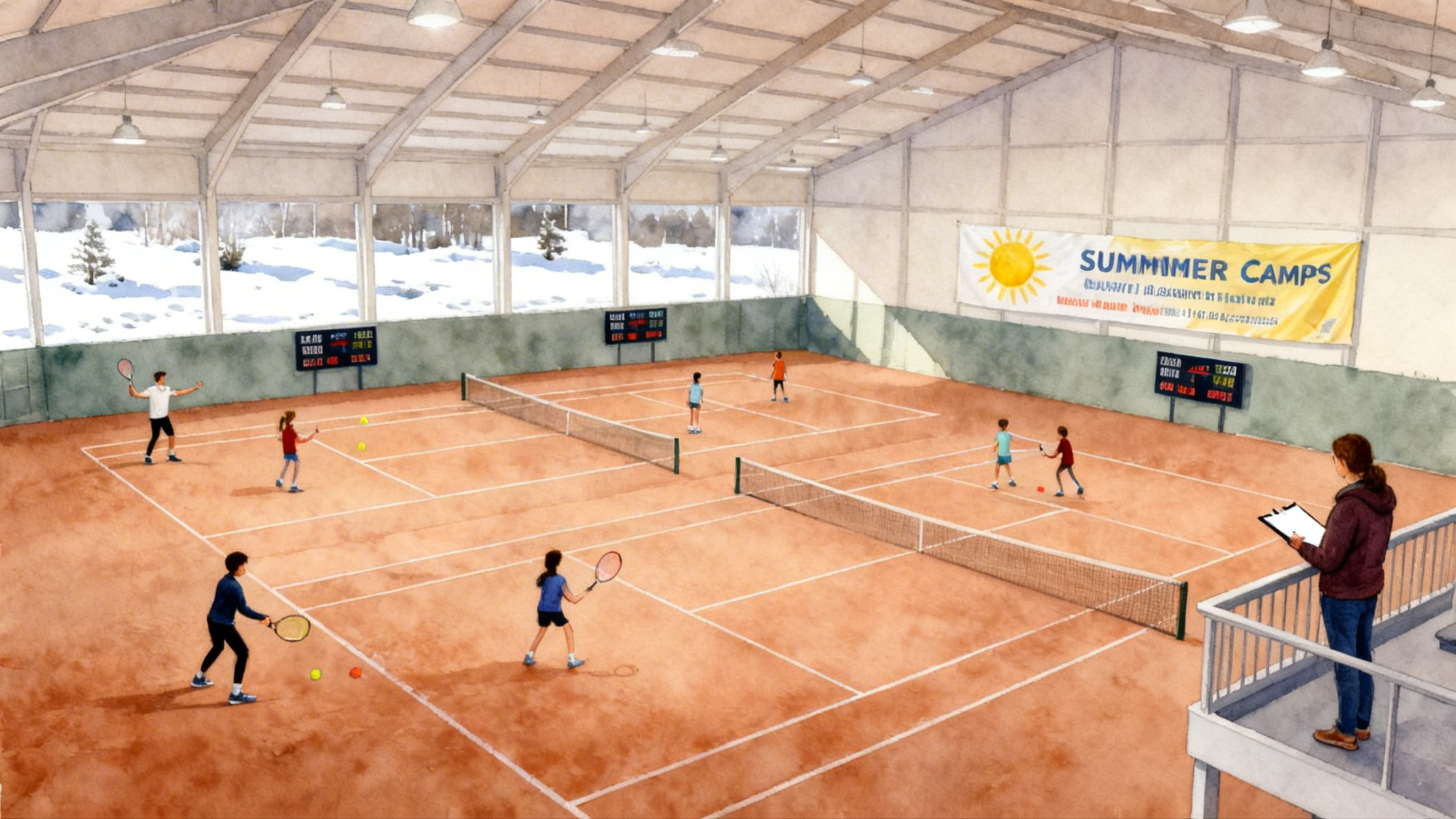
Spain offers both ends of the spectrum. Mega-campuses, like the flagship in Mallorca, feel like a small sports city. Think 45 courts, on-site school, and full-service recovery, where logistics fade into the background. The tradeoff is scale: more players on site means group blocks can feel busier unless you add private lessons.
Boutique programs, common in Barcelona’s orbit and in Tenerife, win on touches per hour and individualized feedback. You will often hit more balls per session and see the same coach track you across the week. The tradeoff is that you build your week from components: housing, meals, and tournament travel are often modular. For many families, that is a feature rather than a bug because it lets you tune cost and intensity.
Action to take: shortlist at least one of each model. Ask for a sample seven-day plan that shows exact hours of group versus private work, fitness, video analysis, and match play. Compare side by side, then decide if your player needs the convenience of everything in one place or the precision of a smaller court group.
Tenerife Tennis Academy spotlight: the rising dual-surface option
Tenerife Tennis Academy in the south of Tenerife has built a simple but powerful proposition for 2026. Train mornings on modern acrylic hard courts at the coastal high-performance center in La Caleta, then move to the academy’s own red clay in nearby Chayofa for the afternoon. The combination sharpens perception and footwork because you toggle between pace and shape in the same day. For background on programs and community, start with our Tenerife Tennis Academy profile.
- Surfaces and setup: seven GreenSet hard courts at the coastal center and three European red clay courts inland give you immediate contrast. Facility details are laid out clearly on the Tenerife Tennis Academy facilities page.
- Training rhythm for a one week block: Monday to Friday, 90 minutes of hard-court drilling and serve patterns in the morning, 60 minutes of fitness focused on footwork and mobility, then a two hour clay block with pattern work, point building, and live play as legs allow. Saturday is best used for match play or a lighter technical session plus mobility.
- Coaching ratios: boutique feel, typically 2 to 4 players per court in group blocks, with the option to add daily or alternate-day private lessons.
- Boarding and academics: player houses and host families for full-timers, with a dedicated study center to proctor online schoolwork. Adults book nearby apartments or hotels and commute five to fifteen minutes.
- Budgeting for 2026: the full time junior matrix uses line items that are easy to add up. Tennis training starts from the low one thousands per month depending on age, academics add a mid five hundreds monthly fee, host-family or player-house lodging is typically just under one thousand per month including meals for breakfast and dinner, and a lunch plan sits around the mid four hundreds. Visiting juniors and adults can assemble weekly packages that undercut mainland mega-campuses while maintaining daily volume through the dual surface design.
For families testing Europe for the first time, this setup is forgiving. Flights from major United States hubs connect through Madrid or Barcelona, the climate removes rain risk, and English-language logistics are straightforward.
Region-by-region detail for planners
Barcelona: depth, density, and clay education
- Why it works: Barcelona is a cluster, not a single academy. Within 60 minutes you can visit two or three legitimate centers in one day, then decide which culture and ratio fits. Clay education here is unmatched, which is why many North American players come for spring or fall blocks.
- What to verify: written group sizes by age and level, the split between drilling and live points, and how many tournaments the staff will actually travel to in a 12 week window. Ask for a map of likely events with sign-up deadlines and travel times.
- Who to consider: a mega name if you want campus convenience, and a boutique program if you want extra individual lessons built into your mornings.
Mallorca: structure and convenience
- Why it works: you land, check in, and everything you need is on campus. That simplicity lets players focus on learning and recovery rather than commuting and logistics. The court mix is balanced, so you can sequence hard for technical clarity and clay for patterns.
- What to verify: boarding categories, academic placement tests, and whether evening match play is structured or informal. For adults, confirm the ratio in improvement weeks and the availability of daily privates.
- Key cost signal: current summer boarders are quoted from roughly two thousand two hundred euros per week at the flagship campus, with the package including residence and structured training blocks. Use that as an anchor to evaluate offers with different inclusions.
Valencia: play often, learn fast
- Why it works: the region’s calendar is dense, so match exposure accelerates. Hard and clay are both available, which keeps transitions honest. It is a smart base for juniors making ranking pushes.
- What to verify: players per court during pre tournament weeks, actual staff travel to events, and the daily recovery plan, especially in summer heat.
- Cost cues: summer competition stages at major centers price near one thousand seven hundred euros for a full boarding week, and year round short stays typically fall in the one hundred eighty to two hundred euros per day range with accommodation and meals when booked as a package.
Canary Islands: year-round volume and focus
- Why it works: winter and shoulder seasons stay dry and bright, so you can stack weeks when mainland rain or school calendars make travel tricky. Dual surface setups in Tenerife make a single week feel like two.
- What to verify: transport times between hard and clay venues, exact group sizes by level, and how match play or local events are built into the plan.
- Cost cues: full time monthly lines for tennis, academics, and boarding tend to total below mainland mega campuses, and visiting adults can tailor a week with focused private lessons without paying for extras they do not need.
2026 cost checklist and the items families forget
Plan for the package, then add the predictable extras so you are not surprised at invoice time.
- Package baselines you will see often:
- Weekly junior camps: roughly one thousand one hundred to two thousand two hundred euros, depending on boarding, supervision, and extras.
- Adult camps: training-only often sits near nine hundred to one thousand five hundred euros per week, with hotel options on top.
- Full-time juniors: training from about one thousand two hundred to one thousand eight hundred euros per month, academics from five hundred to six hundred euros per month, and boarding from eight hundred fifty to one thousand two hundred euros per month depending on location and meals.
- Predictable add ons:
- Private lessons: sixty to one hundred fifty euros per hour, ask for a multi hour package rate and confirm which coach level you are booking.
- Tournament travel: one hundred fifty to three hundred euros per domestic weekend, more if flights are involved. Cap the daily coach rate in advance and clarify how costs are split across players.
- Stringing and equipment: one hundred to two hundred fifty euros per month for frequent players. Ask about on site stringing and a same day service window.
- Airport transfers: often included for boarders within set hours, outside times can add forty to one hundred euros each way depending on region.
- Insurance and physio: confirm coverage and the injury return to play protocol in writing.
Pro tip: ask for a written quote that lists inclusions and exclusions line by line. If a price looks low, it usually omits supervision, meals, or staff travel to tournaments.
Coaching ratios and training quality, decoded
Ratios only matter when tied to a plan. A two to one court can be wasted if the session is aimless, and a four to one court can be excellent if it is a high repetition, well sequenced block. Ask for video of a typical group session in your player’s level, and request a written outline for the week that shows where private time sits and how match play is assessed and debriefed.
Questions to send admissions:
- How many players per court in my age and level band, by day of the week, and does that change near tournaments
- How many total hitting contacts should my player expect in a two hour block, and how do you measure quality
- Who runs match debriefs, how often, and what written summary do families receive
- For adults, can you confirm my private lesson slot each day and the coach level assigned
Tournament access in practice
Barcelona and Valencia are the safest choices if you want dense calendars within two hours by car or train. Mallorca and Tenerife often serve as strong training bases, with organized match days and targeted travel to mainland events. If your priority is competitive volume from June through October 2026, ask each academy for a 12 week tournament map with entry windows, travel times, and expected match counts. Decline any plan that relies on last minute sign-ups.
Deadlines and a booking timeline for United States families and adult players
- March to April 2026: secure summer 2026 camp or short term blocks, especially in Barcelona and Mallorca where boarding fills early.
- May to June 2026: finalize fall semester starts for full timers, including academic placement and housing.
- One month before arrival: lock private lesson slots, confirm airport transfer windows, and request your seven day training plan that shows courts, coaches, and fitness sessions.
- Two weeks before arrival: submit medical forms, equipment list, and stringing preferences. Ask for a contact for urgent changes during travel.
- Travel documents: confirm current Schengen entry requirements and any electronic travel authorization that may apply to your passport. Build these checks into your own pre departure list.
If you are also comparing stateside options, scan our Florida academies 2026 scorecard to benchmark costs and ratios.
How to choose in one afternoon
- Pick a model: mega-campus convenience or boutique precision.
- Pick your surface focus: mostly clay for pattern mastery, or dual surface for adaptability.
- Pick your match plan: local club matches plus training, or a calendar of junior or adult events.
- Request two comparable quotes with written inclusions and a sample week.
- Decide by total value, not headline price. A slightly higher fee that guarantees daily private time or clear tournament travel can be the better deal.
The bottom line
Spain in 2026 is not one market, it is four distinct training ecosystems. Barcelona gives you density and clay education, Mallorca delivers a polished all in campus, Valencia puts match weeks within easy reach, and Tenerife, led by Tenerife Tennis Academy’s dual surface setup, offers year round volume and adaptability. Start with the scorecard, ask for written schedules and costs, and book early. The right choice is the one that aligns surface, structure, and match access with your goals, so every hour you invest this summer or fall pays you back on court.