Best Midwest Indoor Tennis Academies for 2025–2026
Winter-ready guide to Chicago, Detroit, Minneapolis and Cleveland. Compare indoor court counts and surfaces, training schedules, commute ease, tuition ranges, UTR and USTA match play, plus academics and boarding support for December through March.
 Tommy
Tommy
How to choose an indoor academy for a Midwest winter
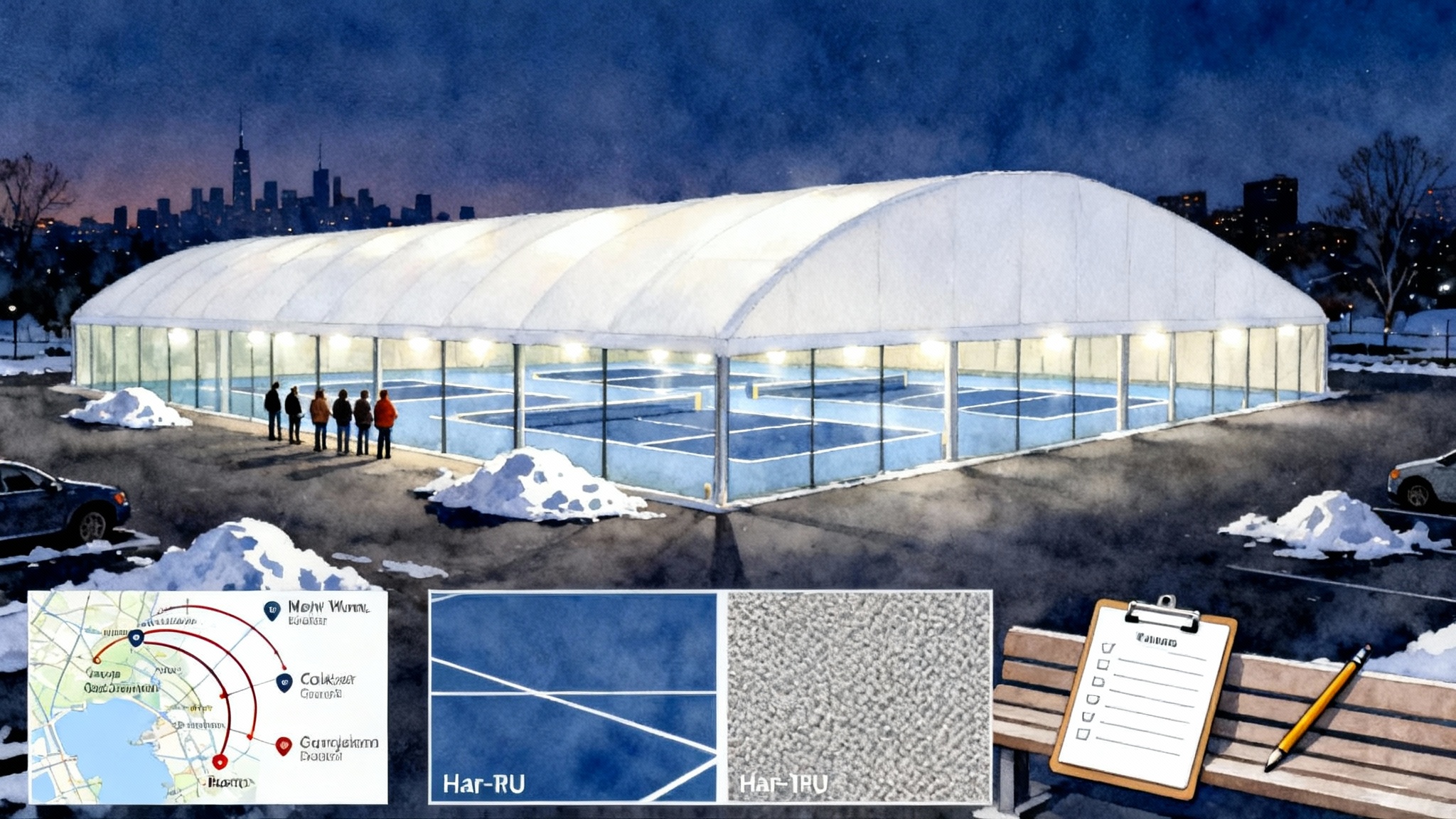
Snow in the parking lot does not stop tennis if you pick the right indoor base. Families who lock in December through March training early tend to get better practice times, steadier match play, and lower stress. Use this checklist to compare options in Chicago, Detroit, Minneapolis, and Cleveland. Planning a warm‑weather block too? Scan our South Florida academies guide and the Northeast commute-smart guide for backup plans.
- Courts and surfaces: Count, surface mix, lighting, and ceiling height affect ball speed, footwork load, and injury risk.
- Schedules: After-school blocks vs full-time day training, plus whether weekend match play is built in.
- Commute: Drive time in winter traffic, parking, and public transit access.
- Tuition and fees: Session pricing, court fees, and required memberships.
- Match play: UTR events and USTA leagues or tournaments on site.
- Academics and boarding: Homework windows, tutoring, and any study spaces. Few Midwest indoor programs offer boarding, so plan accordingly.
Below, we detail strong indoor training choices by metro, then share sample winter schedules and a quick decision framework you can reuse each season.
Chicago: three reliable winter hubs
XS Tennis Village, Washington Park
- Courts and surfaces: Large city facility with 12 indoor hard courts and additional outdoor hard and clay for shoulder seasons. It runs with big-club energy and a community mission. See facility details on the official page for the XS Tennis Village court count.
- Schedules: After-school Academy and High Performance blocks run on weeknights, with weekend match play windows. Private lesson slots are available early evenings and weekends. Evaluations are required for top groups.
- Commute: Just off State and 55th on the South Side, with Red and Green Line access and multiple buses. Parking on site.
- Tuition: Group training typically prices by session. Recent postings place advanced after-school blocks in the mid three figures per session for one day per week, rising toward four figures for two to three days. Private rates vary by coach seniority.
- Match play: Regular in-house point play and frequent UTR-verified events on weekends help ratings stay current. Players also travel to USTA District and Midwest events.
- Academics: As a tennis and education nonprofit, XS offers structured youth pathways, enrichment, and study-friendly spaces that make school-tennis balance more manageable during winter.
Who it suits: City families seeking high-rep training, a diverse player pool, and easy transit access. Strong fit for players who want frequent UTR match reps without long drives.
Midtown Athletic Club, Bucktown
- Courts and surfaces: 16 climate-controlled indoor courts with consistent lighting, high ceilings, and a modern club layout that handles winter crowds well.
- Schedules: High Performance for ages 10 to 18 by tryout, plus laddered junior development and holiday camps. Families can anchor a reliable Monday to Thursday rhythm and add weekend match play.
- Commute: Convenient to the Kennedy Expressway with on-site parking. Useful for North and Near West Side families and commuters.
- Tuition: Membership-based model with program fees. Expect advanced after-school blocks in the mid to high three figures per session for one day weekly, scaling with frequency. Private lesson rates trend above city averages due to staff seniority and facilities.
- Match play: Regular junior match play and USTA team participation. The player pool is deep enough to find quality practice partners at short notice.
- Academics: No boarding. Lounge and café spaces make pre-lesson homework realistic. Strength and recovery amenities help athletes stack fitness without extra drives.
Who it suits: Players who want a one-stop club with coaching depth, reliable court access, and strong winter programming in a comfortable environment for everyday study-and-train routines.
McFetridge Sports Center, Irving Park
- Courts and surfaces: Six indoor hard courts under bright lighting, run by the Chicago Park District.
- Schedules: After-school ladders from Red through Yellow ball, plus Junior Team Tennis that turns lessons into real sets and matches.
- Commute: Central city location with easy parking. Good option for families balancing multiple activities since you can bundle ice, swim, or fitness in the same building.
- Tuition: Public-facility pricing is budget friendly. Group classes and team fees are accessible, and you can add private lessons as needed.
- Match play: Junior Team Tennis seasons and weekend point play form a steady base. Players then branch to USTA District tournaments.
- Academics: No formal study program, but predictable evening blocks make it easy to finish homework before or after training.
Who it suits: Cost-conscious families who want a steady class ladder, local match play, and a shorter drive in city traffic.
Detroit area: three proven winter engines
Franklin Athletic Club, Southfield
- Courts and surfaces: Thirteen indoor courts with a long track record of producing high school and college players.
- Schedules: A deep junior pathway from Red ball to High School Excellence and Tournament Excellence. Sessions run September through May, which covers winter comprehensively.
- Commute: Just off the Lodge and Interstate 696 for easy access from Oakland and western Wayne counties.
- Tuition: Transparent session pricing. Advanced blocks often land in the mid to high three figures per 12-week session for one day per week, with a discount curve for second or third weekly days.
- Match play: Franklin fields many USTA teams and supports sectional travel. The club’s size makes it easier to find same-level hitters on short notice.
- Academics: No boarding. On-site lounge areas support quick study between lesson and fitness.
Who it suits: Families who want a large, structured program and do not mind driving for the deepest peer group.
Wessen Indoor Tennis Club, Pontiac
- Courts and surfaces: Nine indoor hard courts with premium lighting and a central clubhouse that makes tournament days comfortable.
- Schedules: Six-week junior sessions through winter make it easy to adjust load around school and other sports. No membership is required to join most classes.
- Commute: Close to Woodward and Telegraph. Parking is easy and free.
- Tuition: Short, modular sessions help you control spend. Rates are competitive for the metro.
- Match play: Active USTA league participation and frequent in-house match play; plenty of doubles for high school team prep.
- Academics: No formal study program, but the building layout allows quick bite-and-books between class blocks.
Who it suits: Players who want consistent instruction and league structure with shorter commitments and a straightforward drive.
Bloomfield Tennis and Fitness, Bloomfield Hills
- Courts and surfaces: Eight indoor hard courts and a warm clubhouse. The coaching staff runs a clear junior ladder with Tournament Select and Elite groups.
- Schedules: After-school programs with published seasonal calendars make it easy to plan the winter. Holiday camps fill gaps during school breaks.
- Commute: Handy for Birmingham, Bloomfield, and Troy families in heavy snow.
- Tuition: Membership is modest and court rental is transparent. Expect mid three figures per session for one day per week in advanced groups, with per-hour court rates posted for add-on play.
- Match play: USTA leagues and weekend match play blocks are common. The club helps captains form teams across levels.
- Academics: No boarding. Comfortable common areas are study friendly before or after practice.
Who it suits: Families who prioritize predictability, a calm environment, and transparent pricing.
Minneapolis–Saint Paul: cold-proof depth and value
Baseline Tennis Center, University of Minnesota
- Courts and surfaces: Ten indoor and twelve outdoor courts, with tall ceilings, consistent bounce, and university-level maintenance. The winter ceiling height is a real advantage for lobs and overheads. Facility details are clear on the university site: Baseline Tennis Center details.
- Schedules: Public high performance and junior programs run on predictable weekly blocks. Court rental is affordable by the hour for extra reps.
- Commute: Central campus location with direct freeway access from across the metro.
- Tuition: Sunday junior programs and high performance classes are priced accessibly. Hourly court rates keep self-arranged practice affordable.
- Match play: In-house leagues, frequent USTA events, and regular weekend tournaments keep UTR and USTA profiles active without constant travel.
- Academics: No boarding. Campus-adjacent cafés and study spaces make homework between sessions easy.
Who it suits: Players who want a deep player pool, tournament access in the same building, and cost control through hourly courts.
Life Time Eden Prairie
- Courts and surfaces: A large suburban club with more than a dozen indoor hard courts and reliable winter air quality and lighting.
- Schedules: A full junior development ladder and a tournament-focused academy track. USTA events are hosted on site, and match play sign-ups run year round.
- Commute: Efficient for the southwest suburbs with ample parking and easy in-out during snow.
- Tuition: Membership structure with class fees. Expect mid to high three figures per session for advanced after-school blocks, with private lessons at premium metro rates.
- Match play: USTA-sanctioned events and in-house ladders give consistent competitive touches.
- Academics: No boarding. The club’s amenities make it easy to train, eat, and study in one stop. For a national view of this pathway, see our Life Time Tennis Academy profile.
Who it suits: Families who want a full-service club where they can stack tennis, strength, and recovery in a single trip.
Fred Wells Tennis and Education Center, Fort Snelling
- Courts and surfaces: Eight indoor courts under bubbles at a community-driven nonprofit facility.
- Schedules: Scholarship-supported junior programs run across the winter with coach-invite high performance classes.
- Commute: Near the airport and light rail, helpful for teens who commute independently.
- Tuition: Mission-driven pricing and scholarships increase access. Private lesson rates are moderate.
- Match play: Regular in-house match play with players also entering USTA Northern events across the metro.
- Academics: Education-forward mission and staff who understand school schedules. A good fit for student-athletes needing guardrails.
Who it suits: Families who value access, mission, and solid coaching at humane price points.
Cleveland: east and west side coverage
Paramount Tennis Club, Medina
- Courts and surfaces: Eight indoor hard courts and a two-level clubhouse that handles busy weekends well.
- Schedules: After-school programs and adult leagues, with USTA teams active all winter.
- Commute: Close to Interstate 71 and Route 18. Parking is easy and fast in snow.
- Tuition: Membership plus program or court fees. Advanced after-school work typically lands in the mid three figures per session.
- Match play: Frequent USTA action and weekend round robins help keep UTR fresh.
- Academics: No boarding; study breaks fit in the clubhouse between sessions.
Who it suits: South and southwest metro families who want a tournament-capable site with predictable league play.
Paramount Tennis Club, Westlake
- Courts and surfaces: Eight indoor hard courts with consistent lighting and a similar coaching model to Medina.
- Schedules: After-school training blocks and weekend match play mirror the Medina cadence.
- Commute: Right off Interstate 90 for smooth access from Bay Village, Rocky River, and Avon.
- Tuition: Membership plus class fees at market rates. Private lesson rates vary by coach.
- Match play: USTA leagues, mixers, and in-house events keep players competing regularly.
- Academics: No boarding; study-friendly lounge areas.
Who it suits: West side families who want dependable courts, winter leagues, and short drives.
Cleveland Racquet Club, Pepper Pike
- Courts and surfaces: Ten indoor ultra-cushion courts that play a touch softer under foot, plus significant outdoor clay for warmer months.
- Schedules: A full junior pathway with academy-style drilling and team play.
- Commute: Convenient to east-side suburbs, with quick access to Interstate 271.
- Tuition: Private club model with team practice add-ons. Expect premium pricing for the surface and service level.
- Match play: Deep interclub and USTA participation. Players rarely need to travel far for quality reps.
- Academics: No boarding; quiet viewing areas work for homework between drills.
Who it suits: Families who want softer indoor surfaces and a strong east-side community network.
What the numbers mean in winter
A 12 to 16 court site increases your odds of keeping your exact training times even when weather spikes demand. High ceilings help lobs, overheads, and kick serves play normally, which matters for players who rely on a heavy second serve. Cushioned or slower courts are friendlier to knees during the heavy repetition of winter blocks. Faster courts reward first-strike tennis but demand more precise footwork in cold-season shoes.
For tuition, expect these ranges in December through March:
- Advanced after-school group training: Mid three figures per 6 to 12 week session for one day weekly, rising toward four figures for two to three days.
- Private lessons: Mid two figures to low three figures per hour depending on coach pedigree and club.
- Hourly court rates where public: Mid two figures per hour on-peak, low two figures off-peak. Public centers let you add value with self-arranged drilling.
Match play integration is critical. Look for weekly in-house ladders, UTR-verified events, and USTA team or tournament calendars posted through winter. The right mix is one to two competitive touches per week, even during heavy training phases. That keeps decision-making fresh and prevents the spring season from feeling like a cold start.
Two winter templates you can adapt
-
After-school pathway for a high school player
- Monday and Wednesday: 90 to 120 minute academy block, finish with 20 minutes of serve targets.
- Friday: 60 minute private lesson to polish one weapon and one pattern.
- Weekend: UTR match play or USTA event every other week. On off weekends, book 60 minutes of live-ball doubles.
- School fit: Do homework in the car or club lounge right after school. Pack a second dinner to eat on the drive home to preserve sleep.
-
Hybrid full-time training with online school
- Late morning: Strength and mobility 45 minutes, then tactical wall work or shadow footwork.
- Early afternoon: Two-hour on-court set play with live scoring. Record a 15-minute video recap with notes on patterns that worked.
- Late day: Recovery and study block with a hard stop one hour before bed.
- School fit: Use a block schedule with teacher check-ins Tuesday and Thursday. Families without boarding typically stack two shorter court blocks rather than one long grind to keep focus high.
Commute calculus for snow days
- Cap the winter drive at 30 minutes each way. That protects homework, sleep, and sanity when the plows are late.
- If you rely on transit, prioritize XS in Chicago and Fred Wells in Saint Paul for walkable rail access. If you drive, favor clubs with large surface lots near freeways to reduce last-mile delays.
- Book recurring times that avoid rush windows. For many families that means a 4:00 to 5:30 start for younger players or a 6:00 to 8:00 block for teens after homework.
For more destination options beyond the Midwest, cross-compare formats and costs with our Best South Florida academies guide and Northeast commute-smart guide.
The quick decision framework
- Define the winter goal in one sentence. Examples: break into varsity lineup, reach UTR 7.0 by March, or win two main-draw matches at USTA Level 4. The goal determines how much match play you need.
- Choose your base by player pool and schedule, not just brand. Bigger facilities like XS and Midtown in Chicago or Baseline in Minneapolis protect practice times and offer more hitters when snow disrupts plans.
- Lock match play first. Secure UTR and USTA dates on the calendar, then build lessons and fitness around them. This keeps training honest.
- Price the total month, not the session. Add group fees, one private, court rental for drilling, and travel costs. Public centers like Baseline can cut total costs without sacrificing volume.
- Confirm study logistics. Without boarding, make a plan for homework and meals in the car or lounge. Ask the front desk where teens can study safely in sight of courts.
Bottom line
Midwest families do not need sunshine to build momentum. Pick a base with enough indoor courts, add steady match play, and protect study time. That simple formula will carry a player from December’s first snow through March’s first outdoor hit with sharper decision-making, fitter legs, and a rating that moves the right way.