Daniel Island to WTA Top 10: How LTP Academy Built Emma Navarro
Emma Navarro’s rise flowed from a Charleston ecosystem at LTP Academy with coach Peter Ayers, disciplined high performance blocks, and home‑court tournament exposure. See the blueprint families can copy, and how UVA became her launchpad.
 Tommy
Tommy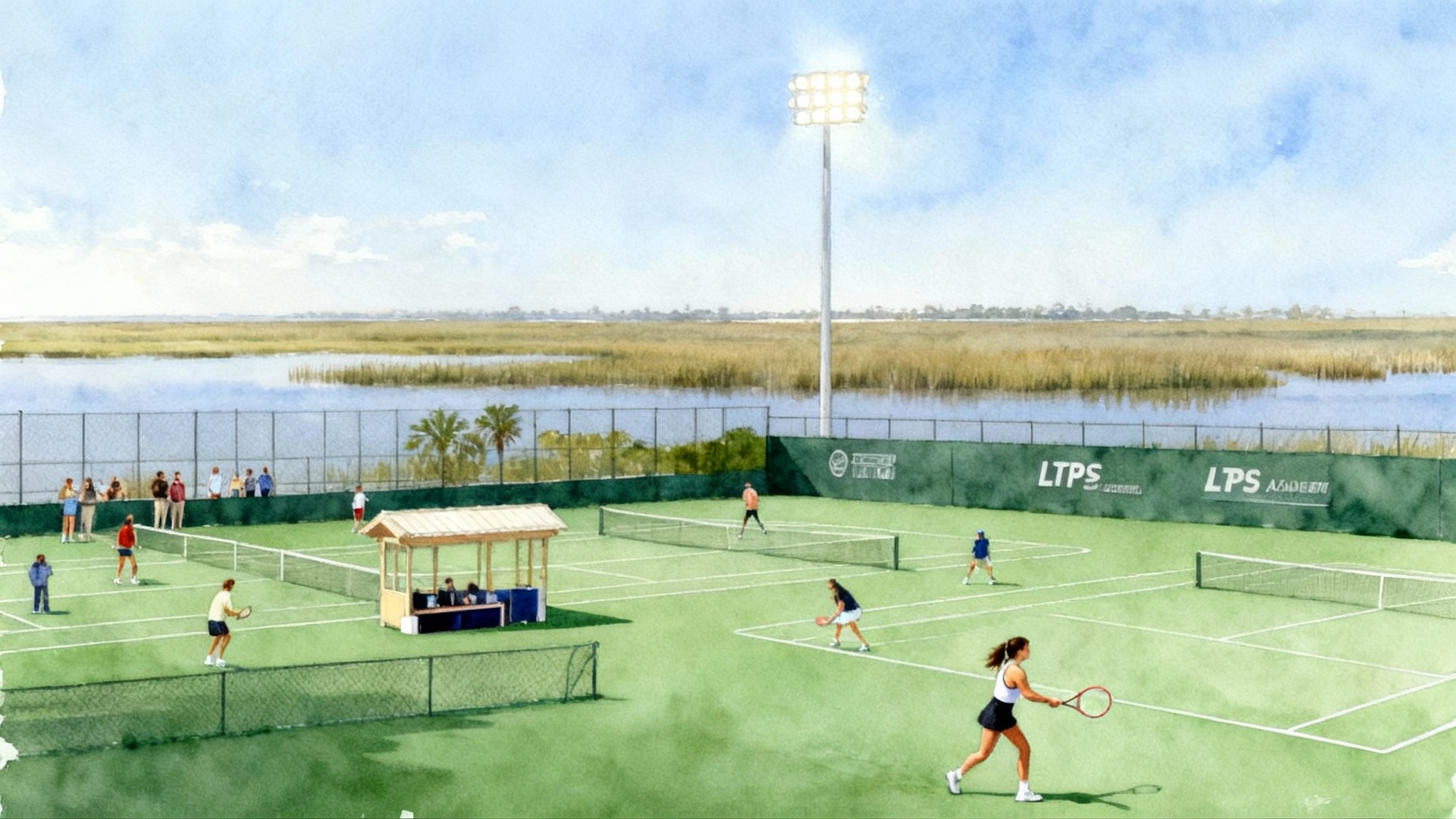
The Charleston blueprint behind a Top 10 rise
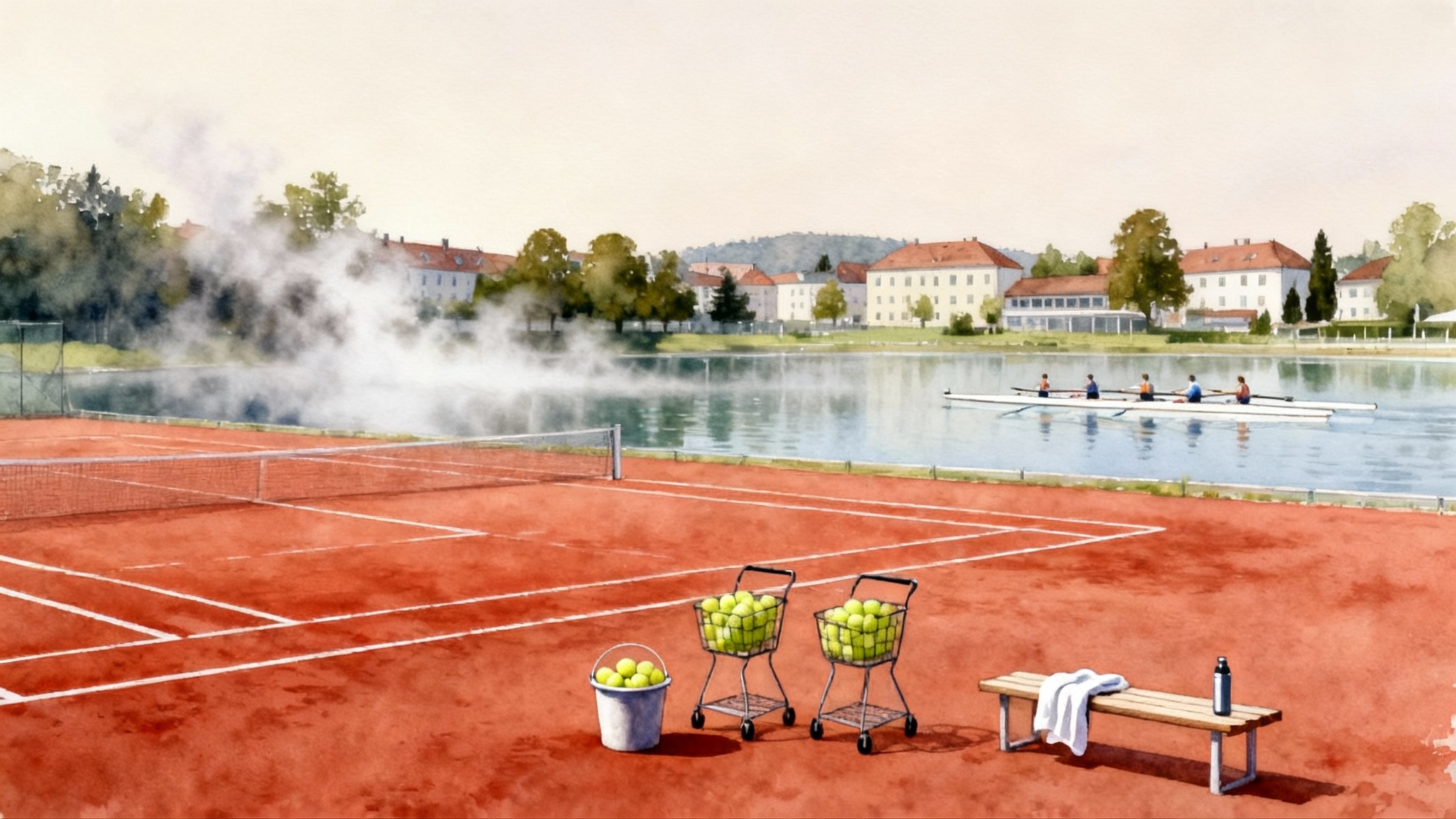
When fans talk about Emma Navarro’s surge into the world’s elite, they usually start with big stages: Hobart, Mérida, Wimbledon, New York. The story actually begins on Daniel Island in Charleston, South Carolina, at a place with a simple promise baked into its name: Live To Play. LTP Academy gave Navarro a home gym for her tennis life, a repeatable daily rhythm, and constant competitive reps without a plane ticket. Add one steady voice in coach Peter Ayers, a strategic college run at Virginia, and a smartly built support team. The result is a player who climbed into the WTA Top 10 and looks built to stay. For a comparable academy‑to‑tour pathway, see how the Piatti Tennis Center shaped Sinner.
This is not a fairy tale about talent. It is an operating manual families can use when they ask the hardest question in junior tennis: Where should we place our bets of time, energy, and resources so our child actually improves year after year?
One coach, one language
Continuity is the thread that runs through Navarro’s development. She has worked with coach Peter Ayers since her early teens, and that partnership did not break when life got faster. When she moved to college, the conversation kept flowing. After she turned pro, the same language guided her day to day. When you watch Navarro, you see the results of that shared vocabulary: similar cues in pressure moments, the same patterns repeated under stress, habits that look automatic because they are.
Families often feel pressure to chase novelty. A new voice can be refreshing, but it also resets the dictionary. Navarro’s path shows the compound interest of a stable coaching relationship, with specialty experts added around the edges rather than swapping the center. We will come back to how to do that without overbuilding.
Daily high performance blocks, defined
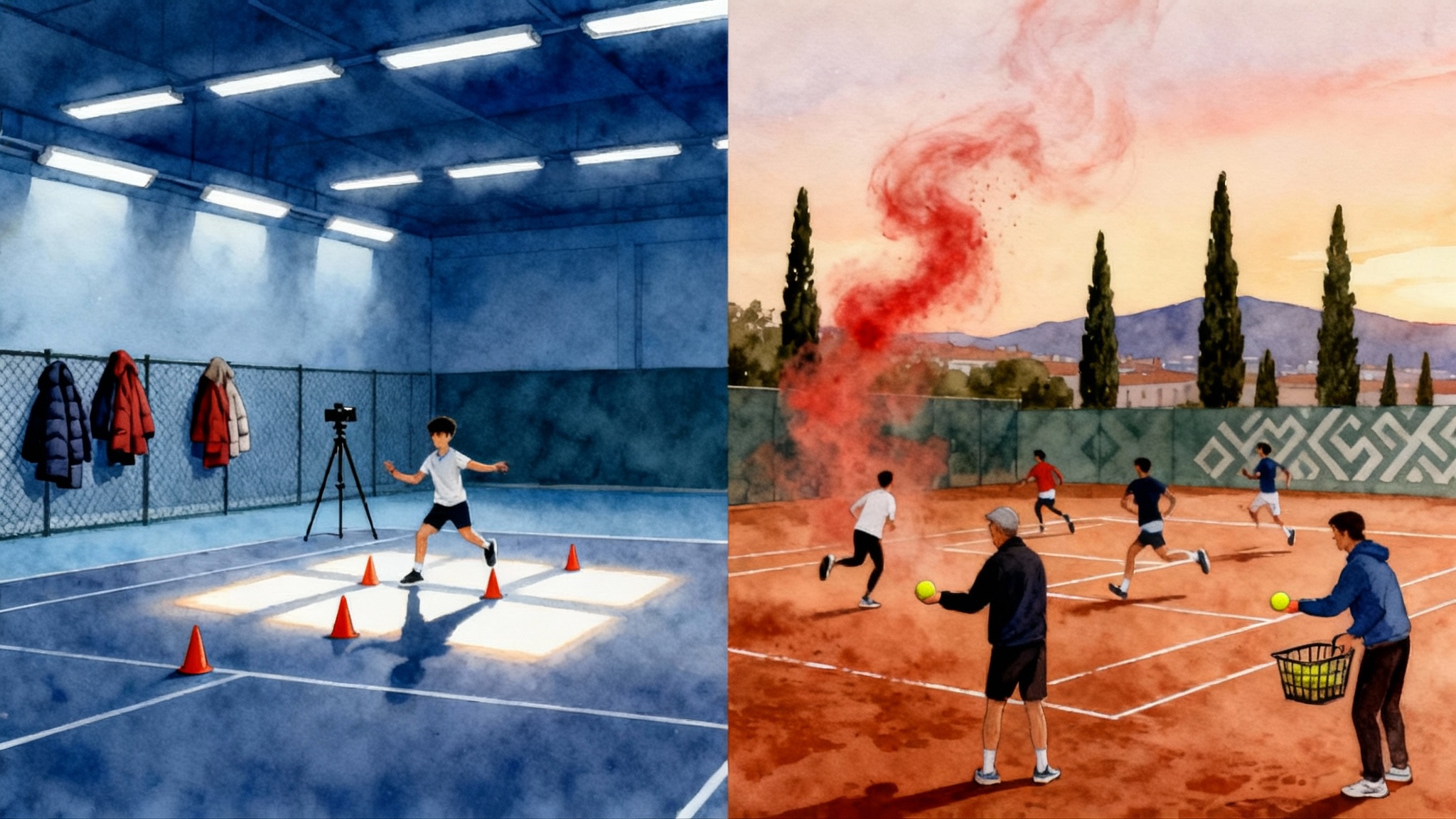
At LTP Academy, Navarro’s training routine grew into reliable blocks, not random hours. A typical week mixed three ingredients that any local program can copy:
- Technical block: One focused theme per session. For Navarro, that often meant first‑strike patterns off the forehand, serve targets into the ad corner, and backhand up the line when the rally got neutral. Reps stayed high, decisions stayed simple. The coaching cue was short and specific, like a sticky note you can hear in your head between points.
- Competitive block: Point construction with consequences. Example formats included first‑ball plus two, 30‑all starts, return‑plus‑one to defined zones, and tiebreak variations that force momentum swings. Scoreboards were always live, even if the set lasted only twenty minutes.
- Capacity block: Strength, movement, and durability. Workouts emphasized change of direction on green clay, short‑to‑long acceleration, and trunk stability so her compact swings stayed on time deep in rallies. Recovery was its own unit, not a leftover. That meant mobility, hydration, sleep, and immediate post‑session refuels.
None of this was flashy. The magic was repetition. Navarro’s game matured in layers because the sessions were designed like brickwork. Every week another row, same cement.
Tournament hosting as a development accelerator
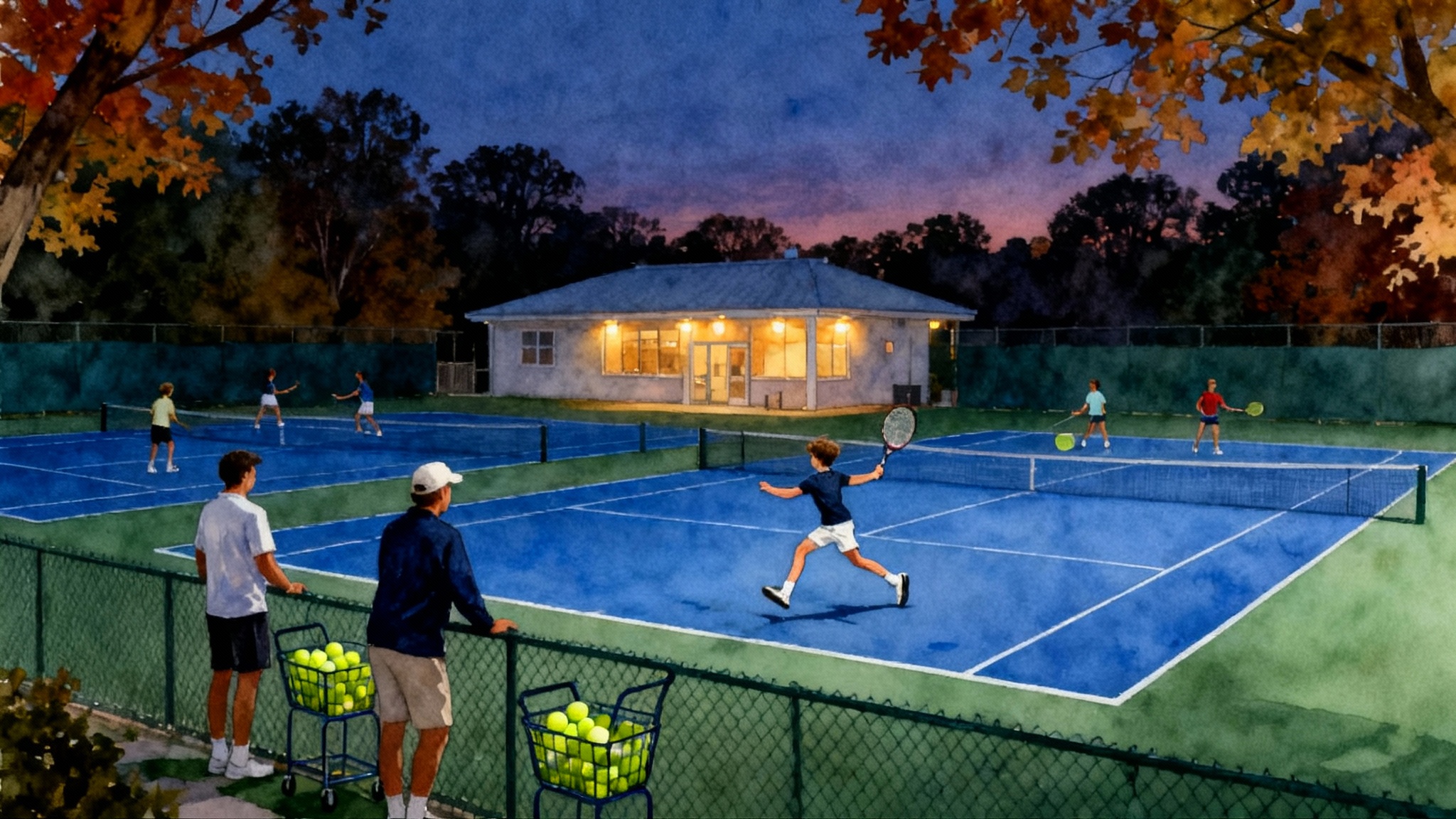
The underappreciated superpower of LTP’s ecosystem is that the tournaments come to you. LTP Daniel Island and LTP Mount Pleasant have hosted major junior and professional events, including USTA Girls’ 18 National Clay Court Championships and high‑level International Tennis Federation women’s tournaments. For a developing player, home events shorten the distance between practice and pressure. You can train in the morning, scout in the afternoon, then feel that same match energy on your home court the next day.
Think of hosting as an apprenticeship model. You are not just playing a draw. You are sitting ten feet away from pros or top juniors who are trying to solve the same problems you are. You can measure your patterns against theirs, observe what actually holds up under scoreboard heat, and get wildcards or qualifying chances without stacking travel costs. The calendar becomes a curriculum.
College as a springboard, not a detour
Navarro chose the University of Virginia as a competitive crucible and promptly confirmed the decision with results. She won the National Collegiate Athletic Association singles title as a freshman in May 2021, a credential that still matters when projecting to the pro tour. The details are all in Virginia’s official championship recap, including her 6–3, 6–1 final in Orlando and a 25–1 season.
Families often think of college as a fork in the road. Navarro treated it like a runway. The goals were clear: collect pressure reps in dual matches, sharpen decision making with staff scouting, and graduate from campus to tour with a working identity. She left when the game was ready, not when a calendar said so. For another U.S. development case study, explore how JTCC developed Frances Tiafoe.
The 2024 to 2025 validations
Results do not build a player. They confirm the work. In January 2024 Navarro earned her first tour title in Hobart, beating former champion Elise Mertens in a three‑set final. Later came deep major runs and a year that ended with her profile rising across the sport. By March 2025 she added a first WTA 500 trophy in Mérida. Her career high ranking pushed into the single digits, and the Women’s Tennis Association recognized the scale of her jump. Her WTA player profile and highlights capture the NCAA title, the 2024 Hobart win, the 2025 Mérida win, a career‑high ranking of No. 8, and a year‑end Top 10 finish in 2024.
What the training actually produced
Watch Navarro now and the Charleston blueprint is visible in plain sight:
- Patterns over haymakers: She uses her serve to corners that she can control, then leans on first‑ball forehands to stretch the court and open the backhand lane up the line. The point ends with an advantage, not a prayer.
- Balance under pressure: Her base stays wide, her center of mass stays low, and her last step is rarely a lunge. That is daily capacity work paying dividends on break points.
- A return that starts offense: The short takeback and first step let her attack second serves without over‑swinging. That is the competitive block in miniature, tuned to start neutral points ahead.
- Baked‑in rally tolerance: Green clay forces control of height, depth, and shape. Navarro learned to change height to break rhythm, not as a bailout. The same shots travel to hard courts because the swing shapes were built for timing, not just surface.
How LTP used environment to multiply reps
Charleston’s tennis ecosystem is unusually dense. That matters because exposure multiplies reps without multiplying exhaustion. LTP’s network provided:
- Practice sets against traveling pros and blue‑chip juniors who came through for tournaments or training blocks.
- Video access and note‑taking during home events. The academy treated tournament weeks like live classrooms.
- Wildcard and qualifying opportunities that were realistic, not speculative, because coaches and directors had seen the work up close.
If you live near a major hub, you can replicate this by stitching together a triangle of courts that regularly host sectional and regional events, plus a single site that runs pro or high‑level junior tournaments. If you do not live near a hub, you can build a travel pod that returns to the same few events each year so your player learns the environment and the staff learns your player.
Continuity at the core, support at the edges
As results arrived, Navarro’s team expanded without losing the center. Peter Ayers stayed as head coach and the program added a physio and a fitness specialist. The key was clarity. Everyone knew the priority metric was match performance two to three months from now, not weight‑room numbers next week. That made it easier to avoid schedule creep and athlete burnout.
Families often get this backward. They add specialists first and then try to coordinate later. Start with one point of view that owns the weekly plan. Then add a support pro only when a bottleneck shows up. For example, if shoulder endurance limits serve targets in the third set, bring in a physio to build a rotation and recovery plan that fits the existing week rather than replacing it. If late‑rally footwork is the problem, hire a movement coach who understands your coach’s tactical aims so the drills prepare the exact positions your player wants to reach in matches.
Treating college as strategy
Navarro’s Virginia stint offers a blueprint for families weighing the college decision:
- Define the goal before you pick the school. If the goal is match toughness, prioritize programs with strong dual‑match schedules and coaches who scout opponents in detail.
- Keep your private coach in the loop. Monthly video calls and clip‑sharing can keep the technical language aligned so your player does not feel torn between two systems.
- Use college summer windows as pro test kitchens. Play a run of professional qualifying or lower‑tier main draws in June and July, then bring the data back to campus in August. The next college season becomes targeted skill development, not general improvement.
Navarro’s NCAA singles title in 2021 validated that she could command momentum on big stages. The tour did not feel like a brand‑new sport when she left school. It felt like the next version of the same process. For another modern blueprint, study how the Mouratoglou Academy shaped Gauff.
Action steps for families building a local ecosystem
- Start with a repeatable week. Two technical blocks, two competitive blocks, two capacity blocks, one day off. If school or work limits time, cut volume, not structure.
- Track three match metrics across the whole year: first‑serve points won, return points won against second serves, and errors inside five shots. Those numbers tell you if your practice patterns transfer.
- Place your player next to better players as often as possible. If your academy hosts tournaments, volunteer or shadow the event to gain access and build rapport with the staff.
- Build outward slowly. Keep one head coach. Add a physio when specific durability issues appear. Add a hitting partner when practice quality dips. Add travel only when you cannot get the needed level locally.
- Use college with intent. Ask programs how they integrate private coaches, how they track player metrics, and how they plan summer pro schedules. Choose the staff, not the brand.
Action steps for academies that want to replicate LTP’s flywheel
- Host real events. Even one annual USTA Level 1 junior or an International Tennis Federation women’s tournament can transform your player pipeline by bringing strong fields and eyes to your courts.
- Program the calendar like a school year. Publish training blocks, pre‑event simulations, and off‑weeks for recovery. Communicate clearly with families so life planning supports tennis planning.
- Film everything that matters. Create a library of match situations from your events. Use clips in small classroom sessions where players take written notes on patterns and choices.
- Train coaches to speak the same language. Players should hear the same five or six tactical cues from every coach in the building. That consistency is the secret sauce of continuity.
- Partner with local medical and performance pros. Keep relationships tight and expectations clear. The best specialists add capacity while protecting the tactical identity your head coaches are building.
What Navarro proves about development
- Local can be world class when the inputs are world class. The court dimensions are the same everywhere. What changes is how often you can put your player into the right kind of match stress.
- Tournament hosting is not just marketing. It is curriculum. Your players learn by watching and by playing without the cost and fatigue of constant travel.
- Coach continuity beats coach variety in the long run. Variety lives inside the drills and the opponents, not inside the philosophy.
- College is a lever, not a label. Use it to create pressure reps and a better practice environment. Walk out the door when the work says you are ready.
The takeaway in one picture
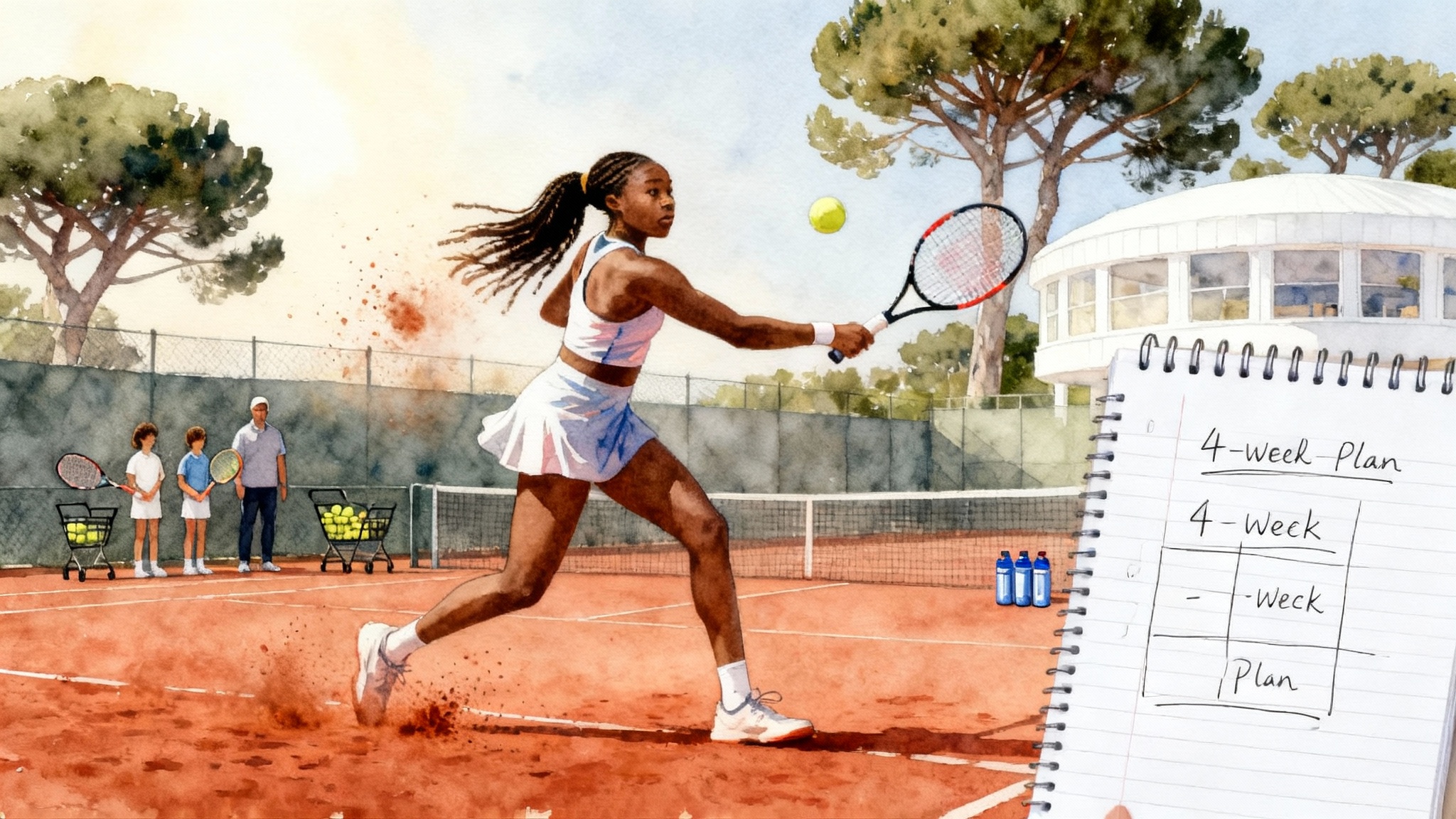
Imagine Navarro on green clay at home. Same court she trained on as a kid. Same coach voice in the ear. The difference is the speed of the ball, the quality of the opponent, and the stakes of the moment. Everything else looks familiar. That is the point. The path to the WTA Top 10 did not require constant reinvention. It required a system that could scale with her.
Families do not need to move across the country to chase a badge. Build your ecosystem where you are, wire it to serious competition, protect your coaching core, and say yes to college when it strengthens the plan. Navarro’s climb from Daniel Island to the Top 10 is not just a great story. It is a checklist that works.