From Rock Island to Boca: How Evert Academy Forged Madison Keys
Madison Keys left Rock Island for Boca Raton at nine, learned first‑strike tennis at Chris Evert’s academy, then turned that foundation into major semifinals and a US Open final. Here is how that journey happened and what families can copy.
 Tommy
Tommy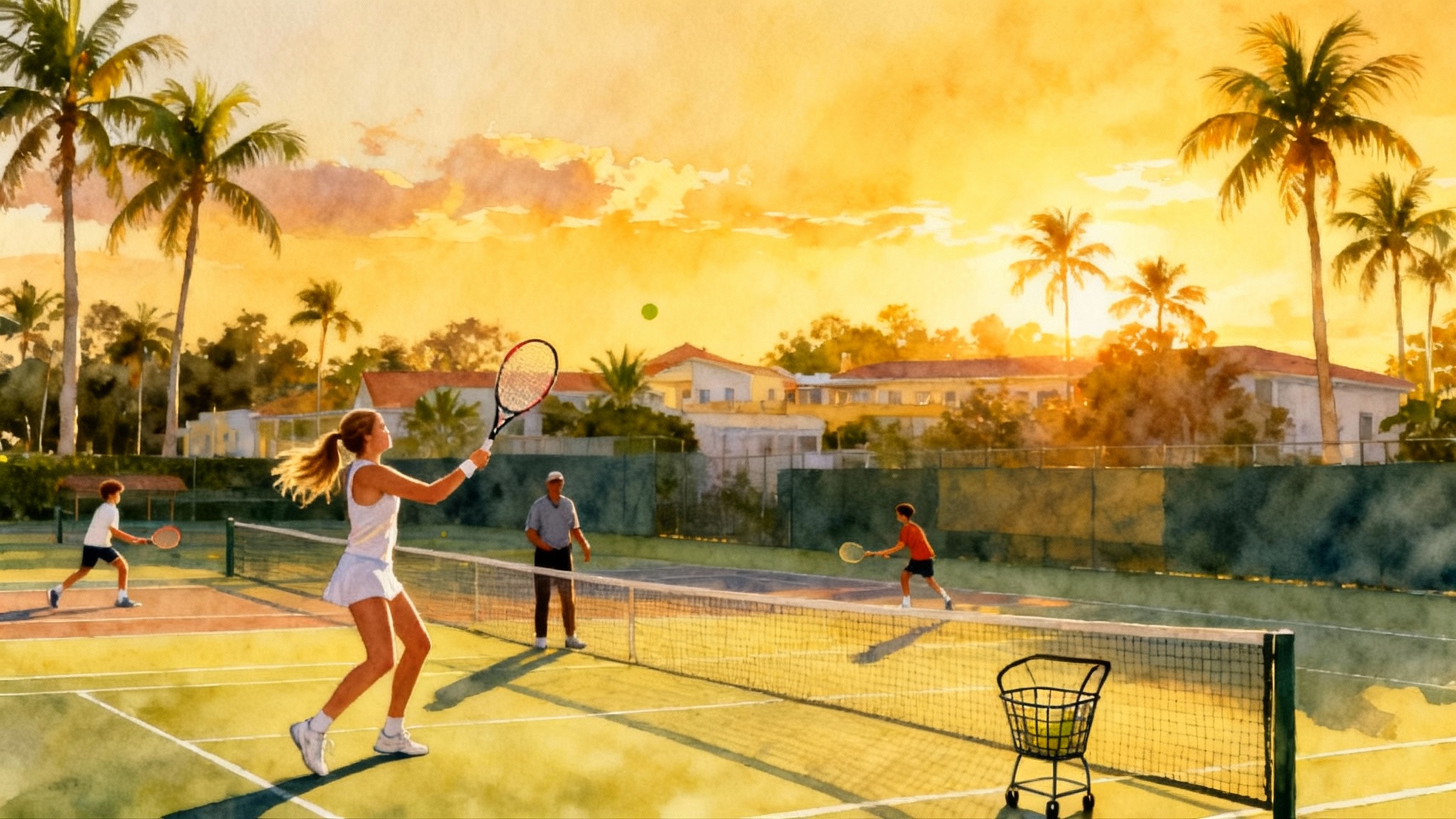
From the Midwest to a training ground built for velocity
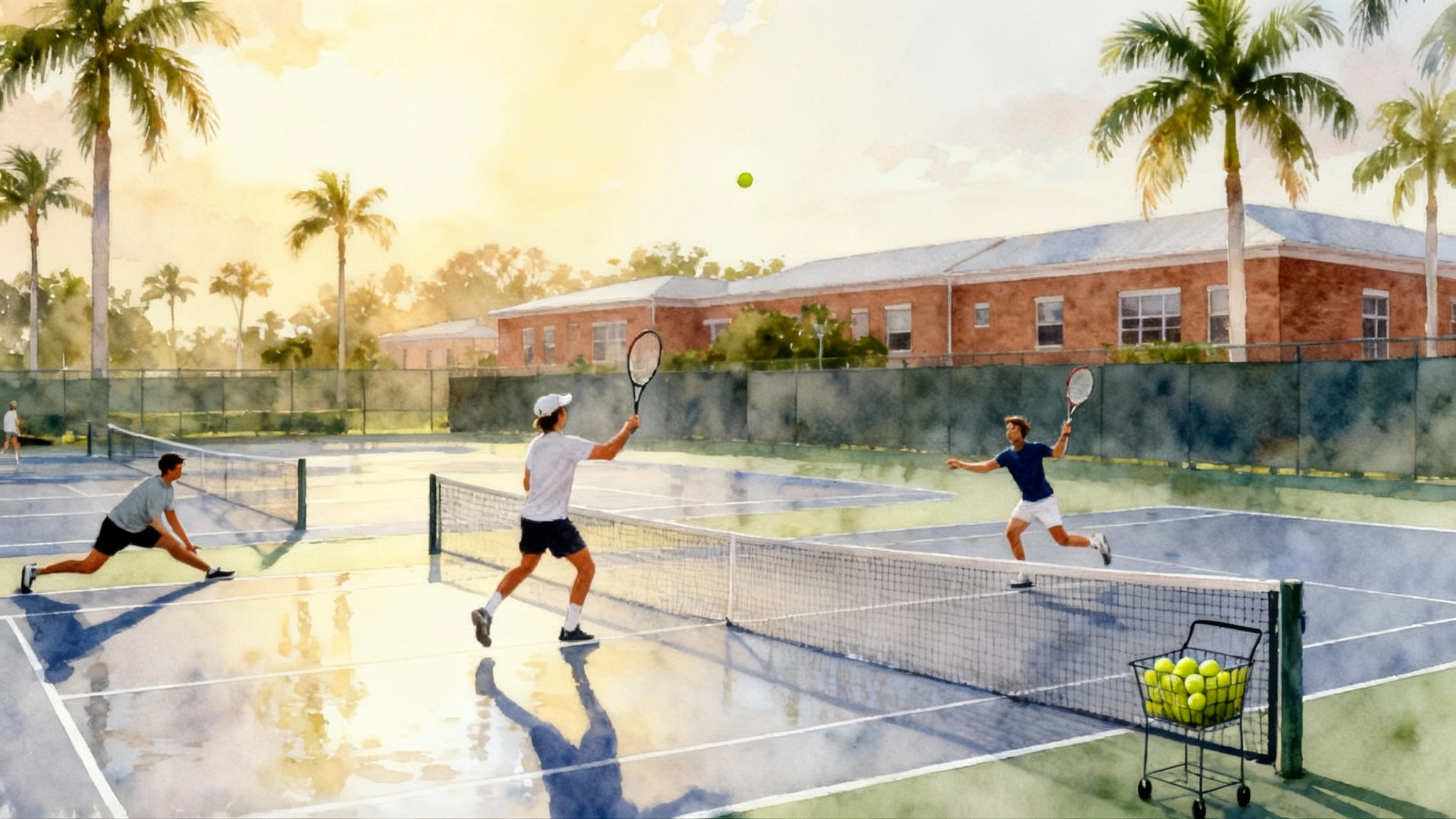
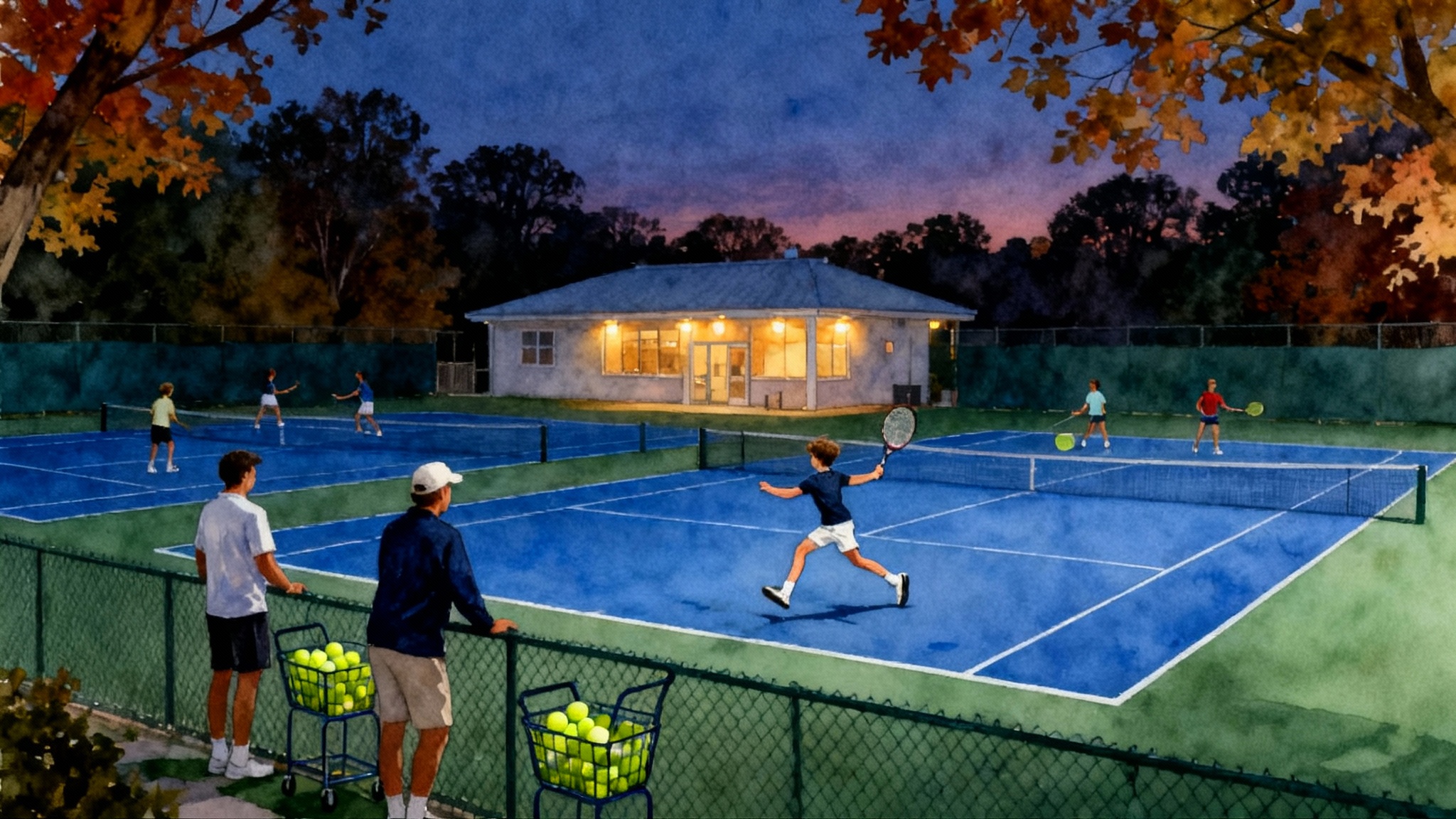
Madison Keys grew up in Rock Island, Illinois, far from the Florida academies that often shape professional careers. The family’s big decision came early: at nine she relocated to Boca Raton to train at Chris Evert’s academy, trading limited local sparring for daily ball‑striking against nationally ranked juniors and a staff that prized clean mechanics and aggressive intent. Her results, including deep runs at the Australian Open and a US Open final, are well documented by the WTA player profile. The interesting part is how early academy structure created a repeatable model for first‑strike tennis and long‑term development.
First‑strike tennis is simple to describe and hard to build. The point is decided by the first two shots you control—serve plus one on your games, return plus one on the opponent’s. Everything in training bends around those patterns. Keys remains one of the clearest examples of teaching a young player with raw power to aim that power, then layer on control and decision making until it becomes a tour identity.
The early leap: why a nine‑year‑old moves states
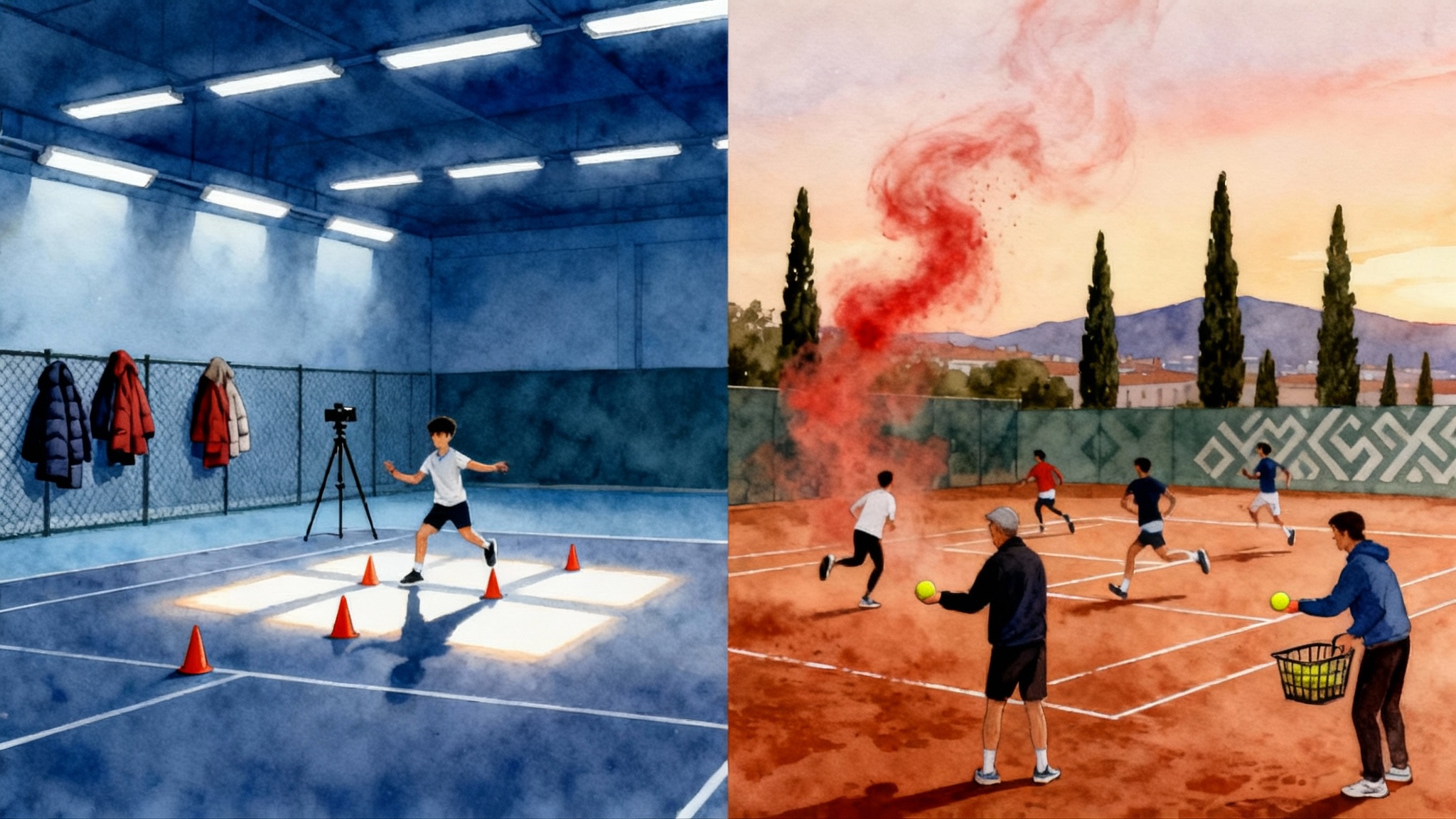
The Midwest offered committed coaches and a loving tennis community, but there were limits. Competitive depth was thin on weekdays and indoor courts were expensive in winter. Families in the nine‑to‑twelve window face a classic choice: stay home and fly to events, or relocate to a center where daily training mirrors tournament intensity.
Relocating at that age was not about chasing points. It was about creating a daily environment where default ball speed, routines after errors, and footwork standards were all a notch higher. At Evert, a normal afternoon mixed live‑ball rallying at a pace that punished anything short with controlled drilling that forced patterns: backhand line, forehand inside, finish at net. Keys entered this current and learned to swim in it.
From raw strokes to a two‑weapon identity
As a child, Keys already had quick hands and a feel for contact. The risk in a player like that is raw timing hiding technical leaks. Evert coaches emphasized three cleanups that later became obvious on tour.
-
Serve platform: A wider base and quieter toss so the kinetic chain fires the same way under pressure. The result: a heavy first serve that lands deep, plus a second serve that kicks high enough to avoid attack on crucial points.
-
Forehand alignment: Load on the outside hip, turn the chest, and find contact slightly in front. That produced the signature forehand—heavy and fast—capable of going inside‑out to open the court or inside‑in to finish.
-
Return contact point: Set the feet a half step earlier, keep the racquet up, and attack up the back of the ball. The ball leaves flatter and lower, perfect for a return‑plus‑one pattern.
These details did not make her conservative. They made her repeatable. Repeatable power survives bad days and tricky opponents.
How the academy schedule shaped decision making
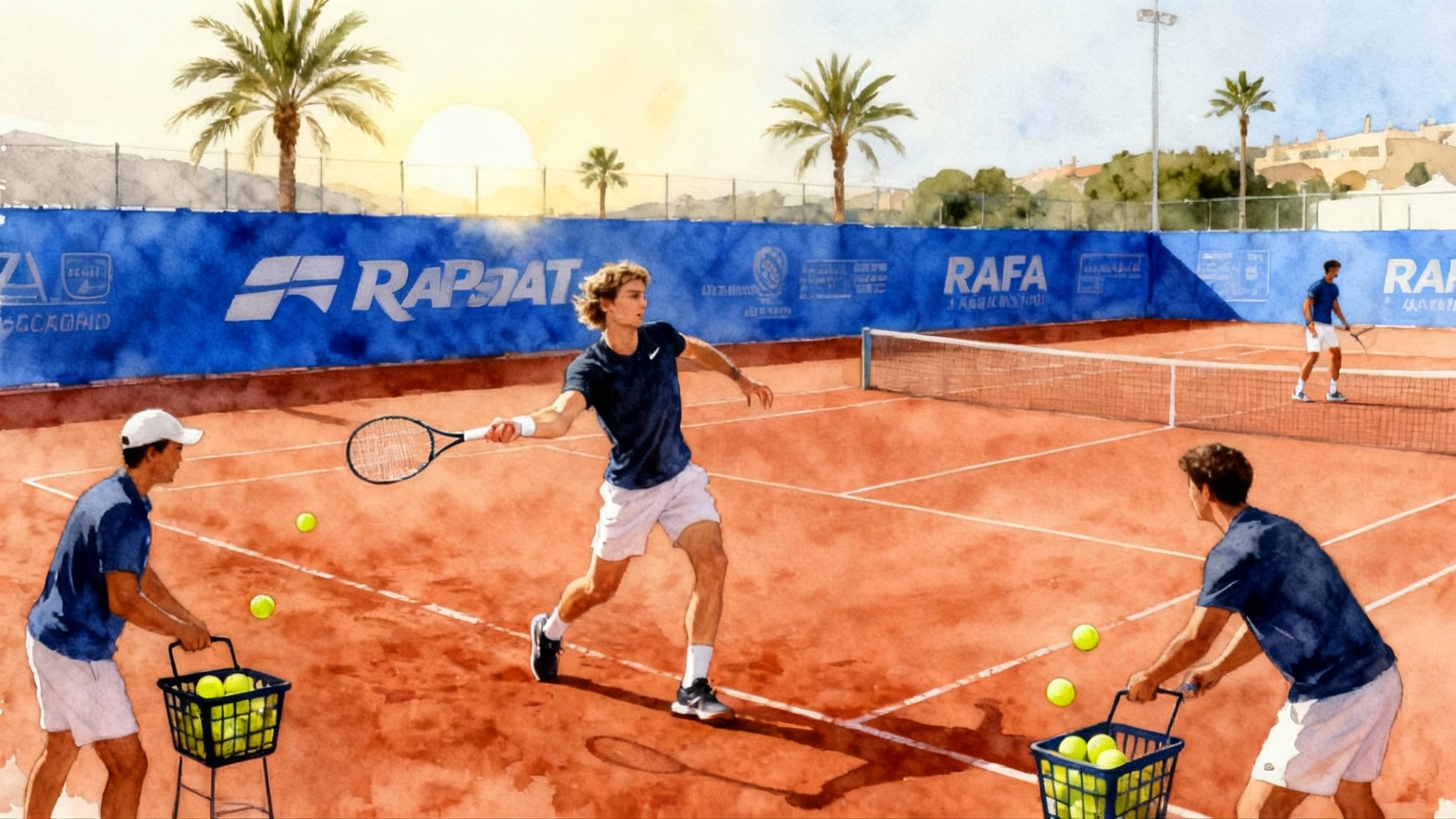
Academies work when structure converts talent into habits. A typical Evert day had four parts, each with a job.
- Morning movement: footwork ladders, medicine ball throws, and change‑of‑direction sprints. Goal: create space around the ball so full swings feel safe.
- Technical windows: thirty to forty minutes aimed at one lever only—serve rhythm, forehand spacing, or height over the net on aggressive cross‑courts. Fewer balls, more feedback, then a short block to lock the feel.
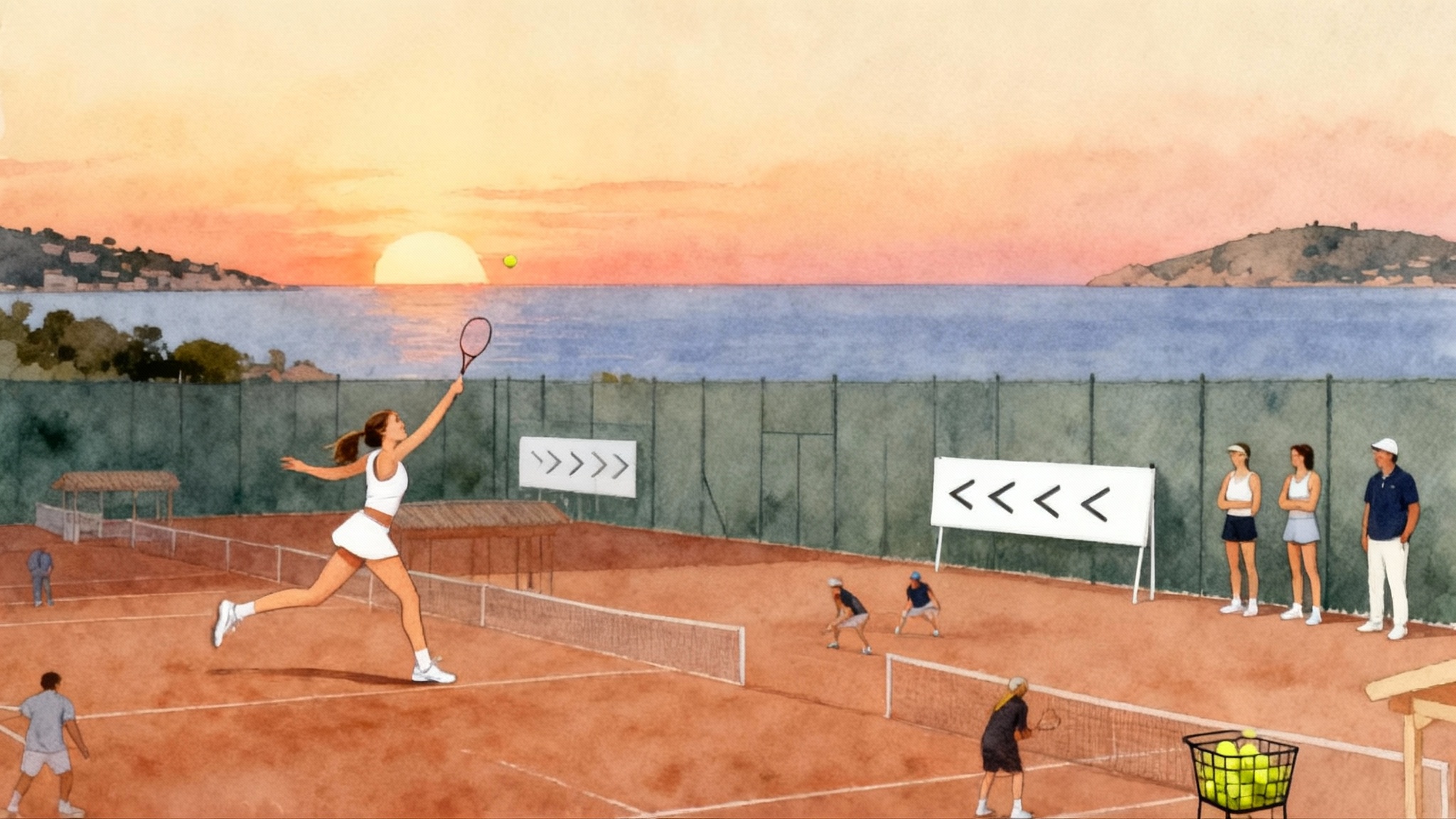
- Pattern training: live‑ball that rewarded specific choices. For example, serve wide deuce and drive forehand to the open court; or return deep middle, wait for a middle ball, then step around and drive inside‑in. Scoring favored brave, fast finishes inside four shots when the pattern was followed.
- Competitive sets with constraints: two to three times per week one side played with a rule, like Keys must hit the first forehand to the backhand corner, or the opponent earns a bonus for any backhand‑line winner. Constraints created variety without losing the first‑strike identity.
The point is not that any one drill is magic. It is that the day is a system that keeps you honest.
Mentorship that simplified choices
Chris Evert and the staff brought mentor clarity. Aggressive tennis is not reckless tennis. They pushed Keys to choose her moments: if the return is short, step in and drive; if the ball is neutral, build depth first, then attack the line only after the court is open. Mentorship also reframed results around sequences rather than single shots, moving attention upstream to controllable behaviors.
The pro layer: polish without changing the engine
Keys turned professional as a teenager. As she moved onto the main tour, coaches added layers without stripping her Boca Raton identity. Work with former major champion Lindsay Davenport reinforced court positioning and shot selection. The improvement was visible in the 2015 Australian Open semifinal, the 2017 US Open final, and the 2018 Roland Garros semifinal. Across coaching teams, the pillars echoed academy days: serve percentage, forehand accuracy to big targets, and controlled aggression on returns.
If you want a contrasting case study in pattern‑first development, see how we broke down Sinner’s rise in Piatti Academy forged Sinner, or how a forehand becomes a true weapon in our 30‑day forehand plan.
The metrics that mattered
A first‑strike player needs metrics that reward intent. The Keys camp often tracked:
- First‑serve percentage plus speed: sustainable 60–65 percent with heavy pace.
- Forehand forecourt finish rate: how often an inside forehand or approach created a finish at net.
- Second‑serve return depth boxes: land beyond the service line and inside the middle third to blunt angles.
These numbers tell the truth. If they are right, the match is usually on your racquet.
What families can copy: the relocation decision
Relocating for tennis is a life decision. Use a checklist instead of hope.
- Environment gap: if your child cannot find four days per week of equal or better sparring within a thirty‑minute drive, consider relocation or extended training blocks.
- Coach depth: access to a lead coach plus at least two supporting coaches who can run drills, feed balls, and supervise sets with a consistent language.
- Academic plan: secure an accredited online school or hybrid arrangement with clear attendance rules, weekly tutoring, and test proctoring. Make education the first calendar entry, then layer practices.
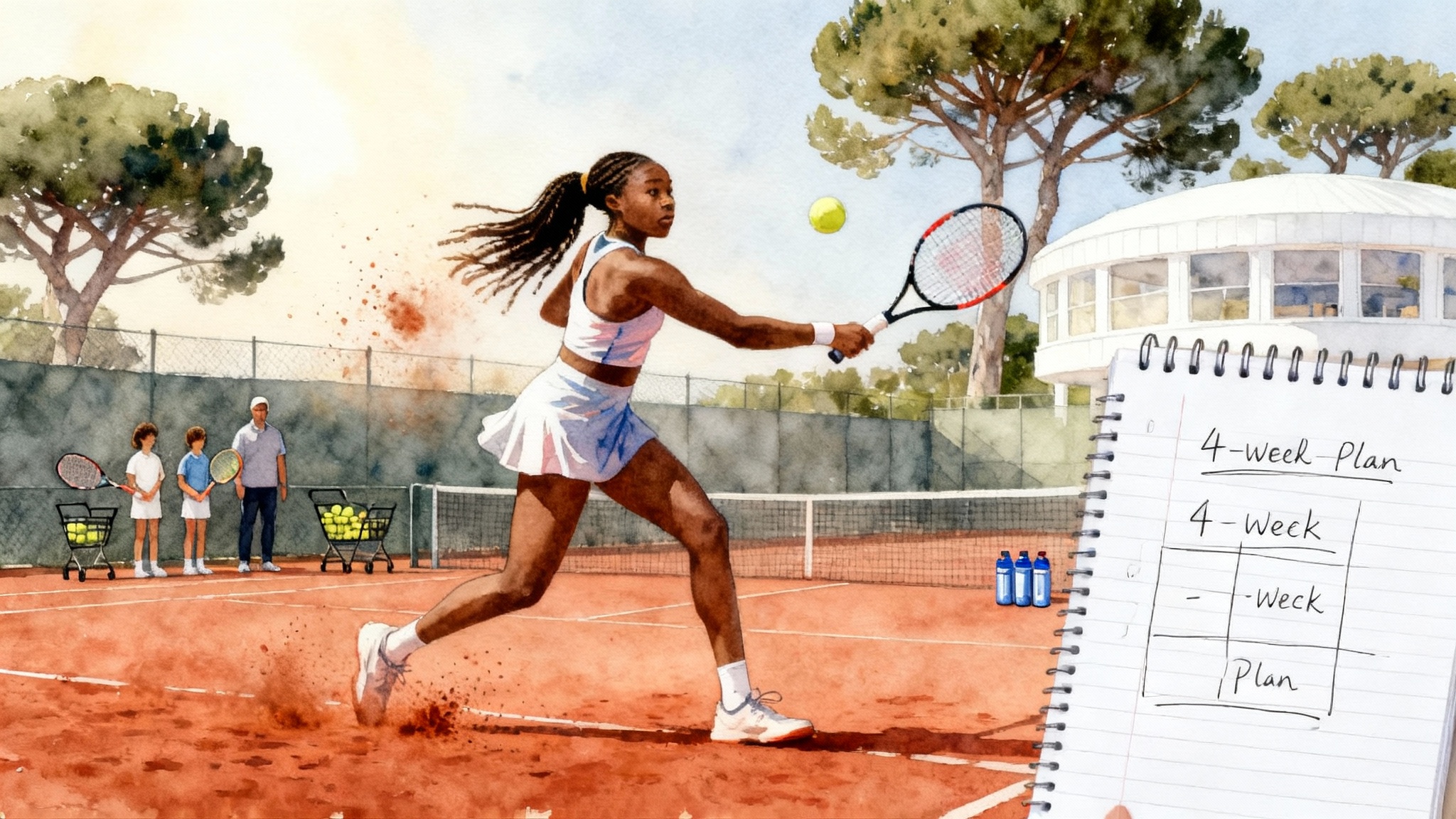
- Trial before commitment: book a two‑to‑three‑week trial block, then debrief with staff and ask for a written development plan with three technical priorities, two tactical patterns, and a fitness outline.
- Financial map: budget training, housing, travel, and tournament fees for a full year.
Evert and other top academies offer short and long blocks; study the structure on the Evert Tennis Academy programs page before you leap so you know exactly what you are buying.
For another American pathway built on system language and daily standards, compare with JTCC and Frances Tiafoe.
Building weapons early without breaking technique
The fear with early weapon building is that power ruins mechanics. That happens only when the environment rewards speed without direction. Use this progression:
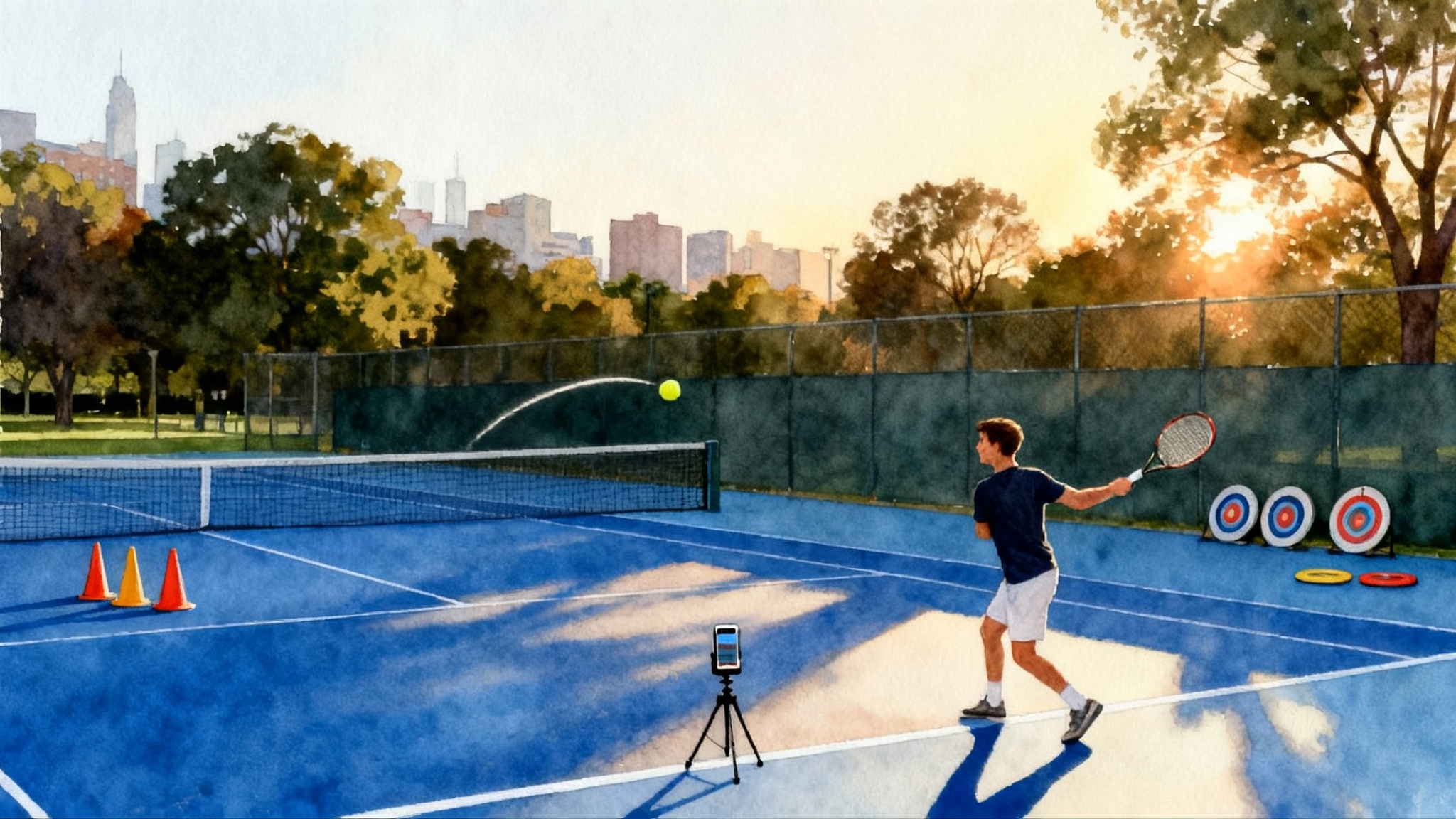
- Contact quality first: ten‑ball forehand series to a cone two meters inside the baseline. Score only when the ball lands in the target and clears the net by at least half a meter. Add speed later.
- Serve seams, not corners: teach three first serves that pass through the same seam of the net tape. Once the toss and rhythm are stable, shift that seam wide or body.
- Pattern ladders: serve wide, forehand cross‑court deep, third ball to the big‑target line. Keep patterns to three balls until consistency rises, then add the finish at net.
- Return box discipline: draw a rectangle beyond the service line and inside the singles sticks. Land five of six second‑serve returns in that box before asking for pace.
This is how Evert‑style structure nurtures weapons without tearing at fundamentals.
Balancing academics so tennis does not swallow the day
Families that succeed tend to treat academics as non‑negotiable. Try this structure:
- Morning academic block: two hours before practice. One subject only, phone off, questions parked on a whiteboard.
- Lunch study window: forty minutes for reading or language work.
- Evening consolidation: ninety minutes for problem sets, writing, or exam prep.
- Weekly tutor check‑ins: sixty minutes per core subject.
- Monthly assessment day: lighter tennis load, school testing takes priority.
Protecting academics creates freedom. When school is covered, guilt disappears and training quality rises.
Using targeted match play to accelerate development
Set play is where confidence is earned. Rather than endless practice sets, copy the formats that raised Keys’ level:
- Theme sets: two short sets to four games, no‑ad. The server calls the serve target and first‑forehand target; if either target is missed, the point restarts with a second serve.
- Return‑plus‑one reward: award an extra point when the return lands deep middle and the next ball is played to the backhand corner.
- Scoreboard pressure drills: start every game at 30‑all to rehearse tension.
- Left‑right mapping: chart how many forehands you hit from each side and compare to the plan; adjust feed locations next session if the numbers miss the goal.
- Wild‑card scrimmages: once per week play a better senior junior or local college player sets to five with constraints that favor your junior, like the senior must serve‑and‑volley twice per game.
The mental model that made power sustainable
A few rules anchored quick decisions:
- Big targets first, lines later. Aim two meters inside the sideline and one meter above the net strap until the rally tilts.
- Hit from a still base. Split‑step on the server’s toss and again on the opponent’s contact; calm feet mean calm hands.
- Attack predictable serves. Identify one second serve you can own and rehearse that return until it becomes a trigger.
- Miss with identity. If you miss, miss long with a full swing, not wide with a carve at the last second.
Why this pathway worked
Keys had talent, but many do. Her family chose an environment that made good decisions easy to repeat. Evert Academy delivered daily intensity, clear technical guardrails, and a constant reminder that points are built, not hoped for. Later, top coaches resisted redesigning her game; they clarified it. The result was a player who could accept the risk of first‑strike tennis because she trusted the structure beneath it.
The final word
Relocation is a tool, not an identity. What shaped Madison Keys was a daily blueprint: clean mechanics, two clear weapons, patterned aggression, purposeful sets, and protected academics. Assemble those pieces—at a famous academy or a modest regional hub—and you give a young player the freedom to play big on purpose.