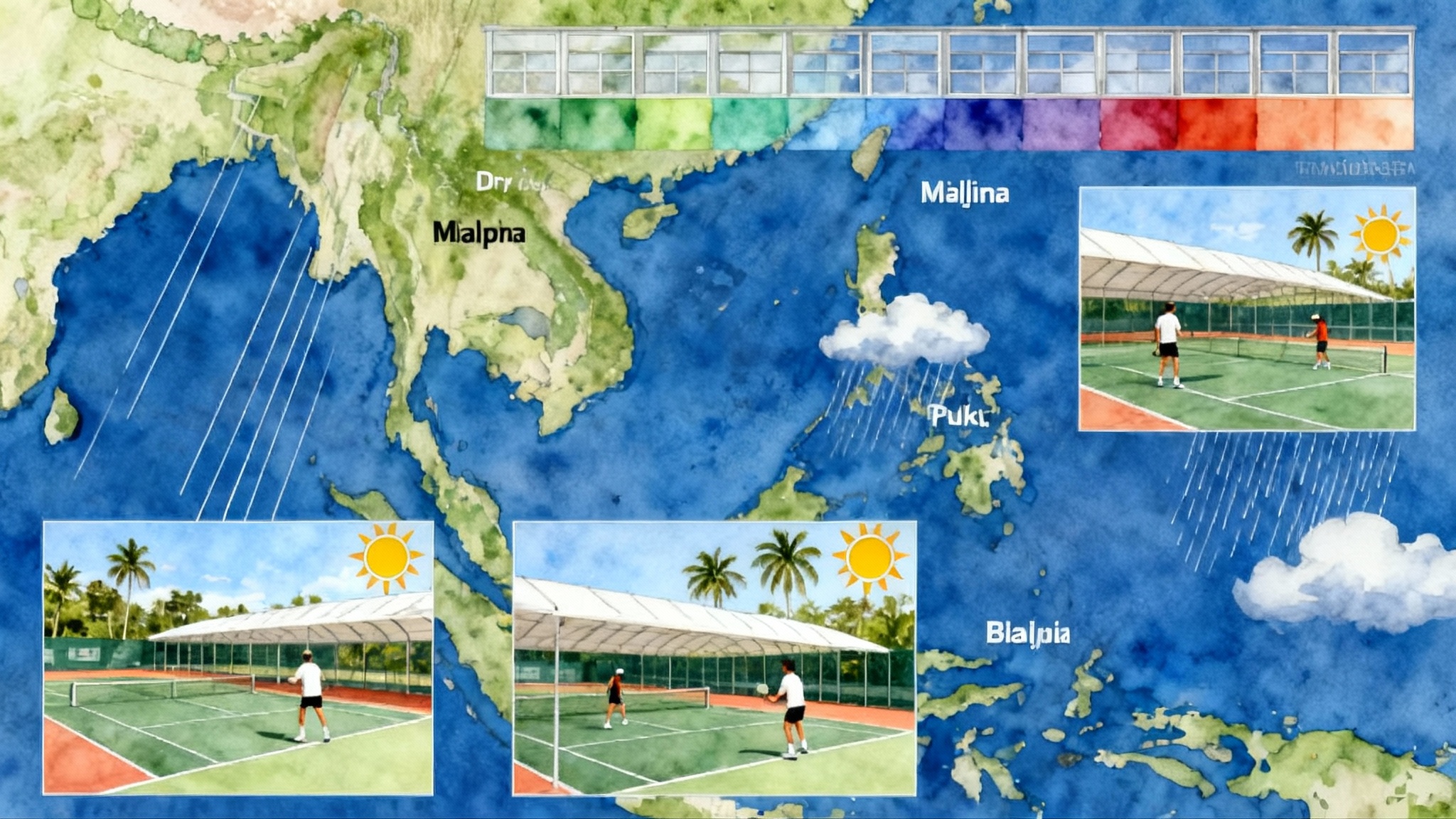
Naples Winter-Sun Tennis at Gomez Tennis Academy, Paradise Coast
Use Naples as your November through April tennis base. Learn why the dry season wins, how to choose Har-Tru or hard courts, how Gomez’s 4 to 1 coaching and optional boarding work, how to stack UTR and USTA matches, and how to budget and plan.
 Tommy
Tommy
Why Naples works from November to April
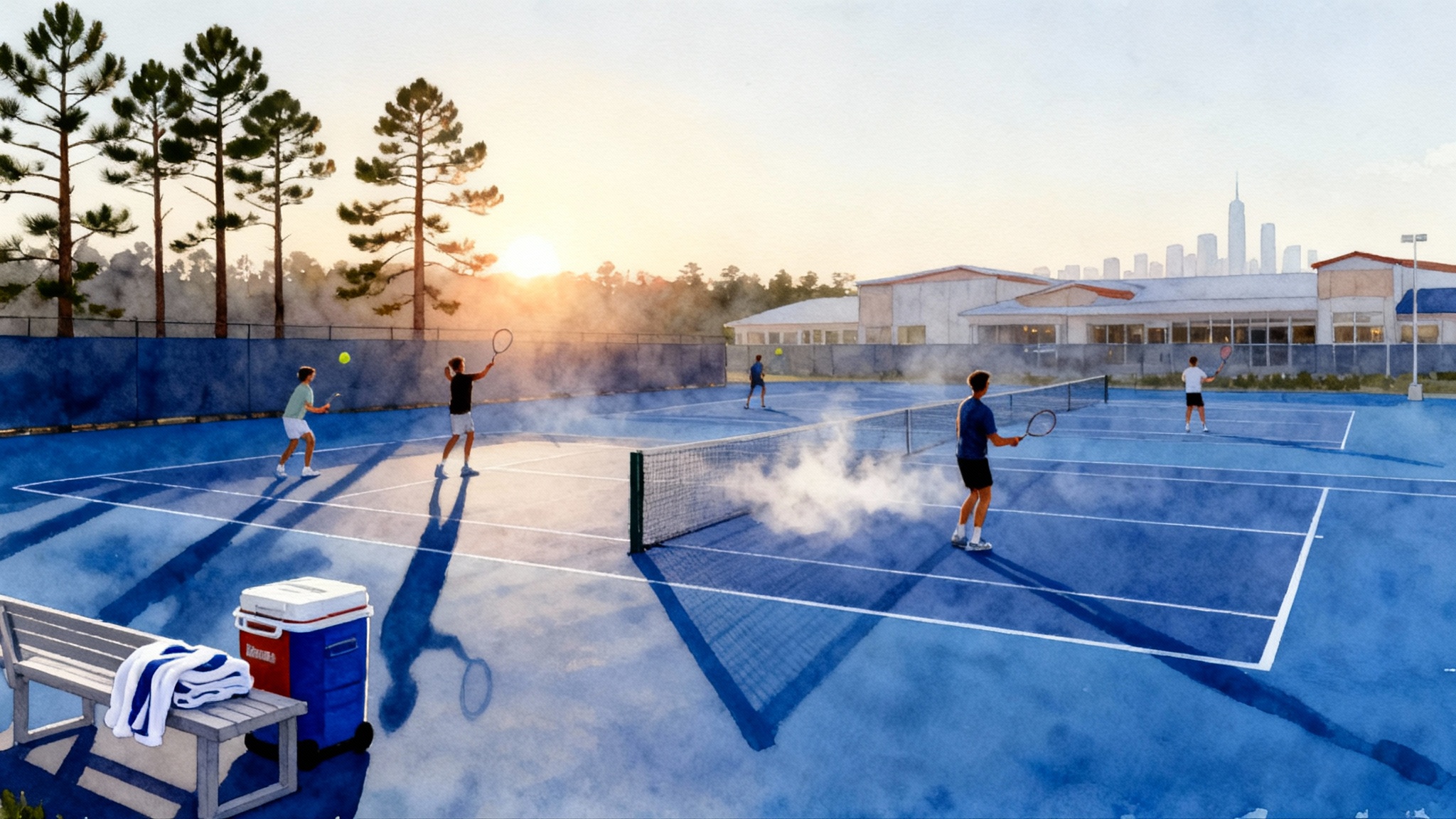
If you want reliable winter tennis without hopping hemispheres, Naples sits in a sweet spot. The Gulf of Mexico buffers cold snaps, rain is relatively scarce, and daytime highs feel warm rather than punishing. South Florida’s dry season spans late fall through spring, which means consistent playing windows and fast drying after brief showers. For a primer on the regional pattern, see the National Weather Service’s South Florida dry season overview. That rhythm is exactly what tennis planners need: steady mornings for drilling, stable afternoons for match play, and minimal washouts.
Prefer a different Florida hub for tournaments and parks? Compare options in our Orlando tennis base guide.
The payoff is practical. In peak winter, you can count on back-to-back outdoor days, so you can build fitness progression instead of reacting to weather. Courts dry quickly after the rare passing shower, Har-Tru surfaces stay playable, and evenings are cool enough for recovery walks on the sand. You get the best of Florida sun without the summer steam.
Meet Gomez Tennis Academy: small squads, big reps
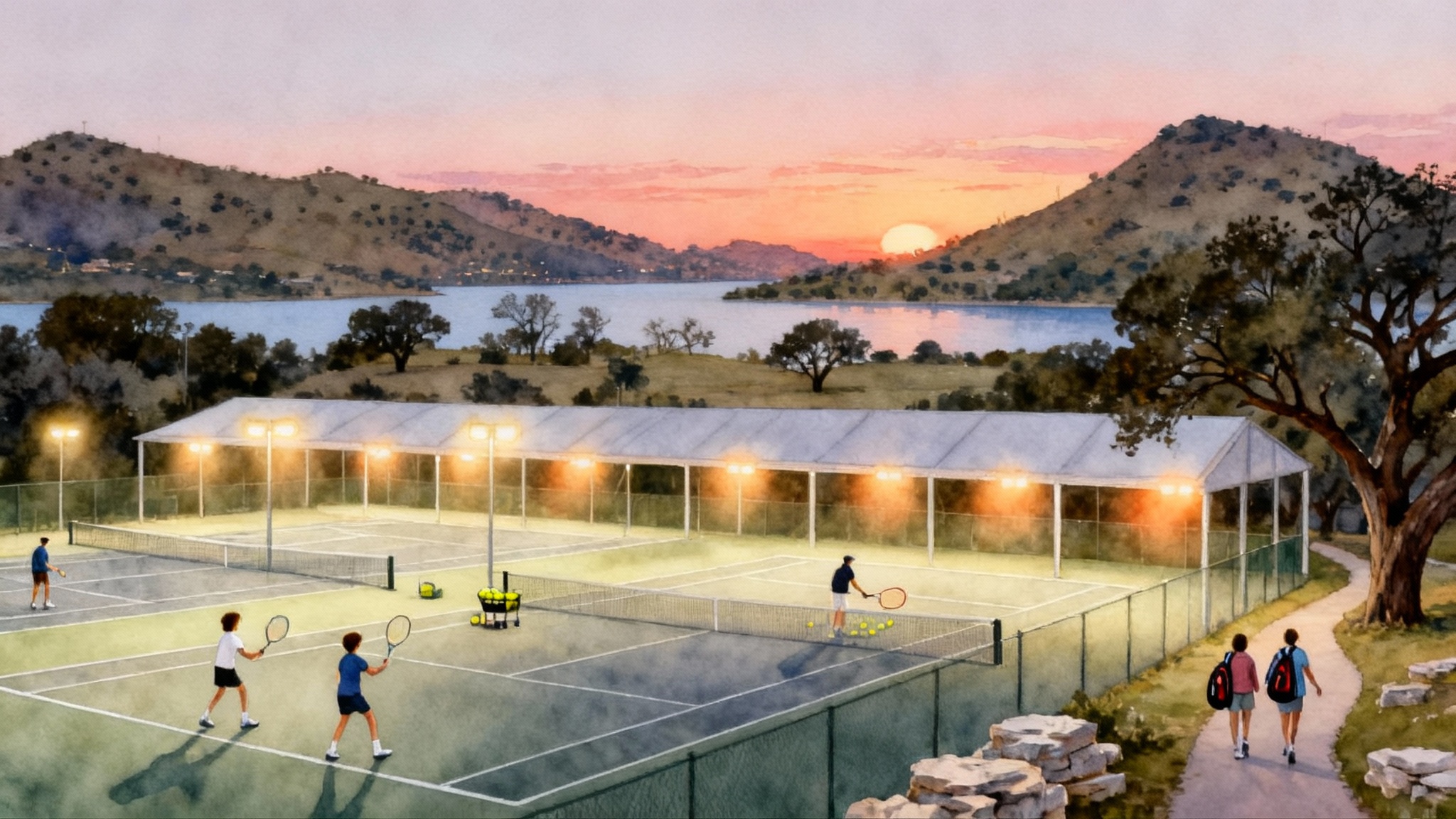
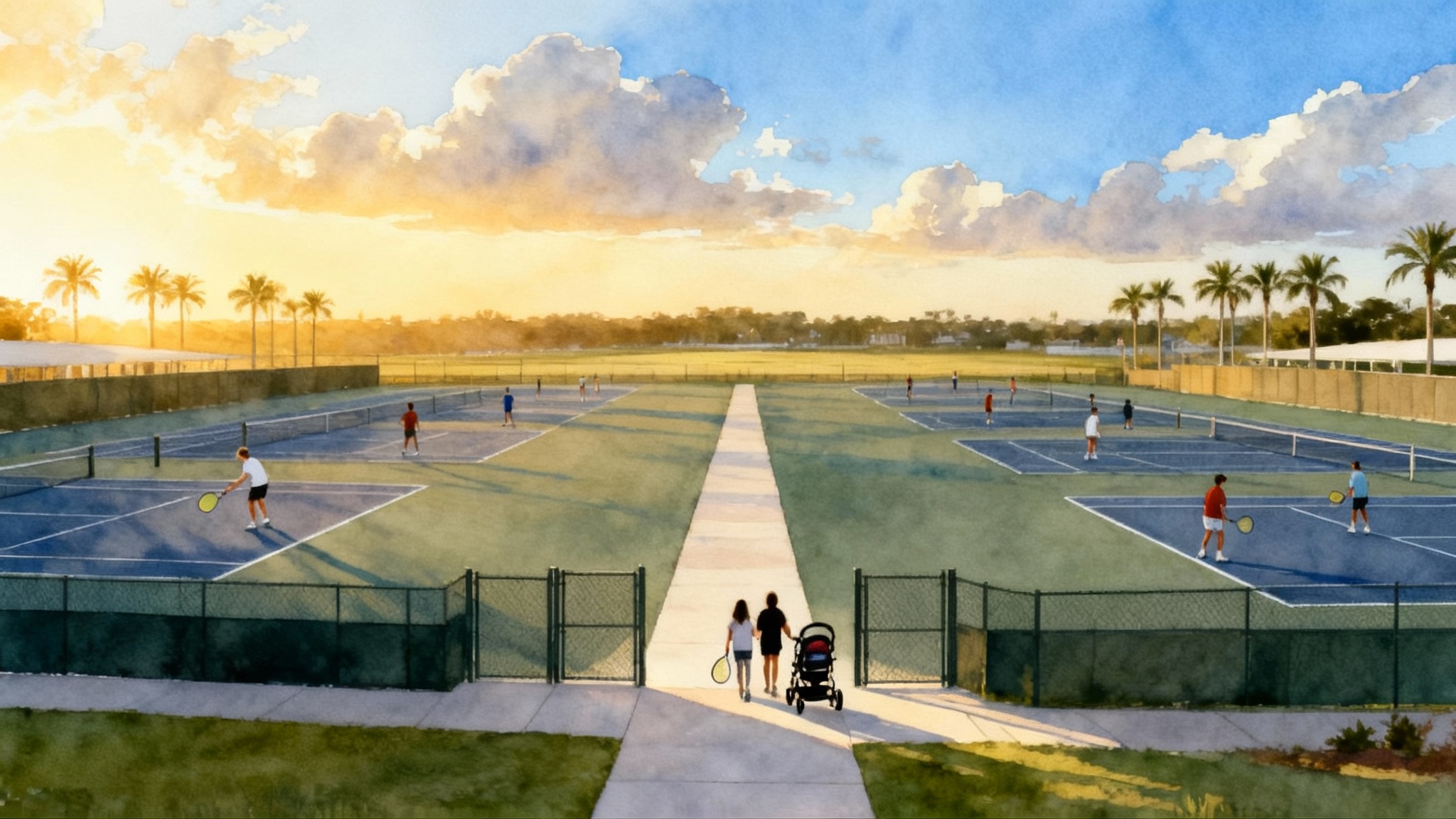
Gomez Tennis Academy profile in Naples focuses on a four to one player to coach model, so feedback is personal and tactical rather than generic. Sessions emphasize footwork patterns, contact point discipline, and game-situation progressions. Optional boarding simplifies logistics if you want a full training block without daily drives or meal prep.
What a typical academy day looks like when you build your base:
- 7:15 a.m. arrival, dynamic warm up, footwork ladders
- 7:45 to 9:30 a.m. technical drilling on priority strokes, filmed reps when needed
- 9:30 to 10:00 a.m. serve segments and return patterns
- 10:00 to 10:30 a.m. mobility and snack
- 10:30 a.m. to noon situational point play or set play with coach constraints
- Afternoon strength or movement session, then optional match play or video review
The four to one ratio keeps rally time high. You are never stranded in lines, and the coach can toggle between your immediate cue and the bigger pattern. Optional boarding adds a controlled environment for sleep, recovery meals, and quiet evenings that support a full week of cognitive and physical output.
Clay or hard: choose surfaces that serve your game
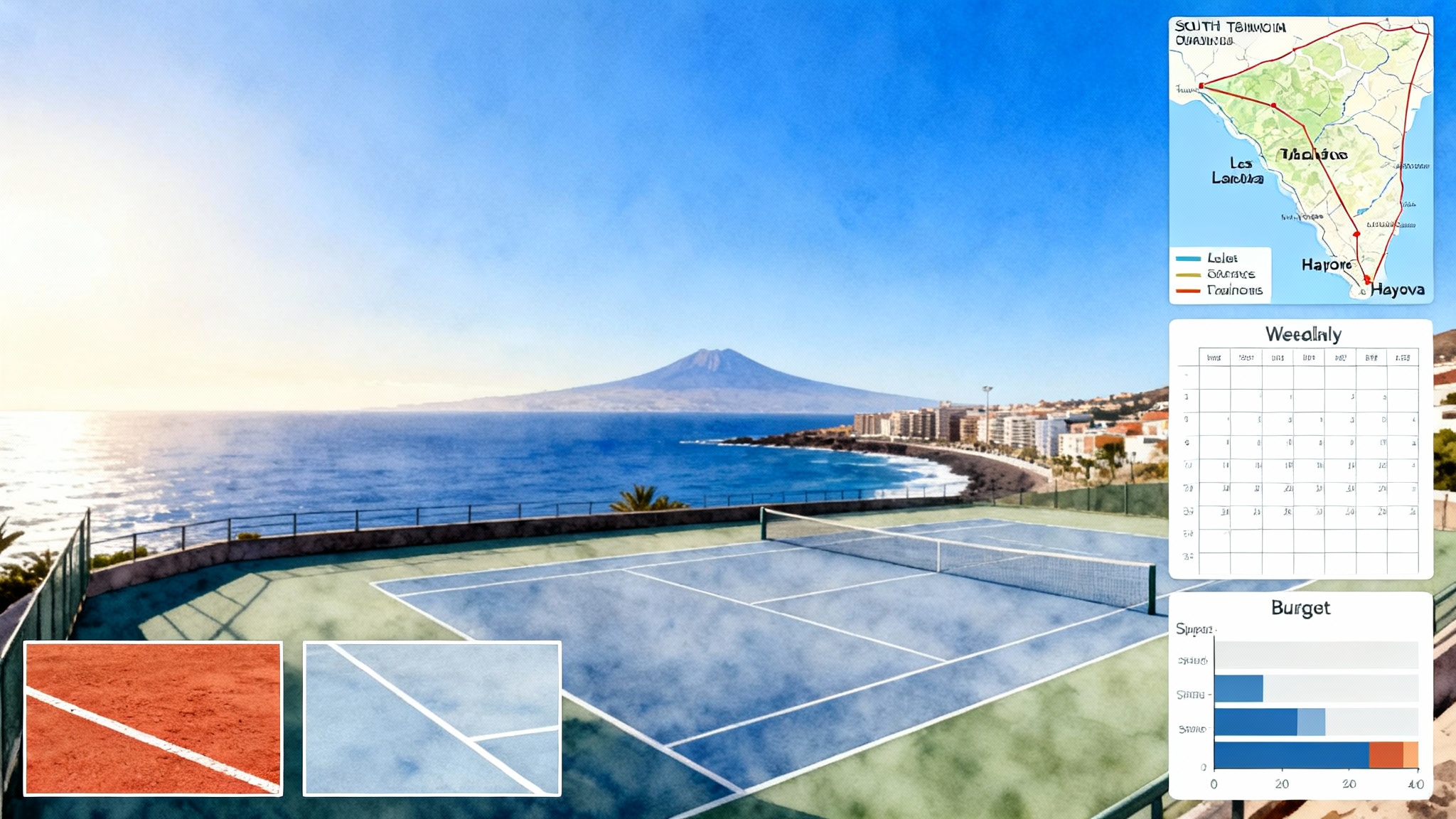
Naples has a deep Har-Tru culture. Har-Tru is an American green clay that plays slower than hard courts, rewards shape and depth, and reduces joint impact. It stays a few degrees cooler under the sun and allows controlled sliding. That makes Har-Tru perfect for high-volume reps, pattern learning, and building aerobic capacity without pounding your knees.
Hard courts exist too, especially at public parks. Hard is valuable if you compete mostly on acrylic surfaces or if you need a faster look to sharpen first-strike patterns. A balanced week often means mornings on Har-Tru to ingrain rally tolerance and footwork, then a late afternoon transition to hard when you want to rehearse quick holds, returns to body, and aggressive second-ball patterns.
How to choose day by day:
- Heavy technical day: Har-Tru to elongate rallies and feel.
- Serve plus one focus: split time. Start on Har-Tru to groove targets, finish on hard to confirm speed and spacing.
- Match rehearsal for hard-court tournament: hard court in the late afternoon once the heat load eases.
How to stack matches: Universal Tennis Rating and United States Tennis Association
The most efficient winter block blends academy training with purposeful matches. Use Universal Tennis Rating (UTR) and the United States Tennis Association (USTA) to build a clean arc of verified play.
A simple stacking blueprint:
- Build or update your Universal Tennis Rating profile. Opt into Verified play so results move your rating. Flex Leagues and Verified Matchplay are your midweek tools.
- Search for round robins and Verified Matchplay hosts in Collier County and neighboring Lee County. Target events within a 30 to 45 minute drive to avoid wasted time.
- Enter a USTA Florida weekend event that fits your level. Adult players can use singles, doubles, or mixed. Juniors can combine Junior Circuit events and Level 6 or Level 7 tournaments. Pencil this in as your week anchor.
- Backfill light matches on Tuesday or Wednesday using Universal Tennis. Keep Thursday as a taper or patterns day. Friday becomes a short hit and mobility day.
- After each match, log notes on serve percentages, break point conversions, and pattern wins or losses. Bring that list to your next small-group session at Gomez so the coach can turn trends into drills.
Two guardrails keep the stack sustainable:
- Limit yourself to one match format per day. Do not stack two singles in heat if your goal is to win the weekend.
- Protect rehearsal days. If you plan serve and return calibration on Thursday, do not add last-minute league doubles that derails stroke volume.
Two sample training blocks
You can run either of these blocks as a stand-alone week or stitch them together for a two-week cycle.
Five-day block, match weekend ahead:
- Day 1, Monday: Morning academy session on Har-Tru, afternoon mobility and 30 minutes of serves. Evening recovery walk.
- Day 2, Tuesday: Morning academy session with point constraints, afternoon Verified Matchplay single set to eight games. Light upper-body strength.
- Day 3, Wednesday: Early hard-court hit focused on serve plus one, then video review and breath work. No match today.
- Day 4, Thursday: Short academy tune up, 75 minutes total. Pattern rehearsal for second balls and return depth. Hydration focus and sleep extension.
- Day 5, Friday: Scout tournament draws, 45 minute hit with four to one coaching, then off feet. Feet in the Gulf for 10 minutes of cold immersion.
Seven-day block, two matches midweek:
- Day 1, Sunday arrival: Easy 60 minute hit to open the hips, groceries and water run, early bedtime.
- Day 2, Monday: Full academy morning, afternoon strength session, add band work for shoulder health.
- Day 3, Tuesday: Verified Matchplay singles, one pro set. Debrief with coach, then mobility and core.
- Day 4, Wednesday: Academy morning on Har-Tru with heavy crosscourt shape work. Optional light doubles set in the late afternoon.
- Day 5, Thursday: Hard-court session for first-strike rehearsal and return depth. No match. Massage or stretch session.
- Day 6, Friday: Academy short session, serve targets, pattern rehearsal, early dinner, lights out.
- Day 7, Saturday: USTA Florida tournament day. Warmup routine, match, cool down, and short debrief. If out early, schedule a Sunday Verified Matchplay.
Recovery on the beach, Naples style
Naples gives you a recovery toolkit within a five to ten minute drive of many courts. Use the Gulf and the sand like a natural training room.
- Gulf wade and breathe: Walk knee deep for 10 minutes. Breathe through your nose, exhale slowly to drop heart rate. The cool water helps calm the nervous system after competitive play.
- Sand walks: Five to fifteen minutes barefoot on firm sand for intrinsic foot strength. Focus on a soft landing rather than pushing off hard.
- Mobility on a towel: Hip openers, thoracic rotations, and calves. Keep it to fifteen minutes, no aggressive static holds right after a match.
- Sunset reset: Ten quiet minutes at the waterline. Set three intentions for the next training day so your brain has a plan before sleep.
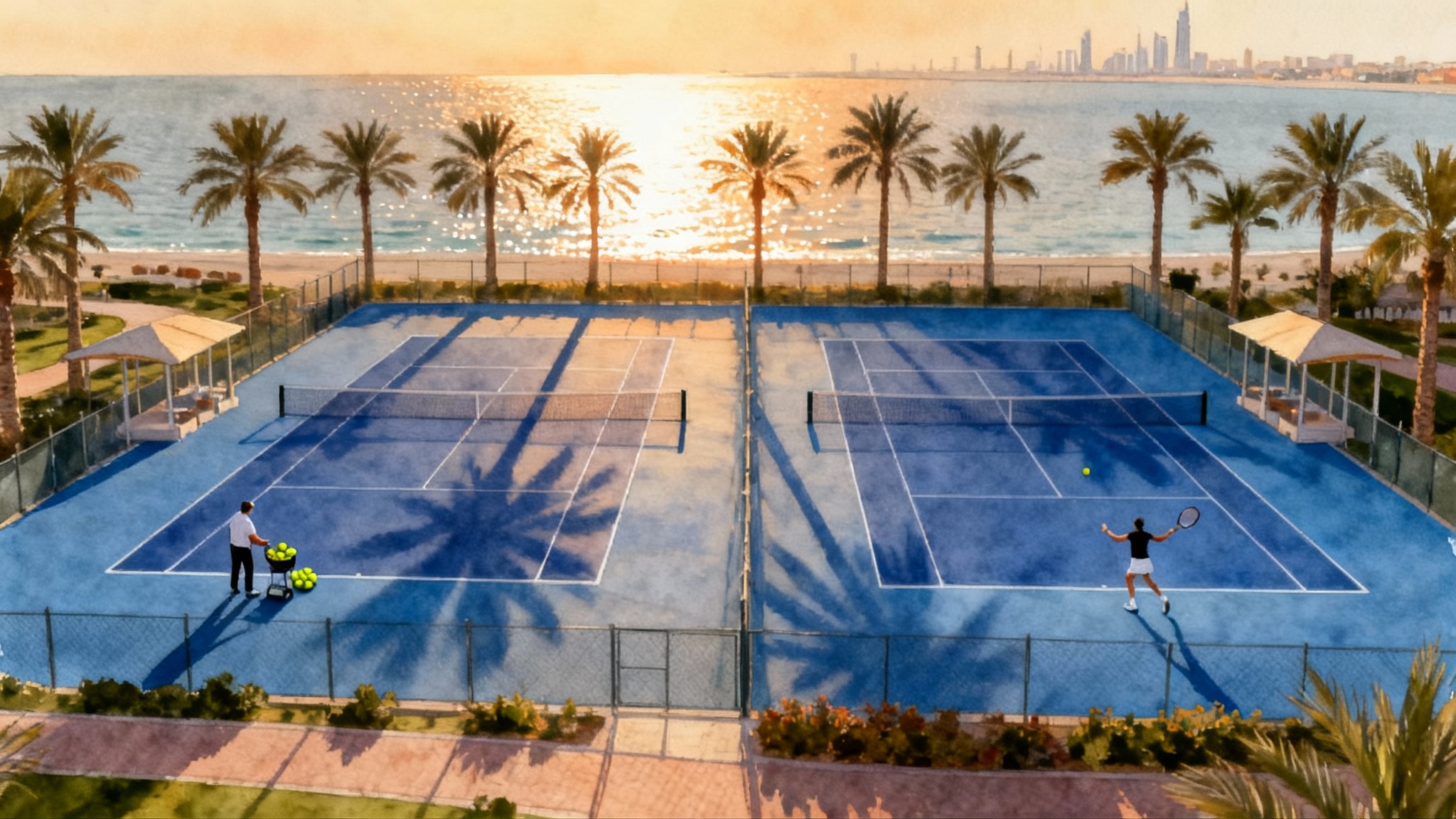
Nearby beaches worth a look include Lowdermilk Park, Vanderbilt Beach, Delnor-Wiggins Pass, and Barefoot Beach. You do not need a full afternoon. Twenty focused minutes beats a passive hour of slumping in a chair.
Budget bands: flights, beds, meals, courts
Naples winter is peak travel season, so decide your budget band first, then choose the right airport and lodging radius. The numbers below are typical ranges for high season in Southwest Florida. Prices swing with holidays and lead time, so shop early and stay flexible.
Flights
- Fly into Southwest Florida International Airport in Fort Myers when convenience matters. Expect higher fares for prime Friday to Sunday arrivals. Many players cut costs by flying into Fort Lauderdale or Tampa, then driving two to three hours.
- Saver strategy: midweek arrivals, early morning or late-night departures, and one carry-on. Flexibility saves more than coupons.
Lodging
- Economy: shared room or academy boarding, budget hotels in Bonita Springs or Fort Myers, or studio rentals farther inland.
- Midrange: limited-service hotels near North Naples, small condos a short drive from the beach.
- Premium: resorts on or near the beach, private condos with gym and pool access.
Ground and courts
- Car: a compact rental is usually cheaper than rideshare if you plan daily training and matches. Book a no-penalty rate, then recheck prices 48 hours before pickup.
- Courts: day passes at clubs with Har-Tru, hourly fees at public parks for hard courts. Ask about drainage and grooming times after rain so you can plan morning starts.
Food
- Keep breakfast simple at home base, pack a saltier snack for the court bag, and plan an early dinner. Naples has plenty of healthy options, yet your most reliable refuel is often a rotisserie chicken, rice, and fruit from a grocery store.
Budget checklist to keep total cost down:
- Choose one airport and one lodging zone to avoid scattered drives.
- Bundle more than half of your sessions at Gomez to reduce idle time between venues.
- Book one tournament and two Verified matches per week. More can be too many fees for too little rating movement.
Har-Tru and hard-court access: a quick field guide
- Clubs and tennis centers: expect Har-Tru dominance. Surfaces are cooler and easier on joints, and grooming crews keep them consistent.
- Public parks: a better bet for hard courts. Great for serve work and faster pattern rehearsal.
- Mixed week: two to three Har-Tru mornings, one to two hard-court afternoons. That balance builds legs and still preserves your first-strike identity.
Before you arrive, call ahead to confirm court availability and grooming schedules. Ask if they water and sweep between blocks, and whether you can reserve back-to-back time to reduce transitions.
If you extend into May through October
The wet season in South Florida brings heat, humidity, and afternoon thunderstorms. The Atlantic hurricane season officially runs from June 1 to November 30, which raises the stakes for flexible planning. For official dates and preparedness basics, check the National Oceanic and Atmospheric Administration’s Atlantic hurricane season dates.
How to adapt your schedule:
- Play early: main session 7:00 to 9:30 a.m., second hit indoors or under shade. Storms tend to pop after lunch.
- Lightning protocol: at the first distant rumble, clear the court. Respect the 30 and 30 rule, which is a 30 second flash to bang equals danger, and wait 30 minutes after the last thunder.
- Hydration plan: two liters before noon, two bottles during practice with electrolytes, and a recovery beverage inside 30 minutes after play.
- Heat acclimation: first week at 70 percent volume, second week at 85 percent, then progress. Do not chase full volume on day one.
- Surface choice: when heavy rain is likely, favor hard courts that shed water fast for short late-day sessions.
Travel and booking contingencies:
- Lodging with free cancellation inside 72 hours. If a storm approaches, you pivot without penalties.
- Car rental on a cancellable rate. Rebook if prices drop or if you need to move airports.
- Tournament choice: prefer flexible Universal Tennis formats and one USTA event per block. Keep Sundays open in case Saturday storms push finals.
What to pack for a productive block
- Two pairs of shoes: one clay specific, one hard-court. Rotate daily.
- Balls: regular duty for clay, extra duty for hard courts so practice time feels like match time.
- Sun armor: hat, light long-sleeve shirt, sunscreen you actually reapply, polarized sunglasses.
- Recovery kit: bands, lacrosse ball, small towel for beach mobility, reusable water bottles, electrolyte mix.
- Tech: tripod for phone filming, small notebook for post-match data.
Booking cadence that keeps you sane
- 6 to 8 weeks out: choose your week, reserve Gomez sessions and optional boarding, and block out a USTA weekend or Universal Tennis Flex window.
- 3 to 4 weeks out: book flights and car on flexible rates. Hold a backup airport in case fares jump.
- 7 to 10 days out: confirm court reservations, order extra strings, and schedule one Verified Matchplay.
- 72 hours out: check the forecast, stock groceries on arrival, and set three non-negotiables for the week such as sleep, hydration, and a daily mobility block.
The takeaway
Naples gives you a dependable weather window, a surface mix that supports real skill growth, and a coaching partner in Gomez Tennis Academy that keeps groups small and feedback sharp. Build a week that stacks verified matches onto targeted training, recover with purpose on the sand, and protect the plan with flexible bookings. Prefer dry desert air on the West Coast? Plan a parallel block with our Indian Wells tennis guide. Do that, and the Paradise Coast becomes more than a vacation postcard. It becomes your winter base where habits harden, ratings climb, and your game takes a clear step forward.