Best Northeast Tennis Academies 2025–2026: NY, NJ, MA, PA, CT
A parent and player guide to the top day and boarding-style tennis academies across New York City and Long Island, North Jersey, Boston and MetroWest, Philadelphia and the Main Line, and Connecticut, with clear criteria, commute tips, and a decision matrix.
 Tommy
Tommy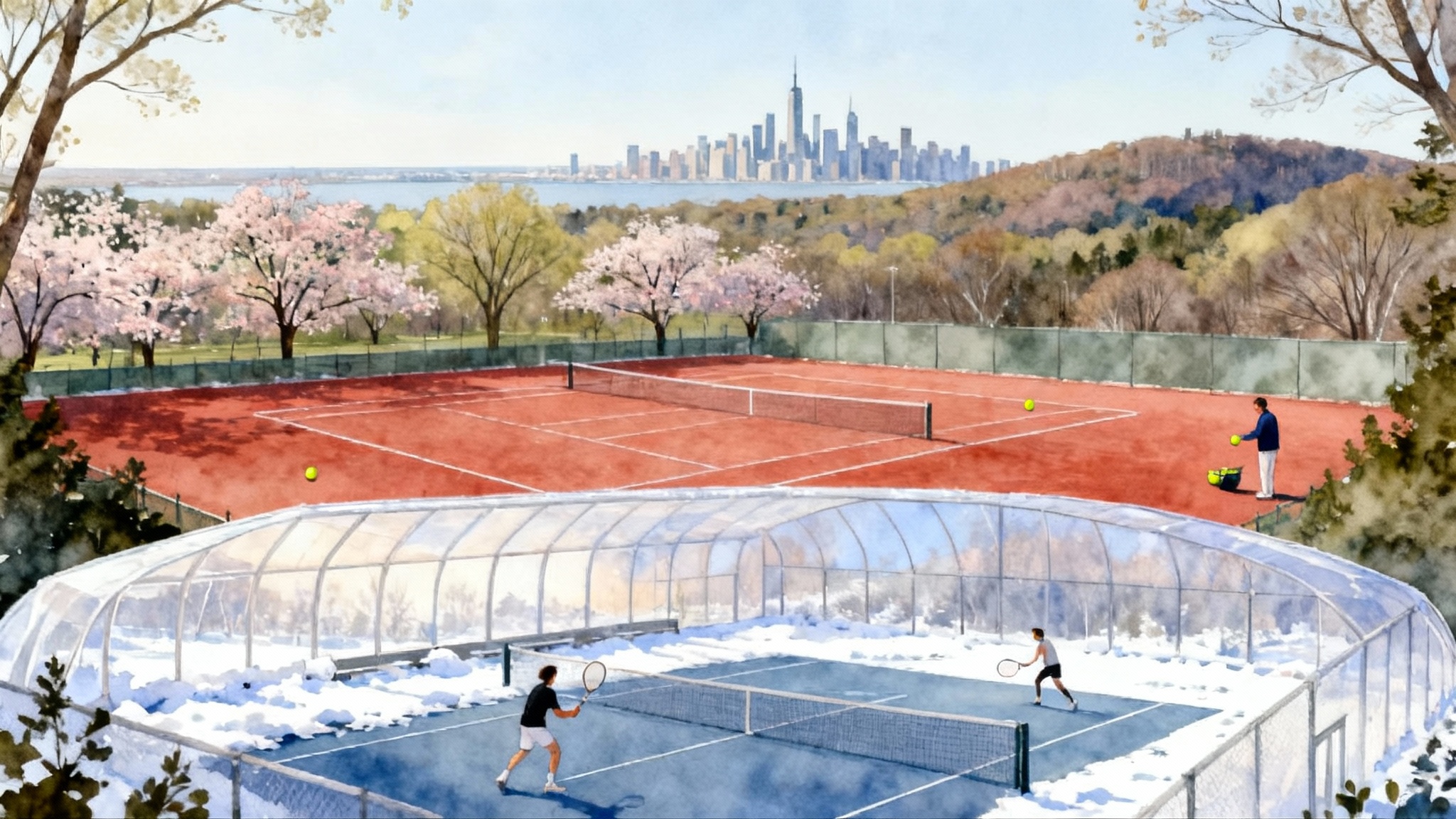
How to use this guide
Families in the Northeast need a tennis plan that works in January, not just July. This guide compares top day and boarding-style programs across New York City and Long Island, North Jersey, Boston and MetroWest, Philadelphia and the Main Line, and Connecticut. We focus on what matters during the 2025-2026 training year for juniors and serious adult players: coaching quality, true winter access to indoor courts, surfaces, UTR and USTA match play, academic integration from middle school through A levels or IB pathways, pricing tiers, trial weeks, commute logistics, and real college placement results.
If you only skim, jump to the decision matrix near the end. If you want a smart shortlist, read the regional snapshots, then match them to your goals and commute.
Our comparison criteria
Think of this like a racquet demo with a checklist.
- Coaching credentials and development model: Proven coaches who can progress a player from orange ball to college level, with a clear pathway and match feedback. A staff and curriculum that share a development language beat one star coach every time.
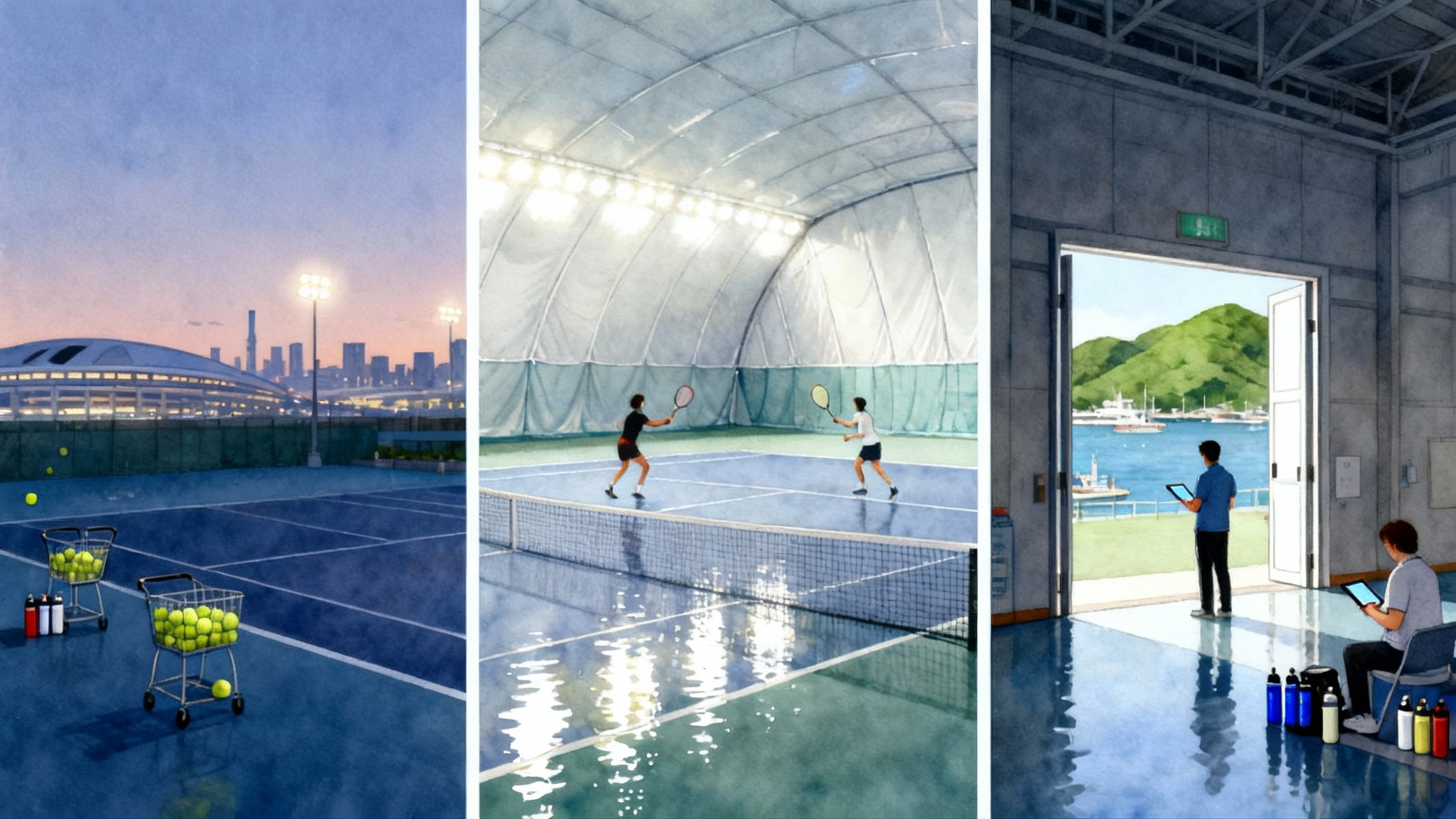
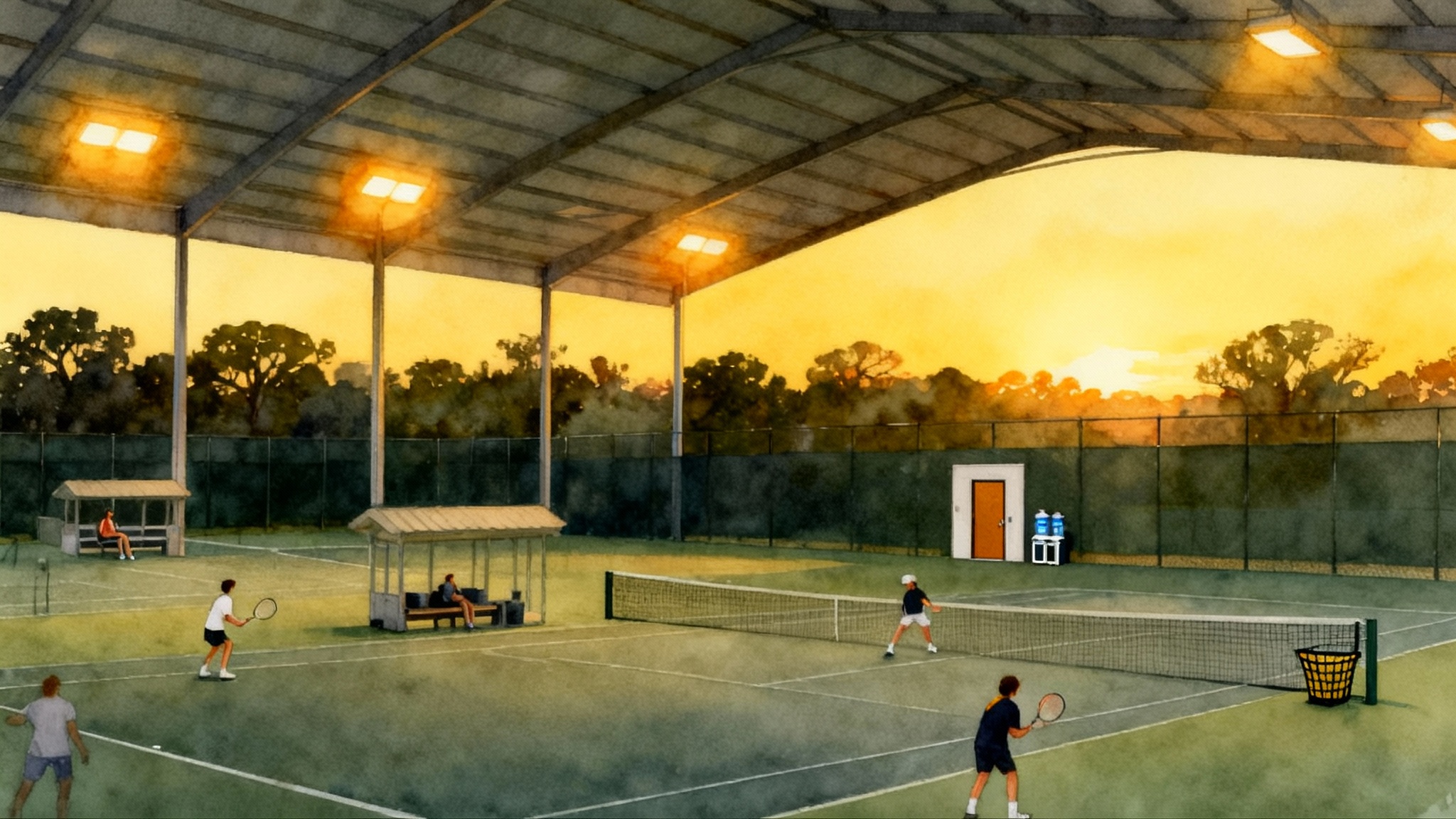
- Winter indoor access: The Northeast lives indoors from October to April. Ask how many indoor courts the program controls in prime hours, not just how many exist somewhere in the complex.
- Court surfaces: Juniors need both. Clay builds footwork, patience, and point construction. Hard courts build first-strike patterns and replicate most tournament play. A year that touches both surfaces usually produces more complete players.
- Match play that counts: Every academy claims match play. What you want is verified competition that feeds a reliable rating. If you are new to this, read a quick explainer on how the UTR rating works. One hour of level-appropriate sets often beats two hours of random feeding.
- Academic fit: For day students, the question is scheduling flexibility and study support. For full-time or hybrid students, look for proctored study blocks and accredited school options. A few Northeast programs offer daytime training blocks that pair well with online schools. If you need A levels or IB, plan to combine a local academy with a reputable online school.
- Pricing tiers and trial weeks: Top programs usually offer three rungs. Development clinics for younger players, high-performance after-school blocks for tournament players, and full-time training for off-campus students. Trial weeks or evaluation sessions reduce risk. Ask for one before a full term.
- Commute logistics: An extra 30 minutes each way is not just time. It is homework pressure and recovery loss. Make a door-to-door map for winter rush hour and build your plan around that, not summer Sunday traffic.
- College placement outcomes: Request a three-year placement list with player names, graduation years, where they signed, and their UTR ranges when they committed. You are buying a process, not a promise.
New York City and Long Island Tennis Academies
- Flagship option for high-performance day training: John McEnroe Tennis Academy at SPORTIME. The Randall’s Island flagship and the Long Island satellites in Syosset, Port Washington, and Bethpage create a large ecosystem of peers, coaches, and UTR events. See current sites via the John McEnroe Tennis Academy locations.
- What stands out: Climate-controlled indoor access in winter, mixed hard and clay opportunities, and integrated athletic performance support. For strong juniors, the density of competitive players is a real advantage on ordinary weekdays.
- Who thrives here: Tournament-minded juniors who live within 45 to 60 minutes door-to-door, and serious adults who want structured drilling plus live-ball play. Families balancing demanding schools will appreciate after-school slots and holiday training blocks.
- Also consider in NYC: The Cary Leeds Center for Tennis and Learning in the Bronx. It serves as the flagship of NYJTL and runs high-performance training with a match-play culture and seasonal indoor bubbles. Homeschoolers can stack daytime training blocks.
- Upstate option: Families near Rochester can review our take on an additional New York pathway in the Empire Tennis Academy review.
- Surfaces and seasons: A blended week matters. For example, juniors might do two hard-court sessions focused on serves and plus-one patterns, and one clay session for point construction and defensive movement.
- Academics: Most New York families keep brick-and-mortar schooling and use after-school training. Full-time training is possible by pairing academy blocks with accredited online schools. Ask about supervised study halls and test proctoring.
- Pricing and trials: Expect premium rates at the largest hubs, with tiered packages for two, three, or more weekly sessions. Ask for a one-week evaluation or two paid drop-ins before you commit to a term.
North Jersey Tennis Academies
- Headliner: Centercourt Tennis Academy, centered in Chatham with nearby facilities such as Florham Park and Marlboro. The program offers after-school high performance, verified UTR tournament hosting, and a full-time academy track that coordinates academics and travel schedules.
- What stands out: Year-round indoor access in prime hours, Har-Tru and hard options, plus on-site performance training. The club culture is multi-sport, which helps with cross-training and recovery resources.
- Who thrives here: Players who like a structured pathway tied to UTR bands, from tournament-curious through college-bound. Families west of the Hudson often find the commute and parking far easier than crossing into the city.
- Academics: The full-time track is built for daytime training with schoolwork blocks and travel coordination. If you need A levels or IB, plan on an online program and ask the academy about onsite supervision and progress tracking.
- Pricing and trials: Packages usually scale by weekly hours. Start with a single session and a match-play day, then step up once the fit feels right.
Boston and MetroWest Tennis Academies
- Headliner: The Thoreau Club Tennis Academy in Concord. It hosts the Mouratoglou Tennis Center Boston, bringing an international coaching flavor and a high-energy training culture. Indoor access is strong, and the peer group is competitive.
- Also consider: The Longfellow system across Wayland, Natick, and Wellesley. The New England Tennis Academy path sits inside a large, year-round club network with abundant indoor courts, which means more realistic practice sets on weeknights and quicker rescheduling when winter storms hit.
- What stands out: Boston-area programs increasingly combine on-court training with formal sports performance, video, and periodized plans. You will see weekly cycles with one day heavy on serve and return, one day on pattern development, and one day on pressure sets.
- Who thrives here: Juniors in strong school systems who need dependable indoor court blocks before or after homework. Serious adults who want structured drilling plus leagues or UTR team play also find good traction.
- Academics: Schools in MetroWest are demanding. Ask for a written plan that shows exact training blocks, lift sessions, and match play nights, then lay that against your homework load.
Philadelphia and the Main Line Tennis Academies
- Headliner: Legacy Youth Tennis and Education. The campus combines eight indoor and eight outdoor courts with a mission-driven pathway that still serves high-performance juniors. Expect verified match opportunities, an emphasis on character and community, and a coaching staff with collegiate playing backgrounds.
- What stands out: The indoor volume allows winter match play and clinics to run reliably. Families from the Main Line will find the commute predictable in evening hours.
- Who thrives here: Juniors who value a tight-knit training group and plentiful match reps, and adults who want clinics plus league pathways in one place.
- Academics: After-school structure dominates here. For daytime training, ask about homeschool blocks and supervised study space on non-peak courts.
Connecticut Tennis Academies
- Stamford and Fairfield County hub: Chelsea Piers Connecticut in Stamford offers seven full-size indoor courts with spectator space and year-round programming. It is a reliable winter base with easy access from I-95 and the train.
- High-performance club scene: INTENSITY in Norwalk runs a clear junior pathway from scaled balls to high performance, with UTR and USTA tournament participation. Greenwich Racquet Club rounds out the area with clinics and frequent junior events.
- Who thrives here: Players who need consistent indoor time within 20 to 30 minutes of school and home. Adults find strong evening options and weekend round robins.
- Academics: Many Connecticut families keep school traditional and rely on after-school blocks. If you go hybrid, ask for midday court access and a quiet corner for supervised study so you are not driving twice.
Boarding and hybrid options in the Northeast
Full boarding tennis academies in the United States are concentrated in Florida. In the Northeast, serious families typically choose a hybrid solution that looks like boarding in practice without a dedicated dorm.
- Hybrid model: Daytime training block at a local academy, paired with an accredited online school and either a parent apartment near the club or a vetted homestay. The key is adult supervision, meal prep, and a weekly plan that shows training, schoolwork, and recovery windows.
- What to verify: Who monitors study hall and proctors exams, who coordinates travel to tournaments, and how the coach communicates weekly goals and feedback. Ask for a sample weekly schedule used by another full-time athlete and a parent reference.
Planning a winter training block down south to complement your Northeast base? Browse our Florida junior academies guide.
Pricing tiers and how to sanity-check value
You will see three broad tiers. The names vary. The ingredients do not.
- Development clinics
- Audience: Red, orange, and early green ball. Also late starters in middle school.
- What you should get: Small ratios, progressions that match ball color and court size, and frequent games that simulate rallies at the player’s level. A fun feel is not fluff. It builds repetition.
- How to check value: Ask for the curriculum sequence for the term. You want planned progressions, not improvisation every week.
- High-performance after-school
- Audience: Tournament-minded green ball and yellow ball players, varsity team members, and adults preparing for league play.
- What you should get: Two to four weekly on-court sessions, one weekly match-play slot that counts toward rating or team results, and basic strength and mobility.
- How to check value: Confirm the coach to player ratio on the court you will actually be on, not a marketing average. Ask what percentage of sessions are live ball and sets versus feeding.
- Full-time or hybrid training
- Audience: Sectional and national juniors with travel schedules and flexible schooling.
- What you should get: Daytime courts, supervised study blocks, travel planning, and integrated performance training. Clear periodization across the year, not just month to month.
- How to check value: Ask for last year’s tournament calendar for an athlete like yours and the training phases before each block.
Before you sign: do a paid trial week. Bring a notebook. Write down the drills, the live-ball time, the set scores, and one coaching cue you heard each day. If the notebook is empty, that tells you something. Compare cost per live-ball hour. Feeding builds skills. Sets build decision making. Your ratio should match your goals.
UTR and USTA match play that actually helps
- Use UTR events and team matches to create a steady diet of competitive sets. Radius matters. Aim for events within 60 to 90 minutes most weekends, with scheduled spikes for travel blocks.
- Track your opponent band. Most good academies will group sets within a one-point UTR window so matches are competitive. An even record against similar ratings beats blowouts against much lower ones.
- For adults, look for a club that blends drilling with match play in the same block so you can rehearse new patterns on the same night.
Commute planning and winter realities
- Draw your winter map, not your summer map. Check the drive at 4:45 p.m. on a weekday from school to the club and then home. Then decide.
- Aim for 20 to 40 minutes door-to-door on training days. That extra half hour each way turns into missed homework and shorter sleep by February.
- If you are choosing between two solid programs, pick the one with the simpler winter commute. Consistency beats occasional brilliance.
- Relocating or splitting time farther west? Compare options in our best Midwest indoor academies.
College placement: how to evaluate claims in one conversation
Use this three-question script with the director.
- Can you share your last three years of college placements with player names, grad years, and their UTR ranges when they signed
- For an athlete like mine, what UTR band and doubles role do you expect to target in junior year
- How many weekly verified match opportunities will you plan between now and July, and who decides the schedule
You are listening for specifics and alignment between training hours, match volume, and the college target. Vague answers usually mean vague planning.
Quick decision matrix
Use this like a checklist. Pick the row that matches your situation and circle two target programs in your region.
-
Junior, 10 to 12, green ball competitor
- Best fit: Clubs with clear scaled-ball pathways and weekly match play. Examples by region include large multi-site systems in New York and Long Island, and Longfellow in MetroWest.
- Why: You need reps, competition that fits, and small-group coaching. A big indoor footprint helps keep your weekly rhythm through winter.
-
Junior, 13 to 15, yellow ball tournament player
- Best fit: High-performance after-school blocks at JMTA in New York, Centercourt in North Jersey, Thoreau in MetroWest, Legacy in Philadelphia, and INTENSITY or Chelsea Piers in Connecticut.
- Why: Deep peer groups and verified match play. Choose the program that can guarantee two to three competitive set opportunities every week in winter.
-
Junior, 16 to 18, college-bound
- Best fit: Programs that publish placement lists and can show a weekly plan of live ball, sets, performance training, and recovery. In the Northeast, that means the largest hubs noted above.
- Why: You need a controlled dose of pressure matches and a coach who talks recruiting with data, not anecdotes.
-
Serious adult player
- Best fit: Clubs that pair 60 to 90 minutes of drilling with either league play, UTR team events, or supervised match play on the same night. In New York and Connecticut, indoor capacity will make or break your winter.
- Why: Pattern rehearsal does not stick until you stress it in sets.
Final take
In the Northeast, winter separates plans from wishes. Pick a program that controls indoor courts in your actual training hours, that groups players by level for real sets, and that puts academics on a schedule you can live with. The names in this guide are strong for good reasons, but the right fit is the one you can reach three to four times a week without a scramble. If you build around that simple rule and add steady match play that your rating can recognize, you will see progress by spring and be ready to surge in summer.
One more tool you can use
If you want to see how verified match volume translates in other regions, scan our international and state-by-state deep dives like the best Midwest indoor academies and our warm-weather Florida junior academies guide. For an upstate New York option with frequent verified match play, read our Empire Tennis Academy review.