Best California Tennis Academies 2025–2026: SoCal vs NorCal
A head-to-head guide to Southern California and Northern California tennis academies for juniors and college-bound players. We compare commute times, indoor access, surfaces, intensity, costs, scholarships, tournament density, and weekly schedules.
 Tommy
Tommy
Who this guide is for
If you are a California family choosing an academy for a junior player or a serious high school athlete aiming for college tennis, you are in the right place. We compare Southern California and Northern California with the facts families ask about first: commute times, court access in winter, surfaces, program intensity, costs and scholarships, tournament density, and real college placement pathways. You will also find sample weekly schedules and quick picks by budget, plus a short section for adults who want a high-performance tune-up.
SoCal vs NorCal at a glance
Both regions produce college players and touring pros, but the day-to-day experience can feel different.
Climate and court access
- Southern California: Dry and sunny most of the year. Rain cancellations are rare. Most courts are uncovered outdoors and playable year round.
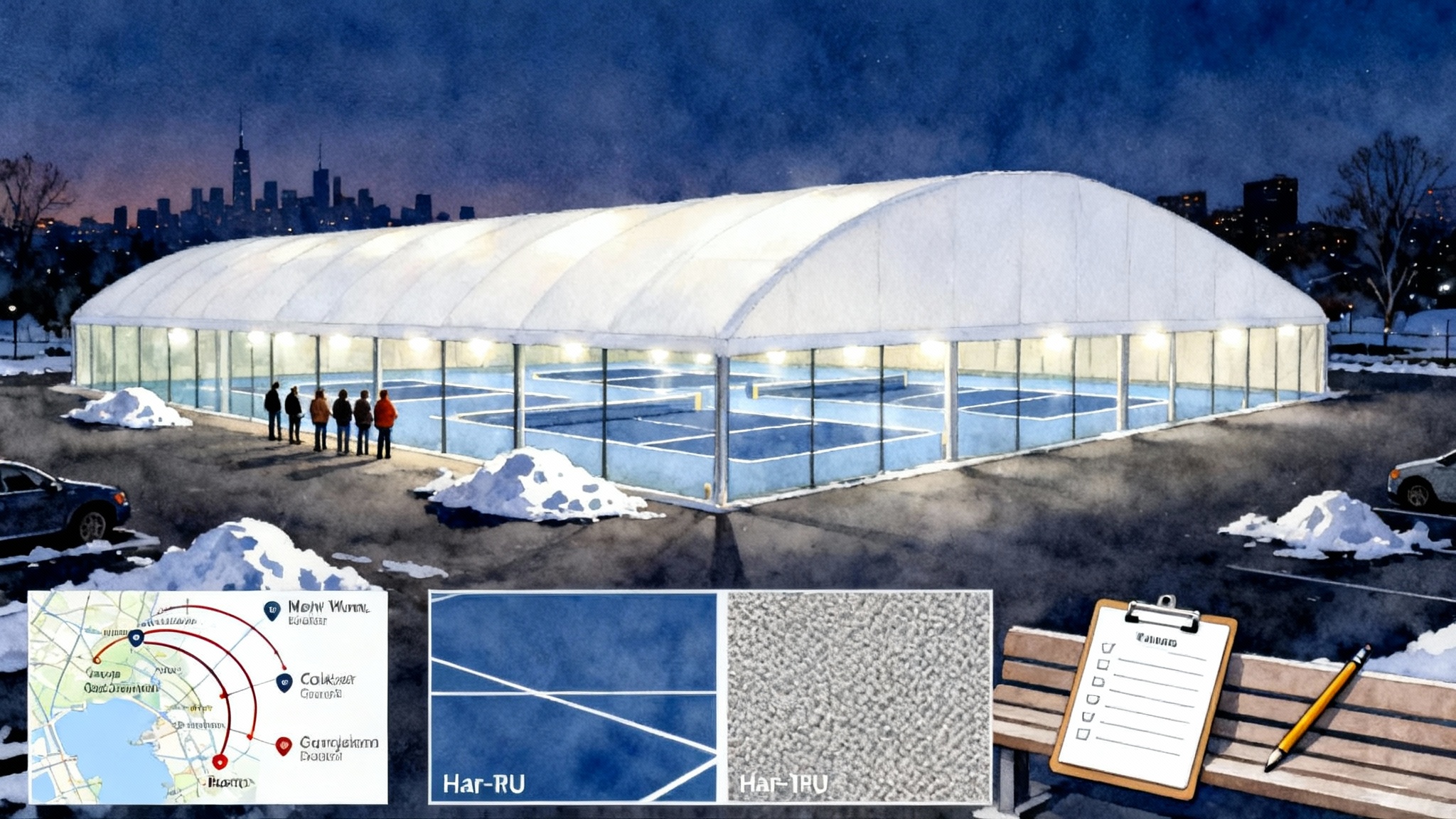
- Northern California: Mild but wetter from November through March. Most courts are also outdoors. A handful of clubs use bubbles or partial covers, but true indoor courts are limited. Expect more rain-outs than in SoCal on winter afternoons and weekends.
Practical takeaway: if you want a predictable after-school schedule in winter, SoCal offers fewer weather interruptions. In NorCal, ask academies how they handle rainy weeks. Do they shift to footwork and video indoors? Do they offer make-up days?
Surfaces: clay vs hard
California is a hard-court state. Clay exists, but usually in private clubs or specific academies. Families who want weekly clay work for point construction or joint relief should ask early. In SoCal, Orange County and San Diego have a few private facilities with green clay. In NorCal, clay is even rarer and often members-only. If clay is a must-have, plan on a dedicated day per week and expect a commute.
Program formats: day vs boarding
- Day programs dominate everywhere. They fit well with California school schedules and let families manage academics locally.
- Boarding programs are fewer but can be powerful for athletes seeking an immersive schedule and consolidated academics.
Well-known boarding options include Weil Tennis Academy in Ojai and Advantage Tennis Academy in Irvine for SoCal, and Gorin Tennis Academy in the Sacramento region for NorCal, which offers full-time training and can arrange supervised housing for select athletes. Day-only high performance hubs include Barnes Tennis Center in San Diego, Brymer Lewis in Fountain Valley, and multiple NorCal choices such as Eagle Fustar in the South Bay, JMG in Sacramento, and Tompkins Tennis around the East Bay. Always confirm current formats and school partners when you tour.
Commute math by neighborhood
Commute can make or break a training plan. Use these realistic weekday windows for sessions that start between 3:00 and 5:00 p.m. The goal is not perfection to the minute. It is to avoid the one detail that quietly erases practice time and homework hours.
Southern California
- Westside Los Angeles to the San Fernando Valley: 35 to 65 minutes depending on I-405 traffic. Carpool lanes help but do not eliminate delays.
- Santa Monica to Westwood or Palisades: 15 to 35 minutes. Parking near school sites can add 10 minutes.
- South Bay to Orange County (I-405 south): 40 to 75 minutes during peak. Check event nights at arenas that can spike traffic.
- Culver City or Mid-City to Carson or Torrance: 30 to 55 minutes. Surface streets can tie with freeways on bad days.
- Irvine or Tustin to Fountain Valley or Huntington Beach: 15 to 35 minutes. This corridor is the most predictable in the region.
- Newport Beach to Ojai for boarding visits: 1 hour 45 minutes to 2 hours 30 minutes depending on U.S. 101.
- North County San Diego to Point Loma: 35 to 65 minutes. A reliable but longer after-school drive.
- Poway or Rancho Bernardo to Carlsbad: 25 to 45 minutes on a normal weekday.
Time saver: when evaluating SoCal programs, ask for a 10-day trial with a carpool strategy baked in. Try the exact route at 3 p.m. twice. If two bad days cancel one practice per week, choose a closer site.
Northern California
- San Francisco west side to Golden Gate Park or the Presidio: 10 to 30 minutes. The bottleneck is often parking and school pickup, not the drive.
- San Francisco south to Daly City or South San Francisco: 20 to 45 minutes. Fog and wind are not traffic, but they do affect conditions.
- Peninsula corridor (Burlingame to Palo Alto) to South Bay sites in Cupertino or Los Gatos: 25 to 55 minutes. U.S. 101 and I-280 both work, with I-280 often smoother but longer.
- East Bay north (Berkeley to El Cerrito) to Walnut Creek or Moraga: 25 to 45 minutes. The Caldecott Tunnel can add variability.
- Alameda or Oakland Airport area to San Leandro or Castro Valley: 15 to 35 minutes. Check arena event schedules.
- San Jose neighborhoods to Campbell or Saratoga sites: 10 to 30 minutes, with reliable access to high-performance programs.
- Sacramento midtown to Roseville or Granite Bay: 25 to 50 minutes. Rain can back up the I-80 corridor.
Tip for NorCal winter: ask programs how many hours they actually completed last December through February. Some publish attendance logs. This single number reveals more than any brochure.
Tournament density and pathways
Both regions host USTA and UTR events year round. Expect multiple sanctioned events within a 60 to 90 minute radius on most weekends during the school year. Southern California tends to have larger draws concentrated across Los Angeles, Orange County, and San Diego. Northern California’s calendar clusters around the Peninsula, South Bay, East Bay, and Sacramento.
For planning, bookmark the official USTA SoCal and USTA NorCal calendars. Use filters for level, surface, and singles or doubles. Track drive times, not just ratings bands. One extra hour of driving each way adds up to a full day per month.
College placement, simplified
Ratings are not destiny, but they shape options. Typical roster ranges look like this:
- Men’s Division I lineup: UTR high 12s to mid 13s for scholarship impact. Walk-on possibilities at 11 to low 12s depend on roster needs and strong wins.
- Women’s Division I lineup: UTR high 9s to low 11s. Scholarship impact often begins near 10.5 with results against ranked peers.
- Division II and top NAIA: roughly one UTR band lower than comparable Division I levels, with exceptions for top programs.
- Division III: academic fit leads, then roster needs. UTR 7 to 10 can contribute depending on conference strength.
Use the UTR college fit guide to compare realistic targets to recent rosters. Then ask each academy to show last year’s graduates, their UTR at commitment, and three match videos those coaches actually used. For a value-focused case study on pathway design, see our Legend Tennis Academy review.
Indoor and covered-court reality
- SoCal: You will train outdoors almost every day. Shade, hydration, and sunscreen routines matter more than rain plans. Ask about heat policies for August and early September.
- NorCal: Winter rain disrupts schedules. A few facilities offer bubbles or partially covered courts, and some academies maintain gym or classroom blocks for footwork and match analysis on wet days. Confirm whether you get credited hours or make-up sessions. Families often hedge with Saturday morning blocks when weekday outdoor hours get washed out. If you need true indoor options during a relocation or travel window, consult our Best Midwest indoor academies guide.
Costs, scholarships, and what you actually get
Sticker prices vary, but families across both regions report similar bands for 2025.
- Part-time group program, 2 afternoons per week: 450 to 900 dollars per month. Usually includes fitness, fed-ball drilling, and situational points.
- High-performance group, 4 to 5 afternoons per week: 1,000 to 1,800 dollars per month. Add-on fitness or match play blocks may add 100 to 250 dollars per month.
- Full-time day program with morning training plus academics coordination: 2,500 to 3,500 dollars per month during the school year.
- Boarding academy with integrated academics: 45,000 to 70,000 dollars per school year depending on housing and travel.
- Private lessons: 100 to 180 dollars per hour for senior coaches, 70 to 120 dollars for assistant or hitting pros.
- Tournament entries: 60 to 110 dollars per event, more for sectional championships. Plan for fuel and, a few times per season, one or two nights in a hotel.
- Strings and maintenance: 25 to 40 dollars for labor plus the cost of strings. Heavy hitters restring 2 to 6 times per month.
Scholarships and aid exist. Families should ask about three buckets:
- Academy merit or need-based discounts tied to training hours or team roles.
- Community or club scholarships sponsored by local donors.
- National programs, including the USTA Foundation, which lists grants and scholarships. Start at the USTA Foundation scholarships page and set reminders for deadlines.
What the money should buy: consistent coaching eyes, structured progression, and meaningful match play. Accept nothing less than a written plan with checkpoints. If the plan says two UTR points in twelve months, ask for the training levers and the event calendar that support that step.
Sample weekly schedules that work
Every schedule below assumes a regular school load and at least one day of recovery. Swap days if rain or exams require it.
Age 10 to 12, competition curious
- Monday: 90 minutes of group drilling, 30 minutes of agility and coordination. Focus on serve rhythm and first-ball patterns.
- Tuesday: Rest or other sport. Ten minutes of at-home throwing for shoulder health.
- Wednesday: 60 minutes of technique stations, 60 minutes of games-based points. End with eight second serves in a row into the ad box.
- Thursday: Rest and homework. Ten minutes of jump rope.
- Friday: 90 minutes of live ball and tiebreakers. Keep a simple journal of two strengths and one skill to practice.
- Weekend: One low-stakes match or green ball festival. If no event, 45 minutes of family hitting, then serves.
Age 13 to 15, tournament ready
- Monday: Group high-performance drilling, 2 hours. Add 20 minutes of shoulder care and hip mobility.
- Tuesday: Physics or math tutoring after school. Thirty minutes of shadow swings at home and a short run.
- Wednesday: Pattern play and match play, 2 hours. Work on plus-one forehand from the deuce side and aggressive neutral balls.
- Thursday: Fitness block, 60 minutes strength, 20 minutes movement. Keep reps crisp.
- Friday: Serve plus first-ball cages, then practice sets. Total 2 hours.
- Weekend: One sanctioned event or two dual matches. If eliminated early, schedule a practice match on Sunday.
Age 16 to 18, college track
- Monday morning zero period or late afternoon: 90 minutes tennis, 30 minutes mobility. Film 10 minutes of live points.
- Tuesday: Two hours of drilling with depth goals and cross-court to down-the-line transitions. Finish with return plus two-ball patterns.
- Wednesday: Strength training 45 minutes and on-court heavy serves and returns 45 minutes. Short and sharp.
- Thursday: Two practice sets, charted by a coach or peer. Capture first serve percentage and unforced errors by ball height.
- Friday: Situational points from 30 all and no-ad simulations. Total 2 hours.
- Weekend: Tournament or college showcase. If no event, schedule a three-hour block that includes fitness testing every fourth week.
Key principle across ages: one intentional rest day and one light day beat seven identical grind days. You want clarity, not just volume.
Quick picks by budget and region
These are starting points, not endorsements. Use them to build a shortlist and schedule tours.
Under 250 dollars per month
- SoCal: City or school-based programs two afternoons per week near home, then add a monthly private lesson. Barnes Tennis Center events can be a target for match play even if you train elsewhere.
- NorCal: Park and rec groups on the Peninsula or East Bay, plus one semi-private with a developing pro. Use UTR match play blocks to gain reps.
250 to 600 dollars per month
- SoCal: Two to three days per week at a respected club program in Irvine, Fountain Valley, or North County San Diego. Add a monthly practice match night.
- NorCal: Two-day high-performance lite in South Bay or East Bay. Add one Saturday match play block. Ask about wet weather credits.
600 to 1,200 dollars per month
- SoCal: Three to four days per week at a high-performance program such as Brymer Lewis in Fountain Valley or a structured club program in Irvine or Carlsbad. Target two USTA events per month.
- NorCal: Three days per week at Eagle Fustar, Tompkins, or a comparable South Bay or East Bay program. Add one private lesson every two weeks.
1,200 to 3,000 dollars per month
- SoCal: Full-time day model with morning or early afternoon training blocks around a flexible school plan. Consider Advantage Tennis Academy’s academic integrations if you need daytime training.
- NorCal: Full-time day tracks in the South Bay or Sacramento corridor with coordinated academics. Ask JMG or Gorin-style programs about morning training lanes and match scheduling.
Boarding year, 45,000 to 70,000 dollars
- SoCal: Weil Tennis Academy in Ojai and Advantage Tennis Academy in Irvine serve athletes who want an immersive year with built-in tournament travel and strength training.
- NorCal: Gorin in the Sacramento region is the most common option for full-time training with supervised housing. Confirm the school partner, credit transfer, and daily transportation plan.
For warm-weather alternatives beyond California, see our South Florida academies guide.
Questions to ask at every budget:
- What is the coach-to-player ratio on drill days and on match days?
- How many recorded matches will we have in the next three months?
- What is the twelve-month UTR plan and event map?
- Who is the second coach watching my athlete when the head coach travels?
Adult players seeking a high-performance tune-up
If you are an NTRP 4.0 to 5.0 adult or a former college player returning to form, pick a program that offers two things: live ball with peers at your speed and a coach who still teaches under pressure. In SoCal, look at competitive live ball nights in Orange County, Westside Los Angeles, and North County San Diego. In NorCal, focus on South Bay and East Bay programs that run point-play ladders and UTR sessions. Ask for a four-week block that includes one technical lesson, two live ball sessions, and one match each week. Your body will thank you for two specific add-ons: thirty minutes of mobility twice a week and a shoulder care routine after every hit.
How to decide in 15 minutes
Use this simple, hard-nosed checklist on a tour. Bring paper. Write the answers.
- Actual weekly hours completed last winter versus scheduled hours.
- Coach-to-player ratio on your athlete’s court. Name the coach.
- Video capture and review cadence. How often and by whom.
- Event calendar with drive times. Two months on one page.
- Net cost per month including travel, strings, and private add-ons.
- College placement proof. List of last year’s graduates, their UTR at commitment, three match videos and who called the coach.
- Commute reality. Drive the route at 3 p.m. twice before you sign anything.
The bottom line
California offers two great courtside ecosystems. Southern California usually wins on weather and sheer volume of nearby events. Northern California rewards planners who want strong academics with flexible full-time tennis and are willing to manage rainy weeks. The right choice is the program that protects your time, delivers eyes-on coaching every week, and slots the right matches into the calendar. Start with commute. Demand a written plan. Track results. If the academy can show you completed hours, real match video, and a pathway that matches your ratings and goals, you have found the right home for 2025 and 2026.