Master the Tennis Return: Tactics, Timing, and Drills
 Tommy
Tommy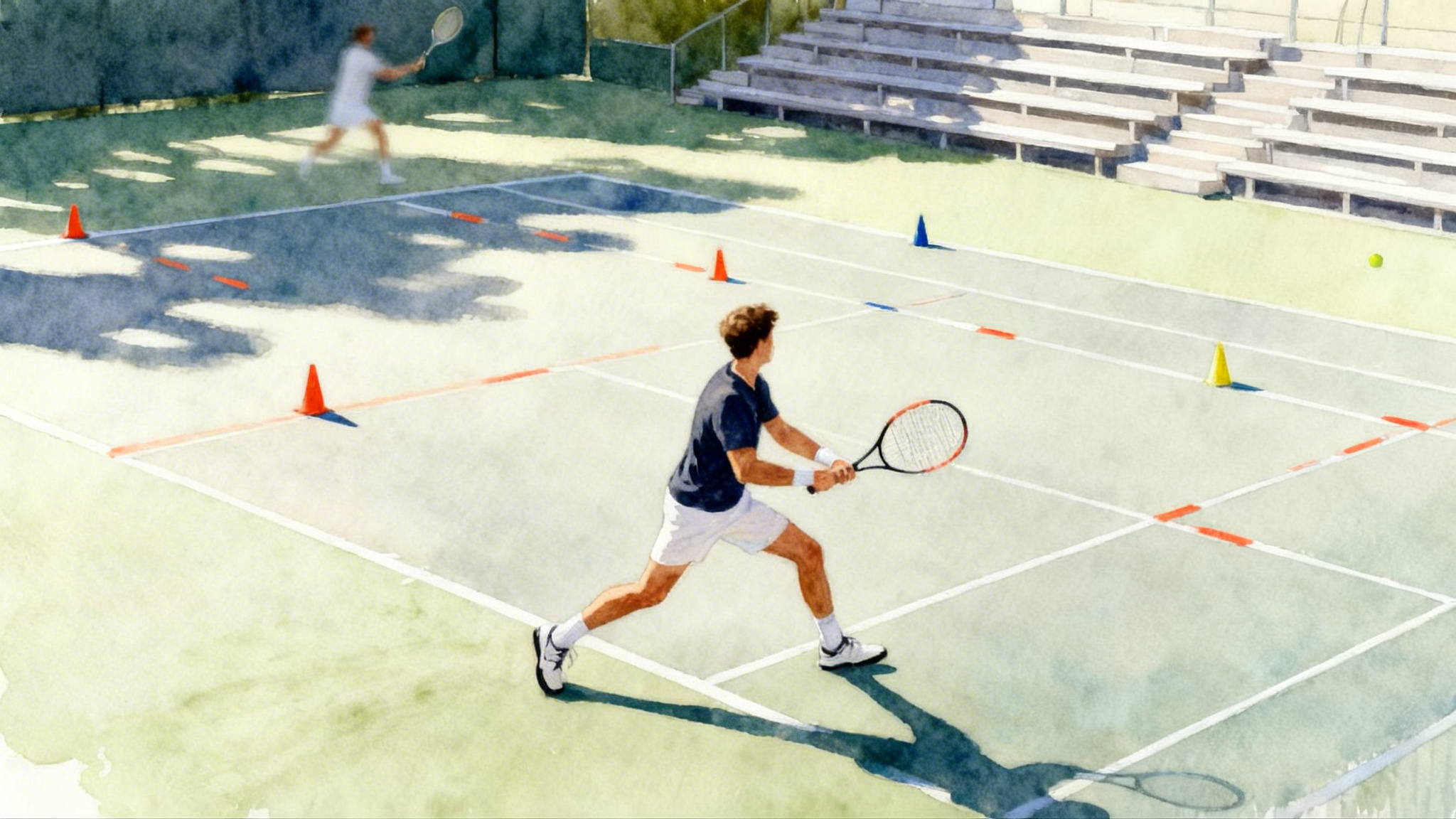
Why the return of serve quietly decides more matches than you think
Everyone talks about aces and heavy first balls. Yet at most levels, matches swing on second serves, neutralizing body serves, and the handful of break points that decide a set. In plain terms, the return is your first chance to take control. If your return lands deep and early in the rally, you force the server to start from defense. If your return sits short or sprays wide, the server gets a free swing on the next ball.
Think of the return as a three-step job description: read, move, and contact. Read the server’s cues before the toss, move on time with a clean split step and first step, and make contact with a compact swing that fits the time you actually have. Do those three jobs even at a solid, unspectacular level and your break percentage climbs. When you can add purposeful direction and depth, the server starts to press.
The three jobs of a great returner
- Read: pick up the pattern, see the toss, predict the shape.
- Move: split on time, create space with the first step, stay balanced through contact.
- Contact: compact backswing, firm contact, simple follow-through to a clear target.
A helpful mental picture is a traffic light. Green means a slow or predictable second serve. You can drive through and swing. Yellow is a decent first serve into a big target. You respect it, shorten the swing, and play a high percentage target. Red is a heavy first serve to the corners or your body. You block or deflect, land the ball deep, then recover immediately.
Foundations that never go out of style
Stance and posture
Start ready with your feet just wider than shoulder width, hips relaxed, and the racquet high in front of your chest. Keep your chin level so both eyes track the toss and the initial flight of the ball. If your head tilts, you lose depth perception and react a beat late.
The split step that unlocks quick reactions
Time your split so your feet land as the server makes contact. The landing stores elastic energy in your calves and hips. That energy releases into your first step. Early or late landings blunt that spring and make you feel slow, even when you are fit. On second serves, you can cheat the timing slightly forward and land just a hair earlier to take ground.
The unit turn and a compact swing
As soon as you read the side, coil your chest and shoulders toward the ball. Keep the racquet outside your hands and resist the urge to loop. A small set with the racquet head above the wrist is enough. The ball is already bringing the pace. You are shaping it and sending it.
Reading the serve like a scout
Great returners are detectives. They collect tiny clues.
- Toss location: a toss that drifts right for a right-handed server often signals slice to the deuce court and kick to the ad court.
- Shoulders and hips: a square chest often accompanies a body serve. A closed front shoulder can telegraph wide.
- Rhythm: some servers speed up their motion on a second serve. Others slow everything down and add spin. Track it for two games and you will see a pattern.
- Scoreboard bias: at 30–40 many players protect the wide serve they love and hide behind the body serve. At 0–0 they try their favorite wide spot to settle in. Write it in your mind and test your hunch on the next critical point.
- Lefties: reverse the directions. Expect wide slice to ad court and kick up and away to deuce court.
Footwork patterns you will actually use
You do not need twenty patterns. You need four reliable ones.
- Jam escape: when the ball comes into your body, hop back a half step with your outside foot, clear space with a small pivot, and block crosscourt. Think of unbuttoning a tight jacket to make room.
- Wide reach: when the serve drags you outside, crossover the outside leg first, plant, and swing or block. Recover with a crossover back toward the baseline center.
- Step in and drive: on second serves, step in with your front foot as you land the split, set the racquet early, and drive through contact.
- Hold and chip: when the net player in doubles threatens a poach, hold your split a fraction longer, chip low crosscourt, and make the volleyer hit up.
Practice these patterns on both deuce and ad courts. The geometry changes the recovery. On the deuce court, a crosscourt return brings you back toward the center. On the ad court, a crosscourt return can pull you outside the doubles alley if you admire the shot. Hit and move.
Contact point and swing shape
Your return swing needs to fit the serve you face.
- First serve: think set and send. Racquet sets above the wrist, shoulder turn does most of the backswing, and you send the strings straight through the line of the ball. Finish short with a firm wrist. Your goal is depth, not winner speed.
- Second serve: you can create more shape. Let the racquet drop slightly below the ball, brush up and forward, and finish shoulder height. Keep the butt cap of the racquet pointing at the ball longer so you do not rush the forward swing.
Common cues that help:
- “Quiet head” through contact. See the ball blur, not the racquet waggle.
- “One clean sound.” If you hear a double hit or string slap, your swing path wobbled.
- “Strings to the target.” Pick a letter on the sponsor sign and send the ball there.
Drills that change real matches
You can build a better return with simple tools. A basket of balls, a partner, and markers on the court are enough.
- Reaction ladder, 5 minutes
- Place an agility ladder or mark five boxes with chalk. Have a partner call out left or right as they toss the ball. Split on the call, step to that side, and catch the ball in front of your lead hip. No racquet yet. Ten reps each direction, twice.
Why it works: you are isolating the read and first step without the complexity of a swing.
- Wall send and stick, 8 minutes
- Stand 15 feet from a wall. Have a partner bounce feed firmly at your body. Block with a firm wrist and aim for a square on the wall you mark with tape. Five sets of ten, then switch to forehand. The return is a volley from the baseline. Train it that way.
- Boxed targets, 12 minutes
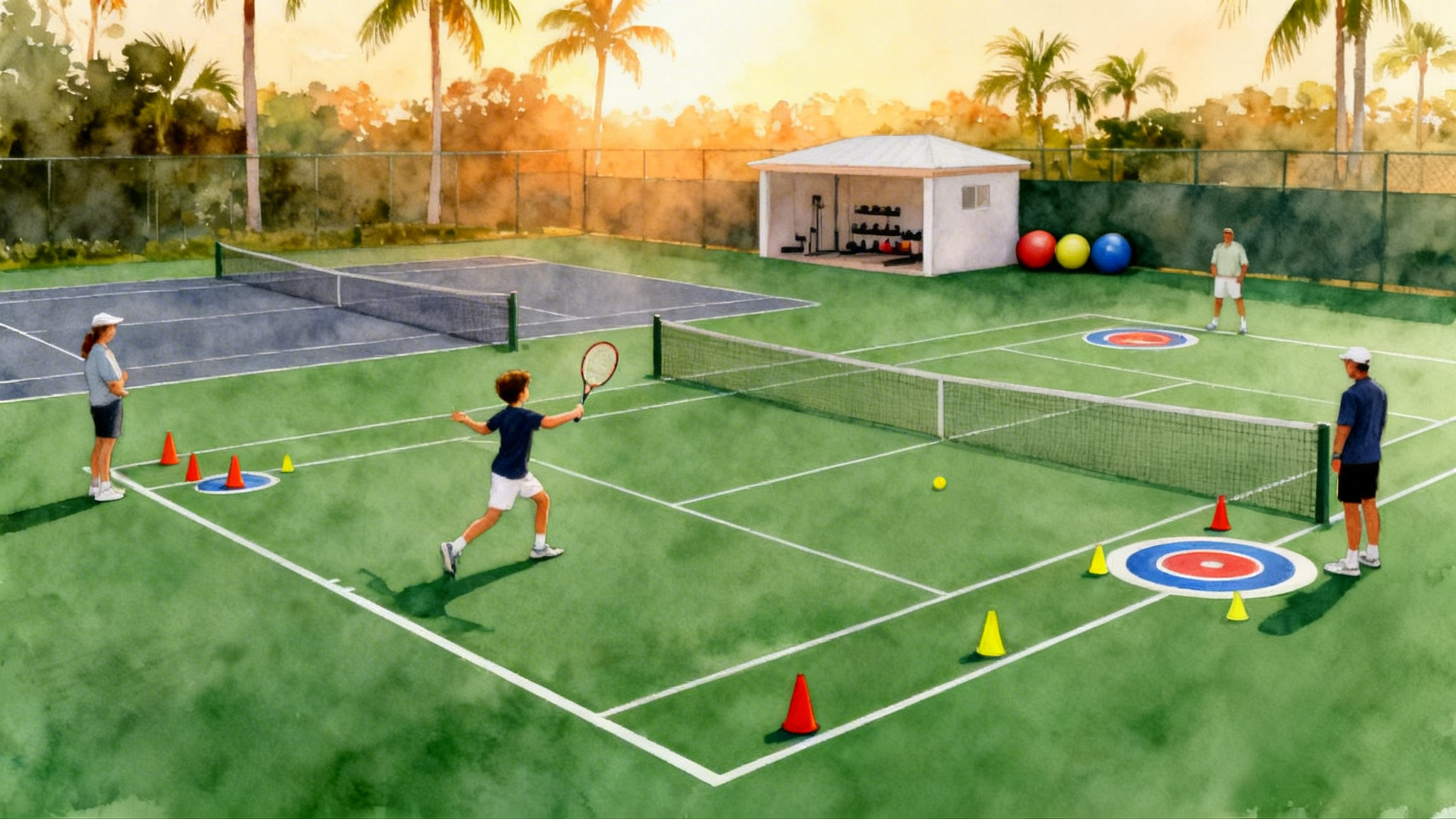
- Tape or cone two targets: deep crosscourt and deep middle. Your partner serves at 60 to 70 percent to both corners. You track in-play percentage and deep percentage. Two sets of 20 per side. Goal: 75 percent in play, 50 percent deep.
- Second serve drive, 10 minutes
- Partner hits second serves only. You stand one small step inside the baseline. Split slightly early, step in, and swing through your target. Score two points for a deep return, one point for any in-play ball, minus one for an error. First to 15.
- Body serve survival, 8 minutes
- Partner aims at your hips. Your only goal is to clear space and stick the return through the middle third of the court. Two rounds of 12 balls per side. Recover your balance after each. Count how many you win in a row. Aim for streaks of five or more.
- Video feedback, 6 minutes
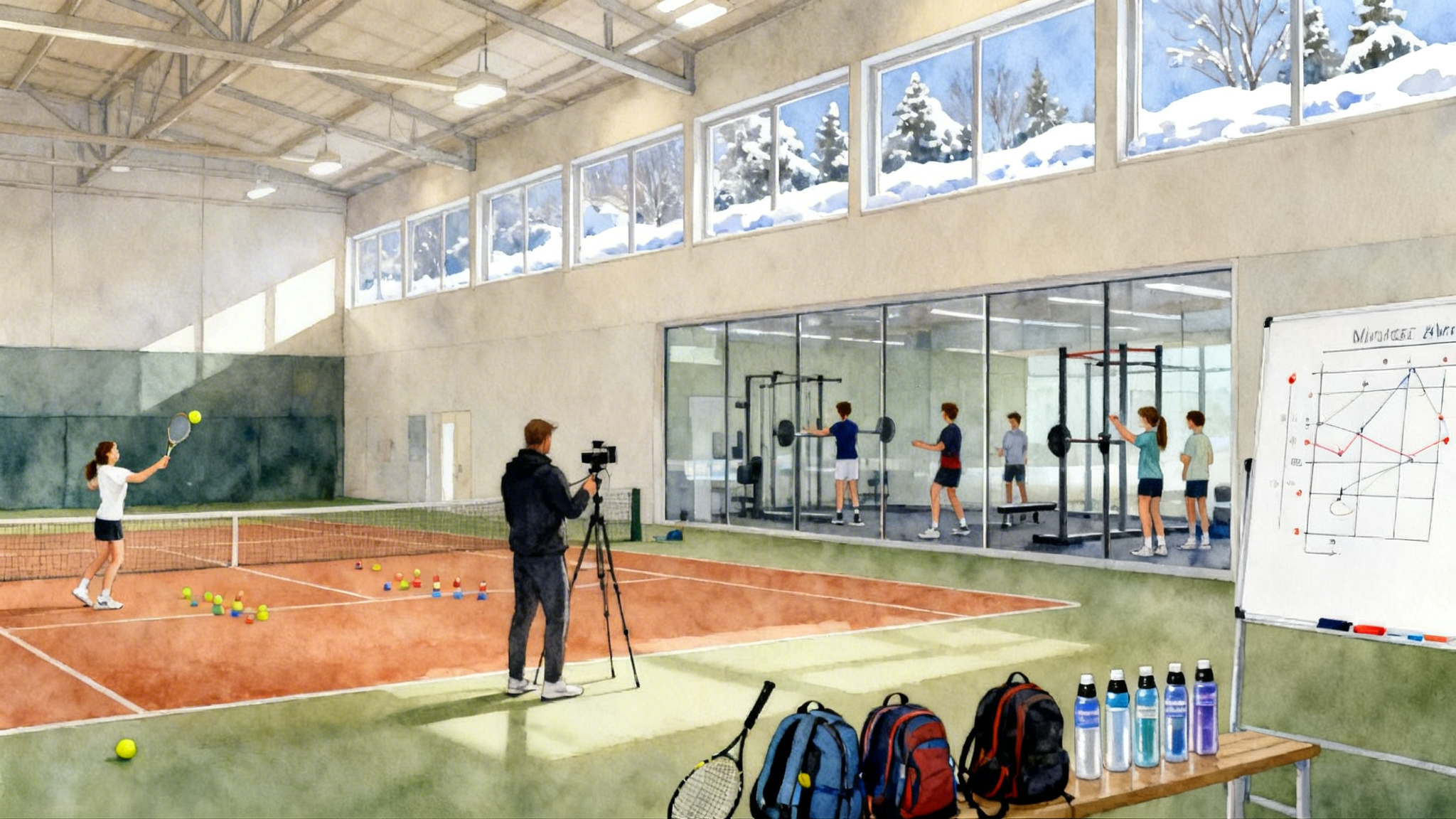
- Film in slow motion with a phone. Check three things: do your feet land on the split at contact, does your racquet set outside your hands, and does your head stay still through the hit. Tools like SwingVision can automate some of this timing, but a phone on a fence gives plenty of truth.
If you like to organize your sessions, save drills and targets inside the TennisAcademy practice hub. Planning a camp week? Compare options in our Florida tennis academies 2026 guide to pair training with court time.
Choosing tactics by serve speed and shape
You do not need a radar gun to categorize serves. Build simple tiers by feel and reaction time.
- Tier 1, heavy first serves: shorten the swing, choose big crosscourt or middle, and commit to depth. Your recovery matters more than your finish.
- Tier 2, average first serves: shorten, but swing through the ball. When in doubt, aim middle and deep. It buys reaction time and avoids giving away angles.
- Tier 3, second serves: step in, put your weight through the ball, and pick a specific, aggressive target. Make the server defend the very next shot.
Spin matters. Slice will try to pull you outside and down. Fight it by setting the racquet early and sending the ball back through the middle third. Kick will try to climb and push your contact higher. Meet it sooner, before the bounce climbs over your shoulder. Flat will rush your contact window. Commit to a simple block or short drive.
Patterns that pay under pressure
Have a default play for each return side. Pressure scrambles your decision making if you have to invent a plan.
- Deuce court default: firm crosscourt to the deep third. It stretches the server and opens the next ball to the open court.
- Ad court default: deep through the middle. It keeps you safe from giving up the angle and sets a neutral rally pattern.
- Red alert body serve: block middle, recover fast, and make the server volley up.
- Second serve attack: step in and drive crosscourt three times in a row early in the match. The message is clear. The next time the server faces break point, the second serve shrinks.
Doubles specifics that win games
Doubles rewards clarity. You must solve two problems at once, the serve and the net player.
- Respect the middle first. A solid crosscourt return that lands near the inside foot of the server is the most valuable doubles shot you can own.
- Watch the poach signal. If your opponents use Australian or I formation, hold your split a fraction longer so you can see the commit. Chip low crosscourt when the net player moves early. Lob over the backhand shoulder when they jump late.
- Backhand block from both sides. Build a reliable backhand block that you can point like a flashlight at the alley or at the feet of the server.
- Communication with your partner. Call your intention, drive or chip, and your target. Your partner can then take the middle on anything above net height.
Solo and partner practice menus
When you practice alone:
- Serve reader: stand in a public park near a court and watch five minutes of serves. Call direction before contact. It trains your eyes at no physical cost.
- Ball machine: set lower speed but high frequency. Force a small split and first step on every ball. Pretend the machine is a server and you must be early.
- Wall routine: five minutes firm block, five minutes step in and drive, five minutes deep middle targets.
With a partner:
- Play return games only. Server gets one serve, second-serve pace. Returner scores normal. Race to 11 points. Switch ends.
- Serve plus one neutral. Server hits the first ball only to the returner’s side. The returner must land deep and then finish the next ball anywhere.
- Two ball toughness. After every return, your partner throws a random extra ball anywhere. Train the immediate recovery and readiness.
Prefer a structured environment? Programs like Gomez Tennis Academy in Naples and Legend Tennis Academy near Austin emphasize repeatable return patterns and simple stat tracking.
A 21 day return plan you can track
Three weeks is long enough to build timing habits without losing interest. Keep a simple log of three numbers each day: in-play percentage, deep percentage, and one sentence about your timing cue that worked.
Week 1, foundations
- Day 1: reaction ladder and wall send and stick, 20 minutes.
- Day 2: boxed targets with slow serves, 25 minutes.
- Day 3: body serve survival, 20 minutes.
- Day 4: video feedback, 15 minutes, plus ten minutes of free returns.
- Day 5: second serve drive scoring game, 20 minutes.
- Day 6: doubles chip and hold with a partner, 25 minutes.
- Day 7: light day, ten minutes of wall work, review your notes.
Week 2, pressure and purpose
- Day 8: boxed targets with score, two sets to 15 per side.
- Day 9: return games only with a partner, two races to 11.
- Day 10: wide reach pattern plus recovery, 20 minutes each side.
- Day 11: body serve plus random extra ball, 25 minutes.
- Day 12: second serve attack reps from inside the baseline, 20 minutes.
- Day 13: doubles I formation reading, 20 minutes, practice the hold and chip.
- Day 14: rest or light wall routine.
Week 3, match rehearsal
- Day 15: simulated service games. Your partner serves full pace. You play two return games on each side.
- Day 16: deep middle challenge. Score only deep returns. First to 12.
- Day 17: serve shape rehearsal. Your partner announces slice, flat, or kick. You call target out loud before the toss and live with your choice.
- Day 18: video feedback repeat. Compare to Day 4. Check split timing and head stillness.
- Day 19: doubles pressure. Return with a poaching net player for twenty minutes.
- Day 20: favorite pattern day. Rehearse your deuce and ad default plays for thirty balls each.
- Day 21: match, track return in-play and deep percentages on a notepad.
Targets for the end of Week 3:
- Singles: 70 percent returns in play on first serves, 85 percent on second serves, at least half landing deep.
- Doubles: 80 percent crosscourt returns in play, most of them at or below net height.
Gear choices that support better returns
Strings and tension change how the ball leaves your strings. A slightly softer polyester or a hybrid with a synthetic gut main can add control without punishing your arm. If your returns float, raise tension two pounds. If they dive into the net, lower tension two pounds. Shoes with stable sidewalls matter because the return starts with a sharp lateral move. Brands like Asics, Nike, and New Balance design specific tennis models that protect against rolling ankles. Use what fits your foot and keeps you confident.
Racquet weight and balance change stability on blocks. If your frame wobbles on first serve returns, add two grams of lead tape at three and nine o’clock, then test again. Small changes can pay off quickly.
Common mistakes and fast fixes
- Standing too far back on second serves: step up one shoe length and shorten your backswing. Meet the ball earlier.
- Late split step: set an audible cue with your partner. They say hit on contact, you land on hit. Use the video check.
- Watching the ball bounce longer than needed: look through the ball into the court you plan to hit. It keeps your chest moving forward.
- Fishing for winners: pick bigger targets and measure depth, not lines painted near the corner.
- Over-rotating: keep your front shoulder firm through contact. You can unwind after you send the ball.
How to measure progress like a coach
Numbers remove emotion. Track three simple statistics in practice and matches.
- In-play percentage: balls that land in off the return. Target 70 percent or better on first serves and 85 percent or better on second serves.
- Deep percentage: returns that land past the service line. Target 50 percent or better.
- Directional intent: how often you hit your chosen target. Aim for 60 percent when you are fresh and 50 percent when you are tired.
If you use video or a smart sensor, you can also track contact height and contact distance from your body. You want a consistent zone near the front hip on the forehand and just ahead of the front foot on the backhand.
Bringing it all together
Professional players rely on sophisticated tools like Hawk Eye ball tracking and detailed serve charts. You have something just as powerful. You can build a simple plan, practice a few reliable patterns, and track a handful of numbers. Read, move, and contact are your three jobs. Do them with clear intent for three weeks and servers will start to feel you on the other side of the net. They will press for bigger targets and you will get more short balls. That is how a quiet skill becomes a scoreboard edge.
When you walk on court for your next match, carry one cue only. Land your split as the server hits, then send the first return deep through a big target. The point starts on your terms. The rest of the day gets simpler from there.