Best Germany Tennis Academies 2026: Berlin, NRW, Bavaria Guide
A practical buyer’s guide to Germany’s best high performance tennis academies in Berlin, North Rhine Westphalia, and Bavaria. Compare boutique and campus models, surfaces, ratios, boarding, costs, and competition pathways.
 Tommy
Tommy
How to use this guide
This is a practical buyer’s guide for families evaluating high performance tennis academies in three German hotspots: Berlin, North Rhine Westphalia (NRW), and Bavaria. We compare boutique programs like TennisTree academy in Berlin and ToBe Tennis Academy in Alsdorf with larger, campus style centers that integrate multiple courts, fitness facilities, and academics. You will find concrete comparisons on surface mix, indoor access across seasons, on court training ratios, housing and academics, monthly cost bands, and the competition pathways that matter for rankings and recruiting.
Read it with your player’s goals in mind. If your junior is tracking toward United States college tennis, you will need different training patterns and video artifacts than a player planning an early transition to professional events. Each section ends with one clear action so you can move from research to decision.
If you are cross shopping warmer options in Europe, see our Best Spain Tennis Academies 2026 guide.
Germany at a glance: surfaces, seasons, and schedules
- Surface mix: Most outdoor courts in Germany are red clay. Indoors you will find hard, acrylic like hard, or carpet like surfaces. Juniors who grew up on hard courts usually need three to five weeks to adapt their movement and point patterns to clay. Players raised on clay typically need two to three weeks to adjust timing to indoor hard.
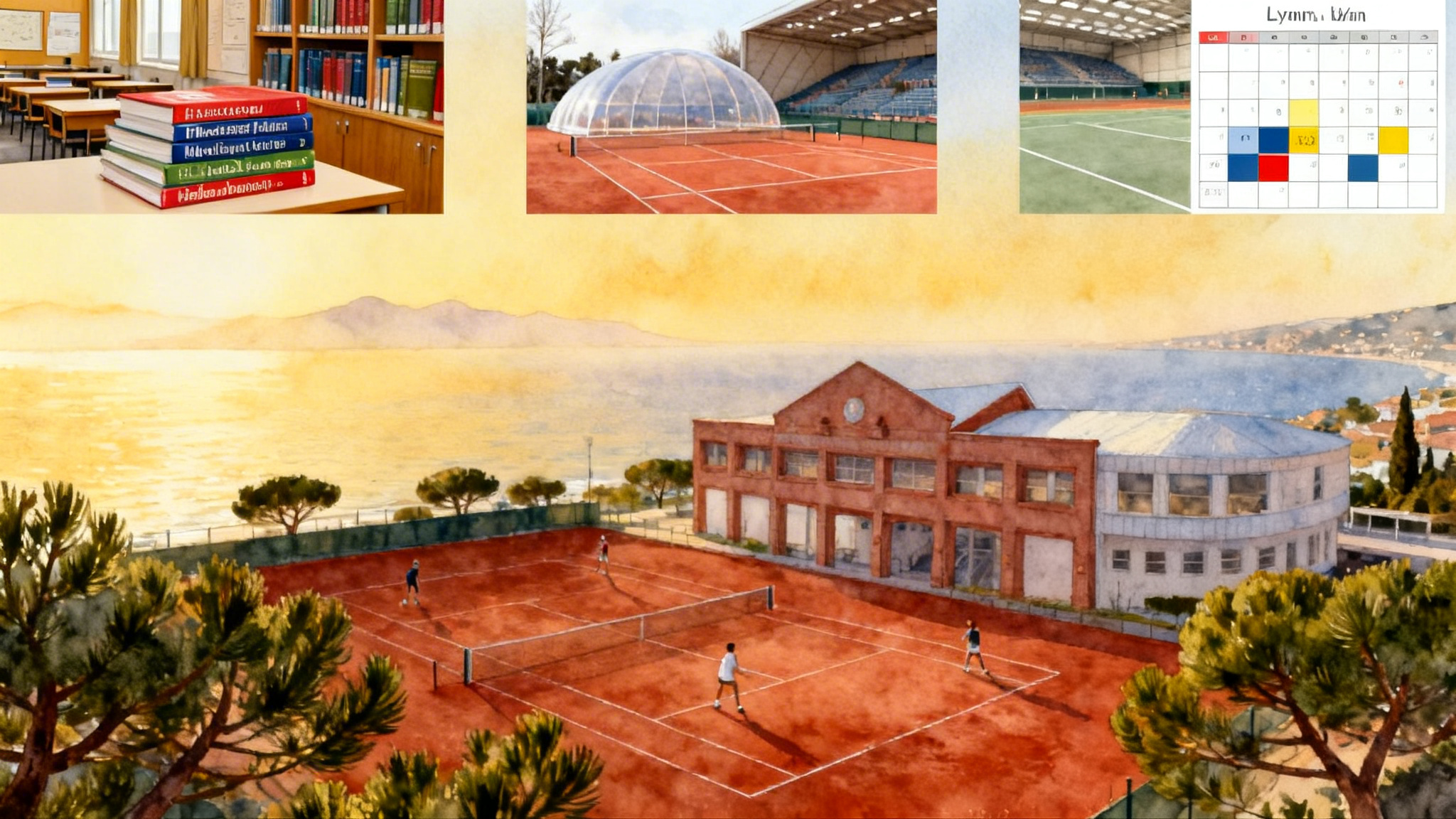
- Seasonality: Outdoor clay peaks from April to September. From October to March, training relies heavily on indoor halls and bubbles. Berlin and Bavaria have similar winters, which means more indoor volume from November through March. NRW is milder, but indoor planning is still essential from late autumn through early spring.
- Match rhythm: The German calendar offers local league play, regional events, and national tournaments nearly year round. A clay heavy spring and summer helps build point construction and physical resilience, while the indoor months sharpen first strike patterns.
Action: Ask each academy for a month by month plan that shows indoor hours, outdoor availability, and the expected tournament rhythm for your age group.
Boutique vs campus: which model fits your player
Two models dominate serious training in Germany.
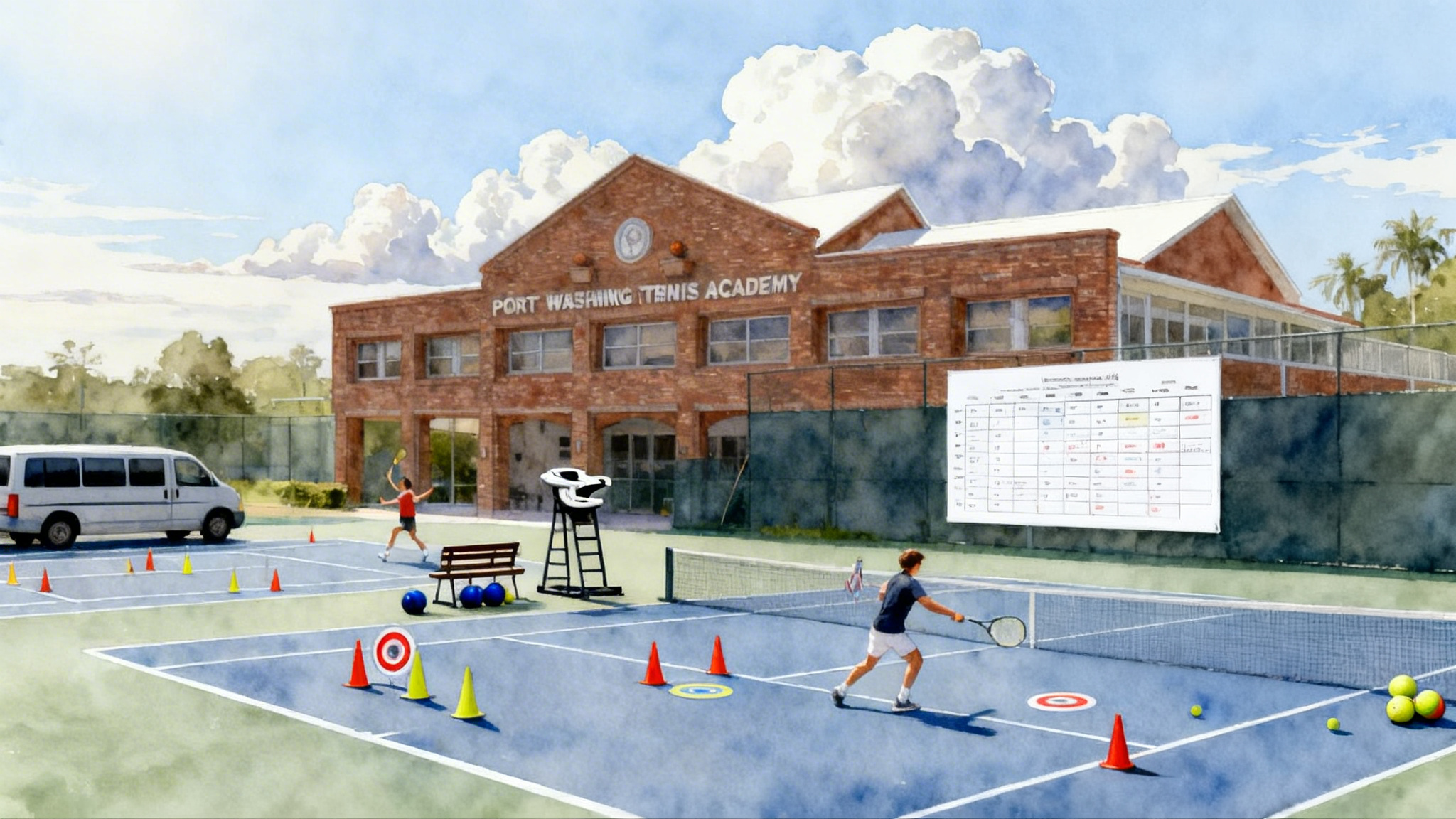
- Boutique programs: Small squads, high coach contact, flexible daily design. Examples in this category include TennisTree academy in Berlin and ToBe Tennis Academy in Alsdorf. Boutique programs suit players who need targeted technical rebuilds, rapid feedback loops, and personalized tournament scheduling.
- Campus style centers: Larger facilities with many courts, integrated fitness, physio, and common boarding. Bavaria’s ecosystem features this model prominently, with regional and state federation bases, as well as private centers that function like small sports campuses. Campus centers fit players who thrive in structured routines, deep sparring pools, and predictable weekly schedules.
Action: Decide whether your player needs customization first or daily match variety first. This single choice will cut your shortlist in half.
Snapshot: Berlin, NRW, and Bavaria
Berlin tennis academies
- Who it suits: Technical apprenticeships, players who want a cosmopolitan city, and families seeking direct flights and rail access across Europe.
- Surface and access: Clay outdoors in season, extensive indoor hard and carpet options all winter. Many programs schedule two on court sessions per day plus one fitness block.
- Boutique highlight: TennisTree runs deliberately small training pods and emphasizes individual progress tracking. Expect frequent video review and debriefs. Players often join Berlin club teams for live match play on weekends.
North Rhine Westphalia tennis academies (NRW)
- Who it suits: Players who want consistent match play without heavy travel. NRW is dense with clubs and tournaments, which is ideal for frequent competitive reps.
- Surface and access: Similar surface mix to Berlin with slightly milder winters. Indoor capacity is strong, so year round planning is straightforward.
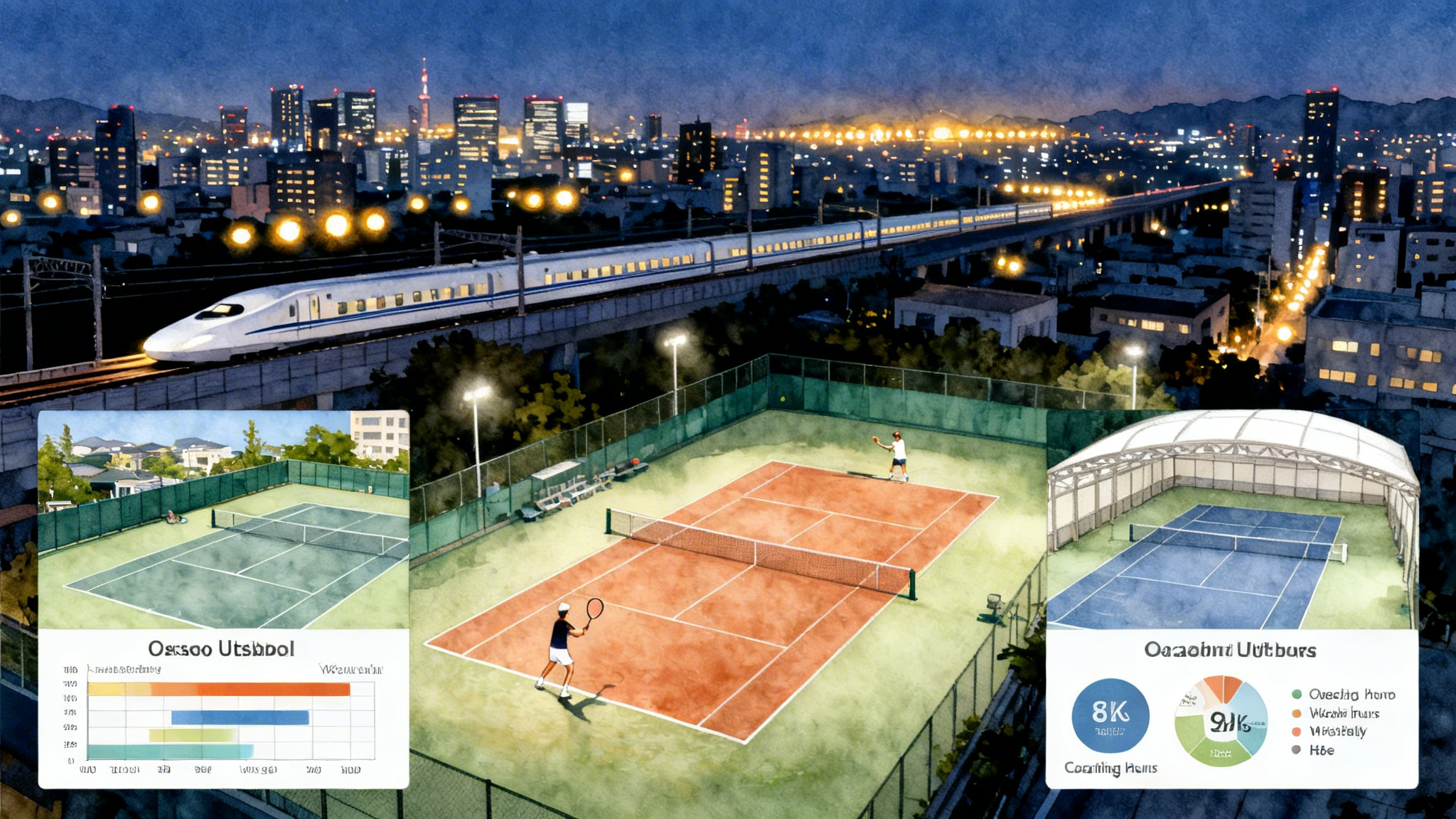
- Boutique highlight: ToBe in Alsdorf focuses on tight feedback loops and efficient daily structures. The location near Aachen, Cologne, and Düsseldorf gives access to a wide radius of events.
Bavaria tennis academies
- Who it suits: Players who like a campus atmosphere, deep sparring pools, and integrated support like physio and testing. Munich’s airport and rail links help with European tournament travel.
- Surface and access: Clay rich summers, robust indoor options in winter. Campus style centers typically pair indoor hard with separate strength zones and recovery rooms.
Action: For each region, list the three biggest weekly friction points for your family, such as commute time, language support, or grocery access without a car. Cross off academies that create more friction than they remove.
Training ratios, schedules, and coaching format
- Ratios: Boutique academies typically run 1 coach to 3 or 4 players in group drills, with frequent 1 to 1 technical blocks. Campus centers often run 1 to 4 or 1 to 6 in group phases, with paid add ons for private lessons.
- Daily volume: A common high performance day includes 2 to 3 hours on court, 60 to 90 minutes of strength and conditioning, and 20 to 30 minutes of recovery work such as mobility, breath work, or contrast showers.
- Match play: Expect two match play sessions per week in term time, three in pre competition weeks. In Germany, many juniors also compete for club teams, which adds live pressure and doubles practice.
- Tracking: Better programs log session goals, heart rate or perceived exertion, and match statistics. Boutique settings may deliver this in shared docs and video clips. Campus centers often add periodic testing and a formal review cycle.
Action: Request one anonymized weekly plan and one match report example from each academy to see how detail turns into day to day coaching.
Academics, boarding, and lifestyle
- Academics: Options include local public schools, international schools, and online or hybrid programs. Boutique programs often coordinate with a nearby school on an adjusted schedule. Campus centers may partner with private or international schools and provide tutoring blocks on site.
- Boarding: Boutique programs commonly use supervised apartments or host families. Campus centers often run dorm style housing with house parents, curfews, and study hall.
- Language: Instruction on court is commonly in English plus German. Academic placement depends on school choice. Families targeting university in English speaking countries often prefer international schools.
- Weekends: Expect domestic tournaments or travel blocks. In larger centers, players can find same level sparring without leaving campus, which reduces fatigue.
Action: Ask for a sample school week that shows class times against training windows, plus a map of boarding, courts, and school to estimate daily transit time.
Monthly cost bands in 2026
Every academy prices differently, but the following ranges describe typical high performance setups in Germany.
- Training only, five days per week: 1,200 to 2,200 euros per month at campus centers, 900 to 1,800 euros at boutique programs depending on private lesson frequency.
- Boarding with half board meals: add 1,300 to 2,000 euros per month for supervised housing, utilities, transport to training, and weekday meals.
- Tournament coaching and travel support: 80 to 150 euros per match day in local events, higher for national or international trips that require lodging.
- Extras: Physio packages, strength testing, sports psychology, nutrition consults, and stringing usually sit outside the base fee.
Action: Request a single all in quote that covers ten months of training, two months of travel heavy competition, and a contingency for injury or academic exam weeks. You need an apples to apples view.
Competition pathways: DTB, Tennis Europe, and ITF
Germany offers a clean staircase for developing players.
- DTB: The national federation runs a structured ranking and tournament system that feeds from local to national level. For current rules and calendars, start on the German Tennis Federation rules and calendar. DTB points underpin club selection and many domestic seedings.
- Tennis Europe: Under 14 and Under 16 events build international experience and travel skills. These events reward consistency across the week, not just hot streaks.
- ITF World Tennis Tour Juniors: Under 18 events generate international rankings and useful recruiting signals. Many German events run on clay, which helps players build patience and transition patterns.
How academies plug in:
- Boutique programs often hand build your tournament schedule, look after entries, and send a coach for key weeks.
- Campus centers tend to move groups through the same event blocks, which is efficient for logistics and peer support.
Action: Show each academy your player’s recent match history and ask them to map the next twelve months by level and surface. If two plans look the same, favor the one with clearer feedback loops.
Decision framework: United States college route
Players targeting United States college tennis need to think like student athletes first and prospecting professionals second. Here is a compact plan.
- Academics: Keep transcripts organized, sit language tests if required, and build teacher references early. Time class loads to avoid peaking during key recruiting windows.
- On court metrics: Coaches care about live level. Universal Tennis Rating and relevant rankings tell part of the story. Video that shows point patterns and decision making tells the rest.
- Competition mix: Aim for steady DTB results, selected Tennis Europe or ITF juniors for international credibility, plus club matches that show doubles skill and leadership.
- Communication cadence: Prepare a clean player page with recent video, results, and coach references. Update coaches monthly during prime recruiting windows.
- Financial picture: Private colleges often mix athletic and academic scholarships. Public options may prioritize in state budgets. Your academy should help you package the right tournaments to meet roster needs.
Three steps to lock this in:
- Build a school list by roster needs, not only by brand name.
- Create two videos: a five minute match highlights reel and a three minute practice reel with serve plus one and return games.
- Map your last eighteen months of junior eligibility to ensure you hit peak exposure windows before aging up.
Action: Ask the academy which college programs they placed players into over the past three years and what common thread those recruits shared.
Decision framework: early professional route
If the goal is to trial professional events before or alongside college, reverse the order of priorities.
- Physical base: Build a two year plan that progressively raises weekly load capacity. Clay blocks develop endurance and tactical patience. Short indoor blocks sharpen first strike weapons.
- Tournament entries: Identify realistic entry points such as national open championships, then step into one or two ITF World Tennis Tour events to test travel skills and match weight.
- Doubles as a lever: Doubles points and pressure reps speed up learning, especially in indoor seasons. A strong doubles resume also keeps the college route open.
- Budget and pacing: Target two to three international trips per year at first, each seven to ten days. Early wins are learning wins. Decide after twelve to eighteen months if a full time push makes sense.
Action: Ask for a written progression plan that names event types, load targets, and skill gates you must pass before increasing travel.
International families: travel, visas, and logistics
- Visas and residence: Short stays usually fit within Schengen rules. Longer stays often require a residence permit that fits study or training. The German Federal Foreign Office lists current documents and timelines, and consulates can advise on minors.
- Health insurance: Proof of coverage is standard. Boarding schools or academies may require specific policies for physiotherapy and hospital care.
- Guardianship: Minors living in Germany without parents usually need a local guardian. Confirm who holds educational and medical authority in writing.
- Registration and banking: Stays longer than a few months require local registration at the town hall, often called Anmeldung. A local bank account simplifies rent or boarding payments.
- Airports and trains: Berlin Brandenburg serves the capital, Düsseldorf and Cologne Bonn cover much of NRW, and Munich anchors Bavaria. Germany’s rail network connects tournaments with predictable timing.
Action: Ask the academy for a standard letter of invitation for visa use, a boarding contract template, and a sample insurance certificate that has already cleared their requirements.
Sample training week and budget
A typical high performance week in season might look like this.
- Monday: Morning technical rebuilds, afternoon patterns and serves, mobility.
- Tuesday: Live ball drills, acceleration work, match play set.
- Wednesday: Video review, point construction on clay, strength session.
- Thursday: Return plus transition work, doubles, recovery.
- Friday: Match play with umpired sets, light lift.
- Saturday or Sunday: Tournament matches or club team play.
Annual budget sketch for a full time junior in Germany, ten months on site and two travel heavy months:
- Training fees: 12,000 to 22,000 euros.
- Boarding and meals: 13,000 to 20,000 euros.
- Tournament travel inside Germany: 3,000 to 6,000 euros.
- International trips and entries: 4,000 to 10,000 euros depending on route.
- Services and extras: 2,000 to 5,000 euros for physio, psychology, stringing, equipment.
Action: Build two budgets, one boutique heavy and one campus heavy, then compare not only totals but also how each euro changes skills and opportunities.
How to shortlist and visit
- Build a three academy shortlist: one boutique, one campus in your preferred region, and a third that solves a different problem such as boarding or language.
- Run a trial week: Watch a full day, not only a single session. You want to see warmups, transitions, coaching tone, and cool downs.
- Talk to current families: Ask about coach responsiveness, tournament logistics, and how the academy reacts to injury or school crunch periods.
- Review data: Confirm how the academy measures progress beyond win loss records. Look for clear skill gates such as serve speed targets, physical benchmarks, and tactical outcomes.
Action: Before you leave the visit, write a one page summary with three things the academy does better than your current setup and three open questions to resolve.
Final take
Boutique programs like TennisTree in Berlin and ToBe in Alsdorf win on personalization and rapid adjustments, which is ideal for technical rebuilds and specific match tendencies. Campus style centers in Bavaria and NRW excel at steady routine, deep sparring, and predictable logistics, which compound over a long season. Your best fit depends on whether your player needs precision or volume first, and whether your family values a city rhythm or a campus rhythm.
Pick the model that best removes your player’s biggest bottleneck, then commit to a twelve month plan that ties training blocks to specific tournament gates. The right academy is not just great facilities or famous alumni, it is a weekly machine that turns hours into skills, skills into results, and results into clear next steps.