Best Midwest Tennis Academies 2026: Chicago and Beyond
 Tommy
Tommy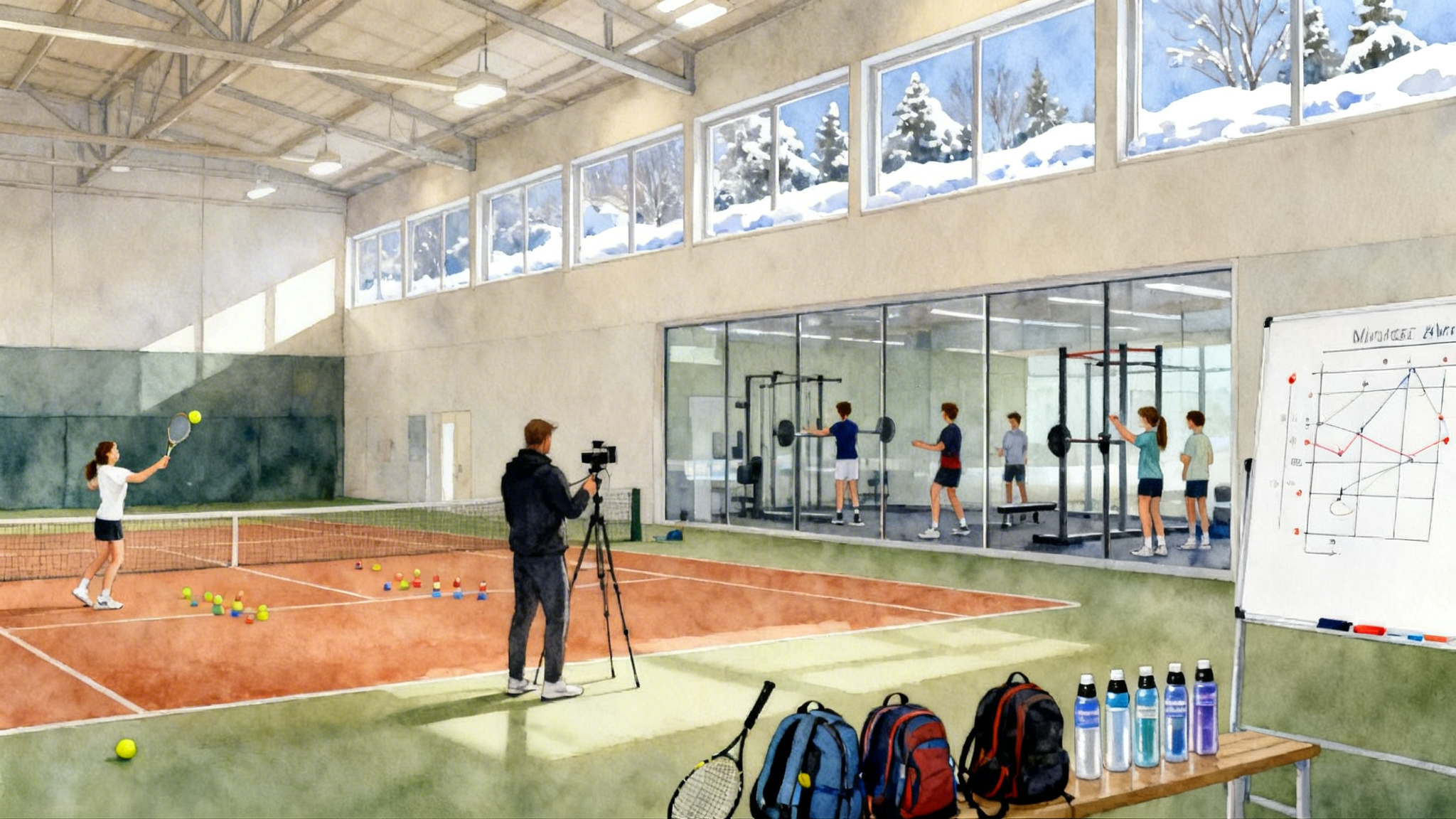
How we picked the best
Parents are not shopping for a logo. You are buying a daily training environment, a winter survival plan, and a launch pad to college or the professional tour. We evaluated Midwest academies on six pillars that matter in real life and in real winters.
The six buyer’s guide pillars
-
Training quality: daily coaching structure, ball quality, video use, fitness integration, and a clear plan for technical, tactical, and mental skills.
-
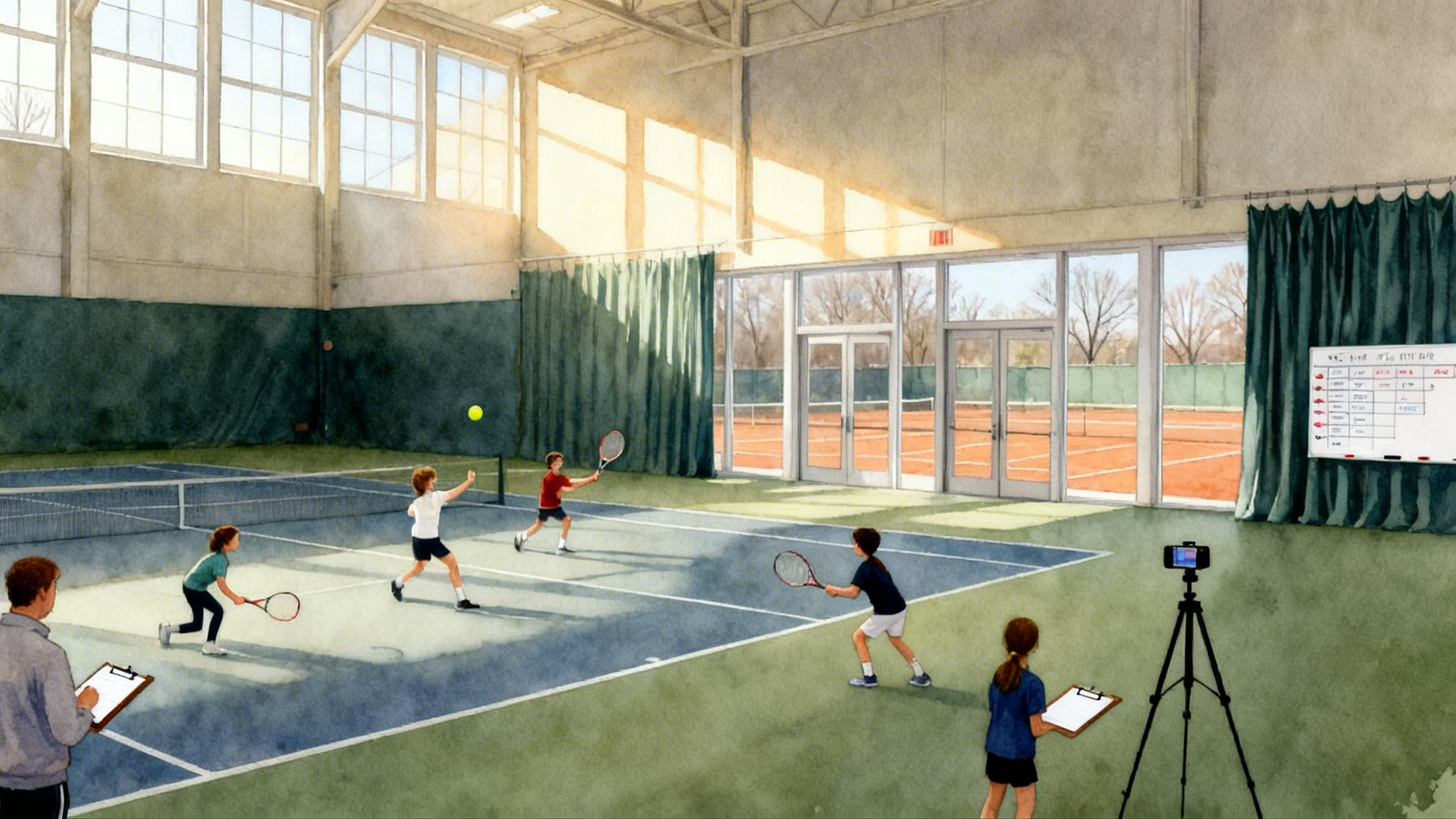
Winter indoor access: number of indoor courts relative to player load, reserved academy blocks during peak hours, and a weather plan that does not collapse in January.
-
Match play integration: built-in Universal Tennis Rating events and league or tournament scheduling, along with coaching feedback the next day. If you are new to ratings, start with this primer on what Universal Tennis Rating means.
-
Academic options: day program fit with local schools, flexibility for online or hybrid study, and whether any supervised study hall exists. Midwest boarding is rare, so we flagged real options.
-
Pricing transparency: published pricing or written menus before tryouts, clear refund and freeze policies, and whether add-on fees are posted ahead of time.
-
College placement support: honest placement list, coach introductions, video and profile help, and realistic guidance on level and timeline.
We also looked for two bonus signals: a culture of punctuality and data habits. If a program starts on time and measures court tasks, it likely manages match days and travel well too.
Editors’ picks by city
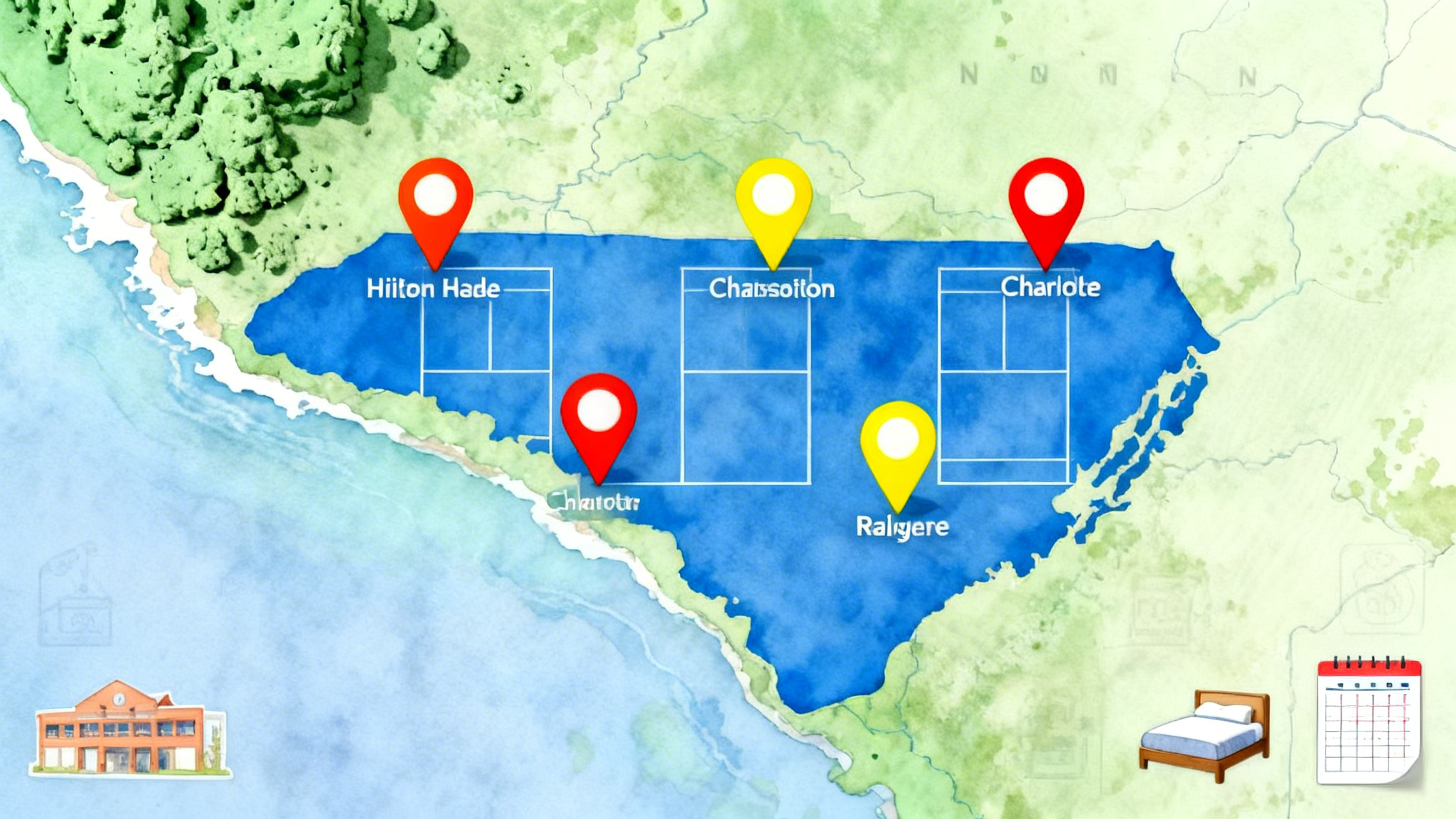
Below are our 2026 editors’ picks in Chicago, Detroit, and Minneapolis–Saint Paul, plus strong programs across Ohio, Indiana, and Wisconsin. Labels use plain language so you can compare quickly: Excellent, Strong, or Adequate for each pillar, plus a quick “best for” by age band.
Chicago
-
College Park Athletic Club, North Shore
- Training quality: Excellent. High-rep drilling with defined squads, consistent video and fitness blocks.
- Winter indoor access: Excellent. Large indoor inventory and protected academy blocks during after-school windows.
- Match play integration: Strong. Regular Universal Tennis Rating events and weekend United States Tennis Association tournament coordination.
- Academics: Day program with study hall windows; flexible with online coursework during travel weeks.
- Pricing transparency: Strong. Written program menus for squads, privates, and fitness add-ons.
- College placement support: Excellent. Deep alumni network and realistic school targeting.
- Best for: 12U foundations, 14–18U college-bound.
-
XS Tennis and Education Foundation, Chicago South Side
- Training quality: Strong. Balanced technical and athletic development with strong serve and footwork blocks.
- Winter indoor access: Strong. Modern indoor complex with consistent scheduling discipline.
- Match play integration: Strong. Frequent match play nights and Universal Tennis Rating events.
- Academics: Day program with education partnerships and homework support windows.
- Pricing transparency: Strong. Published scholarship pathways and program tiers.
- College placement support: Strong. Proven college placements and community mentorship.
- Best for: 12U starters who need structure, 14–18U players seeking match reps and city-based convenience.
-
Midtown Athletic Club High Performance, Chicago
- Training quality: Strong. Technical progressions, live ball patterns, and integrated strength and conditioning.
- Winter indoor access: Excellent. Reliable court time during peak winter.
- Match play integration: Adequate to Strong. Weekend league and tournament support; add Universal Tennis Rating blocks as needed.
- Academics: Day program; skilled at coordinating around rigorous schools.
- Pricing transparency: Adequate. Clear monthly plans, ask about add-ons for fitness and video.
- College placement support: Strong. Solid contacts across Divisions I, II, and III of the National Collegiate Athletic Association.
- Best for: 14–18U with established technique who need consistent winter intensity.
Chicago quick take: If you want the deepest winter buffer, start with College Park Athletic Club. If community and access matter most, XS Tennis delivers structure at scale. Midtown is a strong fit for older teens who want high-quality live ball and fitness without long commutes.
Detroit and greater Michigan
-
Franklin Athletic Club High Performance, Southfield
- Training quality: Strong. Pattern play, point construction, and tournament prep.
- Winter indoor access: Strong. Reliable court blocks across winter weekends.
- Match play integration: Strong. Regular dual matches and Universal Tennis Rating events.
- Academics: Day program that works with both public and private schools.
- Pricing transparency: Adequate to Strong. Clear squad tiers; confirm private lesson rates early.
- College placement support: Strong. Personal introductions and filming support for highlight reels.
- Best for: 14–18U varsity and college-bound players.
-
Huron Valley Tennis Club, Ann Arbor
- Training quality: Strong. Technique detailing and footwork detail for 12U and 14U.
- Winter indoor access: Strong. Solid indoor inventory for after-school blocks.
- Match play integration: Adequate to Strong. Local league play and planned tournament weekends.
- Academics: Day program friendly to rigorous school schedules.
- Pricing transparency: Strong. Posted program menus and session calendars.
- College placement support: Adequate to Strong with local guidance.
- Best for: 12U and early 14U who need technical stability and kind coaching.
-
Greater Midland Tennis Center, Midland
- Training quality: Excellent. Strong skill instruction, fitness infrastructure, and event hosting experience.
- Winter indoor access: Excellent. Multiple indoor banks and deep scheduling capacity.
- Match play integration: Excellent. Frequent Universal Tennis Rating events and strong tournament hosting.
- Academics: Day program with travel-savvy staff.
- Pricing transparency: Strong. Clear session details and event fees.
- College placement support: Strong. Good relationships across the Midwest college landscape.
- Best for: 12U to 18U who want a tournament hub with coaching on site.
Michigan quick take: For volume, travel logistics, and a tournament-rich calendar, Greater Midland stands out. Franklin is the metro Detroit choice for older teens. Huron Valley is a safe landing spot for younger players who need technique time.
Minneapolis–Saint Paul
-
Fred Wells Tennis and Education Center, Saint Paul
- Training quality: Strong. Player development that balances reps and movement, with strong community ethos.
- Winter indoor access: Strong. Reliable indoor courts and winter scheduling discipline.
- Match play integration: Strong. Universal Tennis Rating events and regular in-house match blocks.
- Academics: Day program with homework support windows; good fit for demanding schools.
- Pricing transparency: Strong. Clear program tiers; scholarship information available.
- College placement support: Adequate to Strong. Sound guidance and references.
- Best for: 12U to early 14U, and players who benefit from a supportive culture.
-
Life Time High Performance, Bloomington or Eden Prairie
- Training quality: Strong. Live ball intensity and fitness integration for older teens.
- Winter indoor access: Excellent. Large indoor footprint across locations.
- Match play integration: Strong. Regular Universal Tennis Rating events across the network.
- Academics: Day program with flexible scheduling.
- Pricing transparency: Adequate to Strong. Membership plus program fees; confirm all-in cost.
- College placement support: Strong. Network reach with regional colleges.
- Best for: 14–18U chasing volume and competition.
-
Baseline Tennis Center juniors, University of Minnesota
- Training quality: Strong. Advanced patterns, doubles work, and exposure to a college environment.
- Winter indoor access: Strong. Predictable scheduling during school year.
- Match play integration: Adequate to Strong. Good scrimmage opportunities and proximity to events.
- Academics: Day program; synergy with local schools.
- Pricing transparency: Adequate. Ask for a single sheet with all fees, including court time and fitness.
- College placement support: Adequate to Strong through staff connections.
- Best for: 14–18U who want a college-like practice vibe.
Twin Cities quick take: For 12U, start at Fred Wells for fundamentals and match play reps. Teens needing volume and intensity will feel at home in Life Time’s high performance. Baseline Tennis Center draws older teens who want a college-proximate environment.
Beyond the big three markets
-
Ohio
- Elysium Tennis, Columbus area: Excellent winter depth and structured squads. Best for 12U technique and 14–18U college prep.
- Queen City Racquet Club, Cincinnati: Strong training and frequent events. Best for tournament-heavy families who want short travel to competitive draws.
-
Indiana
- Indianapolis Racquet Club High Performance: Strong winter access and live ball. Best for 14–18U with clear college aims.
- Carmel Racquet Club: Strong for 12U and 14U skill building with a family-friendly cadence.
-
Wisconsin
- Elite Sports Clubs, Milwaukee area: Strong winter footprint across locations, good for consistent weekly volume.
- Nielsen Tennis Stadium juniors, Madison: University environment with structured clinics, ideal for 14–18U who like a campus feel.
Fast picks: best for each age and stage
- Best 12U foundations, big-metro access: College Park Athletic Club, XS Tennis, Fred Wells Tennis and Education Center.
- Best 14–18U college-track intensity: College Park Athletic Club, Life Time High Performance, Greater Midland Tennis Center.
- Best tournament hub for weekend warriors: Greater Midland Tennis Center, Queen City Racquet Club, Elysium Tennis.
- Best culture and support for multi-sport or late starters: Fred Wells Tennis and Education Center, Huron Valley Tennis Club, Carmel Racquet Club.
- Best gap-year or post graduate year staging base in the Midwest: College Park Athletic Club or Greater Midland Tennis Center, paired with structured academics and travel blocks.
To compare formats across regions and dig into specific programs, see our Best Northeast academies 2026 guide, the Top Florida academies 2026, and this detailed Life Time Tennis Academy profile.
What a strong training week actually looks like
You can only buy seven days at a time. Below are sample weeks that reflect what we see in the best-run Midwest academies. Use these as a benchmark when a program hands you a calendar.
Sample 12U week, summer or school-year light schedule
- Monday: 90 minutes technique and footwork, 45 minutes games and serve practice, 30 minutes strength and conditioning for kids, 15 minutes journaling and goals.
- Tuesday: 60 minutes cooperative drilling, 30 minutes red-ball or orange-ball teaching if needed, 60 minutes point play sets with coach feedback.
- Wednesday: 90 minutes technique and video check, 30 minutes serve and return patterns, 30 minutes agility and balance work.
- Thursday: 60 minutes pattern play, 60 minutes match play in short sets, 30 minutes flexibility and mobility.
- Friday: 60 minutes skills check, 60 minutes team games, 30 minutes core and injury-prevention work.
- Weekend: One Universal Tennis Rating match session or one United States Tennis Association Level 6 or Level 7 event, plus half day rest and family tennis.
Sample 14–18U week, school-year heavy schedule
- Monday: 120 minutes drilling and live ball, 30 minutes strength and conditioning, recovery protocol at home.
- Tuesday: 90 minutes serve and return plus patterns, 60 minutes match sets, 15 minutes video review.
- Wednesday: 75 minutes technical tune plus footwork, 45 minutes live ball pressure games, 30 minutes strength and conditioning.
- Thursday: 120 minutes match play with tactical themes, 15 minutes journaling on patterns that won or lost.
- Friday: 90 minutes doubles patterns, 30 minutes serves, 30 minutes mobility and recovery.
- Weekend: Universal Tennis Rating verified play or a United States Tennis Association Level 4 to Level 6 tournament, with Monday review of two improvement items and one repeatable strength.
Pro tip: Write the week you actually want. If a calendar is mostly feeding drills without match play or if strength and conditioning is an optional tack-on, ask the coaching staff to adjust the block or consider another program.
UTR and USTA, translated to actions
-
Universal Tennis Rating is a continuous rating that rewards frequent competitive play against known opponents. College coaches often scan a player’s match log and trend line first, then video. Start building your rating with two to four matches each month inside academy time or local events. If you need a primer, read an overview of what Universal Tennis Rating means on the official site you use to manage events.
-
United States Tennis Association junior tournaments slot into levels that influence ranking and experience. For 2026 planning, map school calendars to Level 4 to Level 7 events within three to five hours of home, then add one travel block for a stronger field during winter break. Learn the structure on the official page for USTA junior tournament levels.
Keep a simple dashboard: date, event, opponent level, two things that traveled well, two things that did not. Hand that sheet to your coach every Monday.
Application timelines for Summer and Fall 2026
Here are practical windows for the Midwest, aligned to school calendars and winter constraints. Mark your calendar with dates, not wishes.
-
January 15 to March 1, 2026: Outreach window. Email two or three target academies, share a short video reel, Universal Tennis Rating link, and school constraints. Ask for program menus and a sample weekly schedule.
-
March 1 to April 15, 2026: Tryouts and class placement. Attend one on-court evaluation and sit for a 15-minute parent meeting. Ask about estimated squad size in winter and how often your player will be capped by court availability.
-
By May 1, 2026: Reserve Summer 2026 blocks. Lock travel tournaments and submit deposits for June sessions. Confirm the exact number of weekly indoor hours in case of rain.
-
June to August 2026: Compete and assess. Track match logs and fitness gains. Book one mid-summer meeting to recalibrate.
-
June 15 to July 31, 2026: Fall 2026 planning. Decide between school tennis, full academy, or hybrid. Request Fall 2026 class placement and written calendars.
-
By August 15, 2026: Finalize Fall 2026. Complete paperwork, academic coordination, and travel tournament picks through Thanksgiving weekend.
Tip: If a program cannot tell you the maximum indoor headcount per court when snow hits, they have not stress-tested their winter.
Tuition bands and budgeting sanity check
Every family’s all-in number depends on travel and private coaching. Use these Midwest bands to anchor a plan, then verify with each academy.
- Day program, two to three squad sessions per week: often four to nine thousand dollars per year before privates or tournaments.
- Day program, four to five squad sessions per week with fitness included: often nine to fifteen thousand dollars per year.
- Private lessons: typically billed separately. Ask for a written range and any discounts for booking a block.
- Tournament travel within driving distance: fuel, lodging, and food can match or exceed monthly tuition in heavy months. Budget those weekends first.
Ask for one sheet that shows: monthly tuition, required memberships, coaching at tournaments, fitness, video, and any court fees. Refuse surprises by insisting on a single all-in number before you place a deposit.
How to pair tennis with school in the Midwest
- Day programs plus strong local schools: the default for most families. Ask for a formal study hall at the club during late practices, especially in January and February.
- Online or hybrid school: works for travelers and gap-year players. Require a proctored test plan and a weekly adult check-in who is not your coach.
- Boarding options are limited in the Midwest: families often create soft boarding through host families or short-term rentals near their chosen club. Ask the academy whether they maintain an approved host network and background checks.
Academics first, but not by slogan. If the weekly plan does not specify study windows, it will get squeezed by winter traffic and tournament recovery.
Gap-year and post graduate paths
A gap year only works if it is a job, not a vacation with more tennis. Build a 40-hour week and defend it.
- On-court: 14 to 16 hours of high-quality squads and live matches.
- Strength and conditioning: 6 hours, coached, with a written injury prevention plan and two measurable lifts.
- Video and scouting: 2 hours, including pattern analysis of likely opponents.
- Academics or career prep: 10 hours, such as college courses, leadership, or language study.
- Recovery and nutrition: 4 hours written, including sleep targets and mobility.
Pick a base with Excellent winter access, frequent Universal Tennis Rating events, and coaches who travel. In the Midwest that usually points to College Park Athletic Club or Greater Midland Tennis Center. Add two four-week southern blocks in December and February.
A parent’s field checklist for first visits
Bring this page and a pen. You will forget details once balls start flying.
- Courts per squad headcount posted on the wall during winter hours.
- A whiteboard plan for today’s practice and a written plan for the week.
- Coaches on court with timers, targets, and cameras, not phones.
- Match play scheduled inside the week, not just on weekends.
- A fitness space within 50 steps of the courts and a coach supervising reps.
- A scholarship or financial aid conversation that sounds normal and practiced.
- A printed sheet with monthly prices, add-ons, refund rules, and tournament coaching fees.
- An alumni list that matches your goals, with years and schools.
- A clean stringing station and a written racquet maintenance plan for your player.
Red flags: vague answers about winter court access, no mention of Universal Tennis Rating or United States Tennis Association scheduling, a calendar that never changes based on match results, or a promise that everyone plays Division I of the National Collegiate Athletic Association.
Frequently asked questions
-
Do I need Universal Tennis Rating or United States Tennis Association tournaments first? Start with Universal Tennis Rating verified play for frequency, then add United States Tennis Association Level 6 or Level 5 events for pressure and travel practice. Older teens can layer Level 4s when school allows.
-
Which matters more to colleges, wins or trend line? Coaches care about your trend line against known opponents, your video, and whether your strengths are portable. A consistent Universal Tennis Rating climb plus smart scheduling beats occasional hot streaks.
-
My player is 12 and tiny. Should we wait? No. Prioritize movement, serve mechanics, and weekly match play scaled to ball color and court size. Add strength and conditioning built for kids, not mini versions of adult lifts.
-
Is school tennis good or bad? It depends on fit. In some states, school matches offer confidence, doubles reps, and leadership. If your player needs stronger fields, keep school tennis but reserve two academy nights for live ball and match sets.
The bottom line
Midwest greatness is a winter habit. Pick the program that can prove three things on paper: your player’s weekly plan, indoor court access when it snows, and a rating and tournament calendar that circles the right weekends. If you get those right, the rest feels simple. Good reps, honest matches, clear feedback, and a plan that survives February will beat most fancy promises.
When you are ready to compare dates, coaches, and session menus, outline the specific week your player will live, confirm indoor access for peak winter, and let the results compound.