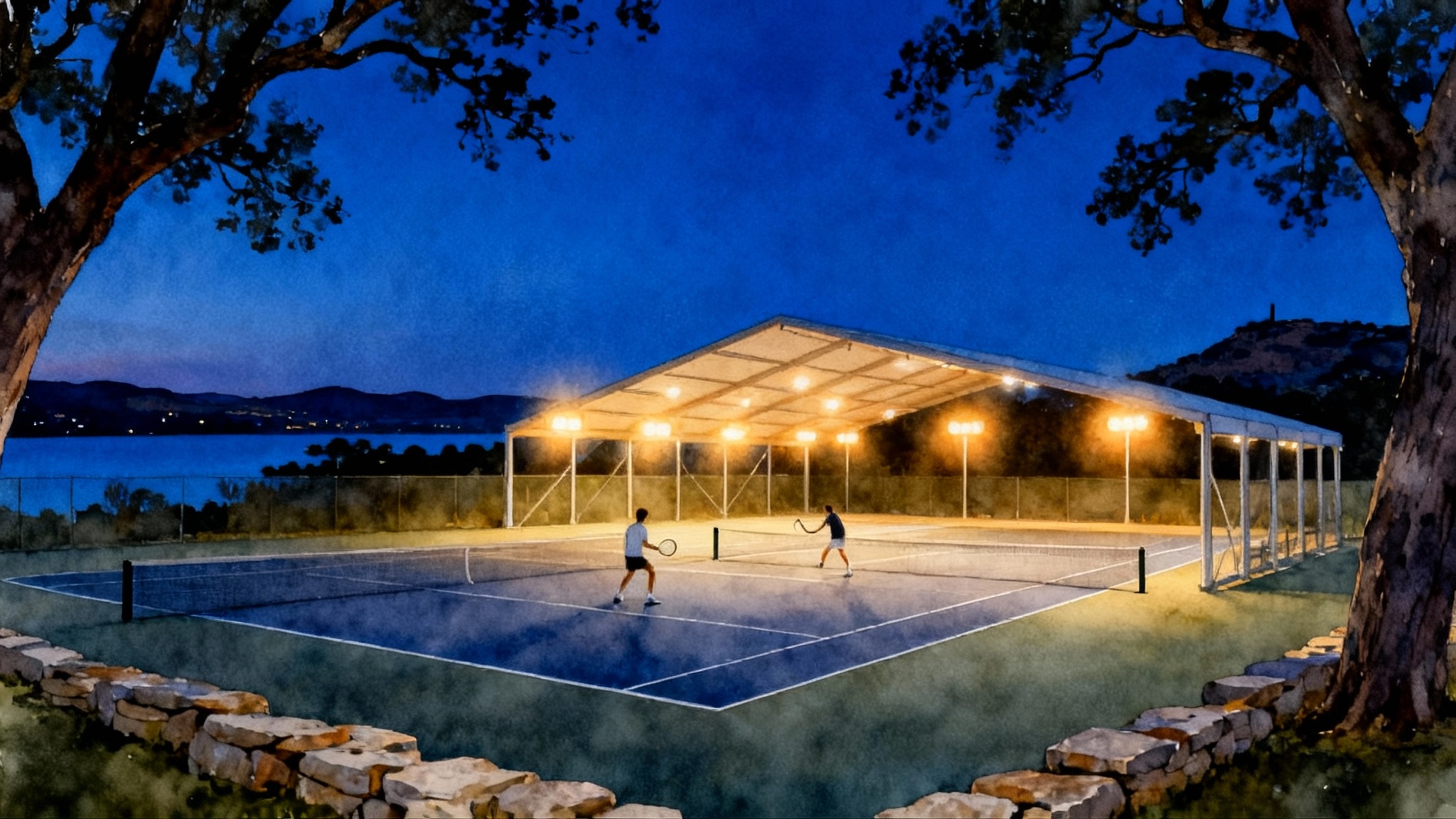
Year-Round South Tenerife Tennis at Tenerife Tennis Academy
 Tommy
Tommy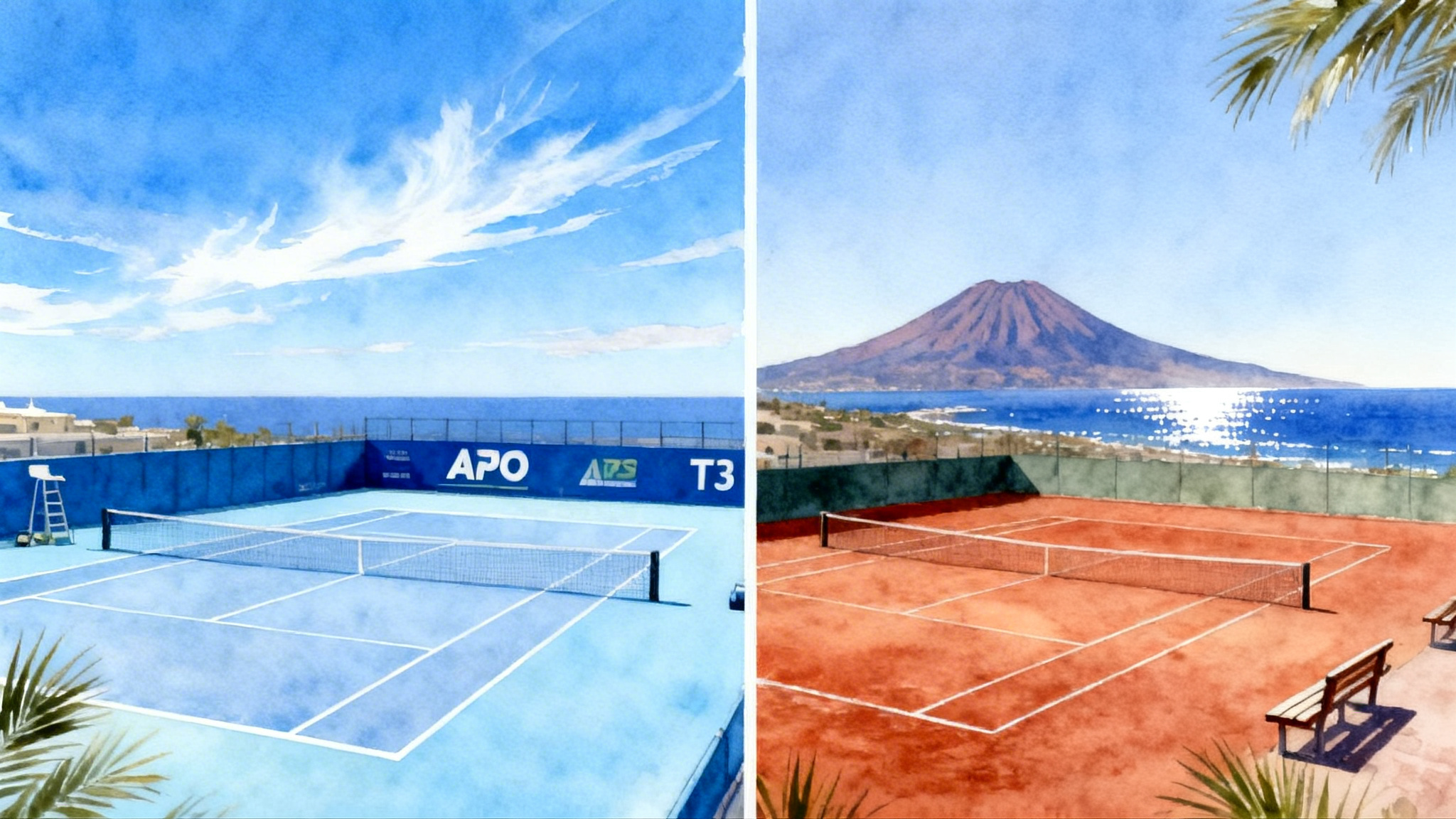
South Tenerife’s trade-wind sweet spot
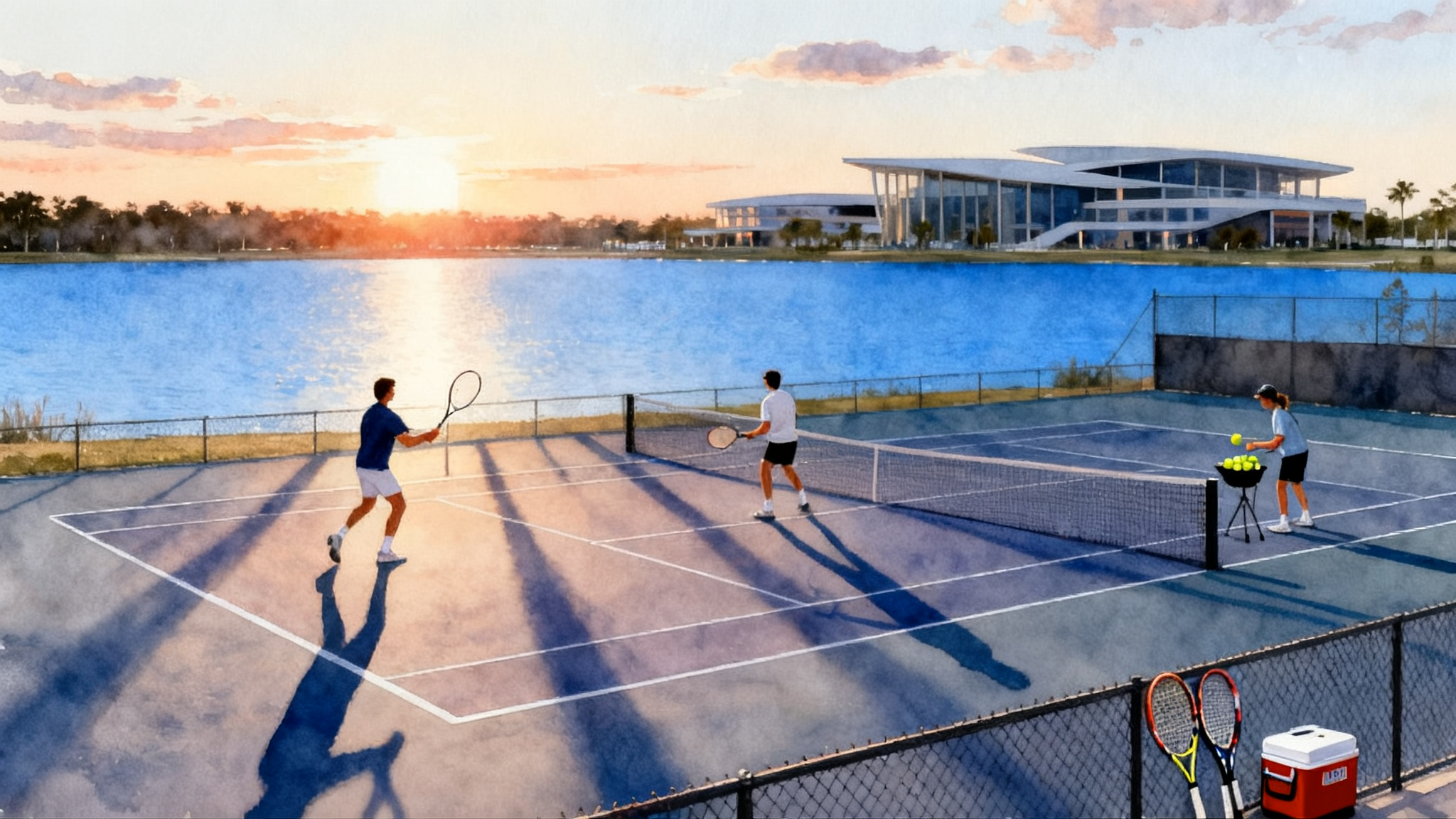
If your tennis calendar leans on the late-winter to spring shoulder season, South Tenerife punches above its latitude. The island’s trade winds and volcanic topography create a reliable pocket of dry, playable weather from January through April, when many continental courts are rained out and even Florida can see cold fronts. That reliability is the foundation of a smart basecamp at Tenerife Tennis Academy, where players can combine two surfaces in one compact radius and keep training volume high without chasing dry courts.
The simple physics are your friend. Moisture hits the north and the central ridge, clouds empty, and the south stays in the lee with more blue-sky windows. On court that means you can plan mornings for drilling when the air is calmest, set your match play for late afternoon, and still leave room for recovery sessions that use the island’s sharp microclimate shifts.
Two surfaces, one base: AO-spec hard at T3 and red clay at Chayofa
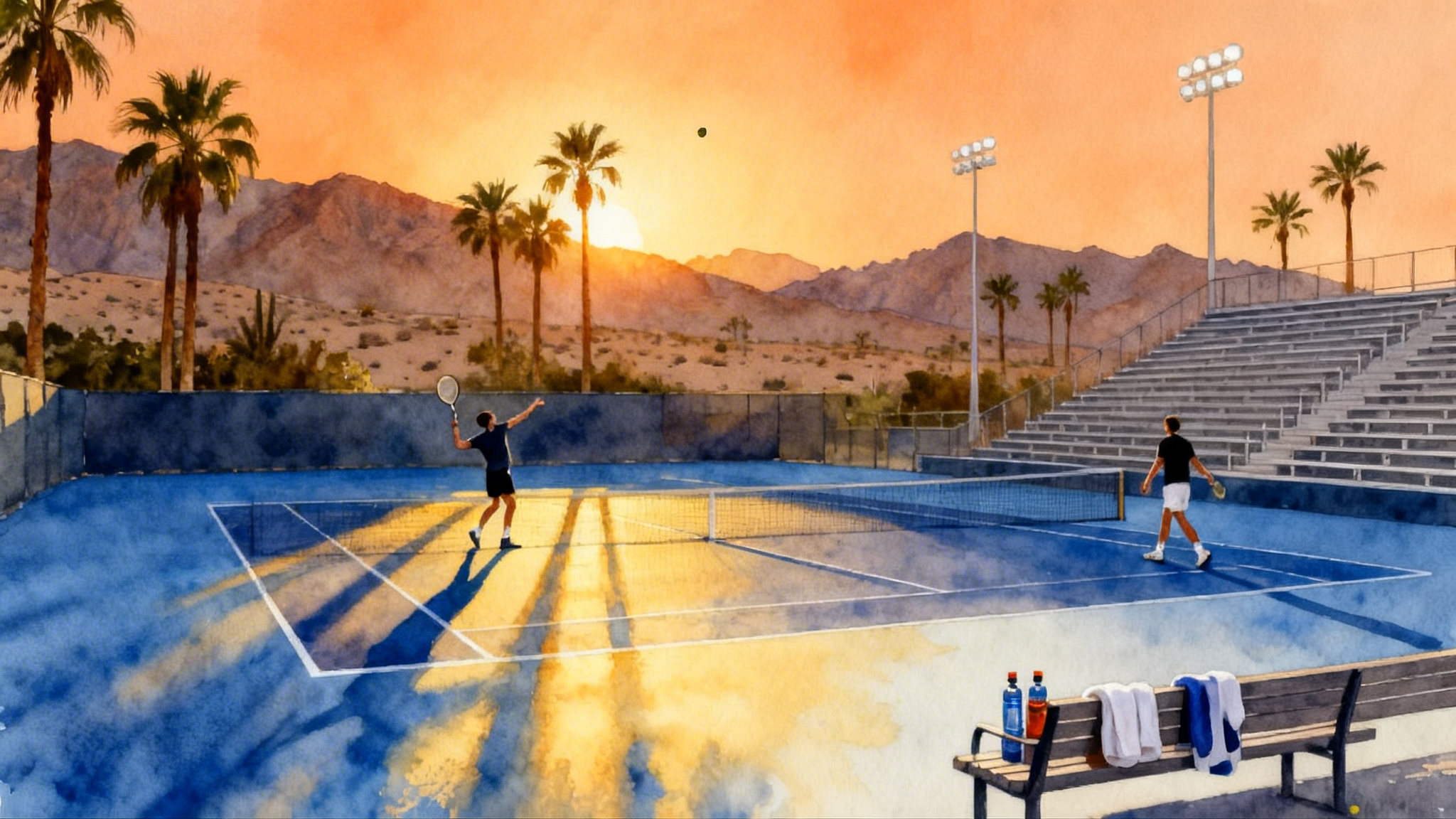
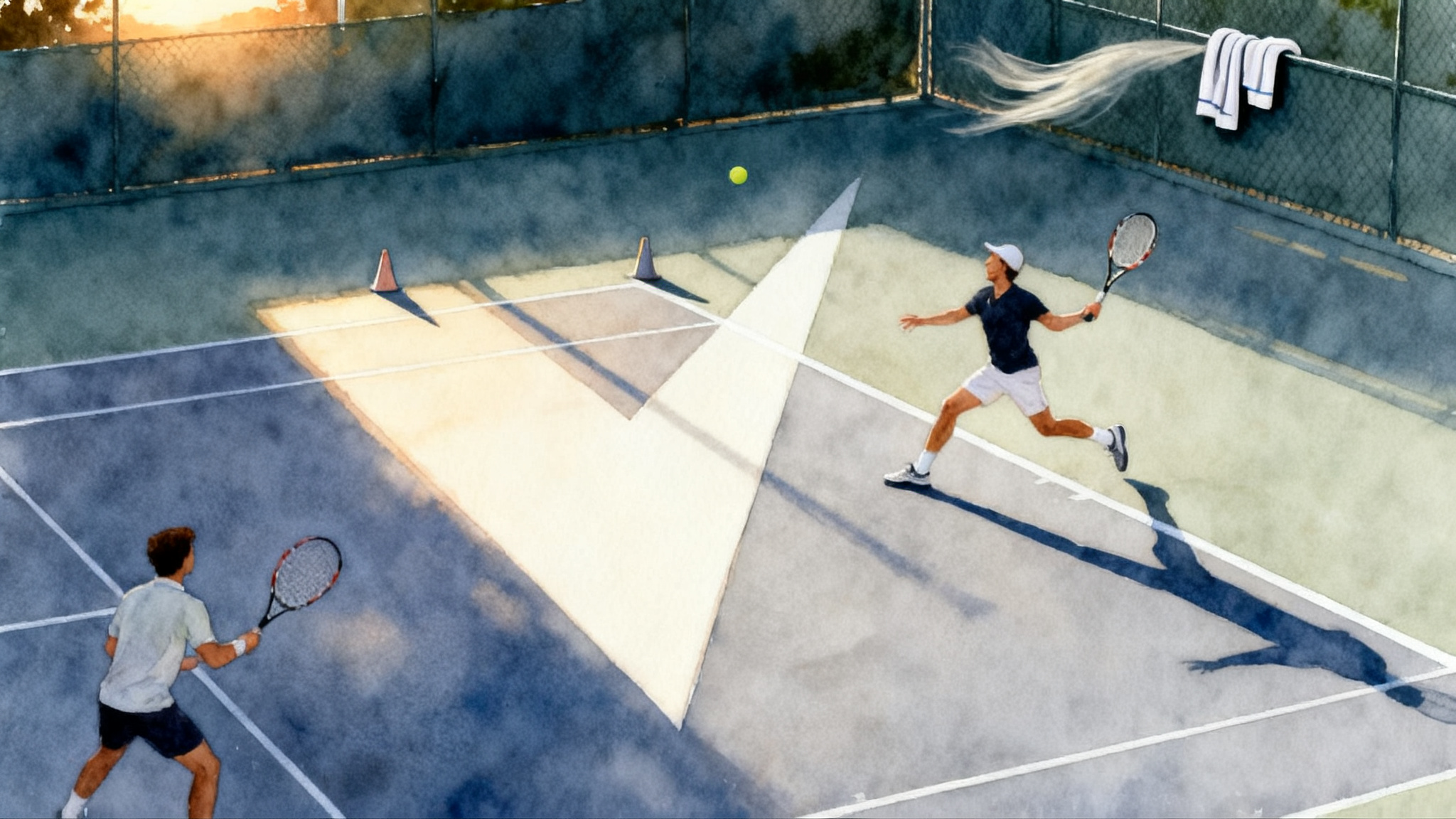
Your week can pivot between Australian Open-specification hard courts at T3 and classical red clay in nearby Chayofa. The pairing solves a common pre-season dilemma: building point construction and spin management on clay while keeping first-step speed and hard-court strike patterns tuned for faster events.
- AO-spec hard at T3: The surface is configured for the pace and footfeel players expect in Melbourne. It rewards balanced stances, firm first volleys, and high-commitment backhands through the court. It is ideal for serve plus one rehearsals, return depth ladders, and transition patterns.
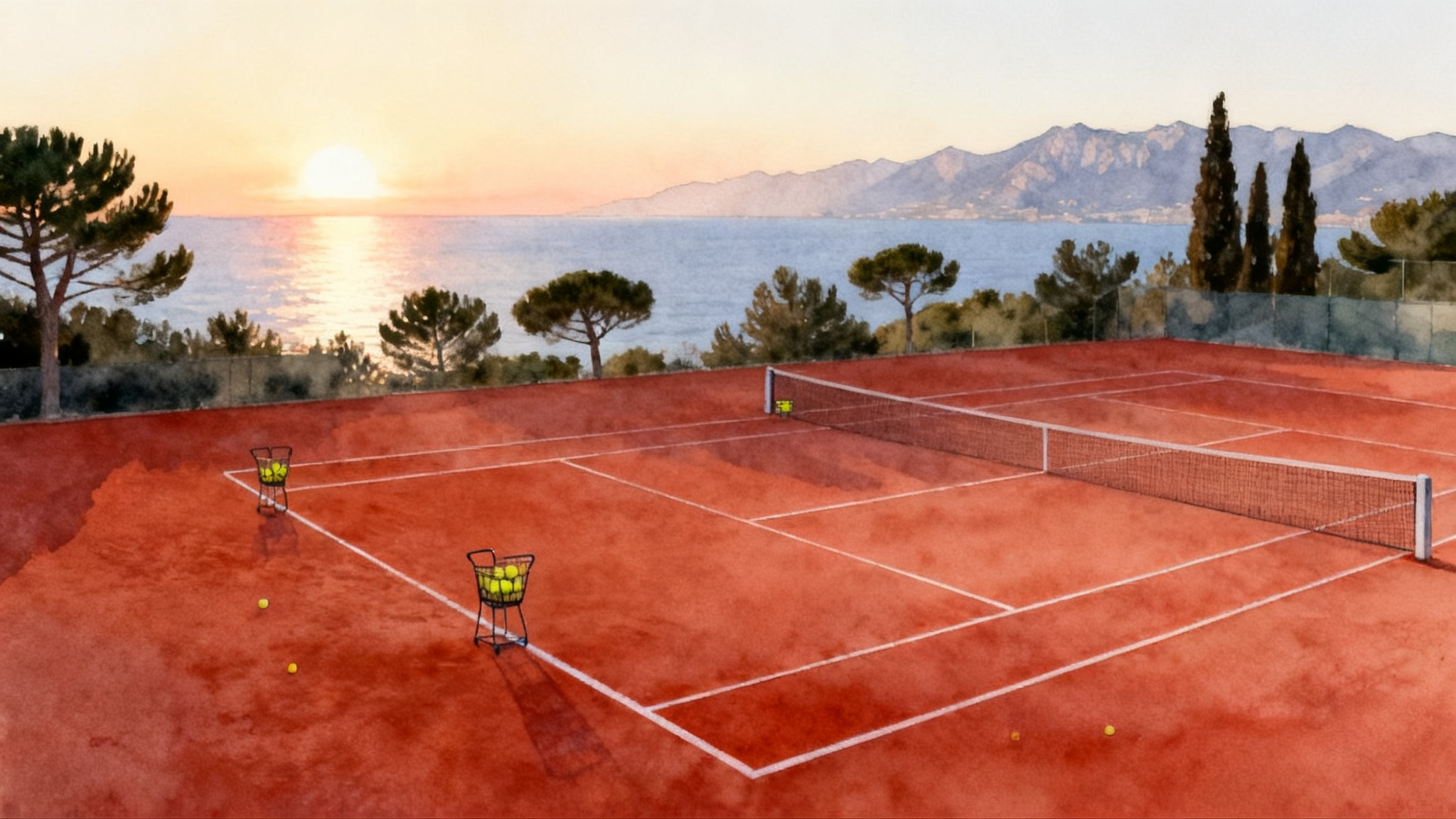
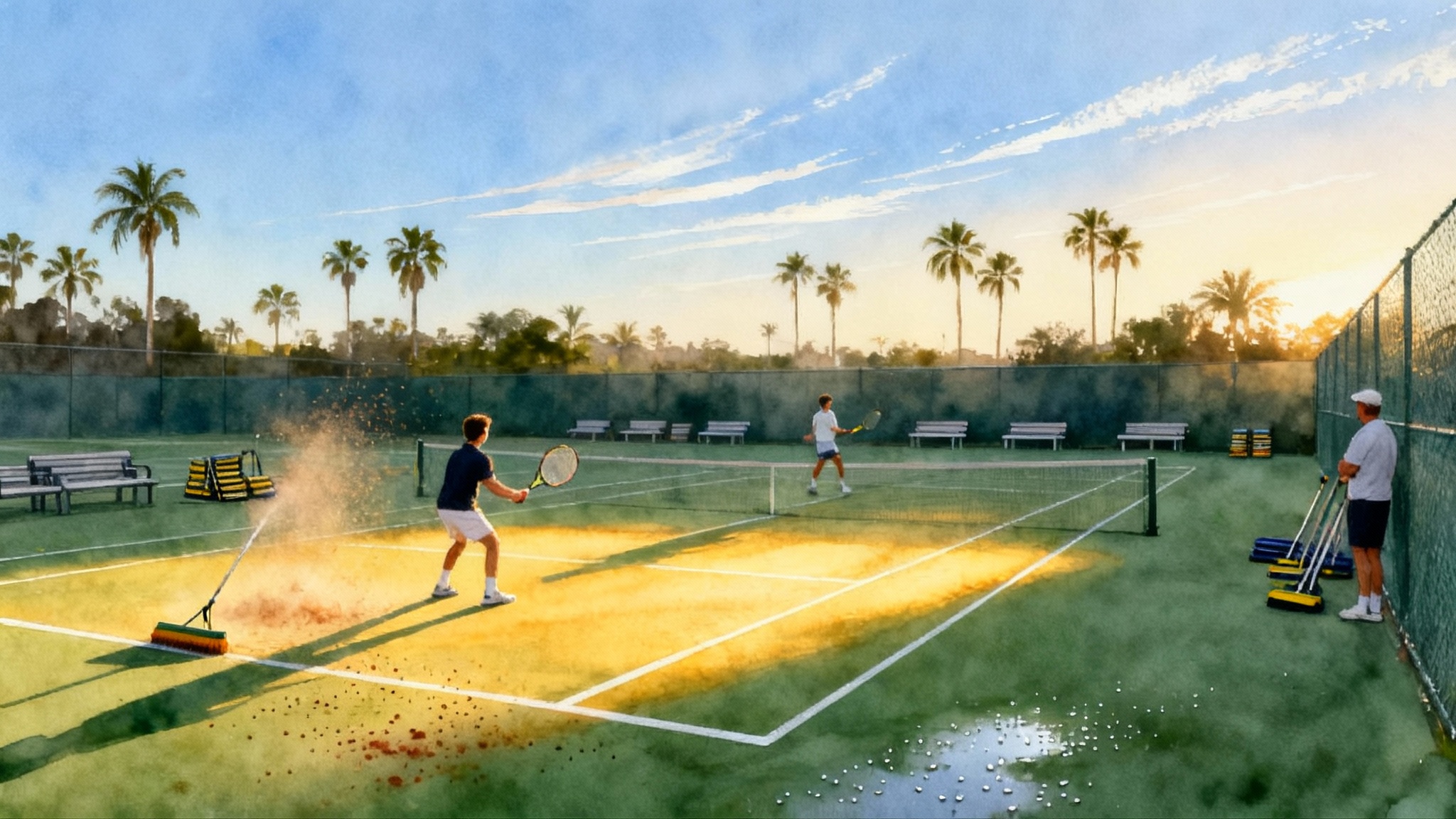
- Red clay at Chayofa: Clay enforces discipline. The higher friction raises the value of height, shape, and corner depth, amplifies the cost of short balls, and turns defense into offense if you move well. It is perfect for cross-court forehand patterns, backhand down-the-line triggers, and drop-shot plus lob packages.
The key is not either-or. Alternating days helps adults and juniors encode adaptable footwork. Think of it as bilingual movement. On hard you speak in short, precise words. On clay you lengthen the sentence with preparation steps and recoveries. The result is a player who can switch languages mid-rally.
Reliability versus Florida and mainland Spain
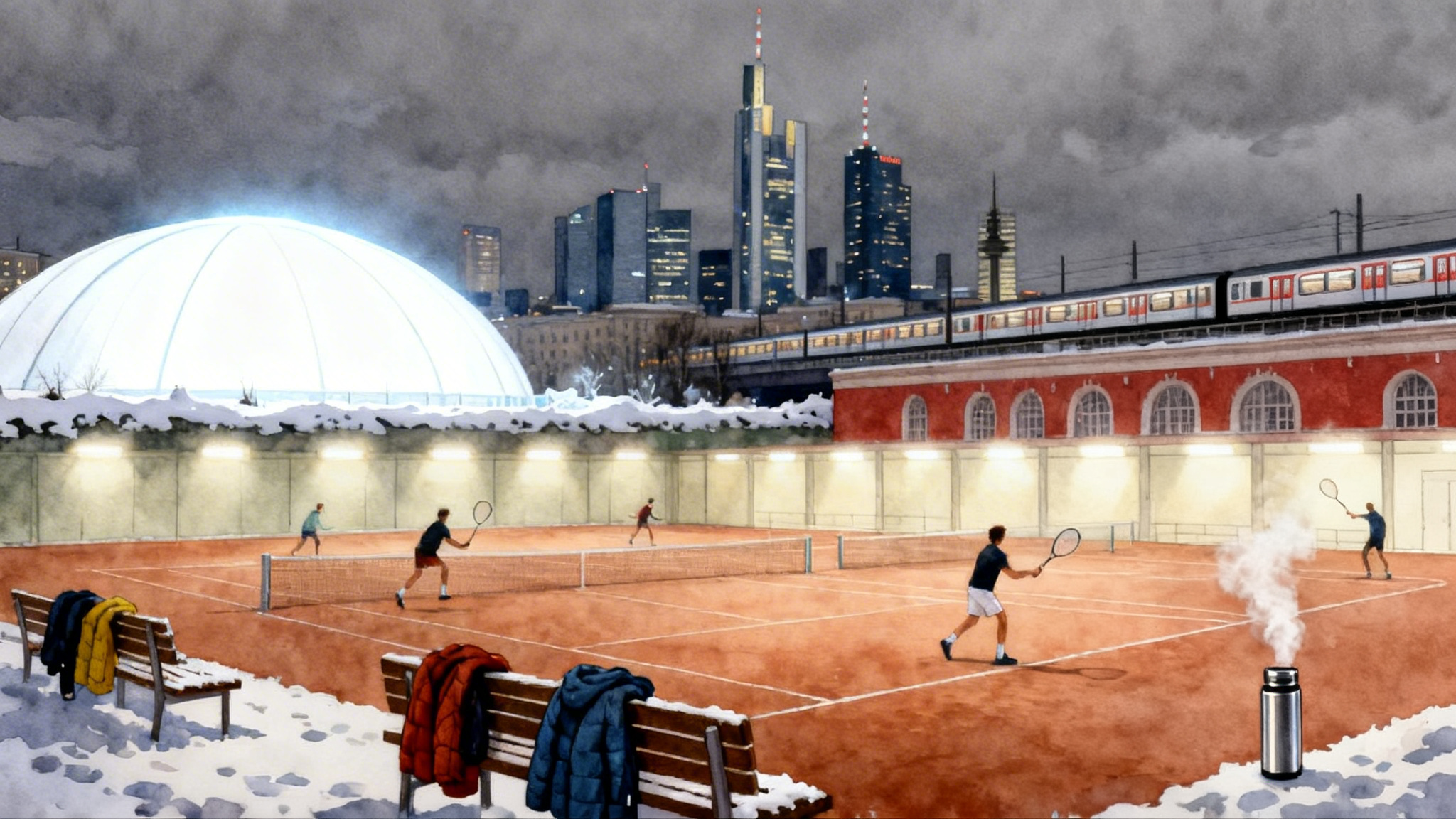
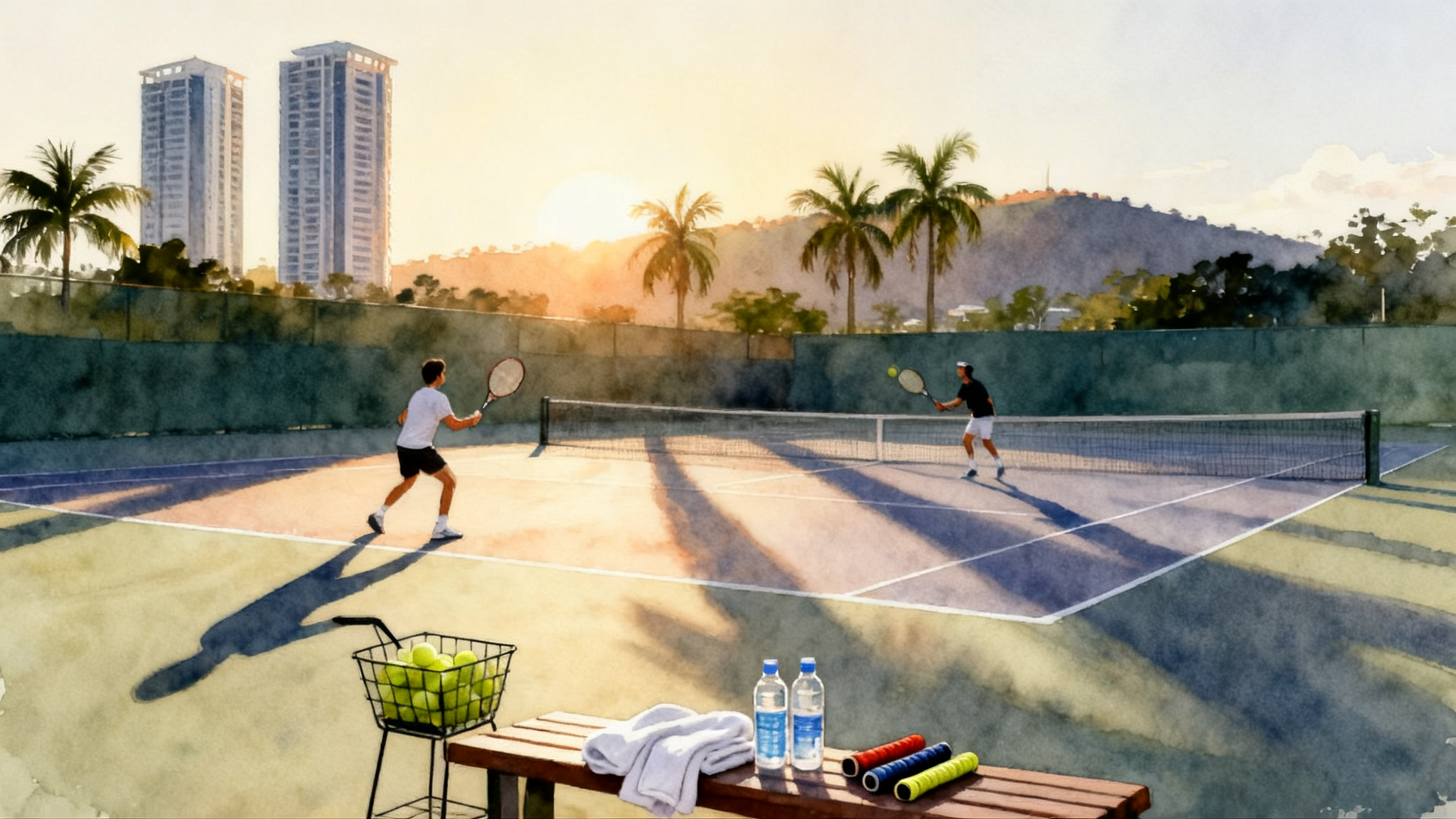
Late winter in Florida can be excellent, yet a single cold front can turn a planned match block into three days of stop-start sessions. Mainland Spain’s Mediterranean cities enjoy bright days, but February and March often sit in a cool, unsettled band that raises the rain risk and wind variability. South Tenerife reduces those variables. The south coast’s leeward setting typically means warmer mornings, fewer washouts, and predictable trade-wind breezes that you can plan around rather than fear.
Practical implications:
- Session certainty: Aim for morning drilling four to five days each week, with high confidence that courts will be playable and dry.
- Wind planning: Put serve targets and return footwork into the breezier late afternoon slots. You will train a real match skill without sacrificing reps.
- Sunshine dosage: The consistent light lets you progress from two to three to four court hours per day over a two to four week arc without cramming.
For comparisons and backup plans, see the Orlando Jan to Apr tennis guide and our French Riviera clay corridor.
A 2-4 week blueprint that works
Below are practical, fatigue-aware frameworks you can use as a starting point. All blocks assume five on-court days per week, with two lighter or off days that emphasize recovery and exploration. Adjust hours for age, training age, and match schedule.
Adults: 2-week accelerator
Goal: Reboot timing, build point structure, and sharpen serve and return under mild load.
- Weekly volume: 12-14 on-court hours; 3-4 strength and mobility hours.
- Court split: Hard 60 percent, clay 40 percent.
Week 1
- Mon: Hard at T3, 2 hours technique block focused on serve rhythm and forehand spacing; late PM 60 minutes return ladders with alternating deuce/ad advantages.
- Tue: Clay in Chayofa, 90 minutes cross-court control sets, 30 minutes drop-shot plus lob patterns; off-court 45 minutes mobility and trunk rotation.
- Wed: Hard, 2 hours approach and volley plus transition games; 30 minutes shoulder prehab.
- Thu: Clay, 90 minutes patterns into scored points to 11, 30 minutes overhead footwork with deep bounce reads.
- Fri: Hard, 2 hours practice sets to four games with no-ad scoring; finish with 20 minutes serves under time pressure.
- Sat: Off-court walk and light ocean swim; optional 45 minutes contrast mobility.
- Sun: Total rest or sightseeing.
Week 2
- Mon: Clay, 2 hours live ball depth-first patterns with down-the-line triggers; 20 minutes serve targets to outer thirds.
- Tue: Hard, 2 hours return and first ball plus transition volleys; 30 minutes hip stability.
- Wed: Clay, 90 minutes cardio sets, 30 minutes tiebreak practices.
- Thu: Hard, 2 hours match play with measured serve speeds and first serve percentage tracked.
- Fri: Clay, 90 minutes point construction, 30 minutes finishing at net; afternoon sports massage.
- Weekend: Recovery and light hike.
Adults: 3-4 week build
Goal: Layer intensity and decision speed while protecting soft tissues.
- Weekly volume: 14-16 on-court hours in weeks 1-2; 10-12 in week 3 unload; return to 14-16 in week 4.
- Court split: Even 50-50 across the month.
Progression highlights
- Weeks 1-2: Add 20 percent more scored points and 10 percent fewer blocked drills. Include two days of two-a-day courts, morning technical and afternoon competitive.
- Week 3: Unload. Keep frequency, reduce session length by one third, and prioritize precision serves, slice work, and backhand shape.
- Week 4: Peak. Three match-play days with defined patterns and one heavy serve-return day; video feedback after each match block.
Juniors: 2-week fundamentals with school windows
Goal: Reestablish footwork, ball tolerance, and serve patterns while keeping study time sacred.
- Weekly volume: 10-12 on-court hours; 2-3 athletic development hours.
- Court split: Clay 60 percent for rally tolerance, hard 40 percent for first-strike confidence.
Daily rhythm
- Morning: 90 minutes court, clay focus on spacing and neutral ball depth; 30 minutes movement games.
- Midday: Study block of 2-3 hours with coach-supervised focus room if arranged through the academy.
- Late PM: 60 minutes hard-court serve and return, then 30 minutes competitive games to seven.
Juniors: 3-4 week growth phase
Goal: Expand weapons without losing rally base.
- Weekly volume: 12-16 on-court hours depending on age and prior load.
- Court split: Start 60 percent clay, finish 60 percent hard.
Week-by-week
- Week 1: Clay-heavy. Cross-court anchors, height control, and backhand shape. Off-court coordination circuits and landing mechanics.
- Week 2: Introduce hard-court first-strike patterns, add serve speed windows with binary targets. Clay sessions now use more points to 11 with pattern bonuses.
- Week 3: Mixed. Two match-play days, one fitness coordination day, one technical day. Encourage journal entries about patterns that worked.
- Week 4: Hard-court emphasis. Match play with constraint scoring, such as plus one must land behind the service line or slice must be used once per four-ball exchange.
Parents and juniors can combine these frameworks with the academy’s custom blocks, stringing, and match arranging. Coordinate details with the academy so the right courts and sparring partners are locked in.
Recovery that uses coast-to-Teide microclimates
A rest day in South Tenerife is not a pause, it is part of the program. Use the island’s tight elevation changes to deliver recovery that your legs feel the next morning.
- Ocean reset: Easy swims or sand walks on the south coast downshift the nervous system. The salt, the gentle chop, and the solar warmth set up better sleep and looser calves.
- Pine forest walks near Vilaflor: 1,400-1,600 meters above sea level feels like a different season. Cooler air reduces swelling after a high-load week.
- Teide altitude exposure: A controlled half day at high altitude encourages nasal breathing drills and slow, even strides. Fifteen to thirty minutes of light hiking plus relaxed diaphragmatic work can leave you surprisingly fresh the next day.
- Spa and food: A short thermal circuit and a simple, early dinner with lean protein, potatoes, and seasonal fruit beats late, heavy meals.
Plan these elements the way you plan cross-court forehands. Schedule them. If the week is match-heavy, make the recovery day cooler and higher. If the week was drill-heavy, keep the reset near sea level with easy movement and a nap.
Routing tips for U.S. travelers
Getting to Tenerife South Airport is simpler than it looks on a map. Think in legs and buffers.
- Common routings: East Coast hubs to Madrid or Barcelona, then a 2.5 to 3 hour hop to Tenerife South. Another option is via London or Lisbon with a similar final segment. Airlines that often appear on these routes include Iberia, Air Europa, British Airways, and TAP Air Portugal. Build a 90 to 120 minute connection on the Europe side.
- Time zone strategy: Red-eyes to Spain align well with morning or midday arrivals, letting you connect and reach Tenerife the same afternoon. Day one should be light, with a short mobility session and an early dinner.
- Bags and rackets: Pack two frames and a spare set of strings. Let the academy know your tension and string model so stringing can be ready on arrival.
Ground transport and lodging
- Car rental: Useful if you will alternate between T3 and Chayofa. Automatic cars can be limited, so book early. Parking is generally straightforward but check your lodging’s rules on street parking versus garage spaces.
- Taxis and rides: Reliable for single-base stays. Factor in the hill profile if you choose Chayofa village lodging without a rental car.
- Where to stay:
- La Caleta and Costa Adeje for proximity to T3, coastal walks, and wide food options.
- Chayofa and surrounding hills for quick clay access, quiet nights, and shorter post-session drives.
- Los Cristianos for a value balance with plenty of apartments.
Cost snapshot and how to think about value
Prices move with school holidays and local events, so use ranges and plan ahead. The following are per person estimates for a two-week stay, assuming a shared apartment, five on-court days per week, and a mix of private and small-group sessions.
-
South Tenerife
- Lodging: 90-160 United States dollars per night for a quality one-bedroom apartment in shoulder season.
- Coaching and court fees: 65-130 dollars per hour privately depending on package, with small-group options at lower per-person rates.
- Food and transport: 40-70 dollars per day if you mix groceries with simple meals out; compact driving distances save fuel.
-
Florida metros
- Lodging: 140-250 dollars per night in comparable coastal areas during February and March.
- Coaching and court fees: 90-160 dollars per hour in major hubs, with higher tournament-week spikes.
- Food and transport: 55-90 dollars per day; longer drives between clubs can add time costs.
-
Mainland Spain (Mediterranean)
- Lodging: 80-150 dollars per night, similar or slightly less than Tenerife.
- Coaching and court fees: 55-110 dollars per hour.
- Weather tax: Plan for a higher probability of rain or cooler days in February and early March, which can reduce planned volume.
Value is not only the sticker price. It is the probability that your week goes to plan. South Tenerife’s weather reliability and compact geography reduce the hidden costs of cancellations, long commutes, and low-quality sessions squeezed between showers.
Daily schedule templates you can steal
Use these skeletons to plug into your calendar. They reflect the south’s calmer mornings and livelier breezes after lunch.
Adult day, hard-court primary
- 08:30 Warm-up and band work, shoulder and hips
- 09:00-11:00 Serve plus one, return depth, and transition volleys
- 12:30 Protein-forward lunch and 30 minute nap
- 15:30-16:30 Mobility and light strength
- 17:00-18:00 Match-play sets to four with no-ad scoring
- 20:00 Early dinner and 10 minute breath work
Junior day, clay-primary with school block
- 08:00 Warm-up games and skipping rope
- 08:30-10:00 Cross-court anchors, height control, and plus-one patterns
- 10:30-13:00 Study window with Pomodoro blocks and hydration check
- 15:30-17:00 Hard-court serve and return plus competitive games
- 18:00 Recovery snack and calf-ankle care
- 20:30 Lights out target with no screens 30 minutes prior
Packing for the surfaces and the climate
- Footwear: One pair dedicated to clay and one to hard. Rotate daily to keep midsoles responsive.
- Grips and strings: The air is kind to gear but always bring more overgrips and at least one spare reel if you are picky about feel.
- Apparel: Lightweight layers, a windbreaker for late afternoons, and sun protection. The south sun is consistent, so caps and sunscreen matter.
- Small extras: Resistance bands, a mini roller, a lacrosse ball, and a compact hydration pack for Teide walks.
Why anchor your stay with Tenerife Tennis Academy
Coordinating two surfaces and multiple training blocks gets easier with one hub. The academy can set your weekly cadence, secure the right courts, and supply sparring partners whose styles match your goals. Expect:
- Continuity: The same lead coach tracking your patterns and workload across both surfaces.
- Match-making: A pool of visiting and local hitters for live sets without cold-start introductions.
- Onsite services: Stringing to your specs, video feedback, and strength support coordinated with the on-court plan.
- Logistics help: Court allocations, drive times, and recovery day suggestions that keep the week flowing.
Reach out through Tenerife Tennis Academy coaching to outline your window, goals, and surface priorities. The earlier you book, the easier it is to lock ideal time slots.
The bottom line
If you need a shoulder-season base that trades guesswork for court time, South Tenerife is hard to beat. The trade-wind shield gives you mornings that stick, the dual-surface setup builds adaptable movement and point construction, and the island’s microclimates turn recovery into a performance tool. Plan two to four weeks with clear goals, protect your off days, and let the academy handle the chessboard of courts and match play. You will leave with more reps, fewer stop-start days, and a game that speaks both hard and clay with confidence.