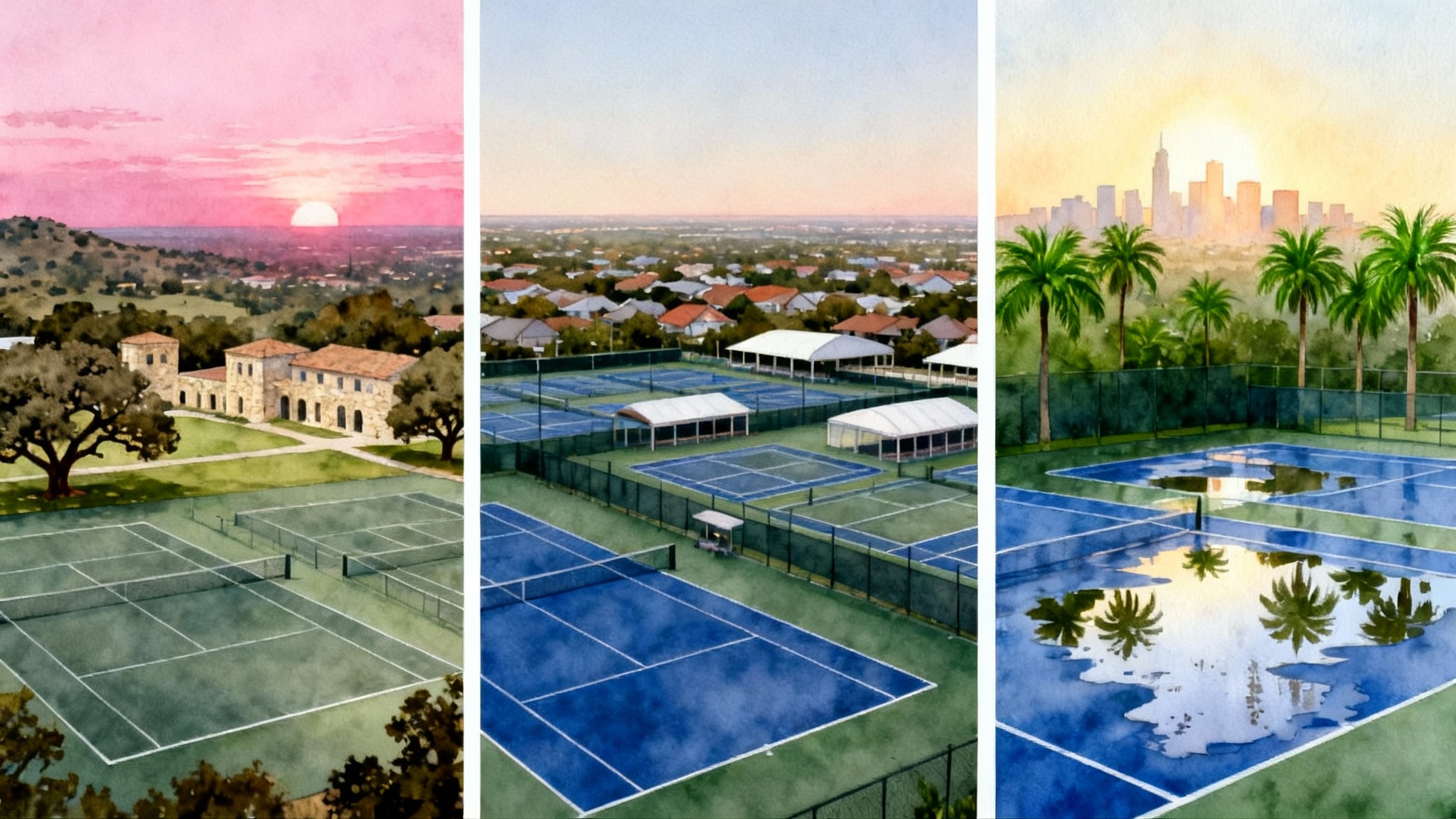
Spain vs France Tennis Academies 2026: Which Path Fits Your Player?
Choosing between Spanish and French tennis academies in 2026 comes down to training philosophy, match play access, academics, climate, travel, and cost. This guide compares both pathways with real examples, schedules, timelines, and checklists.
 Tommy
Tommy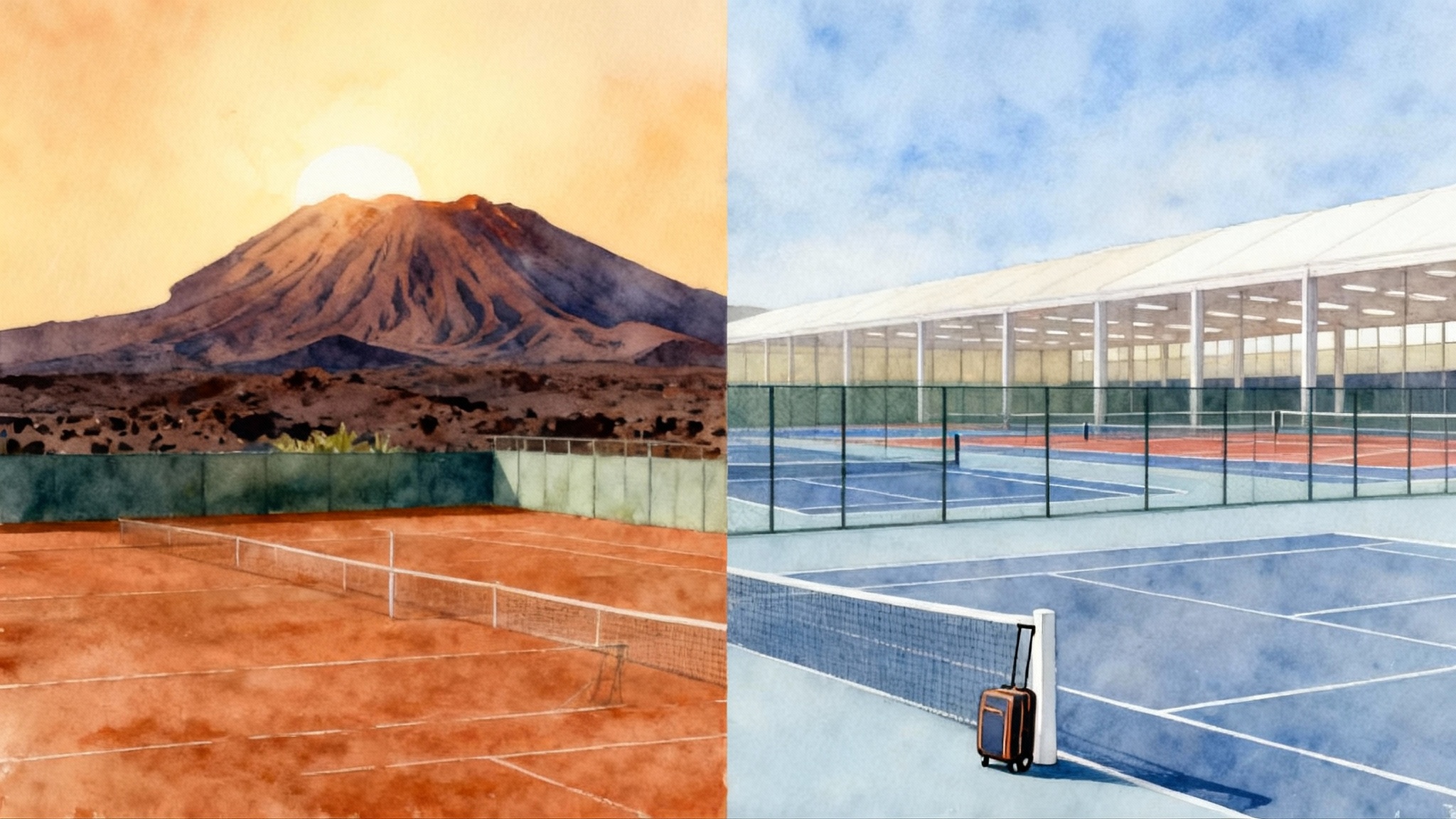
The quick answer
Both Spain and France produce excellent players, but they build them in noticeably different ways. Spain leans into clay, volume, and repetition that hardwires patterns through thousands of high‑quality ball contacts. France favors tactical versatility, point construction, and competition within a structured club ecosystem. Your player’s age, goals, and learning style will determine which pathway feels like a tailwind.
If you want more balls on clay, longer rallies, and a patience‑first mentality, Spain tends to fit. If you want daily competitive sets, a broad menu of tournaments, and a system that treats match play as curriculum, France often feels natural. Below, we compare the two using two representative case studies, actual schedule templates, entry bands, logistics, a June to August 2026 trial roadmap, and decision checklists by age.
How the training philosophies actually differ
Spain: clay, volume, and repeatable patterns
- Court time: often two longer blocks per day focused on cross‑court drives, inside‑out forehands, depth control, and neutral‑to‑offense transitions.
- Drill design: high ball counts, constrained targets, and progression from hand‑fed to live‑ball to point play.
- Fitness: footwork endurance, core stability, shoulder care, and change‑of‑direction sessions that match clay demands.
- Coaching voice: patient and corrective. The goal is to remove unforced errors and make your “B” level very reliable.
- Typical outcomes: improved shot tolerance, high percentage choices, and comfort constructing 8 to 12‑ball points.
France: tactical variety, tempo changes, and competition as practice
- Court time: one technical block plus a daily match‑play block with set play or a coached ladder.
- Drill design: pattern mixing, early strike on shorter balls, transition to net, and return‑plus‑one combinations.
- Fitness: movement efficiency, acceleration, and first‑step speed to capitalize on short opportunities.
- Coaching voice: strategic and scenario‑based. Sessions end with specific “if X then Y” plans.
- Typical outcomes: better point starts, superior return games, and comfort changing height, spin, and speed.
Case studies: Tenerife Tennis Academy vs All In Academy
To keep the comparison concrete, we use two well‑known programs as examples. Details vary by squad level and season, but the profiles below capture the center‑of‑gravity for each country.
Tenerife Tennis Academy (Spain)
Learn more in our Tenerife Tennis Academy profile.
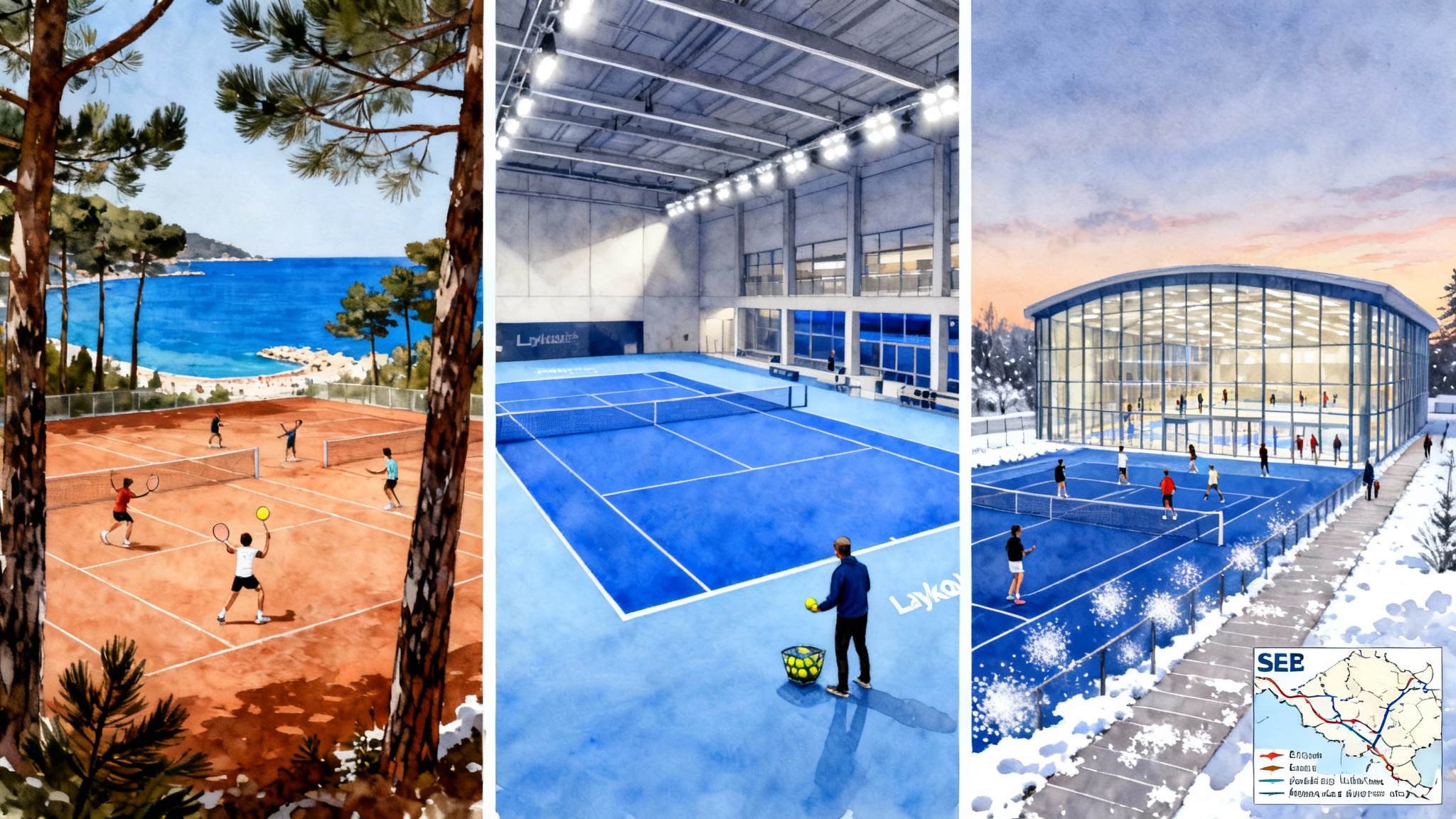
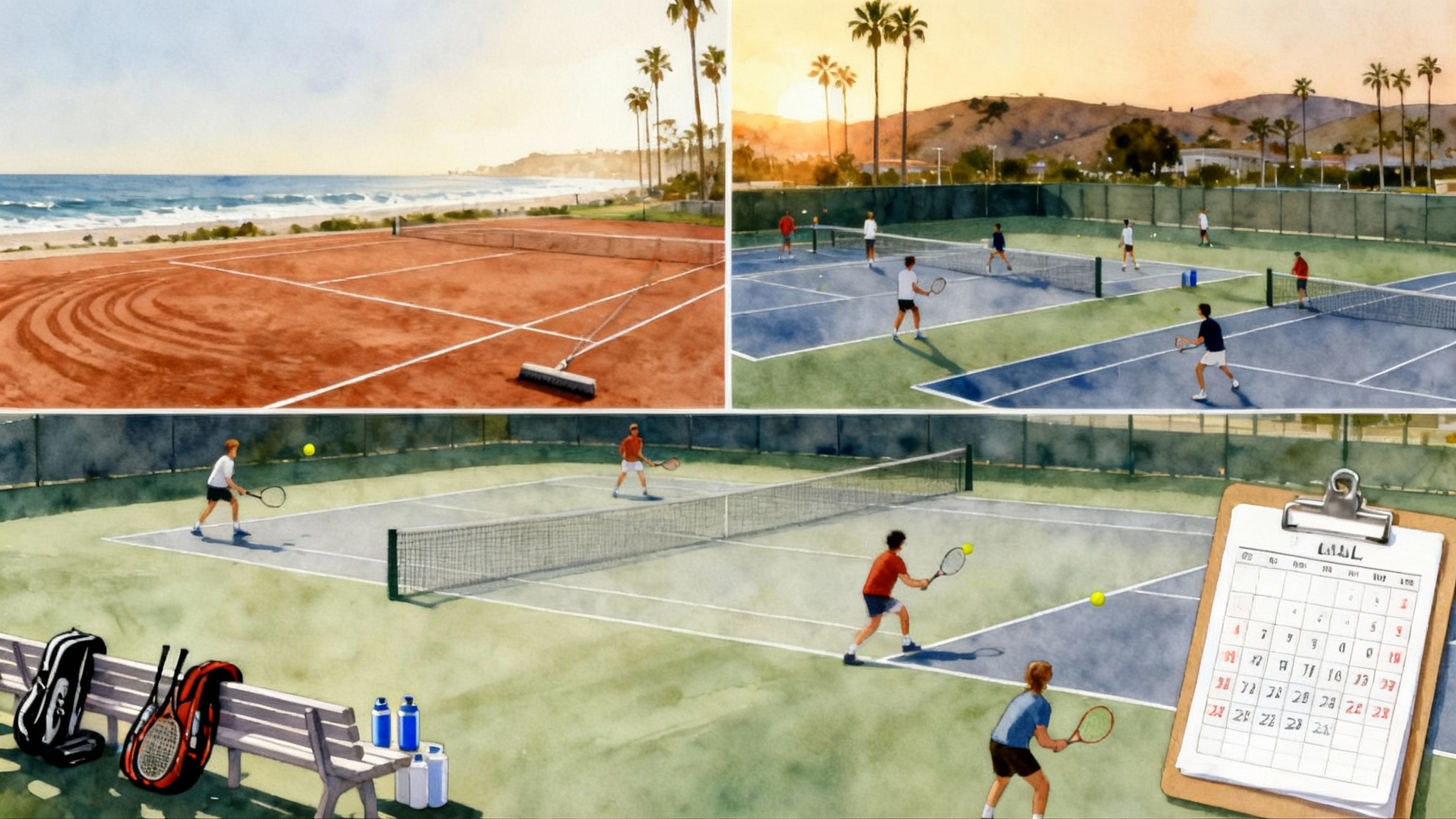
- Surface and setting: predominantly clay with some hard. Warm, dry climate in the Canary Islands allows consistent outdoor training. Sea‑level conditions and mild trade winds build resilience.
- Training rhythm: two court blocks most days with one fitness block. Coaches emphasize cross‑court foundations before adding offense.
- Boarding and academics: boarding houses or vetted apartments plus partnerships with bilingual or online schools. Morning or afternoon school windows are scheduled around training.
- Match play access: regional federation events most weekends, Spanish national series during school holidays, and frequent trips to nearby islands or mainland Spain for Junior ITF and Universal Tennis events.
Sample week (development squad):
- Monday: 08:00 mobility and band work; 09:00–11:00 clay drilling cross‑court depth; 12:30–13:30 strength circuit; 16:00–18:00 patterns to targets; 18:15 recovery.
- Tuesday: 09:00–11:00 serve plus first ball; 12:30–13:15 shoulder care; 16:00–18:00 live points 15‑ball cap; video review evening.
- Wednesday: 09:00–10:30 fitness endurance; 11:00–13:00 neutral to offense drills; 16:30–18:00 sets with constraints.
- Thursday: 09:00–11:00 return games and depth ladders; 12:30–13:30 plyometrics; 16:00–18:00 transition and volley finishing.
- Friday: 09:00–11:00 pattern combinations; 16:00–18:00 test sets first to 8 games.
- Saturday: local tournament or internal ladder; Sunday: active recovery.
All In Academy (France)
Explore facilities and setup in our All In Academy campuses.
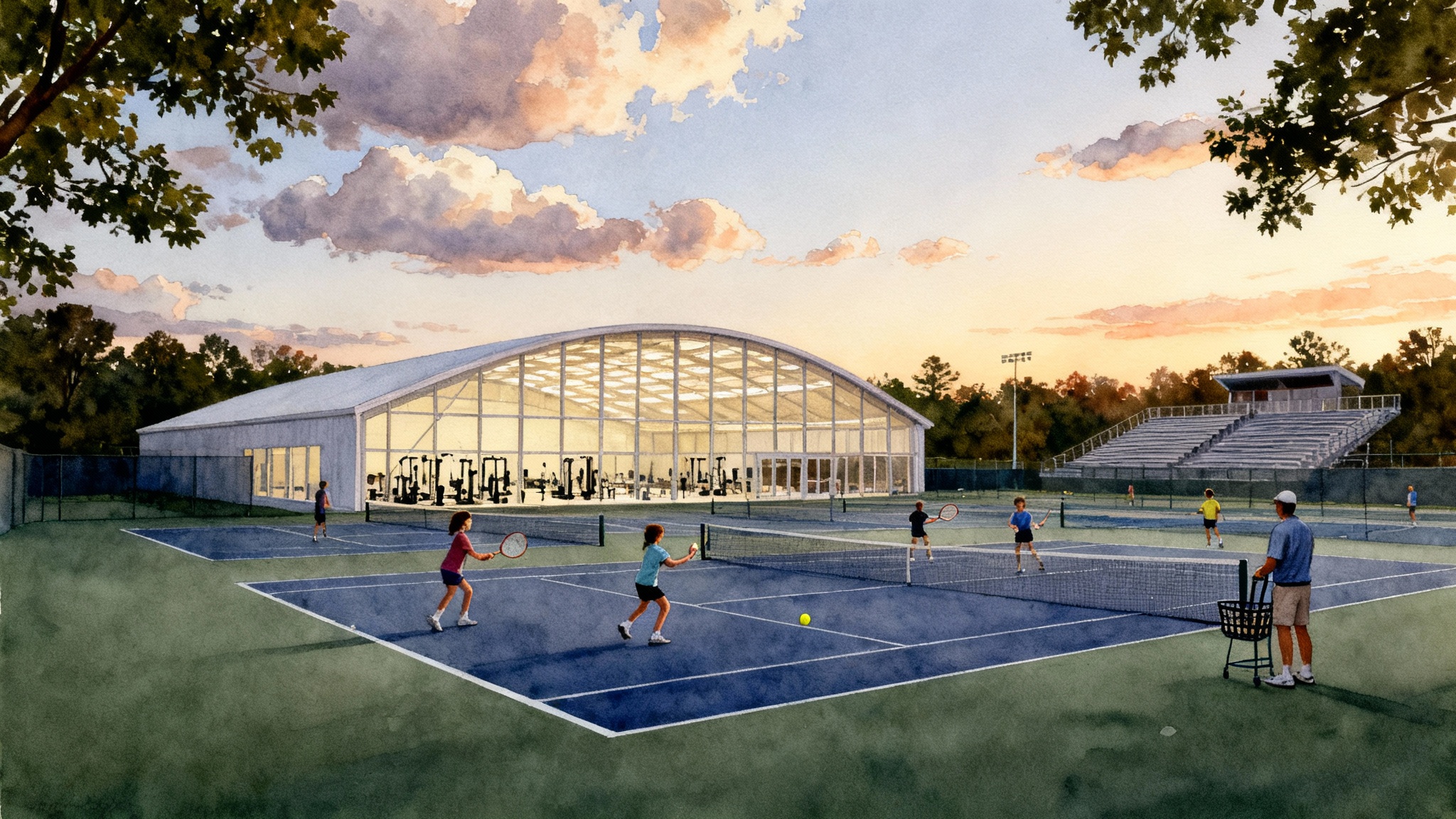
- Surface and setting: mix of hard and clay, usually near major French club hubs with access to year‑round indoor courts. Strong integration with the club competition calendar.
- Training rhythm: daily tactical block plus codified match‑play block. Technical coaching aims to shorten points through smarter starts and proactive court positioning.
- Boarding and academics: residence options tied to the academy or partner schools. Common academic models include French curriculum support, international programs, or structured online schooling with supervised study halls.
- Match play access: weekly club matches in season, wide availability of summer open tournaments, Tennis Europe events within rail range, and Junior ITF travel blocks.
Sample week (performance squad):
- Monday: 08:30 movement prep; 09:00–10:45 patterns return plus first two shots; 11:15–12:00 speed and agility; 15:30–17:30 coached ladder two sets to 6.
- Tuesday: 09:00–10:30 serve variety and second serve pressure; 11:00–12:00 strength power block; 15:30–17:30 scenario sets break‑point simulations.
- Wednesday: 10:00–12:00 internal tournament; 16:00–17:00 mobility and prehab.
- Thursday: 09:00–10:45 transition to net; 11:15–12:00 starts and split‑step timing; 15:30–17:30 doubles patterns and returns.
- Friday: 09:00–10:30 video feedback and recalibration; 15:30–17:30 match play with tactical KPIs.
- Saturday: club or open tournament; Sunday: travel or rest.
Entry standards: UTR and WTN bands that actually work
Most European academies sort players by Universal Tennis Rating and World Tennis Number. WTN rates singles skill on a global scale and is used by many federations and events. For definitions and how it is calculated, see the ITF World Tennis Number: What is UTR. Spanish academies often place a wide range on the same campus, then group by level and age. French academies tend to stream squads more tightly because their weekly league and open‑tournament culture relies on competitive parity.
Typical 2026 entry bands we see accepted for year‑round squads:
- Development squads: WTN 28 to 18 or UTR 3 to 6. These players are building physical base and point patterns.
- Performance squads: WTN 18 to 10 or UTR 6 to 9. Players travel to regional federation events and select Junior ITFs.
- Elite squads: WTN 10 to 3 or UTR 9 to 11 plus. These athletes carry national ranking points and pursue junior or entry‑pro calendars.
If your player is new to these systems, read the official explanation of UTR at Universal Tennis: What is UTR. Ask any academy to specify the rating band for each squad and whether they make exceptions for growth potential after a trial.
Verified match‑play access: TE, ITF, UTR, and club opens
- Spain: frequent regional federation tournaments year‑round, National Series during holiday periods, and broad Universal Tennis events. Travel to mainland Spain or Portugal for clusters of Junior ITFs is common.
- France: deep culture of sanctioned tournois open that run all summer, strong interclub leagues in the school year, and high density of Tennis Europe events within high‑speed rail range. Match days are treated as training outcomes, not extras.
Tip: ask each academy to show a six‑week rolling tournament plan with named events, not just “tournaments available.” Then verify whether coaches provide on‑site support (transport, warm‑up, scouting) and how many athletes share a coach on travel days.
If you are comparing European options to U.S. hubs, scan our Best Florida tennis academies 2026 for domestic baselines.
Boarding, academics, and day‑to‑day life
- Spain: boarding houses or supervised apartments, shared rooms common. Academics often run through bilingual partner schools or accredited online programs. Morning study halls fit between fitness and the afternoon court block. Mealtimes skew later, especially dinner.
- France: boarding residences linked to the academy or nearby clubs. Academics may use French Ministry of Education support, international programs, or structured online schooling with proctored exams. Early dinners and earlier lights‑out are more common during competition weeks.
Questions to ask both:
- Who supervises study hall and tracks grades weekly?
- What is the ratio of boarders to house parents and who covers nights and weekends?
- How is safeguarding handled during tournament travel and what is the escalation protocol?
Climate and travel logistics that matter in real life
- Tenerife and mainland Spain south of Madrid: long outdoor season with little rain. Tenerife is reliably warm from October to March while much of Europe is indoors. Flights from the United States usually connect in Madrid or Barcelona. From the U.S. East Coast, total travel time to Tenerife South often runs 11 to 14 hours door to door.
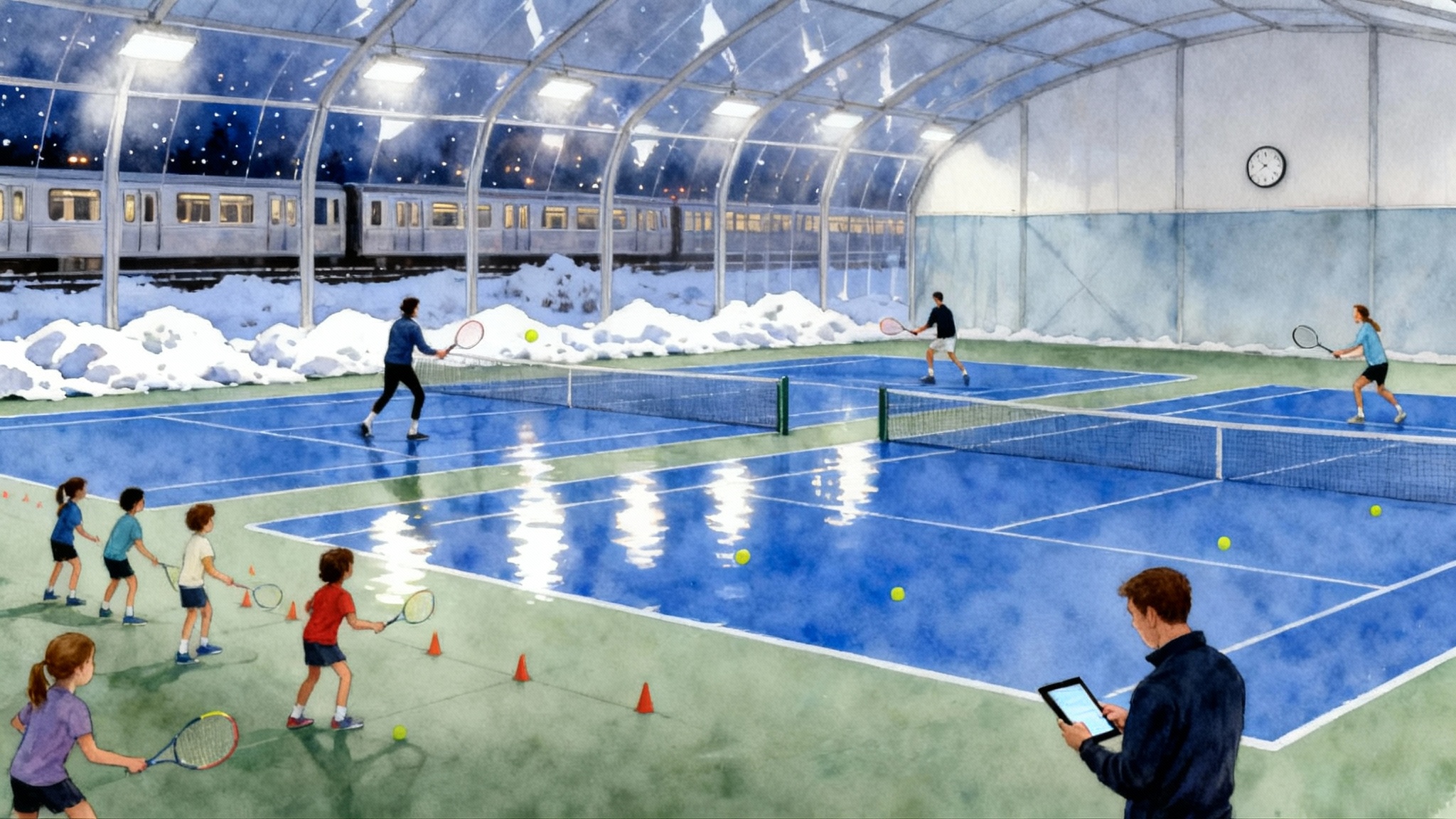
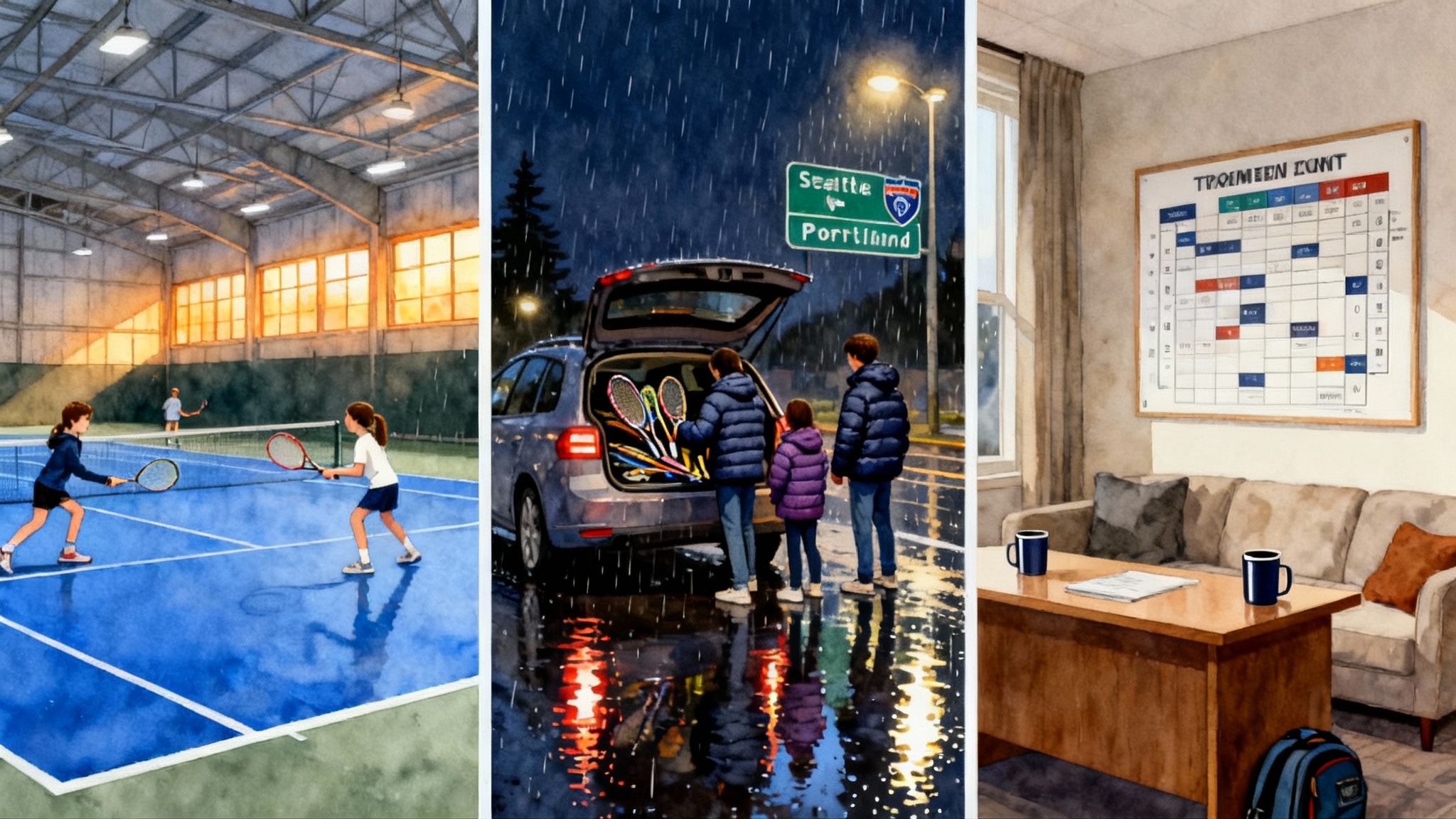
- Lyon, Paris, or Nice for France: mixed indoor and outdoor through winter, but indoor courts are abundant. Nonstop flights New York to Paris are common at 7 to 8 hours, then high‑speed rail can reach Lyon or the Riviera in 2 to 5 hours. Winter match play continues indoors without losing weeks to weather.
Practical tip: price not just airfare but also in‑country transfers. A one‑hour shuttle from Tenerife South airport is simple and predictable. In France, budget for train fares and station transfers that tie into tournament clusters.
2026 cost bands and what they usually include
These are realistic ranges for full‑time programs in 2026. Always request an itemized quote with currency, taxes, and due dates.
- Spain year‑round program: 22,000 to 38,000 United States dollars per year for training and fitness. Boarding 9,000 to 15,000. Academics 4,000 to 12,000 depending on school model. Weekly add‑on camps 650 to 900 United States dollars for training only.
- France year‑round program: 32,000 to 55,000 United States dollars per year for training and fitness. Boarding 12,000 to 20,000. Academics 6,000 to 15,000. Weekly camps 800 to 1,200 United States dollars for training only.
- Common extras: tournament coaching 80 to 150 per match, stringing 20 to 30 per racket plus strings, physiotherapy 50 to 90 per session, federation licenses 35 to 60 per year, domestic travel 1,500 to 4,000 per term depending on schedule.
To compare apples to apples, ask for: number of weekly court hours, athlete‑to‑coach ratio per court block, number of supervised match‑play hours, and how many tournaments include coach coverage. Then divide the annual fee by guaranteed supervised hours to get a true hourly cost.
A June to August 2026 trial‑week roadmap
Use the summer window to test both countries with purpose. Below is a sample roadmap with concrete dates you can adjust around school.
- By April 30, 2026: request trial‑week slots from both Tenerife Tennis Academy and All In Academy. Ask for squads that match your player’s WTN or UTR band and request sample dorm menus and house rules.
- May 15, 2026: secure tournament calendars around your weeks. Ask for at least one local sanctioned event to fall inside each trial.
- June 17–23, 2026: trial in Spain. Goals: validate how your player responds to clay volume, heat management, and two‑a‑day workloads. Collect data on unforced errors per set and first‑serve percentage.
- July 15–21, 2026: trial in France. Goals: track break‑point conversion, return games won, and decision making at 30‑all. Include one day of indoor courts if possible.
- August 5–11, 2026: second look at the stronger fit. Request a different coach and squad level for a broader sample. Confirm year‑round placement if offered.
- August 20, 2026: debrief with both academies for placement letters, housing options, and academic integration plans.
Checklist for each trial week:
- Pre‑trial: send two match videos and medical clearance; confirm a written daily schedule and the coach assigned to your player.
- During: collect simple stats from two filmed sets each week. Ask the academy to provide one technical change and one tactical focus for the following month.
- Post‑trial: request a written evaluation that includes projected squad, placement rationale, and a six‑month tournament plan.
Visa and guardianship notes for U.S. juniors in 2026
- Short stays: United States citizens can visit Spain or France visa‑free for up to 90 days in any 180‑day period within the Schengen Area. Confirm passport validity for at least six months beyond your stay.
- Long stays: for programs exceeding 90 days, apply for a student long‑stay visa and residence permit in the host country. Expect to provide proof of enrollment, housing, financial means, and health insurance. Processing can take 4 to 10 weeks in peak months.
- Minors: airlines have unaccompanied minor policies for travelers typically under 16. Academies usually provide a custodianship letter and contact details for house parents. Ask how overnight tournament travel is supervised and whether a separate consent form is required.
- Health coverage: verify whether your policy covers sport injuries abroad. Many academies require local insurance; budget 400 to 900 United States dollars per year.
Always confirm the latest requirements with the relevant consulate because rules and processing times can change within a season.
Decision checklists by age band
Under 12
- What the pathway should prioritize: fun, motor skills, and high‑quality contacts rather than heavy travel. Look for red‑orange‑green progressions plus light‑touch competitive play.
- Spain fit: excellent for technique consolidation on clay and building patience. Choose smaller groups and keep sessions under two hours.
- France fit: great for playful match formats and early exposure to set play. Ensure coaches protect technique under pressure.
- Green flags: small court ratios, skill‑based groupings, and a clear parent communication plan.
- Red flags: excessive volume, heavy travel schedules, or late lights‑out in boarding houses.
Ages 13–16
- What the pathway should prioritize: identity building on one or two patterns, match reps, and physical robustness.
- Spain fit: ideal if your player needs tolerance and rally stability. Ask for a tournament plan that includes Spanish federation events plus periodic Junior ITFs.
- France fit: compelling if your player thrives on tactics and frequent matches. Verify ladder structures and open tournament entries each month.
- Metrics to track: hold percentage, break percentage, and unforced errors per set. Reassess squad placement every eight weeks.
Gap‑year 17–19
- What the pathway should prioritize: rating improvement, college recruiting video, and sustained match play under travel stress.
- Spain fit: choose programs with integrated fitness testing and staff who travel to ITFs. Ask for weekly clay and one hard session to keep speed on faster surfaces.
- France fit: leverage dense summer opens and indoor winter matches. Ask for a written college placement plan and a video production schedule.
- Deliverables: two updated match videos, a coach reference letter, and a six‑month event calendar with budget.
Adult returners
- What the pathway should prioritize: injury prevention, court movement refreshers, and smart patterns that save legs.
- Spain fit: perfect for rebuilding stroke tolerance and defensive skills on clay.
- France fit: ideal for doubles systems, return games, and indoor rhythm during winter trips.
- Ask for: one‑to‑one technical blocks, strength screening, and realistic match play against compatible levels.
Putting it together
Choose Spain if your player needs more volume on clay, a quieter training environment, and a patient climb in shot tolerance. Choose France if your player thrives on frequent competition, learns best through scenarios, and wants to stay in rhythm year‑round with indoor access. Either route can work in 2026, but the faster path is the one that matches how your player learns today.
Before you sign, insist on three things in writing: a squad with clear WTN or UTR bands, a six‑week rolling tournament plan with named events and coach coverage, and a weekly schedule that shows supervised match play. If all three look strong and your trial data moves in the right direction, you have your answer. The right academy is the one that turns good days into normal days, not the other way around.
If you want more options to compare, explore our Rising Tennis Academies 2026 guide.