Best Tennis Academies in Spain 2026: Barcelona, Mallorca, Valencia and Beyond
From Barcelona's clay-court clusters to Mallorca's campus model and Valencia's champion factories, this regional guide helps you find the right Spanish academy for 2026 -- without the guesswork.
 Tommy
Tommy
Regions mentioned in this article
Tennis academies mentioned in this article
Why Spain Remains the World's Dominant Tennis Development Environment
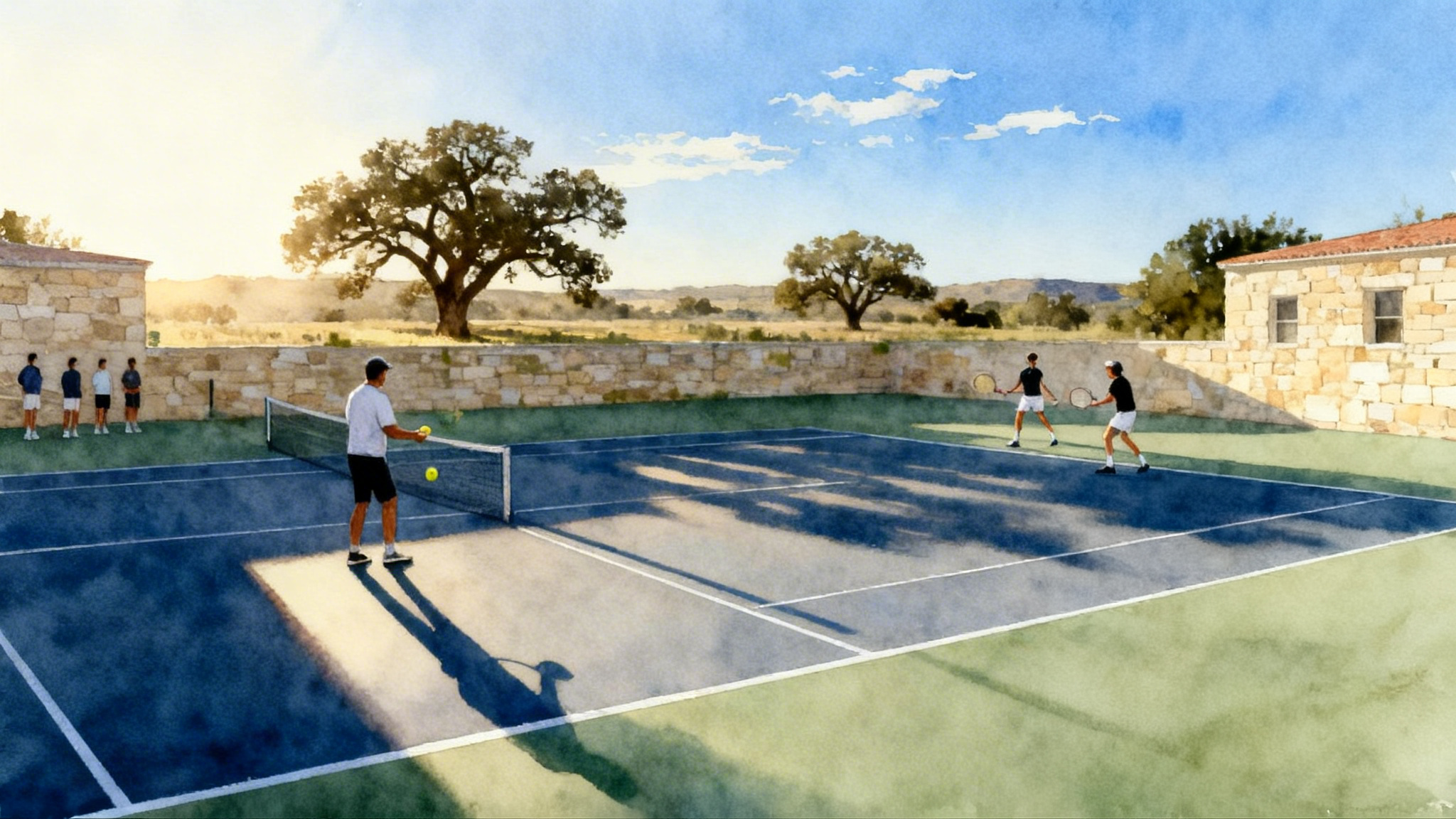
Spain produces more professional players per capita than any other nation on earth. That is not marketing copy -- it is a structural reality rooted in three things: a Mediterranean climate that allows year-round outdoor training, a coaching culture built on clay-court fundamentals, and a competitive domestic circuit that forces junior players to solve problems under pressure before they ever touch a ranking point.
Rafael Nadal developed his game on the red clay of Manacor. Carlos Alcaraz spent his formative years at Ferrero Tennis Academy in Villena, absorbing the methodology of Juan Carlos Ferrero. If you want to understand how Equelite forged Alcaraz's game, that story is worth reading before you shortlist any academy in the Valencia region.
This guide organises Spain's leading academies into geographic clusters, because where you train shapes what you absorb. Each region has a distinct character, and matching your player's profile to the right environment is as important as the academy's name.
How We Evaluated These Academies
Every academy in this guide was assessed across six dimensions:
- Coaching credentials: former tour professionals, development track record, coach-to-player ratio
- Court surfaces and volume: number of clay courts, availability during peak season
- Boarding and welfare: on-site residence, supervision, nutrition
- Academic integration: school partnerships, language support, homework supervision
- Competition access: ITF junior events, Spanish national circuit, internal tournaments
- Cost transparency: weekly and annual fee ranges -- see our tennis academy fees guide for 2026 for a full breakdown
Comparison Table: Spain's Top Academies at a Glance
| Academy | City | Primary Surface | Best For | Boarding |
|---|---|---|---|---|
| Emilio Sanchez / Sanchez-Casal | El Prat de Llobregat | Clay | High-volume juniors, full-year programs | Yes |
| Bruguera Tennis Academy | Santa Coloma de Cervello | Clay | Tactical development, smaller groups | Yes |
| BTT Tennis Academy | Valldoreix | Clay | Barcelona-based families, weekly camps | No |
| MBA Tennis Academy | Cabrils | Clay | Boutique coaching, teenage players | Limited |
| Barcelona Tennis Academy | Castelldefels | Clay | Beginners to intermediate, beach setting | No |
| Catalunya Tennis Academy | Sant Esteve Sesrovires | Clay | Regional competition pathway | No |
| Rafa Nadal Academy | Manacor | Clay / Hard | Elite juniors, campus lifestyle | Yes |
| Tennis Academy Mallorca | Paguera | Clay | Adults and juniors, flexible stays | Limited |
| Ferrero Tennis Academy (Equelite) | Villena | Clay | Elite development, Alcaraz-style pathway | Yes |
| Ferrer Tennis Academy | La Nucia | Clay | Competitive juniors, Costa Blanca base | Yes |
| GTennis Academy | Betera | Clay | Development players near Valencia city | No |
| Lozano Altur Tennis Academy | Silla | Clay | Regional Spanish juniors, club format | No |
| Valencia Tennis Academy | Valencia | Clay | Beginners to advanced, urban access | No |
| Hofsaess Academy | Marbella | Clay / Hard | Adults, professionals, intensive camps | Yes |
| Sergio Gomez Marbella | Estepona | Clay | Boutique adult programs | Limited |
| Amor and Paz (Pepe Imaz) | Marbella | Clay | Mindset-focused development | No |
| SotoTennis Academy | Sotogrande | Clay / Hard | Adults and seniors, lifestyle focus | No |
| The Racquets Club La Manga | Cartagena | Clay / Hard | Multi-sport camps, groups | Limited |
| Club Atletico Montemar | Alicante | Clay | Club-based juniors, local circuit | No |
| Tenerife Tennis Academy | Chayofa | Clay / Hard | Winter training, off-season blocks | Yes |
| Ciudad de la Raqueta | Madrid | Hard / Clay | Urban players, national circuit | No |
| Salou Tennis Academy | Salou | Clay | Holiday camps, family trips | No |
Barcelona: The Highest-Density Clay Hub
No region in the world concentrates as much tennis coaching expertise in a small geographic area as greater Barcelona. Six serious academies operate within 40 kilometres of the city, most of them on outdoor red clay, most of them running year-round.
Emilio Sanchez Academy and Academia Sanchez-Casal
Operating from El Prat de Llobregat, the Emilio Sanchez Academy Barcelona and the adjacent Academia Sanchez-Casal represent the longest-established high-performance pathway in the Barcelona cluster. Both are built on the methodology of Emilio Sanchez Vicario, a former world number seven. Full boarding, academic partnerships, and a structured ITF competition calendar make this the default choice for international juniors committing to a full academic year.
Bruguera Tennis Academy
Located in Santa Coloma de Cervello, the Bruguera Tennis Academy carries the credibility of Sergi Bruguera, a two-time French Open champion. Group sizes are smaller than at the Sanchez-Casal complex, which suits players who need more individual tactical attention. The clay-court emphasis is absolute.
BTT Tennis Academy
BTT Tennis Academy in Valldoreix operates on a more flexible model, making it practical for families already based in or near Barcelona. Weekly intensive camps are available alongside longer residency options.
MBA Tennis Academy
MBA Tennis Academy in Cabrils, north of Barcelona on the Maresme coast, offers a genuinely boutique experience. Smaller player-to-coach ratios and a less institutional atmosphere appeal to parents who want more direct communication about their child's development.
Barcelona Tennis Academy and Catalunya Tennis Academy
Barcelona Tennis Academy operates from Castelldefels, south of the city near the beach, and handles a wider range of ability levels. Catalunya Tennis Academy in Sant Esteve Sesrovires feeds directly into the Catalan regional circuit, which is one of Spain's most competitive junior pathways.
Barcelona verdict: The best concentration of options for international juniors wanting full-year enrollment with boarding. If ranking points and ITF event access are the priority, the Sanchez-Casal complex or Bruguera are the most proven routes.
Mallorca: The Controlled Campus Model
Rafa Nadal Academy by Movistar
The Rafa Nadal Academy in Manacor is the most complete tennis campus in Spain. Eighteen courts, a purpose-built school on site, a full fitness and medical team, and a residential program that has hosted players from over 60 countries. The academy trains on both clay and hard courts, which is a deliberate preparation for the full professional calendar. Costs are at the premium end of the Spanish market, and admission for the elite program is selective. For a detailed look at how the Rafa Nadal Academy has shaped international careers, our piece on how Rafa Nadal Academy accelerated Ruud's career gives the full story.
Tennis Academy Mallorca
Tennis Academy Mallorca in Paguera offers a more accessible entry point for players visiting the island. It suits adults on short intensive programs and juniors combining tennis with a family trip.
Mallorca verdict: For players serious about elite development and able to commit to a full residential program, the Rafa Nadal Academy has no equivalent in Spain for structured campus living.
Valencia Region: The Champion Factory
Ferrero Tennis Academy (Equelite) in Villena
If the Rafa Nadal Academy is Spain's most complete campus, Ferrero Tennis Academy in Villena is its most influential production line. Juan Carlos Ferrero, a former world number one and French Open champion, runs a program built on deep clay-court mechanics and an uncompromising competitive culture. Alcaraz trained here from age 11. The methodology rewards players who already have solid fundamentals and want to be pushed hard.
Ferrer Tennis Academy
Ferrer Tennis Academy in La Nucia, run under the influence of former world number three David Ferrer, sits in the Marina Baixa region of Alicante province. Boarding is available, clay courts are the primary surface, and the competition pathway into the Spanish national circuit is well established.
GTennis Academy, Lozano Altur, and Valencia Tennis Academy
For players who want to train in or near Valencia city, GTennis Academy in Betera and Lozano Altur Tennis Academy in Silla offer club-based programs with strong regional competition access. Valencia Tennis Academy operates within the city itself and is the most accessible option for players at beginner to intermediate level.
Valencia verdict: Serious competitive juniors should target Equelite in Villena first. The training culture is the most demanding in the region and the alumni results support that reputation.
Marbella and Andalusia: Boutique and Year-Round
Hofsaess Academy
Hofsaess Academy in Marbella is the benchmark for high-end adult and professional programs on the Costa del Sol. The combination of clay and hard courts, high-calibre sparring partners, and a serious physical conditioning program attracts touring professionals in the off-season as well as ambitious juniors.
Sergio Gomez Marbella and SotoTennis Academy
Sergio Gomez Marbella Tennis Academy operates from Estepona and suits adults looking for intensive short-term programs in a smaller group setting. SotoTennis Academy in Sotogrande blends tennis with the lifestyle of one of Spain's most exclusive coastal communities, making it popular with adult players and seniors who prioritise quality of experience alongside coaching.
Amor and Paz Tennis School
Amor and Paz Tennis School, run by Pepe Imaz in Marbella, takes a distinctly different approach, centring the program around mindset, emotional control, and the inner game. It is not for players chasing ranking points but for those who want to address the mental side of their development in a structured way.
Marbella verdict: Adults and professionals who want serious training without the institutional feel of a large campus will find the Marbella cluster, particularly Hofsaess, the most compelling option outside Barcelona and Mallorca.
Murcia and Alicante: Underrated Options
The Racquets Club La Manga in Cartagena is one of Spain's best-kept secrets for group training camps and multi-sport programs. The climate in Murcia is reliably dry even in January, and the facility's court volume suits large groups. Club Atletico Montemar in Alicante operates on a traditional club model and is best suited to players embedded in the Spanish national junior circuit.
Tenerife: The Off-Season Training Block
Tenerife Tennis Academy in Chayofa is the go-to destination for European players who need to train through the northern winter. Temperatures in the south of Tenerife rarely drop below 18 degrees Celsius, and the academy runs structured programs throughout November, December, and January when most European outdoor facilities are closed. If you are weighing up island options, the comparison piece on Tenerife vs Ljubicic: which island academy fits you gives a detailed breakdown of how these two very different environments stack up.
Madrid
Ciudad de la Raqueta is Madrid's largest racket sports complex and the most logical base for players competing on the central Spanish national circuit. Its hard-court focus distinguishes it from almost every other academy in this guide.
Salou (Catalonia)
Salou Tennis Academy caters primarily to holiday camp formats and families visiting the Costa Daurada. It is not a high-performance residential destination, but it serves its purpose well for players who want structured tennis during a family holiday in the region.
Best Time of Year to Train in Spain
Spring (March to May) and autumn (September to November) deliver the ideal training conditions: temperatures between 15 and 25 degrees Celsius, dry courts by morning, and long usable daylight hours. Summer in inland Villena or Manacor can push above 38 degrees Celsius by midday, which limits outdoor session lengths. Coastal academies in Marbella and Barcelona moderate slightly in July and August. Tenerife is the only location where December and January are genuinely comfortable for full training days.
How to Choose: Quick-Pick Guide by Player Profile
Your player needs maximum clay-court volume with full boarding: Barcelona cluster, specifically Sanchez-Casal or Bruguera.
Your player is elite-level and ready for a demanding residential campus: Rafa Nadal Academy in Manacor or Ferrero/Equelite in Villena.
Your player wants the same development pathway Alcaraz followed: Ferrero Tennis Academy in Villena is the direct answer.
You need an adult or professional short-term program: Hofsaess in Marbella or Rafa Nadal Academy's open programs.
You are planning a winter training block from November to February: Tenerife Tennis Academy in Chayofa.
Your player is 10 to 13 and you want a boutique environment before committing to a large program: MBA Tennis Academy in Cabrils or Ferrer Tennis Academy in La Nucia.
For a full, searchable list of all academies across Spain, visit the best tennis academies in Spain regional directory.
FAQs
Which Spanish academy has the most famous alumni?
The Rafa Nadal Academy and Ferrero/Equelite are the two most documented cases of champion production. Nadal trained in Manacor from childhood; Alcaraz's entire formative period was spent at Equelite in Villena under Ferrero.
Do Spanish academies teach in English?
Most academies with international boarding programs operate bilingually. Sanchez-Casal, the Rafa Nadal Academy, and Ferrero/Equelite all have English-speaking staff and academic support in multiple languages.
What is the typical cost of a week at a Spanish tennis academy?
Costs vary significantly by program type and location. Our dedicated tennis academy fees guide for 2026 covers the full pricing spectrum from weekly camps to annual boarding contracts.
Is red clay better for junior development?
Clay slows the ball and extends rallies, which forces players to construct points through consistency, positioning, and physical endurance rather than raw power. Every professional who came through the Spanish system credits clay training as the foundation of their game.
The Real Reason Spain Still Wins
Other countries have good academies. Spain has a system: a dense network of clay courts, a competitive junior circuit that selects for mental toughness, and a coaching culture where former top-ten professionals are directly involved in day-to-day training. That combination does not exist anywhere else at this density.
Choosing the right Spanish academy is not about finding the most famous name on the letterhead. It is about matching the training environment to the stage your player is actually at. A 12-year-old who is not yet consistent enough for the Equelite program will develop faster at MBA or Bruguera. An adult who needs to fix a technical flaw will get more from a boutique Marbella camp than from a large junior campus. The geography in this guide is a tool for making that match precisely, not approximately.