From Oslo to Mallorca: How Rafa Nadal Academy Accelerated Ruud
 Tommy
Tommy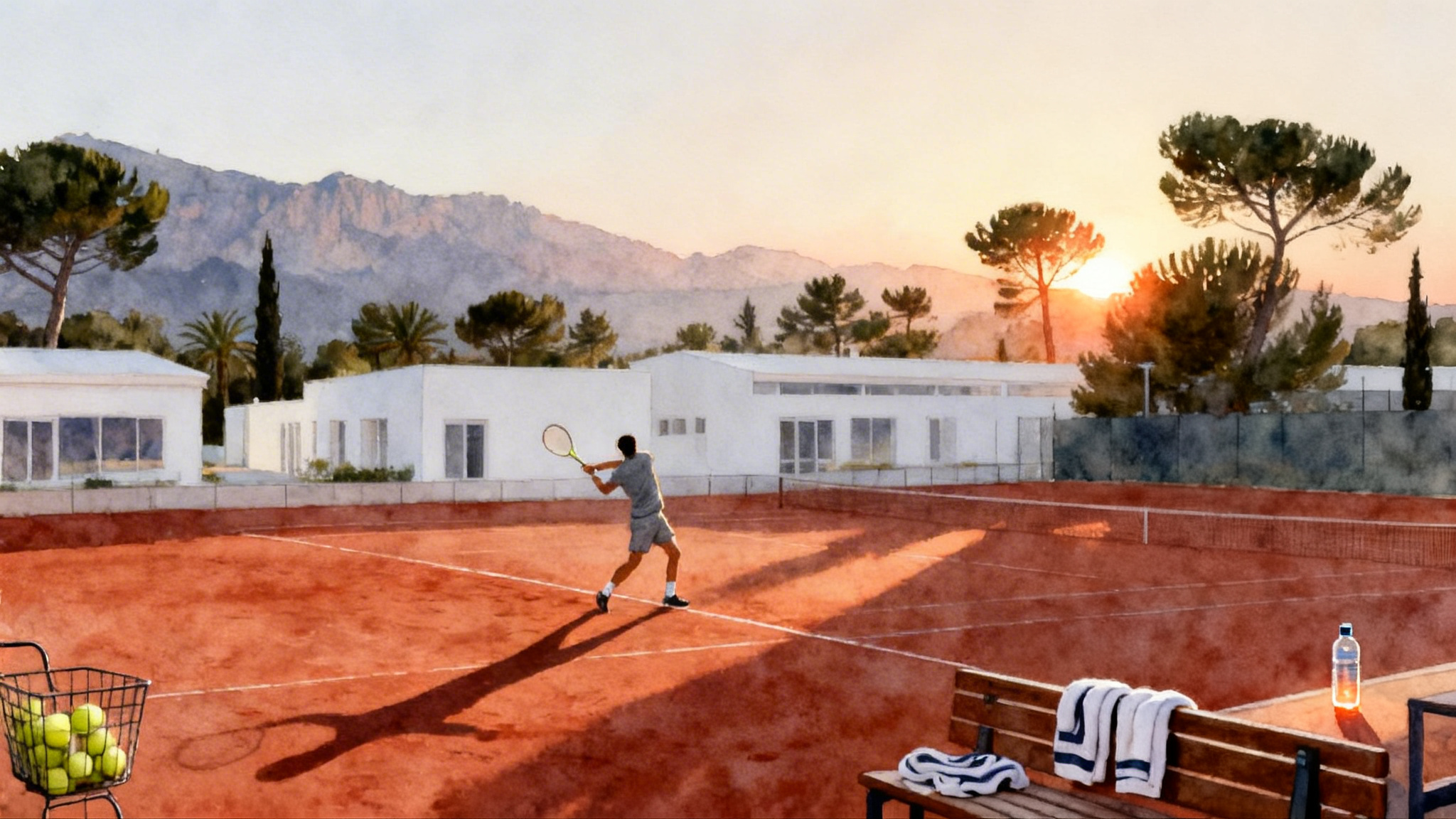
The flight that rewired a career
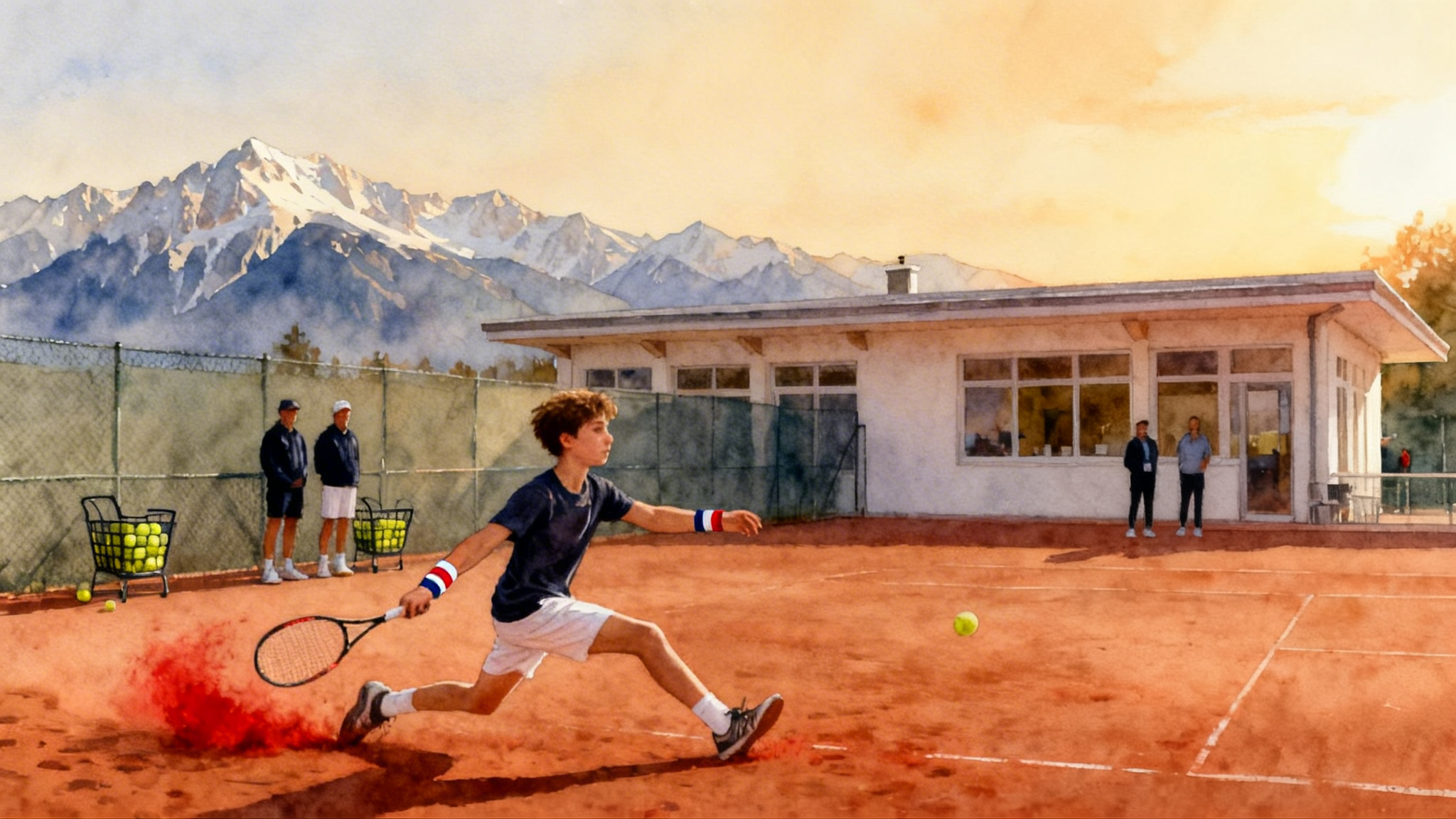
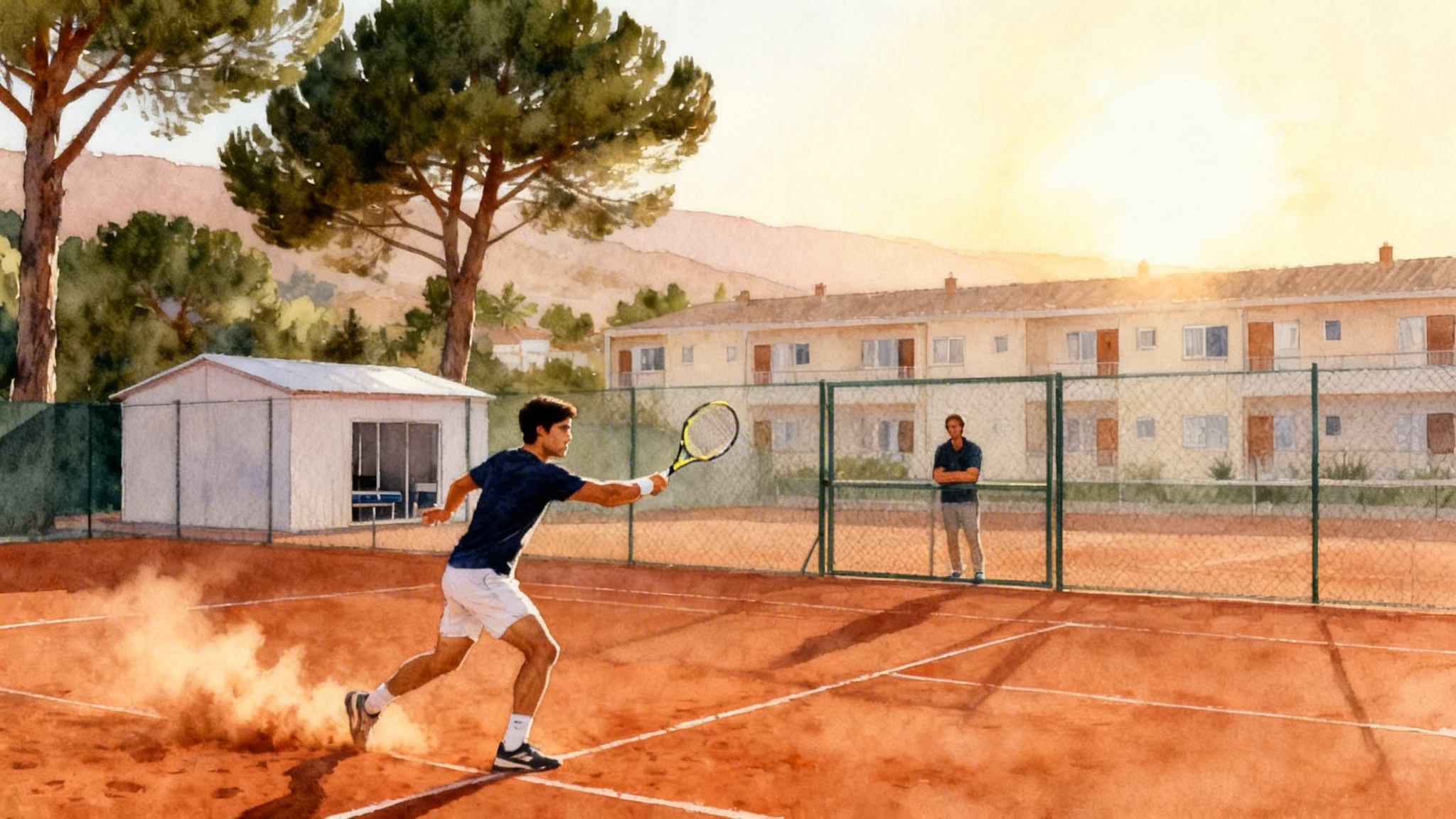
In 2018, a 19-year-old Casper Ruud left the comfort of Oslo for the heat, wind and red dust of Mallorca. The decision to base at the Rafa Nadal Academy in Manacor was not a postcard move. It was a bet that the Spanish way of building players could harden his strengths and close the gaps that kept him in the tier of solid ATP performers without a breakthrough. By the time Ruud played his way into Grand Slam finals in 2022 and 2023 and contended deep at Masters 1000 events, the bet looked remarkably smart.
This is the story of what changed, why it worked, and how parents can borrow the most durable lessons when choosing a training base for a developing player. For a parallel case study in modern player building, see How Ferrero's Equelite shaped Alcaraz.
Why Mallorca and why that moment
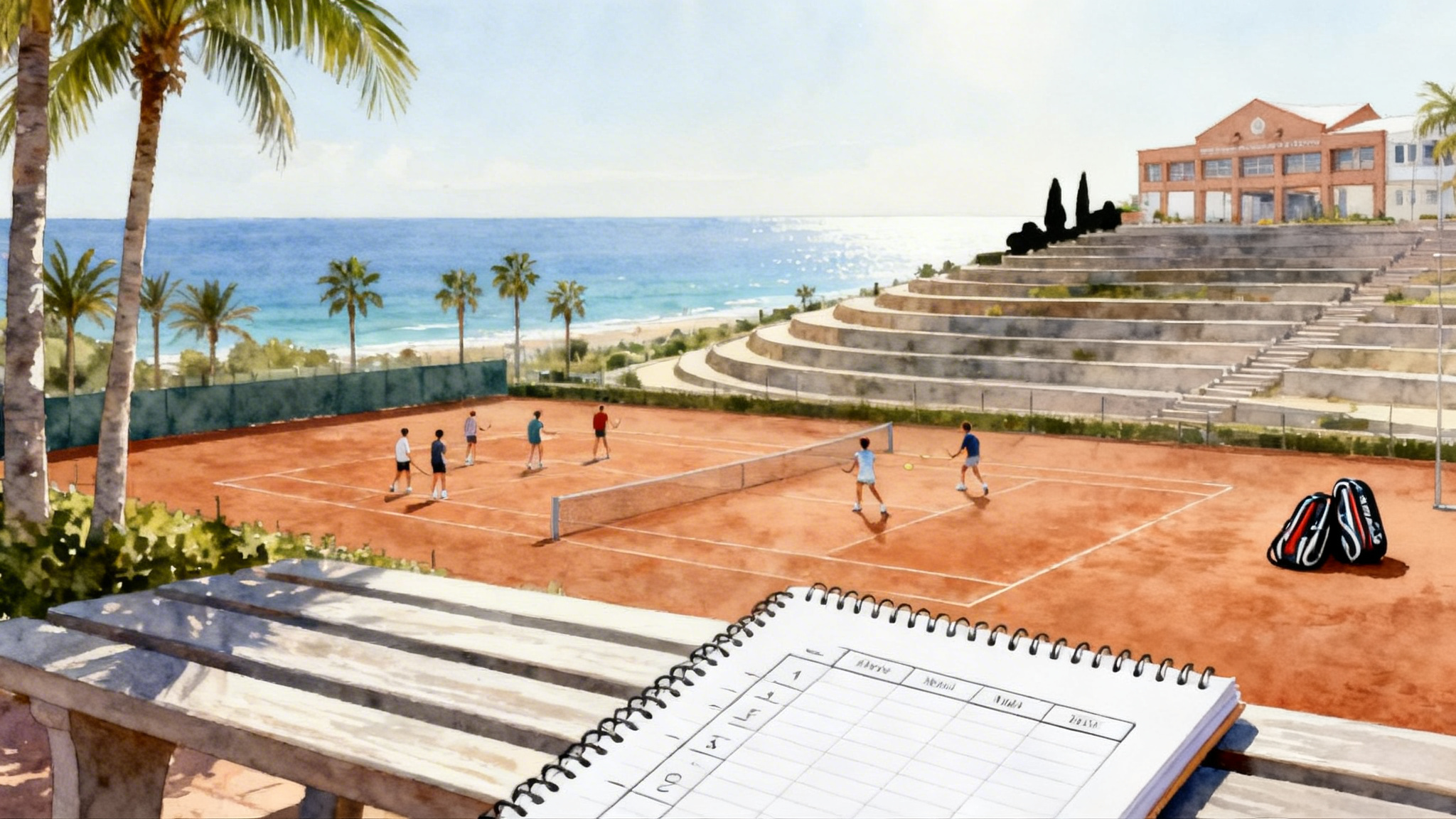
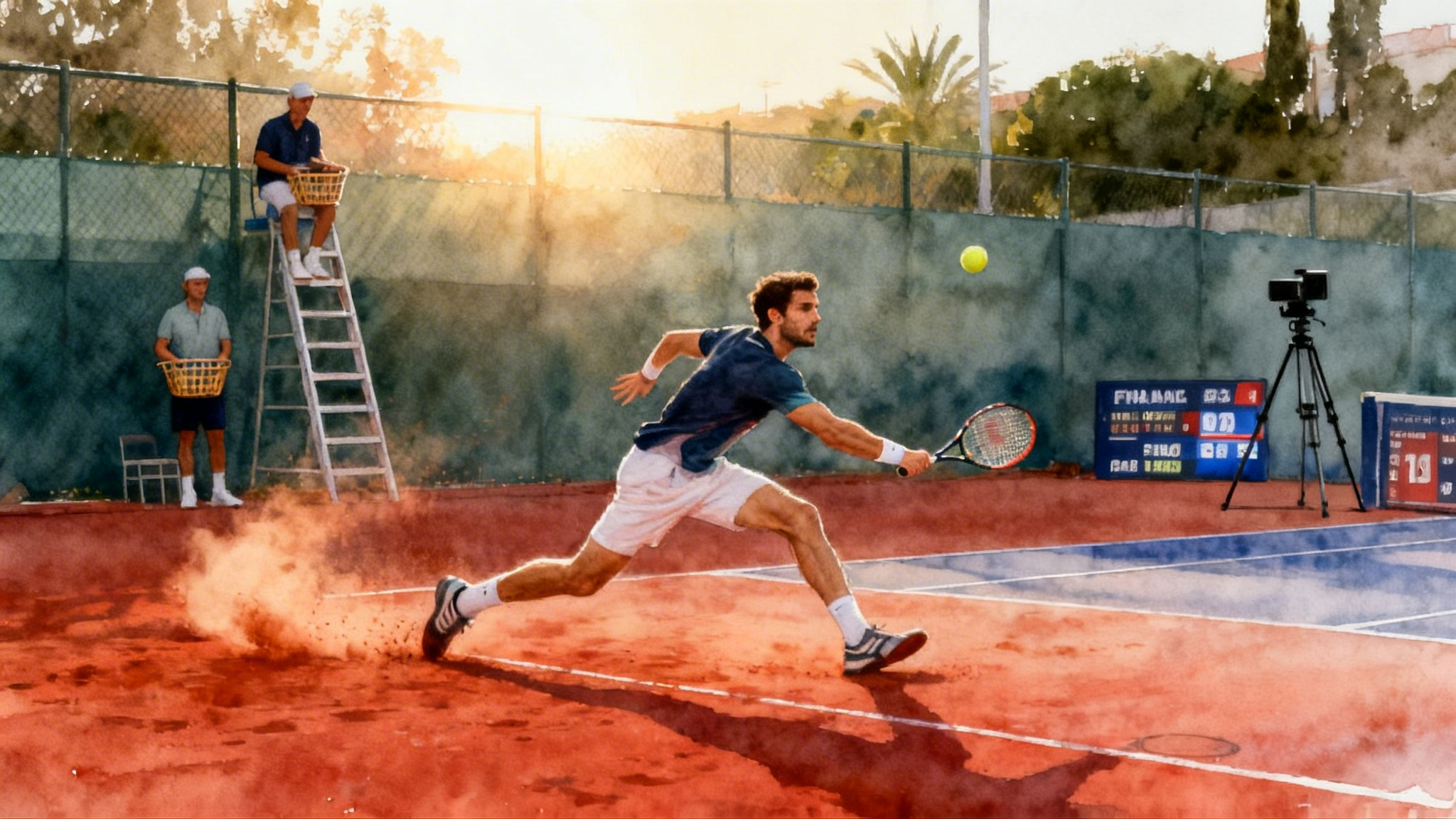
Norway offers excellent multi-sport culture and indoor facilities, yet tennis development is dictated by winter, limited outdoor clay time, and a smaller pool of high-performance sparring. Mallorca offers the opposite. The academy sits on an island where the wind can make a forehand feel different with every swing. Courts are full, heat is a constant, the bounce is honest but punishing if your feet are even half a beat late. It is a laboratory that makes small technical leaks very loud and forces players to find reliable solutions.
For Ruud, the move came at the perfect intersection of readiness and necessity. He already had a sturdy clay-court identity and a heavy forehand. What he needed was a place where the daily standard pushes you to treat that identity as a starting point, not a ceiling.
The Spanish block: train in waves, not drips
The academy’s hallmark is the training block. Instead of spreading low-intensity work evenly through the calendar, players cycle through two to four week waves of high-density sessions bookended by lighter weeks and match play. The logic is simple. Intensive blocks let you learn one thing deeply, under physical stress, then stabilize it in lower-volume periods and test it in competition. It is like learning a language by immersion rather than studying vocabulary lists for months.
A typical Ruud block in Mallorca included:
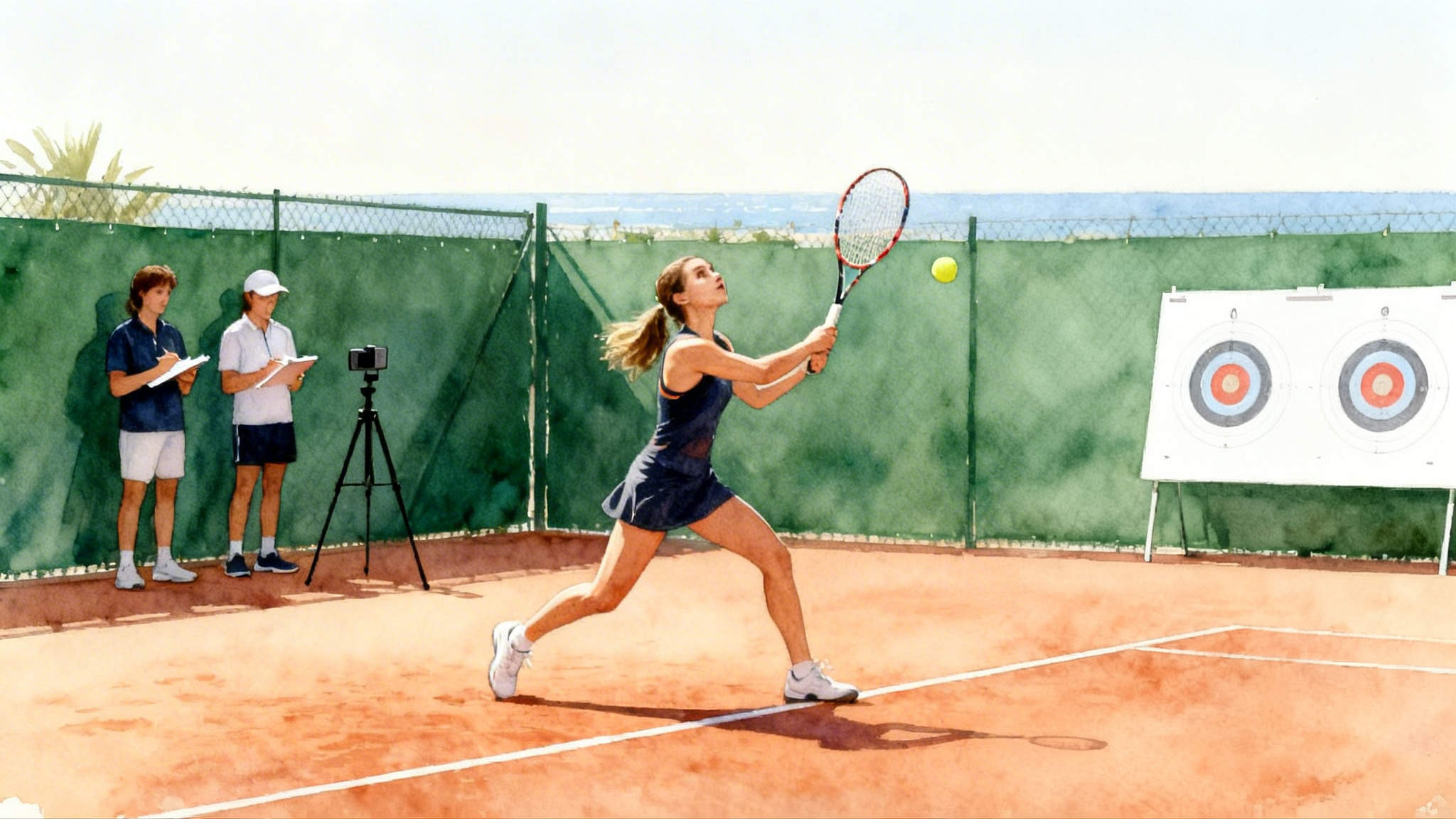
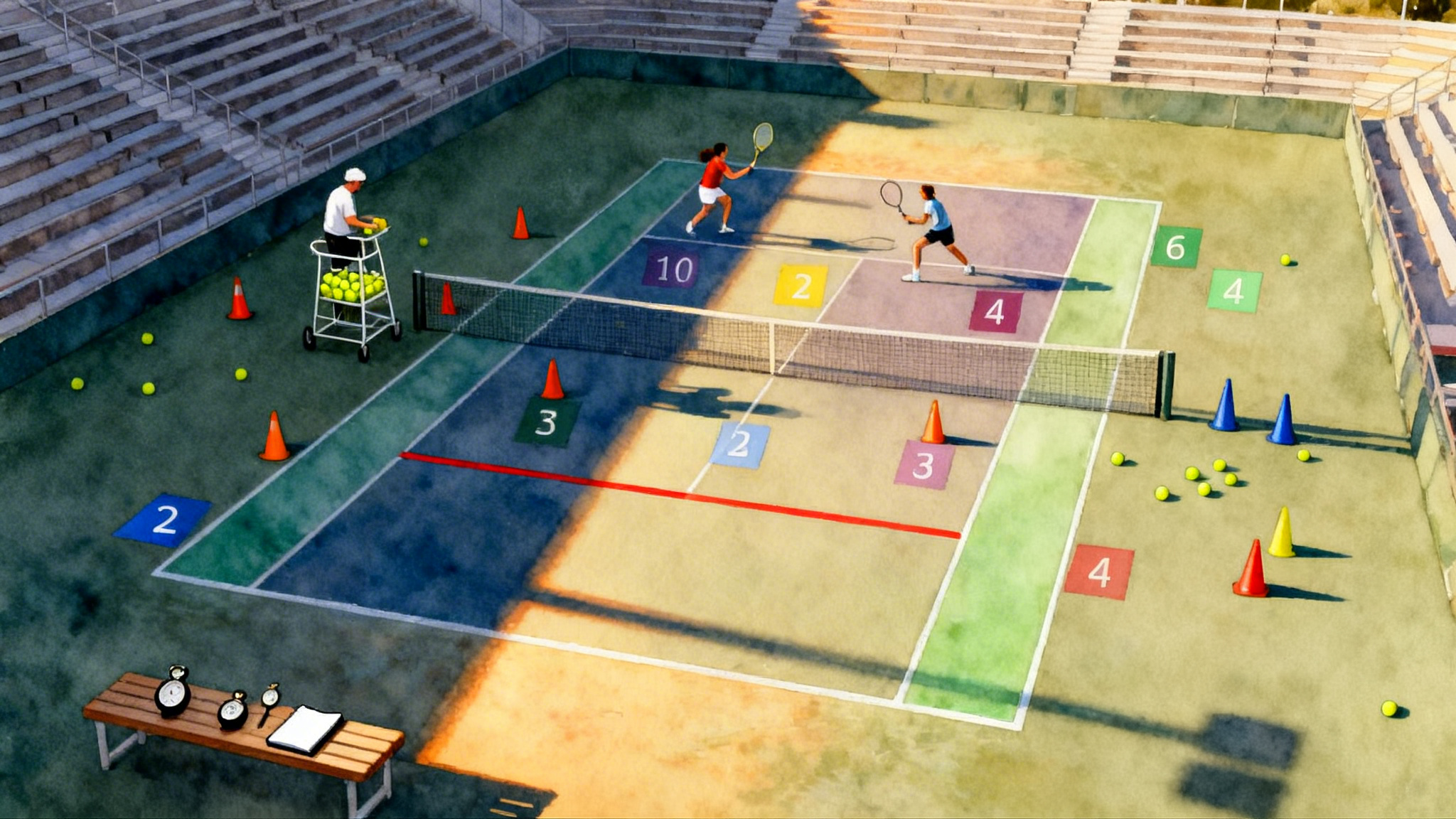
- Morning court: live ball drilling for 90 to 120 minutes with strict targets by zone. No rallying without intention. Every feed has a rule and a scoreboard.
- Midday gym: posterior chain strength, rotational power, and mobility for hips and thoracic spine. The aim was a body that could rotate hard without collapsing posture on the move.
- Afternoon court: point construction with constraints. For example, you can only win points with one of two preselected patterns. Make the choice, live with it, learn the edges.
- Recovery: heat adaptation protocols, hydration rules, and sleep as a performance skill, not an afterthought.
Training in waves did two big things for Ruud. First, it forced a clear hierarchy of skills. You cannot work on everything at once, so each block chose a main performance limiter, like first-serve quality or forehand speed to a specific zone. Second, the density of work hardened his decision making under fatigue. When the legs were heavy and the wind was cruel, good patterns still had to show up.
Daily hitting standards: no soft days
The academy culture is blunt about quality. Warmups are short, baskets are purposeful, and every drill has a performance gate before the group can move on. Two examples that became staples for Ruud:
- Crosscourt reliability test: 20 consecutive heavy crosscourts to the deep outside third without flirting with the doubles sideline. Miss early, start over. Make 20, then play a live point beginning with the same ball.
- Serve plus one ladder: 10 serves to a chosen target at 60 to 70 percent speed with perfect location, then 10 at 80 percent, then 10 at 90 percent, each followed by a forehand placed to the next target. The speed increases only if location holds.
The partners mattered. Mallorca attracts touring pros in preseason and in pauses between events. Sparring sessions rarely drift into easy rhythm. The consistent experience of having your best ball come back with interest upgrades your default pace and height. There is no friendlier way to learn top-20 tennis than to be forced to hit like it daily.
Father and son, clarified
Christian Ruud remained the constant. The father and son bond could have become a blind spot or a shortcut. Instead, they clarified roles. Christian set the long arc: the pieces of the game that would define Casper across surfaces for five years, not five weeks. The academy staff, with fresh eyes and Spanish training instincts, ran the day-to-day constraints and standards. Conversations that could drift into emotion were anchored to shared numbers: serve placement percentages by zone, average rally depth, and forehand speeds by intent.
At tournaments, there was one voice. If Christian led the match plan, academy coaches reinforced details that fit that plan. No mid-event tinkering that pulled in different directions. The blend gave Ruud the psychological safety of a parent who understands his wiring and the sharpness of an external staff that protects against comfort bias.
The four development pivots that changed the results
1) Serve patterns: from safe spin to disruptive variety
Early in his career, Ruud’s first serve was reliable and safe. In Mallorca, reliability stayed, but the target map diversified and the follow-up ball became non-negotiable. The focus was not raw miles per hour. It was disruption.
- Add the body serve on indoor hard courts to jam two-handed backhands. It set up a short ball to the forehand almost immediately.
- Aim the deuce-court T serve at knee height with shape, not flat pace, to pull returners into the middle and open the next ball wide.
- Make the ad-court slider land deep enough to reach the back fence quickly. If it dies short, opponents can redirect line. If it lands deep, the first step is defensive and the plus-one forehand has authority.
- Keep a strict rule: a first serve that paints the chosen target and a plus-one forehand to a preselected lane is a won point at least seven times out of ten in practice. If it falls below, rework targets, not just speed.
The result was fewer neutral first-serve points and more immediate pattern control on fast courts, a key shift for hard court relevance.
2) Forehand aggression: create offense without losing height
Ruud’s forehand always had weight and shape. The pivot in Mallorca was learning to flatten on command without sacrificing safety windows.
- Drills used two windows: net strap to top-of-net for attacking balls, and top-of-net to head height for neutral rally balls. The rule was simple. When stepping inside the baseline on a sit-up ball, clear the strap by a palm’s width and aim deep middle or inside-in. When behind the baseline under pressure, use the higher window to buy time and push the opponent off their contact point.
- Pattern quotas were set daily. For example, 20 inside-out forehands must finish behind the service line on the deuce corner before the group can switch to inside-in. The feedback was immediate and binary.
The practical effect was an extra gear that travels. On clay it means pinning people behind the ad-court alley. On hard it means taking time away without overhitting.
3) Court positioning: claim the baseline on purpose
Spanish training often starts deep to build patience. The twist for Ruud was an explicit rule about moving forward as soon as he gained a small advantage.
- The two-step rule: if a heavy forehand pushes the opponent one step back, Casper must take two steps in. Feet lead the tactic.
- The return map: against second serves on hard courts, stand half a step inside the baseline and hit through the ball with height to the middle third. The goal is to start neutral-plus rather than neutral.
- The red-light, yellow-light, green-light language kept decisions automatic. Red is defend and use the high window. Yellow is neutral, look for forehand. Green is step in and choose inside-in or deep middle, then crash the next ball.
This changed not only where he hit from, but also how early he saw the forehand. More balls struck on the rise, more balance on contact, fewer rallies played from the fence.
4) Fitness and repeatability: build a forehand engine
Ruud’s fitness became a competitive advantage. The choice was to train qualities that protect technique under stress, so the forehand you want at 1-all is still there at 4-all.
- Lateral repeat sprints with change of direction at unpredictable cues, so the first step stays honest.
- Med ball rotational throws with footwork patterns that mimic the serve plus one. Feet, hips, thorax, then arm. That order was coached relentlessly.
- Heat adaptation and hydration tests in Mallorca’s summer made five-set hard court matches more manageable. It is not glamorous, but it is paid forward resilience.
From ATP 250 to Grand Slam Sundays
You can draw the line. In 2020 Ruud converted consistent quarterfinals into a first tour title, then multiplied those wins in 2021 with a string of trophies that proved he could dominate weeks at a time. The step up to Grand Slam finals in 2022 and 2023 came from putting all four pivots under one roof for seven matches in two weeks. The serve plus one took cheap points; the forehand created separation; the court position stayed assertive on hard courts; the fitness held up under closing pressure. For career context, see the Casper Ruud ATP profile.
Masters-level contention followed a similar arc. Deep runs came when the patterns were automatic and the baseline position stayed forward against big servers. The day he beat elite pace while keeping his plus-one discipline, he looked like a title threat on any surface.
What parents and players can copy when choosing a base
You do not need a Mediterranean island to build a professional habit. You need a base that forces the right problems and measures what matters. Four pillars will do most of the work. For a build-you-can-use framework, compare with how we design a 90-minute practice.
1) Quality of sparring partners
- Seek a place where your player is not the best hitter in the morning. The standard must live in the other side of the net.
- Ask for a weekly plan that names at least two tougher sparring partners and explains why their ball is the right stretch.
- Watch a session. Count how many times your player is genuinely late or off balance. If it is never, the water is too shallow.
2) Coach continuity with shared language
- Choose a base where the lead coach owns the long arc and any visiting or academy coaches can plug into that plan without creating noise.
- Ask for the player’s glossary. Red, yellow, green decision rules. Serve targets by nickname. Forehand windows. If the staff can describe the language, they can coach it consistently.
- At events, ensure there is one plan and one voice. More advice is not more progress.
3) Travel logistics that lower friction
- A good base sits within ninety minutes of a reliable airport and avoids daily traffic purgatory. Less time in a car means more time to train, nap and review.
- Consider climate reality. If your player needs more outdoor hard court reps, pick a base that offers them at least eight months a year. Weather is a hidden coach.
- Build a calendar around blocks. Travel after a block to test the work, then return for another wave. Drips of training do not move ceilings.
For an island model that blends clay and recovery well, look at Ljubicic Tennis Academy in Lošinj.
4) Data-informed progress checks
- Keep score on the right things. First-serve location percentage by zone. Forehand speed buckets by intent. Rally depth by thirds of the court. Break-point conversion with a serve plus one called in advance.
- Review one clip per day that confirms the pattern you trained, not a highlight reel. Confirmation bias is the silent killer of progress.
- Decide in advance what needs to change if a metric stalls for two blocks. New targets, new constraints, not just more of the same drill.
A sample week that mirrors the Mallorca rhythm
Here is a compact structure you can adapt wherever you train. The goal is to put the four pivots on rails.
-
Monday
- Morning: 90 minutes live ball on crosscourt forehands with height windows. Finish with 20 inside-in winners off coached feeds.
- Gym: lower body strength with isometrics and rotational core work.
- Review: 10 serves to each T and wide target with plus-one forehand map. Note locations, not speeds.
-
Tuesday
- Morning: return plus first two shots. Second-serve returns struck inside the baseline to deep middle.
- Afternoon: practice sets to four games with only two legal winning patterns called before each return game.
- Recovery: heat or humidity exposure if safe, then hydration and sleep checklist.
-
Wednesday
- Morning: serve plus one ladder with escalating speed if location holds. Add body serves indoors.
- Gym: repeat sprints and med ball throws tied to serve patterns.
- Video: five clips of good yellow-light to green-light transitions.
-
Thursday
- Morning: court position day. Two-step rule enforced after any heavy forehand.
- Afternoon: tiebreak sets with a quota of forehands struck on the rise.
- Note: if quotas are not met, repeat the drill instead of adding new content.
-
Friday
- Morning: mixed patterns without coaching reminders. Treat it like a test.
- Afternoon: light hit or off day. Book travel or match play for the weekend.
-
Saturday and Sunday
- Competition: local matches or match play against stronger hitters. No new technical work.
- Debrief: one metric that moved, one pattern that held up.
The mindset that travels from clay to everywhere
Ruud’s story is not about abandoning clay-court DNA. It is about translating it. Heavy forehands and patience remain his passport. The Mallorca years taught him to add serve disruption, forward court position, and a version of aggression that does not throw away the safety net of height and shape. The father and son partnership stayed intact because roles were crisp and feedback was shared through numbers as much as feelings. The academy environment did what great environments do. It changed his default settings.
Parents and players can copy this without chasing a brand name. Pick a base that runs clear blocks, sets non-negotiable daily standards, and offers a ball that is slightly too much to handle. Make the serve plus one a religion. Measure what matters and be boring about it. If you do, the results that once lived only on clay can follow you to hard courts and even to the last Sunday of a major.
A final takeaway
Training is not about collecting hours. It is about stacking the right constraints so that better decisions become automatic under stress. That is the hidden gift Ruud took from Mallorca. Build a base that makes your strengths inevitable, patches your leaks under fatigue, and gives you one voice when it matters. Do this, and the gap between solid weeks at smaller events and belief at the biggest ones starts to look a lot smaller.