Croatia vs Spain Tennis Academies: Best Path in 2025 to 2026
 Tommy
Tommy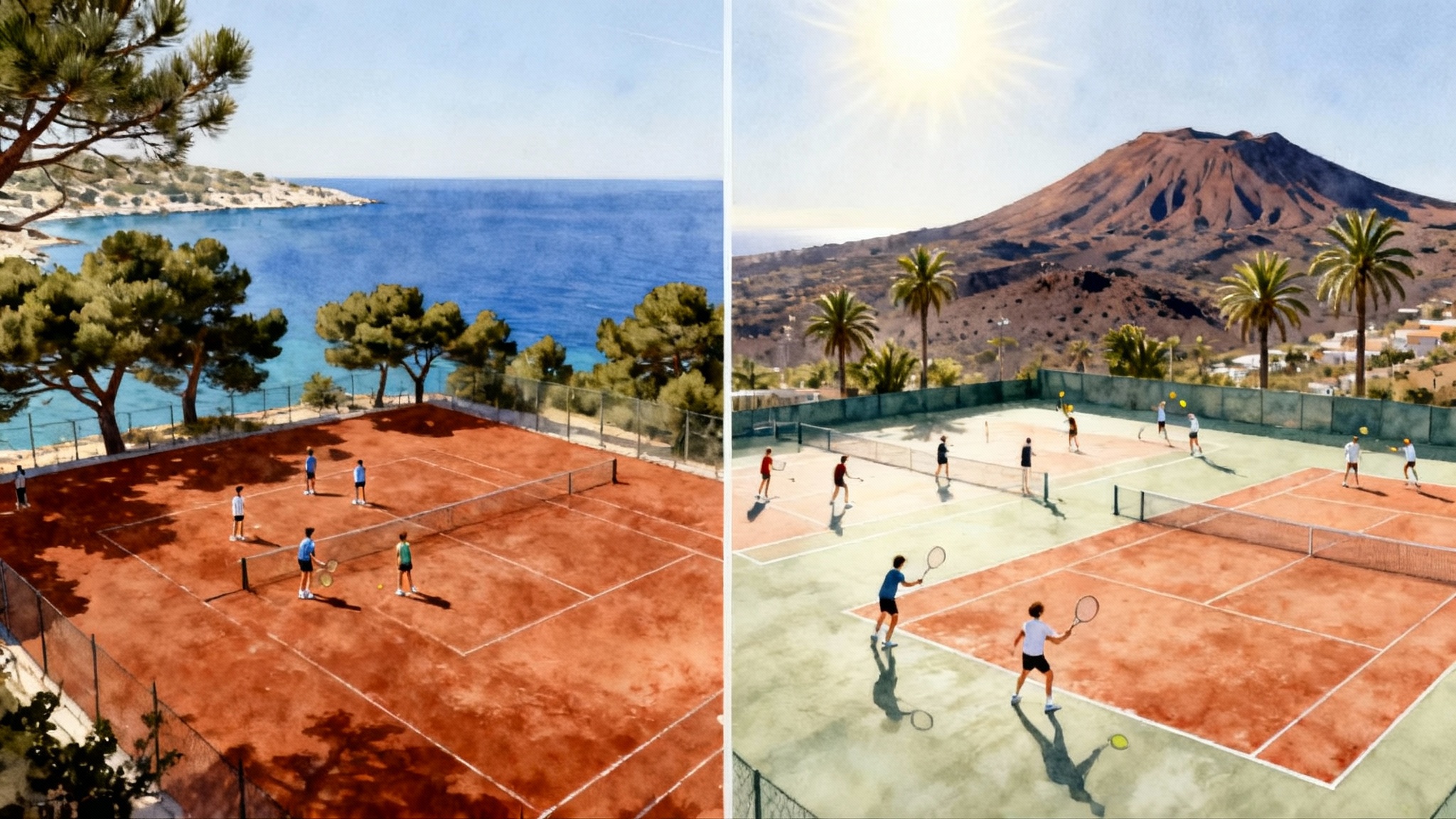
The quick answer
If your junior thrives on intimate coaching, clay-first habits, and a calm island routine with room to breathe and reflect, Croatia’s boutique pathway anchored by Ljubicic Tennis Academy on Lošinj is a strong fit. If your junior needs constant matches, big training groups, and uninterrupted outdoor weeks through winter, Spain’s ecosystem centered on Tenerife Tennis Academy in the Canary Islands gives you scale, volume, and convenience. The better choice depends on how your child learns, competes, and recovers, not on which country wins more trophies.
How the ecosystems really differ
Think of Croatia and Spain as two workshops solving the same problem with different tools:
- Croatia, Lošinj: small cohorts, clay-heavy training, more direct time with senior coaches, slower daily rhythm, and a compact tournament radius that expands as weather warms.
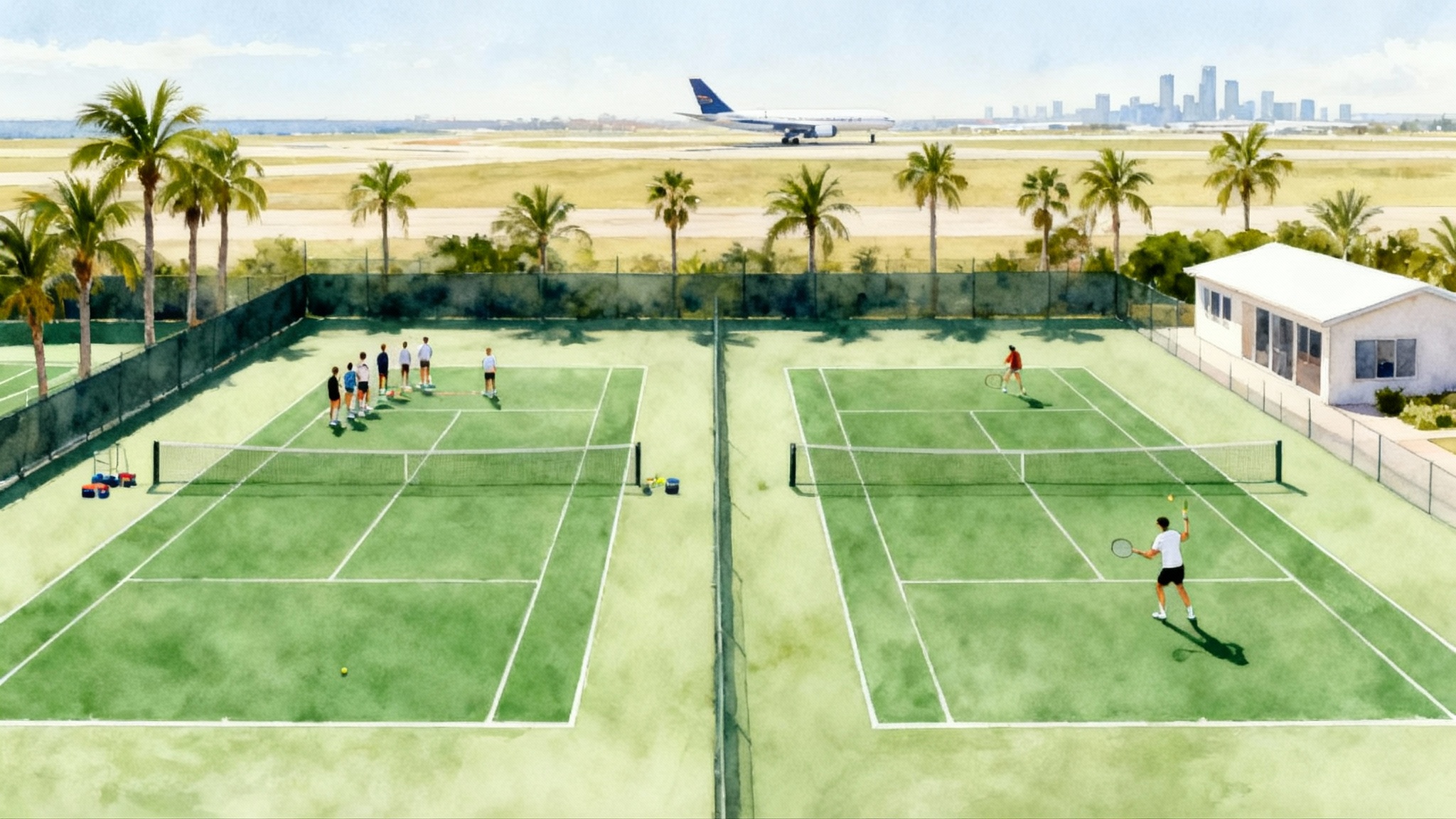
- Spain, Tenerife: large player pools across levels, mixed surfaces with plenty of outdoor days in winter, rolling sparring options, and frequent match-play blocks year round.
In short, Croatia optimizes depth and detail per session. Spain optimizes repetitions, matches, and training density across the week.
Winter climate and weekly training volume
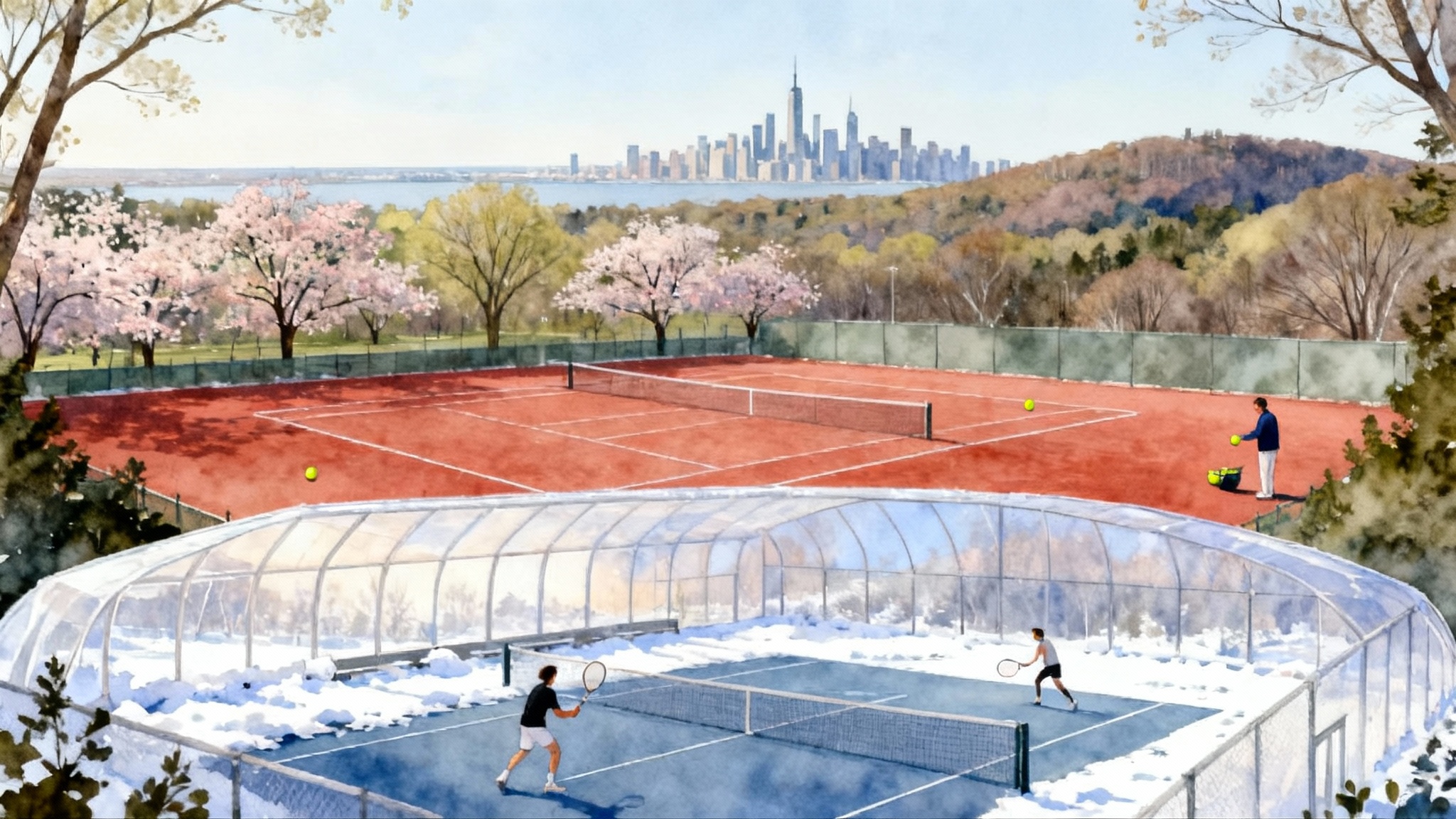
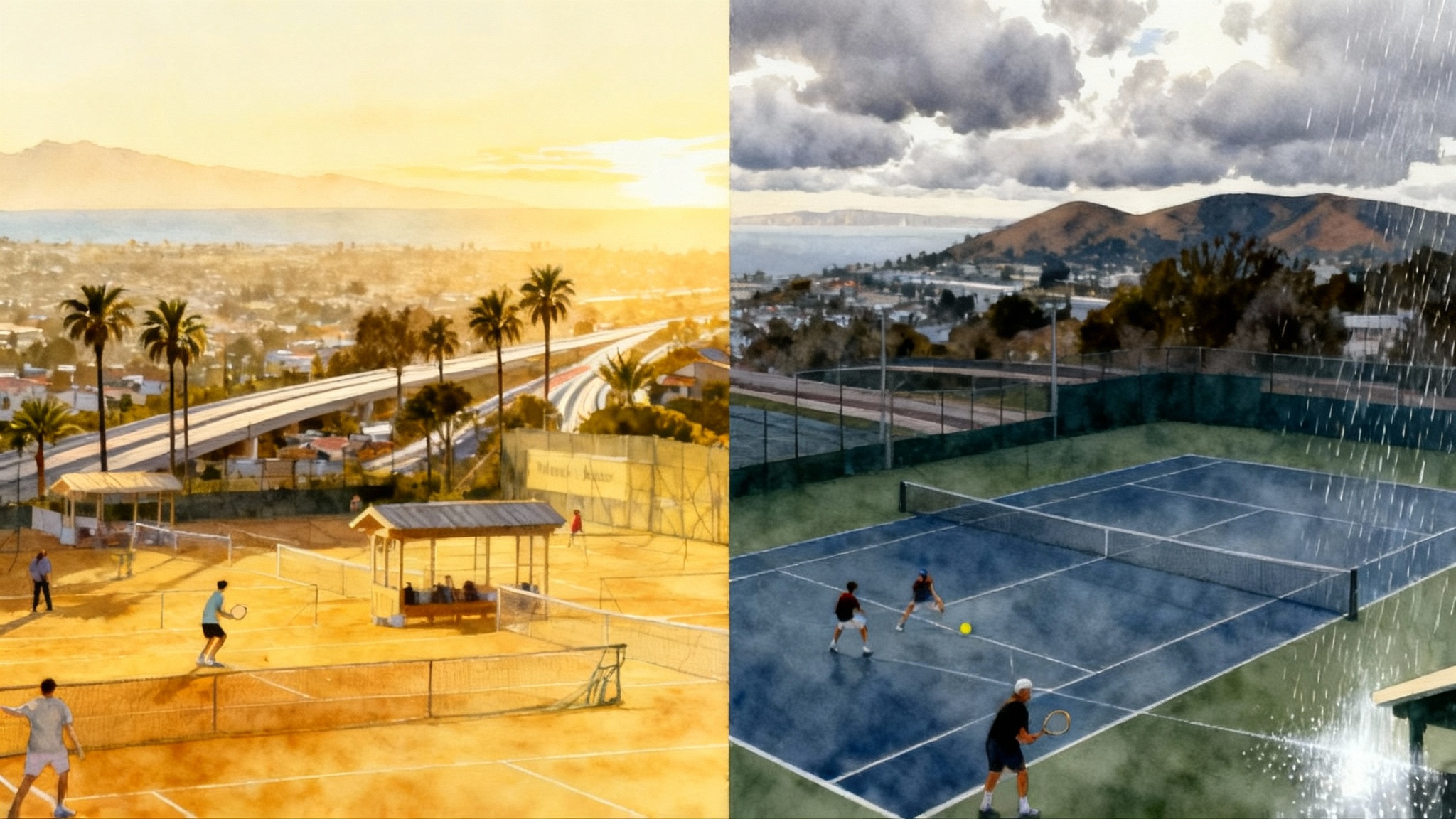
- Lošinj, Croatia: Winter daytime highs often sit near 50 to 55 degrees Fahrenheit, with cooler mornings, occasional wind, and periodic rain. Courts are playable many days, though you will lose some sessions to weather and shorter daylight.
- Tenerife, Canary Islands: Winter highs commonly hover near 68 to 72 degrees Fahrenheit at sea level. Rain is brief and irregular on the south coast, so you can plan full outdoor microcycles with minimal cancellations.
What this means in practice:
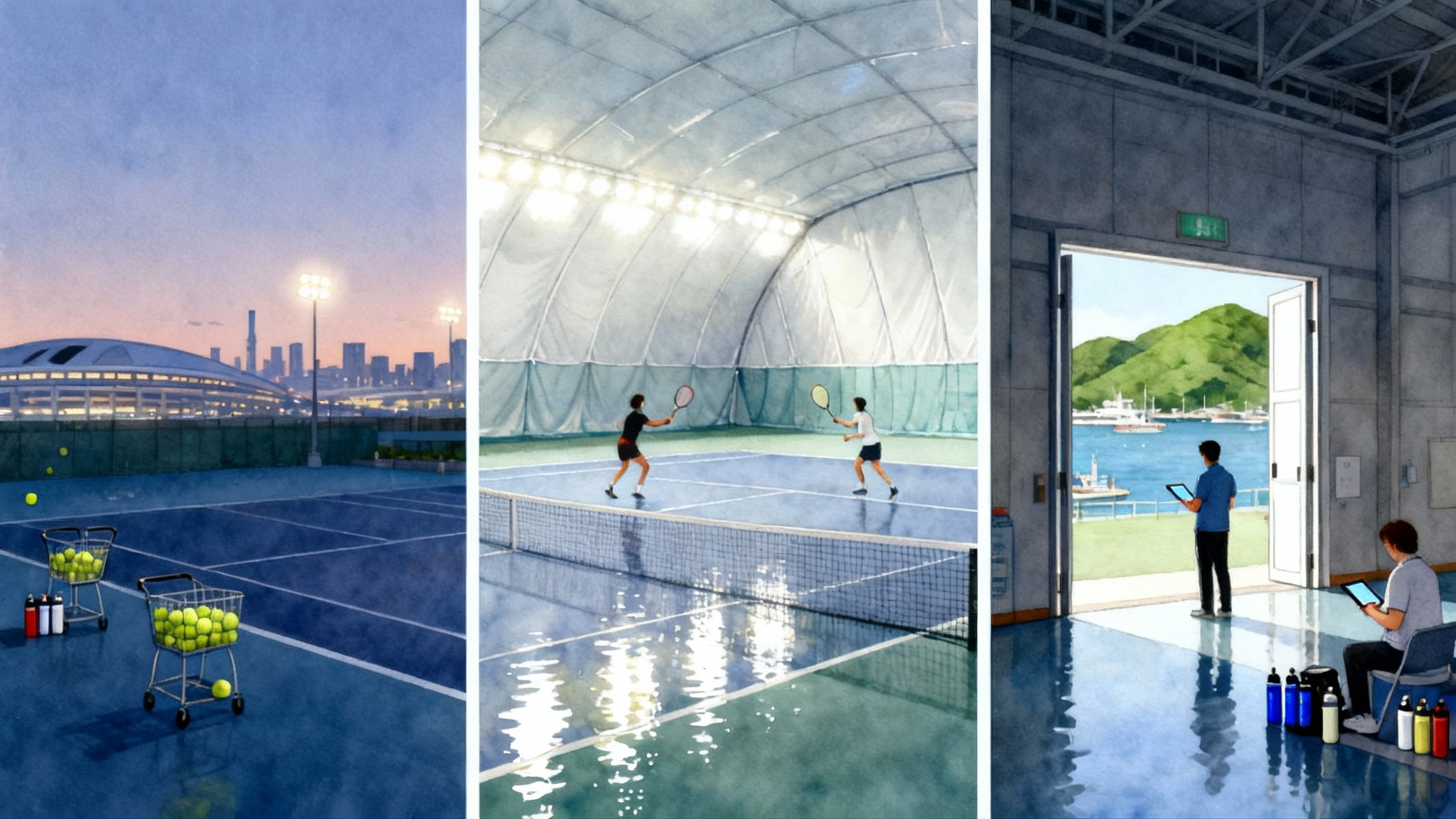
- Croatia favors quality blocks and scheduled indoor or fitness contingencies when the forecast turns. Players learn to value preparation, footwork detail, and intent with each ball because volume is not infinite.
- Spain gives you uninterrupted outdoor hours, ideal for juniors who need extra live-ball volume, serve reps, and frequent point play without many weather-driven breaks.
Surfaces and footwork philosophy
Both countries love clay, but they use it differently.
- Croatia’s boutique centers lean clay-first for technical foundations: deep, heavy rally tolerance, height control over the net, and disciplined recovery steps. Sliding becomes a tool, not a habit, with constant reminders about posture and balance through contact.
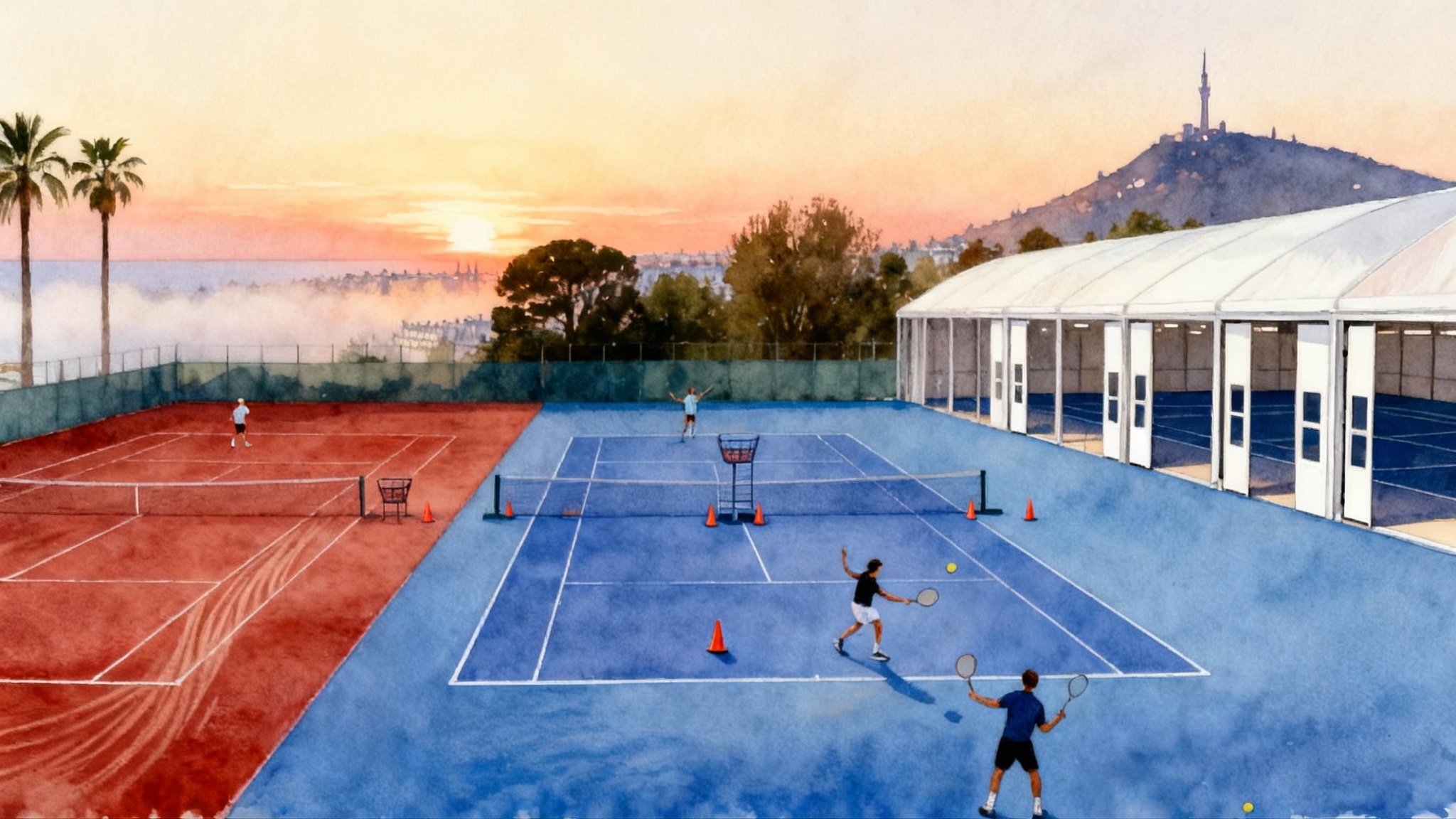
- Spain’s Canary Islands setups typically offer a mix of clay and hard courts. On clay, you still get the signature Spanish patterns, but the quick access to hard courts lets coaches toggle the day’s emphasis. Expect more serve plus first-ball work, short-explosive patterns, and transition drills that translate to hard courts and indoor events later in the season.
Why this matters:
- Juniors who over-hit or rush points often benefit from the Croatian cadence. The surface and coaching rhythm make it easier to rebuild shape, height, and patience.
- Juniors who already have a solid rally base and need to accelerate point-starting patterns may do better with Spain’s frequent toggling between clay and hard.
Coaching model, ratios, and daily flow
- Croatia, Lošinj: Boutique by design. Typical mornings emphasize individual or very small-group technical blocks. Ratios are often tighter, especially for technical sessions, and there is a clear line of sight to a lead coach. Afternoons may mix tactical drills with strength and conditioning, often with time reserved for mobility and recovery.
- Spain, Tenerife: High-volume ecosystems. Expect bigger groups for live-ball and situational play, with set windows for private sessions. There is almost always a court hitting at your level, which is ideal for sparring and point-based learning. The tradeoff is less guaranteed one-on-one time unless you book privates.
How to decide:
- If your junior needs hands-on stroke remodeling or is returning from injury, Croatia’s intimate structure makes it easier to sustain a technical change.
- If your junior is craving competitive friction and a lot of ball-striking in realistic patterns, Spain’s daily density can be a catalyst.
Costs, boarding, and what families actually spend
Sticker prices vary by season and package, so treat these as planning ranges and confirm directly with the academies.
- Training only, full time: In both locations, families typically see monthly fees in the mid four figures in United States dollars, with Croatia often a touch lower for training alone and Spain sometimes bundling extras like physiotherapy or match play blocks.
- Boarding: Expect an additional four-figure monthly cost for supervised housing and meals. Spain’s larger ecosystems may offer more housing tiers, from host families to shared residences. Croatia’s island setting can be more limited but often quieter and more structured.
- Privates and extras: One-on-one sessions, fitness testing, tournament travel, stringing, and physio add up. Budget a buffer for these line items, especially during tournament blocks.
Cost lens that helps:
- Spain often wins on the ratio of price to total hours on court in winter due to weather reliability and the scale of group programming.
- Croatia often wins on the ratio of price to senior-coach time and the overall focus per session.
Academic integration and school day design
Both pathways support distance learning for United States and European students. Families most often choose American online high schools, International General Certificate of Secondary Education or International Baccalaureate options, or local partner schools.
- Croatia: The school day tends to be compact and quiet. The island setting reduces commute time and distractions, which helps students who do well with independent study blocks and scheduled check-ins.
- Spain: Tenerife has a wider menu of bilingual and British-curriculum schools and more classmates in similar situations. Expect a livelier schedule and more options for in-person tutoring, but also more social pull after training.
Checklist for academics anywhere:
- Confirm time-protected study blocks in the daily schedule.
- Ask who oversees grade tracking and test scheduling.
- Verify how illness, tournaments, and travel are coordinated between coaching staff and the academic team.
Tournament access and the match calendar
Your junior’s calendar is as important as their training environment. The goal is to place events within a two to three hour travel radius whenever possible, then expand for targeted swings.
- Croatia base: From late spring through early fall, the density of Tennis Europe and International Tennis Federation Junior events in the Adriatic and Central Europe opens up. In winter, access exists but travel is more involved and weather can complicate weekend hops.
- Tenerife base: Winter and early spring bring steady opportunities within Spain and regular links to mainland events. Bigger player pools make it easier to build weekend Universal Tennis Rating match play. The island factor still means flights for many events, but schedules are predictable.
Practical advice:
- Build two calendars each season: a conservative one within easy reach and a stretch version that adds two or three targeted swings for points and experience.
- Coordinate training blocks that precede event clusters by ten to fourteen days for the right stimulus before competition.
College pathway vs early pro attempts
- College pathway: Both ecosystems place players in United States college programs. Spain’s volume and match density tend to lift Universal Tennis Rating and comfort in back-to-back matches, which college coaches value. Croatia’s one-on-one time can be ideal for converting technical upgrades that make a player college ready by junior or senior year.
- Early pro pathway: Spain’s scale helps with frequent practice sets against older players, plus easier access to adult money events on the mainland during the rest of the year. Croatia’s approach may suit a player building a distinct identity and weapon development with fewer distractions, then testing pro waters in planned bursts.
Signals to watch:
- If the serve and first two balls lag, choose the setting that guarantees more repetitions on point starts and returns. Spain often has the edge on sheer volume.
- If contact quality and footwork integrity break down under stress, choose the setting where a lead coach will relentlessly reinforce it inside small ratios. Croatia often has the edge on accountability for form.
Travel and visa logistics for United States and European Union families
- Flights: For Tenerife, plan connections through Madrid or Barcelona, then a short hop to the south of the island. For Lošinj, many families fly to Zagreb, then connect by small plane or travel to the coast for a ferry. In winter, build extra margin on either end of a tournament week.
- Gear and services: Stringing, physio, and gym access are available in both locations. On Tenerife, the larger ecosystem means more choices. On Lošinj, expect fewer vendors but easier coordination through the academy.
- Visas and stays: United States citizens visiting Spain or Croatia for up to ninety days within one hundred eighty days rely on the standard short-stay rule. Longer stays require a national long-stay or study visa. Plan at least eight to twelve weeks for paperwork, letters from the academy, housing proofs, health insurance, and notarized documents. European Union families benefit from freedom of movement within the European Union and will mainly handle residency registration if staying long term.
Logistics playbook:
- Build a packing list that includes spare shoes for clay and hard, a mini recovery kit, and extra strings matched to humidity and temperature shifts.
- Create a shared family calendar that includes booking deadlines and visa milestone dates so training does not pause for paperwork.
- U.S. families weighing other warm winter hubs can scan our Florida junior academies 2025 guide for additional context.
Who should pick which pathway
Choose Croatia, anchored by Ljubicic Tennis Academy on Lošinj, if your junior:
- Needs tight coach ratios to stabilize technique and decision making.
- Is rebuilding after injury and must manage weekly load with precision.
- Gets anxious or scattered in big environments and benefits from a calmer island routine.
- Has a long view toward college and wants to leave with one or two reliable weapons built properly.
Choose Spain, centered on Tenerife Tennis Academy in the Canary Islands, if your junior:
- Needs consistent outdoor weeks from December through March with minimal weather loss.
- Thrives on competition, scrimmages, and a steady flow of new hitters.
- Is targeting a college roster spot and wants more Universal Tennis Rating opportunities.
- Is testing early pro waters and needs regular sets against older, physical players.
If you are unsure, split the year:
- Spend late fall and early winter in Tenerife to bank volume and match play.
- Shift to Lošinj in spring for a technical sharpening block, then ride the Central European calendar through summer.
How to trial before you commit
- Book a seven to ten day trial at each location. For Croatia, prioritize technical privates and video analysis. For Spain, prioritize match days and serve plus return volume.
- Track three metrics: first serve percentage in sets, forehand depth in live rallies, and total matches played per week. Your best fit is the place where these metrics trend up without fatigue spikes.
- Ask to see a sample weekly schedule and a tournament plan that matches your child’s age and ranking status.
The bottom line
There is no perfect country, only the right environment for your junior right now. Croatia’s boutique, clay-centric pathway gives you control, focus, and high mentorship density. Spain’s year-round, high-volume ecosystem gives you continuity, repetitions, and constant match play. Define the one or two bottlenecks holding your junior back, then choose the geography that attacks those bottlenecks every day. Do that from 2025 to 2026 and you will not just collect more hours, you will collect the right ones.