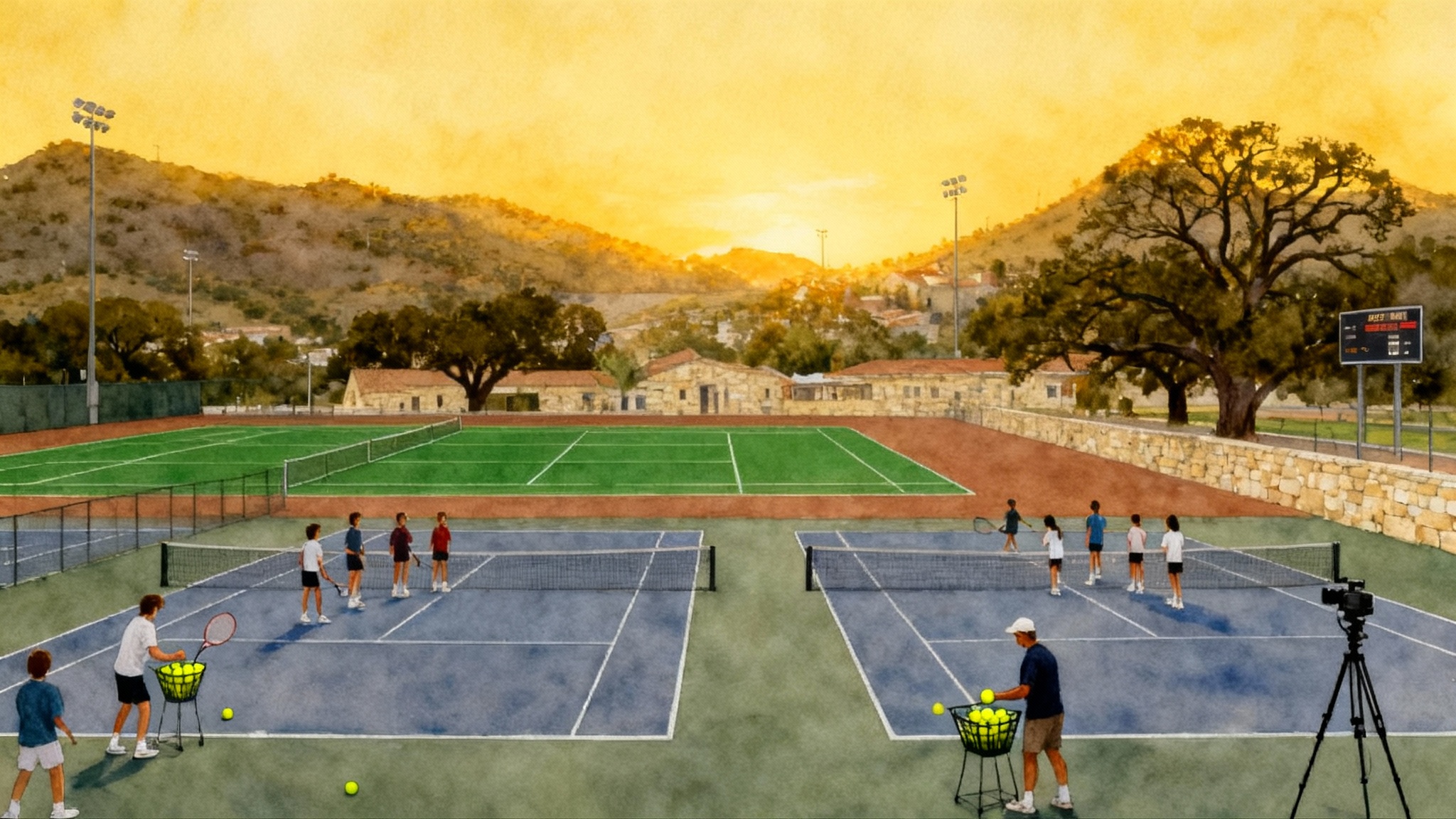
Spain vs France: Choose the Right Junior Tennis Academy in 2026
 Tommy
Tommy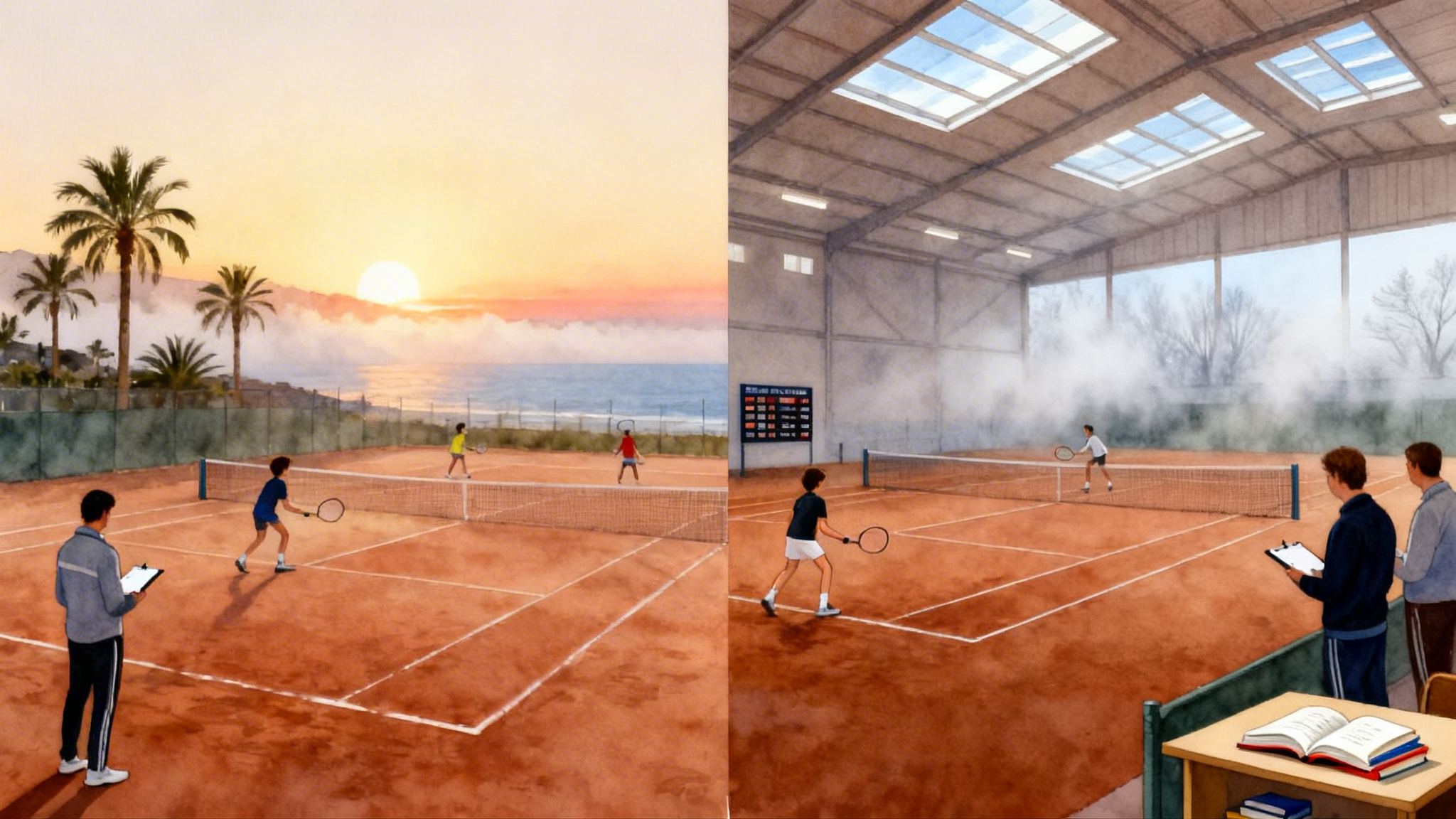
The big choice in 2026
If your junior is ready for a European academy year, the decision many parents face is Spain or France. Both countries can turn consistent ball strikers into tough match players. Both run year round programs that combine school and sport. Yet the pathways differ in feel, rhythm, and logistics that affect your child’s day, your budget, and the timeline toward college or professional goals.
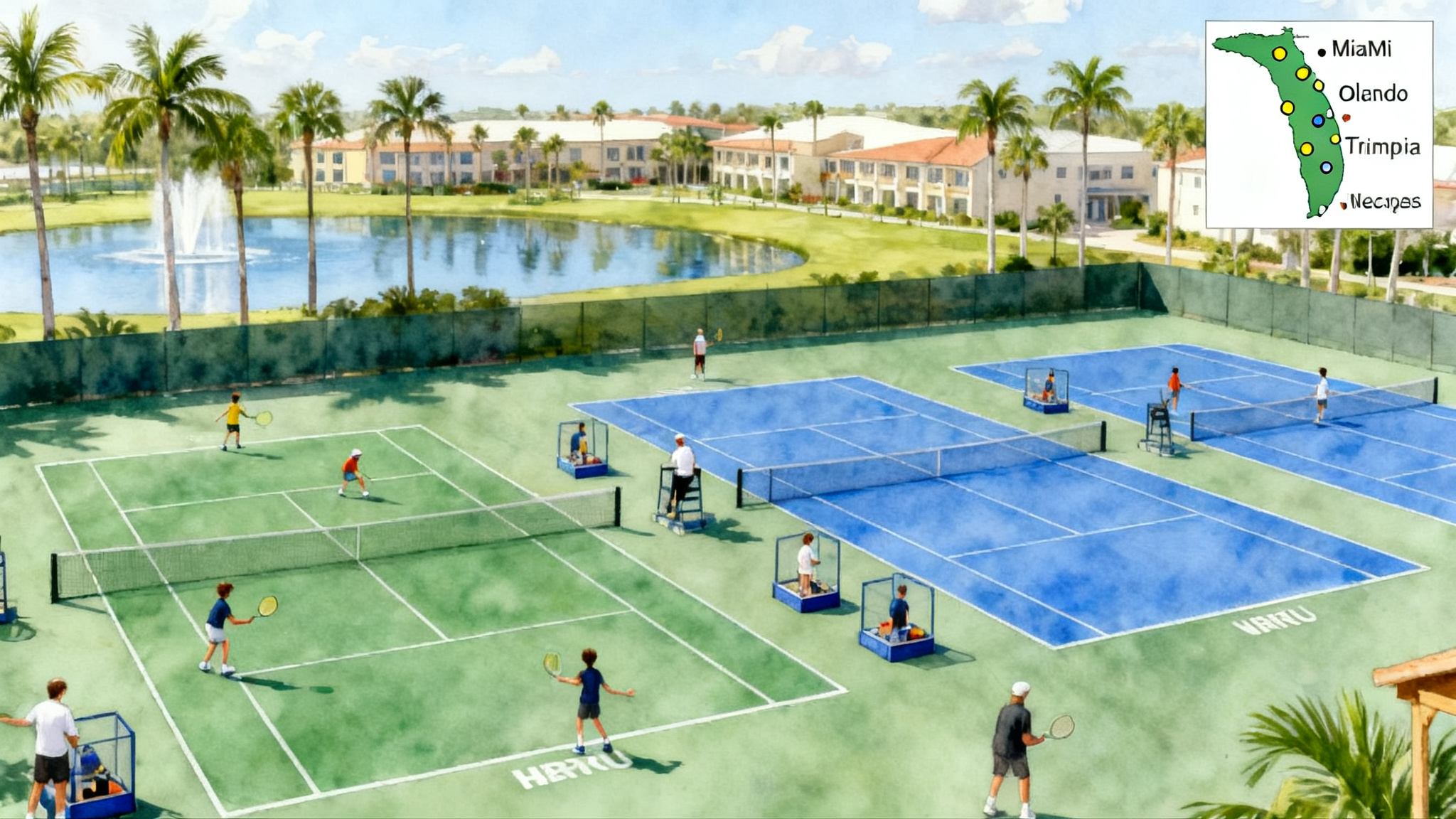
This guide compares the two models head to head and uses Tenerife Tennis Academy in Spain and All In Academy in France as practical case studies. For families comparing Europe with the United States, see our Florida academies 2026 guide for a warm weather baseline.
Two models at a glance
- Spain: High volume on clay, rally based learning, decision making under pressure, and very consistent workloads. More outdoor court time, more live ball, fewer interruptions for weather in the south and on the islands. English usage is common in international groups. Spanish in schools varies by program.
- France: Technical precision with frequent video and basket work early in the week, then scenario play and match play. Strong indoor options from November to March. The French club system offers dense regional competition and well organized school sport arrangements.
Training philosophy and daily mechanics
Parents often ask what actually changes on court when you cross the border. Three levers matter most: clay volume, technology usage, and coach player ratio.
-
Clay volume
- Spain: 60 to 80 percent of sessions on clay for most programs, higher in the Canary Islands and southern coasts. Clay rewards patience, high percentage patterns, and shot tolerance. The result is more points played and longer rallies per hour.
- France: 40 to 60 percent clay depending on region, with hard courts and indoor acrylic or carpet in the colder months. Players learn to adapt quicker across surfaces, which helps in the mixed surface French calendar.
-
Technology usage
- Spain: Video is used, but many sessions emphasize ball repetition, tactical games, and competing for objectives. Sensors and analytics appear more in performance blocks and private lessons.
- France: Broader routine use of video and data in some academies. Expect frequent stroke checkpoints, ball speed and contact point targets, and structured drill progressions.
-
Coach player ratios
- Common Spanish ratios: 1 to 3 or 1 to 4 for group drilling, 1 to 1 or 1 to 2 for weekly private sessions.
- Common French ratios: 1 to 2 or 1 to 3 for technical and basket sessions, 1 to 4 or 1 to 6 for tactical or match play blocks.
Neither model is inherently better. If your child thrives on rhythm and volume, Spain can feel like a metronome that builds confidence. If your child is a detail oriented problem solver who benefits from frequent technical feedback, France often supplies that structure.
Case study: Tenerife Tennis Academy, Spain
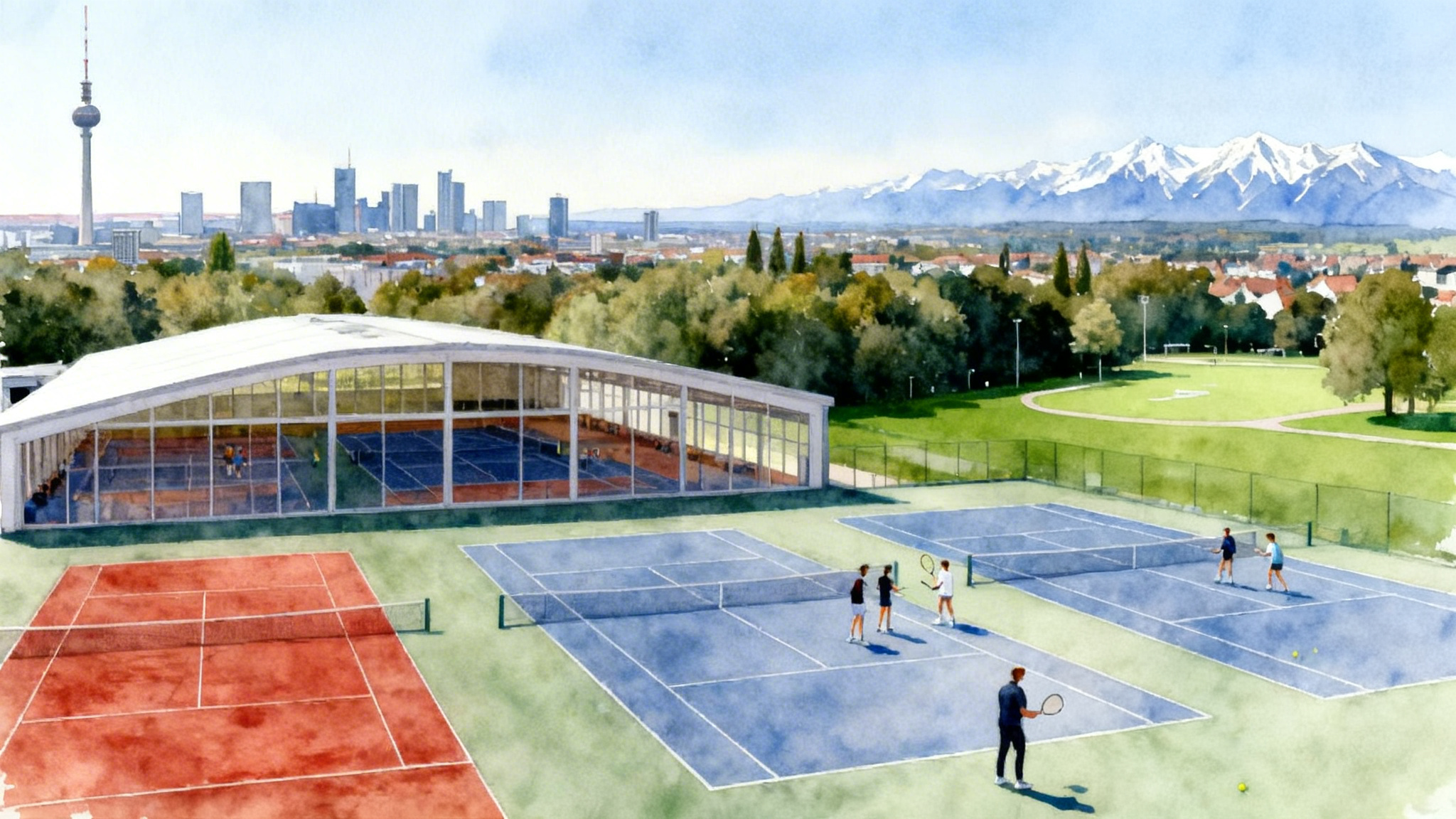
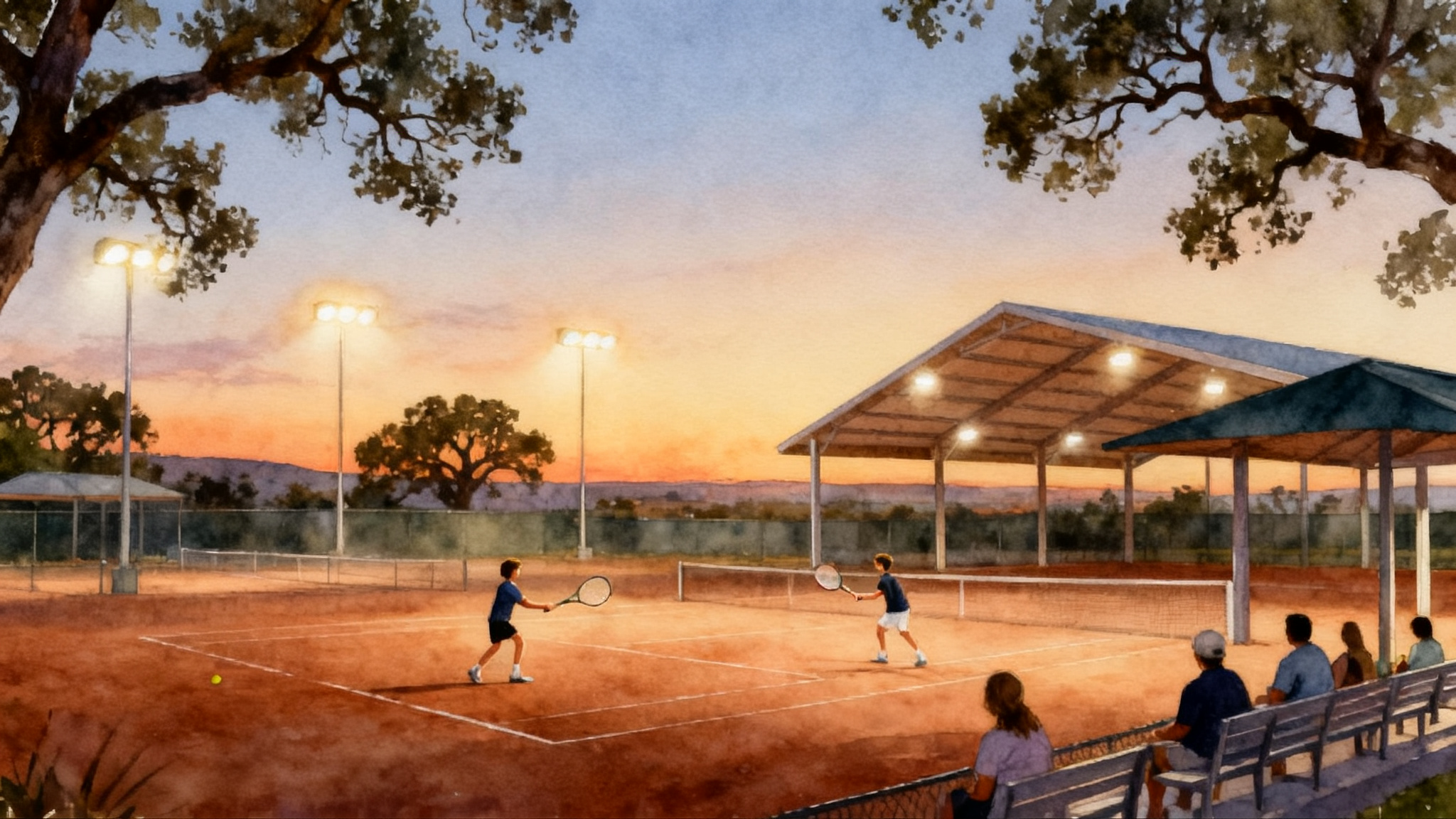
Tenerife Tennis Academy sits in a climate advantage. The Canary Islands deliver outdoor conditions all year, with mild winters and generous daylight. That steadiness shows up in the training week. Expect more live hitting, fewer rain delays, and reliable match play blocks in the afternoons.
- Courts and surfaces: Mixed layouts that usually include multiple clay and hard courts. Spanish programming often assigns clay to tactical themes like building the point cross court to open the line, then finishing with height and spin.
- Weekly rhythm: Monday to Friday split between morning court plus strength or mobility and afternoon match play or situational games. Saturdays often bring internal matches, king of the court ladders, or nearby tournaments. Sundays recover.
- Boarding and school: International programs typically partner with nearby bilingual or British curriculum schools with supervised study halls. Daily transport between school and courts is scheduled into the training block.
- Tournament access: The Canary Islands host a steady stream of events, and flights to mainland Spain and Portugal are frequent. For juniors, the Spanish calendar offers national events and international opportunities when planned well in advance.
Where Tenerife shines
- Consistency: Weather reliability makes planning straightforward for parents and coaches.
- Point construction: Clay volume builds fitness and patterns that convert to hard courts.
- English friendly cohorts: International groups are common, which eases the landing for North American players.
What to ask in your parent interview
- How many weekly live ball hours on clay vs hard for your child’s level.
- The split between group and private sessions across a month.
- School timing and transport, especially during tournament weeks.
- Access to physiotherapy and return to play protocols.
Case study: All In Academy, France
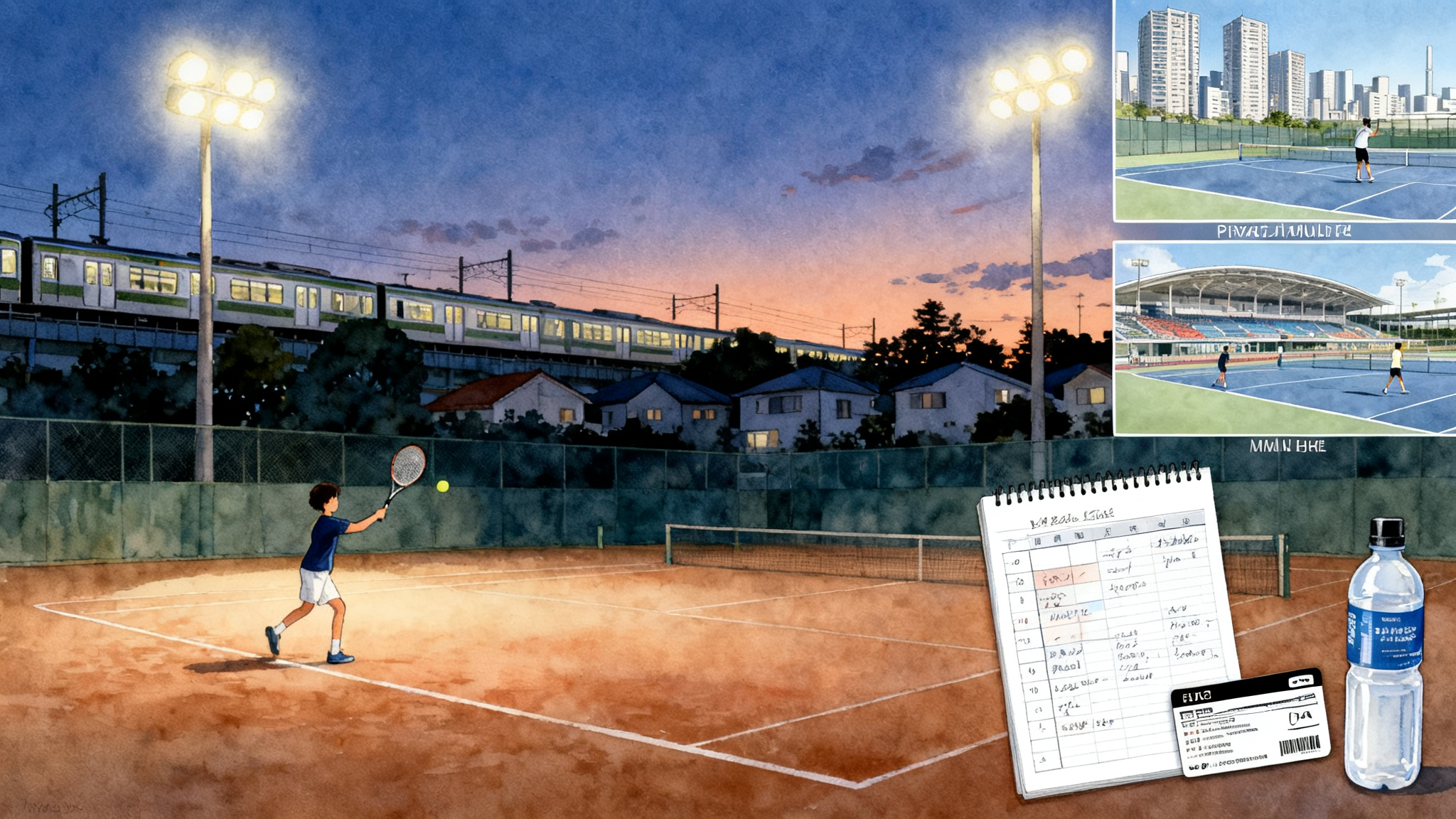
All In Academy represents the French emphasis on precise fundamentals blended with competition blocks. Many French academies operate with strong links to local clubs and indoor facilities, which is a major advantage in winter.
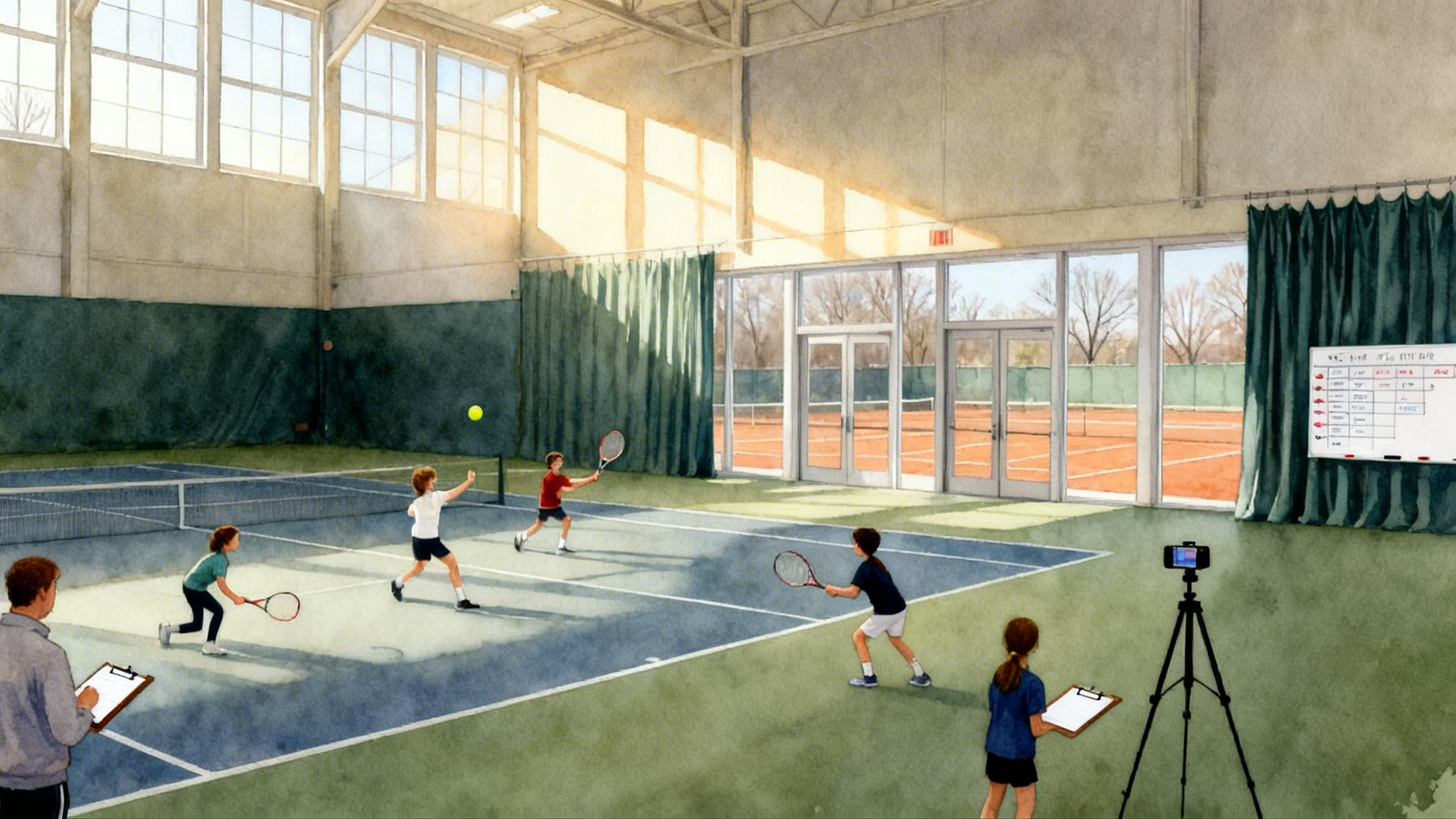
- Courts and surfaces: Programs typically blend clay, acrylic hard, and indoor courts. Expect basket work early in the week to reinforce contact points and footwork, then controlled point scenarios.
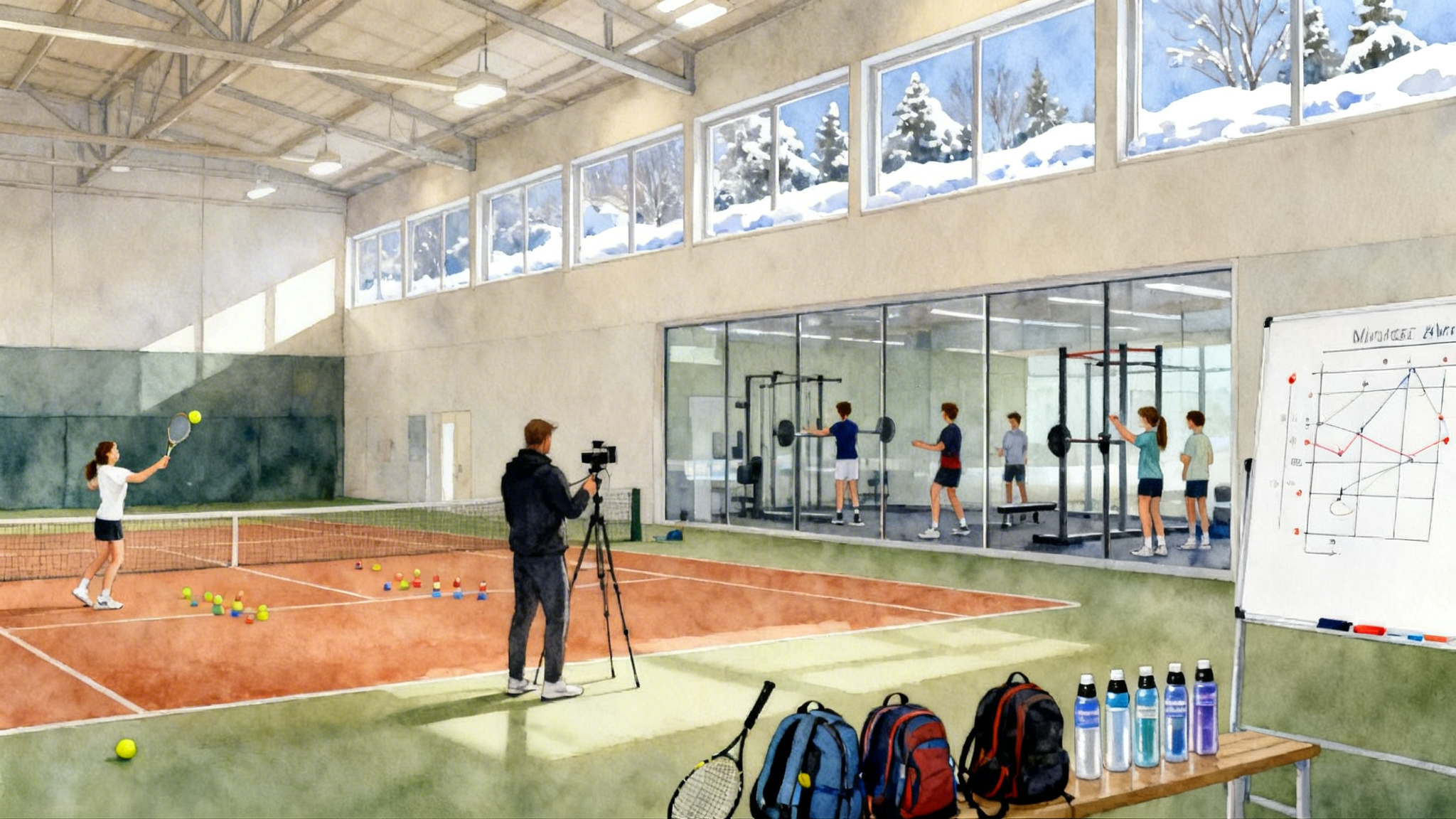
- Weekly rhythm: Mornings often include technical themes plus strength and movement. Afternoons bring set play, pressure drills, and internal match play. Indoor access reduces cancellations and protects continuity when weather turns.
- Boarding and school: French academies frequently partner with collèges and lycées that run sport study timetables. International schools are available in major hubs with French language support for non native students.
- Tournament access: The French club ecosystem is dense. Players can compete locally with limited travel during school terms, then stretch to Tennis Europe or national events during windows.
Where All In and similar French programs shine
- Technical foundations: Frequent video checkpoints that tighten timing and ball quality.
- Winter readiness: Indoor season keeps workloads stable from November through March.
- Match density: Regional competitions reduce travel days and budget stress.
Questions to put on your checklist
- How often is video used and how are insights delivered to parents.
- The number of indoor training hours reserved in winter.
- How many competitive matches per month are realistic for your child’s UTR.
School and boarding structures
-
Spain
- Common model: Morning academics at partner international schools with afternoon training and study hall. Boarding houses are supervised by academy staff and often include weekend activities.
- Language: English is common in the classroom for international tracks. Spanish classes are usually available and recommended for day to day life.
-
France
- Common model: Sport study timetables within the French system, often with late starts or early dismissals for athletes. Boarding may be on campus or in host families tied to the academy.
- Language: French is widely used in academics, with language support and some bilingual options in larger cities. English language international schools are available in major hubs.
Tip for parents: Request a sample week that shows class times, transport windows, meals, and study hall. Then overlay a tournament weekend to see how missed classes are handled and what catch up support is provided.
Tournament pathways: Tennis Europe, ITF Juniors, and UTR
For under 14 and under 16 players, the continental entry point is the Tennis Europe Junior Tour. It supplies a graded structure that lets families plan realistic steps before moving into the International Tennis Federation junior ranks. Read the framework on the Tennis Europe Junior Tour overview.
Parallel to this, many events award or are organized around Universal Tennis Ratings, which help quantify level and match readiness across countries. The rating basics are explained in the Universal Tennis rating guide.
How Spain and France differ in practice
- Spain: Clusters of events on the Iberian Peninsula and nearby islands create workable travel loops, especially in spring and early autumn.
- France: The club system offers frequent match play without flights. When your junior is ready to chase Tennis Europe points, the proximity to Belgium, Germany, Switzerland, and Italy expands options within train range.
Planning tip: Build 8 to 12 high quality events across the year rather than chasing weekly tournaments. Protect training blocks before key events to execute technical goals.
Budgets and hidden costs
Every academy publishes a number, but families should plan a full year budget that includes travel, medical support, and schooling.
Typical annual ranges in 2026 for full time programs
-
Spain
- Day student tennis program: 12,000 to 25,000 euros
- Boarding plus tennis, excluding school tuition: 28,000 to 55,000 euros
- School tuition at partner institutions: 8,000 to 20,000 euros
-
France
- Day student tennis program: 15,000 to 28,000 euros
- Boarding plus tennis, excluding school tuition: 35,000 to 65,000 euros
- School tuition at partner institutions: 9,000 to 22,000 euros
Common add ons
- Tournament travel and entries: 8,000 to 20,000 euros depending on calendar design and distance
- Strength and conditioning assessments and physio: 2,000 to 5,000 euros
- Racket maintenance and strings: 800 to 1,500 euros
- Flights for two long haul trips if you are based in North America: 1,000 to 3,000 euros
What to negotiate
- Private lesson bundles per month and who delivers them
- Included daily recovery, such as mobility, massage, or cold water access
- Academic tutoring during heavy travel months
Climate windows and calendar design
-
Spain
- Canary Islands and southern coasts: Prime from November through March for consistent outdoors. Spring and autumn are ideal for back to back events. Mainland summers can be hot at mid day, so sessions adjust to mornings and late afternoons.
-
France
- Outdoor clay season peaks from May through September. From November to March, successful programs lock indoor court blocks and maintain workloads under cover. Early spring is useful for technical rebuilding before the summer competition wave.
Calendar idea: For a Spain based year, plan a foundation block from October to December, then a competition wave from January to March. For a France based year, target technical rebuild from November to February under roof, then push a dense competition window from May to July.
Visas, language, and practicalities for non European families
- Visas: For stays beyond 90 days in a one hundred eighty day window, families typically apply for a national long stay student visa in Spain or France. Start at least 8 to 12 weeks ahead of arrival. Minors in boarding programs require specific guardian documentation. Always confirm requirements with the relevant consulate.
- Health care and insurance: Secure international coverage and ask the academy about physician and physio access, including concussion and return to play procedures.
- Language: Basic Spanish or French accelerates social integration. Ask if language classes are built into the week. For international schools, confirm the level of bilingual support and exam pathways.
A realistic 7 day sample schedule
This template blends the Spanish rhythm of live ball with the French structure of checkpoints. Adjust hours to age and training age.
-
Monday
- Morning: Technical theme, forehand contact point, 90 minutes; strength block, lower body force and mobility, 45 minutes
- Afternoon: Pattern play on clay, cross court to line variation, 90 minutes; video review, 20 minutes; recovery, 20 minutes
-
Tuesday
- Morning: Serve plus first ball sequencing, 90 minutes; sprint mechanics, 30 minutes
- Afternoon: Set play on hard court, two short sets then super tiebreak, 120 minutes; guided journaling, 15 minutes
-
Wednesday
- Morning: Backhand height control and neutral to attack decision, 90 minutes; shoulder care, 20 minutes
- Afternoon: Match play ladder, 2 to 3 matches of four games each, 120 minutes; language class, 45 minutes
-
Thursday
- Morning: Return plus second ball, 90 minutes; contrast mobility, 20 minutes
- Afternoon: Tactical scenarios, break point games and scoreboard pressure, 120 minutes; cold water or contrast shower, 10 minutes
-
Friday
- Morning: Patterns to finish at net, 90 minutes; neural activation, 15 minutes
- Afternoon: Internal match, two sets with coaching allowed on changeovers, 120 minutes; team meeting on weekend plan, 20 minutes
-
Saturday
- Tournament or travel day: Warm up, match one, recovery. If no event, play practice match and compete in doubles. Study hall in the evening
-
Sunday
- Active recovery: Walk or swim, 30 to 45 minutes; optional technique video, 15 minutes; family time and meal prep for the week
Why this works
- Monday to Thursday consolidates skills and stamina
- Friday rehearses match routines
- Saturday places performance under pressure
- Sunday resets the system and the mind
Decision checklist by age, UTR, and goal
Use these prompts to pick your pathway. You can save notes in your family planning doc and compare academies as you go.
Age 10 to 12
- Spain tilt if your child needs more live rallies, confidence building, and movement education on clay
- France tilt if your child needs clear technical fixes and thrives on precise tasks
- Non negotiables: Full time safeguarding, small groups, and injury prevention basics
Age 13 to 15
- UTR 4 to 6: Select a program with more coached reps and structured ladders; both countries fit, but Spain’s clay can build tolerance faster
- UTR 7 to 9: Choose a program with weekly match play and video checkpoints; France’s indoor season protects continuity
- Goal focus: If college tennis is primary, favor consistent grades, language progress, and 30 to 40 meaningful matches per year
Age 16 to 18
- UTR 8 to 10 and rising: Plan 10 to 12 quality events, not more; insert targeted private lessons around weaknesses
- UTR 10 to 12: Use indoor months in France for technical refinement or a winter block in Spain for volume and confidence
- Goal focus: For professional pathways, verify the transition plan to International Tennis Federation juniors and lower tier professional events; for college pathways, coordinate video, coach outreach, and academic testing timelines
Academic fit
- If your child needs English medium academics with predictable logistics, Spain’s international school partnerships are often simpler
- If your child can handle partial French and wants dense local competition, France’s sport study tracks deliver efficient calendars
Family logistics
- Spain favors outdoor consistency and sunshine, which can support mental health and motivation
- France enables train based travel to multiple countries, which can expand the tournament map without long flights
Budget guardrails
- If your ceiling is under 40,000 euros all in, start your search in Spain
- If you can invest 45,000 to 70,000 euros for boarding plus school, both countries are viable; prioritize staff quality and medical support over brand names
Putting it together for your junior
- For a clay learner who blooms with repetition and sunny outdoor routines, Tenerife Tennis Academy represents the Spanish strengths. The island setting supplies year round reliability and extended live ball windows that develop patience and match endurance.
- For a detail driven player who benefits from regular video and winter structure, All In Academy represents the French strengths. The organized technical weeks, indoor access, and dense club competition reduce the randomness that can derail a season.
If you are undecided, split the year. Start in France in November for an indoor technical phase that sharpens contact and footwork. Move to Spain in February for a live ball confidence block through spring. This two phase approach often produces a better player and a clearer college or pro projection by summer.
Final thoughts
Spain and France can both be the right answer. The difference is alignment. Match the training rhythm to your child’s learning style, choose the academic plan your family can sustain, and buy competition that teaches rather than flatters. Ask each academy for concrete weekly plans, coach ratios, and a month by month tournament map tied to specific goals. When your player’s needs, the calendar, and the budget all point in the same direction, the pathway tends to work. That is when the country becomes the stage rather than the story.