Austin Hill Country Tennis: America’s Next Year-Round Base
Looking for a Florida alternative with more playable spring and fall days, smarter summer blocks, and fast access to UTR and USTA matches across four major metros? Build a full training week from Spicewood to the Texas Triangle.
 Tommy
Tommy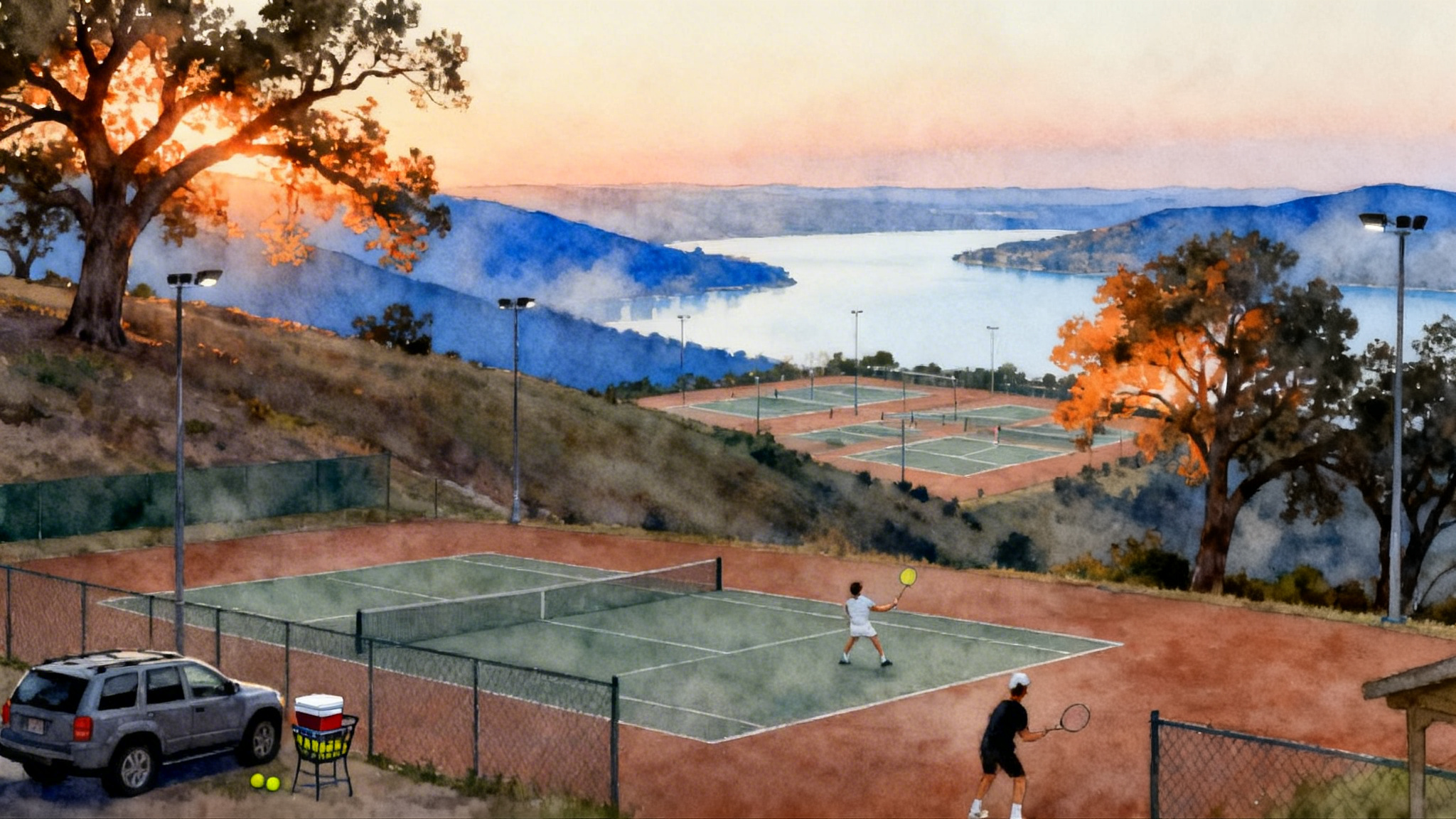
Why Austin is suddenly on every coach’s shortlist
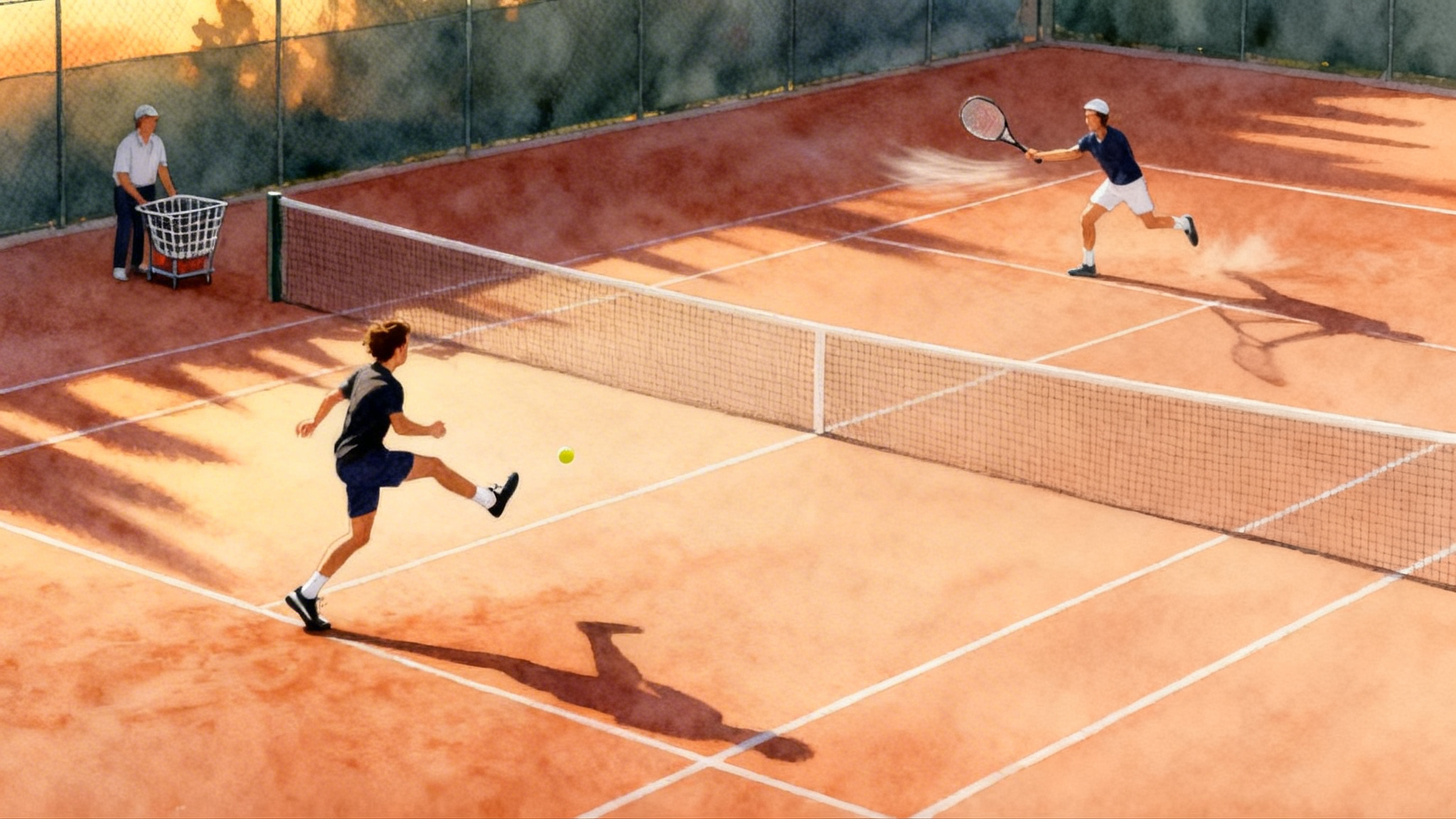
Central Texas has always loved tennis. What changed is how well the Austin Hill Country now fits the calendar. For spring and fall blocks, the weather skews sunny, mornings are crisp, and afternoon showers are less likely to wipe out an entire day compared with stormier coastal patterns. In summer, heat is real, but it is predictable, which lets coaches schedule high quality work at dawn and dusk with lights. Add a growing network of hard and clay courts, quick flights into Austin Bergstrom, and deep weekend competition across the Texas Triangle, and you have the makings of a true year round base.
If you train juniors, college players, or serious adults, think of Austin as the flexible middle ground. Florida offers huge volume but faces more rain risk in fall and late spring. Southern California is mild yet pricier, with traffic that can turn a five mile drive into an hour. Austin costs less, intra city drives are shorter, and the four metro tournament circuit within three and a half hours adds density without the coastal headaches. For another proven coastal option, see our San Diego and Orange County guide.
A Florida alternative in spring and fall
Spring and fall are the sweet spots. March and April mornings in the Hill Country are cool and dry, which is perfect for heavy footwork blocks and pattern drilling. October and November are even better. Hurricane season on the coasts brings lingering moisture and sudden washouts. Inland, Austin tends to deliver more playable windows across a week, especially for morning and evening sessions. You still plan for a pop up storm here and there, but you rarely lose an entire training day if you build around the daily rhythm. If you want another shoulder season playbook, check our Palm Springs and Scottsdale guide.
Two practical differences matter for tennis:
- The diurnal swing is your friend. Central Texas nights cool relative to daytime highs, which leaves early mornings crisp. Players can push intensity at 7:00 a.m. for two hours, lift mid day in air conditioning, then return under lights.
- Wind and salt are non issues. You avoid the sticky, salt laden crosswinds that complicate timing near the coasts. That makes stroke work more repeatable and less fatiguing.
Heat smart summer blocks, not heat suffering
Austin summers are hot, yet predictable. That predictability lets you structure safe, high return training. Use short, high quality exposures when the sun is low, extend rest and recovery, and keep fitness focused on movement quality rather than hero workouts at noon. Here is a template used by many coaches:
- Dawn technical block, 6:30–8:30 a.m.: Serve buckets, first ball drills, and pattern combinations at sub maximal heart rate. Finish with 15 minutes of shadow footwork in shade.
- Midday indoor work, 12:00–1:00 p.m.: Mobility, trunk strength, and power circuits in air conditioning. If you must add conditioning, do it as bike intervals or courtside change of direction ladders in a shaded bay.
- Dusk competitive block, 7:30–9:30 p.m.: Conditioned points, squeeze tiebreakers, and serve plus one patterns under lights.
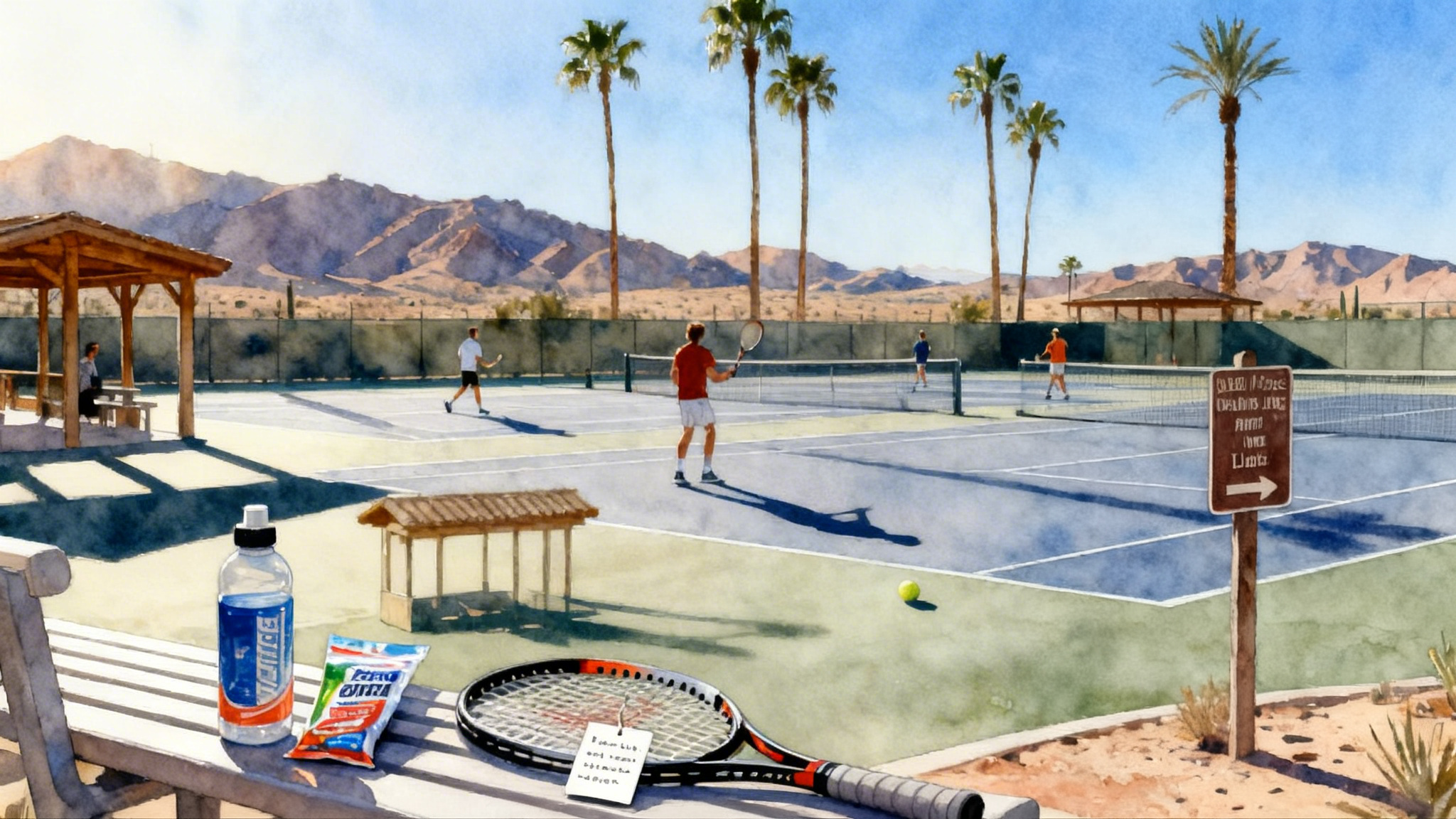
Hydration is part of training, not an afterthought. Aim for a liter in the two hours before the dawn hit, add electrolytes during breaks, and pre set a recovery smoothie for the drive back. Coaches should bring court canopies or use shade structures, rotate players on and off court, and pick balls after a full sip break rather than between every rally. Heat exposure becomes a stimulus you control, not a stress that controls your plan.
Your Hill Country hub: Legend Tennis Academy in Spicewood
Spicewood sits on the west side of Lake Travis, close enough to reach central Austin yet tucked into quieter Hill Country roads. Use the new Legend Tennis Academy in Spicewood as your technical anchor. Keep morning work here when the air is still, then save travel and match play for afternoons and weekends. The academy’s small group sessions, private lesson slots, and hitting hours make it simple to thread skill work around your competition calendar. Ask for early starts in summer, and request lights for evening point play when needed.
Within an hour of Spicewood you can find almost every surface mix you need:
- Hard courts for baseline speed and serve targets. Public centers around Austin and Lakeway offer lighted hard courts to keep evening reps sharp.
- Har Tru style clay for lengthening points and teaching height and shape. Several private clubs in Lakeway and Bee Cave have green clay with guest access. Call ahead for day passes.
- Specialty clay and resort settings for variety blocks. Resorts west of Austin offer red and green clay alongside hard courts. Book a midweek morning and use it as a change up day.
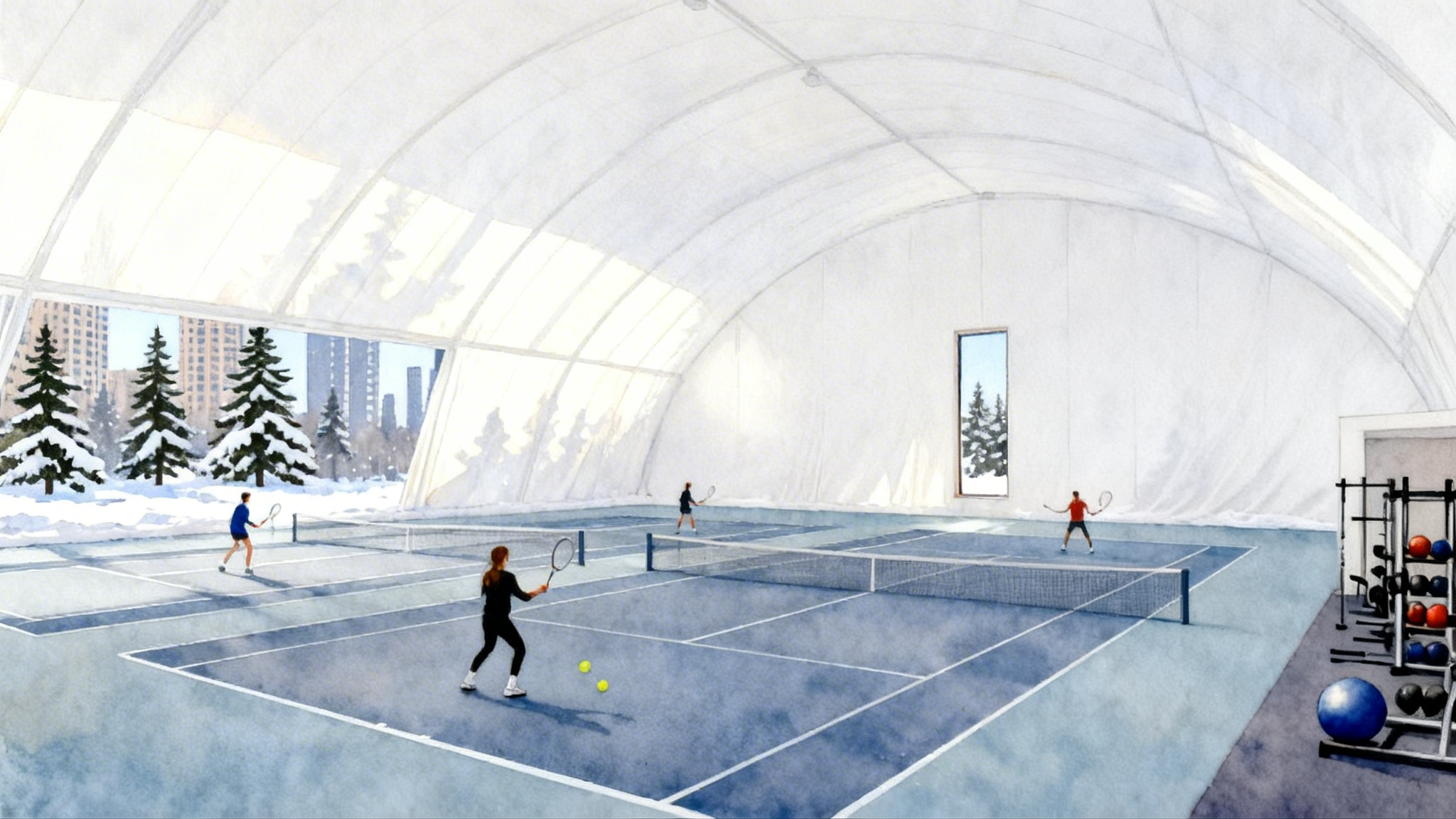
Covered and lighted court access is strong by Texas standards. True fully indoor tennis is limited, but many facilities have roof shade, windscreens, and robust lighting that deliver near indoor consistency during dawn and dusk. That is often enough to protect quality while you avoid the hottest hours.
Map a practical week built around matches
Here is a sample seven day plan that keeps your training centered at Legend Tennis Academy in Spicewood while tapping the UTR and USTA pipelines across the Texas Triangle. Tweak distances and start times based on your exact events.
- Monday, Spicewood: 7:00–9:00 a.m. technical session at Legend. Serve rhythm, return depth, and first two balls. Midday mobility and trunk strength. 7:30–9:00 p.m. lighted point play, two on one neutral to offense games.
- Tuesday, Austin city courts: 6:45–8:15 a.m. stability and footwork ladders, plus crosscourt live ball. 5:30–8:30 p.m. local UTR Verified match at an Austin public center. Keep it to two sets and a breaker.
- Wednesday, Lakeway or Bee Cave: 7:00–9:00 a.m. clay day for patterns. Emphasize height and margin. Midday recovery swim. Evening off.
- Thursday, San Antonio option: drive about 1 hour 30 minutes for after work UTR or practice sets with a local academy partner. Or stay in Austin for a controlled practice match under lights.
- Friday, Spicewood tune up: 7:00–8:30 a.m. shoulder friendly serve and plus one rehearsal, then 30 minutes of returns. Pack the car for a Saturday event. Lights out early.
- Saturday, Houston or Dallas event: leave at 6:30 a.m. for a late morning Universal Tennis Open or a USTA singles draw. Houston is about 2 hours 45 minutes from west Austin if you time it right. Dallas is about 3 hours to 3 hours 30 minutes depending on the site. Play two matches, active recovery at the hotel pool, simple dinner, and sleep.
- Sunday, second match block and return: finish the draw or play a Sunday UTR. Drive home, stop for a 15 minute walk halfway back to flush the legs. Prep an easy Monday technical session.
This plan delivers four quality training hits, two to four verified matches, surface variety, and two true recovery windows. It is also family friendly since most days begin and end near Lake Travis.
Driving logistics across the Texas Triangle
- Spicewood to central Austin: 40 to 60 minutes depending on traffic.
- Spicewood to San Antonio’s north side: roughly 1 hour 30 minutes.
- Spicewood to Houston’s west side: roughly 2 hours 45 minutes.
- Spicewood to Dallas Fort Worth’s south side: roughly 3 hours to 3 hours 30 minutes.
Leave before 7:00 a.m. for weekend events and you dodge most congestion. Pack coolers, a portable fan, a small shade tent, and foam rollers in the trunk. Book hotels near tournament clusters rather than city centers, which cuts game day drive times and parking stress.
Flight and cost advantages that add up
Austin Bergstrom International Airport has a wide web of nonstop routes that make team travel and parent schedules simpler. The airport keeps an updated list of AUS nonstop destinations, which helps you spot easy weekend hops for out of state players and incoming sparring partners.
On the ground, costs line up well for long blocks:
- Court time: many public centers charge modest hourly rates and have lights included in the evening. Private clubs offer non member day passes or guest rates that are reasonable compared with coastal markets.
- Coaching: academy small groups and private lessons are often 10 to 30 percent less than similar sessions in South Florida or coastal California. Talk with Legend Tennis Academy about multi week packages and early morning or lighted discounts in summer.
- Housing: West of Austin, short term rentals and resort rooms around Lake Travis often come in below coastal equivalents outside peak holidays. The combination of kitchen access and shorter daily drives lowers the real cost of a block.
Family friendly bases near Lake Travis
Keep the family close to training and water. These spots balance proximity with activities for non players:
- Lakeway Resort and Spa: lakeside pools, a gentle slope to the water, and easy access to courts in Lakeway and Bee Cave. Parents can sneak in a sunset paddle while players hit under lights.
- Margaritaville Lake Resort, Lake Travis: suites with kitchenettes, on site restaurants, and boat slips. Good choice for multi family groups that want to cook breakfast and be on court within 20 minutes.
- The Reserve at Lake Travis rentals: larger homes with grills and patios, perfect for team camps. Many have garages for storing ball carts, shade tents, and stringing machines.
- Unique stays in Spicewood: cabins and treehouse style rentals set the summer camp mood without giving up air conditioning. Book early for July and early August.
Wherever you stay, confirm drive times to Spicewood in rush hour. A place that looks close on a map can be 20 minutes farther at 5:00 p.m. Night sessions under lights are easiest when you are based west of the river.
Recovery that matches the work
The Hill Country is built for recovery between hits:
- Barton Springs Pool: cold spring water hovers near 68 degrees year round. Ten minutes after a long match will calm legs and lower core temperature.
- Gentle trails and hills: soft rolling paths around the lake are perfect for 20 minute flush runs on off mornings. Keep them conversational, not workouts.
- Sauna and contrast options: several day spas and fitness clubs in West Austin offer sauna and cold plunge. Book a late afternoon slot on heavy match weekends.
- Smart food within 15 minutes: look for protein forward plates and simple carbohydrates. Barbecue shops and taco stands are plentiful, but save the heavy sauces for the rest day.
Brief climate and tournament comparison
- Florida: enormous tournament volume and deep draws are undeniable. In late spring and fall, you face a higher risk of washed out afternoons and humidity that slows recovery. If you need guaranteed morning windows and lower fall weather risk, Austin lines up well.
- Southern California: dry and mild, with consistent afternoons. Costs run higher, traffic steals time, and coastal wind can make precision serve work tougher. See our San Diego and Orange County guide for that region’s best setups.
- Austin: spring and fall deliver many playable mornings and evenings, summer is heat smart rather than heat heroic, and the Triangle expands your tournament map without flights.
Surfaces and facility access within one hour
- Hard: abundant on the west side of Austin and down into the city. Lighted courts are common, which lets you push heavy point play after sunset even in July.
- Clay: multiple clubs in Lakeway and Bee Cave maintain green clay. A few resorts west of Austin add red clay for variety. Reserve early for morning slots.
- Covered or shaded: look for roof shade, windscreens, and covered hitting bays to protect technical reps during hot stretches. Night lighting is good at most larger sites.
If you need true indoor, build a rain plan that shifts to gym work, film review, and serve progressions under a roofed bay. In practice, dawn and dusk windows with lights are enough to hit quality volume even in August.
How to pack your week with verified matches
The Hill Country sits in the middle of four competitive cities. That makes verified match play a scheduling exercise rather than a logistics headache.
- UTR: search for UTR events in Texas and filter for Austin, San Antonio, Houston, and Dallas Fort Worth. Midweek Verified Duels and weekend Opens are common, and you can often stack two matches on a Saturday without an overnight.
- USTA Texas: browse singles and doubles draws that pair with your UTR targets. Many weekends offer both within a short drive. If you coach a small team, split entries so everyone has the right level and travel in a single van.
Register two weeks out, call the site stringer if you need one, and email tournament directors to request Saturday morning start times when you are driving day of. Players who need back to back days should pack nutrition for two full matches, not one, since the Triangle often sets two match days for larger draws.
A sample budget for a two week block
- Training: four small group sessions and two private lessons per week. Expect a package rate that undercuts coastal hubs.
- Courts: five to eight evening sessions under lights at public centers plus two clay mornings at a club guest rate.
- Matches: two UTR entries and one USTA event across two weekends. Factor in gas or one hotel night for a Houston or Dallas run.
- Housing: short term rental near Lake Travis with a kitchen. Share with a teammate family to cut costs.
- Recovery: two spa or contrast sessions, plus one family afternoon at the lake.
The value comes from stacking playable hours and verified matches with minimal lost days. That is how players improve in real time, not just in theory.
The takeaway
If your program wants the reliability of a home base with the reach of a road schedule, Austin Hill Country belongs on your board. Build technical mornings at Legend Tennis Academy in Spicewood, lean on lights for summer evenings, and let the Texas Triangle feed you real matches every week. You sidestep the coastal rain roulette of fall, keep costs under control, and give players a surface mix that transfers anywhere. That is what a year round base should do: protect the work, simplify the calendar, and open doors when competition calls.