Tokyo Night Tennis: Year-Round Training with Seijo & Shi Shi
Plan a seamless tennis-and-city trip in Tokyo. Train after dark to beat June–September humidity, move indoors December–February, and schedule smartly for August–October typhoons. Compare Seijo and Shi Shi, map courts, stays, commutes, and booking tips.
 Tommy
Tommy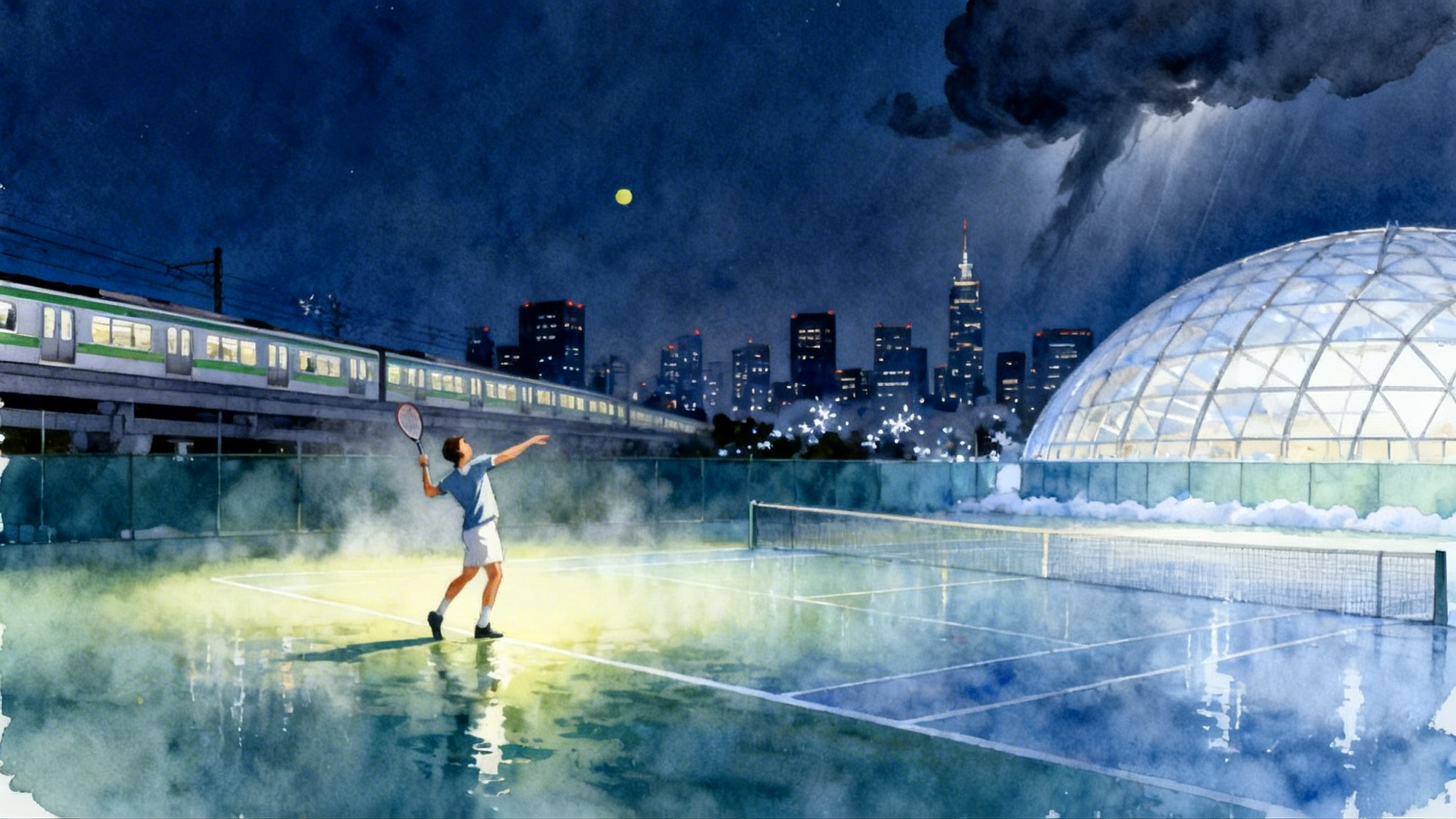
Why Tokyo works as a year-round tennis base
Tokyo rewards players who plan around its seasons. Summer brings heat and humidity, autumn can bring typhoons, and winter asks for a roof. The good news is that you can train through every month with a simple playbook: shift to night in summer, keep an eye on storms late August through October, and use indoor domes from December to February. Japan’s weather services note that typhoon risk clusters around late summer into early autumn, with September especially active, so build flexible buffers in your calendar and you will be fine. See the Japan typhoon season guidance for context.
This guide shows how to structure a 52-week routine built for Tokyo, how to choose between two excellent coaching options in the city, and how to tie it all together with courts, commutes, and places to stay.
Seasons at a glance
- March to May: Mild, dry, and reliable. Ideal for volume weeks and technique resets. Book more day sessions and test string tensions you want to carry into summer.
- June to September: Hot and humid. Prioritize night sessions, hydrate on a schedule, and reduce mid-day load. Aim for 7:30 pm to 10:00 pm training blocks.
- Late August to October: Typhoon-aware period. Keep one movable rest day per week and confirm facilities 24 hours ahead. If winds or heavy rain are forecast, slide indoor or run video analysis and fitness. For frameworks used in other monsoon climates, see our monsoon-smart tennis planning.
- December to February: Cold and crisp outside, so reserve indoor domes and midday windows. If you love cool air, short high-intensity outdoor hits also work on clear days.
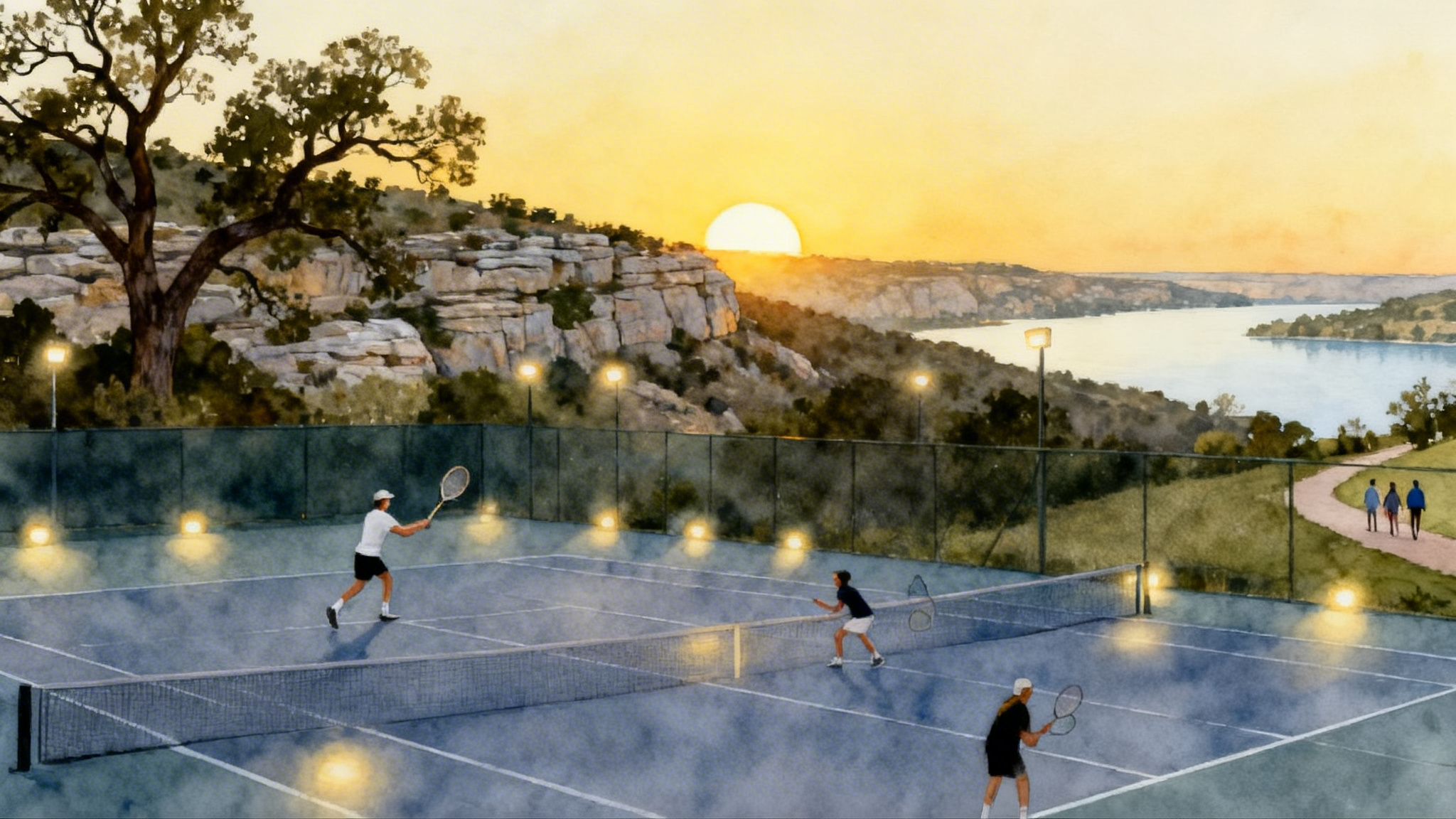
Summer nights, June to September: Beat heat with light
Humidity does not have to cancel progress. It changes how you structure sessions.
- Timing that works: Target 7:30 pm starts on weekdays and 8:00 pm on weekends. By then, heat index and court surface temperatures drop enough to push intensity without risking sloppy mechanics.
- Session design: Run 20 to 25 minute rally blocks with 3 minute hydration breaks. Use depth targets and crosscourt windows so you get quality touches even when the body is working hard. Reduce open-ended match play; pick sets with a coaching constraint, like first-strike patterns or return-plus-one depth.
- Gear: Bring two towels, three overgrips, a rosin bag, and a light-colored cap. Strings often feel looser at night in humid air; if you play polyester, bump tension by one kilogram for your summer rackets to keep launch angle predictable.
- Recovery: Cold drinks from any convenience store and a brief cool-down walk to the station do more than you think. Humid heat makes heart rate lag behind perceived effort, so end with two sets of light shadow swings before you pack up.
Typhoon-aware planning, late August to October
You do not need to cancel a tennis trip for typhoons. You need a schedule with give.
- Build a buffer: Leave one movable day every four training days. If a storm approaches, shift that buffer to the peak wind window and push your next hit back 12 to 24 hours.
- Watch the near term: Check official updates the afternoon before and morning of each session. When warnings are issued, swap to indoor courts or a classroom block with match-video review and scouting notes.
- Book smart: Prefer venues with clear cancellation terms and academies that can slide you to indoor courts when needed. Keep your transport flexible by avoiding the very last train in windy conditions.
Winter, December to February: Domes and midday windows
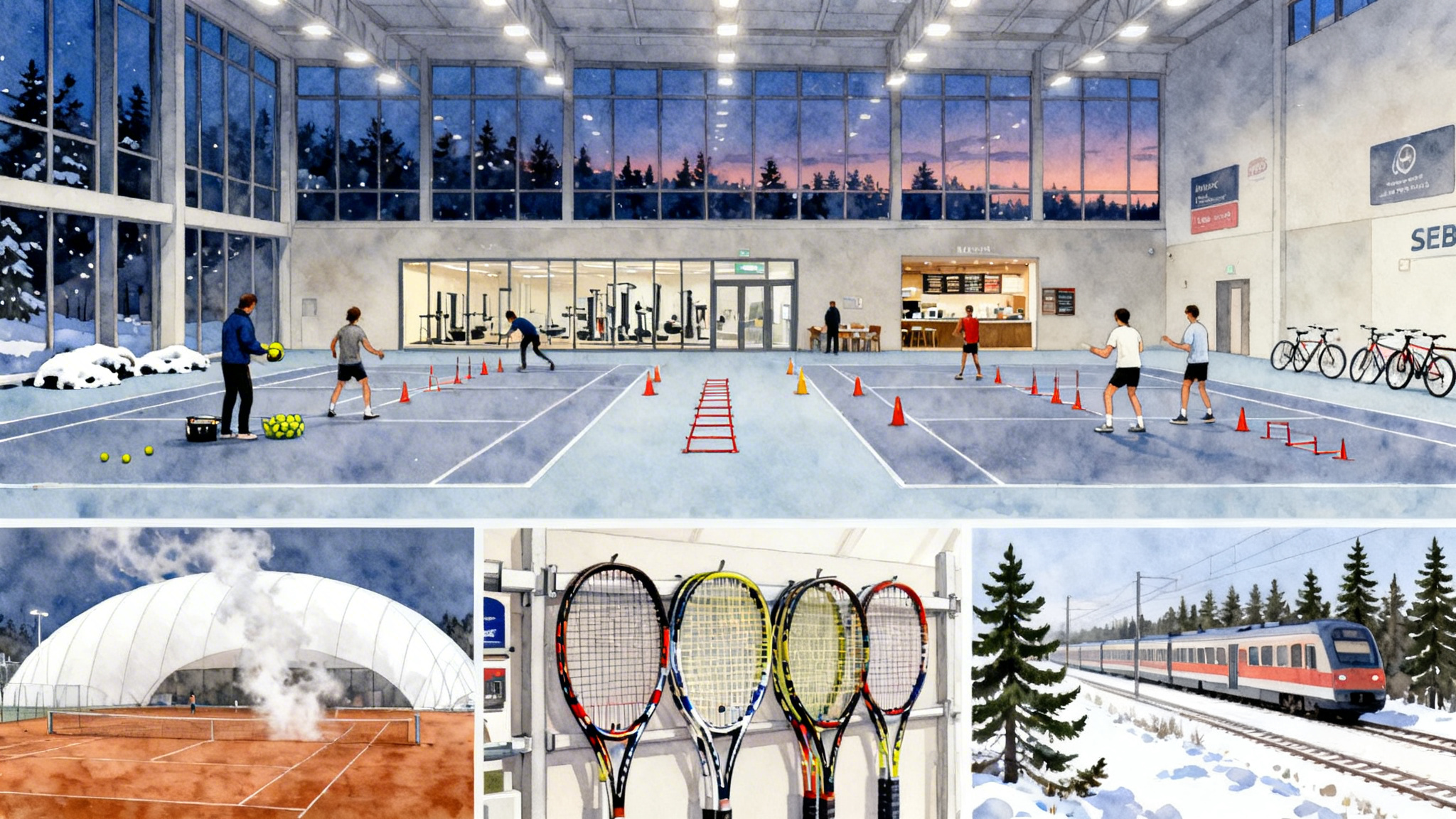
Indoor domes carry your volume when temperatures dip. Midday blocks are golden because they warm the body faster and reduce layers you have to shed mid-rally.
- Workload: Shorter rallies at higher tempo keep you honest under a roof. Add serve targets and approach-plus-volley sequences because indoor air rewards first-strike initiative.
- Footwork: Use two-cone diagonals and split-step timing reps between hitting windows. Domes amplify sound, which is useful for teaching rhythm.
- Strings and shoes: Winter air makes poly sharper. If you went up a kilogram in summer, return to your base tension. Indoors, check that your shoes are clean of sand from omni courts to maintain traction.
Seijo vs Shi Shi: Two strong choices for different needs
Tokyo has range, and the Seijo and Shi Shi models show it clearly. Here is how to choose.
Seijo Tennis Academy: Structured, commuter-friendly development
See the Seijo Tennis Academy profile for programs, facilities, and schedule details.
- Setting and access: In Setagaya’s Seijo area, a short walk from Seijogakuen-mae Station on the Odakyu Line. Four outdoor courts with lights make after-school and night training straightforward.
- Coaching style: Clear ladders and measurable checkpoints. Expect rally-based learning at entry levels, then pattern training and selection squads for competitive juniors as they climb.
- Who thrives: Families who want clarity, consistency, and a neighborhood base. If you plan a week-plus stay in western Tokyo and want dependable nightly training, Seijo’s schedule under lights is a strength.
- Pros for travelers: Easy commute, predictable block times, and an environment built to fold into school and work hours. If you are visiting with kids who also want to play, adults have evening classes too.
Shi Shi Tennis Academy: Precision private coaching, citywide venues
Learn more in the Shi Shi Tennis Academy profile.
- Setting and access: Mobile by design. Sessions often run at top city courts that suit your location, with bilingual coaching in Japanese or English and small-group or private formats.
- Coaching style: Diagnostic first. Expect high-impact private time focused on stroke mechanics, decision-making, and match-specific fixes. Session length and venue adjust to your goals and schedule.
- Who thrives: Adults or juniors seeking a targeted tune-up, couples or families wanting semi-private sessions, and travelers who prefer the coach to meet them near their hotel or office.
- Pros for travelers: Flexible start times, help with court selection, and a format that squeezes real progress into short trips.
Bottom line: If you want a stable evening routine anchored in one neighborhood, Seijo is the classic commuter academy. If you want tailored, high-signal private sessions at venues that fit your itinerary, go with Shi Shi.
Neighborhood courts and practice blocks
Think in corridors rather than a single court. That way, you always have a backup nearby if a slot closes or a storm shifts your timing.
- Setagaya corridor: Courts at the Setagaya General Sports Ground near Kinuta Park, community omni courts around Seijo, and options along the Odakyu Line. This cluster pairs well with Seijo sessions and makes evening two-a-days feasible.
- Bay-east corridor: Ariake Tennis Park and surrounding courts in Koto and Odaiba. These link well with citywide private lessons and late-evening lights. When indoor space is needed, check for domes that open seasonal bookings.
- Central wedge: Community courts around Shibuya, Shinjuku, and Minato. Weeknight lights and quick rail hops make it possible to stack a twilight hit before dinner.
Sample two-block day in summer:
- Block 1, 8:00 am to 9:15 am: Light technical maintenance. Shadow steps plus 45 minutes of crosscourt depth work. Finish with 10 minutes of serves.
- Block 2, 8:00 pm to 9:45 pm: High-tempo rally circuits under lights. Add a 20 minute constraint set focused on first-ball depth after return.
Where to stay for tennis-first logistics
- Near Seijo and Setagaya: Base in Shinjuku, Shibuya, or Futako-Tamagawa for quick Odakyu or Den-en-Toshi access and easy rideshare reach if you run late. Families like serviced apartments in Sangenjaya or Yoga for calmer nights.
- For Ariake and the bay-east: Toyosu, Odaiba, Shin-Toyosu, or Shiodome reduce cross-town travel after night sessions. Solo travelers often choose Ginza for food access and simple subway links.
- Balanced central pick: Akasaka or Roppongi gives you fast jumps west to Setagaya and east to Ariake, with plenty of late-night dining after practice.
Hotel features that help players: coin laundry for sweat-heavy gear, larger fridges for hydration, and front desks willing to hold a ball hopper or stringing delivery.
Commute hacks that save minutes
- Use the map: The Tokyo Metro subway map helps you spot clean transfers. Plan routes that avoid the heaviest rush windows around 8:00 to 9:00 am and 6:00 to 7:30 pm. For night sessions, 7:30 pm departures land you at courts relaxed and hydrated.
- Mind the last mile: Seijo’s courts are a short walk from Seijogakuen-mae. Around Ariake, leave 10 extra minutes for big-venue walks. If you carry multiple frames, a compact racquet bag worn cross-body is calmer in stations than a full backpack.
- Backup plans: Save the taxi pickup point for your venue in your phone. If a shower hits at dismissal, you will get out faster.
Booking lessons and courts in Tokyo
- Work with an academy: The simplest route is to secure your lesson slots first, then let the academy advise on court options near you that week. Seijo runs fixed blocks and can slot visitors into the right level. Shi Shi often meets you at a convenient venue and can advise on booking windows for that area.
- Public courts: Municipal systems often require advance registration and a local address. Travelers succeed by asking a hotel concierge, a local friend, or the academy to book on their behalf. Keep your passport details handy and budget for a small handling fee.
- Private facilities: Clubs and domes release seasonal schedules one to four weeks ahead. If you need an indoor backup in winter, hold a refundable slot early, then release it if the forecast looks clear.
- Cancellation realities: Summer rain arrives in bursts and can pass in an hour. Confirm whether your venue allows mid-slot restarts so you do not lose the whole booking for a brief shower.
One smart week: tennis and city, season by season
This sample keeps the tennis first while still giving you Tokyo.
- Day 1, arrival: Easy check-in, 30 minute walk and light stretch, then an early night.
- Day 2, orientation hit: Book a technical session to calibrate grips, spacing, and targets. In Setagaya, warm up on a community court, then finish at Seijo with an evening block under lights.
- Day 3, match patterns: Run a private or semi-private with Shi Shi near your base. Focus on first-strike patterns and return depth. Dinner nearby to cut transit.
- Day 4, recovery and city: Morning recovery walk, short museum or neighborhood visit, then a 60 minute serve session at dusk.
- Day 5, competing reps: Two hour selection-style block if you are strong enough, or an adult intensity class at Seijo. Note three stats to track: first-serve percentage, return depth on ball one, and break-point conversion.
- Day 6, play a set: Book a court in the corridor you have used all week. Add constraints if heat is high, like two serves only or first ball to a target zone.
- Day 7, buffer: Keep this movable. If weather or work shifted another day, slide the rest or sightseeing here. Otherwise, take a fun hit and pack.
Practical checklists
Summer night kit:
- Two towels, three dry overgrips, electrolyte tablets, rosin bag
- Light shirt, wristbands, and a hat, plus a spare top for the ride back
- One racket strung two pounds firmer for humid air
Typhoon-aware kit:
- Battery pack, compact rain shell, train app with live status
- Saved contacts for your venue, academy, and hotel concierge
- A backup indoor booking or a plan for a video-analysis session
Winter dome kit:
- Light base layer that you can shed after the first drill
- Shoes cleaned of omni sand for traction on hard courts
- A short skipping rope for quick warm-ups in cold air
How to pair tennis with the city
- Food and fuel: Convenience stores near most venues carry rice balls, bananas, and sports drinks. For longer blocks, plan one real meal two hours before and small sips during play.
- Sightseeing logic: Stack your big visits near court clusters. If you are training in Ariake, combine it with teamLab Planets or Toyosu Market. If you are in western Tokyo, pair sessions with Shibuya, Harajuku, or Shimokitazawa.
- Stringing on the road: Tokyo’s racket shops are excellent, but turnaround varies. Ask the academy which shop can string by next day near your venue.
Choosing your academy: a decision in one minute
- Do you want clear levels, evening group blocks, and a short, repeatable commute in one neighborhood? Choose Seijo.
- Do you want focused private or semi-private coaching that meets you at a convenient court with bilingual instruction and flexible times? Choose Shi Shi.
Either way, you can train every week of the year in Tokyo by shifting the time of day, keeping an eye on storms, and using roofs when you need them.
Conclusion
Tokyo becomes a dependable tennis base the moment you stop fighting the seasons and start programming around them. Night sessions in summer protect quality. A typhoon-aware rhythm keeps your calendar intact from late August to October. And indoor domes in winter safeguard your volume. Layer in the right coaching fit - Seijo for structured evening ladders in one neighborhood, Shi Shi for precision private work that meets you where you are - and the city turns into a training partner, not an obstacle. Plan with purpose, choose your corridor, and let Tokyo’s lights carry your tennis from one good session to the next.