Best Georgia Tennis Academies 2026: Atlanta Metro Guide
A parent and player comparison of Atlanta’s top tennis academies for 2026. See how programs rank on junior and adult pathways, coaching ratios, surfaces, indoor backup, UTR and USTA integration, costs, and commute from key suburbs.
 Tommy
Tommy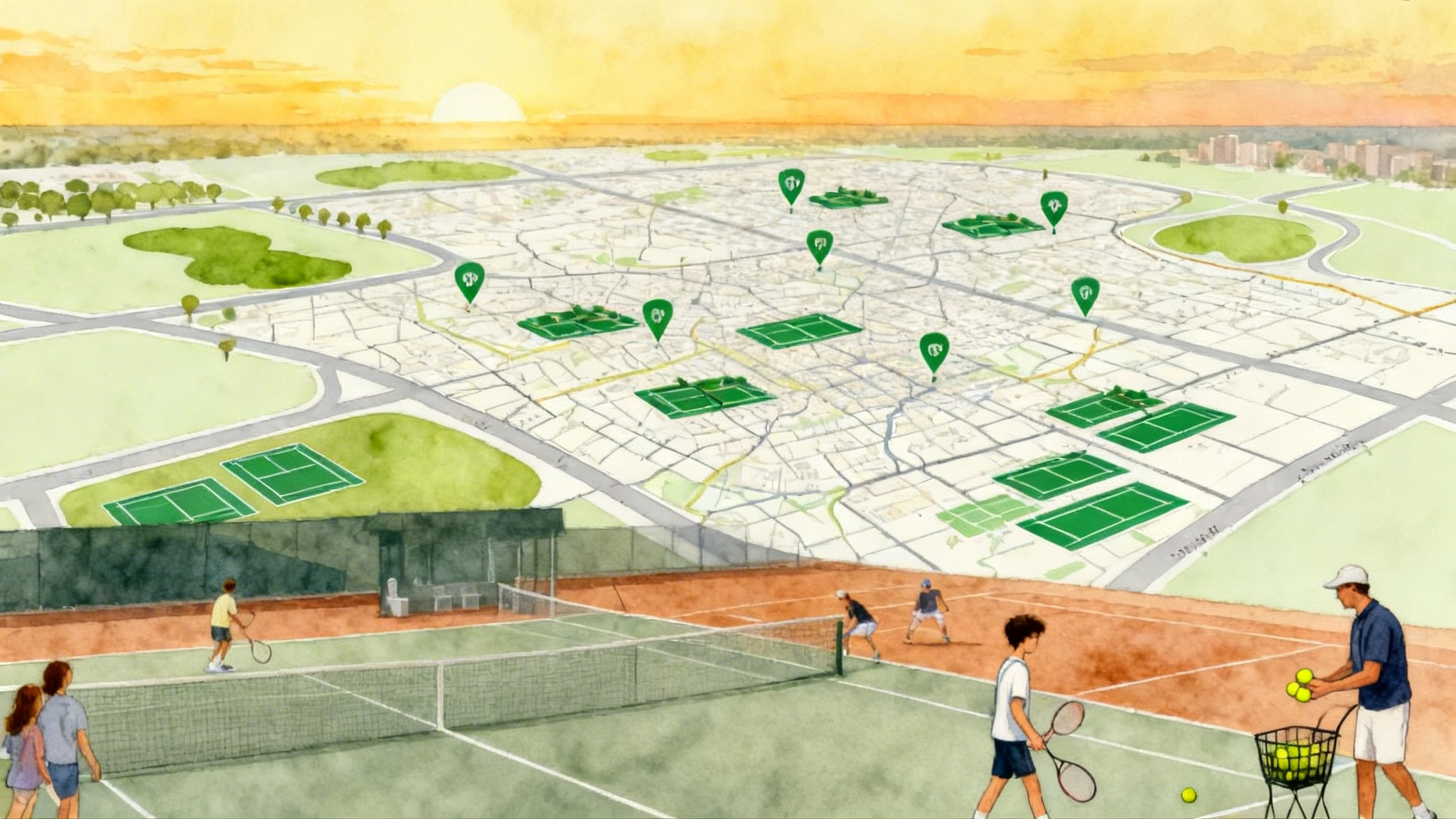
How to use this Atlanta metro guide
Choosing a tennis academy is part sport decision and part logistics puzzle. Courts, coaches, schedules, and traffic all matter. This guide compares leading Atlanta academies on the things families and adult competitors ask about most: junior and adult pathways, typical coaching ratios, court surfaces, indoor backup for weather, academic flexibility, match play integration with Universal Tennis Rating and United States Tennis Association, cost tiers, and commute from Alpharetta, Marietta, Decatur, and Peachtree Corners.
A quick note on ratings. Universal Tennis Rating, usually shortened as UTR, is the most common skill benchmark used by modern academies. Think of it as a tennis equivalent of a golf handicap that updates with each verified result. If you are new to the system, start with this primer on what UTR ratings mean. We keep external links to the essentials.
If you are comparing beyond Georgia, see our regional roundups like the Florida 2026 academies scorecard and the Mid-Atlantic 2026 scorecard.
Our scorecard criteria
We ranked academies using a simple but practical scorecard. Picture a twelve-point compass. Each point answers a question you will ask during a trial week.
- Junior pathway: Is there a clear route from red and orange ball to yellow ball, then to high-performance, tournament travel, and college advisory?
- Adult pathway: Are there structured ladders, leagues, and NTRP level clinics that feed into competitive play? Are there options for returners and late starters?
- Coaching ratios: What is the typical coach to player ratio in development and in high-performance blocks? We consider 4:1 to 6:1 strong, and 8:1 acceptable in fitness or footwork blocks.
- Court surfaces: Does the academy offer hard only, or a mix of hard and Har-Tru or clay for variety and joint load management?
- Indoor backup: Atlanta has pop-up storms in summer and long rainy spells in winter. Indoor or covered courts reduce cancellations and keep progression steady.
- Academic flexibility: For juniors, does the program coordinate with home school or online school schedules, and are there daytime training blocks? For traditional school, are after-school slots realistic?
- Match play integration: Do regular sessions feed into UTR verified events and United States Tennis Association tournaments without breaking the weekly routine?
- Cost tiers: We classify programs into three tiers. $ means public center pricing and pay-as-you-go clinics. $$ means club or academy pricing with monthly packages. $$$ means premium club or performance pricing with membership plus academy fees. Exact fees vary by season and promotion.
- Commute: We estimate typical drive windows for each suburb using off-peak and peak ranges. Your results will vary with construction, weather, and school traffic.
Use these criteria like a carpenter’s level. If an academy looks shiny but tips the level on two or three of your must-haves, keep searching.
2026 Atlanta metro rankings
Below are this year’s editorial rankings for families and adult competitors. Each profile closes with who it fits best and a cost and commute snapshot. For full profiles and contact info, we recommend the program pages on TennisAcademy.app, such as the Life Time Tennis Academy profile.
1) Life Time Tennis Academy, Peachtree Corners
- Why it leads: A large campus with both outdoor and indoor tennis creates true weather resilience. The academy pathway runs from red ball to high-performance, and adult offerings are robust with clinics, ladders, and league placement support. Expect regular UTR verified match play and coordinated United States Tennis Association league options. Video analysis, strength and conditioning, and recovery are embedded in the culture.
- Coaching ratios: Typically strong in high-performance blocks, with small-group technical sessions and fitness pods. Ratios widen in broad adult clinics, then narrow again at advanced levels.
- Surfaces and indoor: Predominantly hard courts with indoor backup. Some clay availability may rotate by season. The indoor backup is a difference maker during winter and storm season.
- Academic flexibility: Daytime training blocks exist for home school and flexible learners. After-school tracks run on predictable windows.
- Match play: Frequent in-house UTR events reduce travel and make rating progress actionable between tournaments.
- Cost tier: $$$. Membership plus academy fees. The premium buys year-round consistency.
- Commute snapshot: From Peachtree Corners, 5 to 15 minutes off-peak. From Alpharetta, 20 to 35 minutes off-peak and longer at rush. From Decatur, about 30 to 45 minutes depending on route. From Marietta, 35 to 55 minutes with Interstate 285 or surface road options.
- Best for: Families who value indoor insurance and a one-stop campus. Adult players who want a full ladder and league pathway on site.
2) Universal Tennis Academy at Blackburn, Brookhaven
- Why it ranks high: Universal Tennis Academy, known locally as UTA, has coached Atlanta players for more than two decades across multiple city sites. Blackburn stands out for depth of programming, from red and orange ball to college-track juniors and competitive adults. Weekly match play and frequent UTR verified events keep the rating ladder clear.
- Coaching ratios: Well balanced. High-performance pods run tighter ratios, while development clinics scale a bit larger without losing tempo.
- Surfaces and indoor: A mix of hard courts, with seasonal access to clay nearby through the broader UTA network. No permanent indoor backup on site, so plan around rain policies.
- Academic flexibility: After-school is strong. Daytime options vary by season. Summer intensives are a plus for rising tournament players.
- Cost tier: $ to $$. Public center pricing for many programs with add-on options for performance.
- Commute snapshot: From Decatur, 20 to 35 minutes off-peak. From Alpharetta, roughly 25 to 45 minutes. From Marietta, about 25 to 40 minutes via Interstate 75 and Interstate 285. From Peachtree Corners, 15 to 25 minutes.
- Best for: Players who want high event frequency and a big-community feel without premium club costs.
3) Agape Tennis Academy at DeKalb Tennis Center, Decatur
- Why it ranks high: Agape runs vibrant public-center programs with clear progressions for juniors and well-attended adult drills. The DeKalb hub serves intown families and Emory area commuters with lots of court energy and a strong camp calendar.
- Coaching ratios: Development groups can be larger, which helps keep costs accessible. High-performance sessions narrow the ratios and increase tactical work.
- Surfaces and indoor: Predominantly hard courts, with clay available at sister centers in the network. No indoor backup on site.
- Academic flexibility: After-school schedules are consistent. Daytime home school blocks appear seasonally. Communication is reliable.
- Match play: Regular UTR verified events, plus well organized United States Tennis Association team pathways.
- Cost tier: $. Excellent value for families building volume without breaking the bank.
- Commute snapshot: From Decatur, 5 to 15 minutes. From Peachtree Corners, about 30 to 45 minutes. From Alpharetta, 35 to 55 minutes. From Marietta, 35 to 55 minutes depending on the Perimeter.
- Best for: Budget-minded families who want repetition, reps, and a friendly competitive scene.
4) Windward Lake Club, Alpharetta
- Why it ranks: North Fulton families know Windward for its strong junior progression and engaged parent community. Adult players find well structured clinics and plenty of local league connections. The setting provides a mix of hard and Har-Tru style clay which helps with variety and joint health.
- Coaching ratios: Solid across development and pre-academy tracks, with tight pods for high-performance.
- Surfaces and indoor: Hard and clay mix. No full indoor backup, but the club drains well and resets quickly after summer showers.
- Academic flexibility: After-school focus, with daytime blocks and summer intensives for school breaks.
- Match play: Regular in-house ladders and tournament guidance, plus UTR integration.
- Cost tier: $$. Club pricing with packages. Good value in the north metro.
- Commute snapshot: From Alpharetta, 5 to 20 minutes depending on neighborhood. From Marietta, 25 to 45 minutes. From Decatur, 40 to 60 minutes. From Peachtree Corners, 25 to 40 minutes.
- Best for: North Fulton families who want clay days, a supportive culture, and strong college-track guidance.
5) Sandy Springs Racquet Center Academy, Sandy Springs
- Why it ranks: Centrally located with a deep menu of adult clinics and a growing junior academy. It is an easy meet-in-the-middle option for carpools from north and intown neighborhoods.
- Coaching ratios: Competitive for a public hub. Look for evaluations before joining advanced pods.
- Surfaces and indoor: Primarily hard courts. No indoor backup.
- Academic flexibility: After-school blocks are consistent. Daytime blocks expand in summer.
- Match play: Regular United States Tennis Association league pathways and seasonal UTR events.
- Cost tier: $. Public center pricing with some academy add-ons.
- Commute snapshot: From Marietta, 20 to 35 minutes. From Alpharetta, 20 to 35 minutes. From Decatur, 25 to 40 minutes. From Peachtree Corners, 20 to 30 minutes.
- Best for: Adults returning to competition and juniors ready for their first ratings and league steps.
6) Terrell Mill Tennis Center High-Performance, Marietta
- Why it ranks: A go-to for Cobb County families who want a competitive academy feel without long cross-town drives. The high-performance blocks push fitness and point construction with good tournament guidance.
- Coaching ratios: Tight in elite pods, wider in development.
- Surfaces and indoor: Hard courts. No indoor backup.
- Academic flexibility: After-school is the focus, with daytime options expanding in summer.
- Match play: United States Tennis Association league and tournament integration, with UTR verified events scheduled seasonally.
- Cost tier: $ to $$. Public center base with academy pricing for performance tracks.
- Commute snapshot: From Marietta, 5 to 20 minutes. From Alpharetta, 25 to 40 minutes. From Decatur, 40 to 60 minutes. From Peachtree Corners, 30 to 45 minutes.
- Best for: Cobb families who want higher intensity without a full club membership.
7) Bitsy Grant Tennis Center Programs, Atlanta
- Why it ranks: A historic city venue known for both hard and clay courts, now home to modern programming that mixes tradition with accessible training. Adults love the clay options and league culture. Juniors benefit from a big-city atmosphere and lots of match play partners.
- Coaching ratios: Similar to other public hubs. Smaller pods available for advanced players.
- Surfaces and indoor: Hard and clay mix. No indoor backup.
- Academic flexibility: After-school and summer emphasis with occasional daytime options.
- Match play: Strong league culture and a steady flow of UTR verified opportunities.
- Cost tier: $. Public center value.
- Commute snapshot: From Decatur, 20 to 35 minutes. From Peachtree Corners, 25 to 40 minutes. From Alpharetta, 30 to 50 minutes. From Marietta, 25 to 45 minutes.
- Best for: Clay curious adults and juniors who learn well in a big, varied player pool.
Commute guide from key suburbs
These are directional estimates to help you shortlist before you book a trial week. Always check live traffic before committing to a block.
- Alpharetta: Best commute to Windward Lake Club and reasonable to Sandy Springs Racquet Center and Universal Tennis Academy at Blackburn. Life Time Peachtree Corners is workable if you time GA-141 outside rush.
- Marietta: Best commute to Terrell Mill Tennis Center. Reasonable to Sandy Springs Racquet Center and Universal Tennis Academy at Blackburn. Life Time Peachtree Corners is a longer but doable cross-Perimeter option for indoor needs.
- Decatur: Best commute to Agape at DeKalb Tennis Center and decent to Universal Tennis Academy at Blackburn and Bitsy Grant. Life Time Peachtree Corners is realistic if you avoid peak east-west traffic.
- Peachtree Corners: Best commute to Life Time Tennis Academy. Reasonable to Universal Tennis Academy at Blackburn and Sandy Springs Racquet Center.
2026 intake timeline: what to do and when
Think of your year as a season arc. You want skill gains to align with school calendars and tournament peaks. Here is a workable plan for 2026, with month windows you can shift by a few weeks based on your district calendar.
- January to February: Shortlist and book assessment hits. Confirm coaching ratios and where your player or you would slot. Ask for one development session, one fitness block, and one match play day in the same week to sample the true rhythm.
- March: Choose your spring base. If your player is on the edge of a group level, ask for a four week probation in the higher group with clear exit criteria.
- April to May: Lock summer intensity. If college track is in view, pencil at least two UTR verified weekends and two United States Tennis Association tournaments before school starts. Confirm the academy’s rain plan.
- June to July: Volume and variety. Mix clay and hard if available, and schedule a three day consecutive block to accelerate technical changes.
- August: Post-summer evaluation. Meet your coach, set two tactical goals and two physical goals through October. If academics are heavy, consider shorter but more frequent sessions.
- September to October: Mini peak. Plan one UTR weekend and one United States Tennis Association event across these eight weeks. Track rating trend lines.
- November to December: Reset and prehab. Schedule movement screens, restring to a slightly softer setup if on heavy clay or volume, and confirm winter slots early. For league adults, check the USTA Atlanta rules for 2026 to match team timelines.
Trial-week checklist
Bring this list to each academy. The best programs welcome specific questions.
- Fit check: Ask who will coach you or your player 80 percent of the time. Meet that coach. Coach chemistry beats brand.
- Ratios and lanes: Confirm the typical and maximum coach to player ratio for your exact block, and how movement between lanes is decided.
- Surfaces: Ask how often you will train on hard versus clay or Har-Tru. If no clay is available, ask how the program offloads joint stress during high volume weeks.
- Indoor plan: If rain hits, do you shift indoors, move to footwork and film study, or reschedule? Consistency is crucial during growth spurts and serve rebuilds.
- Match play: How often will you log UTR verified sets or scrimmages, and how do those feed tournament entries? Juniors should see a clear bridge to United States Tennis Association events.
- Fitness and recovery: Who runs strength and conditioning, how are workloads adjusted after tournaments, and who watches for shoulder and elbow warning signs?
- Video and feedback: Is there regular filming and annotated feedback, or only verbal cues? Ask to see a sample report.
- Academic support: For juniors, what daytime blocks exist, and can the program coordinate test weeks? Request a sample training week that accounts for homework loads.
- Cost clarity: Tally membership, academy fees, private lessons, stringing, and match play fees. Compare monthly all-in totals, not headline rates.
- Commute reality: Do one real drive at your expected time. The best program is the one you can reach three or four days per week without burnout.
Map-based scorecard
Use this simple layout in your notes. We host a live, filterable version on our Atlanta map. Pin your home and work addresses to visualize stress points.
| Academy | Junior pathway | Adult pathway | Typical ratios | Surfaces | Indoor backup | UTR and USTA | Cost tier | Commute from Alpharetta | Commute from Marietta | Commute from Decatur | Commute from Peachtree Corners |
|---|---|---|---|---|---|---|---|---|---|---|---|
| Life Time Peachtree Corners | Clear and deep | Full ladders and leagues | Tight in HP, moderate in clinics | Hard, some clay access | Yes | Weekly UTR and USTA support | $$$ | 20–35 min off-peak | 35–55 min | 30–45 min | 5–15 min |
| UTA at Blackburn | Strong and broad | Many clinics and ladders | Tight in HP, moderate in dev | Hard, clay nearby in network | No | Frequent events | $–$$ | 25–45 min | 25–40 min | 20–35 min | 15–25 min |
| Agape at DeKalb TC | Clear and affordable | Busy adult scene | Wider in dev, tighter in HP | Mostly hard | No | Regular events | $ | 35–55 min | 35–55 min | 5–15 min | 30–45 min |
| Windward Lake Club | Strong north-metro | Deep adult leagues | Solid, tight in HP | Hard and clay | No | Regular ladders and events | $$ | 5–20 min | 25–45 min | 40–60 min | 25–40 min |
| Sandy Springs Racquet Center | Growing | Very active | Competitive for public | Hard | No | Seasonal events | $ | 20–35 min | 20–35 min | 25–40 min | 20–30 min |
| Terrell Mill HP | Focused for Cobb | Good adult clinics | Tight in HP | Hard | No | Seasonal events | $–$$ | 25–40 min | 5–20 min | 40–60 min | 30–45 min |
| Bitsy Grant Programs | Solid city track | Clay friendly | Public center norms | Hard and clay | No | Steady events | $ | 30–50 min | 25–45 min | 20–35 min | 25–40 min |
HP means high-performance. Dev means development. Time ranges reflect typical off-peak drives. Peak commutes can extend these windows.
Final picks by scenario
- Indoor priority: Life Time Peachtree Corners is your first call. The weather insurance pays for itself if you train year-round.
- North Fulton family with a clay day wish list: Windward Lake Club. You will split time between clay and hard without heavy cross-town drives.
- Intown budget with big match play: Agape at DeKalb Tennis Center or Universal Tennis Academy at Blackburn. Event volume and large player pools make for fast learning.
- Cobb County carpool: Terrell Mill High-Performance. Add Sandy Springs Racquet Center for extra adult ladders.
- Clay curious adult: Bitsy Grant Programs. Your movement and point patience will improve in one season.
A closing thought
Atlanta is one of the best tennis cities in the country because it offers choice. The right academy is the one you can reach consistently, with coaches who give feedback you understand, and a schedule that fits your life. Use the scorecard, book trial weeks, and pay attention to how you or your player feel walking off court. Energy is the best signal. If the sessions leave you eager for the next hit, you found your place.