Best Georgia Tennis Academies 2026: Atlanta to Peachtree Corners
A parent-first, criteria-driven guide to Atlanta’s North and Northeast corridor tennis academies for juniors and college-bound players. Compare training models, surfaces, indoor courts, coaching ratios, UTR and USTA match play, academics, pricing, and 2026 tryout windows.
 Tommy
Tommy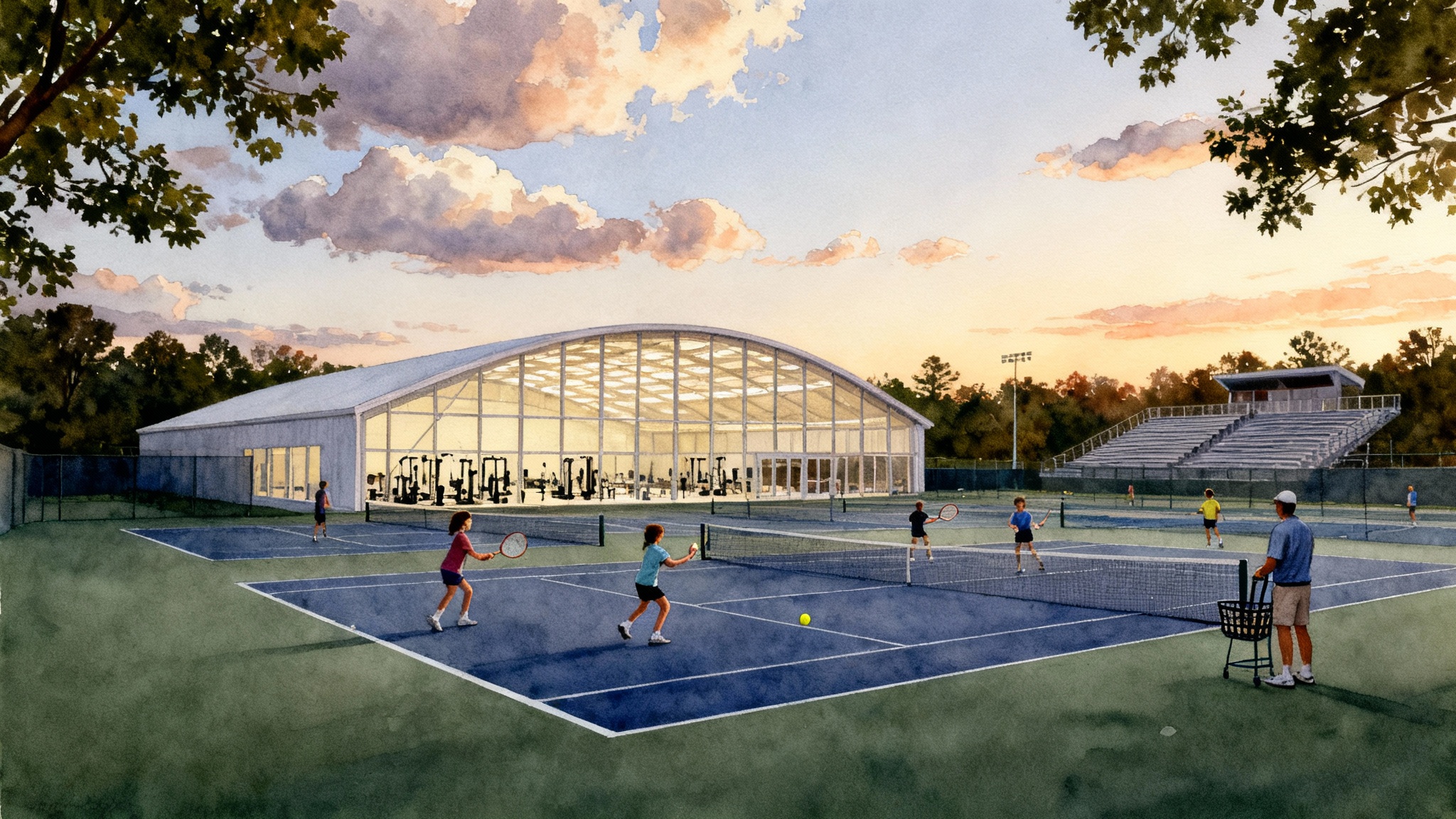
Who this guide is for
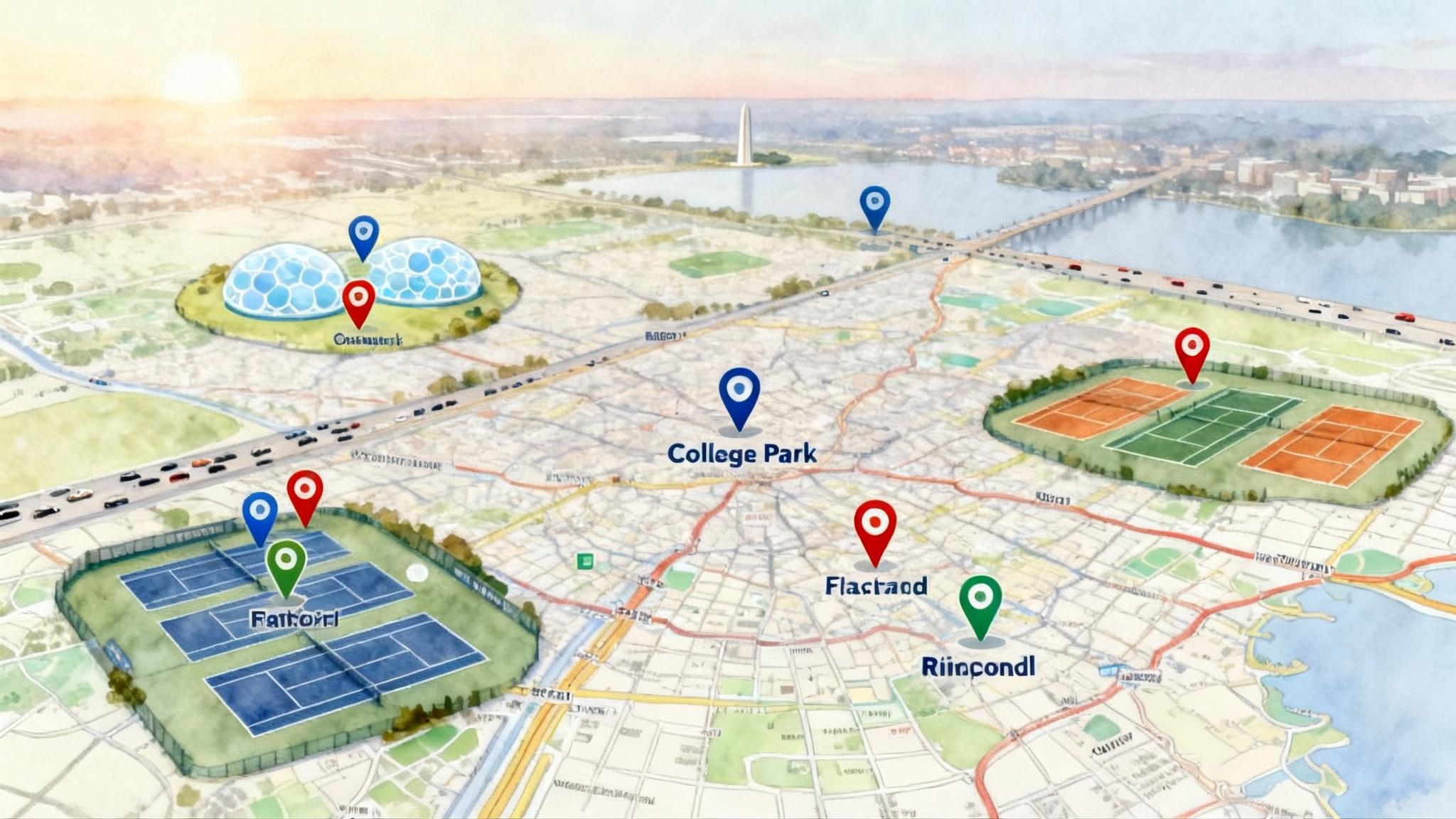
Parents who want a clear, apples-to-apples comparison of Georgia’s top junior performance programs in the North and Northeast corridor of Metro Atlanta will find that here. We focus on training models, court surfaces, indoor capacity, coaching ratios, Universal Tennis Rating integration, United States Tennis Association match opportunities, academics and boarding, pricing bands, and Spring to Summer 2026 tryout and camp windows. We also include a deep dive on Life Time Tennis Academy in Peachtree Corners, plus leading alternatives across Atlanta, Sandy Springs, and nearby Alpharetta.
If you are also comparing programs in nearby states, see our guides to Best Florida tennis academies 2026 and Best Texas tennis academies 2026.
How we evaluated the academies
We used seven practical criteria that affect a junior’s progress and a family’s schedule and budget:
- Training model: How the program structures development across technical, tactical, physical, and mental work. Look for a written progression and clear practice-to-match ratios.
- Surfaces and indoor capacity: Whether your child can train on both hard and clay (Har-Tru) and whether rain and heat derail the week. Indoor courts matter in Georgia’s summer and storm seasons.
- Coaching ratios and staff: Typical live-ball ratios for drilling and point play, plus access to fitness and performance staff.
- Match-play integration: How often the program runs Universal Tennis Rating (UTR) verified events or United States Tennis Association (USTA) team and tournament play.
- Academics and boarding: Whether there is a homeschool-friendly daytime block or on-site academic coordination. True boarding is rare around Atlanta.
- Pricing bands: Typical 2026 pricing by offering type so families can budget.
- Tryout and camp windows: When to plan assessments and summer weeks.
Deep dive: Life Time Tennis Academy, Peachtree Corners
Life Time at Peachtree Corners is the state’s best-known high-performance hub and a frequent first stop for serious juniors in the Northeast corridor. For more photos and campus context, see our Life Time Tennis Academy profile.
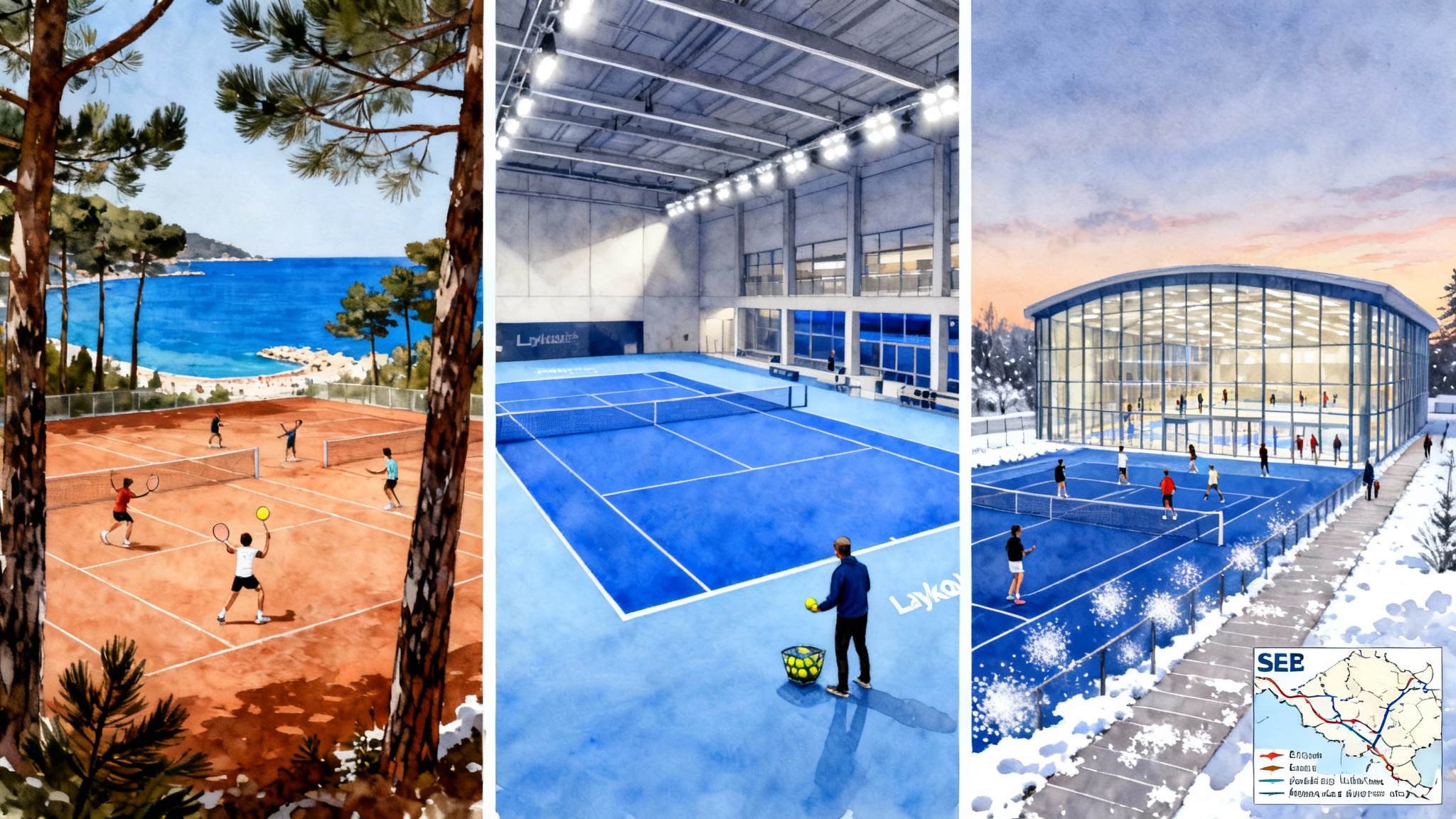
- Facilities snapshot: The club lists 18 total tennis courts, including 4 indoor hard, 10 outdoor hard, and 4 outdoor clay courts. Indoor capacity is the differentiator here, giving families reliable training even in summer storms and during winter cold snaps. See the site’s tennis page for current court mix and programming details at Peachtree Corners tennis overview.
- Training model: Life Time’s SMART junior pathway organizes development by ball color, maturity, and competitive stage. Above that, the Performance track focuses on tactics, situational drilling, fitness blocks, and measured match play. Seasonal sessions reset roughly quarterly, which makes planning easy if you are aligning with school terms.
- Match-play integration: The club runs club and USTA-sanctioned events and uses situational play in practice blocks. Families report a steady stream of match reps on-site or through nearby verified events, which is helpful for maintaining UTR momentum without long weekend drives.
- Coaching ratios: Groups typically target small pods for live-ball and fed-ball work; confirm the ratio at enrollment and ask how the ratio changes during match blocks. A practical target for advanced drilling is 4 to 1, and for point play 2 to 1 or 3 to 1 depending on the set piece.
- Surfaces in development: Having both hard and clay on-site means players can do movement and point-construction work on clay, then test patterns at speed on hard. Families with Division I college goals often schedule at least one clay-heavy day per week to build patience and shot tolerance.
- Academics and boarding: This is a member club with day programming. Families typically combine traditional school or virtual school with after-school or daytime training. There is no on-site dorm.
- Pricing bands in 2026: Membership dues plus program fees apply. As a planning range, expect seasonal academy blocks to sit in the mid to upper tier for the market, with private lessons and fitness add-ons escalating total spend. Ask the club for member and program pricing in writing so you can compare apples to apples with alternatives.
- Spring to Summer 2026 planning: Seasonal junior sessions typically begin in March or April for spring and in May or June for summer, with separate camp and tournament blocks layered in. Book assessments by late February for spring and by mid May for summer to secure preferred days.
Who it fits best: Families who value indoor reliability, a consistent training progression, and a one-campus solution for hard, clay, and strength work.
Strong alternatives in Atlanta’s North and Northeast corridor
Below are programs parents frequently consider alongside Life Time. Each is different in surface mix, schedule, and price structure.
Tennis Academy of the South at Sandy Springs Racquet Center (Sandy Springs)
- Surfaces and indoor capacity: Sandy Springs Racquet Center lists 20 LED-lit courts, with 16 hard and 4 clay, and no indoor courts. Clay access helps with point construction and movement training.
- Training model: Tennis Academy of the South (often abbreviated TAS) runs year-round junior development and high-performance groups, plus a 12-and-under high performance track. Ask for the written progression and fitness plan at your player’s level.
- Match play: Program staff coordinate USTA and local match play; ask about verified UTR events and how often your child will log rated matches during the school term.
- Pricing bands and 2026 camps: City-center camps vary by week length. Full-day camp pricing often sits in the mid range relative to private clubs. For performance blocks during the school year, expect higher per-lesson rates due to ratio and staff seniority. Confirm the current 2026 weekly rates and any early-bird discounts when registering.
- Fit: A good option for families who want clay plus a strong coaching culture and can live without indoor courts.
Universal Tennis Academy sites, including Blackburn Tennis Center and Chastain Park (Brookhaven and Buckhead)
- Surfaces and indoor capacity: Blackburn Tennis Center lists 18 lighted outdoor hard courts; Chastain Park is also outdoor. No indoor courts at these sites.
- Training model: UTA sites run performance groups with a progression from green ball to elite. In-house events like UTA Cup provide intro competition for younger players alongside higher-level drills for advanced teens.
- Match play and UTR integration: UTA coaches are accustomed to building weekly match volume and often host or funnel players to verified events across the network. Ask how many verified matches your child should expect per month.
- Pricing bands: Outdoor municipal sites typically deliver good value on session pricing. Expect to pay per seasonal block with optional add-ons for match days and fitness.
- Fit: Great for families seeking strong coaching at outdoor centers with good league access and a culture of competitive play.
North Atlanta Tennis Academy at Riverside and Terrell Mill (Sandy Springs and East Cobb)
- Surfaces and indoor capacity: Outdoor hard-court based; confirm any partner indoor options during rainouts.
- Training model: The Academy and Elite Academy require commitment across multiple days, with the Elite track requiring a minimum Universal Tennis Rating. A separate daytime High Performance schedule exists for homeschool or hybrid school athletes who can train five days per week.
- Match play and UTR integration: The Elite Academy sets UTR entry thresholds and builds verified match play into the calendar. This tight alignment makes it easier to track progress and college-recruiting readiness.
- Pricing bands: For 2026, published nine-week season fees for advanced tiers sit in the upper midrange to high end, which reflects higher training frequency and tighter ratios.
- Fit: Ideal for players targeting college recruitment who want UTR-driven benchmarks and a multi-day weekly plan.
Alpharetta options parents combine with performance academies
- Windward Lake Club: Private club with a large hard and clay footprint. Families often use Windward for local drilling and league play, then layer in high-performance days at Peachtree Corners or Sandy Springs for deeper match integration and fitness.
- Wills Park: City-run courts that host junior sessions and league play. Useful for extra hitting and on-court homework, especially if your child’s academy days are elsewhere.
What surfaces and indoor capacity mean for development
- Hard courts improve first-strike tennis and reward efficient footwork. Sessions on hard are useful for serve and return patterns, short-ball attack, and finishing skills.
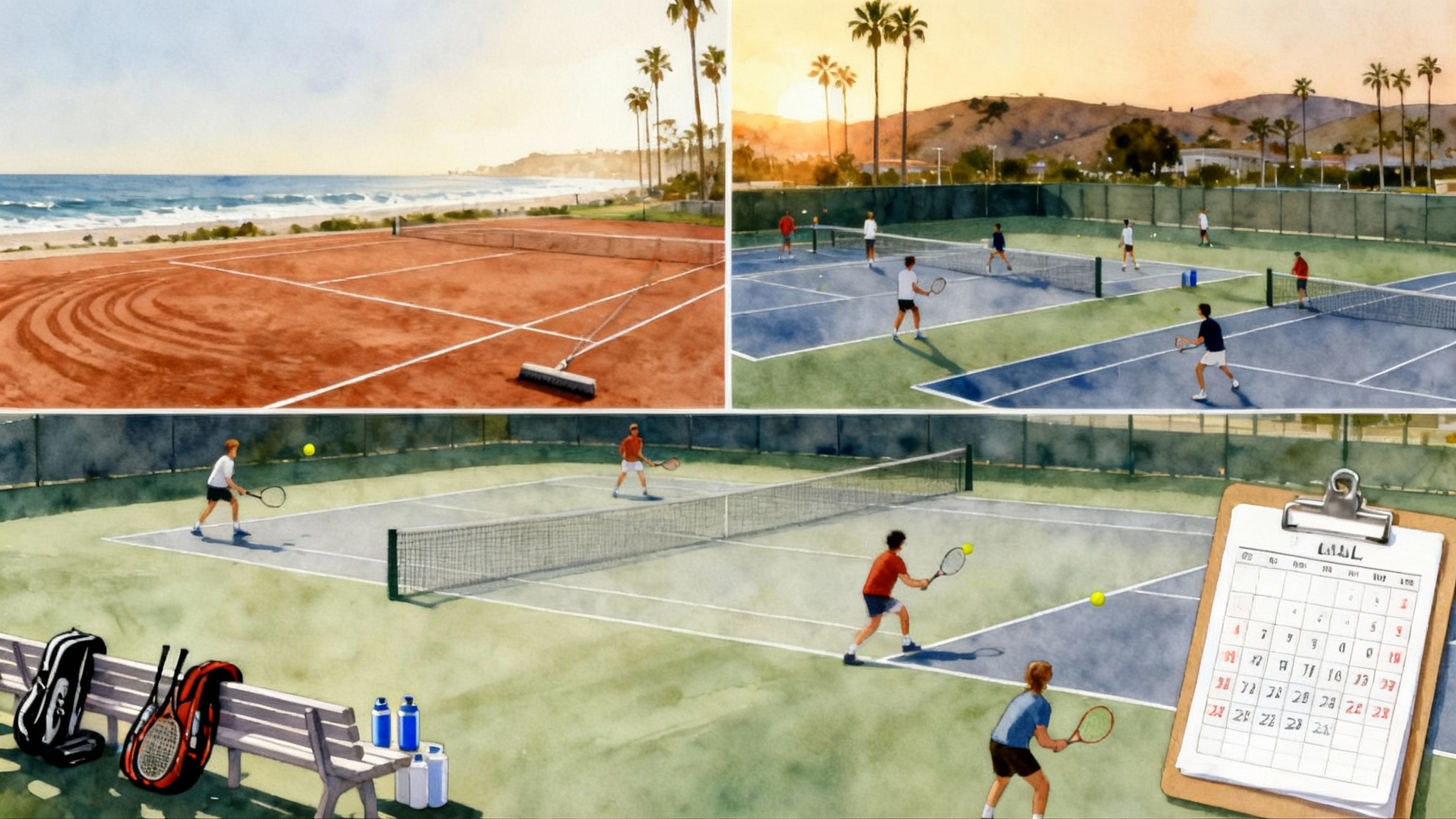
- Har-Tru clay increases point length and makes patterns visible. Clay sessions reinforce shape, depth, height, and shot tolerance. A week with even one clay-heavy practice can reduce the rush mistakes that cost games on hard.
- Indoor courts buy certainty. In Georgia’s June thunderstorms and winter cold, indoor courts reduce cancellations, preserve rhythm, and help you plan school and work logistics around a predictable practice block.
UTR and USTA, explained in plain English
- Universal Tennis Rating (UTR) is a 1.00 to 16.50 scale that updates with results and reflects level across age and gender. Verified results from sanctioned events affect a player’s verified UTR, which college coaches prioritize. For a parent-friendly explainer of how ratings are calculated and weighted by match competitiveness and format, see the official article on how the UTR rating is calculated.
- United States Tennis Association (USTA) pathways around Atlanta include Junior Team Tennis for team play, plus weekend tournaments. A healthy academy week includes at least one verified match opportunity or USTA competition block so that technical gains show up on the scoreboard and rating.
Academics and boarding
- Boarding: Full boarding academies are rare in Metro Atlanta. Most families choose day programs and handle school independently.
- School fit: If a player is in the Performance or Elite tier, ask about daytime training for homeschool or hybrid schedules. If you are in traditional school, confirm the late-afternoon start times, travel time, and homework windows.
- Support staff: Ask whether the academy coordinates with a strength coach and whether they can provide a sample week that leaves room for school and rest.
2026 pricing bands you can actually budget
These are typical 2026 ranges we see across the Atlanta corridor. Always request current written rates; programs do change.
- Seasonal academy blocks, intermediate to performance: roughly 8 to 12 weeks per block; expect around 700 to 1,300 dollars per block for three days per week, with elite five-day daytime programs higher.
- Summer high-performance camps: full-day camps commonly range from 425 to 475 dollars for five-day weeks at major public centers; half days from 225 to 280 dollars. Specialized high-performance camps with verified match play can run higher depending on cap and staffing.
- Private lessons with a senior coach: 90 to 140 dollars per hour is typical; junior assistants and group semi-privates cost less.
- Tournament and verified match fees: Budget 40 to 80 dollars per verified match day or 60 to 100 dollars per USTA tournament entry, plus travel.
How to use these ranges: Multiply your target weekly training days by your chosen block’s cost, then add a monthly line for private lessons and match fees. This yields a realistic quarterly total you can compare across programs.
Spring to Summer 2026 tryout and camp windows
- Life Time Peachtree Corners: Seasonal sessions generally reset quarterly, with spring starting in March or April and summer in May or June. Request an on-court assessment by late February for spring placement and by mid May for summer. The club also posts tournament and mixer calendars that supplement match play. See the Peachtree Corners tennis overview for updates.
- Agape-run city centers: Multiple Atlanta sites publish 2026 camp calendars with weekly options from late May through July, including dedicated High Performance weeks with verified match play blocks. This is useful for building UTR while school is out.
- North Atlanta Tennis Academy: Summer Elite and daytime High Performance offerings usually open registration in late spring, with coach approval or UTR thresholds for elite groups. If your player targets daytime training, plan school logistics by April.
A sample weekly plan for a college-bound junior
This example assumes a rising tenth grader with a Universal Tennis Rating near 6.0, a full school schedule, and weekend competition.
- Monday: Academy performance block focused on serve plus 1 and return plus 1 patterns; 90 minutes on hard, 30 minutes fitness. Evening mobility at home.
- Tuesday: Homework-heavy day. Forty-five minute strength session after school. Twenty minutes of shadow swings and serve reps.
- Wednesday: Clay day. Two-hour session on rally tolerance and height over the net; 20 minutes of mental rehearsal and journaling.
- Thursday: Tactical live-ball on hard. Situational tiebreak sets, 90 minutes; finish with 15 minutes of video review if available.
- Friday: Light hit, 60 minutes. Pre-match activation and hydration plan. Early bedtime.
- Saturday: Verified match play or USTA tournament. Log goals before the match and a two-minute debrief after.
- Sunday: Recovery. Easy bike or swim, mobility, and ten minutes of goal setting for the next week.
Why this works: You get three quality on-court training days, one verified match block, and two days that protect academics and recovery. The clay session grows patterns. The hard-court sessions sharpen first-strike execution. The journal and video keep the feedback loop tight.
Decision checklist for parents
Use this list during tours and coach calls.
- Surfaces and indoor: How many hard and clay courts do you use for juniors? How many indoor courts are available during storms and winter? How are courts assigned when multiple programs run simultaneously?
- Coaching ratio: What is the typical player-to-coach ratio for drilling, live-ball, and match blocks? What is the cap on performance groups?
- Progression: Can I see the written curriculum for my child’s level and the next level up? What are the three skills you expect my child to master this season?
- Match play: How many verified UTR matches or USTA matches per month should we expect? Who schedules them? Is there video on at least one match per week?
- Fitness and injury prevention: Who runs strength and movement sessions? What is the baseline screening and how do you individualize workloads?
- Academics: For daytime programs, what hours are offered? For after-school training, what is the latest finish time during spring season? Can we shift days during exam weeks?
- Communication: How often will I receive feedback on progress? Who is my point of contact for goal reviews and tournament calendars?
- Cost clarity: Can you send current member dues, program fees, lesson rates, and any tournament coaching or travel fees in one email? Do you offer multi-day or sibling discounts?
- Trial and fit: Can my child do a paid evaluation session before committing to a full block? What does success look like after the first eight to twelve weeks?
Bottom line
The right academy is not just the one with the biggest stadium court. It is the one that matches your child’s stage of development, gives you reliable training days through Georgia weather, and delivers verified matches that move the rating needle. Life Time Peachtree Corners stands out for its indoor capacity and full-surface mix. Tennis Academy of the South at Sandy Springs Racquet Center and Universal Tennis Academy sites provide strong outdoor performance ecosystems with clay access and deep league culture. North Atlanta Tennis Academy adds a UTR-driven Elite pathway and daytime High Performance training for homeschool or hybrid students. Use the decision checklist, build a week that balances training with school and rest, and lock in your Spring and Summer 2026 assessments early. When surface variety, match volume, and coaching fit line up, progress follows.