From Belgrade to Munich: How Niki Pilic Academy Forged Djokovic
Follow Novak Djokovic’s move at 12 to the Niki Pilic Academy near Munich and see how small‑group intensity, multi‑surface training, and a discipline‑first culture shaped his elastic defense and elite return. Actionable takeaways for parents included.
 Tommy
Tommy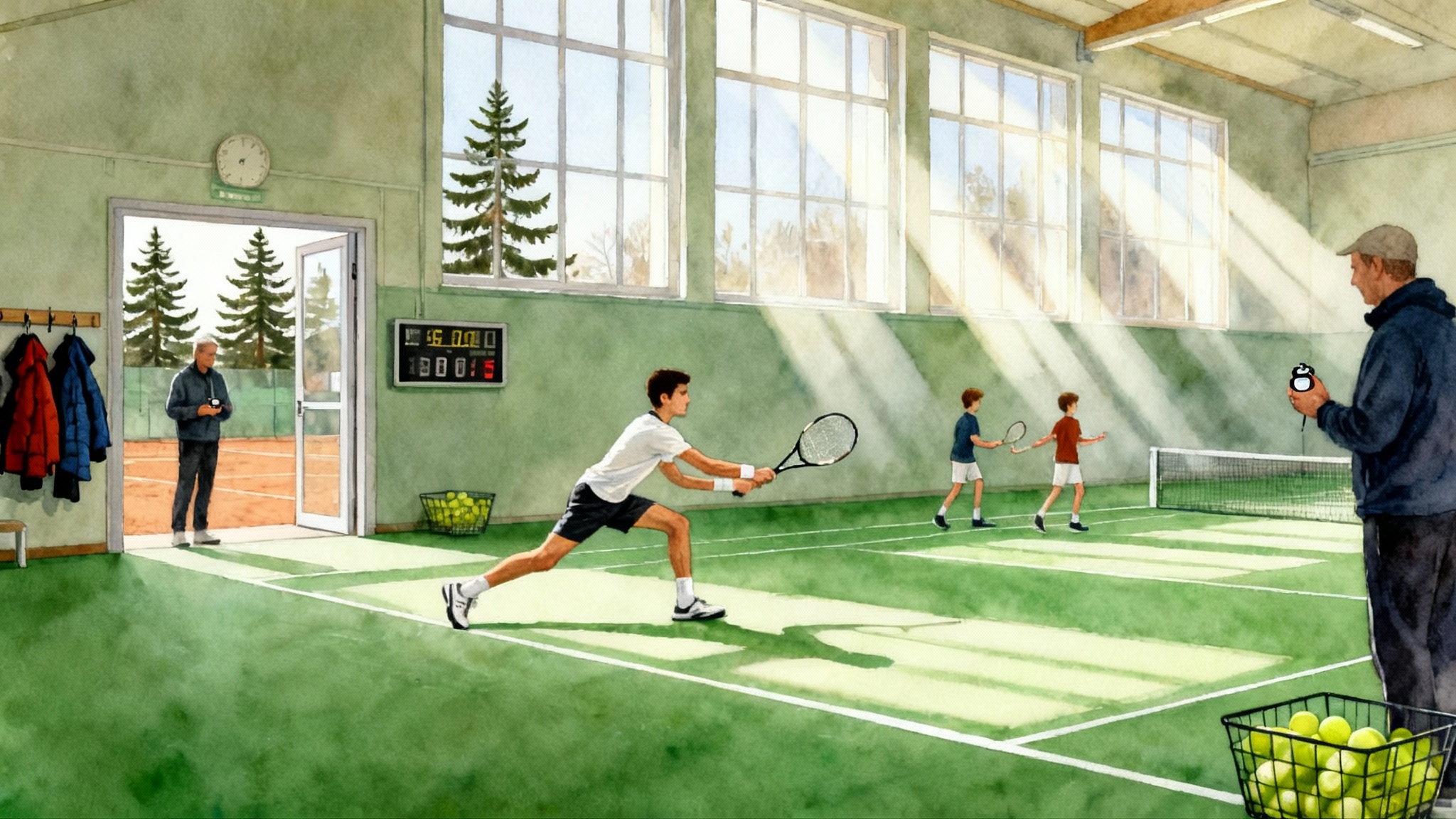
A 12-year-old packs for Germany
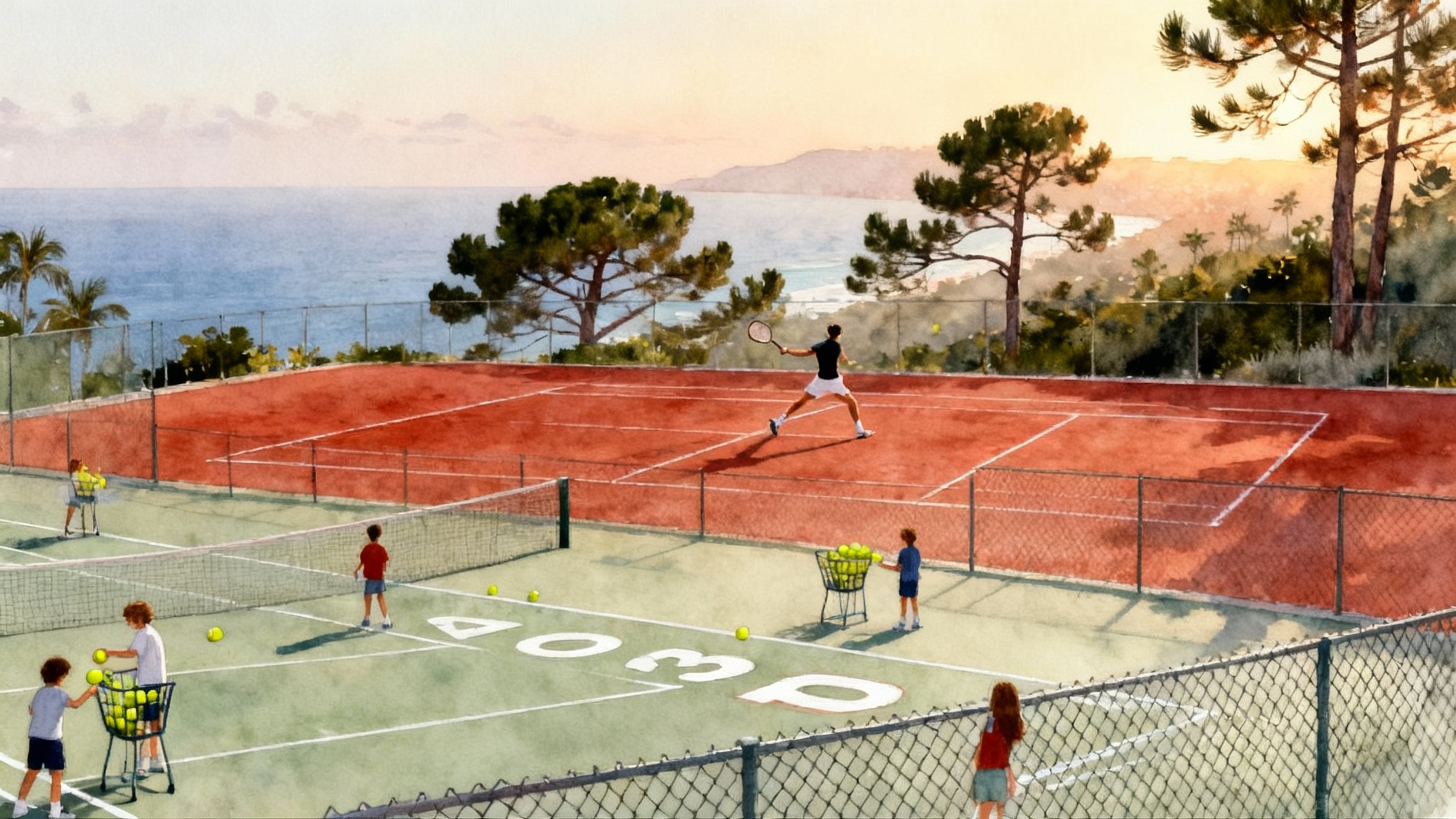
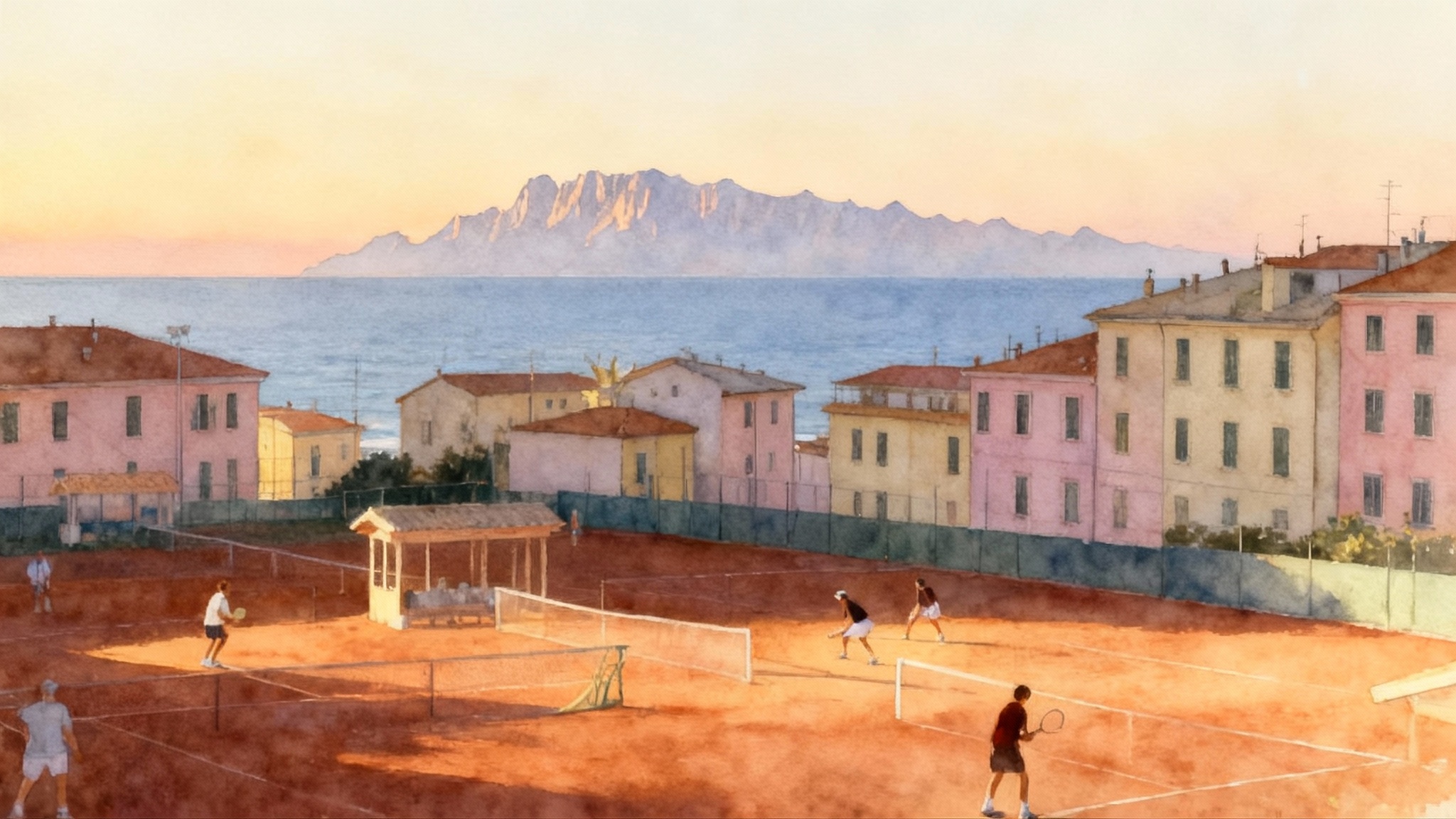
Picture Belgrade in the late 1990s: sirens, shuttered windows, classes interrupted. Now picture a boy with a pack of racquets and a long train ride ahead. In 1999, Novak Djokovic was 12, gifted, hungry, and about to test himself away from home. He arrived at a small training center outside Munich that would change his life. He arrived at Pilic Academy in 1999, and over the next several years he came and went in focused blocks, returning to Serbia for school before looping back to Germany for concentrated training.
Parents and coaches sometimes imagine a single defining choice, a moment when a young player either makes it or does not. Djokovic’s story is less cinematic and more methodical. The move to Niki Pilic’s Academy was not a permanent relocation at first. It was a series of targeted training blocks, each one dialing up the intensity, each one asking whether the foundations in Belgrade could support the next layer of skill and resilience. You can see similar academy impact in Nadal Academy elevated Casper Ruud.
The Pilic setup: small group, big demands
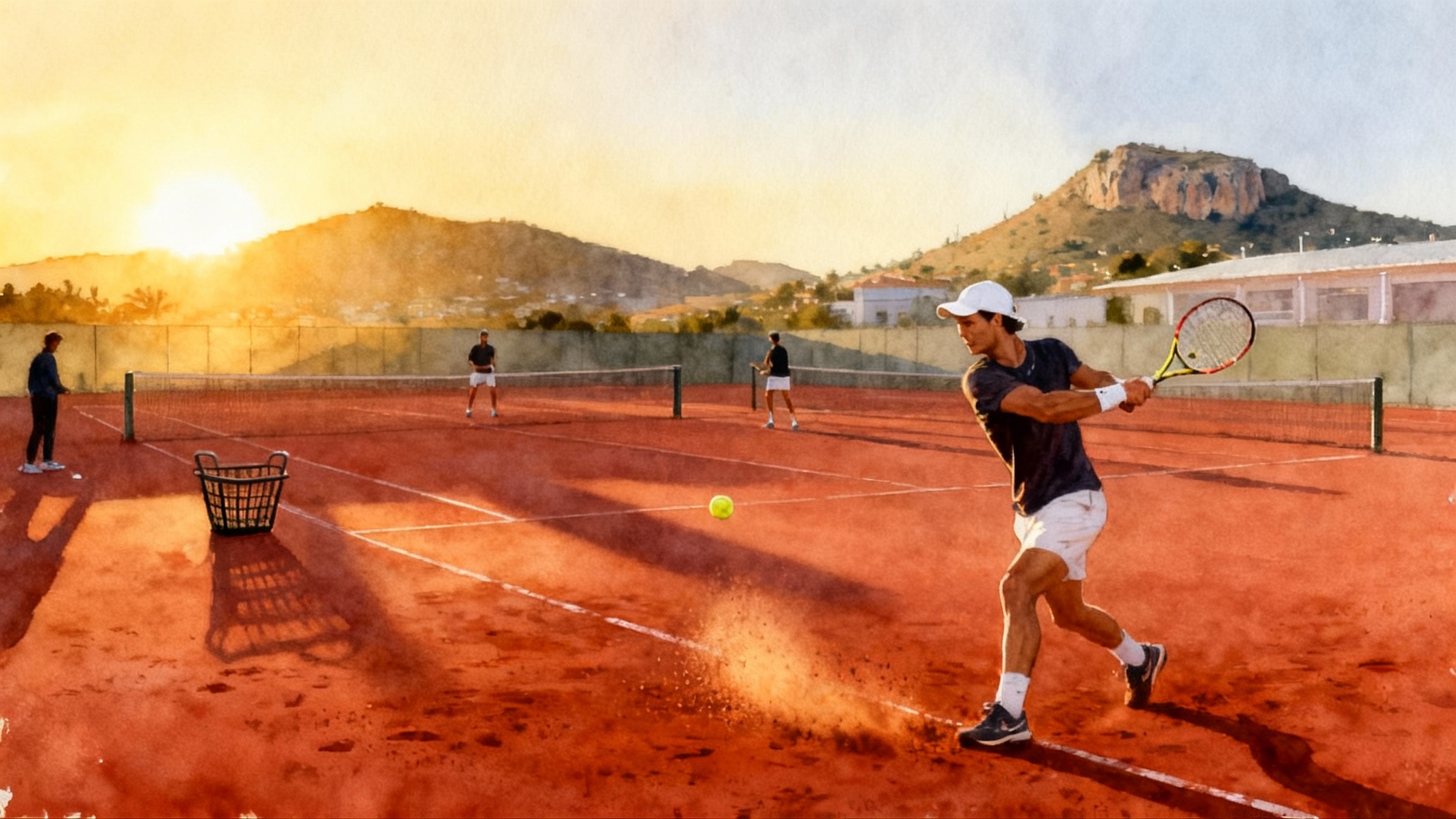
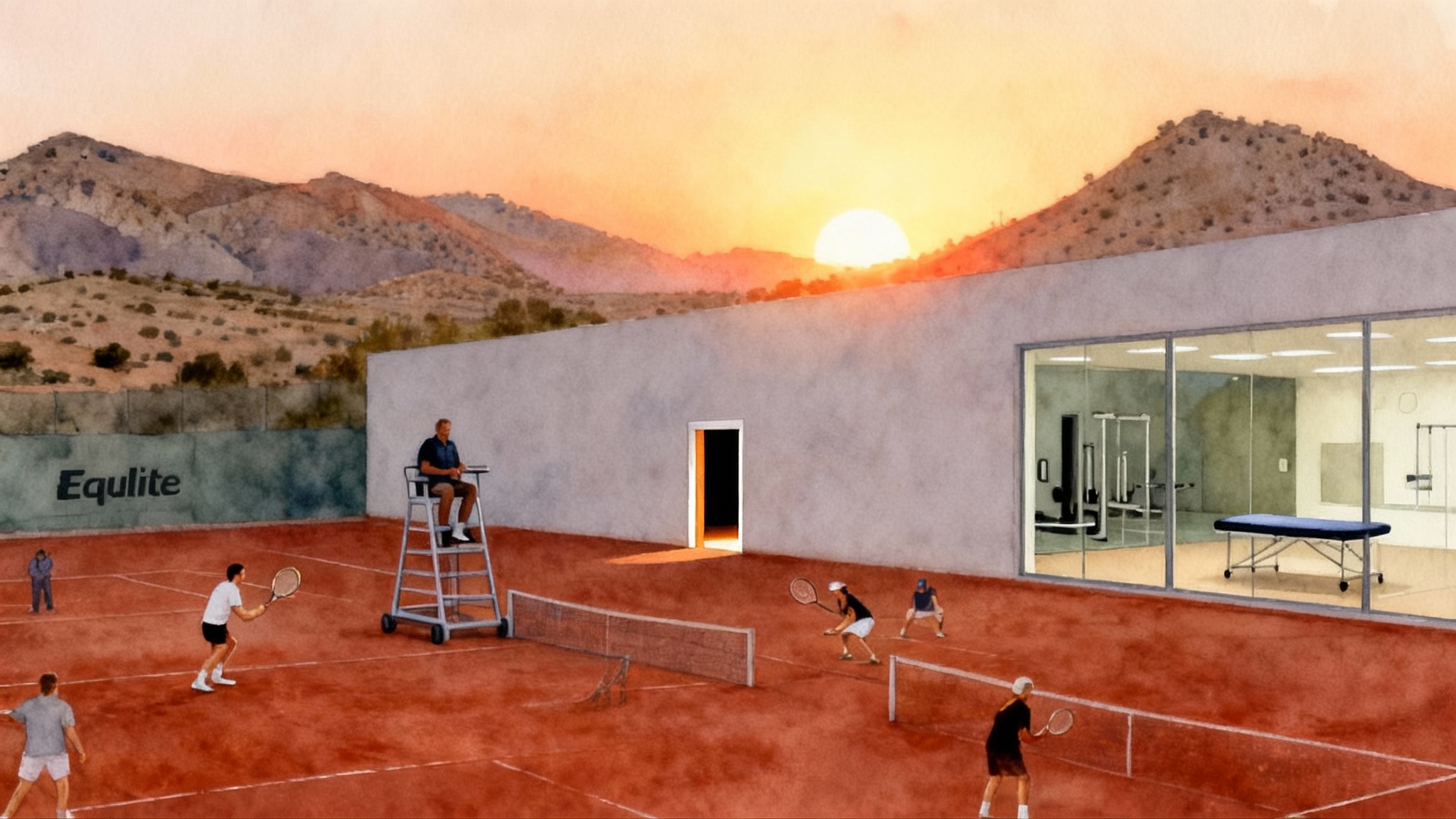
The academy’s power was not in shiny buildings. It was in ratios and repetition. Groups were small, often three or four players to one coach for live drilling, then one to one for technical sessions. A typical day stacked hours of hitting with specific, measurable goals. The culture valued being early, being prepared, and being present, which sounds simple until you try to do it daily.
- Small groups created a problem-solving lab. When three players share a court, the coach can rotate constraints: one player returns serves, one serves, one shadows footwork with a resistance band. Each player gets rest that is not idle time but observation time. Watching a peer fail and then fix a mistake is part of the lesson.
- Individual checkpoints kept the bar high. In small settings every lazy split step, every late contact, is seen. Feedback loops were short: two or three balls, quick correction, two or three balls again.
Parents often ask what ratio to seek. For skill acquisition and decision making, 1 coach to 2-4 players works best, provided there are focused blocks of 1 to 1 for technique. Anything wider risks turning a live drill into a ball-feeding line with low attention and poor transfer. Ratios like these echo the IMG blueprint for Sebastian Korda.
Multi-surface volume: the return is built on speed, not just read
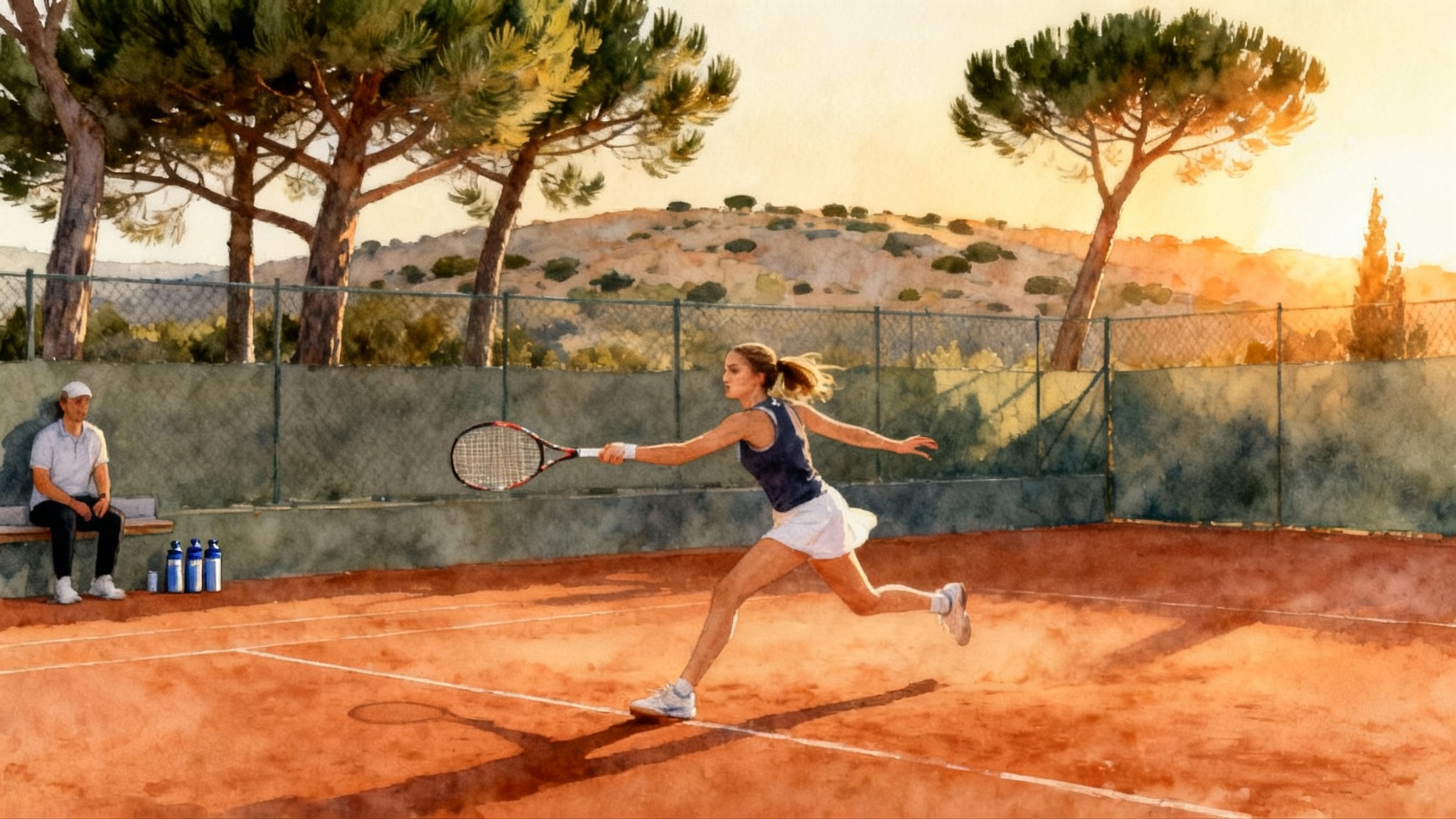
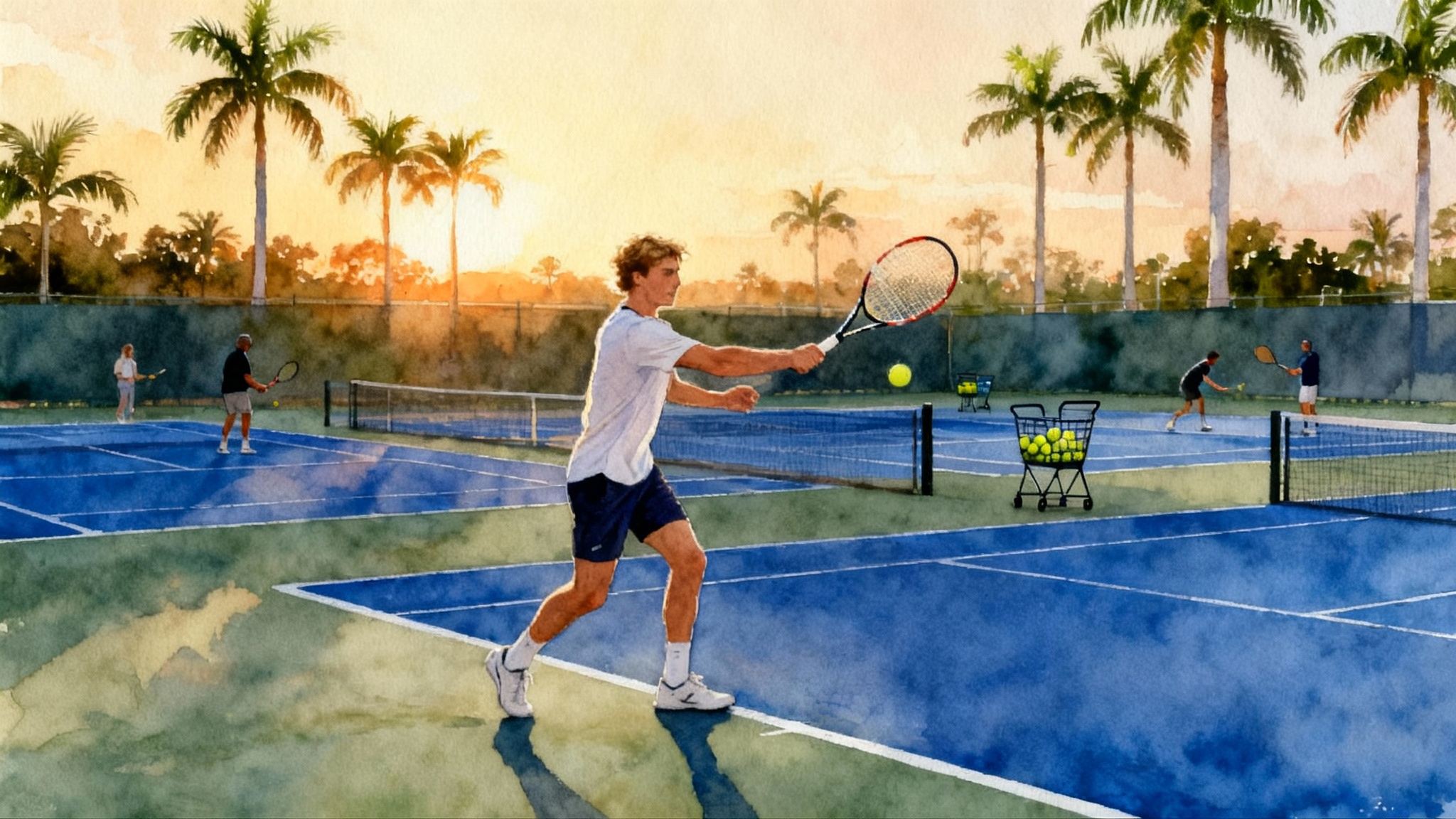
Training across surfaces was another quiet advantage. Djokovic grew up on clay, then absorbed hours on faster indoor courts in Germany. Clay exaggerates time and height, forcing players to build points and defend with patience. Indoor carpet or hard courts shorten reaction windows, forcing crisper preparation and braver returns. Switching between these environments taught him to read patterns and trust his feet.
Think of multi-surface volume as changing the font your brain reads. Clay is a wide serif font with big spacing that teaches you to scan the whole sentence. Indoor hard is a tight sans serif font that makes every letter jump. Moving fluently between them turns a young player into a fast, accurate reader of ball flight and opponent intention.
Practical markers for parents
- Under 12: bias toward clay or slow hard to extend rallies and build contact quality.
- Ages 12-15: introduce two to three months per year on faster indoor or outdoor hard courts to compress time and force earlier preparation.
- Ages 15-17: periodize in blocks that match competition goals, with at least 30 percent of training on a surface faster than your main competitive surface to sharpen the return and the first step.
Discipline first: what that looks like hour by hour
Discipline is a vague word until you put a stopwatch against it. At the academy, discipline meant:
- Arrive early, then warm up without being asked. Ten to fifteen minutes of band work, mobility, and footwork patterns before the first ball.
- Set a technical intention per session. For example, on the return: lock the base, shorten the backswing against first serves, lean forward on the split as the server tosses, finish compact through contact.
- Track volume and execution. A return session might target 120 returns in 20 minutes, with scored zones. Missed returns are not just misses; each miss is coded by cause: late read, slow feet, or uncontrolled racquet face. This is discipline as measurement, not as punishment.
When players and parents hear that Djokovic’s defense looks elastic, they often think of flexibility alone. Elastic defense is a blend of balance, anticipation, and a recycled split step. It is built, ball after ball, in environments that demand both patience and speed. The academy’s routines pushed that blend.
How Pilic’s environment shaped Djokovic’s return and defense
- Small-group intensity made decisions fast. In a three-player return drill, the next ball arrives before the last miss sinks in. You learn to adjust without sulking. Djokovic’s calm after errors is not a personality quirk; it is a trained response to rapid feedback.
- Multi-surface repetitions tuned his eyes and feet. On clay, he learned to buy time with depth and height, then recover into a neutral stance. Indoors, he learned to rob time with early contact, knife the return low, and step in without fear.
- Discipline turned flexibility into stability. Yes, he is mobile. More importantly, he is organized at impact. The base is set, the head is still, and the racquet path is repeatable under speed. Elastic defense is not flailing; it is organized stretch.
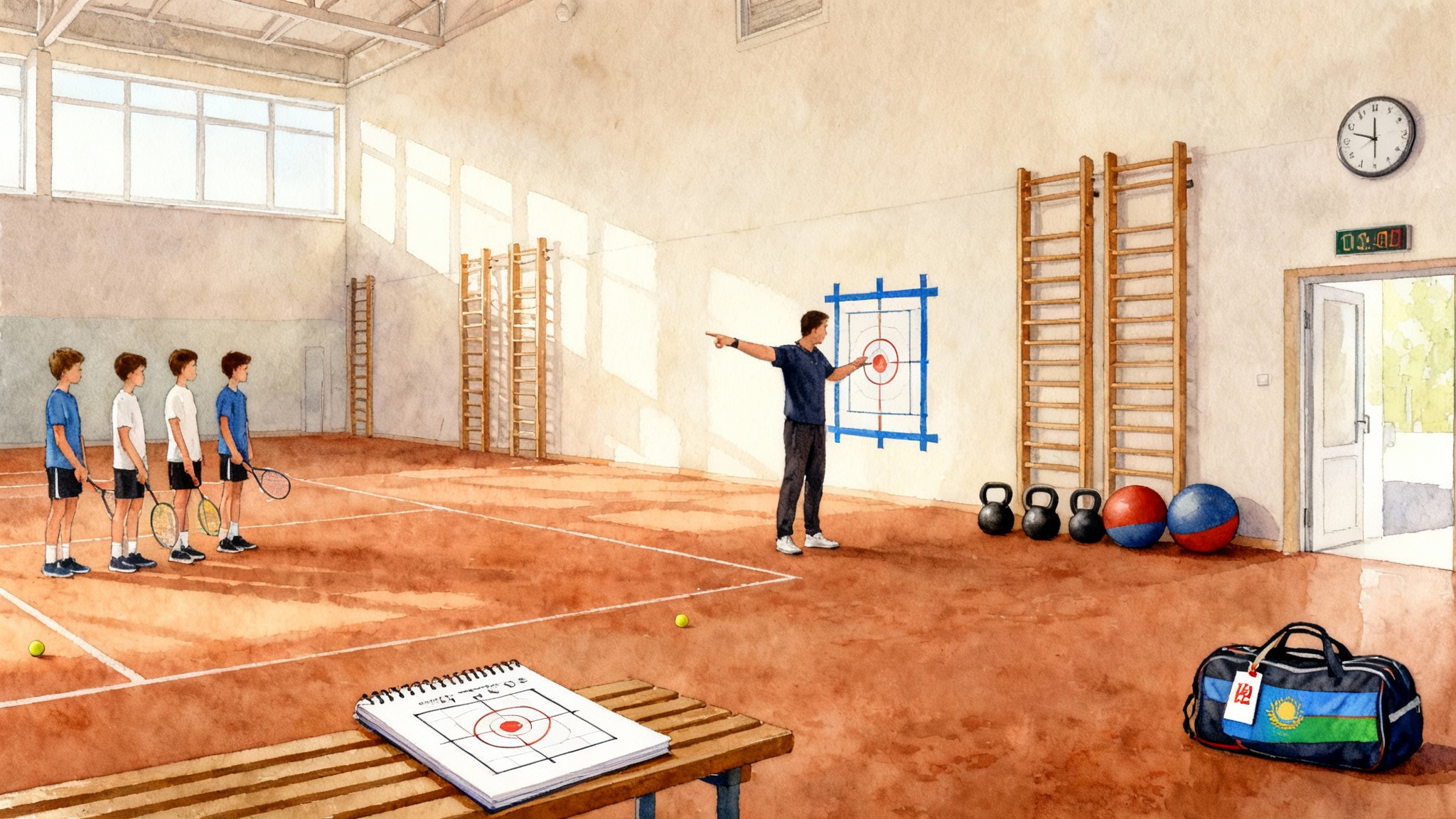
If you want one visual, use the return box. Imagine tape laid in a rectangle inside the baseline, one meter deep and three meters wide, centered on the hash mark. The session goal: land 70 percent of returns into that box against first serves at realistic speed, then 85 percent against second serves. Rotate servers every eight balls to prevent pattern comfort. Record the percentages and causes of errors. This is the sort of measurable, repeatable challenge that built Djokovic’s return.
The decision to go abroad: who decides, when, and why
Jelena Gencic, the first coach who shaped Djokovic in Belgrade, recognized when local resources would cap his growth and encouraged his family to consider Munich. She respected the roots while pushing toward new demands. As one obituary recounts, she Gencic urged a move to Munich when the pace of development outgrew her training group. For a present-day German option that favors compact, high-touch blocks, look at ToBe Tennis Academy in Germany.
For parents, the decision framework is practical, not romantic:
- Are your player’s best practice partners two to three years older, and are those partners now refusing or unable to keep up? That is a sign the local environment no longer stretches your child.
- Can you identify an academy that offers small-group intensity, periodized blocks, and multiple surfaces, rather than only a brand name and volume feeding? If not, wait.
- Is the family ready for a block model rather than an all-in relocation? Djokovic’s early path was not permanent exile. He trained in Germany in defined windows, then returned home for school and decompression. This protected identity and kept pressure manageable.
Scholarship support and the quiet logistics of belief
Behind every great junior story is a spreadsheet of costs and favors. The Pilic environment was known for helping promising players bridge gaps when families were stretched. Support might include reduced fees, shared housing with other juniors, and extra individual check-ins from senior coaches. The point is not charity, it is investment. Parents should ask explicitly about scholarship tiers, payment plans, and what support looks like beyond ball baskets: mentorship meetings, language help, or school coordination.
A practical script for families:
- Ask the director to outline three tiers of support and what qualifies a player for each.
- Request a written plan that includes how schoolwork will be handled during blocks and who communicates with teachers.
- Clarify the calendar: block dates, reentry to home training, and the first competition that tests the block’s goals.
Balancing home training with academy blocks
Djokovic’s pattern offers a template: use the academy to install or upgrade systems, then return home to consolidate and live as a normal teenager. A block could be 6 to 10 weeks, split into two halves with a test event in the middle. The test event is not a high-stakes goal; it is a diagnostic tournament that tells you what to fix in the second half.
- Install phase: two to three weeks of high technical load, lower competition stress. Video each technical focus from two angles, keep the same camera height, and mark reference lines on court.
- Transfer phase: two to three weeks of live points, return plus one patterns, and simulated pressure. Include two practice matches per week against older players.
- Test event: play a local or regional tournament with a clear, narrow goal, for example, second serve return aggression measured by depth and height, not match wins.
- Consolidation at home: two to three weeks with the home coach who has the video, the tracked metrics, and the plan.
This rhythm lowers emotional cost and raises the signal-to-noise ratio. The block brings novelty and intensity. Home brings stability and meaning. The alternation lets the player grow without rupture.
The nuts and bolts of a day at Pilic-style intensity
To make this concrete, here is a sample training day inspired by the academy’s small-group, multi-surface approach.
Morning, clay court
- Warm up: 12 minutes of mobility and elastic band work, then 8 minutes of footwork ladders and crossover steps.
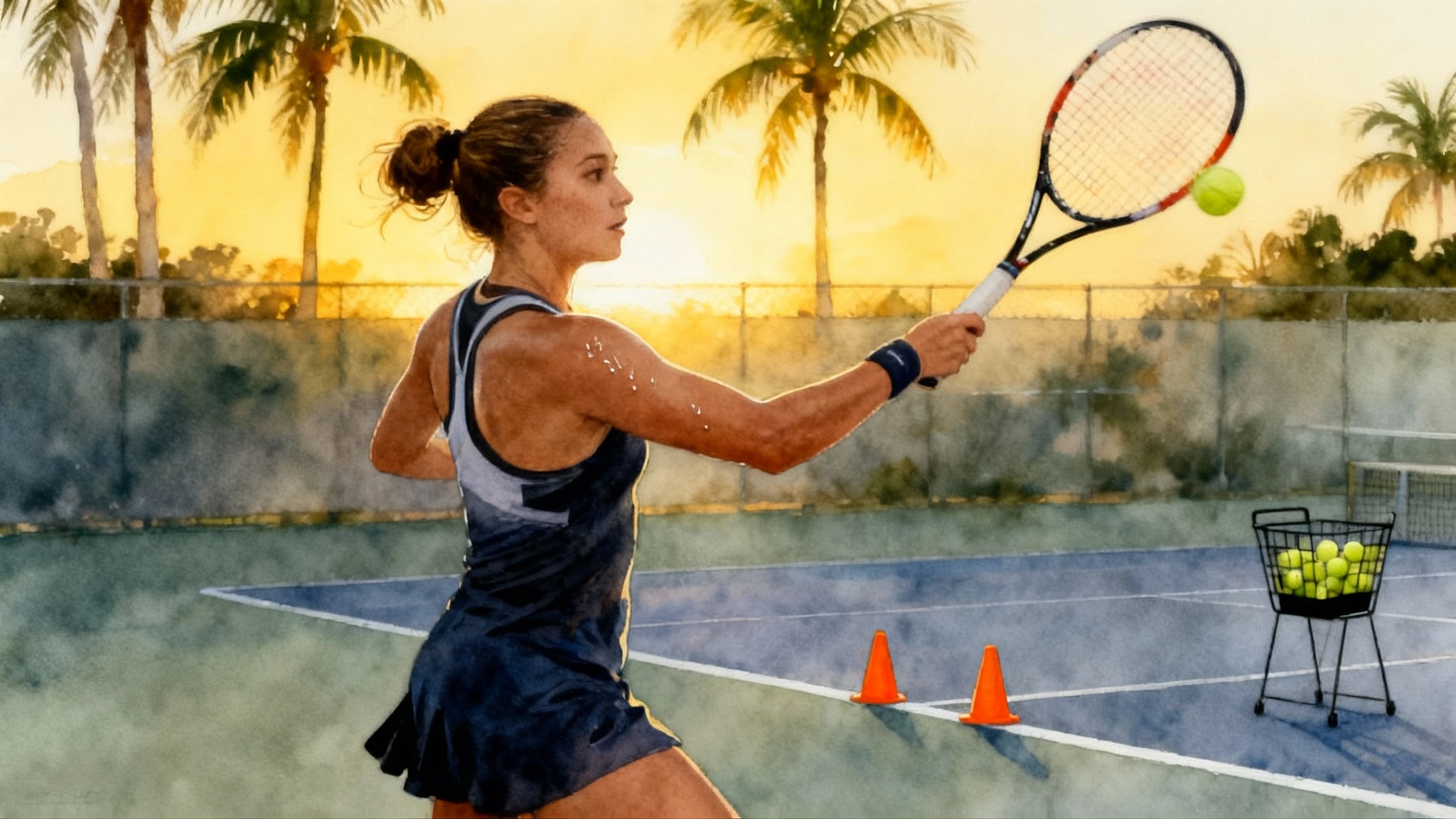
- Technical set, forehand height and shape: 15 minutes of heavy crosscourt forehands with the coach feeding deep. The metric is arc height and depth, tracked with cones behind the baseline.
- Defense drill, corner escapes: 20 minutes. Two players rally, coach calls directional change. Defender must regain center with three precise steps, then hit a neutralizing ball above net strap height. Score points to reward neutralization, not winners.
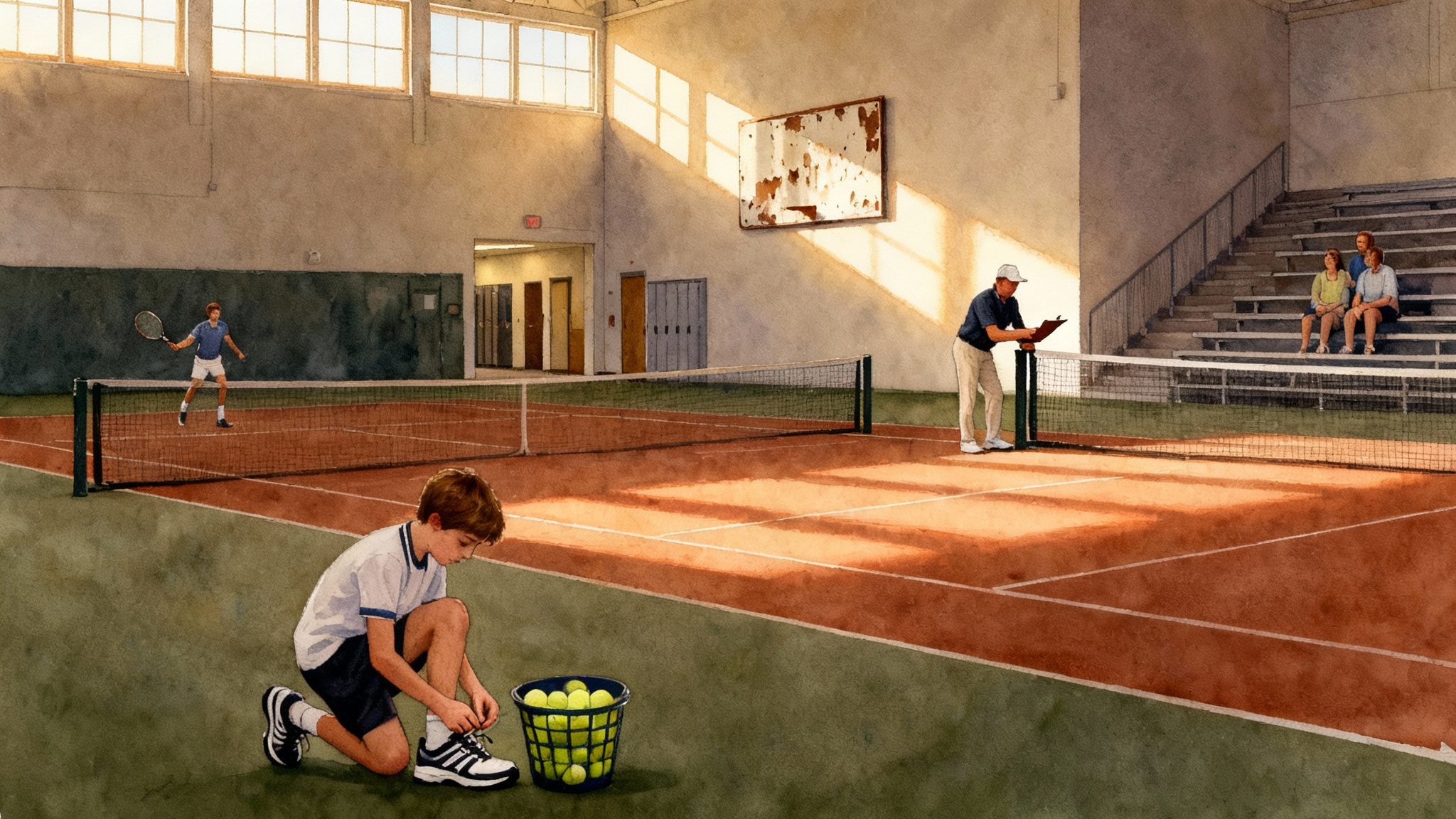
Midday, indoor hard
- Return lab, first serves: 20 minutes, 120 balls. Goal is 70 percent into the return box with compact swings and early split timing. Rotate servers every eight balls.
- Return plus one: 20 minutes. After each return, hitter must take the ball on the rise inside the baseline. Emphasis is on spine angle and head stillness.
Afternoon, tactical play
- Live sets with constraints: one set begins at 30-30 on every game to simulate pressure. Another set requires the server to hit two second serves per game to encourage return aggression.
- Cool down and metrics: log the return box percentage, first ball speed off the return, and the percentage of defensive balls that land deep and high.
Everything is measurable and everything loops back to the same two outcomes: an organized body under stress and a return that starts points on your terms.
What parents should look for and when to move
Timing the move
- Best window: ages 11-14 if the player is already the best in the local group and needs a sharper push. Before 11, the social and school costs often outweigh the training gains unless the home environment is unsafe or severely resource limited. After 14, consider shorter, more targeted blocks that prepare for professional or college pathways.
- Readiness signs: the player asks for tougher practice, handles long sessions without drama, and shows curiosity about tactics, not just strokes.
Coach-to-player ratios
- Live tactics and decision drills: 1 to 2 or 1 to 3. This protects quality feedback and keeps rally density high.
- Technique rebuilds: start 1 to 1 for 30 to 45 minutes, then move to 1 to 2 to test the change in rally conditions.
- Fitness and movement: 1 to 4 with strong supervision works if every athlete is on a station with a clear target and clock.
Sequencing training and competition
- Two-stage tournaments: choose a low-cost event mid-block and a goal event after consolidation at home. The mid-block event diagnoses, the goal event validates.
- Metrics over medals: track return box percentage, depth on neutral balls when pulled wide, and error causes. Celebrate a 10 percent gain in a measured skill, not just a trophy.
- Surface plan: align the goal event’s surface with your block surface. If the goal event is indoor hard in February, include at least three weeks on indoor hard in January.
The human side: identity, language, and mentors
Leaving home even for a few weeks at a time is not just logistics. It is identity work. Djokovic found anchors in mentors who spoke his language and cared about more than tennis. Parents should test academies for this layer.
- Who are the mentors, not just the technicians? Ask to meet the person who will notice homesickness and push a little but not break the thread.
- How does the academy teach independence? Packing the bag the night before, writing down tomorrow’s intention, leading a warm up, these are small acts that compound into ownership.
- Is there a plan for language? If the player trains abroad, schedule daily conversational practice. Confidence off court reduces pressure on court.
A 12-month blueprint you can adapt
- September to October: install phase at home. Two technical focuses, for example, backhand contact in front of the hip, and split timing off the toss.
- November to December: academy block. Small-group drills, multi-surface work, and a mid-December diagnostic event.
- January: consolidation at home with two practice matches per week and one weekend event.
- February: second academy block on faster courts, with a goal event at the end of the month.
- March to April: home stretch with physical base building, then a short clay block if spring events are on clay.
- May to August: competition clusters with rest and rebuild weeks in between. Maintain a weekly return lab and a monthly flexibility audit.
Adjust the months to your school calendar and local climate. Keep the rhythm: build, test, consolidate, repeat. For another example of academy structure shaping outcomes, see IMG blueprint for Sebastian Korda.
Final checklists for parents
Academy fit checklist
- Ratios: live drilling at 1 to 2 or 1 to 3, weekly 1 to 1 technical time.
- Surfaces: access to at least two surfaces, with scheduled time on each.
- Measurement: clear metrics for return, defense under pressure, and first step.
- Mentorship: assigned coach who meets weekly to review goals and well-being.
- Scholarship clarity: written options with criteria, not vague promises.
Player readiness checklist
- Emotional: handles frustration without spiraling, accepts feedback, shows joy in hard sessions.
- Physical: can train two to three hours daily with quality and recover well.
- Technical: owns a repeatable contact on both sides and a functioning serve action that can be made compact under speed.
Why the Pilic chapter still matters
Novak Djokovic’s rise is often told in headlines about talent or in highlight reels of impossible defense. The quieter truth is that a small, disciplined academy near Munich gave him exactly what his development needed at exactly the right time. The training blocks were deliberate. The groups were small. The surfaces shifted under his feet until his eyes, feet, and choices kept pace. A family made specific sacrifices and found mentors who could carry some of the load.
You do not need to copy every detail to learn the lesson. The path is not a myth about leaving home forever. It is a plan you can adjust. Start with ratios and routines. Add surfaces and metrics. Build a block rhythm that your child can own. The result, over years, is not only more wins. It is a player who can organize under pressure and return on their terms.