Best Southern California Tennis Academies 2026 Guide
A smart buyer’s guide for juniors and ambitious adults in Los Angeles, Orange County, and San Diego. Compare training models, surfaces, school integration, price bands, match play access, boarding or day options, college placement, and 2026 tryout timelines.
 Tommy
Tommy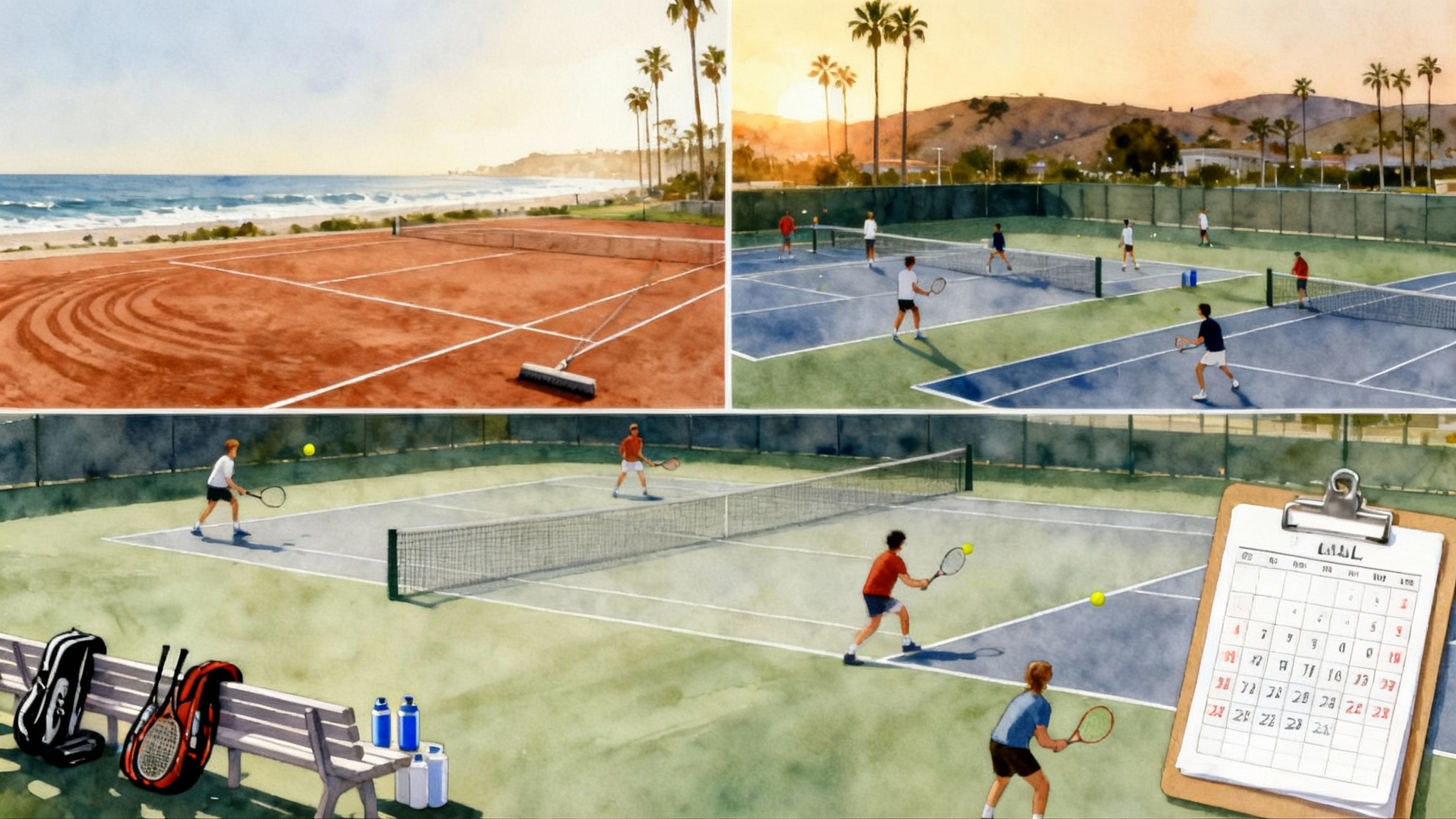
Who this guide is for
If you are choosing a Southern California tennis academy in 2026 for a junior player or for your own late-blooming ambitions, this guide will help you make a confident, apples-to-apples comparison. We focus on the three hubs that matter most to local families and relocating athletes: Los Angeles, Orange County, and San Diego. You will see how programs differ by training model, court surfaces, school integration, price bands, match play access, boarding or day formats, and college placement support. We close with a month-by-month 2026 tryout and summer planning timeline you can act on today. If you are also weighing Bay Area options, compare notes with our Northern California academies guide.
The two training models that drive most outcomes
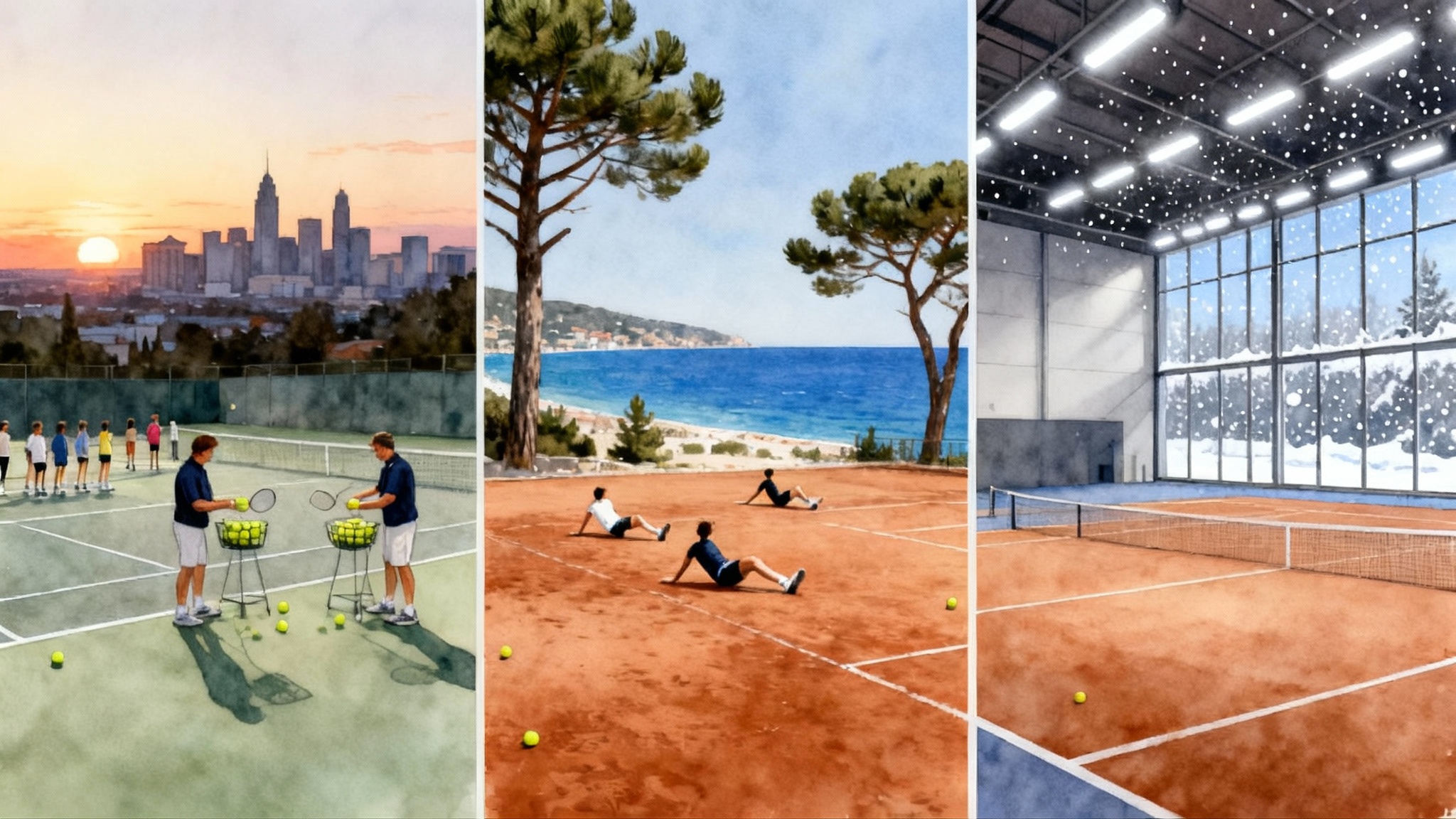
A simple way to decode academies is to ask whether the daily work is mostly live-ball or mostly technical.
- Live-ball heavy: Think of this as language immersion. The class speaks tennis from the first minute, with patterns, point building, decision training, and competitive reps. A typical block blends short feeds to set a theme, then extended cooperative and competitive rallies. The upside is match readiness. The risk is that flaws can be rehearsed at speed if technical feedback is too light.
- Technical heavy: This is like a music conservatory. Players spend longer in progressions with baskets, video, and targeted motor learning. Expect more stop-start coaching on grips, contact shapes, and footwork templates. The upside is durable mechanics. The risk is that players under-prepare for the chaos of a real match if live points are scarce. For technical blocks, this forehand mechanics guide shows how to structure focused reps.
Your action: Ask to watch a full session. Count minutes of live rallying versus fed-ball. A healthy daily recipe often looks like 60 to 75 percent live-ball for tournament players, with technical time targeted to the two or three biggest leaks identified that week.
Surfaces and why they matter in Southern California
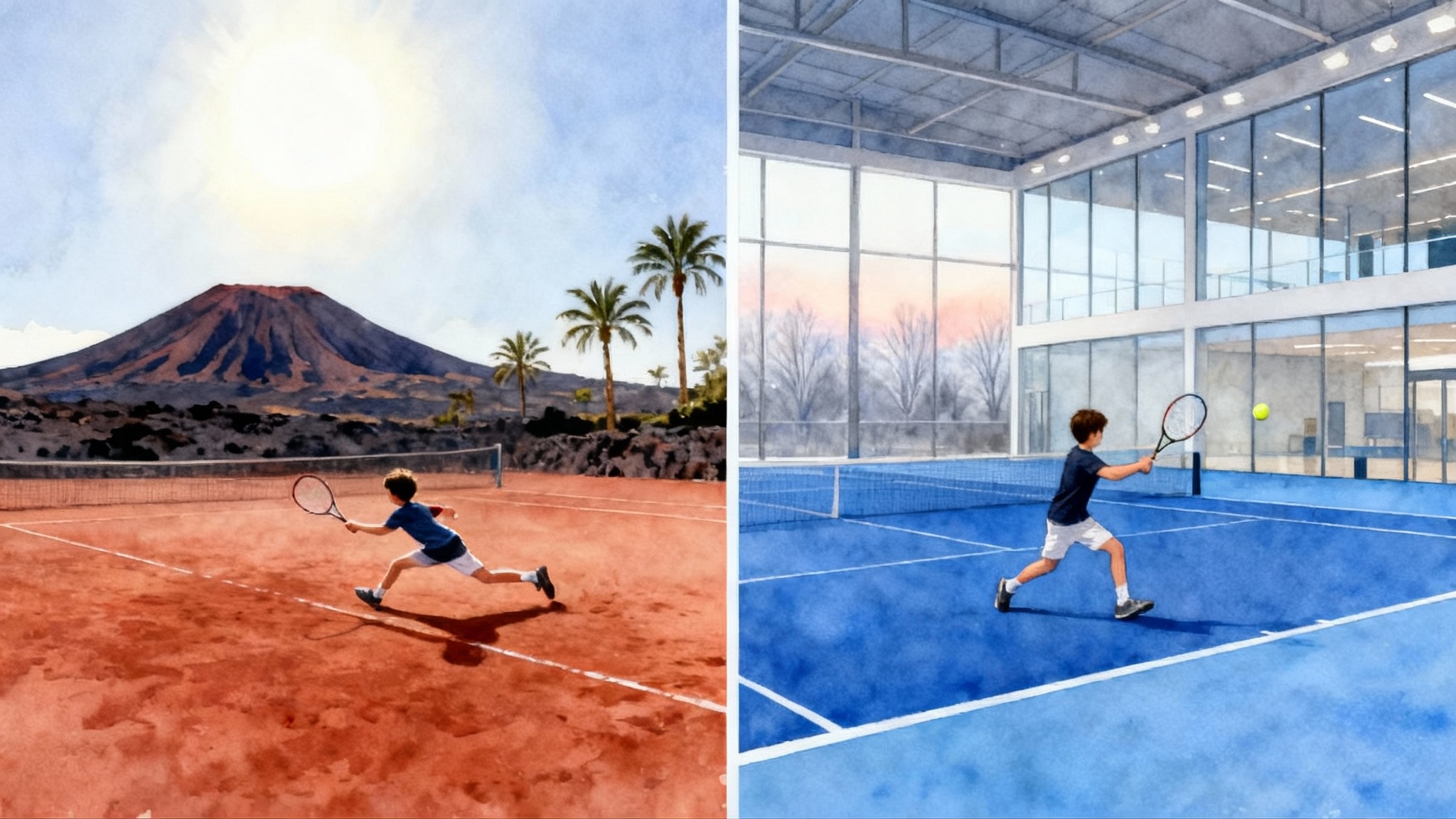
Most SoCal training is on hard courts, which mirrors college and a large share of United States Tennis Association competition. Some venues also maintain clay-style courts. Clay time improves point construction, balance, and patience. In San Diego, for example, you can find centers that mix hard and clay-style surfaces, which helps all-court development without leaving the region.
Your action: Align surface time with goals. If college tennis is the North Star, favor hard-court volume, then sprinkle clay blocks to sharpen defensive skills and shot tolerance.
School integration: three workable models
Families have more choices than ever, but each model has tradeoffs.
- Traditional school plus academy after school: Public or private day school with 2 to 3 hour academy sessions on weekdays, weekend match play, and targeted fitness. Works well for players balancing academics, arts, or other sports. Travel is lighter during the school year.
- Hybrid schedule with independent study: A lighter classroom footprint using approved online programs or independent study allows earlier weekday training blocks, plus strength and recovery time. This fits ambitious juniors chasing sectional and national rankings who still want to live at home.
- Full-time academy with boarding: Players train during school hours and complete academics through an on-site or partner program. Boarding adds structure, recovery windows, nutrition, and built-in sparring. It suits national-level juniors and international students. Confirm that the academic partner meets National Collegiate Athletic Association core-course rules and that transcript management is seasoned, not improvised.
Your action: Request a sample weekly schedule for both midterms and tournament weeks. Ask who coordinates teacher communication, proctoring, and makeup work. Confirm the college counselor’s caseload and whether they meet with families quarterly.
Price bands for 2026, with what drives the numbers
Prices vary by location, staff expertise, facilities, and whether school and housing are included. Use these ranges to budget, then verify line items in writing.
- After-school academy blocks: Commonly 600 to 1,500 dollars per month for 2 to 4 days per week, including group fitness. Private lessons often run 90 to 180 dollars per hour depending on coach profile.
- Full-time day programs during the school year: Often 12,000 to 30,000 dollars annually for tennis and performance services, excluding academics.
- Full-time boarding with school integration: Commonly 45,000 to 75,000 dollars per year depending on housing, meals, academics, and travel support.
- Summer camps: Day camps typically 400 to 1,200 dollars per week. Boarding camps commonly 1,400 to 2,500 dollars per week. Weeks with major events or special guest coaches trend higher.
What moves price most is staffing model, player-to-coach ratio, and whether the academy manages housing, meals, transport, and tutoring. A 1:4 or 1:6 court ratio costs more than a 1:8 or 1:10 block, but the extra feedback often pays back quickly.
UTR or United States Tennis Association tournaments, and what really gets you matches
For development, you need competitive reps at the right level. The UTR Sports rating system uses recent verified results to keep matches level-based. If your player steps into four or five verified matches in a short window, the rating becomes reliable and scheduling grows easier. Read a clear explainer on how the Universal Tennis Rating is calculated and why verified matches matter in this overview by UTR Sports: how UTR rating is calculated.
Southern California is fortunate to have a dense United States Tennis Association calendar year-round, from Level 7 entry events to national-level draws. See the current junior calendar and section updates at USTA Southern California: junior tournaments and calendar.
Your action: Before enrolling, ask the academy for a 12 week match plan that includes in-house ladder play, United States Tennis Association weekends, and verified UTR events. The plan should target 25 to 40 competitive matches in primary age divisions over a rolling 12 months for most aspiring college players.
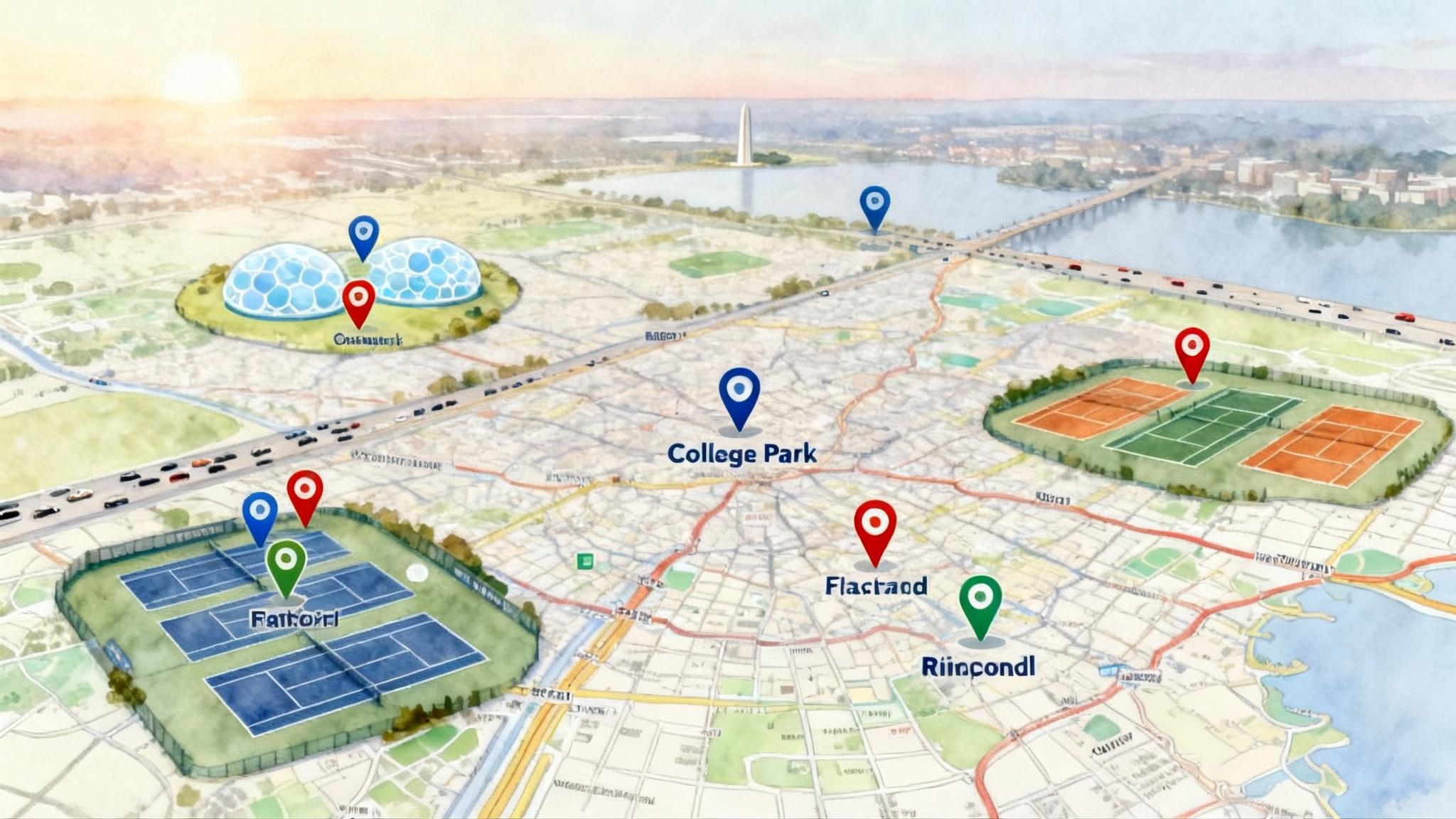
Region snapshots: strong options and how they differ
The programs below are examples families commonly compare. Use them to anchor your short list, then tour two or three in your driving radius.
Los Angeles County
- Calabasas at the City Tennis and Swim Center with Top Seed coaches: A long-running hub with robust junior programming and tournament traffic. Expect mostly hard courts, strong doubles culture, and a busy weekend calendar that rewards self-starters who love live-ball.
- Jack Kramer Club in Rolling Hills Estates: A historic South Bay base where many players blend private coaching with performance groups. The vibe suits families who value a club community around the academy schedule and who want fitness, pool, and recovery within steps of the courts.
- South Bay training centers in Torrance and surrounding areas: Practical for players who want flexible court access, live-ball workouts during the week, and a short drive to United States Tennis Association events across the county.
Fit signal: If your player thrives on high-energy group sparring and has easy access to local tournaments, Los Angeles county can deliver heavy match volume without constant freeway marathons.
Orange County
- Advantage model in Irvine, often paired with boarding and school-integration options: Suits international and out-of-area families who want an immersive weekly rhythm, regular fitness testing, and guided college placement. It is a good contrast point against neighborhood academies. For a sense of how we profile a day academy, see this Life Time Academy profile.
- Great Park Tennis Center academy programs in Irvine: Twenty plus courts and a clear pathway from red ball to high performance, with predictable pricing and evening schedules that mesh with public school calendars.
- Los Cab Sports Village performance groups in Fountain Valley: A multi-sport campus with lots of court inventory. Good for ambitious adults who also want leagues and for juniors who need a practical, driveable hub plus access to weekend tournaments across the county.
Fit signal: Orange County makes it easier to combine school, training blocks, and quick access to events in a 20 to 40 minute radius. If boarding is on your list, this is the most likely county to compare immersive options against day programs.
San Diego County
- Youth Tennis San Diego’s Barnes Tennis Center ecosystem: A nonprofit hub that blends player development with frequent junior and professional events. Expect hard courts and clay-style options, a deep ladder of junior clinics, and dependable match opportunities during most months.
- San Diego Tennis and Racquet Club with Angel Lopez programs: A private club environment with a long track record of junior and adult training. The integrated fitness and aquatics setup helps with recovery and cross training during tournament blocks.
- Omni La Costa and North County programs: Convenient for Carlsbad, Encinitas, and Rancho Santa Fe families who want a resort-quality base plus high performance sessions aimed at tournament players.
Fit signal: San Diego shines for families who value community programs with frequent events on-site and who want the beach-lifestyle cadence while still logging real match play.
Boarding or day: which one actually fits your player
Choose boarding if the player already thrives with structure, recovers well between sessions, and is ready for a national travel rhythm. Choose day or hybrid if academics, arts, or another sport remain important or if the player is still building physical maturity. A simple test is to run a two week school-holiday trial at boarding volume. If the athlete’s energy, schoolwork, and enthusiasm stay high, boarding could be a strong fit.
Your action: During campus tours, ask to see housing, study halls, transport plans, nutrition schedules, and the adult-to-student ratio after 6 p.m. If anything feels improvised, pause.
How to read college placement claims without the marketing gloss
Every academy has a banners-and-logos list. Ask for a graduate list from the last five years indexed by name, graduation class, and the college team they joined. Then:
- Verify three to five athletes on team rosters and result pages.
- Ask the academy which staff member will run your player’s video, academic profile, and coach outreach calendar, and how many athletes that person manages.
- Request a sample timeline showing when the first emails go out to coaches, when highlight reels and full match film are delivered, and who prepares the unofficial visit plan.
- Clarify whether there is guidance on scholarship negotiations and National Letter of Intent timing. The best academies outline rules and boundaries clearly.
The 2026 tryout and summer timeline to act on now
Below is a practical month-by-month plan using absolute dates for 2026. Adjust by one to two weeks for your school district.
- January 28 to February 29: Identify three academies in your county and request evaluations. If boarding is on the table, ask about application windows and housing availability. Many summer camp pages and spring evaluation sign-ups go live between late January and early March.
- March 1 to March 31: Complete tryouts and class placements. Ask for a written training plan that covers March through June with tournament targets. If you plan to attend a boarding academy in the fall, submit academic documents and housing deposits now.
- April 1 to April 30: Finalize summer weeks. Priority weeks tied to major regional tournaments often fill by mid to late April. Book any medical screens, stringing packages, and transport for multi-week blocks.
- May 1 to May 31: Run a two week volume test. Mimic the summer rhythm with added fitness and two or three match days. Confirm recovery routines that work for your player.
- June to August: Execute the training and competition plan, not just more hours. Review progress every two weeks. Capture match film for college reels and for technical feedback blocks.
Your action: Put dates on a shared family calendar today. Early deposits secure the best weeks and coaches, especially for 12 and under red and orange ball camps and for high performance boarding weeks.
A simple, concrete visit checklist
Bring this list to every tour. You will leave with apples-to-apples notes.
- Training model: percentage live-ball versus technical on a typical day
- Player-to-coach ratio on court and in the weight room
- Surfaces available and how often each is used
- Match play: in-house ladders, UTR verified events, and United States Tennis Association weekends slotted on a 12 week view
- School plan: names of academic partners, transcript management, and National Collegiate Athletic Association core-course guidance
- Recovery: athletic training, physical therapy referrals, and heat management on summer days
- Price sheet: what is included, what is optional, and refund or credit policies
- Staff: who will be the player’s point coach and who covers when that coach travels
- Placement: five year college list with contacts you can verify
Putting it together
The best academy is not the flashiest logo or the biggest court count. It is the program that matches your player’s current needs, gives just enough stretch to grow, and removes friction from school, transport, and competitive reps. Start with the model, confirm the surfaces and match pathway, insist on a written plan, and book your spring tryout window now. To broaden comparisons beyond SoCal, skim our Rising Tennis Academies 2026. Do this, and you will enter summer 2026 with clarity, not guesswork, and a development plan that actually moves the needle.