Rising Tennis Academies 2026: 3 Boutique Programs Compared
 Tommy
Tommy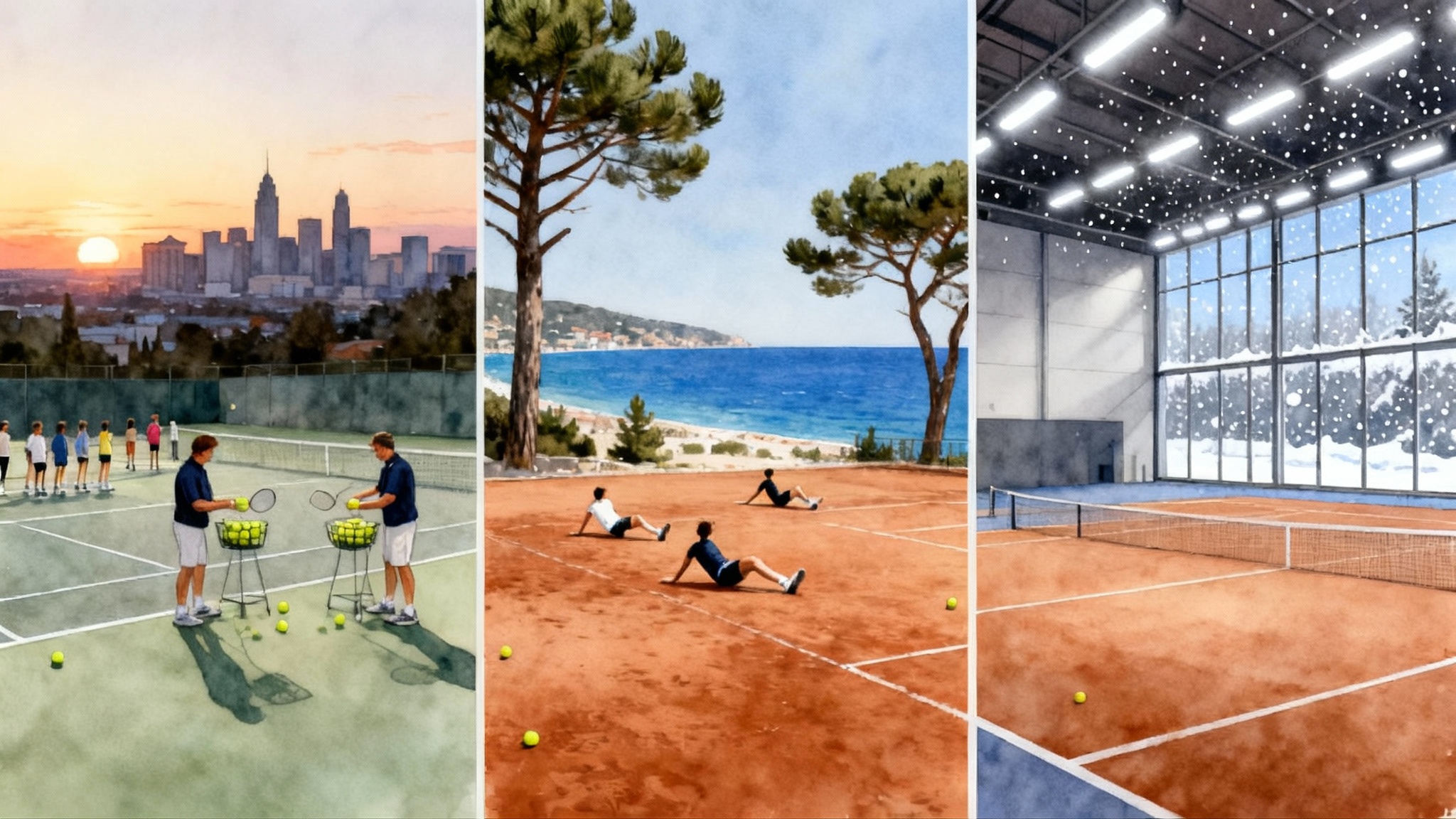
How to use this guide
Choosing a tennis academy is like choosing the right racket frame. The mold must fit your game, the string pattern must suit your goals, and the grip has to feel right every day. This guide gives you a buyer’s view of three rising boutique programs for 2026: Legend Tennis Academy in Austin, United States; Ljubicic Tennis Academy on the island of Lošinj, Croatia; and Tenis Kozerki near Warsaw, Poland. We compare the elements most families and adult players weigh before committing: coaching ratios, surfaces and indoor access, academics and boarding, travel and visa logistics, match‑play pathways for International Tennis Federation World Tennis Number and Universal Tennis Rating, seasonal pricing, and which player profiles thrive in each setting.
To keep this practical, think in checklists. Where will you train day to day. How will you study or work. When and where will you compete. Who is on court with you and how often. What does a realistic budget look like across an entire season.
Note on ratings: The International Tennis Federation World Tennis Number is the global scale used by many federations to seed events and plan match play. It is worth understanding how your number moves with verified results and head‑to‑head data, so start here: ITF World Tennis Number. Later in the article we will also point to Universal Tennis, which powers many events in the United States and beyond.
What buyers compare first
- Coaching attention: Not just the headline ratio, but how the day splits between technical, tactical, fitness, and dedicated serve or return blocks.
- Surfaces and indoor access: You play where you train. Clay favors movement and point building. Hard rewards first‑strike patterns and fitness. Indoor access decides if your winter actually happens on court.
- Academics and boarding: Full‑time teens need transcripts and supervision. Gap‑year and adult players need flexible lodging and time for recovery and work.
- Travel and visas: Can you land easily, stay legally, and reach tournaments without long transfers.
- Match‑play pathways: Your World Tennis Number or Universal Tennis Rating improves only with verified results at the right level.
- Seasonal pricing: Tuition is only part of the spend. Add housing, meals, tournaments, transport, and private lessons.
Quick scorecard at a glance
Use this as a snapshot, then read the deep dives below for context and caveats.
-
Coaching ratios (typical group):
- Legend Tennis Academy, Austin: 3–4 players per coach in high performance blocks, 1–2 for serves and private technical.
- Ljubicic Tennis Academy, Lošinj: 2–3 players per coach on clay with frequent ball‑machine or live‑ball progressions.
- Tenis Kozerki, near Warsaw: 3 players per coach standard, 1–2 in targeted patterns or match‑play reviews.
-
Surfaces and indoor access:
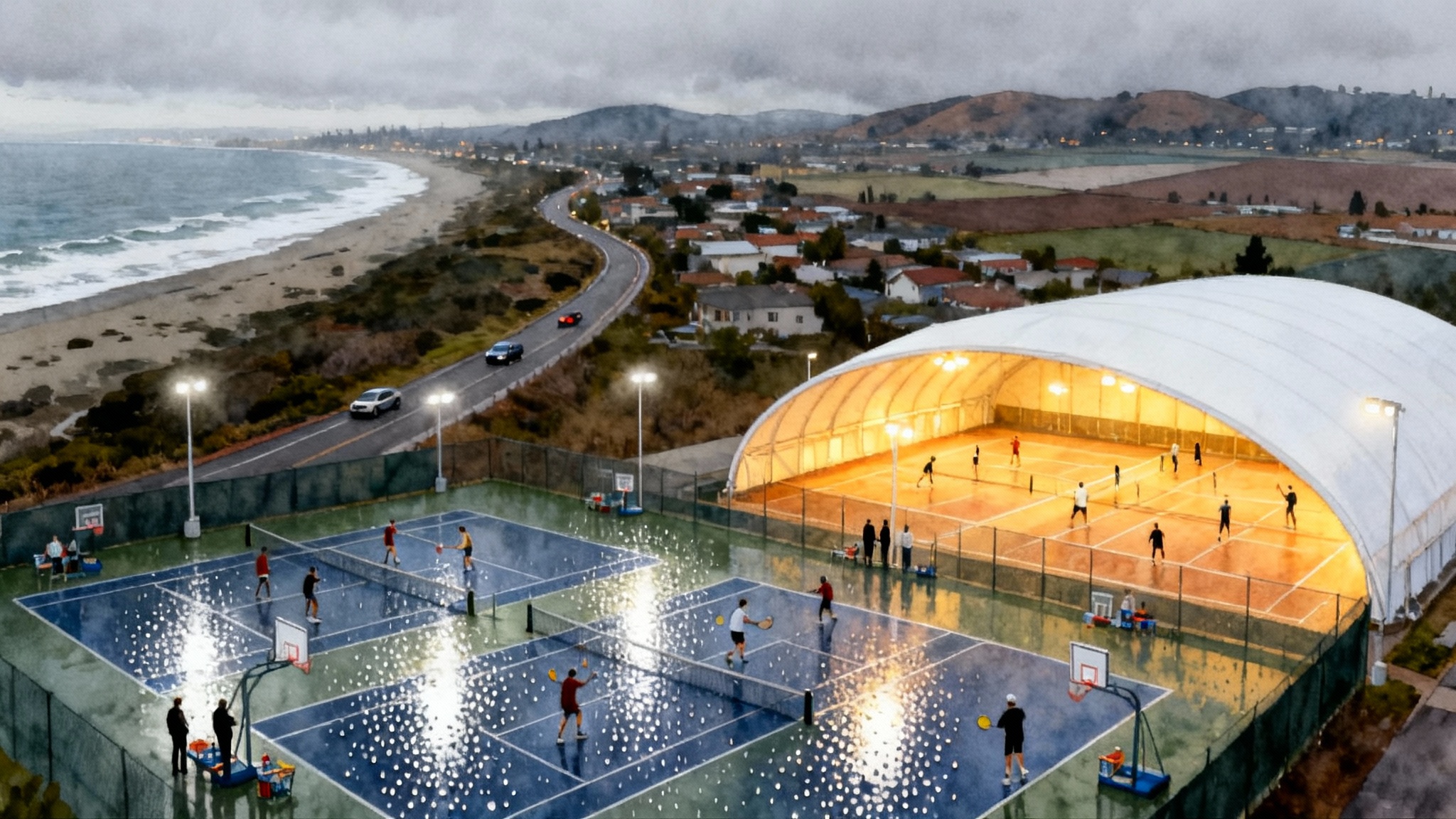
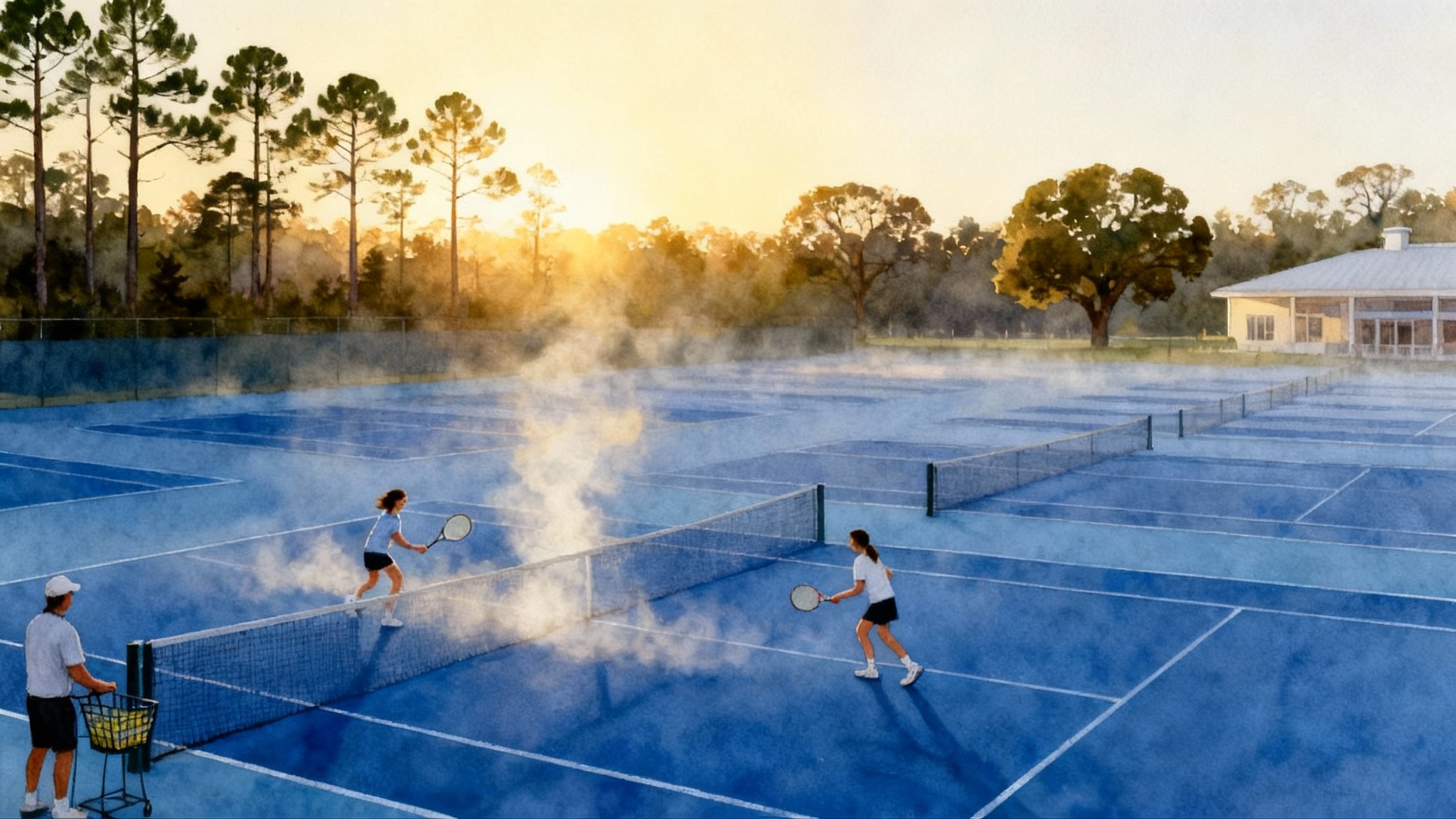
- Austin: Predominantly outdoor hard. Indoor options are limited in Central Texas, so expect weather‑adjusted schedules in peak summer heat or during storms.
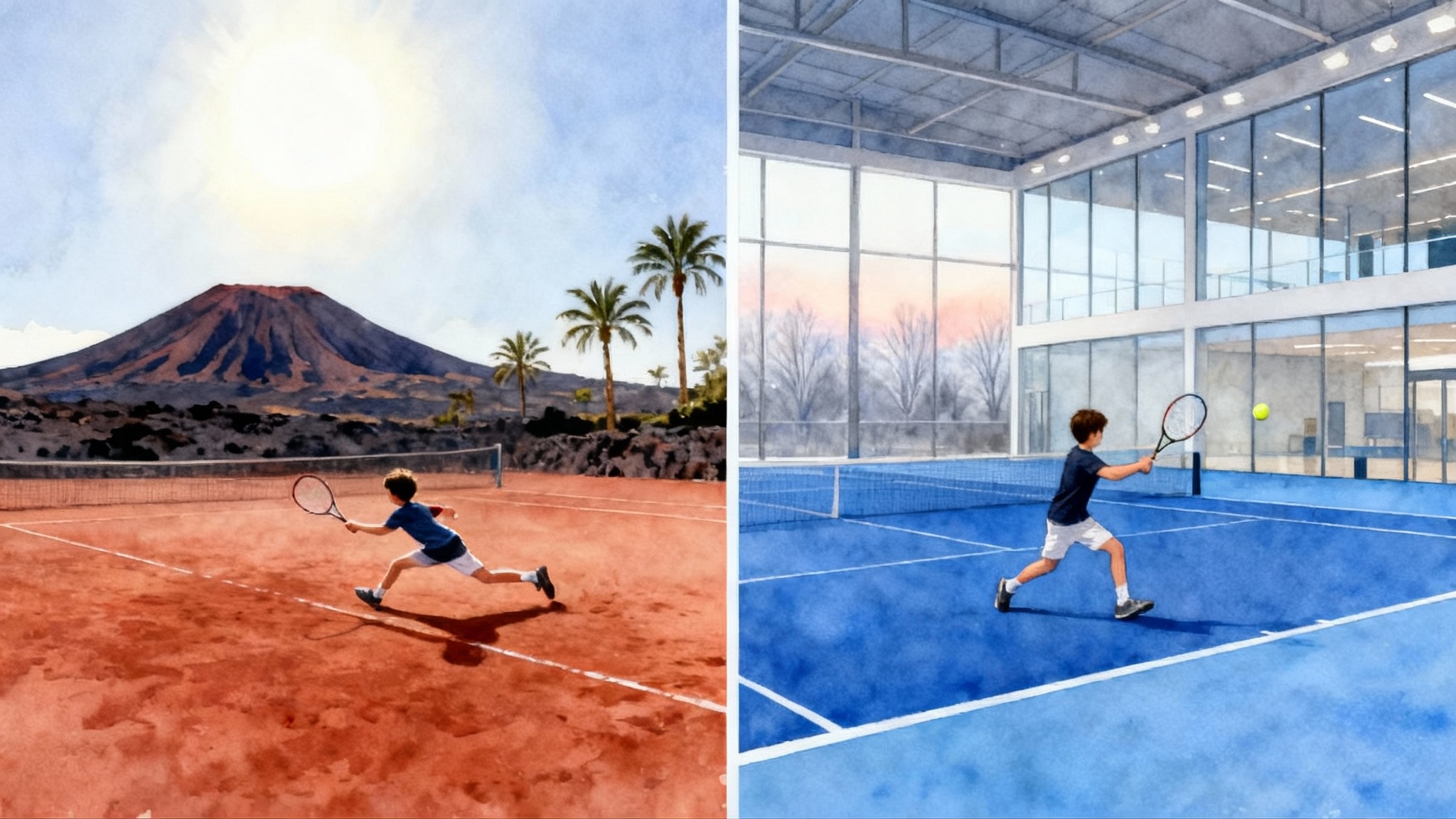
- Lošinj: Primarily outdoor clay with sea‑level conditions and mild winters, limited or seasonal indoor cover. Travel to mainland if sustained indoor is required.
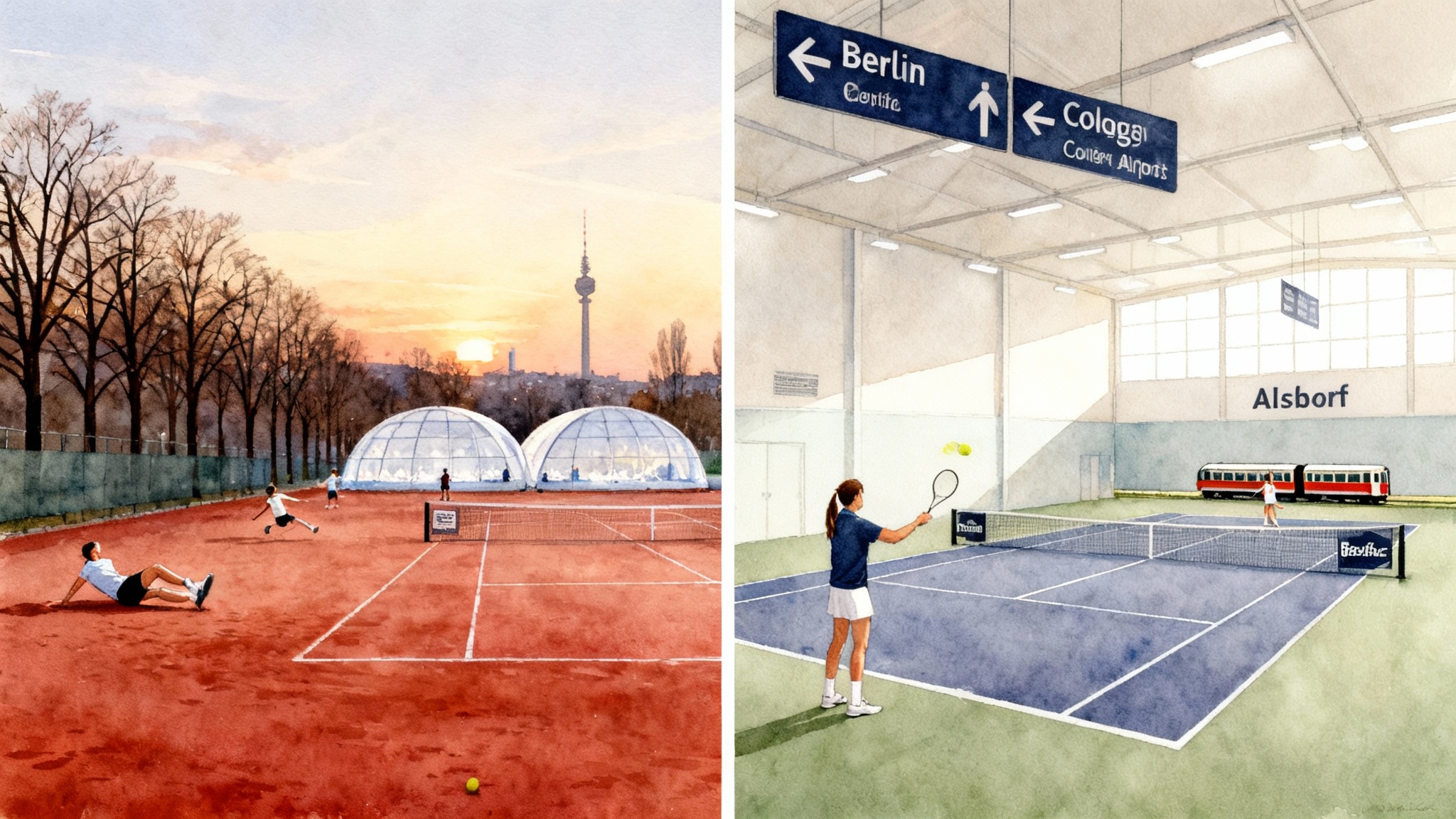
- Kozerki: Strong indoor capacity in a modern hall, plus outdoor hard and clay. Winter training continues without interruption.
-
Academics and boarding options:
- Austin: Day‑school model typical, with homestay or apartment partners for longer stays. Integration with local schools or accredited online programs is common.
- Lošinj: Resort‑linked lodging suitable for camps. Full‑time teens often pair remote schooling with supervised study halls.
- Kozerki: On‑site or adjacent lodging and a sports‑school pathway are available, which simplifies chaperoned boarding and schedule control.
-
Travel and visas:
- Austin: International arrivals via Austin‑Bergstrom International Airport. For short stays, many nationalities use the United States Visa Waiver Program with Electronic System for Travel Authorization. Full academic year requires a student visa when enrolling in a United States school.
- Lošinj: Fly to Zagreb, Pula, or Rijeka, then connect by car and bridge across Cres to Lošinj. Croatia is in the Schengen Area, which allows many visitors 90 days in any 180‑day period. Longer study requires appropriate residence permits via local authorities.
- Kozerki: Fly to Warsaw Chopin Airport, then 45–60 minutes by car or train. Poland is in the Schengen Area with the same 90‑in‑180 rule for many passports. Sports‑school enrollment extends stay under student residence rules.
-
Match‑play pathways for World Tennis Number and Universal Tennis Rating:
- Austin: Dense Universal Tennis calendar across Texas, plus United States Tennis Association junior and adult events that also count toward World Tennis Number where sanctioned.
- Lošinj: Frequent access to national and regional clay‑court events in Croatia and neighboring countries. Tennis Europe for juniors is reachable by short trips to the mainland.
- Kozerki: Year‑round indoor competitions, plus national events and visiting professional‑level tournaments that raise the standard in the training blocks.
-
Seasonal pricing guide, tuition only, excluding housing and travel (typical boutique ranges):
- Austin: Summer weekly high‑performance 900–1,800 United States dollars for day programs. Full‑time month 1,800–3,200 United States dollars. Private lessons 110–180 United States dollars per hour.
- Lošinj: Summer weekly 650–1,200 euros. Full‑time month 1,400–2,400 euros. Private lessons 70–140 euros per hour.
- Kozerki: Summer weekly 600–1,100 euros equivalent. Full‑time month 1,200–2,000 euros equivalent. Private lessons 60–120 euros per hour.
These are working ranges for budgeting, not official quotes. Always request a written plan that includes court time, fitness, physio screening, video, and match‑play entries.
Legend Tennis Academy, Austin, United States
Who thrives here: First‑strike players, aggressive baseliners, and athletes who want deep Universal Tennis access without long travel. The city also fits families who prefer English‑language schooling and a tech‑driven metro with easy flights.
-
Coaching model: Small groups for patterns and live‑ball, with daily micro‑blocks for serve, return, and transition work. Expect 3–4 players per coach on group courts, then 1–2 per basket for serves and technical rebuilds. Fitness blends heat adaptation, speed, and shoulder care, given the Texas climate.
-
Surfaces and environment: Outdoor hard courts rule in Central Texas. Summer heat is real. The schedule often shifts to morning and late evening in July and August, with indoor gyms used for mobility and video between on‑court sessions. This is a great setting to sharpen first ball speed, compact footwork, and attacking plus‑one patterns.
-
Academics and boarding: The boutique model in Austin favors day programs. For multi‑month stays, families commonly combine accredited online schooling with supervised study halls or place athletes in local private schools. Housing is usually via vetted homestays or short‑term apartments near training sites, with designated guardians for minors.
-
Travel and visas: Austin‑Bergstrom International Airport has broad domestic coverage, plus some international routes. Many visitors use the United States Visa Waiver Program for stays up to 90 days with Electronic System for Travel Authorization. If a student enrolls in a United States school for a full year, expect the student visa path and school compliance.
-
Match‑play and rating strategy: Texas hosts a dense Universal Tennis calendar at almost every level. The playbook is simple and effective. Book two Universal Tennis events per month for steady rating growth, add one United States Tennis Association sectional event for pressure reps, and use practice matches on off‑weeks to test new patterns. We cover Universal Tennis rating and events here: Universal Tennis ratings guide.
-
Seasonal pricing and budget notes: Use the ranges in the scorecard. The big swing factor in Austin is lodging and car transport. Homestays keep budgets steady. Apartments surge during popular festivals. Plan private lessons in clusters before and after tournaments, not in the heaviest travel weeks.
-
Ideal profiles:
- Under 12 to Under 16: Players with developing serves and short‑ball instincts who benefit from hard‑court feedback.
- Under 17 to Under 18 and gap‑year: College‑bound athletes chasing specific Universal Tennis or World Tennis Number targets, who want frequent events without flying.
- Adult: Competitive league and age‑group players who want high‑rep serve, forehand, and return blocks in a short, intense camp format.
Ljubicic Tennis Academy, Lošinj, Croatia
Who thrives here: Clay‑savvy point builders, movers who want to add patterns and patience without losing first‑strike courage, and families who like a calm island base with nearby resort lodging.
-
Coaching model: Expect 2–3 players per coach on clay, with long rally progressions and patterns that force shape, height, and depth control. Serves and returns receive separate work to ensure hard‑court transfer. Movement days include slide initiation, recovery steps, and neutral‑to‑offense conversions.
-
Surfaces and environment: Lošinj is coastal and mild, with sea‑level oxygen and breezes that teach ball control. Clay dominates. Limited or seasonal indoor cover means you plan around weather spells or schedule mainland indoor sessions when needed. This environment is ideal for learning point construction, building a reliable heavy cross‑court ball, and mastering short‑angle defense.
-
Academics and boarding: Resort‑linked lodging allows families to stay together during camps. Full‑time teens often select online schooling with daily check‑ins and proctored tests. Study halls are easiest to schedule between morning and afternoon court blocks, with recovery swims or mobility circuits in the late afternoon.
-
Travel and visas: Most international flights arrive in Zagreb, Pula, or Rijeka, then connect by road. Croatia is in the Schengen Area, and many nationalities can stay 90 days in any 180‑day period for training blocks. Longer study requires residence permits through local authorities. Travel time to mainland tournaments is predictable, so families often build weekend competition into the calendar.
-
Match‑play and rating strategy: Use national events in Croatia and neighboring countries as your weekly fixtures. Tennis Europe for juniors sits within a few hours of travel on the mainland. World Tennis Number moves nicely when you stack verified results at the right band, then test up. Private match days against visiting squads add quality volume.
-
Seasonal pricing and budget notes: Tuition sits in the European boutique middle. Lodging flexibility can save money, since resort and apartment options span a wide band. Use the shoulder seasons in spring and autumn for the best value. Add a line item for ferry or bridge transfers when building your tournament budget.
-
Ideal profiles:
- Under 12 to Under 16: Athletes learning to slide, defend with shape, and turn neutral balls into offense with height and margin.
- Under 17 to Under 18 and gap‑year: Players who have pace but need point‑building discipline and clay solutions for college or pro qualifiers.
- Adult: Players seeking technical resets on clay, especially footwork, spin production, and patience under pressure.
Tenis Kozerki, near Warsaw, Poland
Who thrives here: Players who need year‑round indoor certainty, plus a European cost base and a competition circuit that does not slow in winter. The complex feel is modern and efficient, with an easy airport transfer.
-
Coaching model: Three players per coach is the typical working group, with specific pattern goals and video feedback. Expect serving windows, return plus first‑shot rehearsals, and post‑session analytics that guide the next block. Fitness emphasizes speed, deceleration, and cold‑weather readiness in the transition months.
-
Surfaces and environment: Kozerki provides true indoor capacity with bright, even lighting. Outdoor hard and clay expand options in spring and summer. Players build an all‑court identity because the schedule can mix fast indoor hard sessions with outdoor clay patterning in a single week.
-
Academics and boarding: On‑site or adjacent lodging, plus a structured sports‑school pathway, reduce friction for full‑time teens. Chaperoned schedules, supervised study hours, and short walks between hall, gym, and cafeteria save time and energy. Gap‑year players and adults can book modern rooms steps from the courts.
-
Travel and visas: Warsaw Chopin Airport has broad European and international connectivity. The academy zone sits roughly an hour away by car or train. Poland is in the Schengen Area for the 90‑in‑180 stay model. Student residence paths exist for long‑term academic enrollment.
-
Match‑play and rating strategy: Kozerki’s indoor platform supports weekly verified matches through national events and visiting international fields. You can stack World Tennis Number movements through consistent, level‑appropriate entries without weather cancellations. Many athletes schedule a two‑match weekend cadence all winter, then expand to outdoor series in spring.
-
Seasonal pricing and budget notes: Tuition ranges are competitive in Europe. The major savings appear in winter because you avoid long travel to find indoor courts. Housing on or near the campus prevents time loss in traffic. Allocate budget to video and physio, since these services scale well in a centralized complex.
-
Ideal profiles:
- Under 12 to Under 16: Players who benefit from consistent indoor ball bounce while building clean swings and repeatable timing.
- Under 17 to Under 18 and gap‑year: College‑bound athletes who want measurable gains in serve plus one and return depth across the winter.
- Adult: Players who want guaranteed court time and structured analytics, especially during off‑season blocks.
Side‑by‑side takeaways by buyer type
-
If you need constant verified matches: Austin and Kozerki both deliver reliable, weekly options. Austin leans on Universal Tennis density and United States Tennis Association events. Kozerki leverages indoor scheduling to remove weather from the equation. Lošinj works best when you plan a mainland tournament loop in advance.
-
If you must have indoor access: Kozerki is the safest bet. Austin can adjust around weather but does not guarantee indoor in the same way. Lošinj offers mild weather, yet true indoor volume may require mainland travel.
-
If boarding and academics are top priority: Kozerki’s campus model is the most turnkey. Austin requires a homestay or apartment plan, which can be great for independence. Lošinj suits families and seasonal blocks, with online school support for full‑time teens.
-
If you are budget‑sensitive: European ranges in Lošinj and Kozerki often come in below United States totals for similar coaching attention, especially once housing and car costs are added. Austin’s value rises with homestays, careful private‑lesson clustering, and smart event selection that reduces hotel nights.
-
If your goal is clay development: Lošinj provides the most natural clay immersion. Kozerki adds clay in season, which is useful for cross‑surface transfer. Austin is a hard‑court specialist environment, so plan targeted clay weeks elsewhere if needed.
Building a season plan that actually works
Use this five‑step approach to compare any academy, including these three.
-
Define your rating targets and match volume. For example, an Under 16 player at World Tennis Number 18 who wants to reach 14 by June might need 18–22 verified matches in the appropriate band, with at least half played under pressure at events. This hard number anchors the entire plan.
-
Map training blocks to specific skills. Write the skills on paper. Serve locations, second‑serve height, plus‑one patterns, backhand depth, return stance. Ask the academy to show how many minutes each skill gets per week and how they test it before tournaments.
-
Lock logistics early. Flights, visas, lodging, guardianship letters for minors, and car plans. For Schengen stays, track the 90‑in‑180 clock. For United States stays, confirm whether your plan fits visa waiver limits or requires a student visa.
-
Price the full month, not the brochure week. Add tuition, housing, meals, transport, event entry fees, private lessons, stringing, physio, and video analysis. Compare totals across locations, not just tuition lines.
-
Protect recovery and school time. Ask for the weekly template that shows study halls and off‑feet recovery. Insist on at least one mobility or physio session each week during heavy training.
For broader regional context on training bases and competition access, see our guides to Best Northeast Tennis Academies 2026 and Best Southern California Tennis Academies 2026.
What to ask each academy before you pay
- What is the true on‑court ratio in my athlete’s group, and how do you protect it when a second group shares the court.
- How many minutes per week are dedicated to serve and return, and how are those minutes tracked across the season.
- Which verified events will you enter in the next eight weeks, and what is the target World Tennis Number or Universal Tennis Rating band for those events.
- How do video and analytics drive changes in footwork and patterns between tournaments.
- What is the emergency plan for weather, injury, or illness, and how do you protect training quality when schedules change.
- For minors: Who is the guardian of record, what are the supervision hours, and how are school tests proctored.
Budgeting examples you can adapt
Below are sample monthly budgets for a full‑time teen outside of peak holidays. Replace the numbers with quotes you receive. The aim is to see the structure, not to fix the prices in stone.
-
Austin, United States: Tuition 2,500 United States dollars. Homestay 1,600. Food 600. Local transport and rides 450. Three Universal Tennis events 300. Two private lessons per week at 140 each 1,120. Stringing and grips 120. Physio and recovery 160. Estimated month total 6,850.
-
Lošinj, Croatia: Tuition 1,900 euros. Apartment 1,100. Food 500. Local transport 250. Two regional events 180. Two private lessons per week at 100 each 800. Stringing and grips 90. Physio and recovery 120. Estimated month total 4,940 euros.
-
Kozerki, Poland: Tuition 1,700 euros equivalent. On‑site room 900. Food 450. Local transport 180. Three indoor events 210. Two private lessons per week at 90 each 720. Stringing and grips 90. Physio and recovery 140. Estimated month total 4,390 euros equivalent.
These examples show why a line‑by‑line plan beats a tuition‑only plan. The same athlete can see a 25 to 35 percent swing month to month depending on lodging and private‑lesson density.
Final fit guide
-
Choose Legend Tennis Academy, Austin if you want high‑rep hard‑court training, dense Universal Tennis competition within driving distance, and English‑language academics in a lively city. Plan for heat adjustments in summer and design a homestay or apartment plan early.
-
Choose Ljubicic Tennis Academy, Lošinj if you want clay patterning in a calm setting, resort‑linked lodging, and regional travel to mainland tournaments. Build indoor weeks on the mainland in winter if needed.
-
Choose Tenis Kozerki, near Warsaw if you require guaranteed indoor access, a campus model that simplifies boarding and school, and winter competitions that keep rating movement steady.
The smart next step
Email each academy with your athlete’s age, current World Tennis Number and Universal Tennis Rating, recent match record, and video clips of four points on serve and four on return. Ask for a four‑week training and competition template in response, with ratios and minutes logged for serve, return, and fitness. Compare the three plans side by side. The right choice will feel like the racket that swings through on its own, because the weight is in the right places and every hit sounds the same.
A final note on ratings: whether you lean on World Tennis Number or Universal Tennis, you move faster when you log frequent, level‑appropriate matches and protect recovery between them. Start with one verified event every two weeks, scale to weekly in stable periods, and step up only when your win rate and performance data support it. The math is simple, but the discipline is what turns a good plan into real progress.