Best Germany Tennis Academies 2026: Berlin to Cologne Guide
Planning a 2026 training block in Germany. We compare TennisTree in Berlin and Tomas Behrend’s ToBe Academy near Aachen and Cologne. Coaching models, surfaces, pricing, day versus boarding options, competition pathways, and travel tips for juniors, college-bound players, and adults.
 Tommy
Tommy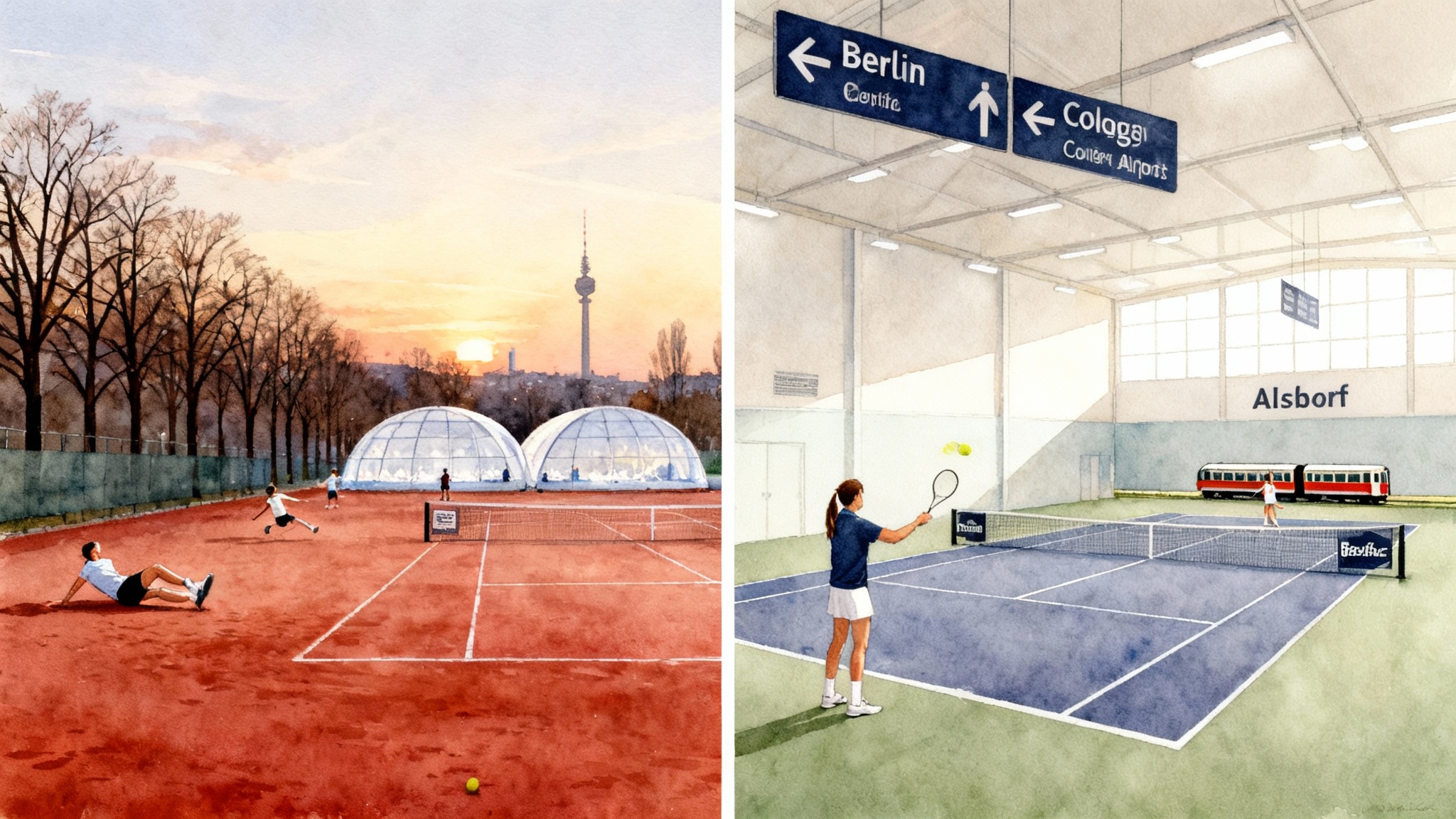
Why Germany, why now
If you are mapping out spring to summer 2026 training in Europe, Germany offers a mix of clay-court tradition, reliable indoor access, and dense tournament calendars. This review focuses on two stops along a practical north to west route. In Berlin, TennisTree runs a game-intelligence driven academy inside a historic city club setting. Near Aachen and Cologne, the ToBe Tennis Academy led by former professional Tomas Behrend operates across club and indoor facilities with hard and carpet access. For broader Europe planning, compare this route with our Spain vs France academy path guide.
This guide compares coaching models, surfaces, schedules, pricing, housing choices, competition pathways, and practical travel so you can decide where to book and when.
Snapshot comparison
-
Where you train
- Berlin: TennisTree operates at Steglitzer Tennis Klub 1913 in southwestern Berlin, a classic neighborhood club environment with outdoor play in summer and a winter bubble on site. See our TennisTree Berlin academy profile.
- Aachen and Cologne region: ToBe Tennis Academy runs training blocks on local club courts and at the Sport Forum Alsdorf indoor center, roughly 50 to 70 minutes from Cologne by car depending on traffic. Read our ToBe Tennis Academy overview.
-
Surfaces you will touch
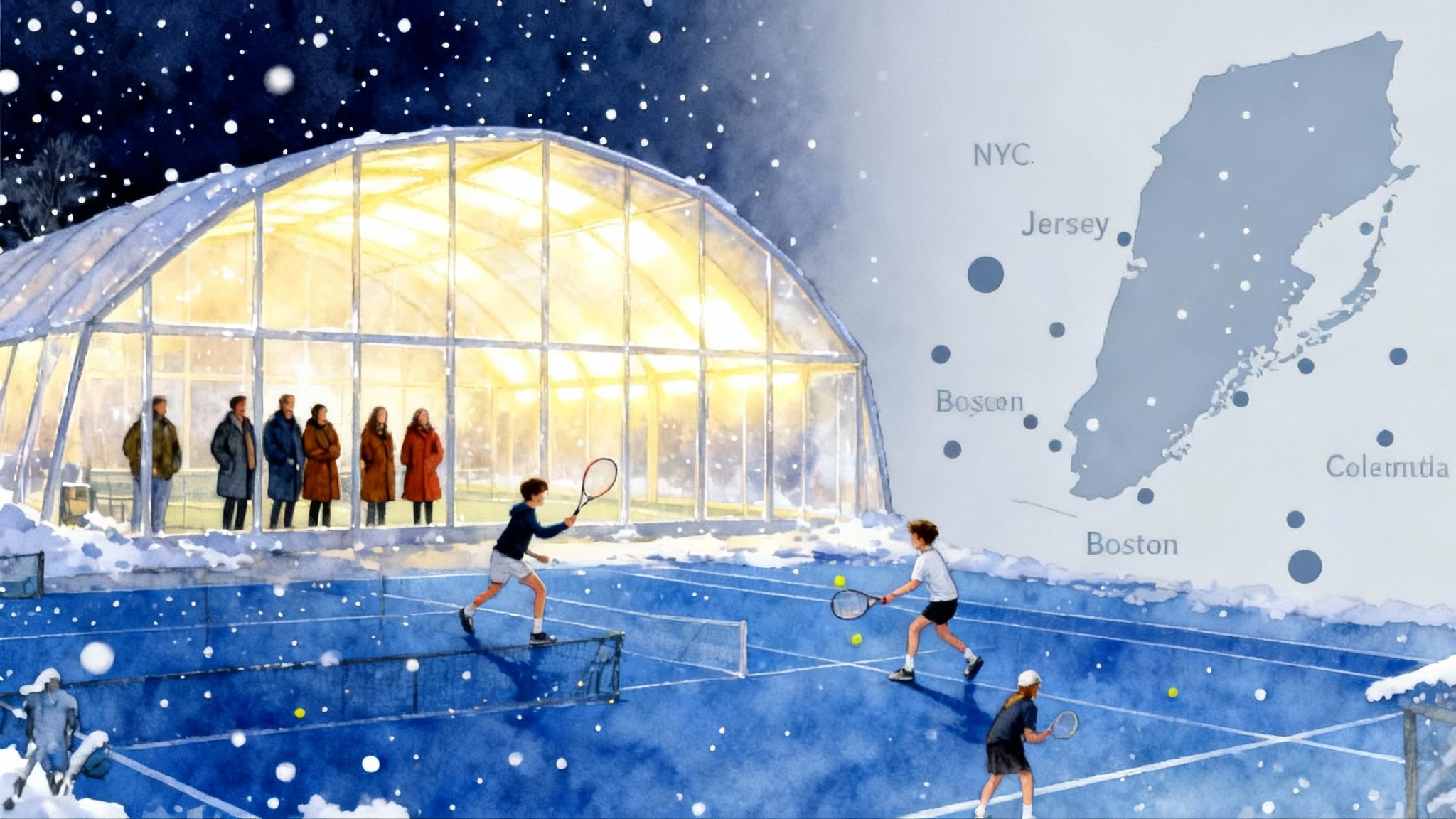
- Berlin: Primarily outdoor clay in summer, plus two covered courts in winter at the host club. Exact indoor surface varies by facility, but the goal is year round continuity rather than chasing a specific indoor texture.
- Aachen and Cologne region: Six indoor courts at Sport Forum Alsdorf include four carpet and two Rebound Ace style hard courts, a useful contrast to clay weeks. You can feel it in your feet, and your timing, on day one.
-
Coaching flavor
- TennisTree: Game-based learning that trains decision making first and strokes second. If you enjoy mini-challenges and match situations from the first ball, this is their hallmark.
- ToBe: Pro-led performance structure with small groups, add-on fitness and mental work, and frequent use of indoor hard and carpet to sharpen first-strike patterns.
-
Housing reality
- Both operate as day academies. You will book nearby hotels, apartments, or homestays rather than staying in a dorm. This keeps costs flexible but requires a bit of planning.
-
Our picks at a glance
- Best for juniors who are new to European clay: TennisTree, for its learning-by-playing approach and city-club matchplay.
- Best for college-bound players who need indoor hard exposure and structured reps: ToBe at Sport Forum Alsdorf.
- Best for adults who want consistent coaching without a full-time camp price tag: TennisTree’s adult groups.
Deep dive 1: TennisTree, Berlin
TennisTree sits inside the Steglitzer district, so players get a true club ecosystem. Coaching is deliberately challenge driven. Sessions are built around scoring tasks and problem solving, not line-by-line technical lectures. Early in the session a coach might stage a half-court pattern game to force a first-serve plus one decision, then flash quick constraints that evolve every few minutes. This pattern creates a steady loop of seeing, deciding, and executing.
Pricing as of late 2025 shows accessible entry points. The academy lists youth group courses from 69 euros per month for a weekly 60 minute session, and adult Open Court subscriptions that tier by club membership. You can review current program details and sign up on the official page: TennisTree Academy in Steglitz.
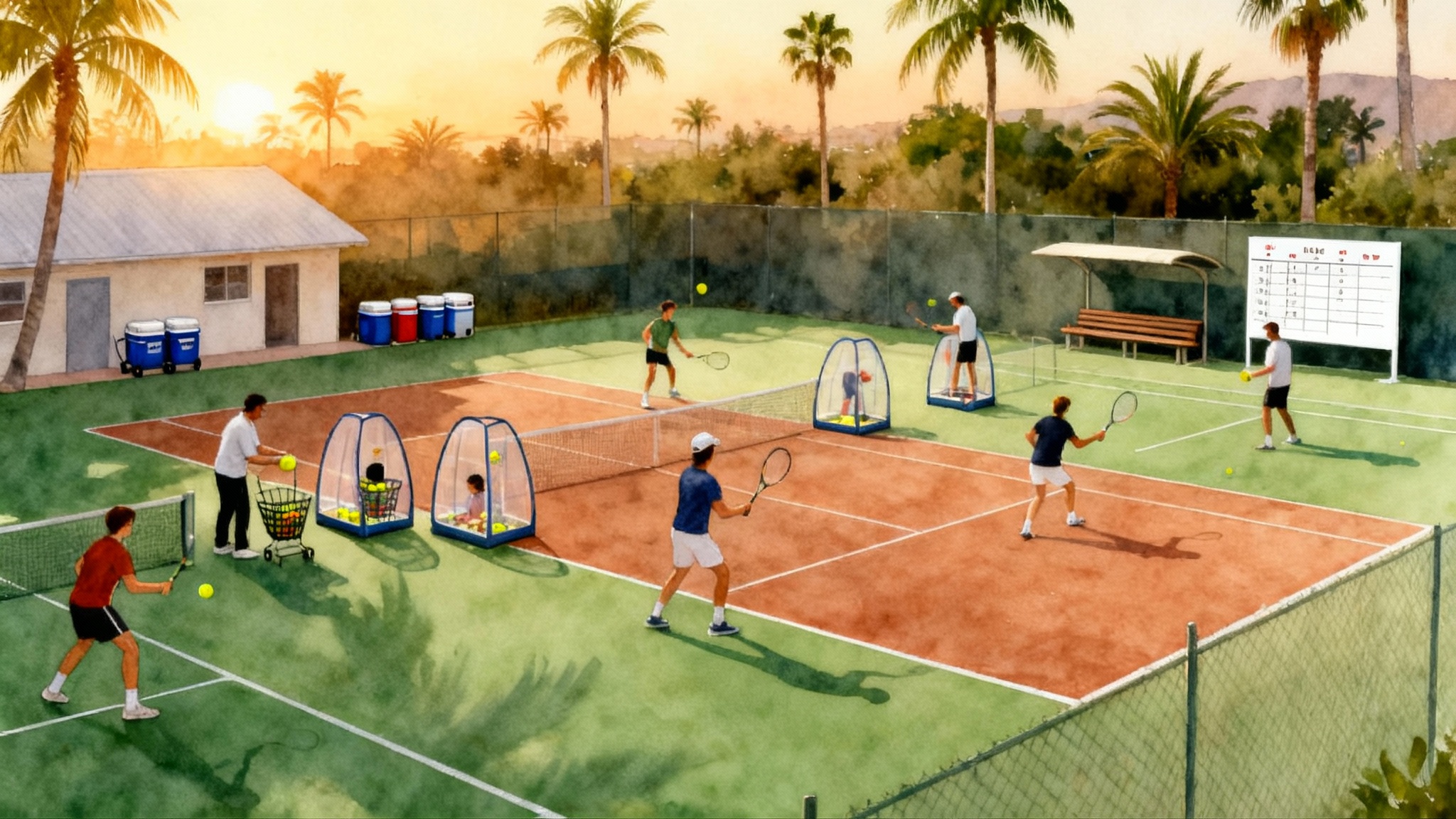
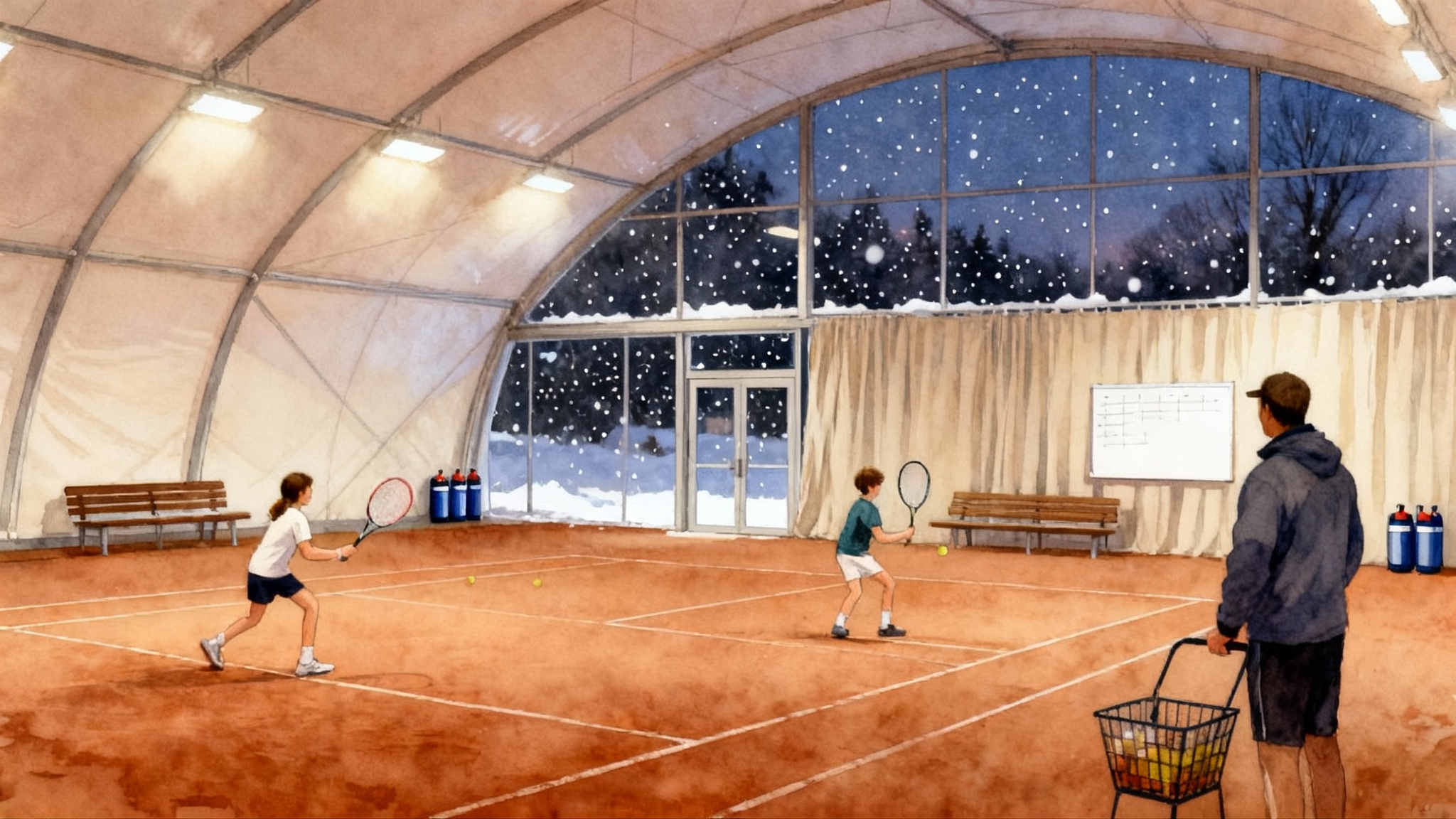
Where you play. Outdoors in spring and summer you will be on clay. In winter, the club installs a two-court bubble, giving continuity when Berlin temperatures drop. For visiting players this means your April and May weeks can be fully clay focused, while June and July add the buzz of long evening play windows.
What the training week looks like. A practical rhythm for visiting families is three group sessions plus one private lesson, then one matchplay evening with local members. TennisTree’s environment supports this nicely. The coaches can help you find sparring partners, and the club setting means you can watch league matches to absorb the rhythm of German team tennis.
Who thrives here. Two profiles stand out.
- Juniors who need to build rally tolerance and tactical awareness on clay. The challenge format cuts down on passive crosscourts, and forces shape, depth, and shot selection under a score.
- Adults who want structure without the sticker shock of full-time boarding models. The monthly subscription model can be layered with ad hoc privates and ball machine sessions.
What you do not get. There is no dorm, nutrition plan, or shuttle fleet. You are in a city program, so you will handle housing and commuting. For many families this is a feature because you can control cost and daily schedule.
Deep dive 2: ToBe Tennis Academy, Aachen and Cologne region
ToBe is run by Tomas Behrend, a former top-100 professional who has coached German tour players and promising juniors. The academy trains across partner clubs and uses the Sport Forum Alsdorf as a key indoor base. That center lists six indoor courts, four on modern carpet and two on a Rebound Ace style hard that plays like medium pace hard court. This is valuable if your goal is a college-style first strike or faster serve plus one rhythm. Facility details and seasonal court prices for 2025 to 2026 are published by the venue: Sport Forum Alsdorf courts and surfaces.
Program structure. ToBe operates performance groups and individual blocks. In summer, sessions often run on club clay in Alsdorf and nearby towns, then shift to indoor hard and carpet when needed for speed and scheduling. The academy’s communication emphasizes technical clarity, tactical repetition, and add-on support from fitness and mental coaches. Small player-to-coach ratios are common, which is helpful for college-bound athletes who want measurable progress inside six to eight weeks.
Where pricing sits. Because ToBe books courts across multiple facilities, total cost is a blend of coaching and venue fees. Sport Forum Alsdorf publicly lists winter hourly rates, which provides a baseline for indoor bookings. Expect to combine that with coaching day rates or weekly packages. The academy directs inquiries to email or phone for a firm quote. That is normal for German day academies that customize around school calendars and tournament schedules.
Who thrives here.
- College-bound players who must sharpen on indoor hard. Two to three weeks of focused work on Rebound Ace style hard, plus constrained live ball games on carpet, will clean up first-step acceleration and forehand spacing.
- Juniors targeting regional elite events and Tennis Europe entries who need a quiet training base with easy reach to Cologne and Düsseldorf airports.
- Adults who like private or semi-private blocks and do not mind a pragmatic, performance-first environment.
What you do not get. Like TennisTree, ToBe does not run a dorm. Housing is handled independently in Alsdorf, Aachen, or Cologne. That keeps the program lean, but you must plan sooner if you want a kitchenette apartment during peak summer.
Clay versus indoor hard, the practical tradeoffs
Think of your development like a two-gear drivetrain.
- Clay is the low gear that builds torque. You learn to handle bad bounces, vary height and spin, and win with shape plus depth. Berlin’s club setting delivers this organically because matchplay is everywhere in spring and early summer.
- Indoor hard is the high gear. You groove serve placement and plus one patterns, and your body learns to accelerate to the perfect contact point without sliding. The Alsdorf hard courts and carpet add this gear on demand.
Smart 2026 planning toggles these gears. Start with two to four clay-heavy weeks in Berlin, then insert a one to two week indoor block near Aachen and Cologne to bake in speed.
Competition pathways that fit this route
Germany’s domestic pathway and the European junior circuit are dense enough to build a full calendar. A workable spine looks like this.
- Domestic play through the national structure. The Deutscher Tennis Bund sanctions ranking tournaments at regional and national levels. Associations in Berlin and Brandenburg, and in the Middle Rhine region near Cologne, publish seasonal calendars and team league schedules. Club league matches teach problem solving and doubles patterns that matter in college tennis.
- European juniors. The Tennis Europe Junior Tour runs under 12, under 14, and under 16 events across Germany and neighboring countries. Many families pair a two week training block with a qualifying weekend at a tour event within a two hour drive.
- International Tennis Federation juniors. Older teens can step into the ITF World Tennis Tour Juniors at the 100, 200, and 300 levels, often starting in Germany or the Netherlands to keep travel manageable.
Mechanics and documents. Registration lives on national and tour portals. If you are new to Germany, ask your academy to help with federation IDs, medical forms, and parent permissions. The paperwork is straightforward, but filing it correctly and early avoids missed sign-in windows.
Pricing, at the level you need to budget
What you can plan for in spring to summer 2026, using current public numbers and typical patterns.
-
Coaching
- TennisTree lists youth group courses from roughly 69 euros per month for a one hour weekly session. Adults can book monthly Open Court groups at a modest premium. Private lessons price separately by coach seniority.
- ToBe prices are quoted directly based on the blend of group or private work and the court type. Use the published indoor court rates at Sport Forum Alsdorf as a planning anchor, then add coaching. Expect higher cost for hard court hours in prime time.
-
Courts
- Berlin club courts are included inside TennisTree group subscriptions during the summer season. Winter and private lessons may have separate court fees depending on membership status and booking time.
- Alsdorf indoor rates for 2025 to 2026 are public and scale by hour of day. You can lower costs by training midday or booking seasonal passes for set hours.
-
Housing
- Berlin Steglitz and Dahlem have serviced apartments and mid-range hotels that work for parent plus junior. Booking 30 to 60 days out is often enough outside school holidays. For June and July, secure a refundable rate by March.
- Aachen and Alsdorf have business hotels and short-stay apartments. If you need a kitchenette, filter for aparthotels near the Alsdorf Süd or Eschweiler areas. Cologne is viable if you have a car, but a daily drive adds fatigue.
Boarding versus day options
Neither academy is a boarding campus. Here is how families handle it smoothly.
- Pick an apartment within 20 to 30 minutes by car or 25 to 45 minutes by public transport of your main training site.
- Split weeks when you change surfaces. For example, stay in Berlin near Steglitz for clay weeks, then move to Alsdorf for indoor hard. Do not commute city to city.
- Use Monday as a light travel and activation day. Book a late afternoon hit to wake up the system, not a heavy session after a train ride.
Juniors, college-bound players, and adults: our clear picks
-
Juniors new to European clay
- Pick: TennisTree in Berlin
- Why: The challenge-based model produces decision making, footwork patterns, and point structure without endless feeding. The club setting also delivers informal matchplay, which turns drills into real patterns.
- How to book: Start with a four week window that includes two group sessions per week and one weekly private. Add a local junior event in week 2.
-
College-bound athletes needing speed
- Pick: ToBe at Sport Forum Alsdorf
- Why: Reliable indoor access on medium pace hard and modern carpet forces compact swings and better first step. Small ratio work lets you measure serve targets, plus one forehand depth, and return depth by session.
- How to book: Two week block with four on court sessions per week, one strength session, and one matchplay block against older juniors or adults. Insert an indoor tournament within a two hour radius if possible.
-
Adults who want progress without the full-time price
- Pick: TennisTree adult groups, then layer a private
- Why: Subscription pricing lowers the barrier to steady practice. The sessions are social but intentional, and coaches can steer you toward league doubles that fit your level.
- How to book: One month subscription plus two privates. If your shoulder complains, ask for live ball drills that reduce static feeding and include serve returns for pacing.
Travel logistics that save time and money
-
Airports
- Berlin Brandenburg Airport is the most convenient for TennisTree. Expect 30 to 60 minutes by car or public transport to Steglitz depending on the time of day.
- Cologne Bonn Airport and Düsseldorf Airport both serve the Aachen and Cologne region. The Alsdorf indoor center sits northeast of Aachen, so check train routes via Eschweiler or Herzogenrath if you do not rent a car.
-
Trains and rental cars
- Deutsche Bahn expresses connect Berlin with Cologne in roughly 4 to 5 hours if you decide to train between training blocks. For local movements, S Bahn and U Bahn in Berlin are reliable and safe for teens who already commute at home. Around Aachen and Alsdorf, a small rental car can be worth it to reach indoor slots precisely on time.
-
When to go in 2026
- Clay heavy: April to early July in Berlin. The light lasts late, the clubs are active, and junior tournaments are dense.
- Indoor speed block: Slot Alsdorf in April for a hard-court primer or in late July or August after clay season to reset your contact points.
-
What to pack
- Clay shoes with herringbone tread, a second pair for indoor carpet or hard, and a soft lint-free towel for cleaning clay off grommets and strings. Bring a roll of edge tape for bumper guards if your junior slides aggressively.
How to string and recover for each environment
-
Clay weeks
- Slightly lower string tension can help you roll shape and defend longer rallies. Prioritize daily light recovery runs or bike spins, not max lifts.
-
Indoor hard and carpet weeks
- Bump string tension a touch for control on faster first strikes. Add calf and Achilles maintenance, since shorter steps bite harder indoors. Use a jump rope and two step acceleration drills in warm up so day one is not a shock.
Putting it together: two sample 2026 plans
-
Family plan for a rising 14 and an active parent
- Weeks 1 and 2 in Berlin with TennisTree. Two group sessions and one private each week for the junior, adult Open Court plus one private for the parent. Enter a local junior draw in week 2.
- Week 3 transfer day on Monday to Alsdorf. Light evening hit. Then three indoor sessions with ToBe across Rebound Ace and carpet, and a weekend open event if available.
-
College-bound plan for a rising senior
- Week 1 Berlin clay focus with heavy live ball patterns and two strength sessions. Track forehand depth and rally ball height.
- Week 2 and 3 Alsdorf. Serve targets to corners on hard, return plus first ball patterns on carpet, and one competitive set daily against older sparring partners. Use Sunday to travel or to play a qualifying draw.
Bottom line
If your 2026 goal is to get match tough on clay and sharpen on indoor hard without paying for an all inclusive campus, this Berlin to Cologne route is efficient and proven. TennisTree in Berlin gives you a living classroom on red clay with a clear game intelligence method. ToBe near Aachen and Cologne supplies fast indoor reps on hard and carpet, the textures that decide college matches and many summer opens. Plan your housing early, pick a two gear calendar, and measure your progress by patterns won, not just hours booked.