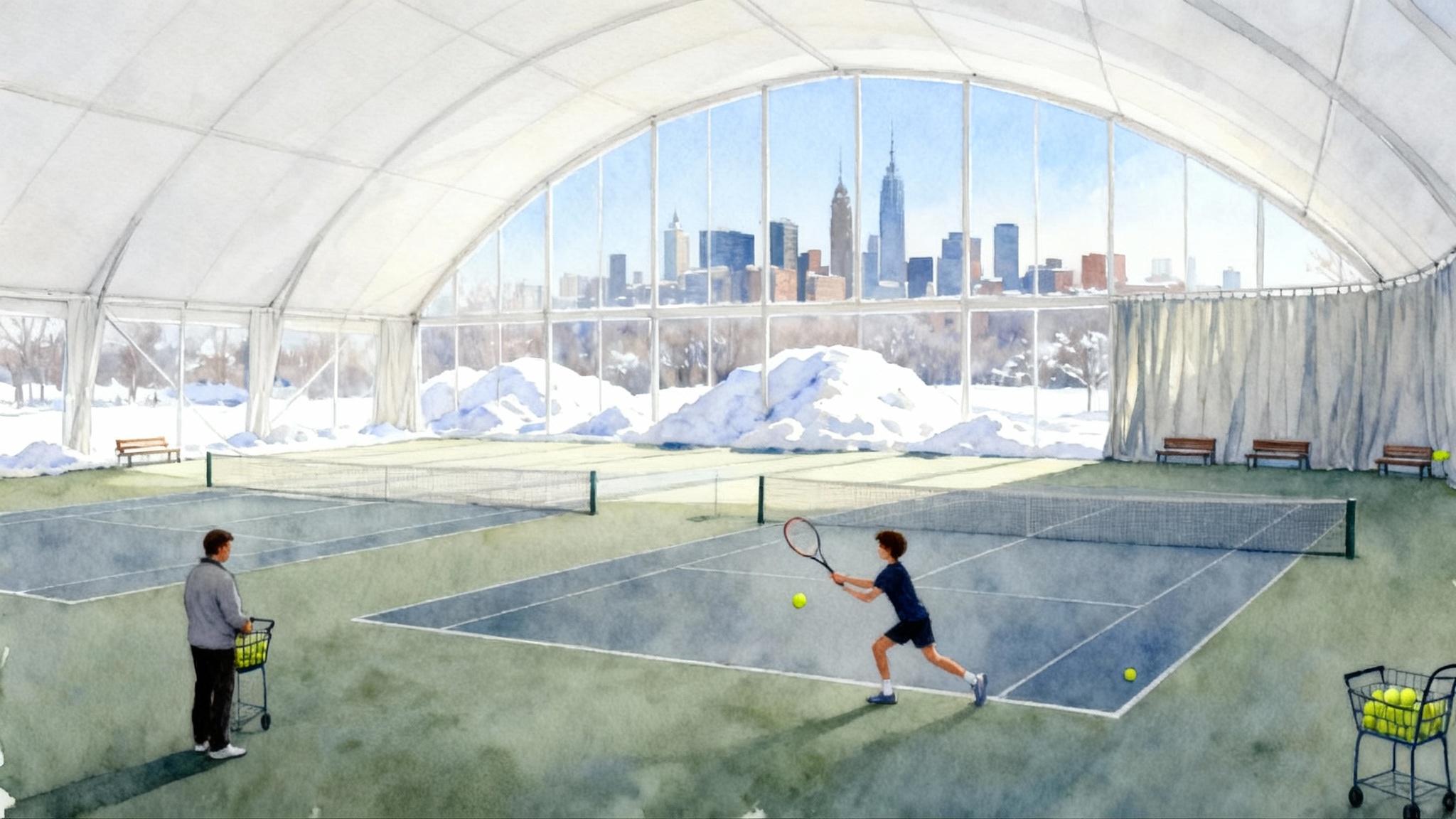
Best Tokyo Tennis Academies 2026: Seijo vs Shi Shi Guide
Choosing between Seijo’s commute friendly Setagaya campus and Shi Shi’s boutique, bilingual coaching across top Tokyo venues comes down to schedule, language, intensity, and goals. Use our matrix, checklists, and sample weeks to decide.
 Tommy
Tommy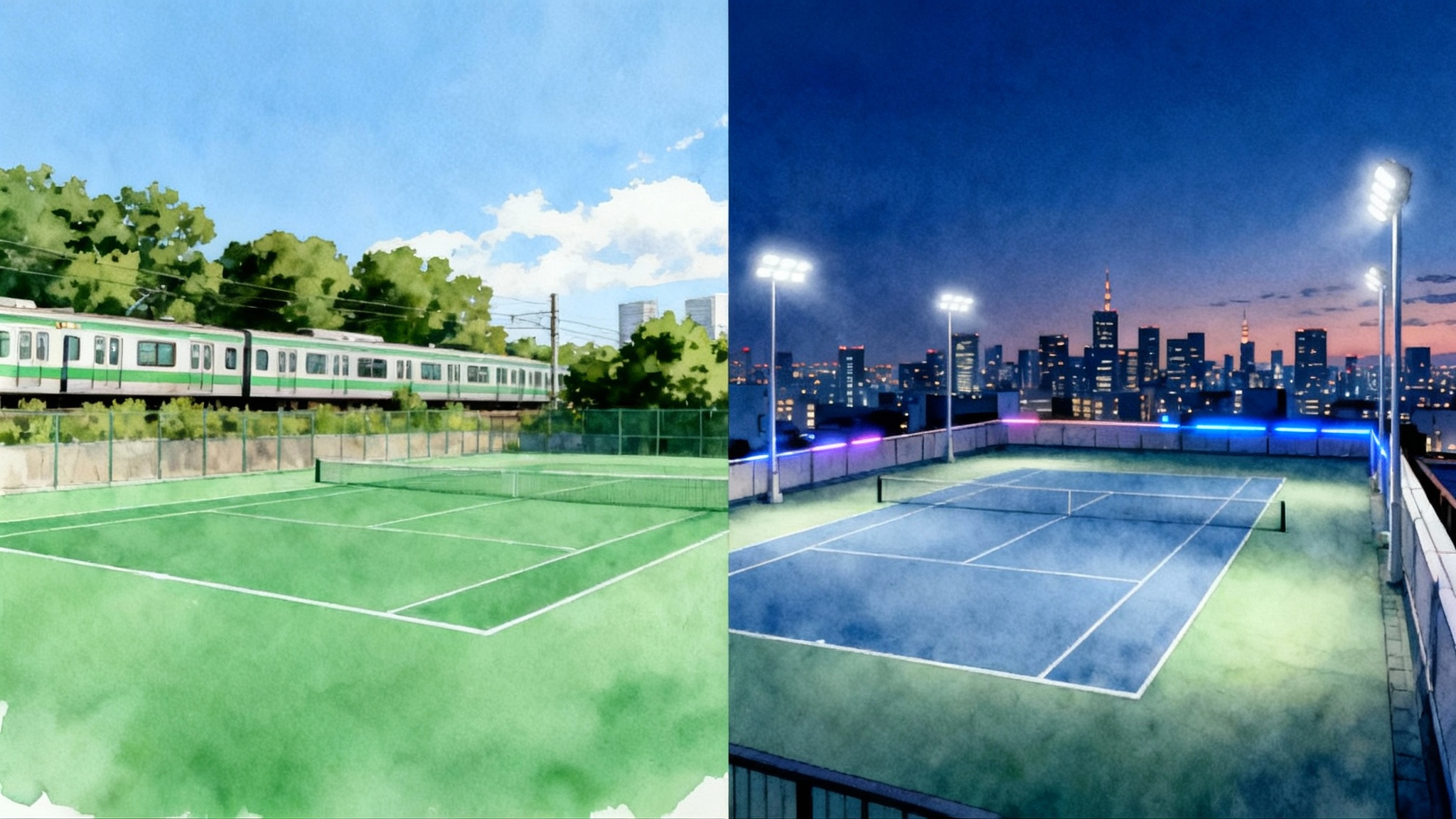
The quick answer
Start with your constraint. If you need a predictable commute and a school style pathway with steady squads, Seijo Tennis Academy in Setagaya is the safer pick. If you want bilingual, custom built small groups or privates at city venues, and you can handle booking courts or moving around Tokyo, Shi Shi Tennis Academy overview fits better. For most juniors targeting local Tokyo and Kanto rankings, Seijo’s fixed structure makes tournament planning simpler. For adults, visiting players, and college bound juniors seeking tailored reps and English friendly feedback, Shi Shi Tennis Academy Tokyo excels.
Below is a side by side breakdown with prices you can plan around, what the weekly rhythm actually feels like, how English support differs, how surfaces and lighting affect play after work or school, the specific steps to trial a session, how to coordinate with academics, and how to map a clear tournament path in Tokyo and the Kanto region. If you are also weighing a Europe block later this year, you can compare European academy pathways.
How the two models work
- Seijo: Single campus in Setagaya. Think of it like a neighborhood school that runs tennis all week on the same courts. You go to them. Groups meet at set times by level and age. The culture is consistent because the players and coaches see each other in the same place.
- Shi Shi: Citywide boutique program. Think of it like having a private tutor who teaches on the best available courts around Tokyo. You can choose private, semi private, or tiny groups. Sessions are tailored, with the option to meet near your home, office, or hotel if a suitable court is available.
Commute and venues
- Seijo commute profile: Located in the Seijo area of Setagaya with access from Seijo Gakuen mae Station on the Odakyu line. This matters for families balancing school pickups and dinner time. One fixed address means no last minute “which venue” messages and predictable travel time.
- Shi Shi venue profile: Lessons happen across top Tokyo venues depending on time and court availability. Clients usually reserve courts; assistance is available if needed. This flexibility shines for residents near business districts and for travelers based in central hotels, but it does require a small amount of planning ahead.
Practical implication: If your family calendar hinges on catching a specific train every weekday at 7:22, predictability beats flexibility. If you can adapt week to week, venue choice becomes a skill you can leverage for convenience and better court times.
Program structure and intensity
- Seijo structure: Multi level groups for red, orange, green, and yellow ball juniors plus adult sessions. Sessions tend to follow a school like arc: warm up, technical blocks, themed live ball, points. Intensity is steady more than spiky, which helps young players build habits and volume. Expect 400 to 700 strokes per hour in mainstream groups and 600 to 900 in performance squads.
- Shi Shi structure: Privates and micro groups designed around specific goals such as serve power, backhand shape, first step speed, or match play rehearsals. Expect less standing, more targeted repetition, and frequent video or immediate technical feedback. Intensity ranges widely based on your brief and fitness, from 300 strokes per hour for form rebuilds to 1,000 plus in pressure drills.
Concrete example: A junior who rushes forehands might do 15 minutes of slow fed shadow into three ball patterns with footwork cues at Shi Shi, then pivot to situational points against a stronger hitter. At Seijo, the same player would see the pattern again across the week in group settings, reinforcing the fix through repetition with peers.
Language support and community feel
- Seijo: The everyday language is Japanese. Some staff may speak English, and international families do train here, but parents should confirm whether feedback and parent communication can be delivered in English at the level they need.
- Shi Shi: Fully bilingual English Japanese on court and in messaging. This is appealing for expatriate families, visiting players, and adults who prefer detailed technical feedback in English.
Community trade off: Seijo’s campus model naturally builds a steady peer group. Shi Shi’s model builds a coach led micro community that may be more fluid week to week but very personal.
Surfaces, lights, and the feel underfoot
- Seijo: Primarily outdoor hard courts at the Setagaya site. Outdoor sessions mean you will read the wind and sun like in real matches. Evening training depends on facility lighting and local schedules, so confirm specific days and cut off times.
- Shi Shi: Mix of surfaces depending on the chosen venue, often outdoor hard with reliable LED lights, sometimes rooftop settings with skyline wind. If you train late after work, the quality and angle of lights can matter for seeing kick serves and overheads; choose venues with even lighting and a darker background.
Action tip: For both academies, test one evening session before you commit, especially if your typical slot will be after sunset.
Price bands you can actually plan for
Tokyo tennis pricing varies by coach, group size, and whether you pay separate court fees. Use these 2026 planning bands as a starting point.
-
Seijo style campus programs
- Juniors group pathway: 2,500 to 4,500 yen per hour equivalent depending on package length and ball color program.
- Performance squads and match play blocks: 4,000 to 6,500 yen per hour equivalent.
- Adults group: 3,000 to 5,000 yen per 80 to 90 minute class.
- Notes: Court is included. Registration or insurance fees may apply each season. Holiday intensives are priced separately.
-
Shi Shi boutique coaching
- Private lesson: 12,000 to 20,000 yen per hour for an experienced bilingual coach.
- Semi private or tiny groups: 13,000 to 24,000 yen per hour total, shared across players.
- Notes: Court fees are typically separate and can be 1,200 to 3,500 yen per hour depending on ward and time. Booking fees or guest fees may apply at hotel or club venues.
Budgeting method: Decide your weekly training volume first, then multiply by 44 training weeks for locals or 2 to 3 weeks for visitors. Add 10 percent for rainy day reschedules and tournament weeks.
The trial lesson checklist
Take one trial at your preferred academy and stress test the fit. Bring this checklist.
- Commute and timing
- How long door to court at your typical day and time, not just Sunday morning.
- Can you arrive 10 minutes early without stress?
- Language and feedback
- Are cues clear in the language you prefer? Ask for one technical change explained two ways to test clarity.
- Do you get a simple written plan after the session?
- Intensity and learning rhythm
- Count ball strikes for one 10 minute block. Under 60 in a development group is light, 60 to 120 is moderate, 120 plus is high.
- Is there a measurable drill you can repeat next week to track progress?
- Facilities and lights
- Check ball visibility at dusk. Any glare on lobs or serves?
- Ask about rain policy and whether they use indoor alternatives.
- Admin and money
- Court fee policy and who books. Cancellation window and cost. Payment method and receipts for school reimbursements if needed.
- Tournament planning
- For juniors, ask how the academy aligns group progression with the Tokyo and Kanto competitive calendar.
If three or more boxes feel off, try a second trial at the other academy before deciding.
Coordinating tennis and academics
Tokyo school calendars have heavy exam periods in January to March and September to November. Successful families plan tennis volume around this reality.
- For Seijo
- Default to two weekday sessions plus one weekend hit for elementary ages, rising to three weekdays plus one match play block for middle school and above.
- During exam months, keep two shorter sessions focused on serves and first four shots, then add a weekend match play when exams finish.
- For Shi Shi
- Use privates for technical rebuilds in dense study weeks. Schedule early morning or late evening 60 minute hits that require minimal travel.
- In lighter months, rotate two focused privates and one micro group to simulate match pressure.
Adults who study or work late should prioritize consistent day of week slots and pre book four weeks to reduce decision fatigue.
Tournament pathways in Tokyo and Kanto
For juniors, points and structure matter as much as forehands. Tokyo players typically build experience in school or club events, then move through Kanto graded tournaments and selected national events.
- Kanto Tennis Association pathway
- Players register individually with Kanto to earn ranking points and become eligible for Kanto graded events.
- Ranking lists are updated twice monthly and are used for acceptance and seeding.
- Start with local graded events that match your level, then build toward major Kanto championships or qualifiers.
Practical steps: Complete the Kanto Tennis Association junior registration early, keep your club or school affiliation accurate, and set realistic targets such as one graded event per month in your category. UTR match play events around Tokyo are useful for getting quality matches without a long ranking history, and they complement Kanto points play.
Adults: choose between UTR style sessions, ward leagues, and corporate or club events. If you plan to try an ITF seniors event at Ariake later in the year, backfill with three to six weeks of match specific practice.
Simple decision matrix
| Profile need | Better fit | Why it matters |
|---|---|---|
| Predictable commute and fixed location | Seijo | One campus near Seijo Gakuen mae reduces planning overhead for families. |
| Bilingual coaching and detailed English feedback | Shi Shi | Sessions delivered fully in English or Japanese with tailored technical cues. |
| Budget friendly group pathway for juniors | Seijo | Court included, stable squads, efficient cost per hour. |
| Flexible venue near work or hotel | Shi Shi | Coach meets you at convenient courts if booked in advance. |
| Peer group and steady community | Seijo | Same faces, same schedule, consistent training culture. |
| Custom rebuild of a specific stroke before trials | Shi Shi | High rep, video supported technical focus in micro settings. |
If you tick three or more boxes in one column, start there for a season. If it is evenly split, consider Seijo for baseline weeks and add targeted Shi Shi privates before key events.
Sample weekly plans
Below are realistic schedules for two resident players and two visiting players. Adjust commute time and school hours as needed.
-
Resident junior, age 12, Yellow ball, school in Setagaya, Seijo pathway
- Monday: Seijo group 90 minutes after school. Focus on patterns and footwork.
- Wednesday: Seijo group 90 minutes, serve and return emphasis.
- Saturday: Seijo match play block 120 minutes, timed sets.
- Daily: 10 minute at home shadow swings, 5 minute jump rope.
- Rationale: Three touches per week builds volume with low commute friction, and Saturday match play teaches scoring under mild pressure.
-
Resident adult, 34, works near Shinjuku, Shi Shi pathway
- Tuesday 7:30 to 8:30 a.m.: Private on a rooftop hard court near the office. Serve mechanics and first ball aggression.
- Thursday 8:00 to 9:00 p.m.: Semi private with a coworker in central Tokyo. Crosscourt live ball and point starts.
- Weekend optional: 60 minute private focused on returns and approach patterns when family schedule allows.
- Rationale: Two short sessions reduce time cost. Morning builds skill fresh, evening adds stress tolerance under lights.
-
Visiting junior, age 15, in Tokyo for 10 days, Shi Shi intensive
- Day 1: Assessment private 90 minutes. Baseline video of serve and backhand.
- Day 2: Technical private 90 minutes. Spin serves, backhand spacing.
- Day 3: Match play 90 minutes vs a local sparring partner arranged by coach.
- Day 4: Recovery, light footwork and mobility.
- Day 5: Technical private 90 minutes. Forehand shape and depth control.
- Day 6: Live ball pressure set 90 minutes, tiebreak rehearsals.
- Day 7: Rest.
- Day 8: Combined session 120 minutes, serve plus one patterns and match play.
- Day 9: Strength and conditioning session off court, 45 minutes.
- Day 10: Final private 90 minutes with video and written plan to take home.
- Rationale: Short stay, high signal plan that produces clear before and after footage and a training blueprint.
-
Resident junior, age 16, Kanto ranking goal, Seijo base plus targeted add ons
- Monday: Seijo performance squad 120 minutes.
- Wednesday: Seijo squad 90 minutes, plus 30 minutes serve bucket after.
- Friday: Private 60 minutes before a tournament weekend, booked with a technical focus.
- Sunday: Kanto graded event or internal match play block.
- Rationale: Campus squads for volume and community, plus one precise tune up before competition.
What to ask each academy before you commit
- Can we lock a standing slot for the whole term? Consistency beats perfect time slots.
- What is the coach to player ratio on busy days? Aim for 1 to 6 or better for development groups.
- Do you share simple written session plans or video clips? This helps parents and adult learners reinforce lessons.
- How many tournament weeks are baked into your calendar? Align school trips and holidays accordingly.
- What is the lighting or heavy rain contingency? Indoor alternatives or reschedule terms matter.
The bottom line
Pick the model that reduces friction in your real week. If you want a steady home base, a tight peer group, and an easy commute, start at Seijo and build volume. If you value bilingual coaching, tailored privates, and venue flexibility, start with Shi Shi and shape the plan around your goals. You can even combine them: anchor your routine at Seijo, then add a Shi Shi technical block before big events. The right choice is the one that you can repeat next week without excuses. That is how progress shows up on court and on the scoreboard.