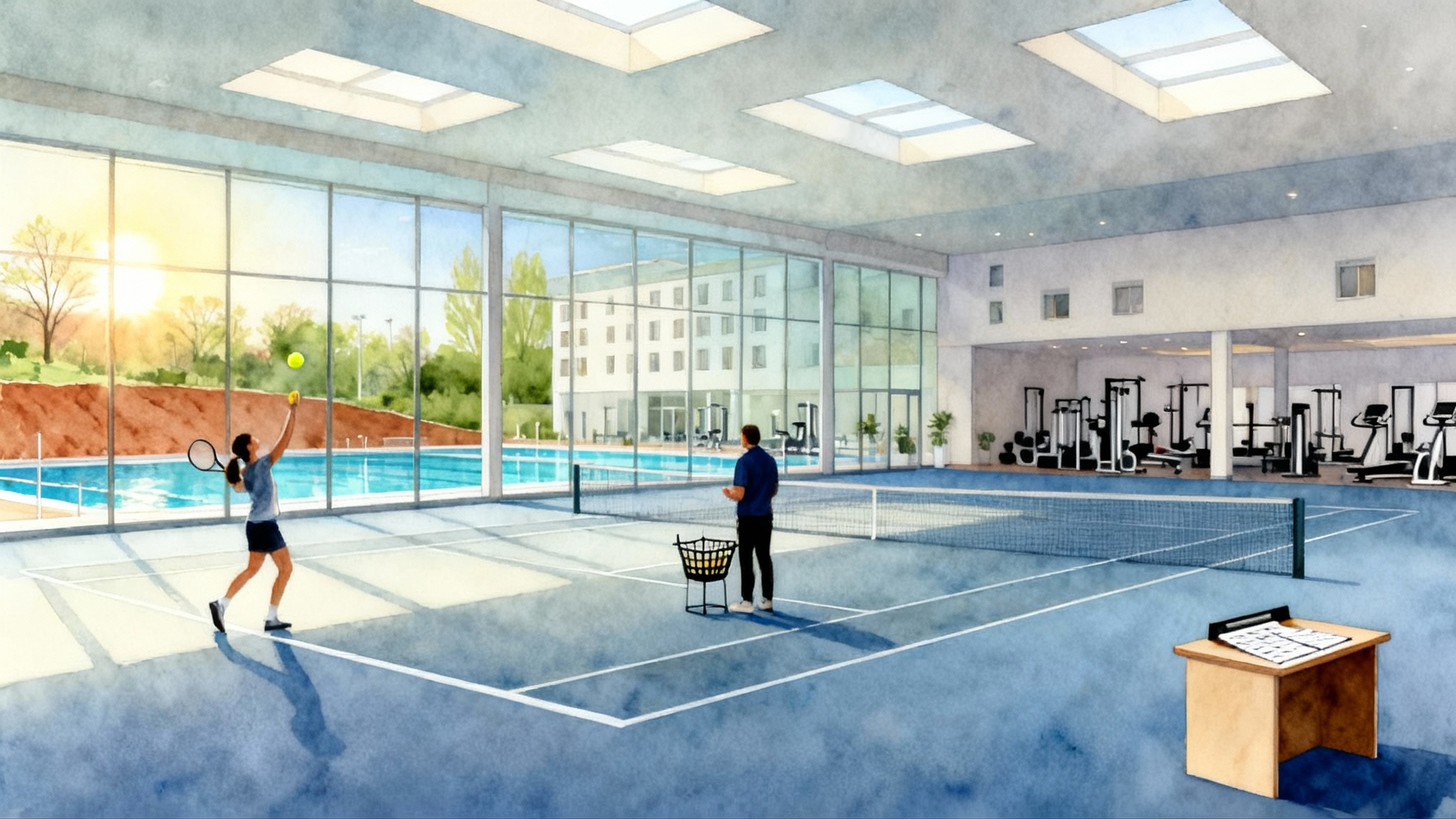
Spain vs France 2026: Choosing Your Best Tennis Academy Path
A head to head comparison of Spain and France tennis academy ecosystems for 2026. Training philosophy, clay volume, costs, schooling and visas, FFT and RFET access, UTR and WTN, climate and travel, plus example programs and quick picks.
 Tommy
Tommy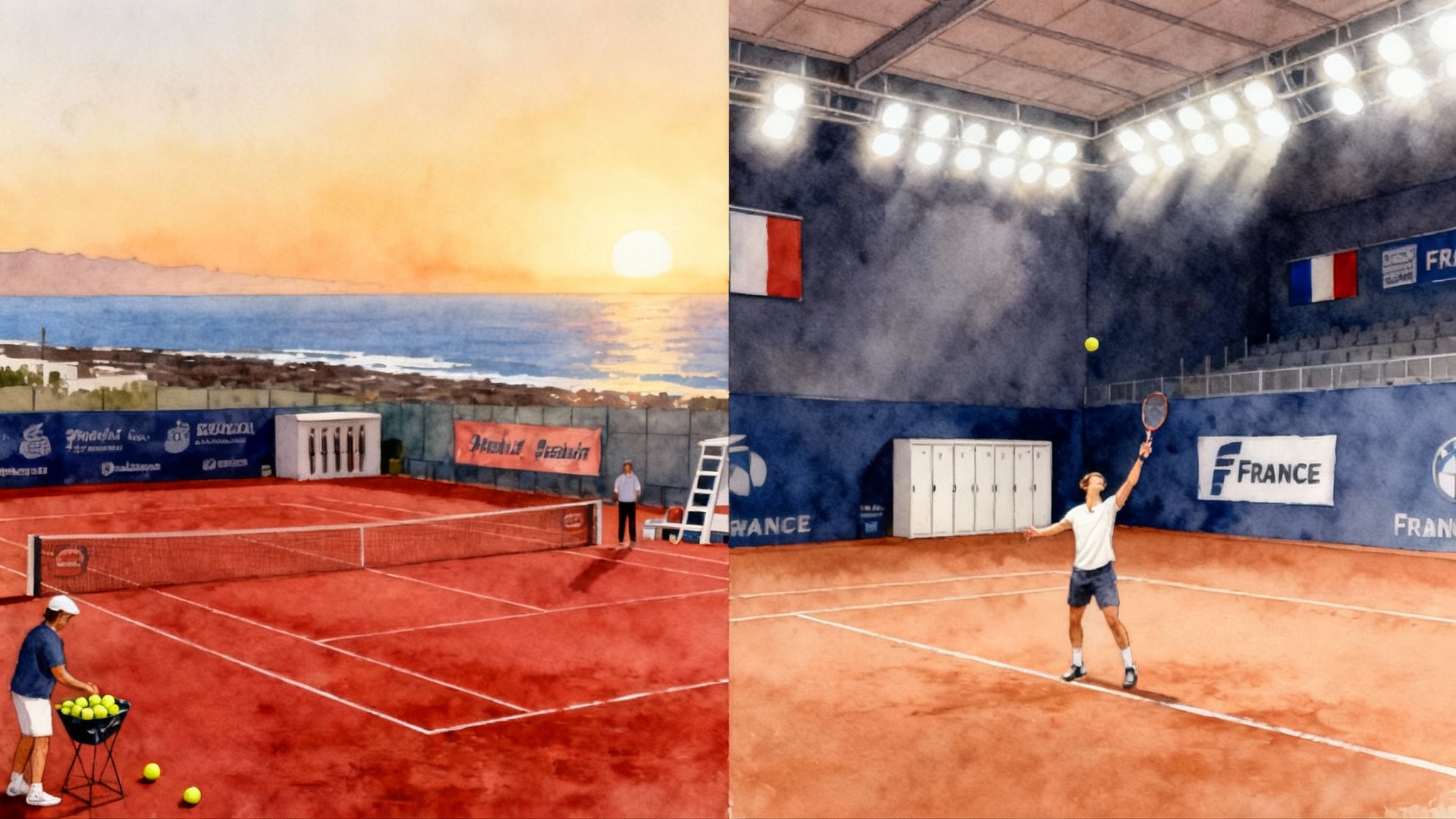
Why Spain vs France in 2026
For serious juniors, college hopefuls, and pro track players, the choice between Spain and France is not just about a passport stamp. It is about daily reps, tournament access, and how an academy fits your goals into a long season. Both countries have deep player pipelines, strong federations, and year round competition. The right pathway depends on how you want to train, study, and compete in 2026.
This guide breaks down the two ecosystems and spotlights two example programs many families ask about: Tenerife Tennis Academy in Spain and All In Academy in France. You will also find sample budgets, schooling and visa notes, and quick picks for common player profiles.
Training philosophy and surface mix
-
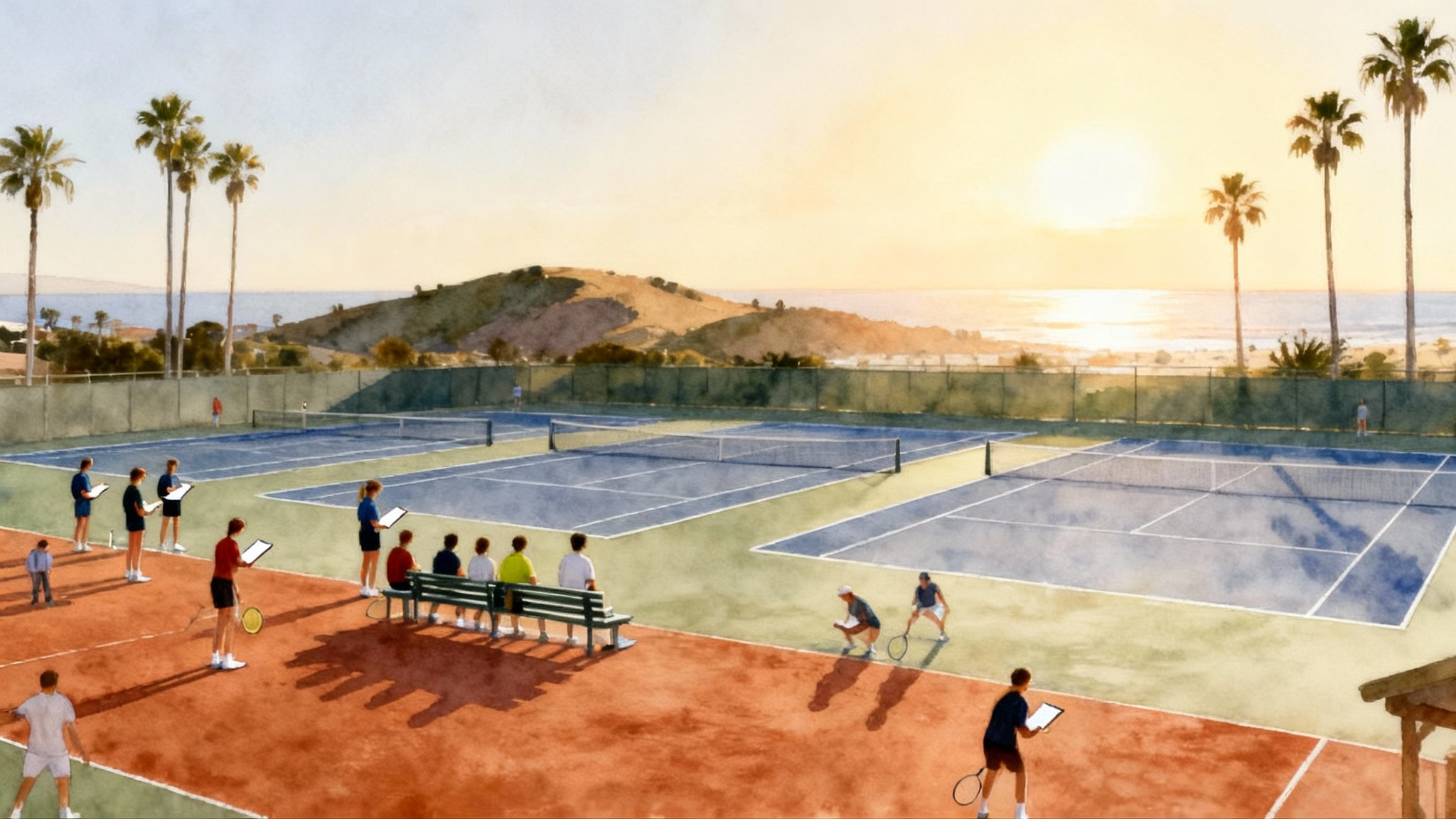
Spain: Repetition on clay, pattern building, and heavy live ball hours define the Spanish model. Expect a large share of sessions on outdoor clay, high rally tolerance, and point construction under fatigue. Coaches often emphasize tactical shape, neutral ball depth, and movement economy. If you need to turn defense into offense or add patience, Spain is a fit.
-
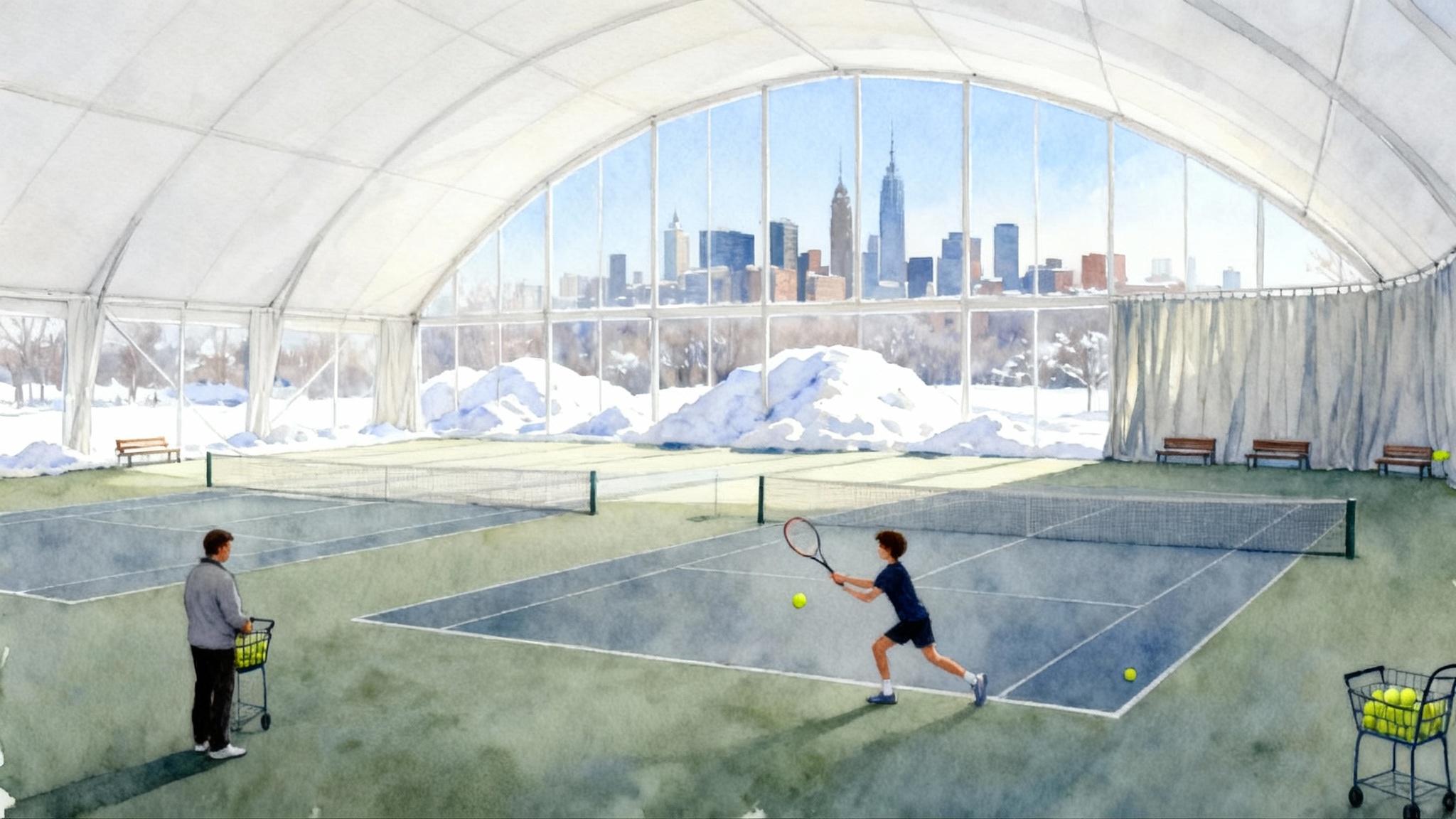
France: Structure and variety, with a balance of clay and hard, plus reliable indoor access in winter. The French coaching culture leans into technical checkpoints, decision training, and set piece patterns off serve and return. If you need a crisper first strike or want to sharpen problem solving across surfaces, France delivers.
Metaphor check: Spain is the long climb that builds an engine, France is the switchback road that teaches control. Many players benefit from both at different stages of the year.
Clay volume and match play rhythm
-
Spain: Outside of northern regions, you can plan on outdoor clay most of the year. In the Canary Islands and southern coasts the calendar looks close to perpetual spring. The result is a steady diet of physical, long point tennis. Players coming from the United States often see fast improvements in balance, patience, and defensive transitions after 8 to 12 weeks.
-
France: The clay share is still significant, but winter pushes more hard court and indoor time, especially in the north and center. This helps serve and return reps, short ball aggression, and quick decisions on faster courts. A common French weekly mix is technical blocks early in the day, then live points or set play with goals in the afternoon.
Costs and sample budgets for 2026
Every academy publishes different packages. The ranges below show realistic planning numbers families used in 2025 and early 2026. They are examples, not quotes, and vary by city, boarding option, school choice, and tournament travel.
Spain, 10 month tennis plus boarding, junior pathway:
- Tuition and coaching: 12,000 to 20,000 euros
- Strength and conditioning plus physio screen: 1,500 to 3,000 euros
- Boarding or homestay with meals: 800 to 1,500 euros per month
- Schooling add on, blended or international school: 7,000 to 15,000 euros
- Tournament entries and local travel: 2,000 to 5,000 euros
- Flights to and from the United States plus insurance: 1,500 to 3,000 euros
A typical 10 month total lands between 30,000 and 55,000 euros, with the Canary Islands and resort areas trending toward the higher end for housing.
France, 10 month tennis plus boarding, junior pathway:
- Tuition and coaching: 14,000 to 25,000 euros
- Strength and conditioning plus physio screen: 1,800 to 3,500 euros
- Boarding or residence with meals: 1,100 to 1,800 euros per month
- Schooling add on, French or international track: 8,000 to 18,000 euros
- Tournament entries and domestic travel: 2,500 to 5,500 euros
- Flights to and from the United States plus insurance: 1,500 to 3,000 euros
A typical 10 month total falls between 35,000 and 60,000 euros, with the Paris and Riviera corridors carrying higher housing and travel costs.
Money saving levers in both countries: pick a roommate to halve housing costs, cluster tournaments within a 90 minute radius, and schedule two annual return trips instead of three. Families who pre book school holiday travel by 90 days often save 15 to 25 percent on flights and trains.
Schooling, boarding, and guardianship
-
Spain: Academies commonly partner with British or American curricula for English language tracks, or with local Spanish schools. Homestays reduce costs and speed language learning. Under 18 players without a parent on site normally need a notarized guardianship arrangement and proof of health insurance.
-
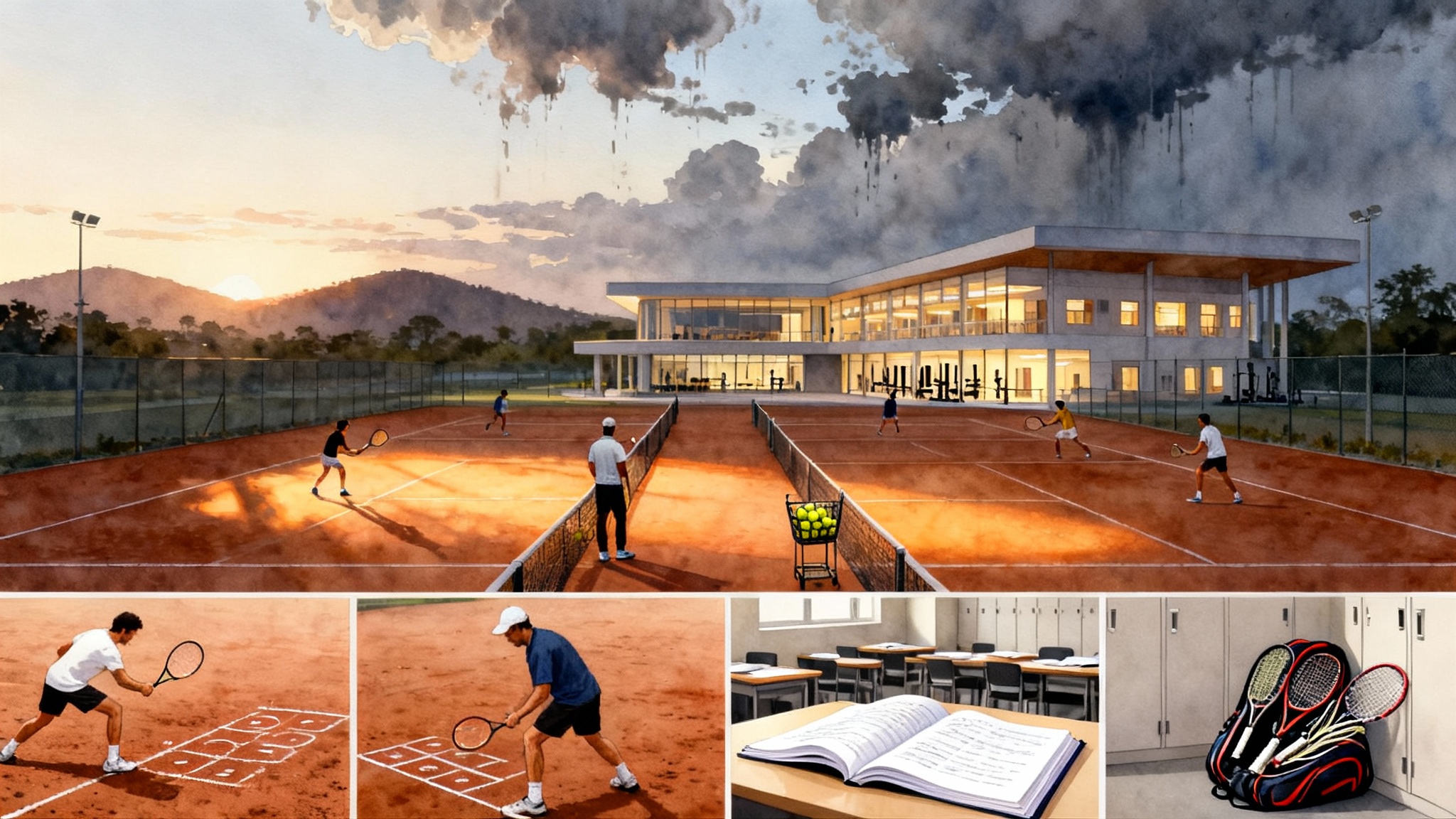
France: The tennis études model integrates academics with training during the day. International options exist in larger hubs. Boarding is often on campus or with vetted host families. Under 18 players need a legal guardian in country and health insurance coverage.
In both countries, ask for a weekly timetable before committing. You want to see academic blocks that protect 2.5 to 3.5 hours of court time plus strength and conditioning, and at least one recovery window per week.
Visas for United States passport holders
-
Short training blocks: The Schengen area allows 90 days in any 180 day window without a visa for tourism and short training. Keep accurate entry and exit records.
-
Long stays with school: For 3 months or more you will need a national long stay student visa from the host country. For France that is the visa long séjour for students. For Spain it is the student visa issued by a Spanish consulate. Typical lead time is 8 to 12 weeks. Expect to show acceptance letters, accommodation proof, guardianship for minors, financial support, and comprehensive health insurance.
Plan your start date backward from the first academic day. Set a document checklist by week, including notarizations and, if required, apostilles. Families that assign one parent to own the visa timeline avoid last minute scrambles.
Tournament access and federation practicalities
-
France: To play French federation events you need a valid yearly licence. Foreign players can obtain it through an affiliated club or online, and the licence is tied to the Ten’Up digital profile for entries and results. Read the French Tennis Federation licence guide for current categories, validity dates, and processes.
-
Spain: Competition requires a federative licence validated by the national body and issued through a regional federation, typically via a club. Fees vary by region and age. The RFET licence overview explains how validation works across Spain’s territorial federations.
Practical tip: Ask your academy which club will register you, how they manage medical certificates, and whether they enter players into team events. If college is your goal, collect official results PDFs after each tournament block for your recruiting file.
UTR and WTN integration
-
World Tennis Number: The International Tennis Federation metric is widely used for seeding and acceptance in federation and international junior events. Many European academies will list a player’s WTN and monitor it monthly.
-
Universal Tennis Rating: UTR competition has grown in Spain and France through club tournaments and academy hosted events. It is valuable for United States college recruiting, especially when combined with a clear match log against ranked opponents.
How to use both: Track WTN for domestic seeding and federation acceptance, and use UTR for college coach communication. When scheduling, pick blocks that move both needles, such as back to back federation events followed by a UTR open run with guaranteed matches.
Climate and travel logistics
-
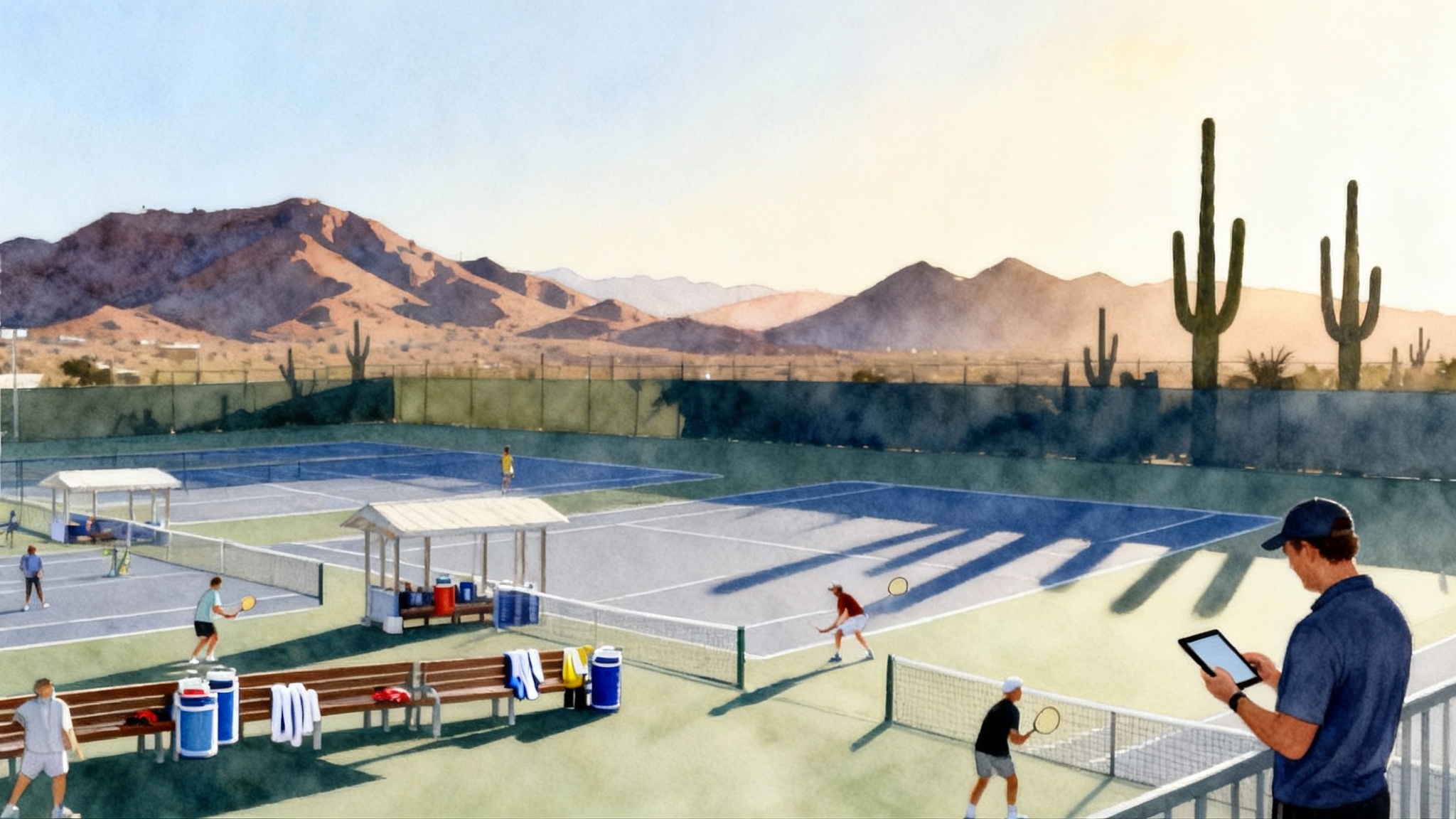
Spain: Mild winters in the south and in the Canary Islands allow almost continuous outdoor training. On the mainland, spring and fall offer optimal clay conditions. Flight access is strongest through Madrid and Barcelona, with low cost carriers covering domestic hops.
-
France: Winters are colder, which pushes more indoor sessions from November to March outside the Riviera and southwest. Paris and Nice are major gateways for transatlantic and European connections. France’s rail network simplifies weekend tournament travel, a real advantage for juniors who rely on trains.
If you are also weighing a domestic option before going abroad, compare hubs using our Florida junior academy guide.
Academy snapshots
-
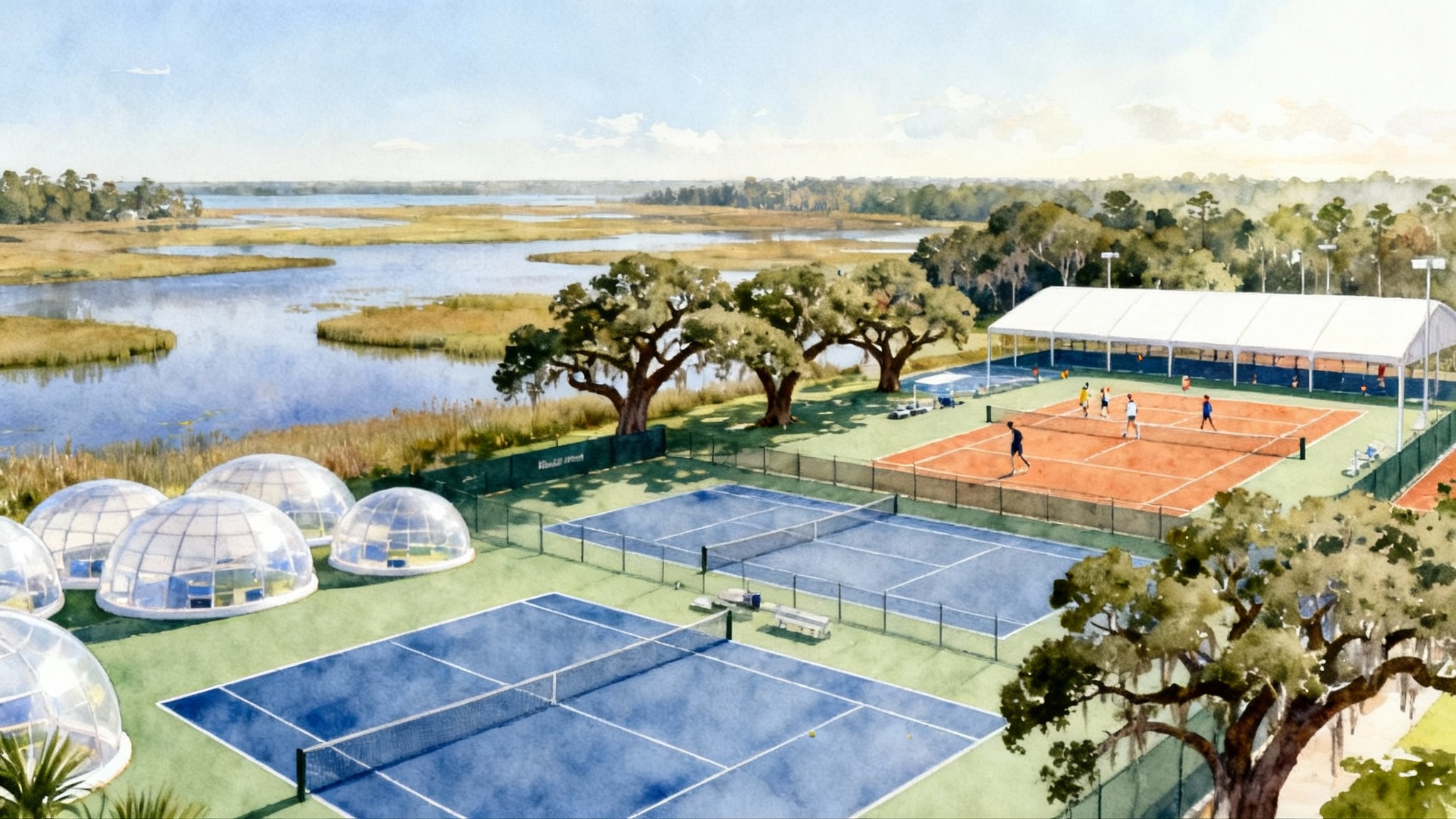
Tenerife Tennis Academy, Spain: The south of Tenerife offers year round outdoor training, with access to clay and hard. The academy culture reflects the Spanish volume approach, with long live ball blocks and movement focused drills. The island setting helps players reset between training cycles, which can be useful for long seasons. Review the Tenerife Tennis Academy profile for programs and academics.
-
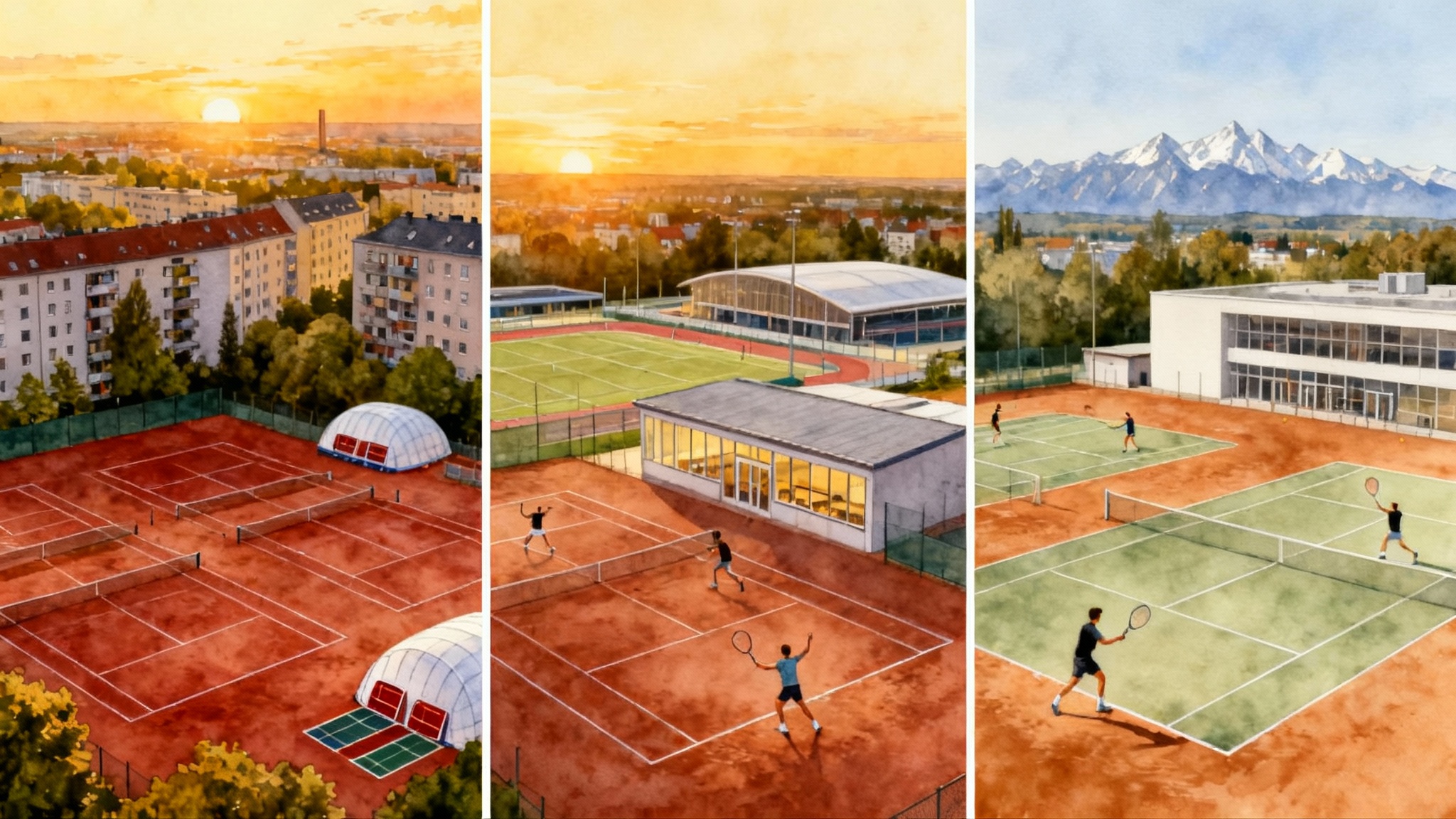
All In Academy, France: Founded by Jo Wilfried Tsonga and Thierry Ascione, All In runs in Villeneuve Loubet on the French Riviera and in Lyon Décines. Expect structured weekly plans, tournament placement through established club networks, and reliable indoor coverage in winter. If you want a blend of clay and hard plus strong French federation integration, see the All In Academy campuses.
What to ask both types of programs:
- How many on court hours are guaranteed per week, and what is the coach to court ratio on live ball days?
- How many verified match sets are scheduled per week, and who tracks data such as first serve percentage and rally length?
- How does the school day flex during tournament weeks, and which staff member coordinates with teachers?
- What is the plan for injury prevention and return to play after a layoff of two weeks or more?
Quick picks by player profile
-
Emerging juniors, ages 10 to 14: Spain is often the better first stop if coordination, balance, and rally tolerance are priorities. A 12 week block on clay builds habits that are hard to acquire later. Add a French winter camp for serve and return tune ups.
-
College bound players, ages 15 to 18: Choose France if you need year round hard court access and want to mix federation events with indoor match play from November to March. Choose Spain if you want to spike clay performance and rack up a dense calendar of tournaments within driving distance. In both cases, schedule UTR weekends every 6 to 8 weeks for college visibility.
-
Pro track hopefuls: A hybrid plan works best. Use Spain for 8 to 10 week clay blocks to build the base, then France for pre hard or indoor swings that mirror ATP and WTA demands. Work with your coach to map federation, ITF, and UTR events to your development goals rather than chasing points at random.
A simple decision framework
- Start with the player’s constraint. If winter indoor access is non negotiable, France may fit by default. If outdoor clay volume is the constraint, Spain likely wins.
- Define the seasonal goal. For example, earn a French ranking by July, or break through a WTN threshold to enter national events in Spain without qualifying.
- Map the competition block. Choose 6 to 10 tournaments within 12 weeks that raise both WTN and UTR. Keep travel under 90 minutes when possible. Add a week off for recovery every 6 weeks.
- Choose the academic track. Confirm class schedules, tutoring, and exam calendars before signing. Ask for a written academic plan that lists weekly contact hours and contingency plans for travel weeks.
- Solve the budget. Decide early on boarding type, room sharing, and flight cadence. Put a cap on tournament entry and hotel nights per month, then monitor in a shared spreadsheet.
A 90 day test plan before a full year
- Weeks 1 to 2: Arrival and baselines. Record movement and stroke video. Set three technical priorities and two tactical goals. Schedule a medical check and movement screen.
- Weeks 3 to 6: First tournament block. Two events in the federation calendar with short travel, plus one UTR weekend. Track serve percentage, break points created, and rally length.
- Weeks 7 to 8: Review and adjust. Keep what moved the needle, and cut one drill that did not translate.
- Weeks 9 to 12: Second tournament block with slightly harder entries. Add night sessions to simulate indoor or hard court pace if you are in Spain, or a clay microcycle if you are in France.
At day 90, decide whether to extend, switch countries for the next phase, or return home for a school term and rejoin later.
Red flags and green lights when evaluating offers
Green lights:
- Transparent weekly plans with named coaches, court ratios, and measurable targets
- A tournament calendar published by month with entry deadlines, fees, and travel estimates
- In house or partner schooling that publishes teacher contacts and progress reports
Red flags:
- All inclusive pricing without breakouts for boarding, school, or tournament travel
- Vague promises about wild cards or guaranteed rankings
- No named medical or physio partner for injury care
Bottom line in one paragraph
Choose Spain if you want clay volume, patience under pressure, and dense tournament calendars with outdoor training most of the year. Choose France if you want structured weeks, mixed surfaces with reliable indoor time, and strong federation infrastructure. Many players will be best served by using both countries during a 12 month plan.
Conclusion
In 2026, the Spain vs France choice is not a rivalry to win, it is a set of tools to deploy. Spain builds the engine that gets you to the ball one step earlier and keeps you in points that used to fade. France refines the controls so your first strike lands on time, indoors or out, in February or July. Start with your constraint, pick the calendar that feeds your goals, and test the plan for 90 days. If the data says the mix works, extend. If not, switch the ratio. The right pathway is the one that makes your next forehand a little earlier, your next decision a little clearer, and your next result a little better than the last.