Best Midwest Tennis Academies 2025–2026 for Families
A winter-ready, parent-focused guide to the top Midwest tennis academies. Compare day and boarding options, indoor capacity, UTR and USTA match play access, coaching ratios, academics integration, travel logistics, and cost across key cities.
 Tommy
Tommy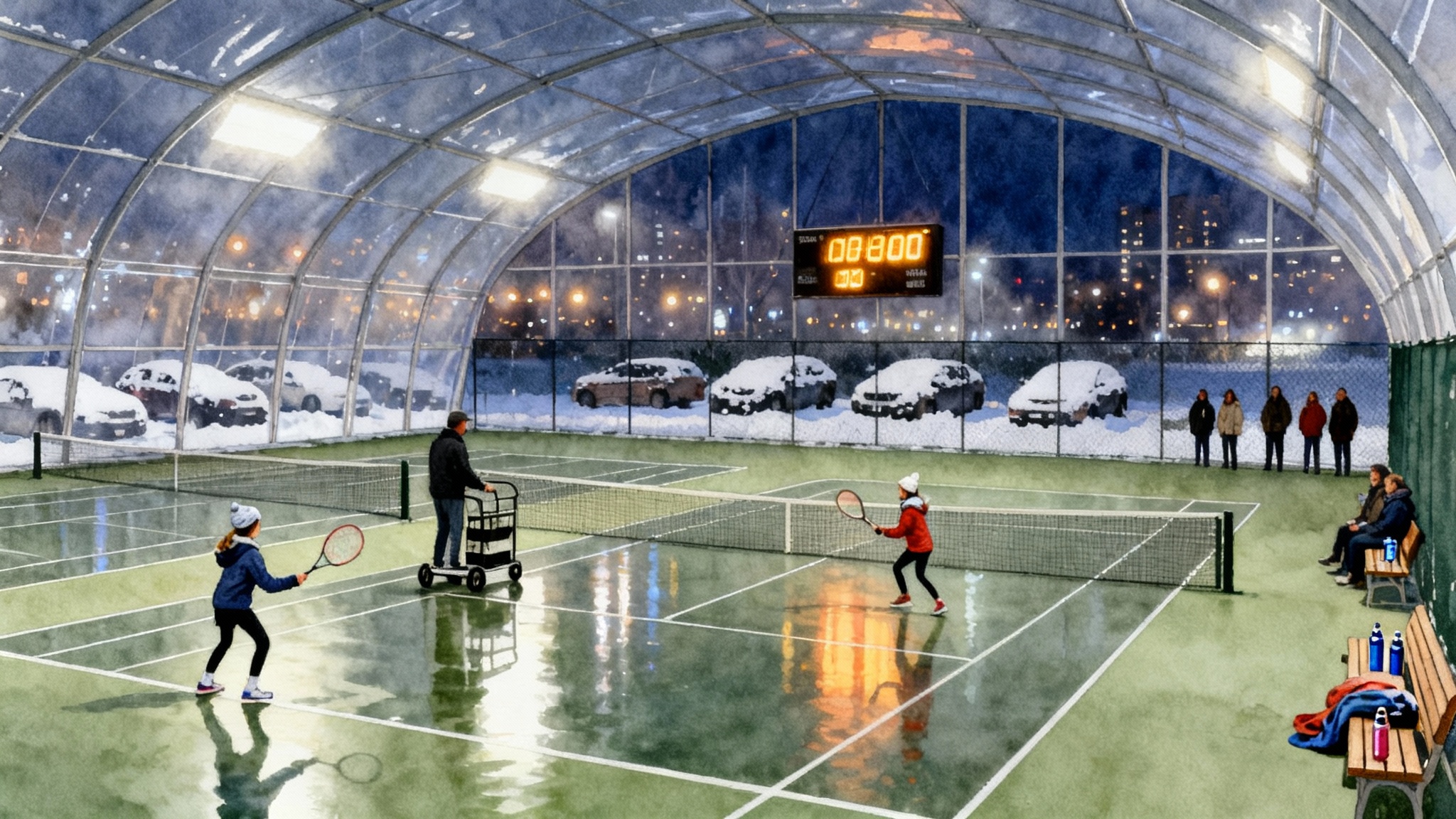
How to use this guide in 30 seconds
You are choosing an academy in a region where winter is a season-long opponent. This guide focuses on what parents need to evaluate first: indoor court capacity, access to meaningful match play through UTR and USTA, coaching ratios, school integration, travel logistics, and the real cost of a competitive tennis year. We highlight Chicago, the Twin Cities, Detroit, Columbus, and Wisconsin’s community pipeline, then give clear best for picks to speed up your short list. If you are comparing regions, see our Northeast academies 2025–2026 guide and consider winter blocks using our Florida junior tennis academies guide.
What matters in a Midwest winter
Indoor capacity and the calendar
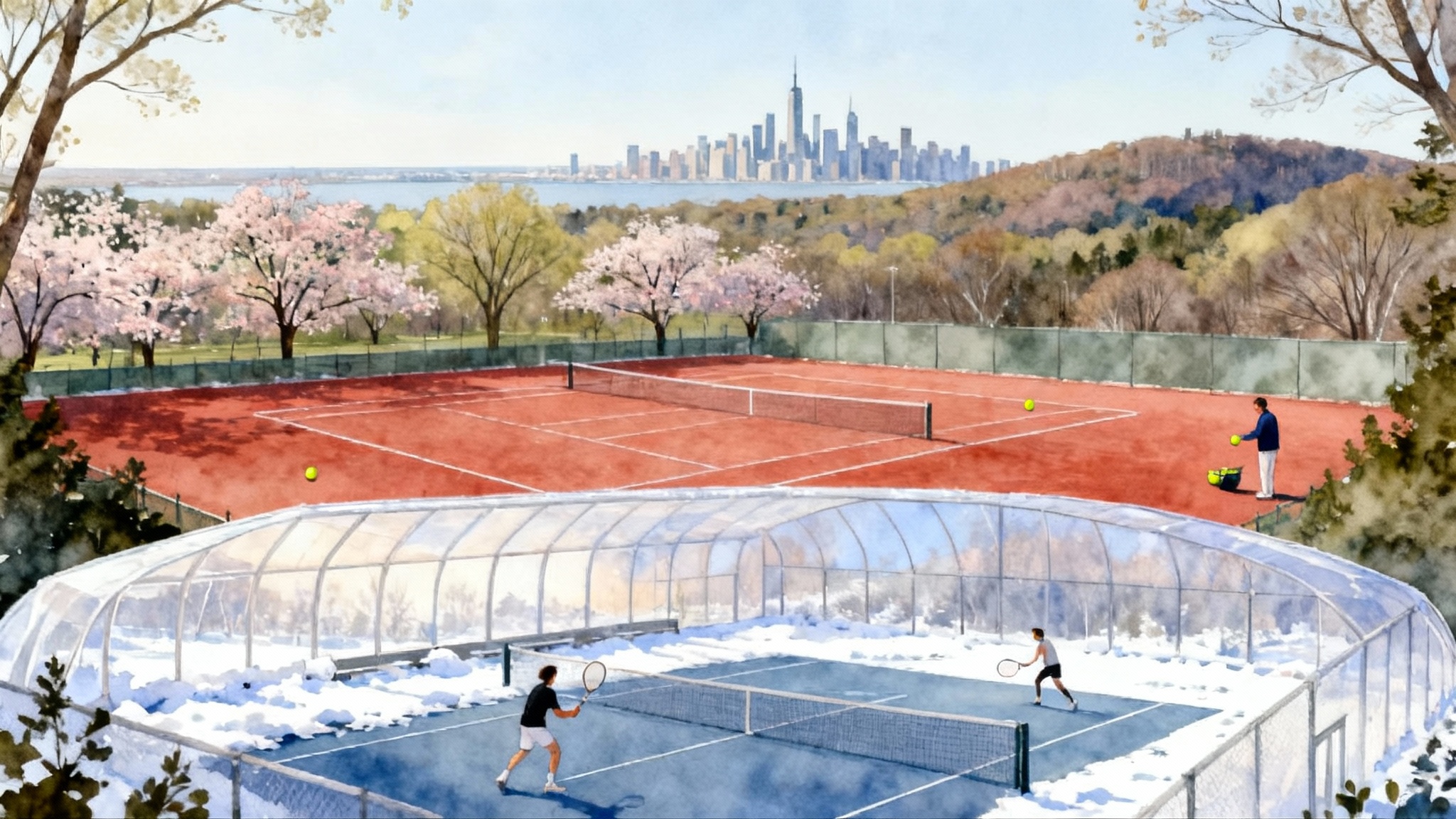
From November through March, courts are full, commutes are slow, and cancellations happen. Ask each academy how many indoor courts they control during prime hours and how they protect junior blocks when adult leagues and pickleball also want space. A program that can guarantee 3 to 5 weekly hits for your player, even on snow days, is not a luxury in the Midwest. It is the baseline.
Two details to confirm:
- Prime hours: Ensure consistent junior blocks between 4 p.m. and 8 p.m. on school nights. Weekend mornings are valuable for match play and fitness.
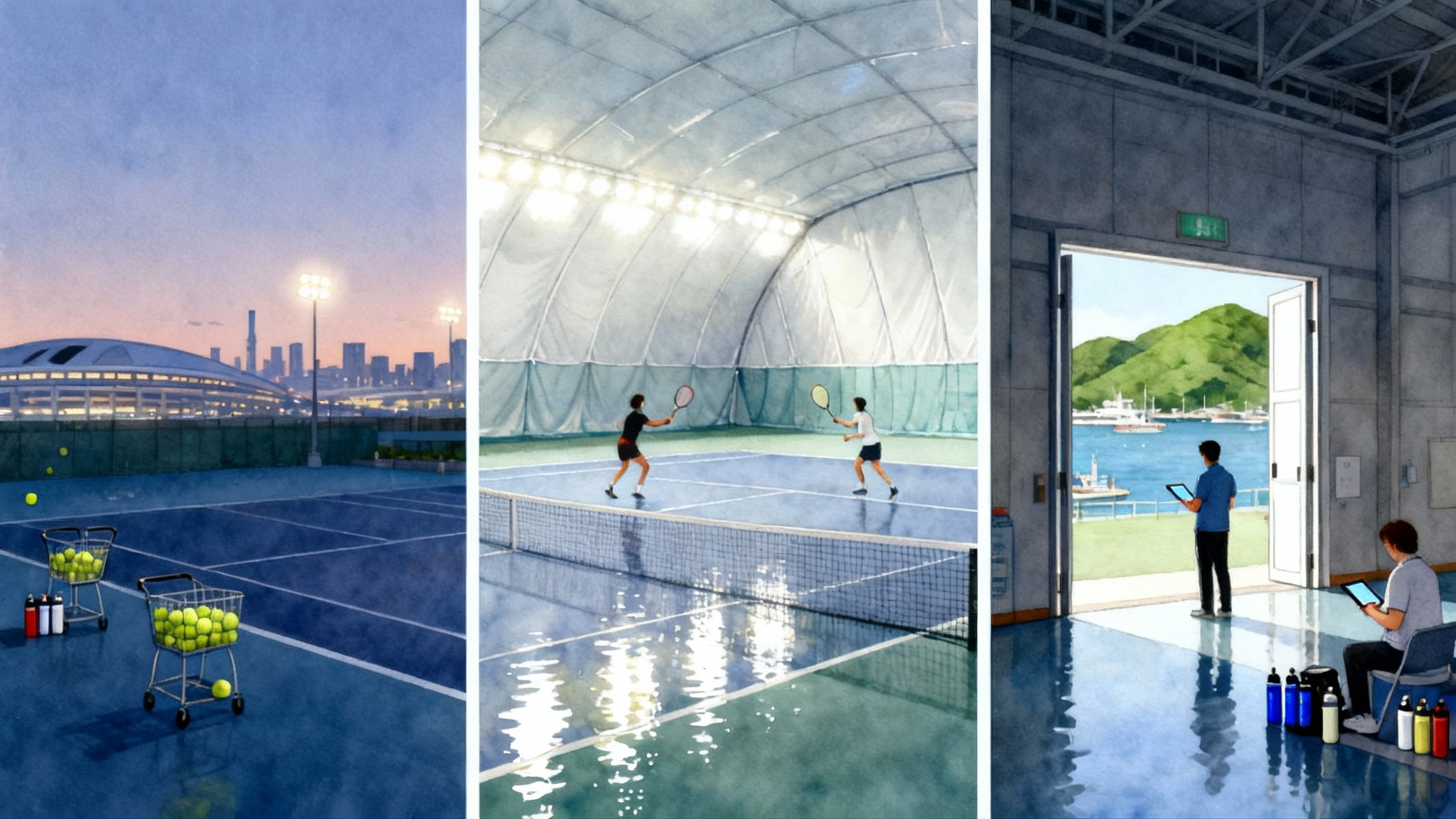
- Surfaces and air: Some facilities run air-supported bubbles, others are steel-roof buildings. Ask about lighting, court speed, and ventilation. Winter air can feel dry and heavy. Good filtration reduces coughs and missed days.
Match play that moves the needle
Midwest families need reliable weekend competition. Look for programs that host regular Universal Tennis events and are active in the USTA Midwest pathway. The rating and seeding impact from UTR events matters, so confirm how often your player can compete locally and how results feed their development. If you are new to it, start with a quick read on how UTR rating works.
Key questions to ask any academy:
- How many in-house match days per month are guaranteed for juniors in my player’s band by UTR level and age group?
- Who plans tournament calendars, and how do they balance UTR progression with USTA sectional and national goals?
Coaching ratios and progression
Technique and tactics need eyes on the ball. In group training, a 4 to 1 athlete to coach ratio is strong for live ball and situational drilling. Six to one is common for larger squads if assistants are active and ball carts are abundant. Ask to see the progression ladder: pre-high performance, high performance, and college prep. The best programs can explain how a player moves up with specific metrics like serve targets, pattern execution, and match-play results, not vague impressions.
School integration
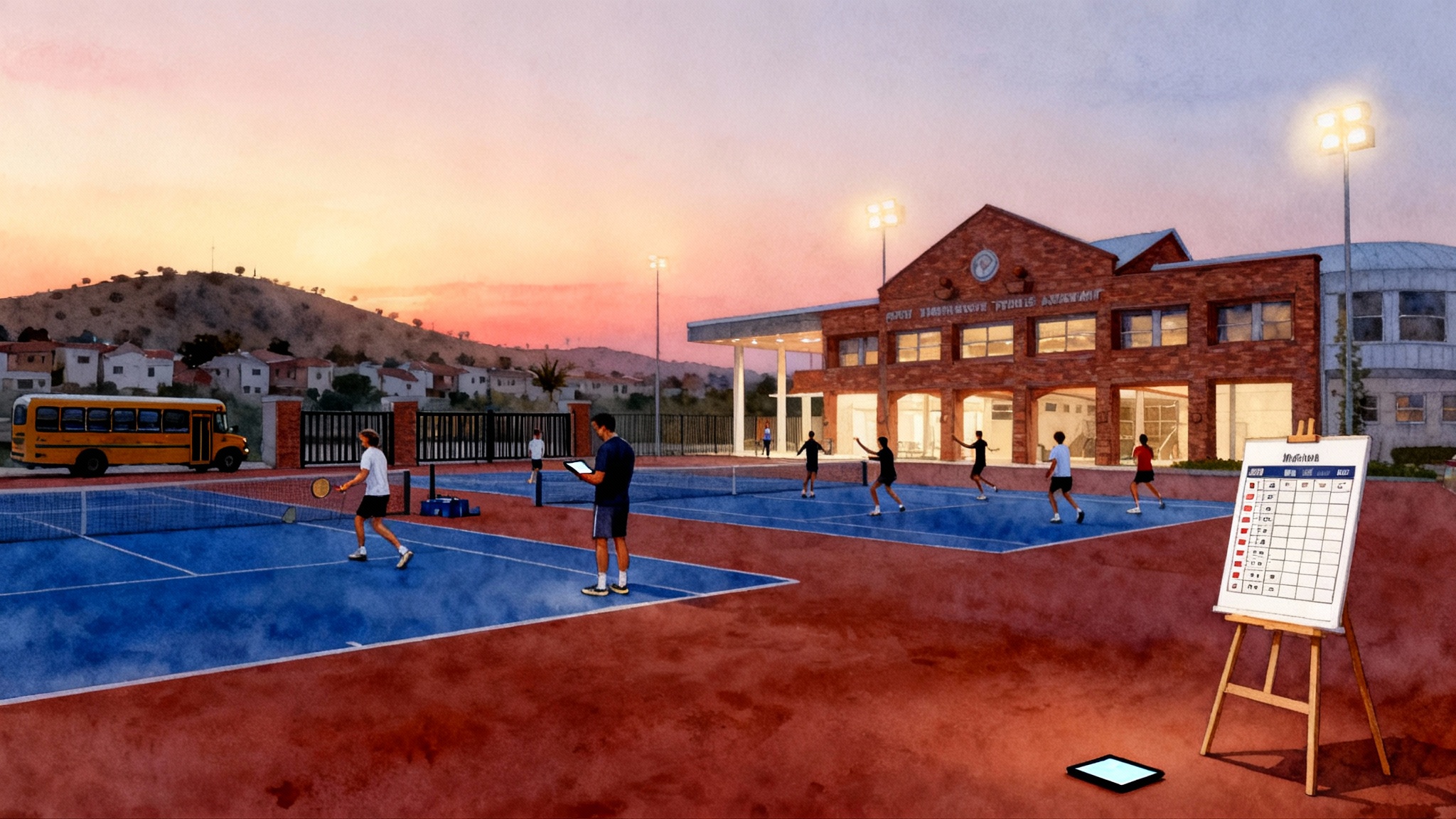
Most Midwest academies are day programs. That means school coordination is everything. The strongest setups offer:
- Early session options for students with flexible schedules or online coursework.
- Study blocks on site with quiet areas, reliable Wi-Fi, and adult supervision.
- A counselor who tracks travel letters, transcript timelines, and NCAA amateurism rules for older players.
Boarding is rare in the Midwest. Families that want a boarding feel often use host families or hybrid schooling near a chosen academy. Ask directly if the club helps locate host families, how background checks work, and what weekday transportation looks like.
Travel logistics
An extra 20 minutes in winter can be the difference between consistent training and chronic lateness. Calculate door to door time in snow. Consider where your in-season tournaments will be. The Chicago to Indianapolis to Columbus triangle offers dense tournament calendars. Detroit has strong local events with occasional drives to Chicago or Columbus. The Twin Cities have solid local options and periodic drives to Milwaukee, Madison, or Chicago.
Cost and transparency
Expect these common ranges in the Midwest for the 2025 to 2026 season:
- High performance group: 450 to 1,200 dollars per month for 2 to 4 training days weekly.
- Private lessons: 80 to 160 dollars per hour depending on coach seniority and city.
- Fitness and injury prevention: 50 to 120 dollars per month for group strength, more for 1 to 1.
- Match play and tournaments: UTR events often 40 to 80 dollars. USTA sanctioned events often 70 to 120 dollars, plus travel.
- Winter court fees for extra practice: 40 to 60 dollars per hour when available.
Always ask for an annualized estimate. The reliable programs can forecast total spend with travel assumptions and show how to save by bundling training and match fees.
City spotlights and short lists
Below are concise, parent-focused snapshots. These are not exhaustive, and availability changes season to season. Use the checklists to verify current schedules and costs.
Chicago area, Illinois
- XS Tennis and Education Foundation, Chicago South Side: Large indoor footprint with a mission focus and a college pathway ethos. Expect deep after-school blocks and frequent in-house match play. Good for families who value community mentorship and consistent court access on the South Side.
- Midtown Athletic Club, Chicago: Polished facilities and strong college-prep culture. Useful if you want integrated fitness, recovery, and a predictable after-school schedule. Good for multi-sport families who appreciate concierge-level operations.
- College Park Athletic Club, North Suburbs: Longtime North Shore hub with experienced coaches and reliable winter programming. Good for families in Bannockburn and nearby who want north-suburban convenience and a progression ladder from 10U through college prep.
- Score Tennis and Fitness, Western Suburbs: Strong technical attention and competitive groups. Good for families in the western corridor who want smaller-group feel with frequent situational drilling.
- North Shore Racquet Club cluster, Northbrook and nearby: Several north-suburban clubs collaborate on events. Good for parents who want a cluster of venues to balance court time and tournaments without city traffic.
Best for picks in Chicago
- Best for reliable indoor capacity and community uplift: XS Tennis.
- Best for integrated fitness and college-prep polish: Midtown Chicago.
- Best for North Shore families who want a steady progression ladder: College Park Athletic Club.
- Best for western suburbs with smaller-group training: Score Tennis and Fitness.
Parent tip: Chicago weekends fill fast. Book match play two to three weeks out during January and February. Ask for a snow policy that converts canceled travel days into extra lesson credit.
Twin Cities, Minnesota
- Fred Wells Tennis and Education Center, Saint Paul: Purpose-built junior environment with education support and strong winter scheduling. Good for families that need a clear ladder and regular weekend UTR play.
- Life Time High Performance, Bloomington and Eden Prairie: Multiple sites with depth. Good for families who want repetition across weekdays plus integrated strength and recovery on site. See the Life Time Tennis Academy pathway for a national view.
- Reed Sweatt Family Tennis Center with InnerCity Tennis programming, Minneapolis: Robust community pipeline and a tradition of frequent events. Good for players who thrive with lots of live ball and competitive variety.
- University of Minnesota Baseline Tennis Center junior programming, Minneapolis: Collegiate facility energy and access to competitive players. Good for advanced teens who are eyeing college tennis and want to sample a varsity training environment.
Best for picks in the Twin Cities
- Best for education support linked to training: Fred Wells.
- Best for volume and cross-site scheduling options: Life Time High Performance.
- Best for community-driven match volume: Reed Sweatt and InnerCity Tennis ecosystem.
Parent tip: Many Twin Cities programs run winter scrimmage nights. Lock those in early. They simulate tournament pressure without the travel bill.
Detroit metro, Michigan
- Franklin Athletic Club, Southfield: Big-junior footprint and access to strong competition pools. Good for families who want proven coaches and frequent weekend play.
- Life Time clubs in Bloomfield, Rochester Hills, and Novi: Consistency in scheduling, fitness integration, and a clear pathway from orange ball to college prep.
- Peachtree Tennis Club, Clinton Township: Focus on player development with regular UTR and USTA activity in the rotation. Good for families east and north of the city.
- Greater Midland Tennis Center, Midland: A drive for Detroit families, but a Midwest standout with dozens of courts and frequent tournaments. Good for weekend blocks that compress training and competition.
- Wessen Lawn Tennis Club, Pontiac: Unique grass season for variety. Pair this with an indoor heavy winter plan. Good for players who benefit from touch development and movement challenges.
Best for picks in Detroit
- Best for long-weekend tournament density and facility scale: Greater Midland Tennis Center.
- Best for year-round consistency with fitness integration: Life Time Bloomfield or Rochester Hills.
- Best for east and north side families who want a club feel with regular events: Peachtree Tennis Club.
Parent tip: Detroit families often build a drive loop with Chicago and Columbus. Plan hotel points now to lower spring costs.
Columbus, Ohio
- Elysium Tennis, Plain City: Strong high performance identity, wide court inventory, and regular UTR weekends. Good for families who want a focused competitive culture outside the urban core.
- Scarborough East Tennis, Columbus: Longstanding junior engine with active tournament hosting and deep adult support that keeps the facility humming. Good for players who need frequent match reps.
- Tennis Ohio, near Ohio State: Collegiate energy and strong competition on site. Good for teens who thrive around older, faster players.
- Olympic Indoor Tennis, Columbus: Reliable winter programming and convenient location options for city families.
Best for picks in Columbus
- Best for high performance culture and court depth: Elysium Tennis.
- Best for frequent tournaments and a classic junior hub: Scarborough East Tennis.
- Best for teens who want exposure to collegiate tempo: Tennis Ohio.
Parent tip: Columbus weekends get crowded when Ohio State hosts events. Book early and consider Friday night arrivals to beat traffic and weather.
Milwaukee and Wisconsin pipeline
Wisconsin families often blend club training with a strong community pipeline. The flagship is the Milwaukee Tennis and Education Foundation, which connects underserved youth to the sport while partnering with local facilities for year-round play. For competitive juniors, this means more events, more partners, and a values-driven community around the sport.
Clubs to know:
- Western Racquet Club, Elm Grove: Suburban convenience and reliable junior blocks.
- Lake Country Racquet Club, Hartland: Family-centric schedule with growing match play calendars.
- Nielsen Tennis Stadium, Madison: University environment and frequent events for a wide range of levels.
- Four Lakes Athletic Club, Elkhorn: Flexible winter scheduling with a strong community feel.
Best for picks in Wisconsin
- Best for community pipeline and mentoring: MTEF partnerships.
- Best for suburban Milwaukee families who want steady blocks: Western Racquet Club.
- Best for Madison families who want a university vibe and frequent events: Nielsen Tennis Stadium.
Parent tip: Families often split winter between Milwaukee or Madison training and Chicago tournaments. Build a two-city calendar that avoids back-to-back long drives.
Day versus boarding in the Midwest
Most competitive junior families in the Midwest choose day academies. The reasons are practical: proximity to school, family support, and winter driving. A boarding-style choice can work if you set up a safe, reliable host family with clear house rules and transportation. If a true boarding environment is the goal, some families relocate seasonally or book winter training blocks in warmer regions during school breaks, then return to their Midwest base for most of the year. For many players, the winning formula is day academy consistency plus two targeted travel blocks where the player loads up on matches.
Two sample weekly schedules
Example A: Middle school, 11 to 13, emerging competitive
- Mon and Wed: Group training 2 hours. Forty minutes of serves and returns, forty minutes of live ball patterns, forty minutes of points.
- Fri: Match-play night, UTR round robin.
- Sat morning: Strength and movement 60 minutes.
- Sun: Family or team match. If off, 45 minutes of serve and first ball practice.
Example B: High school, 14 to 17, college-track
- Mon, Tue, Thu: Group training 2 hours. Film one session weekly for feedback.
- Wed: Strength and mobility 75 minutes plus 30 minutes of serve targets.
- Fri: Private lesson 60 minutes. Focus on two patterns or one weapon and one liability.
- Weekend: One UTR or USTA event, or in-house ladder matches, alternating with a recovery weekend that includes mobility, ice, and sleep tuning.
How to read ratios and evaluate a session
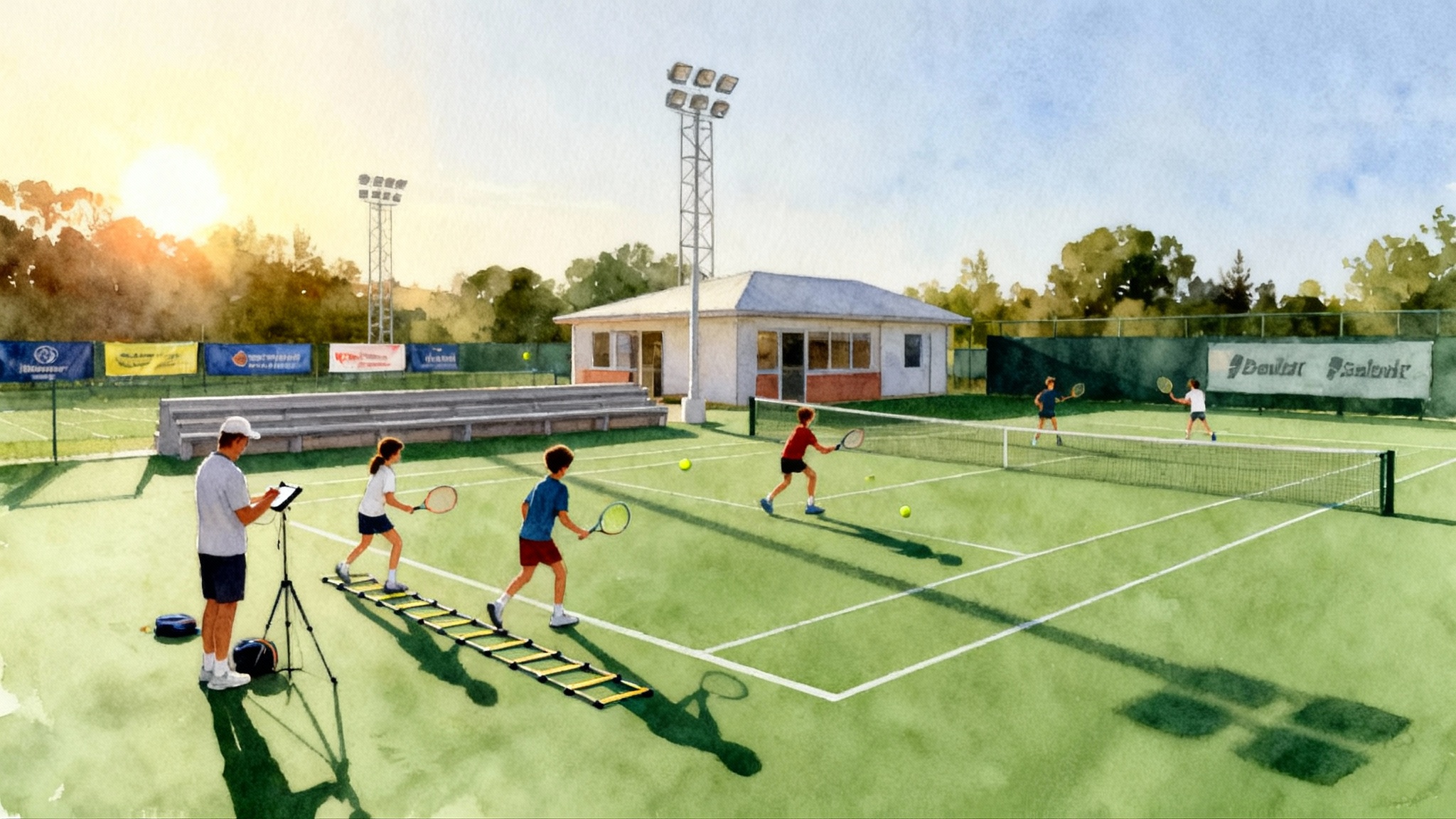
Bring a stopwatch for one visit. Count meaningful ball contacts per minute during live ball and points. If your player is at 12 to 18 contacts per minute in live ball and 6 to 10 in points, the session is efficient. If it is half that, ask the coach how they plan to lift volume without cutting feedback. Also ask who is tracking serve reps and targets per week. Efficiency is what separates strong winter programs from crowded courts.
Checklist for a trial day:
- Confirm group size, ratio, and whether assistants feed, coach, and chart.
- Ask for the day’s objective in one sentence and how success will be measured.
- Request a two-minute debrief at pickup with one technical and one tactical priority.
- Get the next three weekend match opportunities in writing.
Tournament map and smart travel
Build a rotating travel pattern so your player sees new opponents without burning out. For example:
- Chicago hub: City events and drives to Madison, Milwaukee, and Indianapolis.
- Detroit hub: Local events with periodic Chicago and Columbus weekends.
- Columbus hub: Dense local events plus Cincinnati and Indianapolis.
- Twin Cities hub: Local events with occasional Milwaukee and Chicago.
Stack three match-heavy weekends across eight weeks, then bake in a lower-impact weekend with film study and mobility. Consistency beats heroic bursts in a Midwest winter.
Budget scenarios you can actually plan
Scenario 1: Emerging competitive, two group sessions weekly
- Group training at 700 dollars per month for four months of heavy winter: 2,800 dollars.
- Two UTR events monthly for four months at 60 dollars each: 480 dollars.
- One private per month at 120 dollars: 480 dollars.
- Two new pairs of shoes and cold-weather layers: 250 dollars.
Total estimated winter: 4,010 dollars.
Scenario 2: College-track, three groups, one private, two travel weekends
- Group training at 1,000 dollars per month for four months: 4,000 dollars.
- Four UTR or USTA events monthly for four months at an average of 90 dollars: 1,440 dollars.
- Weekly strength at 80 dollars per month: 320 dollars.
- Weekly private at 140 dollars per hour for 16 weeks: 2,240 dollars.
- Two drive-to travel weekends with hotel and food at 450 dollars each: 900 dollars.
Total estimated winter: 8,900 dollars.
Use these as planning anchors and ask each academy to quote a season package that combines group, fitness, and in-house match play. Packages with guaranteed match days provide the most value per dollar.
The bottom line
A strong Midwest winter plan is not about chasing the one perfect academy. It is about securing dependable indoor time, building a weekly rhythm of training and match play, and choosing a community that can carry your player through the long months. Start with capacity and schedule, insist on a clear progression and measurable reps, and map travel that adds variety without exhausting your family. If you do that, the 2025 to 2026 season can be both productive and sustainable, and your player will be ready to bloom as soon as the snow melts.