Best Tennis Academies in Germany 2025–2026: Berlin, Munich, NRW
A comparison-first buyer’s guide to Germany’s top tennis academies for 2025–2026. We spotlight Berlin, Munich, and North Rhine–Westphalia, with ToBe and TennisTree profiled, plus coaching ratios, indoor access, schooling, budgets, and tournament pathways.
 Tommy
Tommy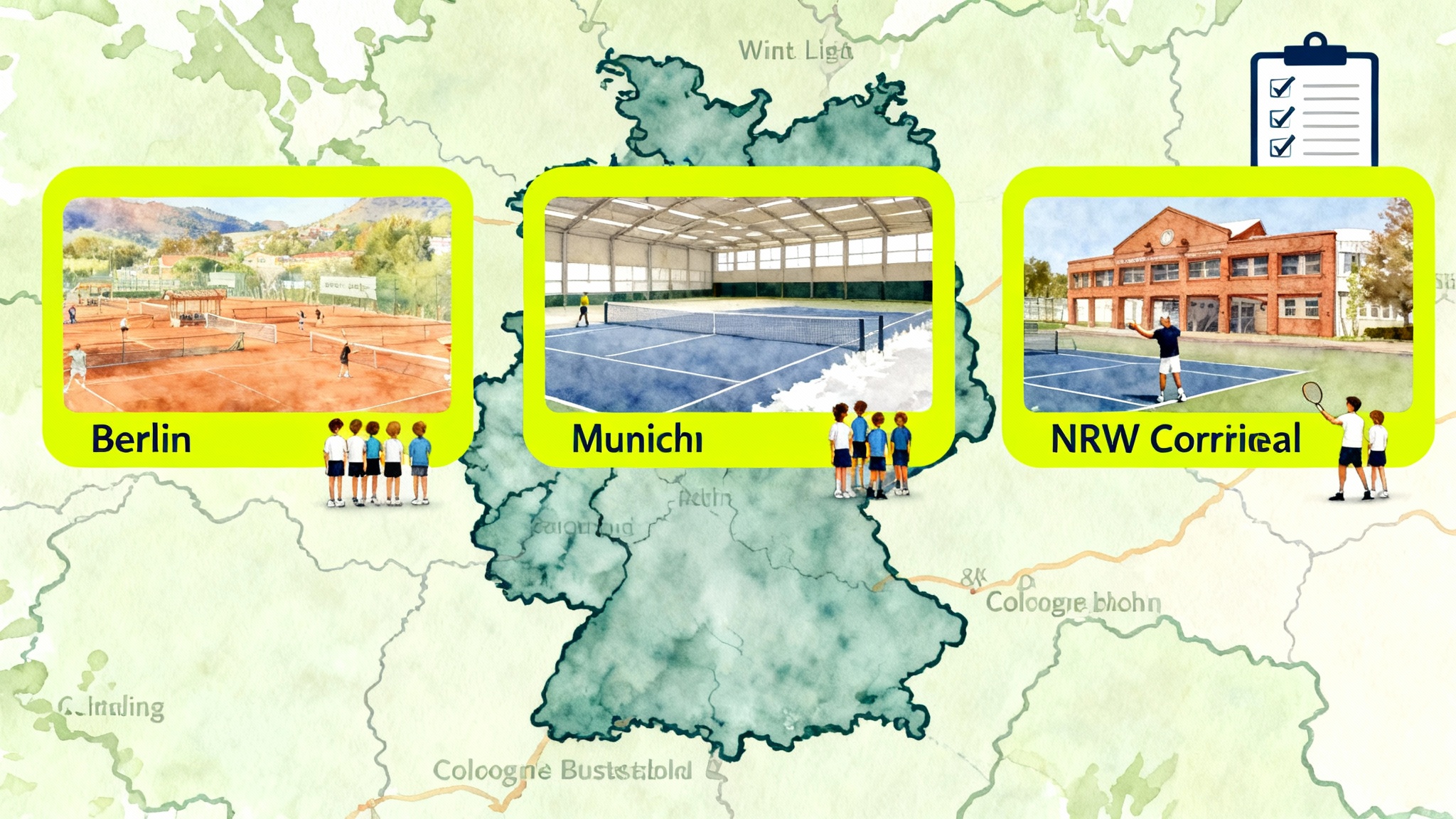
How to use this guide
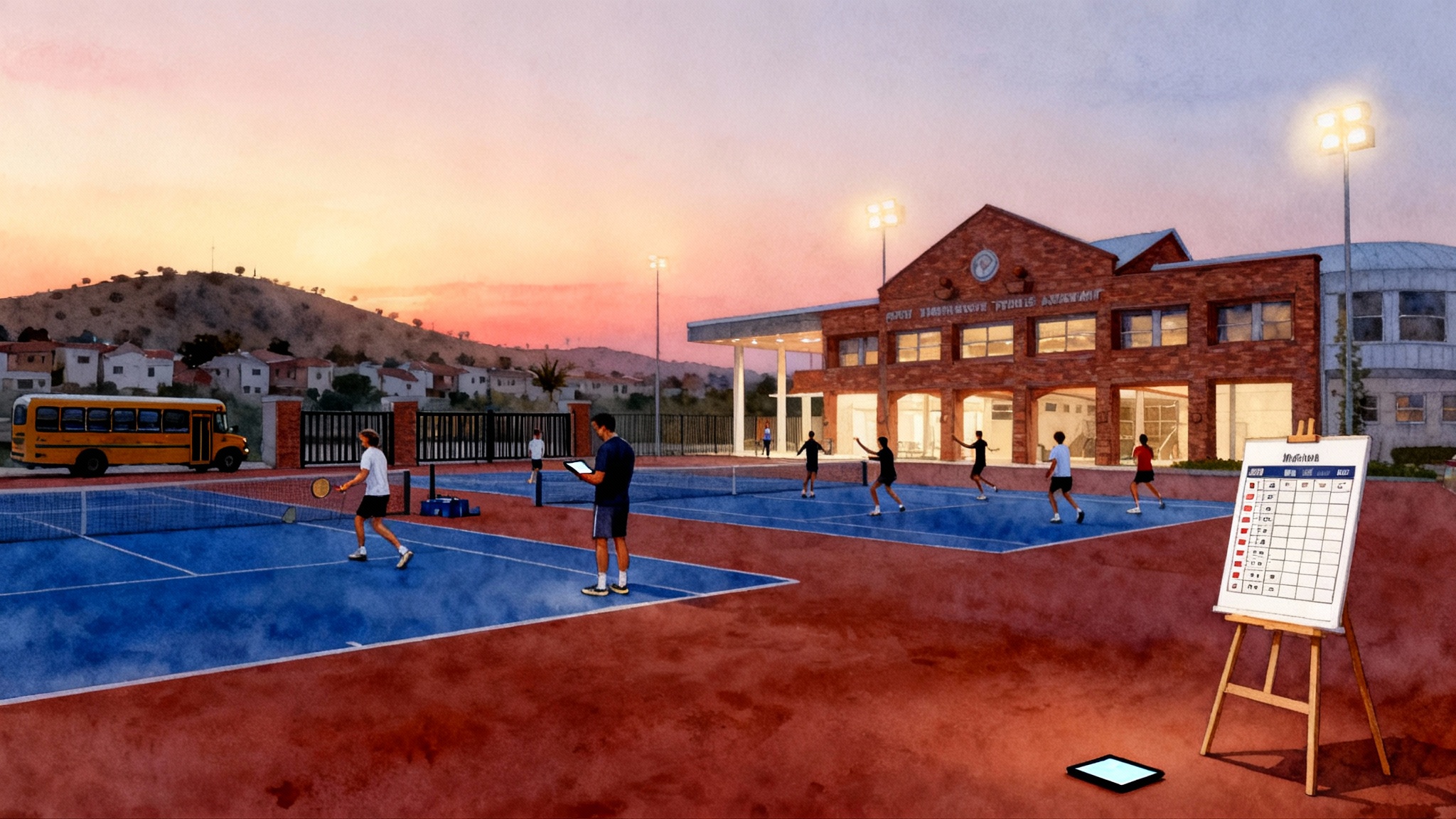
If you are comparing German tennis academies for 2025–2026, start with three decisions: where you will live, how you will train in winter, and which tournament pathway you want. This guide zooms in on Berlin, Munich, and North Rhine-Westphalia. We feature TennisTree Academy profile in Berlin and ToBe Tennis Academy overview in Alsdorf, then weigh Munich contenders. Along the way, you will find checklists, sample weekly plans, and budget tiers for juniors, parents, and adult competitors.
Note on terms: you will see “NRW” below. It stands for North Rhine-Westphalia, Germany’s most populous state and a tennis hotbed anchored by Cologne, Düsseldorf, and the Ruhr area.
If you are also comparing wider Europe, see our France academies 2025–2026 guide.
What actually matters when you compare academies
Think about the selection like you would compare a school and a gym at the same time. The best choice aligns your coaching, surfaces, indoor access, academics, and tournament schedule.
- Coaching quality and ratios: Ask for the lead coach’s certifications with the German Tennis Federation. Germany recognizes C, B, and A coach licenses. C is a club license, B is performance oriented, and A is the highest performance license. For group work, ratios of 1 coach to 3–4 players deliver technical and tactical quality. Ratios of 1 to 5–6 are economical for drilling and patterns but need planned video or basket work to keep quality high.
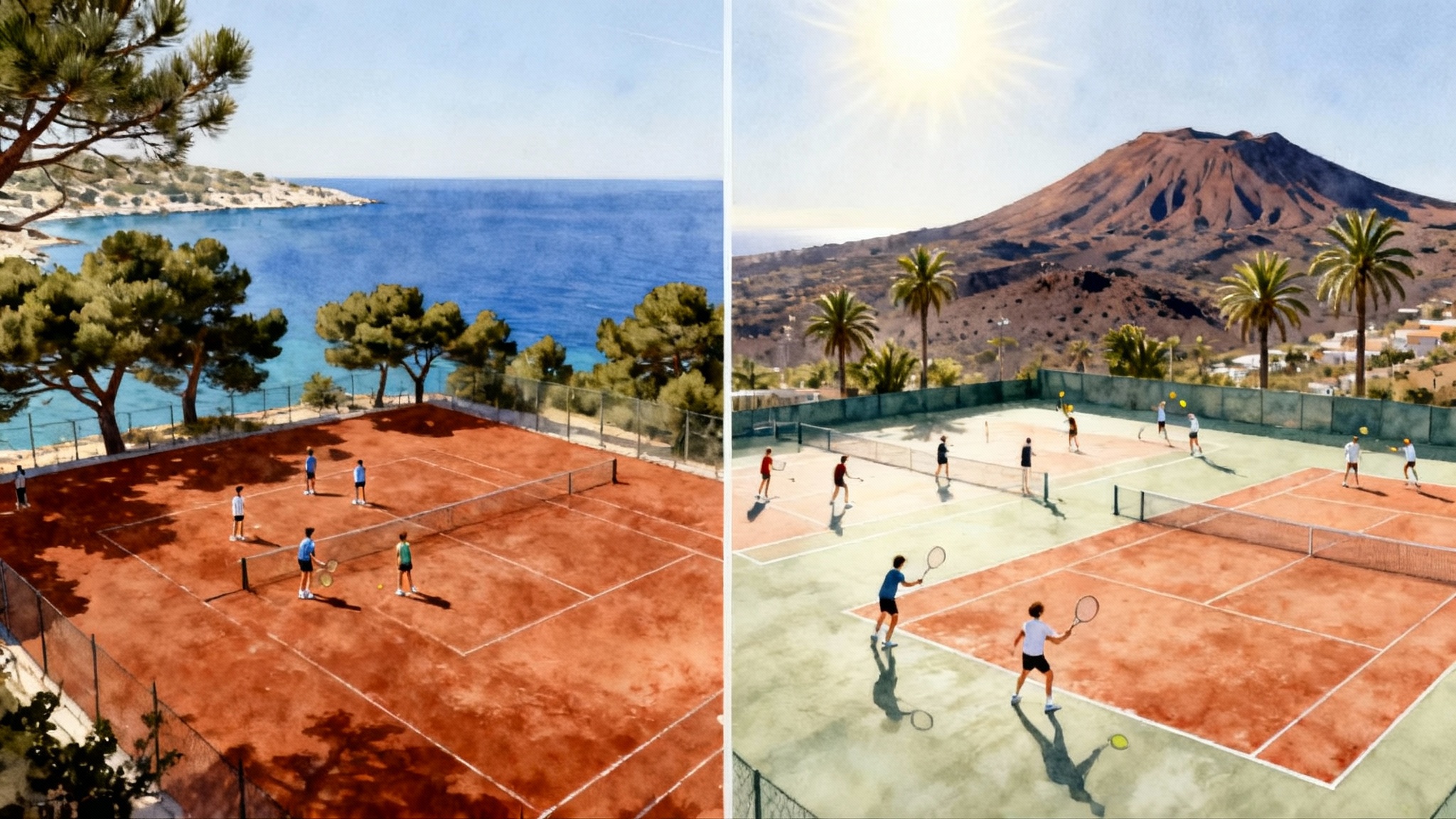
- Surfaces and match realism: Germany is a red clay country from April through October, while many indoor halls switch to hard or carpet in winter. If your goals include Tennis Europe or ITF clay swings, bias toward academies with easy clay access even late in the fall.
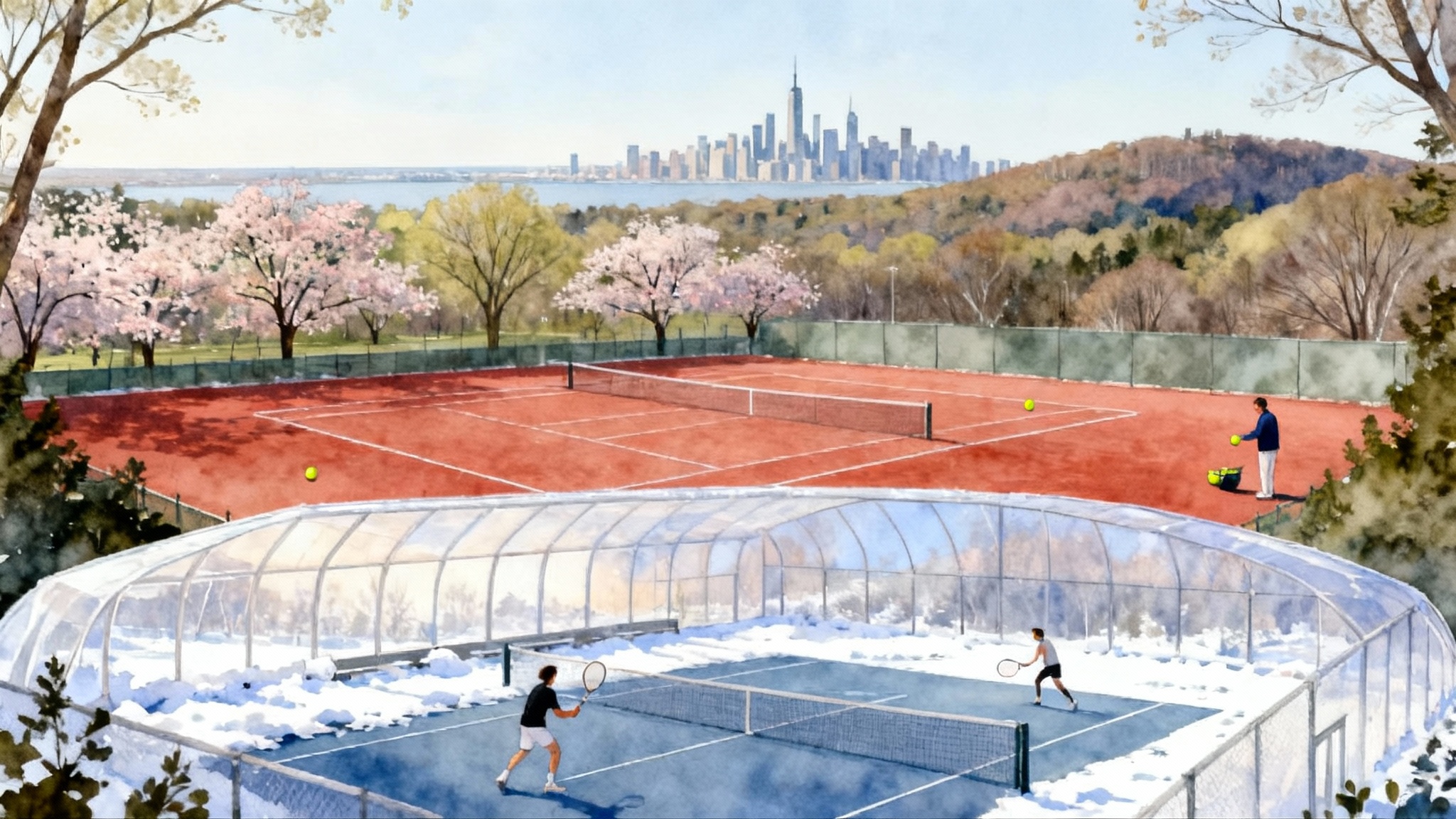
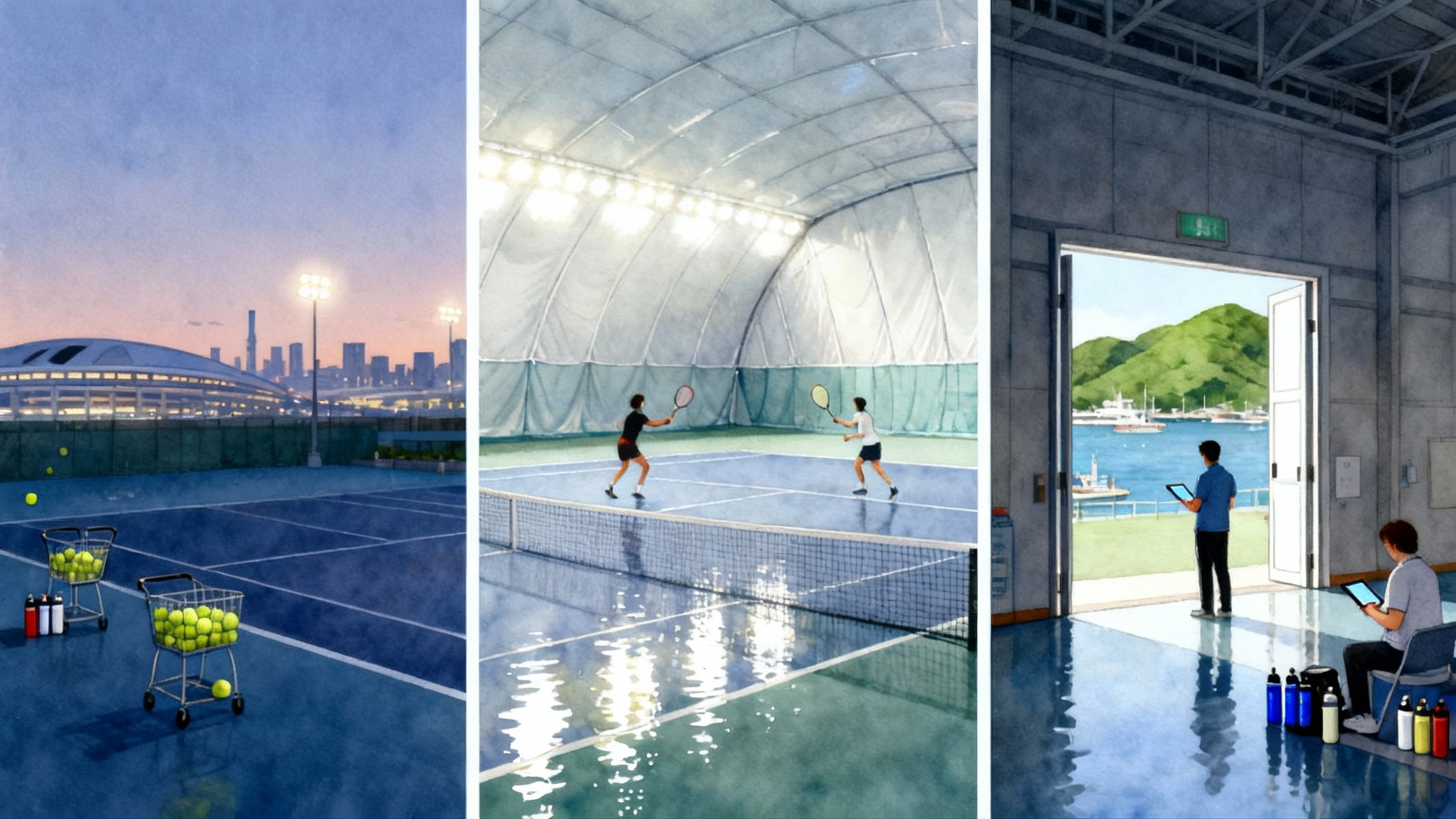
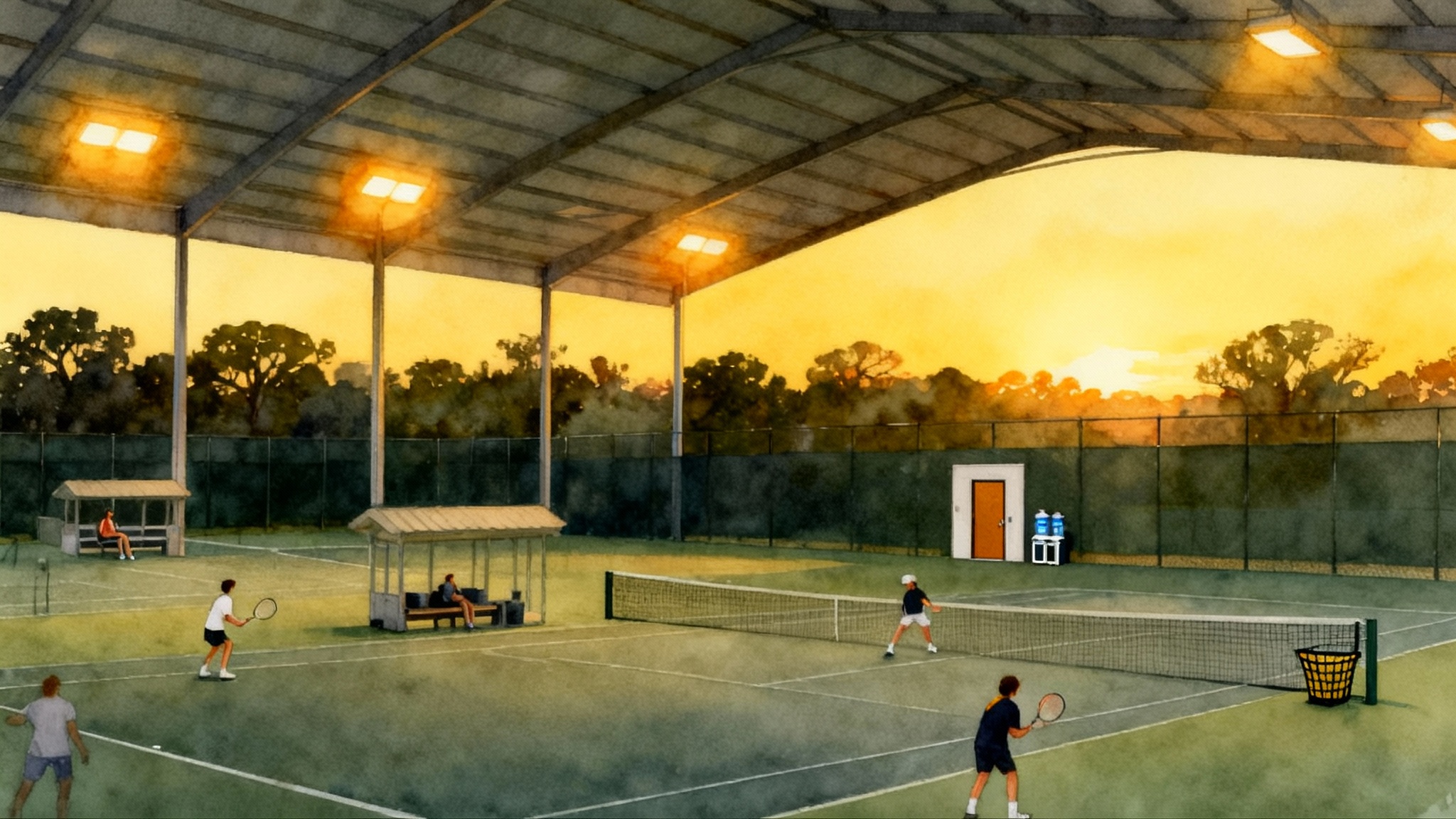
- Winter training: Indoor halls are scarce at prime time. Ask how many guaranteed indoor hours the academy controls, which surfaces are available, and what happens when snow or frost closes outdoor clay.
- Academics and boarding: Clarify whether the academy offers on-site boarding, partner housing, or none at all. For school, ask about local Gymnasium or international school partners, flexible timetables, and supervised study halls.
- Pricing and transparency: Strong academies publish or quote all-in price ranges for training blocks, fitness, physio, and indoor court fees. Ask for a sample invoice for one month in winter and one in summer.
- Tournament pathway support: For juniors, the typical ladder is regional DTB events, Tennis Europe Under 14 and Under 16, then ITF Junior. Adults move through DTB Open, regional league play, and ITF World Tennis Tour. The academy should help with entries, wild card requests, travel groups, and post-match analysis.
Region cheat sheet: Berlin, Munich, and NRW
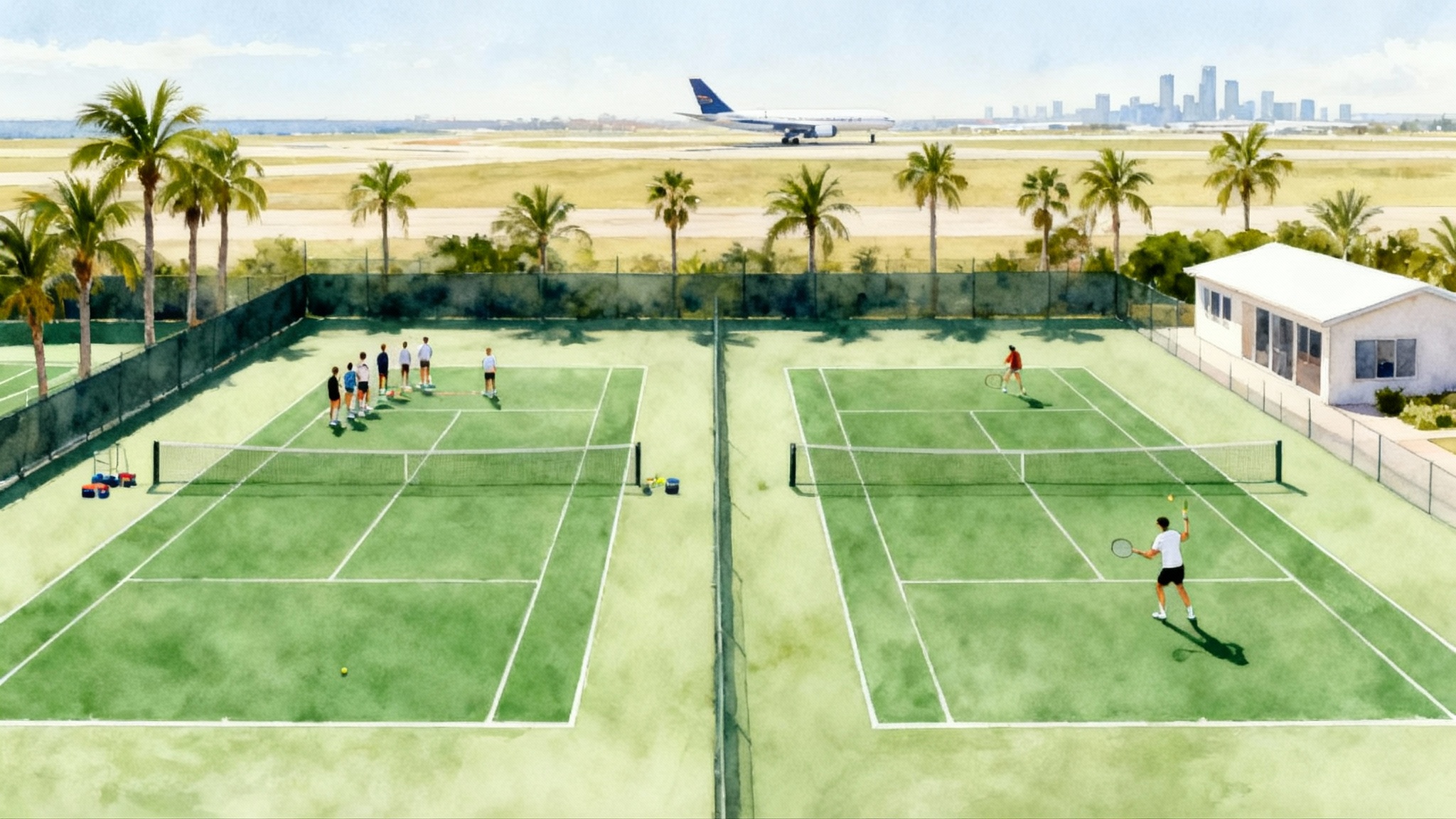
- Berlin: Big-city energy, good airport access, lively club culture. Winter indoor slots are competitive, so slot security matters. Clay is common in summer; indoor surfaces vary between hard and carpet.
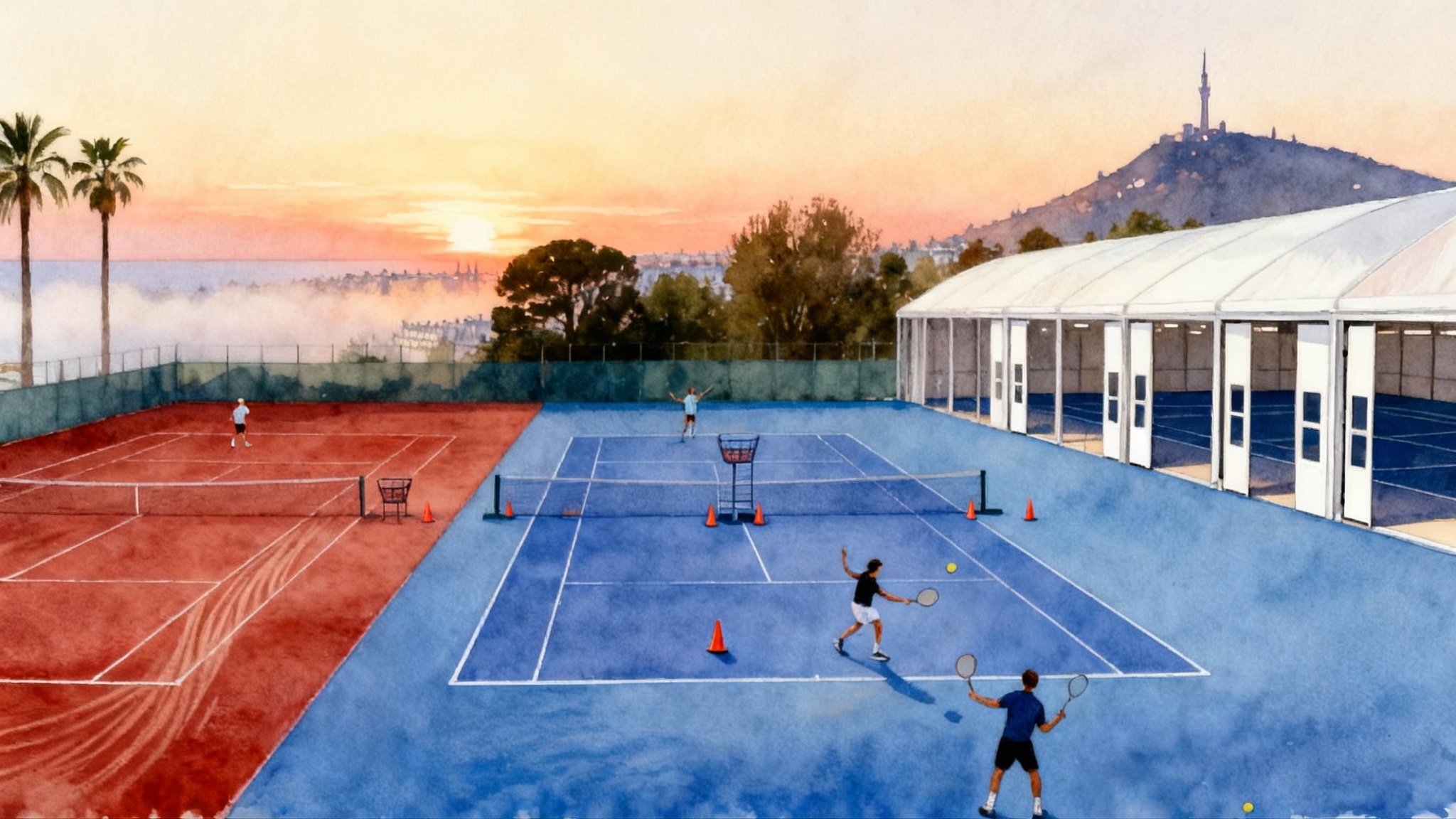
- Munich: Bavaria’s performance hub with a national training base and an ecosystem of clubs. Winters are cold, so reliable indoor hard is a big advantage. Summer offers red clay almost everywhere.
- NRW: Densely populated belt of cities with many indoor centers and tournaments within short drives. You can plan a season that mixes DTB events and cross-border trips to Belgium and the Netherlands.
Academy snapshots you will likely shortlist
Munich area contender: TennisBase Oberhaching
Munich’s headline option is the national performance hub at Oberhaching, which serves both top pros and elite juniors. It combines a boarding option, an on-site performance facility, and identical indoor hard courts that make winter planning straightforward. You can review current facilities and setup on the DTB Oberhaching base profile.
Who thrives here
- National-track juniors who want daily squads with high-intensity hitting and integrated strength and conditioning
- Players who need structured access to physio, testing, and sports medicine alongside school coordination
What to ask for
- How visiting or non-squad players integrate into weekly plans
- Specific indoor allocation in January and February
- School partnerships and whether your child can enroll midyear
Munich club pathway: MTTC Iphitos performance program
Iphitos is a historic Munich club with a modern indoor center and a performance program that runs group and individual training for juniors and adults. The club keeps group sizes small in scheduled training blocks and runs seasonal indoor programs with published hall prices. For local or regional competitors who live in Munich, this is a pragmatic pathway with strong coaching and consistent match play.
Who thrives here
- Juniors who compete in regional DTB events and want high-quality squads without boarding
- Adults preparing for club league seasons who prefer a club environment with flexible private lessons
What to ask for
- Maximum group sizes in your child’s training band
- Indoor court surface for winter blocks and how ball fees are handled
- Add-on fitness and whether recovery services are available on-site
Berlin feature: TennisTree Academy
Based in southwest Berlin, TennisTree focuses on game-based learning and decision training. Sessions rely on problem solving and scenario-based games to grow Tennis IQ, and the staff lists German Tennis Federation licensing among its coaches. If your child responds to constraints-led learning or you are an adult competitor who wants tactical improvement through realistic situations, this model can be a fit. Review the current staff and approach on the TennisTree Academy profile.
Who thrives here
- Juniors who learn best through challenges rather than static repetition
- Adults who want tactical decision making and competitive drills designed around patterns they actually face on court
What to ask for
- Coach-to-player ratios by age and level
- Winter plan for indoor access in peak hours and typical surfaces
- How match play is organized on Fridays or weekends
NRW feature: ToBe Tennis Academy, Alsdorf
In Alsdorf near Aachen, ToBe centers on elite group training led by former professional Tomas Behrend, with fitness and mental support woven in. Training runs at the local club and partners, with summer clay access and nearby indoor options for winter blocks. This program suits driven juniors and committed adults who want individualized progress tracking within a small elite group. Confirm current schedules, coach availability with Tomas directly, and winter hall allocations on the ToBe Tennis Academy overview.
Who thrives here
- Juniors seeking a small, competitive training cell with clear accountability
- Adults who want targeted technical upgrades plus periodized fitness and mental prep
What to ask for
- Group sizes in the elite block and how often the head coach is on court
- Where winter indoor hours are secured and typical weekly volume
- How tournament travel and match coaching are handled across NRW and nearby countries
NRW contender: Ruhr area camp and squad ecosystem
NRW’s Ruhr corridor offers a dense network of year-round programs and camps in Mülheim, Duisburg, Düsseldorf, and Cologne. The appeal is practical. You can train indoors on hard or carpet in winter, drive to frequent DTB and match-play events, and build a tournament calendar without long travel days. If you are a family that values a normal school week and a busy weekend schedule of regional competition, NRW often fits that lifestyle.
Sample weekly plans you can hand to an academy
Below are realistic templates you can request. Swap surfaces based on season, and adjust volumes for age and competition level.
Junior performance pathway, age 13–16, in school
- Monday: 90 minutes tennis technical with ratio 1 to 3, 60 minutes strength and mobility; evening homework block with supervised study
- Tuesday: 90 minutes tactical patterns on clay with serve plus one and return plus first ball patterns, 45 minutes speed and agility
- Wednesday: 60 minutes video review and basket work, 60 minutes fitness circuit, light hit 45 minutes
- Thursday: 90 minutes situational points and pressure games, 30 minutes prehab, 15 minutes recovery
- Friday: Match play two sets with third set tiebreak, plus 30 minutes serve routine and return reps
- Saturday or Sunday: Local DTB event or internal ladder; if no match, 75 minutes doubles drills
Adult competitor, USTA 4.0 to 5.0 equivalent, living in Berlin or Munich
- Monday: 60 minutes private lesson focused on serve accuracy and second serve spin
- Wednesday: 90 minutes high-tempo drilling with 1 to 3 ratio; target depth windows and directional control
- Friday: 90 minutes league team match play with coaching between games, plus 20 minutes mobility and trunk work
- Weekend: Singles match or doubles league, 20 minutes of serve targets before warmup
Boarding junior at a performance base
- Monday to Friday morning: 90 minutes tennis and 45 minutes athletic training before classes
- Afternoon: 90 minutes tennis with a weekly theme, alternating between offense from the middle, defense to neutral, and transition play
- Evening: Study hall 60–90 minutes
- Saturday: Match play block, debrief with notes and video tags
- Sunday: Recovery and light hit or day off
Budget tiers for 2025–2026 and what you actually get
All numbers below are typical ranges in Germany and will vary by city, program, and indoor fees. Always ask for a sample winter invoice.
- Local club performance track: Usually the best value for players who do not need boarding. Expect two to three group sessions and one private per week, shared fitness once or twice. Winter adds indoor court fees. Action item: request a monthly plan with group sizes and whether balls are included.
- Academy commuter plan: More tennis and fitness volume with access to squads and structured match play. You may pay a monthly academy fee plus per-session court costs in winter. Action item: ask for the indoor allocation and a cap on additional hall fees.
- Boarding or national base: Highest cost because it bundles coaching, indoor access, housing, meals, physio, and schooling support. Action item: request the written weekly plan, boarding rules, and the list of included services such as physio consults, testing, and tournament travel.
Cost drivers to check line by line
- Indoor winter hours and the surface premium for hard courts
- Private lesson rate differentials for head coach versus assistant coach
- Physio assessments, taping, and recovery tools
- Tournament travel day rates for coaches and how costs are shared among players
Tournament pathways you can build from these hubs
Juniors
- Germany to Europe: Start with DTB regional events and state championships. Add Tennis Europe Under 14 and Under 16 events to build travel skills and ranking. Transition to ITF Junior events by Grade J60 and J100 with careful peak planning.
Adults
- League to ITF: Use club league play to build pressure reps. Mix in DTB Open prize money events. If you chase points, plan ITF World Tennis Tour pre-qualifying opportunities and local wild card tournaments where available.
- What a good academy does: Creates a three-month mesocycle with one hard week, one medium week, and a taper week before your key events. The coach should attend at least one match per month for live feedback.
A practical comparison checklist to bring on your visits
Coaches and squads
- What is the default ratio for my level and age, and how is it enforced on rainy or crowded days
- How many on-court hours does the head coach deliver weekly, and which sessions are delegated to assistants
- Which coaches hold German Tennis Federation B or A licenses and who manages performance juniors
Surfaces and facilities
- How many clay courts can we count on from April to October
- How many indoor hard courts are under the academy’s control in January and February
- Is video analysis available on demand and who reviews it with the player
Academics and boarding
- Which schools partner with the academy and can we visit the school before committing
- Is there a supervised study hall with set hours and what is the homework policy during travel
- For boarding, who is the live-in supervisor and what is the weekend curfew and meal plan
Scheduling and tournaments
- Who handles entries and which software or spreadsheets track deadlines and acceptance lists
- How many coach travel days are planned per month, and how are costs split among players
- How are doubles partners chosen and trained
Money and transparency
- Can we see a sample invoice for a winter month that includes coaching, fitness, indoor court time, and balls
- Are there cancellation policies for illness or injury and how are missed sessions credited
- Are stringing, racquet checks, and grips included or billed separately
How the featured academies fit different buyer profiles
- Berlin, TennisTree: A good fit if you value Tennis IQ, game-based sessions, and a metropolitan lifestyle. Confirm winter hall allocation and ratios. Check whether Friday match play is built into the plan. See the TennisTree Academy profile.
- Munich, performance base: Ideal if you need a boarding option and consistent indoor hard in winter, plus an ecosystem of elite sparring. Verify your eligibility to join squads and the school plan.
- NRW, ToBe in Alsdorf: Suits families who want a tight elite group under a named head coach with fitness and mental support. Ask for head-coach court time and winter hall guarantees. Review the ToBe Tennis Academy overview.
Two visit scripts that save time
Coach meeting, 20 minutes
- Share your last three match summaries in two sentences each: opponent style, what worked, what failed
- Ask the coach to describe how the next four weeks would look to fix your biggest pattern issue
- Request a written weekly plan with ratios, surfaces, and video sessions marked
Facility walk-through, 15 minutes
- Stand on each surface you will train on in winter and summer
- Check the fitness area and ask who writes the athlete’s plan and who supervises
- Find the study hall or meeting room where debriefs happen and ask how often reviews occur
The short list, in plain language
- Choose Berlin if you want metropolitan life and a tactical, decision-training environment with TennisTree and strong club ecosystems. Make indoor booking security your first question.
- Choose Munich if you want the stability of a performance base, boarding options, and identical indoor hard courts for repeatable training blocks. Plan early for school and squad integration.
- Choose NRW if you want short drives to many events, abundant indoor halls, and elite groups like ToBe, plus a deep regional calendar. Ask for a written winter court plan and travel calendar.
Final thought
The right academy in Germany is less about a famous name and more about the calendar you can execute. Write your weekly plan first, then choose the place that can deliver those hours, on the right surfaces, in January as well as June. If the plan fits your life and you can pay the same invoice twice in a row without surprises, you have found your match.