Best Northeast Tennis Academies 2026: NY, NJ, MA, PA Guide
A parent-focused buyer’s guide to the top tennis academies in New York, New Jersey, Massachusetts, and Pennsylvania in 2026. Compare indoor access, winter blocks, coaching ratios, UTR and USTA pipelines, academics, costs, and college placement.
 Tommy
Tommy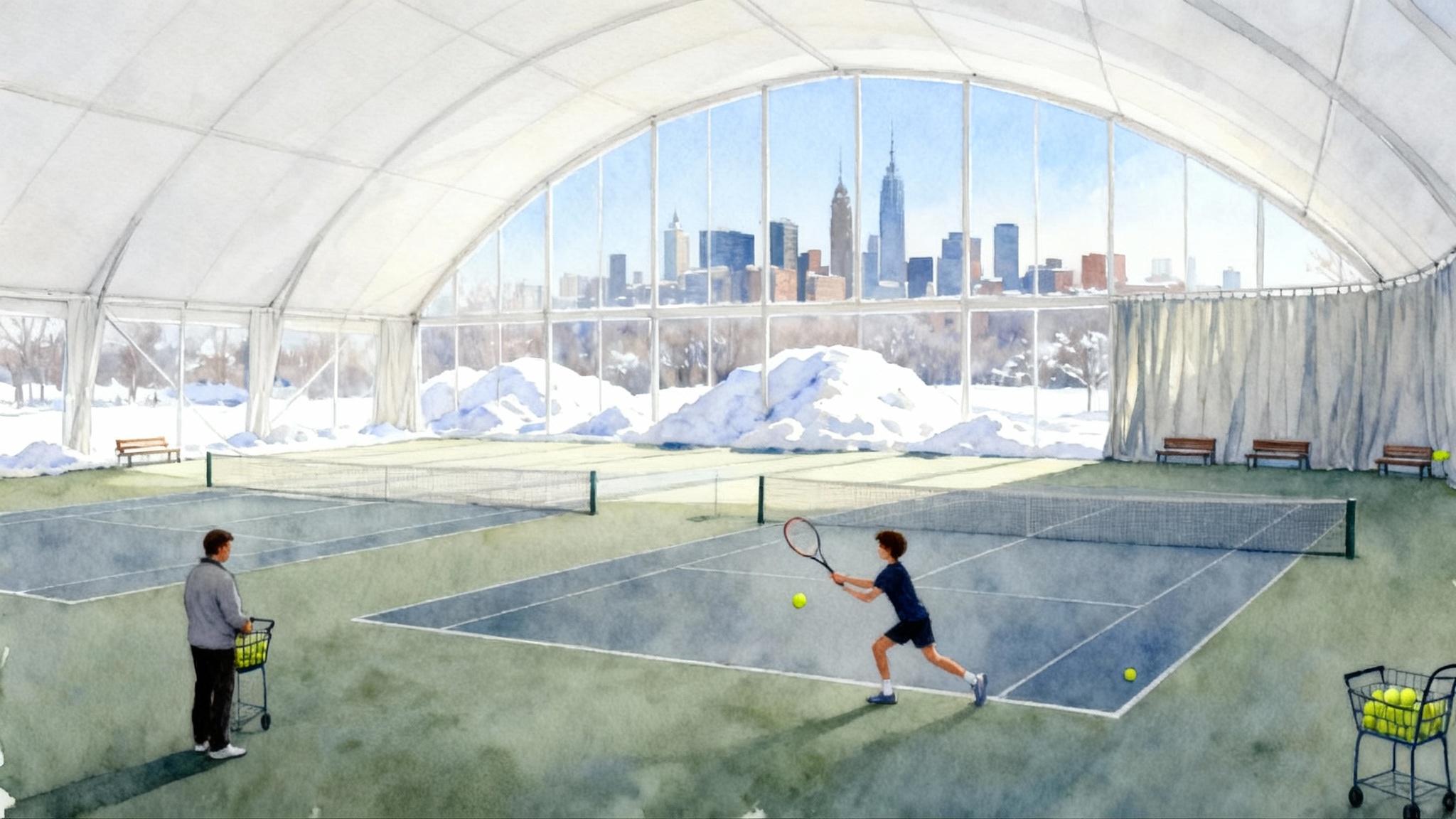
How to use this parent guide
If your player is ready for serious training, the right academy will feel like a second home: consistent courts, coaches who know your child’s game, and a calendar that fits your family’s life. This guide compares the details that matter in the Northeast for 2026, where cold weather and commute times shape almost every decision. We focus on six variables parents ask about most: year‑round indoor access, winter training blocks, coaching ratios, match‑play pipelines, academics, costs and college placement. We also point you to commute‑friendly programs around New York City, Boston and Philadelphia, and we feature Empire Tennis Academy in Rochester as a practical case study.
The six variables that separate strong programs from the rest
1) Year‑round indoor access and winter blocks
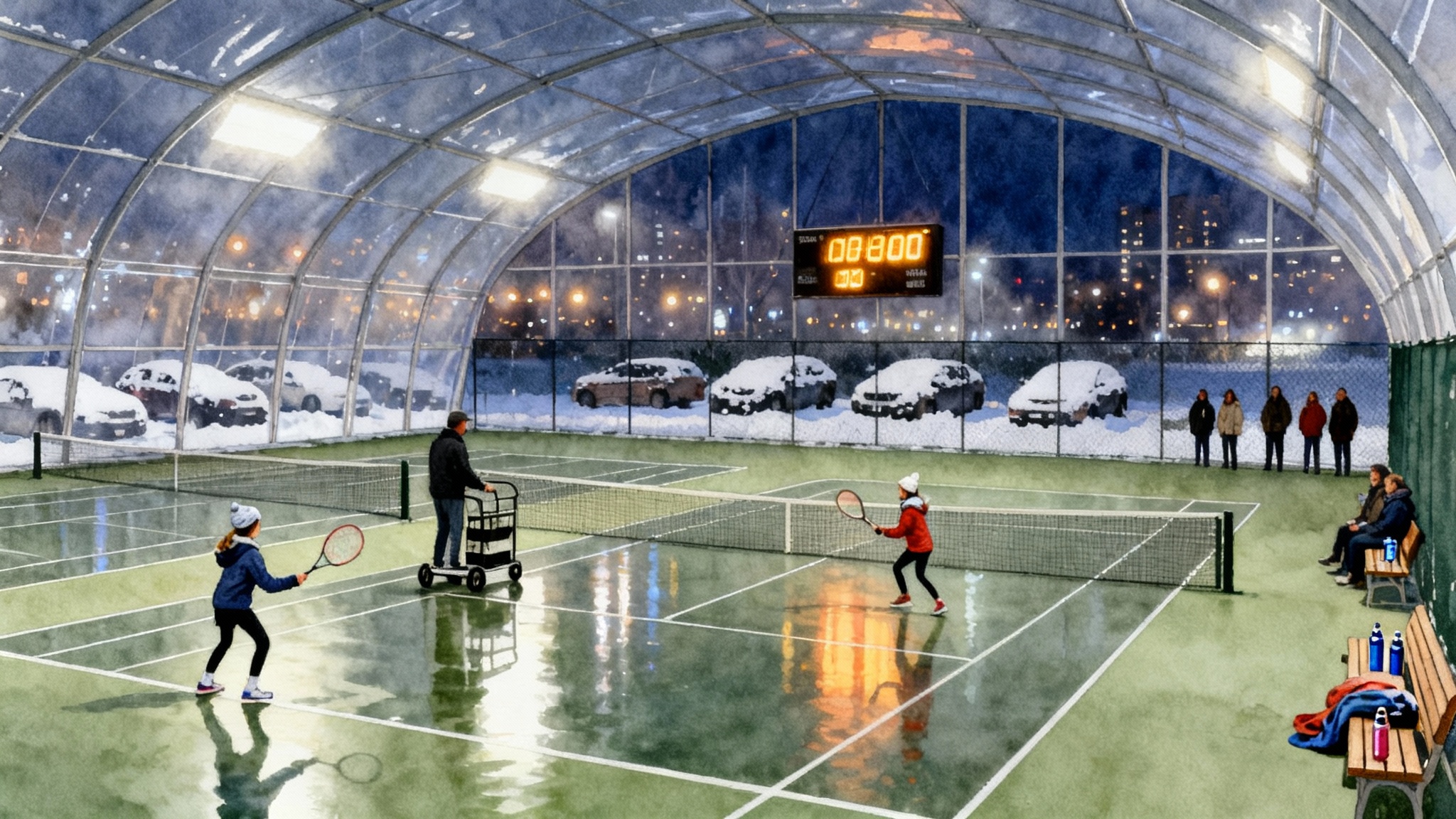
In the Northeast, indoor access is not a luxury. It is the foundation of progress from November through March. Ask three concrete questions:
- How many indoor courts does the program reliably control during peak junior hours, and on which days and times?
- How are winter training blocks guaranteed? Look for written commitments that reserve courts during specific weeks, not just general promises.
- What is the weather contingency plan for snow or freezing rain? Strong programs publish make‑up windows and coach availability in advance.
If you are comparing two similar academies, choose the one that offers hard commitments in writing for winter blocks. That piece of paper often matters more than a glossy brochure.
2) Coaching ratios and court culture
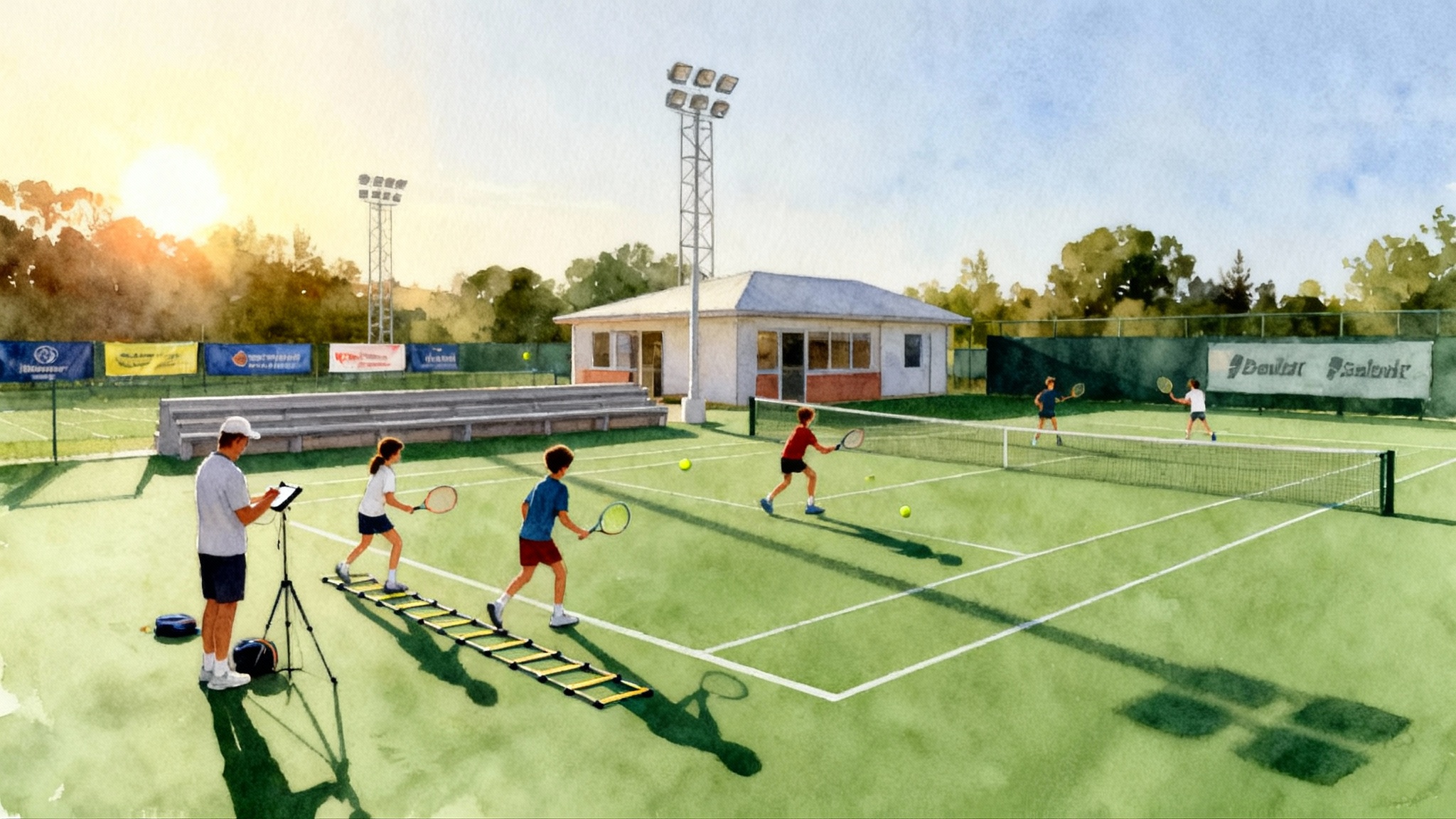
Coaching ratio is the fastest way to sense day‑to‑day quality. In performance clinics, target 3 to 5 players per coach on one court during live‑ball and point‑play segments. On larger technical drilling blocks, a ratio of 4 to 6 can work if players rotate quickly and the coach feeds with purpose. Pay attention to culture, too. Are phones off courtside? Do coaches track daily themes and hold players accountable for footwork and recovery patterns? Quiet courts can be just as intense as loud ones. What you want is repetition with specific feedback and enough space between players to swing freely.
3) UTR and USTA pipelines that actually run
Two systems now shape junior tennis in the United States:
- Universal Tennis Rating, or UTR, which is a level‑based rating updated by verified results. If your player does not log frequent verified matches, the number will not reflect real level. Read the official explanation of how the UTR rating is calculated.
- United States Tennis Association, or USTA, junior tournaments, which run from Level 7 for newer competitors up to Level 1 national championships. Strong academies have an easy, well‑marked path into local match play, sectional events and summer travel blocks.
When you visit a program, ask to see a printed or online calendar of in‑house match play, UTR verified events and the weekends they expect players to compete. A real pipeline is visible on a calendar, not just described in a sales meeting.
4) Academics: day programs, full‑time tracks and boarding
In the Northeast, most juniors train after school and on weekends. Some programs offer full‑time tracks with morning practice, mid‑day academics through partner schools or online platforms, and afternoon competition. Boarding options are limited in the region compared with Florida, so if your player wants an immersive schedule without moving states, look for full‑time day academies that coordinate academics directly with families. If you are weighing a winter escape or long‑term relocation, our Florida junior academies guide explains how warm‑weather programs structure school and training. Always request the academic contact, not just the tennis director, and confirm attendance expectations, testing windows and travel flexibility for tournaments.
5) Cost clarity and total calendar math
Indoor tennis is expensive, so budgeting by the week prevents surprises. Build a sample month that includes:
- Training block fees
- One private lesson
- One to two UTR or USTA events with entry fees
- Strength and conditioning, if billed separately
- Travel for one out‑of‑area tournament per quarter
Many families find that a consistent two‑day clinic plan plus one weekly private lesson offers the best cost‑to‑progress ratio. If your player is competing for a varsity college pathway, plan for more frequent match play and a larger summer tournament budget. Insist on itemized invoices. Hidden costs usually appear as facility fees, coach travel charges for tournaments and stringing.
6) College placement that is real, not magical
Good academies help you translate tournament results and video into credible outreach to college coaches. Great academies create plans with checkpoints. Ask for two things: a list of colleges where their recent athletes have actually committed in the last two years and a contact protocol that spells out who emails coaches, who edits video and when you start. Placement success is mostly about consistent results, verified ratings and smart targeting rather than single marquee wins.
Commute‑friendly options by metro
Below are examples of programs that families around New York City, Boston and Philadelphia often consider. Use them to build a shortlist and then compare ratios, calendars and costs side by side.
New York City area (NY)
- John McEnroe Tennis Academy at Sportime Randall’s Island: A year‑round New York City base with level‑based junior tracks and scholarship pathways through community partners. For many city families, the draw is predictable court access and a deep ladder of sparring partners. Commuting is workable from Manhattan, Queens and parts of the Bronx.
- Court clusters in North Jersey that serve NYC commuters: Tenafly and Bogota clubs in Bergen County give West Side and Northern New Jersey families reliable access without river crossings. Families often choose these sites for shorter drives after school and strong winter consistency.
- Centercourt sites in Chatham and Marlboro: Multiple indoor courts, structured performance pathways and frequent UTR and USTA activity make these locations practical for Morris, Union and Monmouth County families. If you split weeks between school teams and academy sessions, ask about flexible winter blocks.
Commute tip: look for a realistic 25 to 50 minute door‑to‑door window on school nights. If you need to cross bridges or tunnels after 4 pm, build in a 15 minute buffer and pick a program that runs two start times so you can slide if traffic snarls.
Boston area (MA)
- Longfellow junior performance tracks in Wayland and Natick: A well‑known pathway from orange and green ball into high performance groups. Families appreciate the suburban parking and consistent start times, which matter on dark winter afternoons.
- Sportsmen’s Tennis and Enrichment Center in Dorchester: A nonprofit hub with numerous indoor courts, a defined UTR placement process and frequent events. Parents who want affordability with structure often start here, then add private lessons to fine tune.
- North Shore indoor options around Manchester‑by‑the‑Sea: Clubs with climate‑controlled courts provide dependable winter time blocks for players living in Essex County. If you live north of the city, staying on the North Shore can save hours each week compared with driving around downtown.
Commute tip: factor in Route 128 and Mass Pike traffic patterns. Many Boston‑area families book slightly later winter sessions so kids can eat, decompress and arrive on time.
Philadelphia area (PA)
- Legacy Youth Tennis and Education in East Falls: A comprehensive center with indoor and outdoor courts, a defined tournament training pathway and educational support. This is a strong all‑in‑one option for families who want a clear route from development to sectional play.
- High Performance Tennis Academy sites along the Main Line: Locations in Bala Cynwyd and Villanova help families west of the city balance school and evening training without long cross‑town drives.
Commute tip: the Schuylkill Expressway can turn thirty minutes into fifty. For consistent attendance, choose facilities near school or along your evening route home.
Case study: Empire Tennis Academy, Rochester, NY
Rochester has real winters, which makes indoor planning an honest test for any academy. Empire Tennis Academy in Rochester is headquartered at The Harley School campus and pairs year‑round programming with a strong match‑play culture. Here is how to evaluate a similar option anywhere in the Northeast, using Empire’s approach as a lens.
- Calendar commitment: Empire posts seasonal schedules in advance and fills them with clinics that move from technical foundations to live‑ball and match play. Parents can see when the courts are reserved for their child’s level.
- Match‑play expectation: The academy tells intermediate and advanced juniors to compete in United States Tennis Association and Universal Tennis events each term. That expectation matters because verified results drive both improvement and visibility for college coaches.
- Ratios and progression: Players move by demonstrated skill and competitive results rather than age alone. Ask for the specific ratio during point‑play blocks and how often coaches re‑assess movement between groups.
- Facilities and weather plan: The program uses indoor and outdoor spaces across the calendar and sets a straightforward policy for make‑ups when snow hits. Parents avoid the Sunday night scramble.
- Parent takeaways: If you visit, bring three questions. 1) Which verified match opportunities are bundled with the clinic term. 2) How video is used for feedback and for college outreach. 3) What the plan is when your child outgrows the current group.
The broader lesson is this: a well‑run regional academy does not need to be the biggest to be effective. It needs predictable courts, an honest match calendar and coaches who translate drills into points.
Program types and what you actually get
- After‑school high performance clinics: Usually 90 to 120 minutes. The best sessions split time between high‑intensity live‑ball patterns and structured point play with scorekeeping. Expect targeted technical work when a recurring flaw blocks progress.
- Weekend winter blocks: Double sessions on Saturday or Sunday can accelerate development if weekday homework is heavy. Ask whether the second session shifts from drilling to points so fatigue does not flatten technique.
- Full‑time day academies: Morning fitness and on‑court reps, mid‑day academics, afternoon competition. Great for flexible learners and serious national schedules. Demand clear academic oversight and specific travel plans during peak tournament months.
- Summer tournament blocks: In the Northeast, summer is the competitive on‑ramp. Map eight to ten weeks that mix local Level 6 to Level 4 events with two or three travel tournaments. If you are exploring cost‑effective travel hubs, our Midwest tennis academies guide outlines regional options families often pair with summer circuits.
Budget planner you can customize
Below are sample monthly snapshots. Use them to compare total value, not just sticker price.
-
NYC commuter, high school varsity hopeful
- Two clinics per week in a North Jersey or NYC location
- One private lesson
- One UTR event or one USTA Level 6 or Level 7 weekend
- Stringing for two racquets
- Strength session every other week
- Action: ask for a bundled winter rate that includes match play, or negotiate a three‑month commitment with one missed‑session credit per month.
-
Boston middle schooler, development to first tournaments
- Two clinics per week in Wayland, Natick or Dorchester
- Monthly coach‑led assessment to decide when to enter first UTR event
- One half‑day weekend match‑play session per month
- Action: add a parent‑player video session every eight weeks to track progress on serve and return routines.
-
Philadelphia sectional competitor
- Three clinics per week in East Falls or along the Main Line
- Weekly match play with results recorded
- Two tournaments per month and a six‑week summer circuit
- Action: build a twelve‑month calendar that aligns school exams, travel tournaments and college showcase events. Share it with coaches so training peaks match competition.
College placement without guesswork
A clear path to college tennis starts with level‑based play, repeated results and verified ratings. Use the USTA junior tournament structure to plan a sensible ladder from Level 7 to Level 4, then add selected Level 3 and Level 2 events if results justify it. Review the national overview in the official USTA junior tournament levels explained page to see how levels and ranking points work in practice. Combine that with regular UTR verified matches so coaches can track your trend line over time. Finally, ask your academy for a written outreach timeline that begins by the end of tenth grade for most players.
Site‑visit checklist for 2026
- Watch a full clinic from start to finish. Count balls struck per minute during live‑ball segments. More touches usually mean faster growth.
- Confirm the winter block in writing. Look for specific dates and make‑up rules.
- Ask for the coaching ratio during point‑play segments and who does video review.
- Review the match‑play calendar. You want weekly opportunities during the indoor season.
- Request two recent college placement examples and what those families did differently.
- For full‑time tracks, speak to the academic coordinator and investigate the daily schedule line by line.
Bottom line
The best Northeast tennis academies in 2026 share three traits. They control indoor courts when families actually need them. They run a dependable match‑play pipeline that feeds Universal Tennis Rating and United States Tennis Association results. They make school fit tennis without friction. Start with commute, court access and calendar. Add coaching ratios and verified competition. Then test college placement claims with recent, specific outcomes. When those pieces align, your player’s effort turns into momentum that survives even the longest winter.