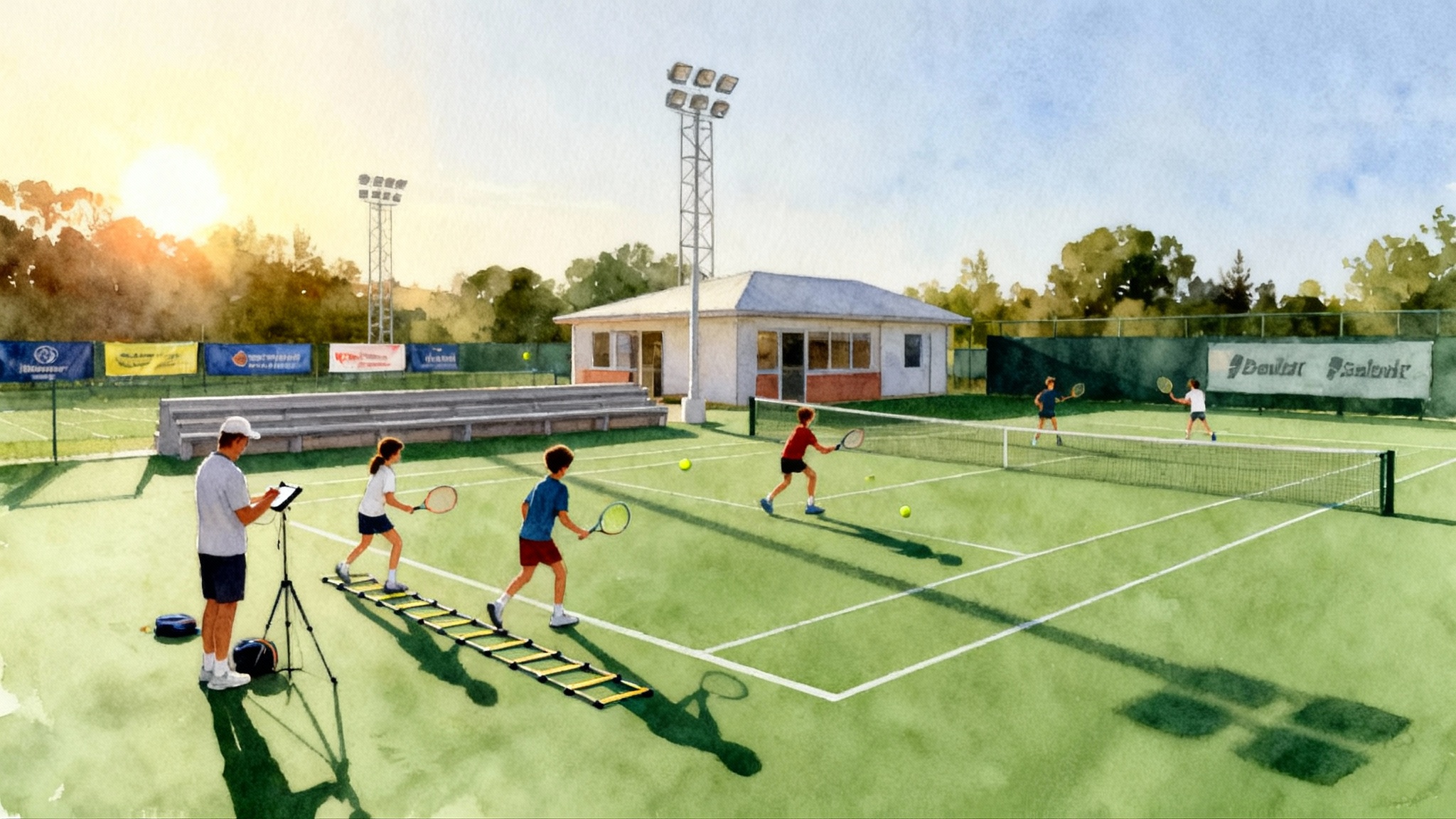
Best Tennis Academies 2026: Delhi, Mumbai, Bengaluru, Mohali
A buyer’s guide to India’s top tennis academies in 2026, comparing training models, coaching ratios, court surfaces, boarding and academics, sports science, scholarships, and tournament access. Includes city picks, budgets, monsoon plans, and a calendar.
 Tommy
Tommy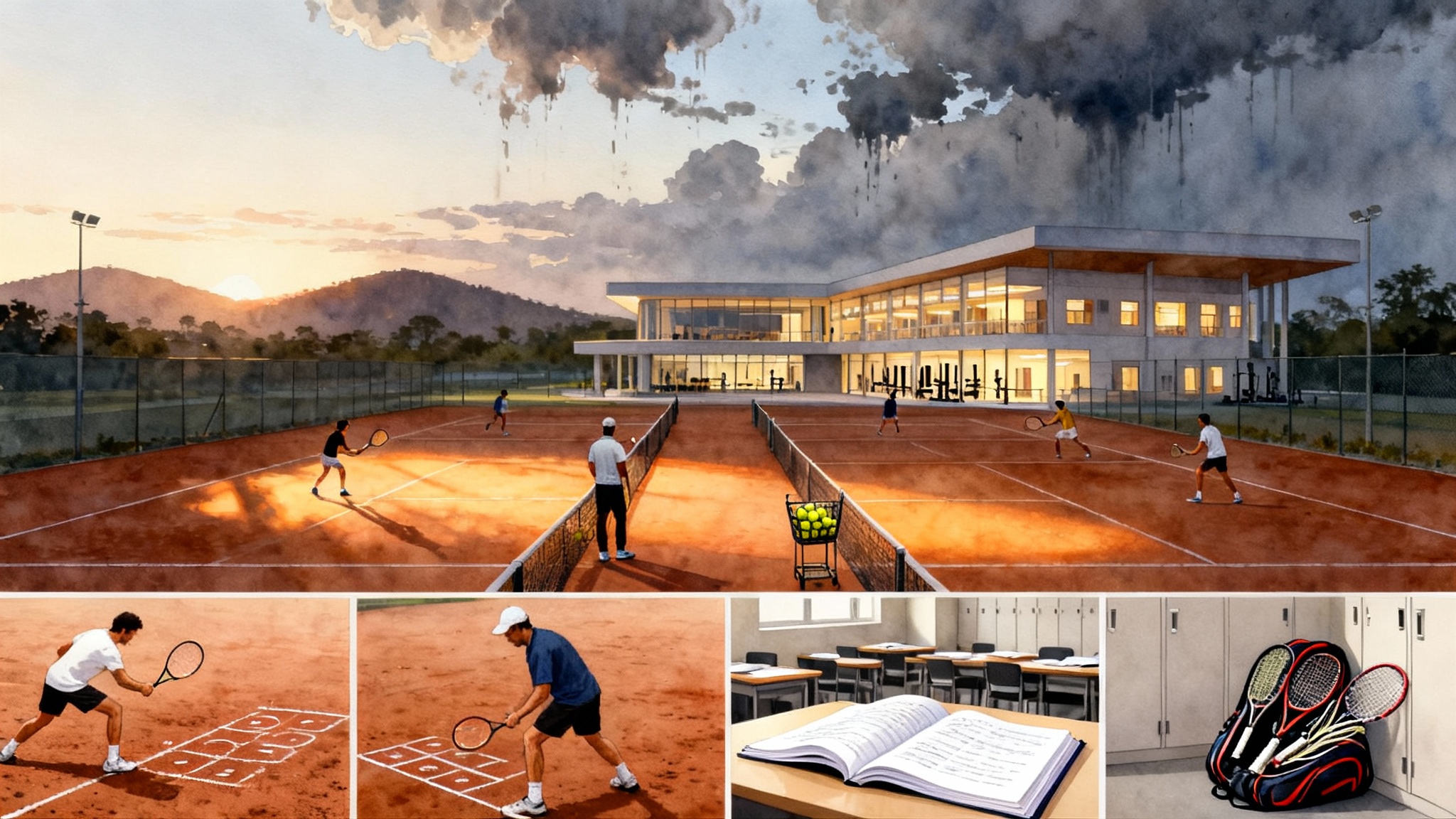
Who this 2026 guide is for
Parents choosing a first serious program, juniors aiming for college tennis, and pros polishing for the International Tennis Federation calendar all ask the same question: where will training, care, and competition line up in a way that compounds results month after month. This guide compares the strongest options in Delhi-NCR, Mumbai, Bengaluru, and Mohali, and it shows you exactly what to evaluate before you sign. We also include sample weekly budgets, monsoon season strategies, and a month by month tournament plan so you can map training to real match play.
For families researching beyond India, compare this guide with our Florida junior tennis academies and our Japan tennis academies 2026 guide.
How to compare academies, step by step
The easiest way to compare academies is to use the same checklist everywhere. Bring a notebook, watch two hours of live training, and ask for paperwork. If a program resists transparency, that is itself a data point.
- Training model: Look for a clear pathway from foundation groups to performance squads, then to elite and touring support. The pathway should list entry standards, weekly volumes, and how a player graduates from one level to the next. Ask to see a typical week for your child’s level and the planned progressions for the next 12 weeks.
- Surfaces: India’s domestic calendar leans heavily to clay and hard. A balanced academy should offer both, or have a reliable plan to access the missing surface. Ask how often your player will switch surfaces and why.
- Coaching ratio: For serious development, group ratios of 1 to 4 or 1 to 6 during live ball are realistic. Ratios above 1 to 8 are fine for fitness or footwork blocks but will not deliver enough ball contacts under supervision.
- Boarding and academics: If you need boarding, insist on a specific academic timetable, study supervision, and transport schedules. Look for weekly touchpoints among academics, coaches, and parents. For day scholars, ask about class compatible training windows and traffic realities.
- Sports science: Strength and conditioning, physiotherapy, baseline screening, and return to play protocols save seasons. Ask to see the screening form, the periodization plan, and how injuries are tracked. Video analysis should be scheduled, not improvised.
- Scholarships: The best programs publish criteria. Common models include merit based fee waivers tied to All India Tennis Association calendar rankings, need based support, and performance bonuses for ITF World Tennis Tour juniors points. Get the policy in writing.
- Competition access: You want proximity to All India Tennis Association events, ITF juniors and World Tennis Tour, and Asian Tennis Federation under 14 circuits. The academy should help with entries, hospitality planning, and travel groups.
Tip: picture the academy as a triangle. One side is coaching, one is science and care, and one is competition logistics. If one side is short, the shape collapses.
City by city picks and what each does well
These are strong starting points in each city. Visit in person, watch sessions quietly from the fence, and speak with two parents whose players are older than yours.
Delhi-NCR
- Delhi Lawn Tennis Association at R. K. Khanna Tennis Stadium, Delhi: A national hub with frequent events on the calendar and a steady stream of sparring partners. Expect a mix of hard and clay, structured squads, and excellent visibility to All India Tennis Association officials during events. The main advantage is competition access and the density of players.
- Siri Fort Sports Complex programs, South Delhi: Known for extensive court inventory and reliable group training across levels. Surfaces are mostly hard with access to clay. Ideal for day scholars who want consistent volumes and manageable commutes within South and Central Delhi.
- Noida Stadium and sector based academies, Noida: A practical option for families in Noida and Ghaziabad. Facilities vary by academy, but many run clay heavy schedules with competitive group ratios. Confirm the head coach is on court, not only on the brochure.
What Delhi-NCR does best: sheer volume of events and practice sets. If you need match play every week, this region delivers. Watch for winter smog days and midsummer heat, and plan early morning training blocks.
Mumbai
- Maharashtra State Lawn Tennis Association Cooperage center, South Mumbai: A well organized base with access to tournaments, strong coaching, and courts that train heavy through the year. The big plus is structure and event hosting experience. The challenge is commute time for players living in the northern suburbs.
- Khar Gymkhana and allied programs, Western Suburbs: Good option for younger players who need high ball volume and clear technique progressions. Courts are mostly hard, and the social tennis culture helps juniors love the sport while building habits.
- Goregaon Sports Club programs, Malad: An excellent day scholar setup for players in North West Mumbai. Confirm the performance squad roster and whether evening sessions maintain the 1 to 4 or 1 to 6 ratios.
What Mumbai does best: quality hard court repetition and organized squads. Watch for the monsoon, when outdoor training can drop unless the academy has covered courts or a monsoon plan.
Bengaluru
- Karnataka State Lawn Tennis Association Stadium programs, Cubbon Park: A flagship venue with strong event hosting, well maintained courts, and a steady pipeline of sparring partners. Hard and clay surfaces are available. The central location helps with cross city practice sets.
- Rohan Bopanna Tennis Academy, Yelahanka: High energy environment with attention to doubles patterns and serve plus one work that benefits all players. Look for structured strength and conditioning and access to match play on weekends.
- Zeeshan Ali Tennis Academy, Bengaluru: A proven performance environment with emphasis on footwork patterns, court craft, and competitive set play. It is a good fit for players who respond to clear, technical coaching and consistent discipline.
What Bengaluru does best: training consistency and technical detail. Weather is moderate most of the year, which increases weekly training volume compared with other metros.
Mohali and the Chandigarh region
- RoundGlass Tennis Academy, Mohali: The rising high performance hub in North India, attractive to both local families and international players seeking immersive training with integrated sports science. Expect a proper performance pathway, high touch strength and conditioning, nutrition input, and an emphasis on video analysis and match planning. The boarding option helps players add recovery and study supervision without losing hours in traffic. Learn more about RoundGlass Tennis Academy in Mohali.
- Chandigarh Lawn Tennis and allied programs, Chandigarh: A practical choice for families who want a city base with frequent competitive sets and short travel to events in Delhi, Punjab, and Haryana. Confirm coach presence on court and the weekly plan for tournament entries.
What Mohali and Chandigarh do best: an integrated daily rhythm for boarders and easy access to North Indian tournament clusters, which reduces travel fatigue.
Spotlight: RoundGlass Tennis Academy, Mohali
Why this academy stands out in 2026
- Complete daily model: On court, strength and conditioning, physiotherapy, and study hall are stitched into a single timetable. This reduces friction and saves energy for the hardest sessions. Players know when they lift, when they stretch, and when they sleep.
- Coaching depth and ratios: Performance groups typically run in the 1 to 4 or 1 to 6 range for live ball, with clear opportunities for private sessions focused on serve mechanics, return footwork, and repeatable rally patterns.
- Surfaces and periodization: A useful mix of hard and clay lets a player build a defend and transition game without neglecting first strike pressure. Training blocks are organized so that load peaks two to three weeks before targeted events.
- Sports science and care: Baseline screening, individualized strength plans, and measurable wellness checks protect weeks of work. A red flag system for soreness and sleep prompts load changes before small problems become layoffs.
- Boarding and academics: On site boarding keeps routines tight. Academic coordination matters during travel weeks, and the academy’s admin team supports exam schedules and make up work without leaving parents to improvise.
- Scholarships and pathways: Merit based support is aligned to performance metrics, and the academy coordinates entries for All India Tennis Association, International Tennis Federation juniors, and Asian Tennis Federation events. International players benefit from structured tournament blocks in North India that squeeze travel costs.
Who should choose it: Players seeking a fully integrated environment with a clear path from national to international competition, especially those who value recovery and data informed planning as much as ball striking.
Sample weekly budgets you can actually use
Costs vary by city and program tier. Use these example baskets to compare apples to apples. All numbers are indicative for 2026 and in Indian rupees. Replace items you do not need, then request an academy quote that follows the same structure.
- Foundation pathway, day scholar, five days per week
- Group training: 12,000 to 18,000
- One private lesson: 2,000 to 4,000
- Strength and conditioning group: 3,000 to 6,000
- Physio check in or recovery session: 1,500
- Stringing two racquets: 1,000 to 1,800
- Local travel and snacks: 2,000 to 3,000
Estimated weekly total: 19,500 to 34,300
- Performance pathway, day scholar, six days per week
- Group training with two doubles sessions: 18,000 to 28,000
- Two private lessons: 4,000 to 8,000
- Strength and conditioning with testing: 5,000 to 9,000
- Physio treatment or massage: 2,000 to 3,000
- Nutrition consult monthly, averaged weekly: 500 to 1,000
- Stringing three racquets: 1,500 to 2,700
- Local travel, meals, recovery tools: 3,000 to 5,000
Estimated weekly total: 34,000 to 56,700
- High performance boarder, six days per week
- All inclusive training block: 28,000 to 45,000
- Boarding and meals: 15,000 to 25,000
- Strength and conditioning individualization: 6,000 to 10,000
- Physio care and recovery tech access: 3,000 to 5,000
- Academic support, averaged weekly: 1,500 to 3,000
- Stringing four racquets: 2,000 to 3,600
- Miscellaneous and event entries averaged weekly: 2,000 to 4,000
Estimated weekly total: 57,500 to 95,600
How to read the numbers: the gap between day scholar and boarder is mostly time. Boarders can stack two quality sessions and proper recovery, then study on site. Day scholars may spend that hour in traffic. Add the cost of lost training, not only rupees.
Monsoon season planning by city
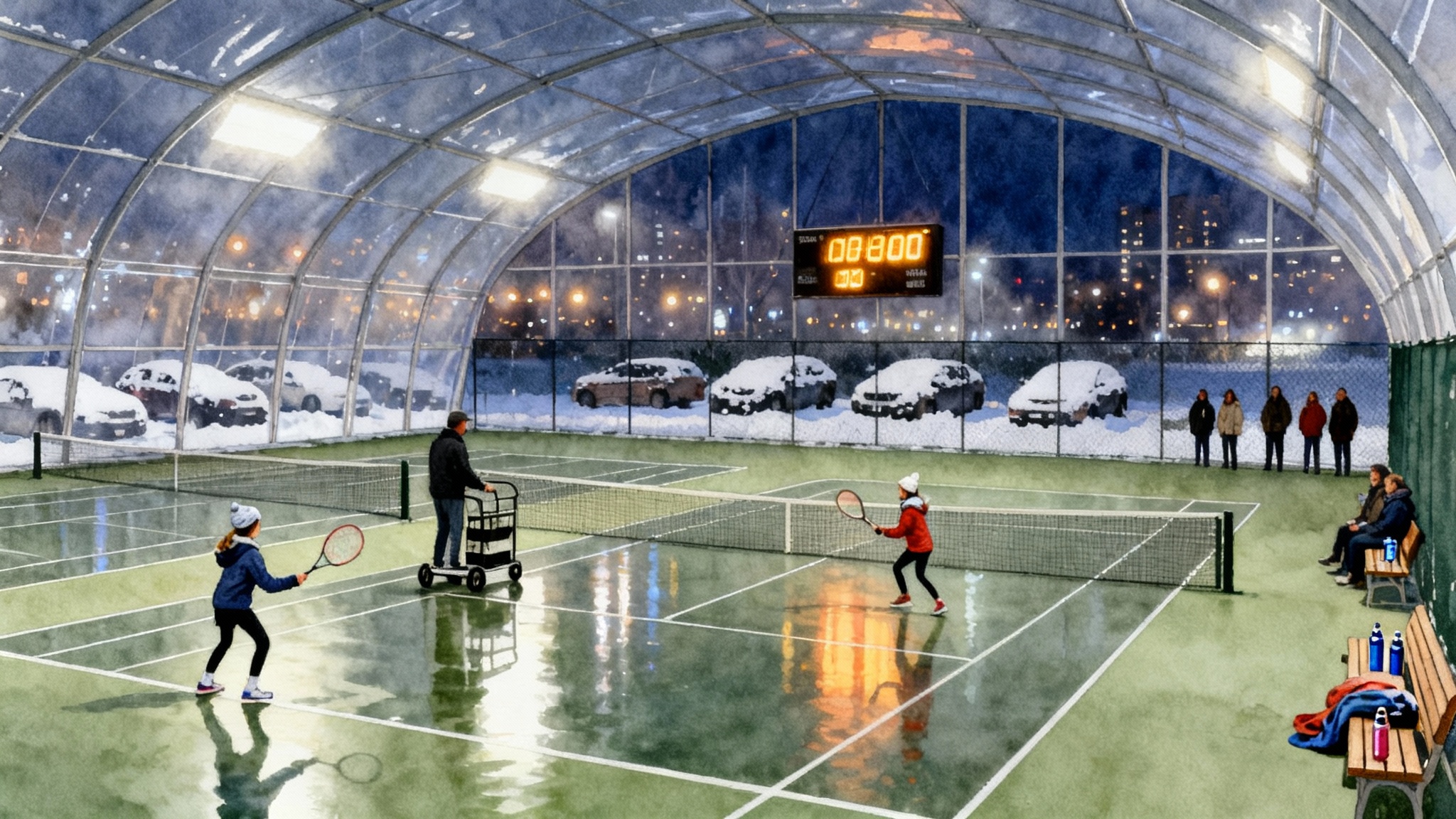
India’s rainfall can disrupt the best intentions. Build a wet weather playbook so your player does not lose rhythm between June and September.
- Delhi-NCR, July to September: Showers are periodic rather than relentless. Use early mornings, schedule indoor strength and conditioning, and run longer tactical sessions on drier days. Keep a low compression ball basket for footwork work when courts are damp but playable.
- Mumbai, June to September: Expect heavy rain and wind. Prioritize academies with covered courts or reliable indoor fitness rooms. Create a technical month for serve mechanics and return patterns using video feedback, medicine ball throws, and shadow swings. Plan two away competition blocks in drier windows, one in May and one in October.
- Bengaluru, June to September: Rain is moderate and often predictable. Keep a flexible schedule with 24 hour switches between on court and gym. Maintain match play on weekends when rain breaks.
- Mohali and Chandigarh, July to September: Showers are common but often short. Build doubles focused weeks with return plus first volley patterns, and run longer point construction sessions as soon as courts dry. Schedule a midsummer tournament block in nearby cities with dependable event hosting.
General tactics for all cities
- Have an alternate facility list with phone numbers, one town or neighborhood away, and a rule for moving sessions when the first drop falls. Ten minutes of decisive action beats two hours of waiting.
- Convert rain days into physical and mental wins. Do mobility, prehab circuits, match charting, and scouting of likely opponents. Use the time to teach patterns and habits.
Month by month tournament planner for 2026
Actual dates are announced by the federations throughout the year. Use this planner to match training blocks to likely competitive windows across All India Tennis Association, International Tennis Federation juniors and World Tennis Tour, and Asian Tennis Federation under 14 circuits.
- January: Conditioning base and technical clean up. Choose one early domestic event to test. Older juniors can target an International Tennis Federation junior event if acceptance is realistic. Keep this month light on travel.
- February: National events increase. Play two domestic tournaments in your region and one weekend of practice sets against higher ranked players. Performance review at month end.
- March: Strong domestic clusters in the North and West typically appear. Plan back to back events to reduce travel cost per match. Keep one midweek recovery day to avoid overuse.
- April: Heat management month. Target two events that offer morning match slots. Emphasize hydration, heat acclimation, and shorter, sharper practices.
- May: Pre monsoon push. Choose one ambitious event that tests your current ceiling. For players seeking International Tennis Federation points, consider a week with qualifying opportunities when fields are thinner due to exam schedules.
- June: Start the monsoon plan. Reduce travel risk by choosing events with reliable scheduling. Increase indoor strength and conditioning and video analysis volume.
- July: One domestic event, one practice week, one away block if your city’s rain is heavy. Use doubles to increase competitive touches without overloading the body.
- August: Keep one tournament warm but do not chase points across the country. Focus on skill consolidation and serve plus one pattern work.
- September: Ramp up again as rain eases in many cities. Two events in three weeks is a good cadence. Start planning the October travel block now to secure affordable stays.
- October: Major cluster month. Play two events and a third if recovery is strong. This is the time to push if college recruiting video needs fresh match footage.
- November: Tournament density stays high. Keep a clear taper into your priority event. Add one day of full rest each week.
- December: Off season rebuild. Two weeks of technical refinement, one week of rehearsal matches, then a short break. Write the 2027 plan with your coach and confirm entries for January events.
How to use this planner: treat the year like a chessboard. Your player is not trying to move every pawn at once. Choose three peak windows and protect them. Sleep, recovery, and school exams are pieces on the same board.
A clear decision process you can follow this week
- Define the next 90 days: two technical priorities, one physical priority, and one competition goal. Write them down.
- Shortlist three academies, including one in a different part of your city, and one that offers boarding even if you plan to day school. Diversity of options helps you see tradeoffs.
- Watch a full session at each, then ask for these documents: weekly timetable, group ratios by level, screening form, scholarship policy, and a sample tournament travel plan.
- Price your week using the budget template above. Insist the academy quotes in the same structure so you can compare without confusion.
- Choose the academy that makes the weekly rhythm easy to keep. The best plan is the one your player can actually do, week after week.
Red flags that save you time
- The head coach is never on court during your visit.
- Ratios are vague or change drastically between sales pitch and session.
- No written scholarship criteria or the policy changes mid conversation.
- No relationship with local physios or no screening process for new players.
- Tournament entries and travel are left to parents without advice on acceptance strategy.
Final thoughts
Tennis development is like compounding interest. It rewards what you can repeat calmly and precisely, not what you can do once on a perfect day. Delhi-NCR offers volume and event density, Mumbai offers structure and hard court repetition, Bengaluru offers consistent weather and technical refinement, and Mohali’s RoundGlass Tennis Academy in Mohali offers an integrated high performance rhythm that is increasingly attractive to both Indian and international players. Choose the program that turns your calendar into a habit machine, protect recovery, and let the small daily wins add up. When the schedule, the surface, and the staffing are aligned, the results do not rush in at once, they arrive one solid contact at a time.