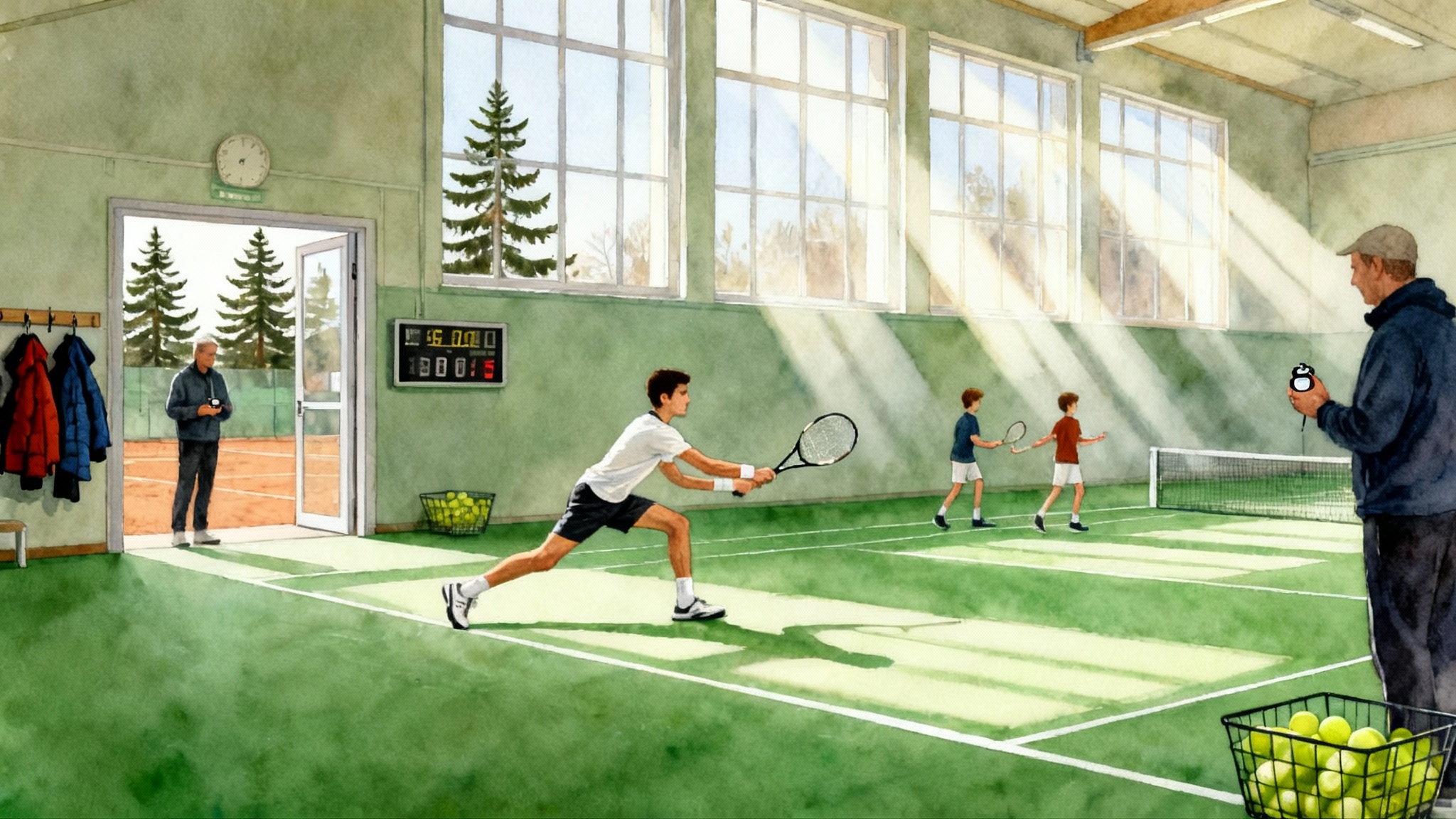
From Oslo to Manacor: How Rafa Nadal Academy Fueled Casper Ruud
Casper Ruud left Norway for Manacor in 2018. At the Rafa Nadal Academy, Toni Nadal’s methodology, tour-level sparring, and data-led planning sharpened his forehand patterns, serve, and hard-court belief. Here is what changed and how families can copy it.
 Tommy
Tommy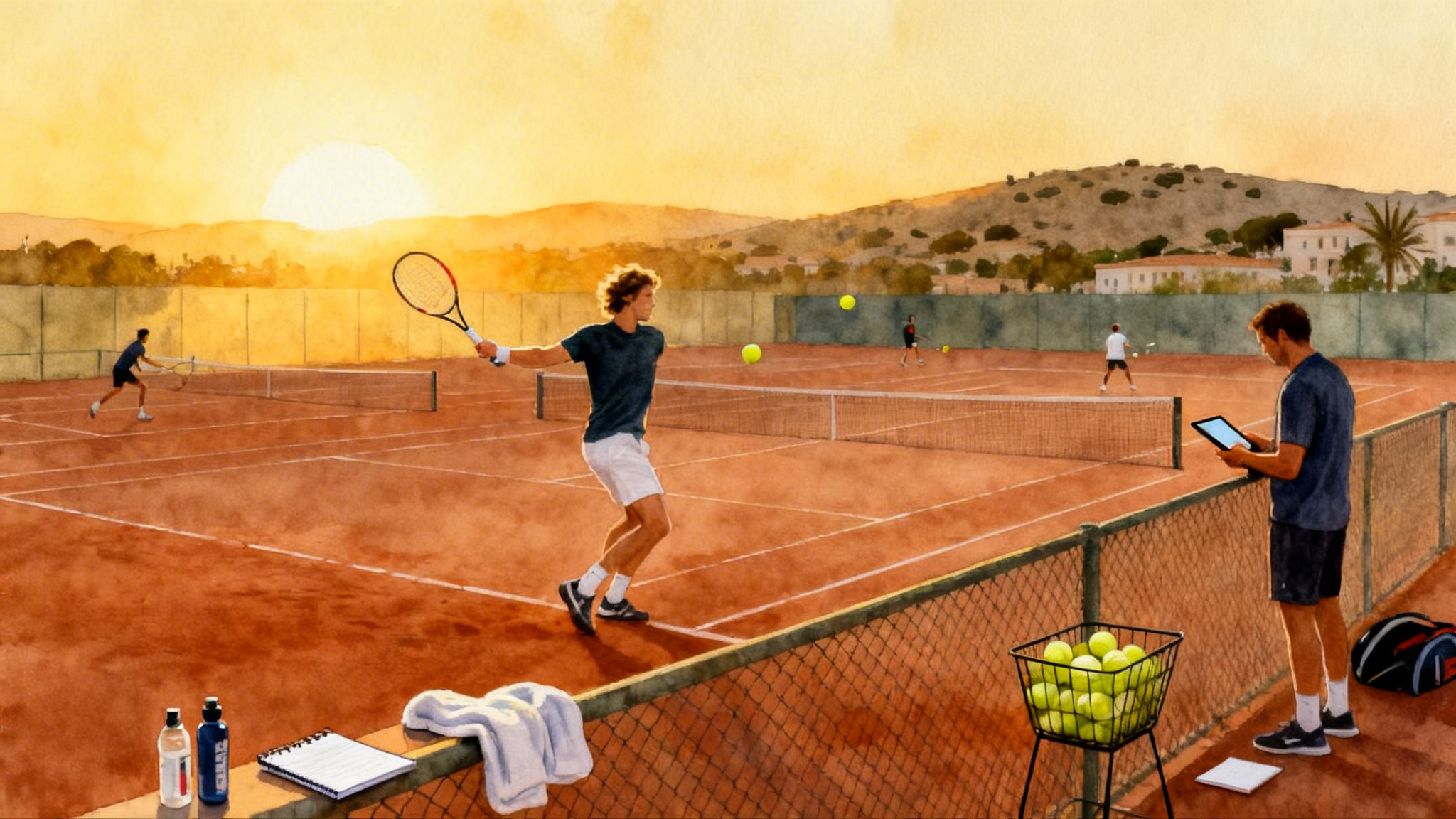
The decision that changed a career
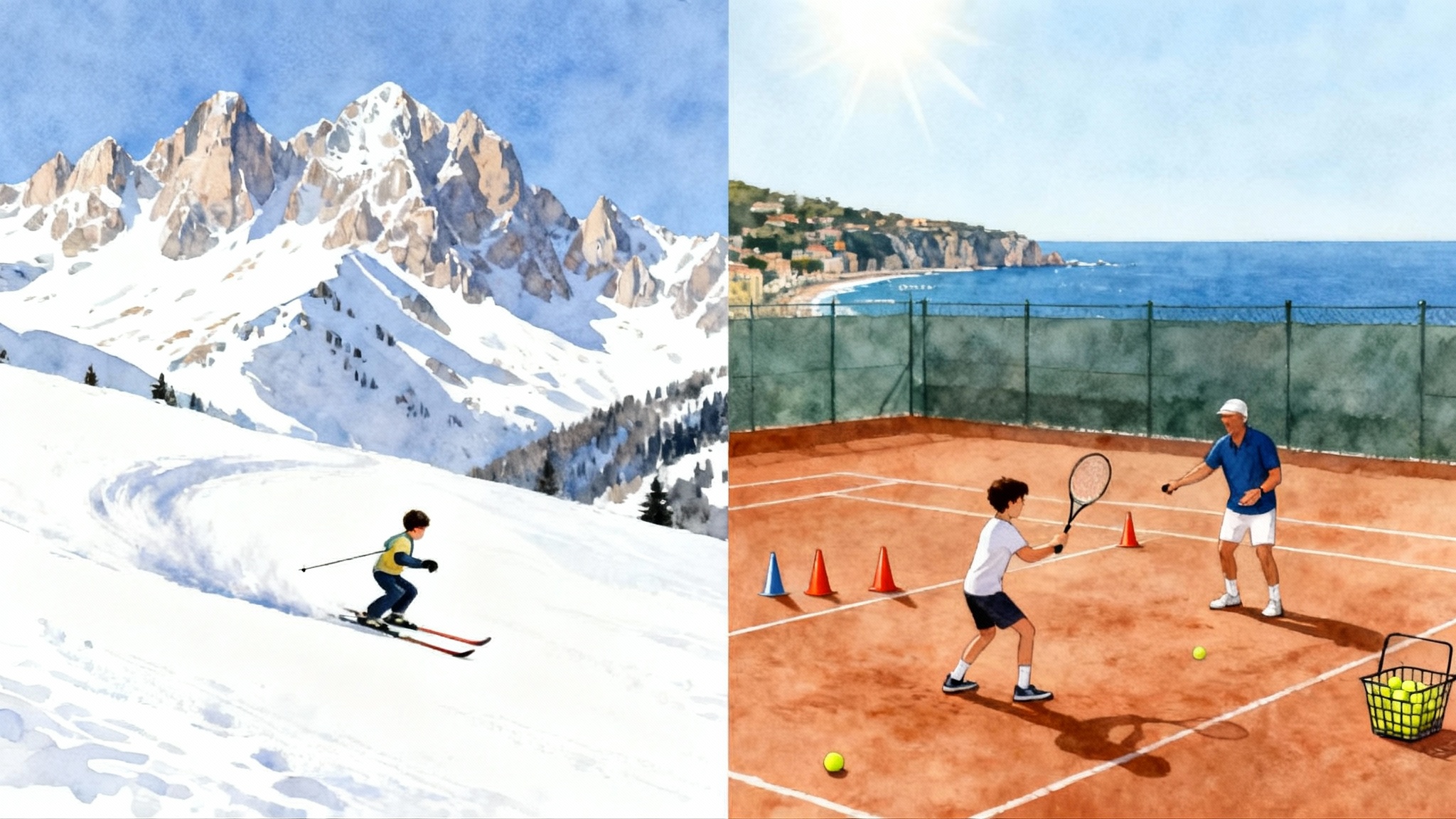
In 2018, a 19‑year‑old Casper Ruud and his father, Christian, packed their tennis lives and moved from Oslo to Manacor. The goal was simple and brave: place Casper inside a daily environment where the standard was set by Rafael Nadal’s work ethic and Toni Nadal’s method. Ruud had already flashed promise on clay, including a 2017 semifinal in Rio, but he needed a system that could convert potential into results, week after week.
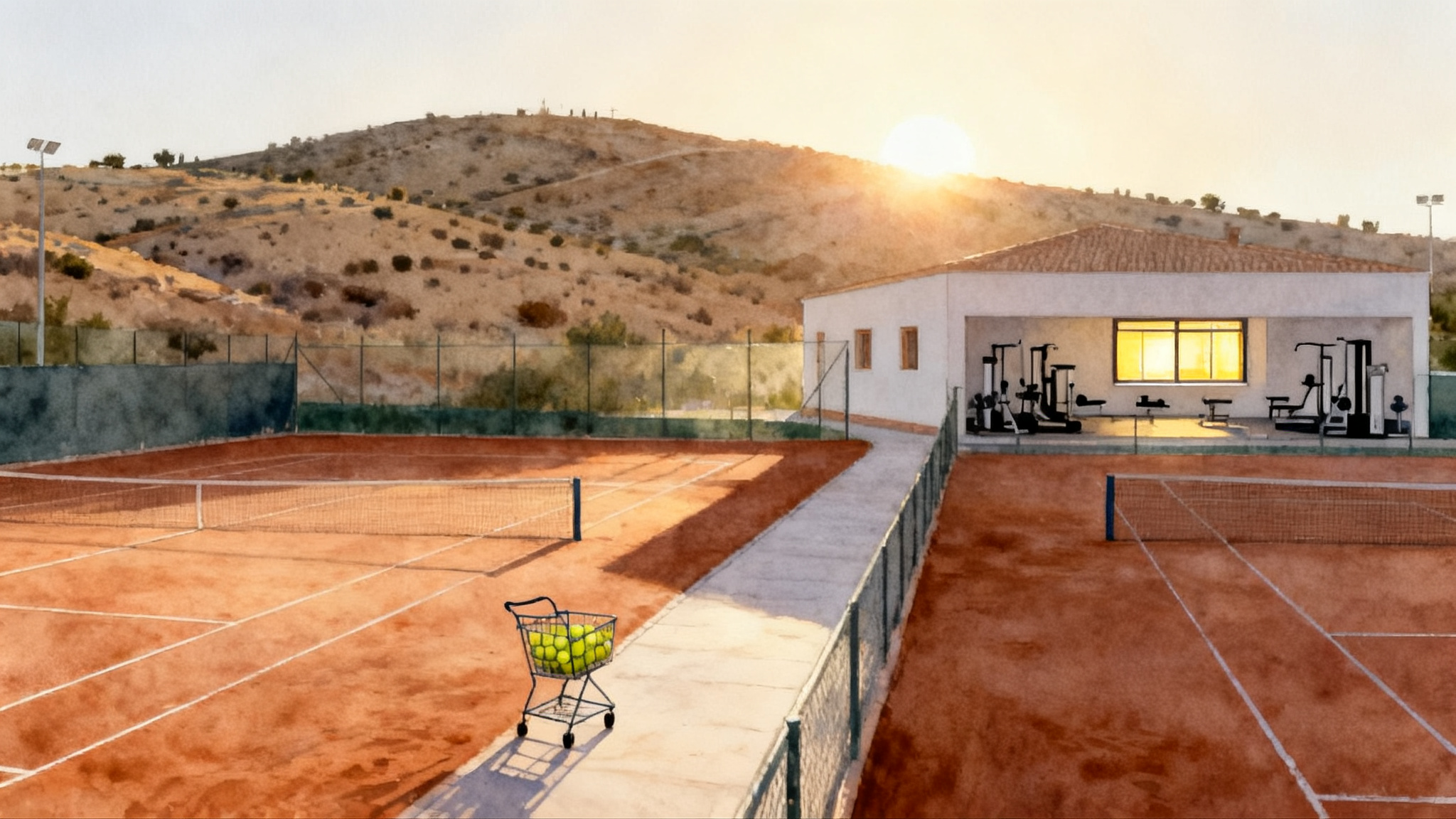
That system lived on the courts of the Rafa Nadal Academy. From September 2018 onward, Ruud trained there for long blocks, often sharing courts with Nadal and other touring pros. He later said that the Manacor routine added an extra 10 to 20 percent of intensity to everything he did. That bump sounds small; in tennis it is a canyon. When margins are thin, 10 percent is the difference between qualifying rounds and second weeks, between hovering outside the Top 50 and breaking into the Top 10. You can read the Academy chapter of his story in this brief profile that notes he has trained at Nadal’s academy since 2018. For a parallel pathway, see how Elite Tennis Center built Medvedev.
What Toni Nadal’s method looks like in practice
Toni’s coaching is famous for its clarity. The ideas are simple to say and hard to do: build anticipation with the eyes, decide early with the mind, arrive in balance with the legs, finish with the hands. Practice sessions are designed around an objective for that day, not just ball hitting. And the intensity is non negotiable. Drills are built to sustain six or seven heavy shots, not two or three. That is why younger pros leave those courts tired but better.
Under that method, Ruud did not change who he was. He refined what he already had. Three things stand out.
-
Forehand patterns: Ruud always owned a heavy, jumping forehand. In Manacor he learned to shape points with it instead of only winning highlights with it. The repeatable pattern became crosscourt forehand to move the opponent into the backhand corner, then a measured inside out forehand that pins them there, and finally the inside in forehand to finish. The key word is measured. The Academy training prioritized ball tolerance at high pace, not lottery ball winners. That tolerance is why Ruud now holds rallies on clay and hard courts without blinking first.
-
Serve plans: The staff in Manacor pushed start of point clarity. On the deuce side, the out wide serve opened the forehand lane he prefers. On the ad side, mixing body serves with flat T balls protected him from predictable patterns. Accuracy jumped first, pace followed. If you watch his finals runs, you see fewer tight service games because he knows before each point what the first strike should be.
-
First two shots on hard courts: Clay trained the engine; Manacor taught him to move that engine up a gear on faster courts. The homework was specific. Take time away better on return, get the forehand to shoulder height early in the rally, and trust the backhand up the line when opponents sit on the crosscourt exchange. These are small choices that decide hard court matches by two or three points per set.
Tour level sparring, daily
There is no substitute for pro grade practice. Ruud got it in spades. Sharing the court with Nadal meant more than a great photo; it delivered a living benchmark for tempo, footwork, and mental reset after errors. When your sparring partner treats a Tuesday practice like a best of five, your definition of normal changes.
Ruud has described how exhausting those sessions were at first and how they forced him to stretch his rally tolerance. The effect shows up in his match habits. He is more comfortable finishing a point on ball seven than on ball three. He will take a short backhand and work it, not rush it. That is the Manacor imprint: make the hard thing look like the normal thing. For more academy case studies, compare how Equelite forged Carlos Alcaraz.
Data driven planning, not guesswork
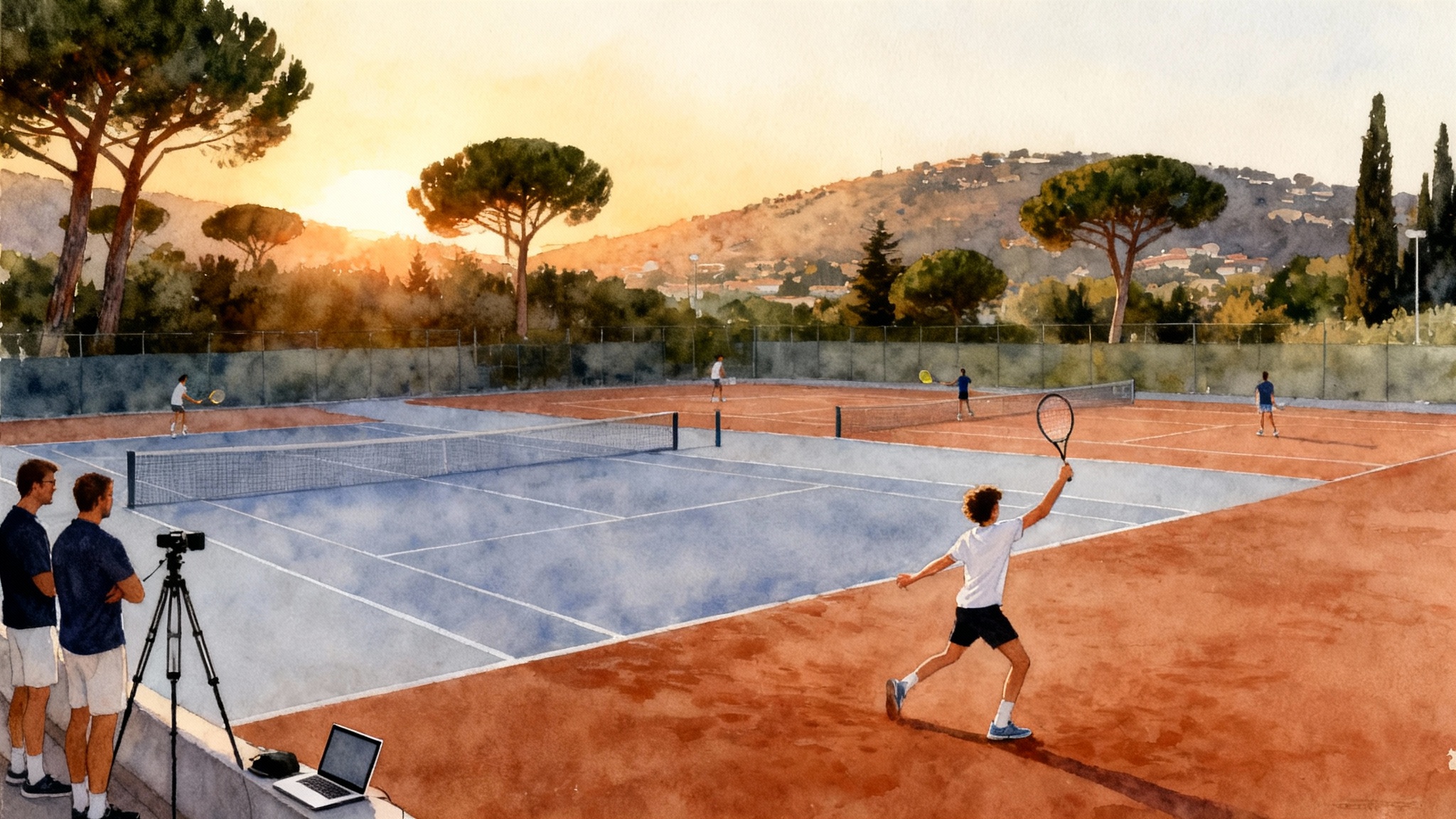
The Academy’s methodology formalizes what many families try to do informally. Coaches define the percentage of time for technical, tactical, physical, and mental work inside each session. They use video and performance tech to measure patterns, with a modern focus on serve and return as the start that decides the rest of the point. The Academy publishes the backbone of this approach as the Academy’s training method. In practical terms, that meant Ruud’s team could:
- Tag the serves that earned forehands and double down on those spots.
- Chart where short balls came from and reverse engineer how to create them.
- Plan blocks that linked gym work to the on court goal of the week.
- Build a tournament schedule that stacked confidence and ranking points without burning him out.
The results before and after Manacor
Before the 2018 move
- Tour level highlight: 2017 Rio Open semifinal at 18.
- Titles: none.
- Identity: promising clay courter with an explosive forehand, searching for week to week traction.
After the 2018 move
- First ATP title: Buenos Aires 2020, becoming the first Norwegian men’s champion at tour level.
- Breakout season: 2021 with five titles, including his first on hard courts in San Diego.
- Grand Slams: finalist at Roland Garros 2022, US Open 2022, and Roland Garros 2023.
- Masters 1000: champion in Madrid 2025.
- Career high ranking: World No. 2 on September 12, 2022.
- Total haul: 14 ATP singles titles as of February 2026.
This is not a neat movie montage. There were dips. But the overall curve since 2018 is obvious. The tennis looks organized. The game plans make sense under stress. And the results match the eye test.
How exactly did the strokes change?
-
Forehand height and direction: Ruud’s forehand now lives higher over the net. That margin lets him hit big under pressure. Crucially, he aims heavy to the opponent’s backhand corner not to end the point but to earn a shorter ball. The inside out winner you see on television is usually ball three or five of a plan, not ball one of a gamble.
-
Serve location rather than speed: Earlier Ruud sometimes chased pace. In Manacor he learned to earn forehands with location. Deuce wide on big points draws a backhand return he can attack. Ad T keeps returners honest so they cannot camp crosscourt. The serve now starts the rally on his terms.
-
Backhand release valve: On clay he could rely on crosscourt exchanges. On hard courts that pattern can backfire. The Academy emphasis on repetition under pace helped him trust the backhand up the line when the rally stalls. That one swing changes the whole chessboard.
The Christian Ruud factor: continuity without compromise
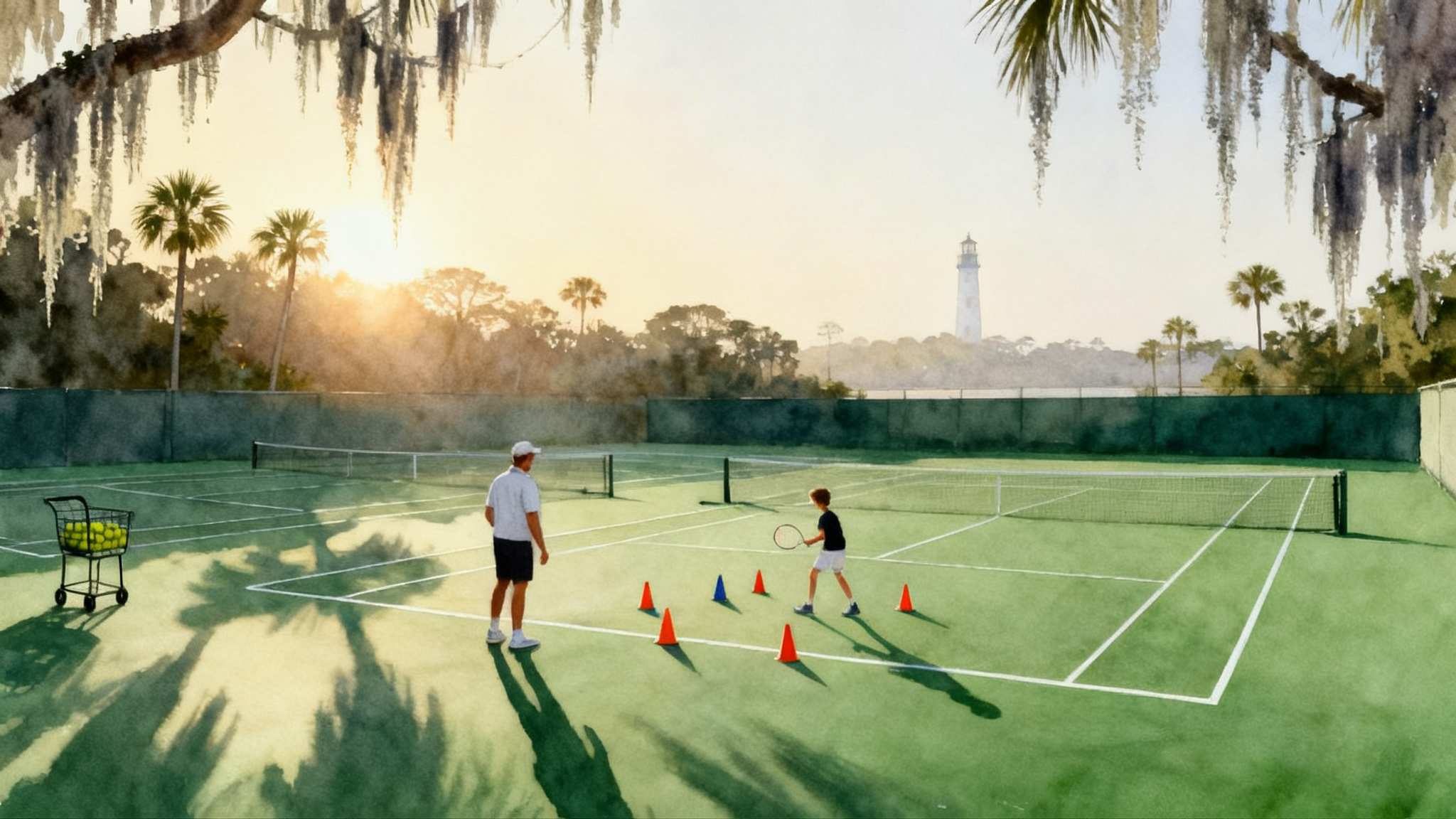
Plenty of families fear that an academy will replace a parent coach or blur the player’s voice. The Ruuds built the opposite. Christian remained head coach and final decision maker. The Academy provided environment, hitters, and specialists. Over time the team added co coach Pedro Clar, who knows both the Academy’s process and the rhythm of the tour. The structure looked like this:
- One voice on match days: Christian ran pre match plans and post match debriefs.
- Shared practice language: Academy coaches used the same cues Christian used, so feedback never contradicted itself.
- Specialists on tap: Sports science, physio, and analytics supported the technical plan rather than pulling it in new directions.
The lesson for families is simple. An academy should be a resource and a multiplier, not a replacement for the personal coach who knows the player best.
When should families move from national training to a tour grade academy?
Here is a practical checklist. If you answer yes to most of these, it is time.
- Your player lacks daily hitters who are faster, stronger, or smarter than they are.
- Tournament travel is teaching your player more than home training does, which means the base is no longer stretching them.
- The serve and return are not improving because practice points start too softly.
- Your player needs sports science and recovery support that the current setup cannot provide.
- You are guessing at scheduling rather than using data from matches to plan the next eight to twelve weeks.
How to integrate academy resources without losing your coach’s continuity
Use this four part plan, the same way a good academy would structure a block for a pro.
- Define roles on paper. Name a head coach. List exactly what the academy coaches will run each week, from technical drills to fitness tests. Clarity prevents mixed messages.
- Set a shared objective for each block. For example, “Shift first serve pattern on deuce side from 55 percent body to 65 percent wide” or “Win 60 percent of neutral forehand exchanges past ball four.” Objectives must be observable.
- Build a data loop. Agree on two or three match metrics that matter. Examples: percentage of first serves to the primary target, forehand unforced errors on balls inside the baseline, break point conversion on points starting with a forehand. Review them every Monday with both the personal coach and the academy lead.
- Keep one voice for competition. On site at tournaments, one person decides. Everyone else feeds them information. After the event, debrief as a group and adjust the next block.
What parents can learn from the Ruuds
- Hold identity steady, refine the tools. Do not ask the academy to rebuild your player. Ask it to make your player’s strengths show up more often and under more pressure. For another blueprint, study how JTCC forged Frances Tiafoe.
- Prioritize the start of the point. Serve and return are the valve that controls the point. If your player’s practice does not simulate those first two shots under stress, change the practice.
- Choose sparring partners on purpose. If your player is always the best on court at home, they will not be the best on tour. Put them on courts where they are chased, not cheered.
- Use the calendar as a weapon. Plan eight to twelve weeks at a time with built in recovery. Stack events that fit the player’s style to build momentum, then stretch them with a surface or altitude change.
- Audit communication. Once a month, ask your player to summarize the one or two cues that everyone is using. If you hear four different slogans, fix it.
A quick before and after snapshot for context
- Before Manacor: raw heavy forehand, streaky results, first big week in Rio at 18, no tour titles.
- After Manacor: clearer serve maps, forehand patterns that survive pressure, confidence on faster courts, 14 tour titles, three major finals, first Masters 1000 in Madrid, and a World No. 2 peak.
The takeaway for ambitious families
If you are weighing a move, copy the Ruud blueprint. Keep your head coach. Plug into an academy that can raise daily intensity and provide tour grade sparring and tools. Set measurable goals, review them on a schedule, and adjust without drama. Most of all, let the environment change your definition of normal. That is where the extra 10 percent lives.
From Oslo to Manacor, Ruud built a grown up tennis game the old fashioned way: plan the work, work the plan, and pick a place where excellence is the daily accent. Families do not need Manacor’s postcode to follow that path. They need its habits.