Hilton Head to U.S. No. 1: How Smith Stearns Shaped Pegula
Hooked to Jessica Pegula’s 2025 Charleston breakthrough, this deep dive traces her five-plus years at Smith Stearns on Hilton Head and extracts a parent playbook on technique, clay training, close‑knit programs, academics, and long‑view development.
 Tommy
Tommy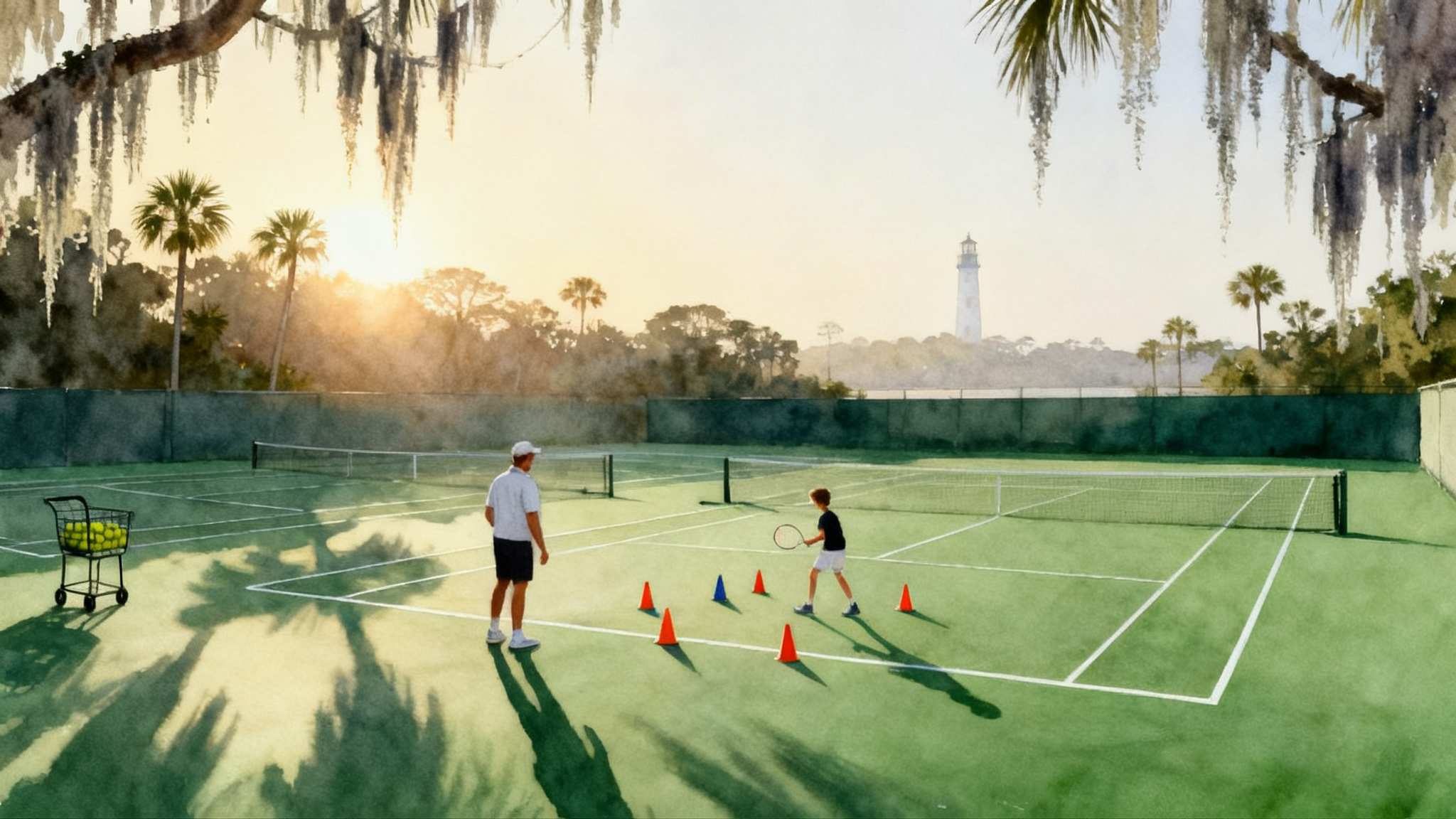
The Charleston spark, years in the making
On April 6, 2025 in Charleston, Jessica Pegula met the wind, the green clay, and Sofia Kenin. She left with a straight-sets title and something even bigger: a leap back to world No. 3 and the top American spot in the rankings. Her Charleston title to U.S. No. 1 capped a stretch that looked sudden to casual fans. It did not feel sudden to the coaches on Hilton Head Island who helped lay her base.
This is the story of how a quiet, clay-first academy in a maritime forest shaped an all-court player who thrives in problem-solving matches. It is also a checklist for parents who want to build players for the long run, not just the next tournament.
Hilton Head’s hidden advantage
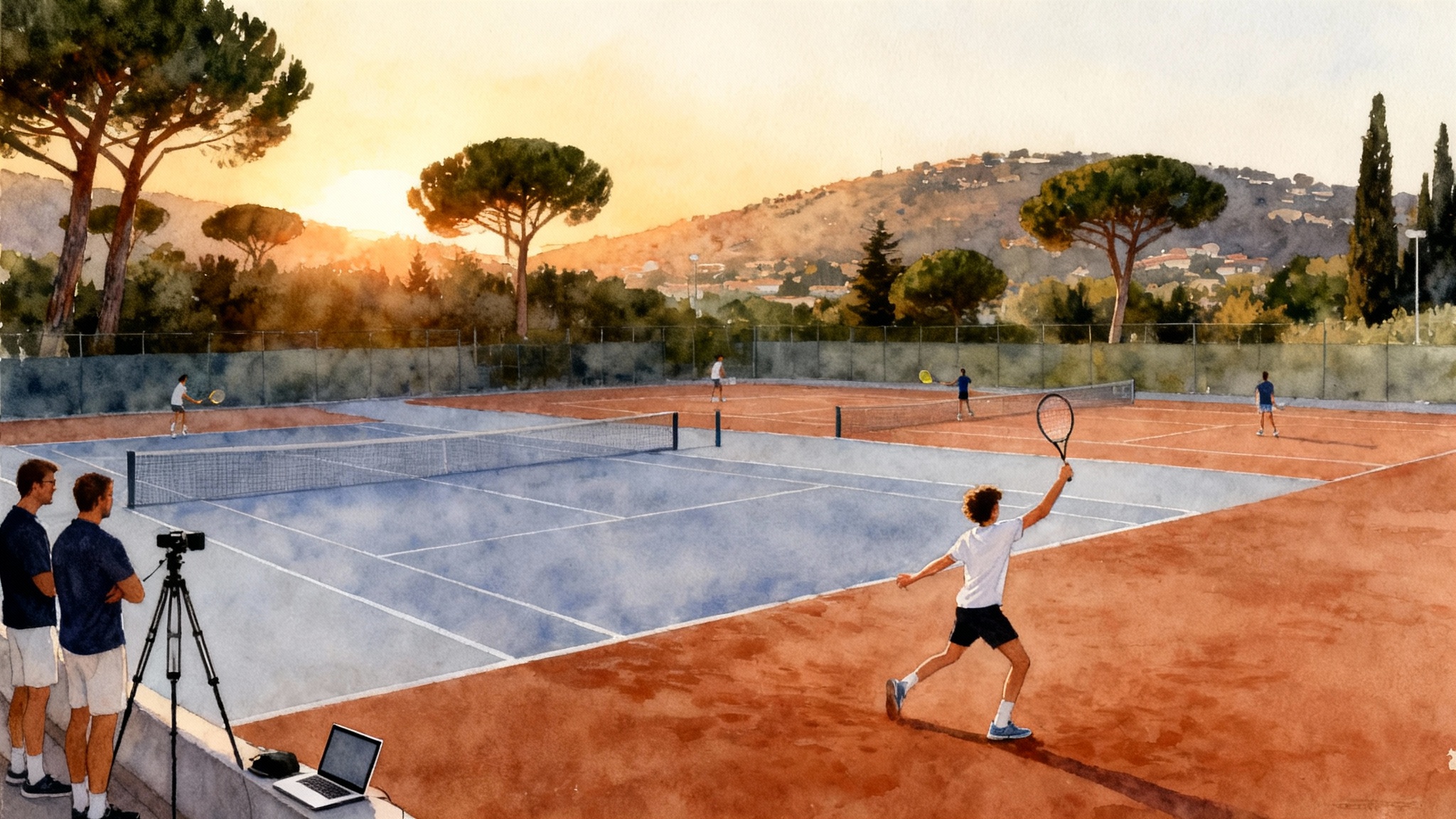
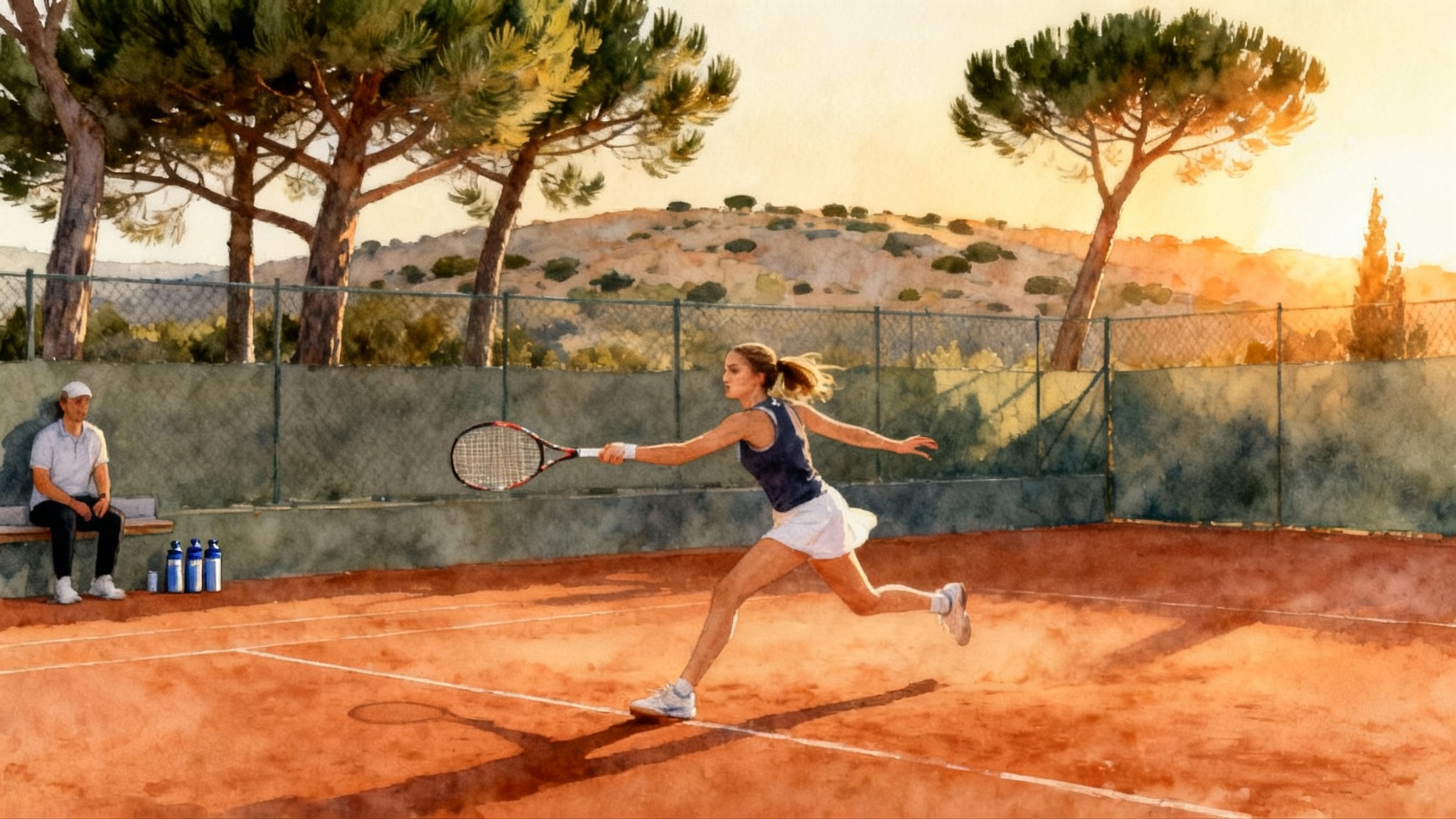
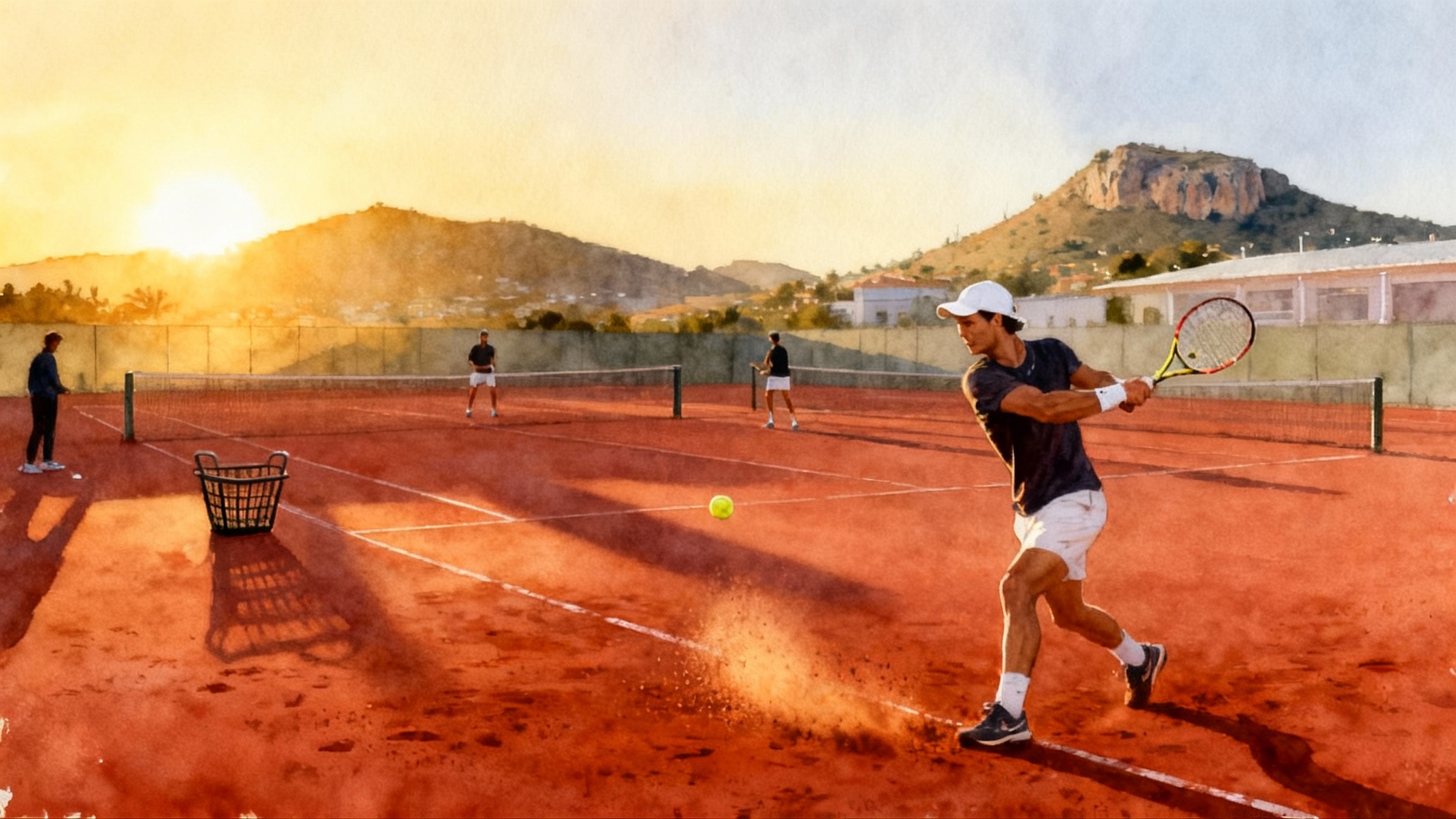
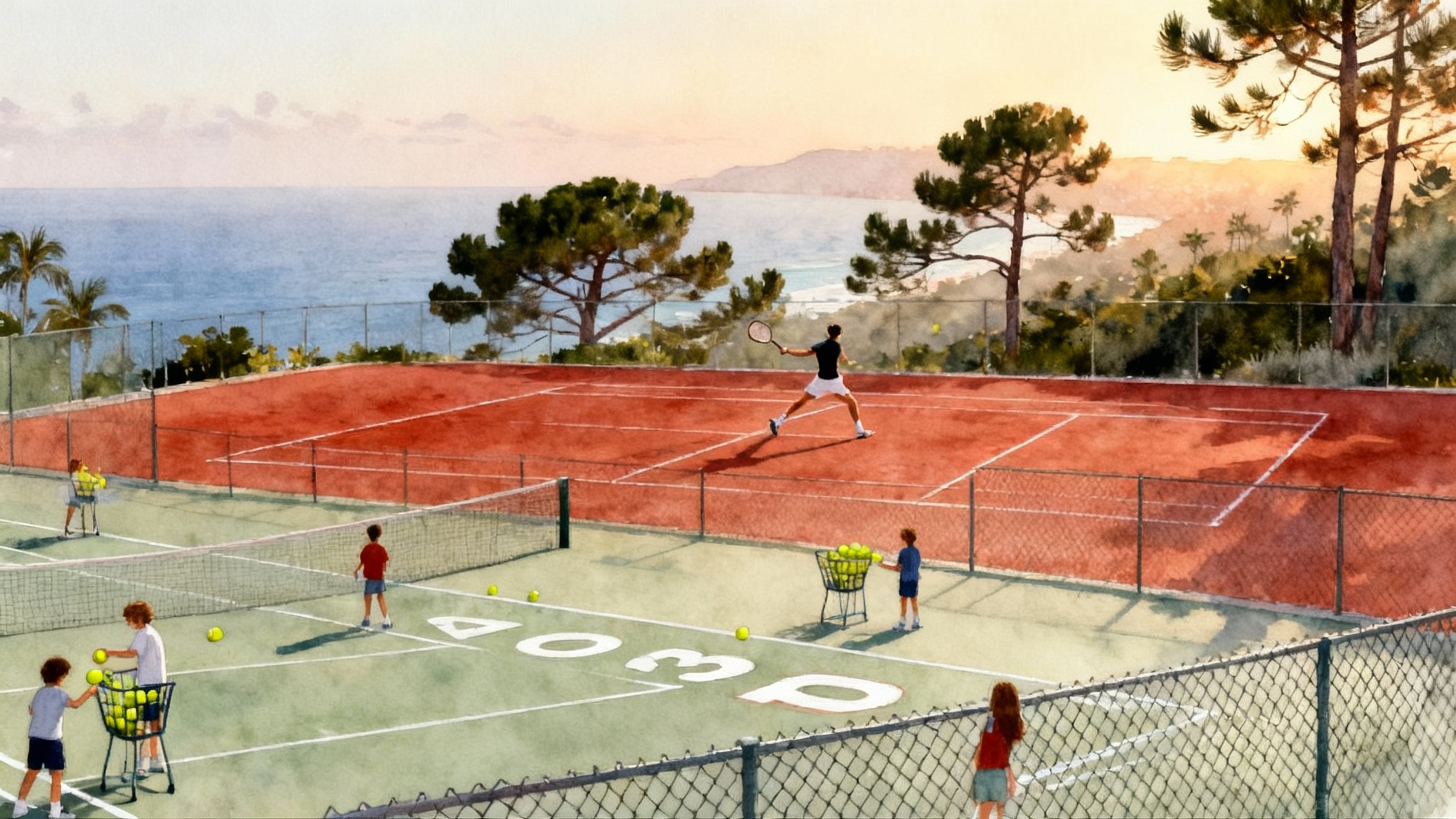
The Smith Stearns Tennis Academy sits inside The Sea Pines Resort on Hilton Head Island, South Carolina. The setting matters. The academy uses a large bank of Har-Tru clay courts plus a handful of hard courts, a split that nudges players toward length, margins, and patience. Clay is the best teacher of footwork because it gives constant feedback. If you brake too late, you slide too far. If you balance poorly, the ball floats. On green clay, every rally is a physics lesson.
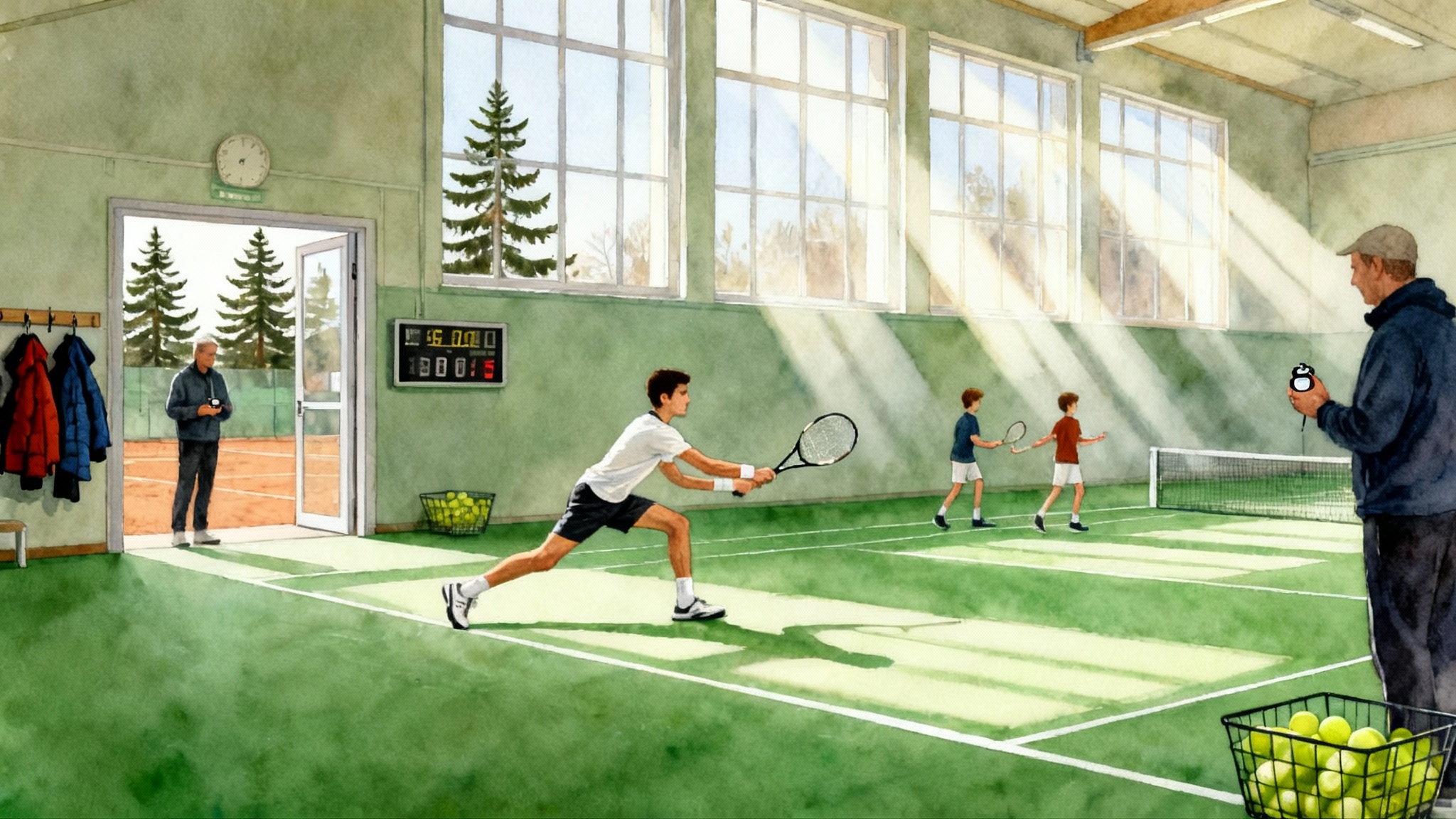
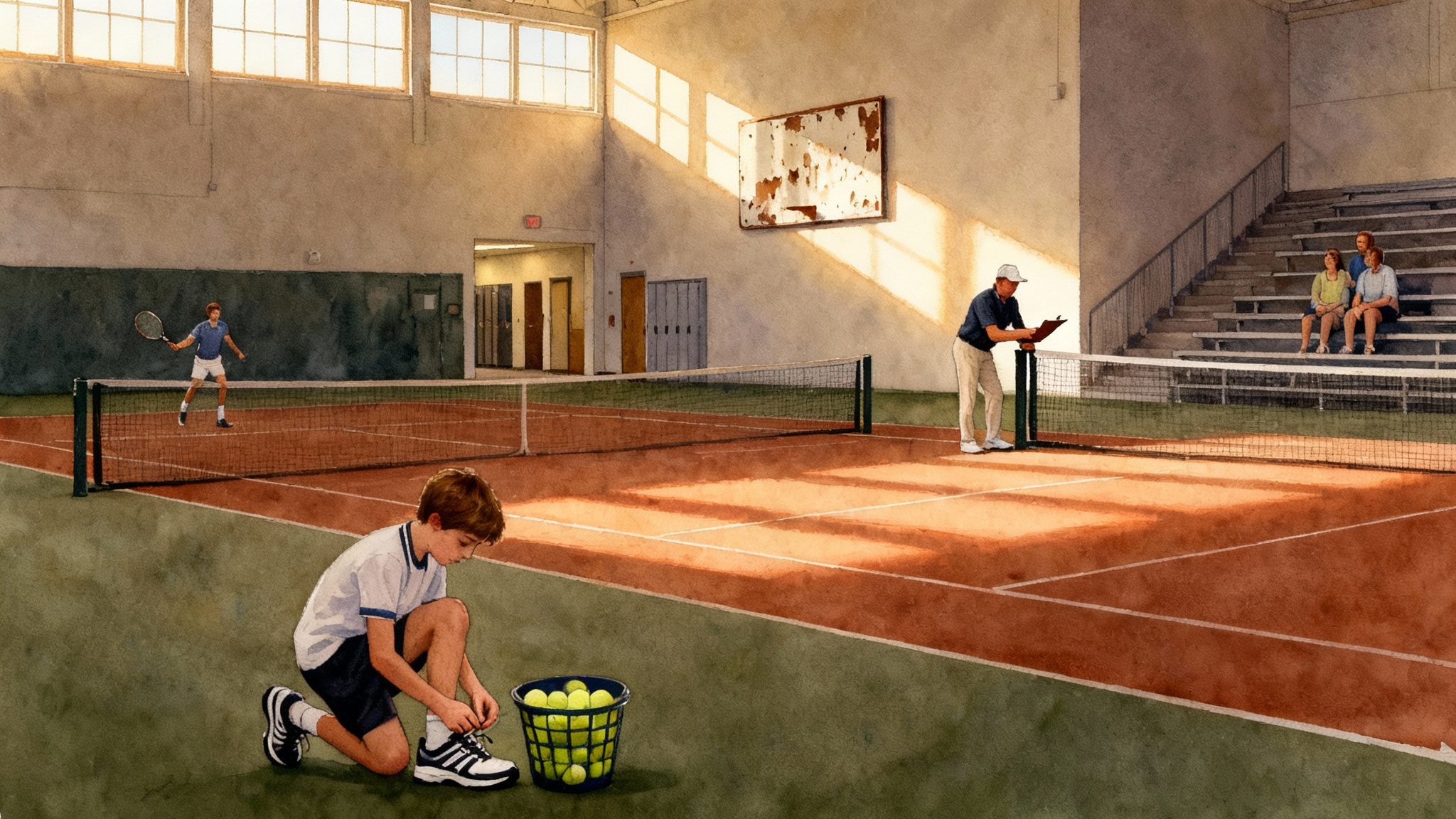
Add to that a low coach-to-player ratio and a leadership team that includes Stan Smith and Academy Director B. J. Stearns. The culture is personal and specific. Fewer players on a court means fewer fuzzy generalities and more direct cues: where the racquet head should travel, which hip turns first, when to use a neutral stance versus an open stance on the run. The academy pairs tennis with schooling plans through local partners, which keeps families from choosing between development and education. For a parallel on a different coast, see how a clay-leaning base paid off for Tsitsipas at Mouratoglou Academy.
What Pegula actually built there
Pegula did not just learn to hit hard. She built a toolkit that aged well.
- Technique with margins: early contact, compact takebacks on the backhand, and a forehand that can accelerate without overswinging. When a swing is compact, pressure does not scramble it as easily.
- Footwork rules on clay: first step is forward, last step is a controlled slide, recover diagonally rather than straight back. Clay makes you honest about balance, which later translates to cleaner striking on hard courts.
- Patterns, not hero shots: crosscourt first to change direction safely, short-angle to open space, then drive into it. On slower courts, points are built, not stolen.
- Serve locations before serve speed: on a windy island, learning to hit targets beats chasing miles per hour. Charleston’s green clay proved that lesson still holds.
Those are not glamorous ideas, but they are the base coat underneath everything Pegula does now. They also explain why she can win on difficult days. Sound mechanics plus pattern clarity allow a player to bring a B-plus level more often. Consistency is not an attitude; it is the accumulated effect of repeatable technique.
Receipts: five-plus years at Smith Stearns
If you want a single receipts-style fact, the academy documented that Pegula trained at Smith Stearns as a junior for over five years. That duration matters. You cannot fake stability. A long runway gives coaches time to fix one variable at a time and to install habits that hold up when results, rankings, and bodies fluctuate later.
The detours that made the base essential
Pegula’s early pro years were not a smooth ascent. She lost long chunks of time to injuries, including knee and hip surgeries that could have ended her career. Absences like that do more than cost ranking points. They can wobble technique if the player returns too fast or compensates around pain. A sound foundation, however, can be reloaded. When Pegula rebuilt, she fell back on footwork rules, simple patterns, and serve targets. Those are the things that return first because they are principles, not tricks.
The lesson for families is blunt. Bodies change. Growth spurts, strength gains, and inevitable tweaks can disrupt timing. Shiny tactics are fragile under stress. Fundamentals and footwork survive.
The inflection points after Hilton Head
Once Pegula’s health stabilized, a few choices accelerated her rise:
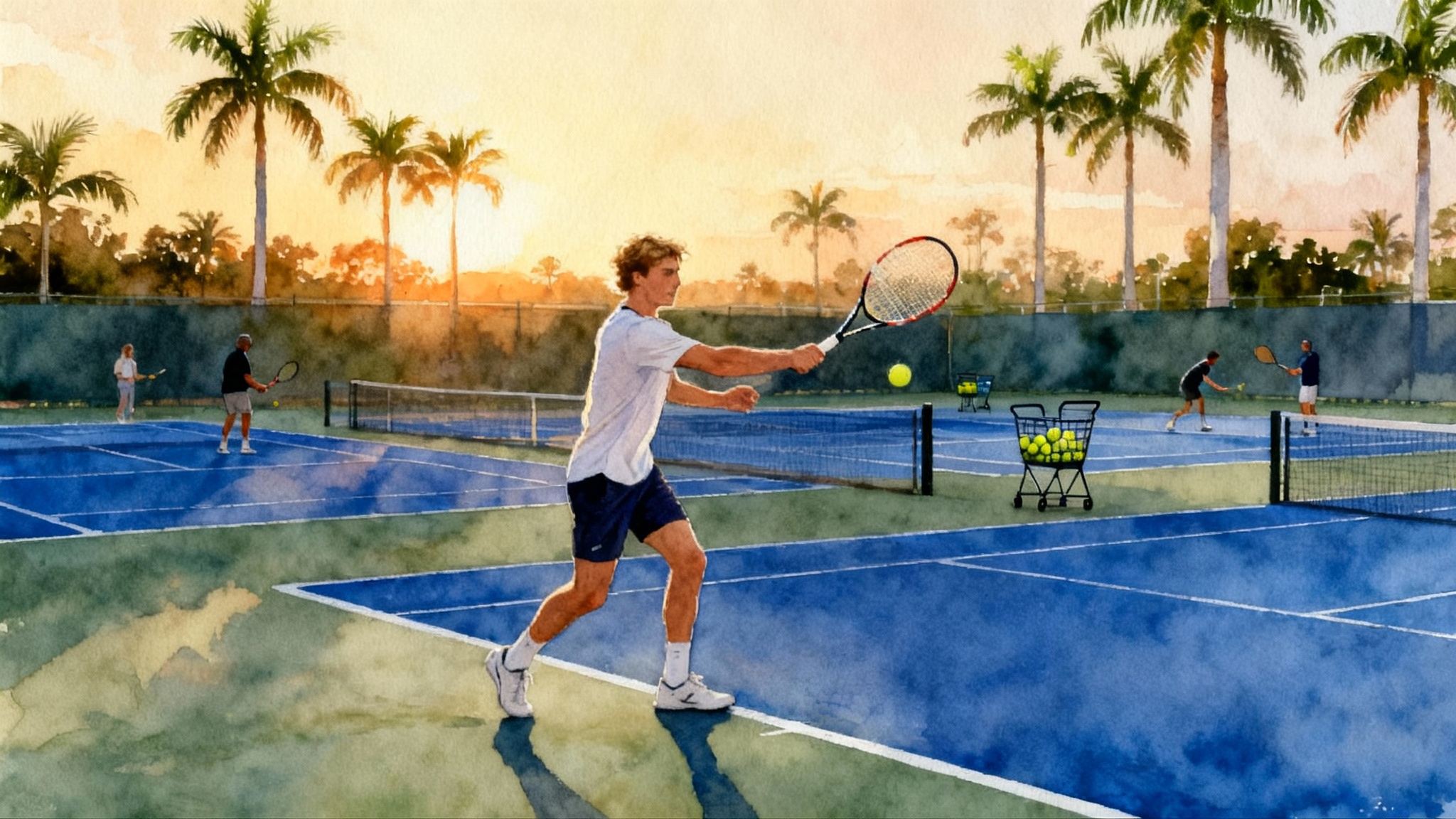
- A Florida base: The decision to run her pro life from Florida compressed travel time, increased access to hitting partners, and gave her a stable hub for training blocks between events. It also meant year-round outdoor reps in humidity and wind, two sneaky teachers of discipline.
- Embracing the grind after the injuries: Post-rehab, Pegula invested in fitness, prehab, and routine, treating recovery work as part of practice rather than an optional extra. She turned consistency into a skill, not a reputation.
- Partnering with coach David Witt in 2019: The collaboration helped convert steadiness into wins against elite opposition. The pair’s first tournament together delivered a maiden title, and the partnership ran through early 2024. The arc mattered more than any single event. It showed that when the technical base is set, the right tactical voice can lift the ceiling.
Why clay first still pays dividends on hard courts
Parents sometimes worry that clay will slow a player down. It does the opposite if taught well. Clay sessions are where players learn to defend without panicking and to transition forward without rushing. Those skills travel. On medium-fast hard courts, stable defense buys time, and smooth forward movement converts half-chances into clean forehands. On grass, the same balance keeps the upper body still through contact. The point is not to become a clay specialist. The point is to be a movement specialist who can take the ball early when the chance appears. You can see the cross-surface carryover in Casper Ruud at Rafa Nadal Academy.
What parents can copy right now
Use Pegula’s path as a set of checklists.
- Build rock-solid technique early
- Non-negotiables: contact point height, spacing with the off arm, and a consistent racquet drop on the serve.
- Video once a week for 10 minutes. Film the same drill each time, from the same angle. Improvement needs a ruler.
- Simplify language. One cue per stroke per session. For example, forehand cue: shoulder turn, space, lift.
- Prioritize clay for footwork and tactics
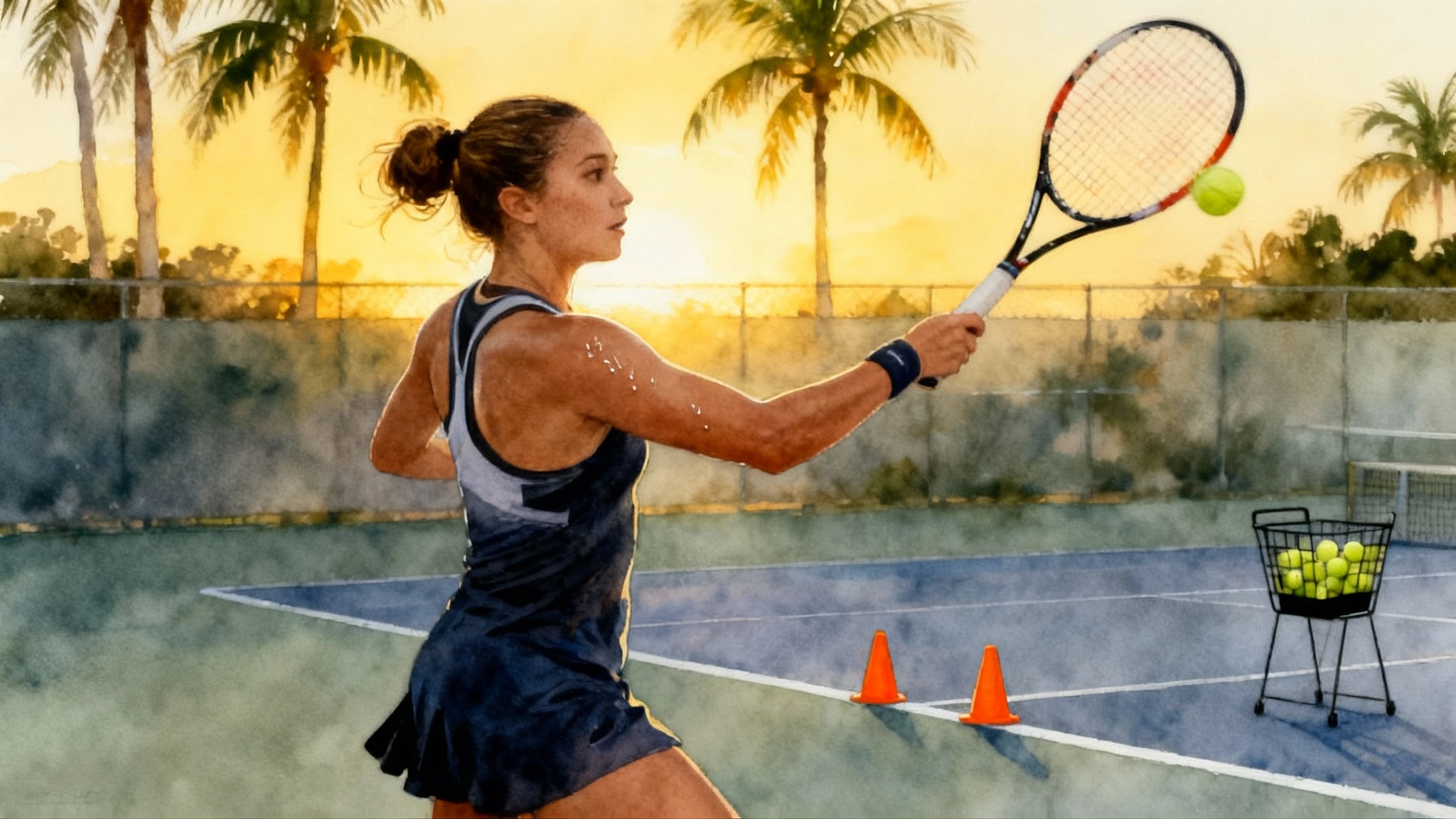
- Aim for at least half your reps on clay from ages 10 to 14 if available. If not, simulate with cones and recovery patterns on hard courts.
- Train the first step and the last step. Start with a split step on the opponent’s contact, finish with a balanced stop or slide. Then rehearse the recovery path.
- Pattern practice beats point play. For 20 minutes, play crosscourt only, or require a short-angle before any line change.
- Choose close-knit programs with clear academic plans
- Ask about coach-to-player ratios at peak times. Ask to see a live session, not a brochure. You want corrections that are specific, not slogans.
- Confirm school logistics. Where do full-timers attend classes, who coordinates homework, and how do they handle tournament weeks.
- Look for multi-surface access and year-round scheduling. A clay-plus-hard mix is ideal. Limited enrollment often means more individual progress and fewer scheduling bottlenecks. For a U.S. example of a small-ratio program, see the Gomez Tennis Academy overview.
- Adopt a long-view development arc
- Expect plateaus. Build cycles of 6 to 8 weeks with one technical focus and one tactical focus. Evaluate with match-play video, not just feeling.
- Plan for growth spurts. During rapid height or strength changes, reduce string tension a touch, extend dynamic warm-ups, and narrow the technical focus to timing and spacing.
- Separate performance goals from learning goals. A ranking target motivates, but a measurable learning goal, like raising first-serve percentage by five points, guides daily work.
How to evaluate an academy through Pegula’s lens
When you visit any academy, bring a short rubric:
- Footwork first: Do coaches teach first-step reads, recovery lines, and balance cues, or do they only feed balls.
- Pattern language: Listen for instructions that sequence shots, not just effort words. You should hear crosscourt building, short-angle opens the court, attack into space.
- Ratio reality: Count bodies per coach during live ball and serves. Small numbers create time for grip adjustments, contact height work, and serve targets.
- Surfaces and schedule: Clay access is a difference-maker. Ask how many weekly hours are on clay versus hard and why.
- Academic clarity: Pegula’s pathway worked because tennis could live alongside school. Ask to see the week-at-a-glance for a full-time student.
- Match play with constraints: Match days should include scoring formats and tactical tasks, like mandatory patterns or serve-plus-one goals. That is how training transfers.
The psychology underneath
One reason Pegula’s game holds in tricky moments is that her work is objective. Clay sessions teach you to tolerate long rallies without judging yourself. Low-ratio coaching gives you precise tasks. Over years, that turns nervous energy into simple jobs. Breathe, bounce on the split step, choose high margin crosscourt, change down the line only off a short ball. This is not motivational poster stuff. It is a checklist that shrinks pressure to size.
Parents can help by making feedback concrete. After tournaments, ask three questions: What pattern won you the most points. What footwork mistake cost you the most points. What serve location earned free balls. Then choose one item from the answers as the focus for the next micro-block. For another case study of small-group precision and rapid progress, see All In Academy and Andreeva.
Why Charleston felt poetic
Pegula’s win on Charleston’s green clay was not just a trophy on a new surface. It was a full-circle moment for a player who logged thousands of reps on similar Har-Tru at Sea Pines. She saved set points, reversed momentum, and finished with a six-game surge. The problem solving looked routine because she practiced routine problem solving. Titles arrive on one afternoon. Foundations take years.
If you are choosing a path now
- Start with technique that will still work at 25, not just crush at 12.
- Feed clay into the week. Even one extra hour on clay can rewire footwork.
- Value coaching attention over brand size. A smaller program that sees your child clearly beats a factory that does not.
- Keep school visible. Tennis is better, not worse, when a player’s day has structure and purpose beyond the next match.
- Think in arcs, not spikes. Pegula’s arc included surgeries, slumps, and reboots. Her base made those survivable. Build that kind of base.
The takeaway for the next Pegula
Pegula’s leap in April 2025 was not the start of anything. It was a checkpoint on a road that ran through low-country humidity, green clay, and small-group sessions where coaches talk about hips and recovery lines as often as winners. If you are mapping a junior career, prioritize the pieces that compound. Technique that repeats. Footwork that travels. A clay-first environment that teaches patience and tactics. Coaches who know your child well enough to fix one thing at a time. Schooling that keeps the whole person growing.
Build those, hold your nerve through the plateaus, and let results show up on their schedule. That is how Hilton Head can turn into U.S. No. 1.