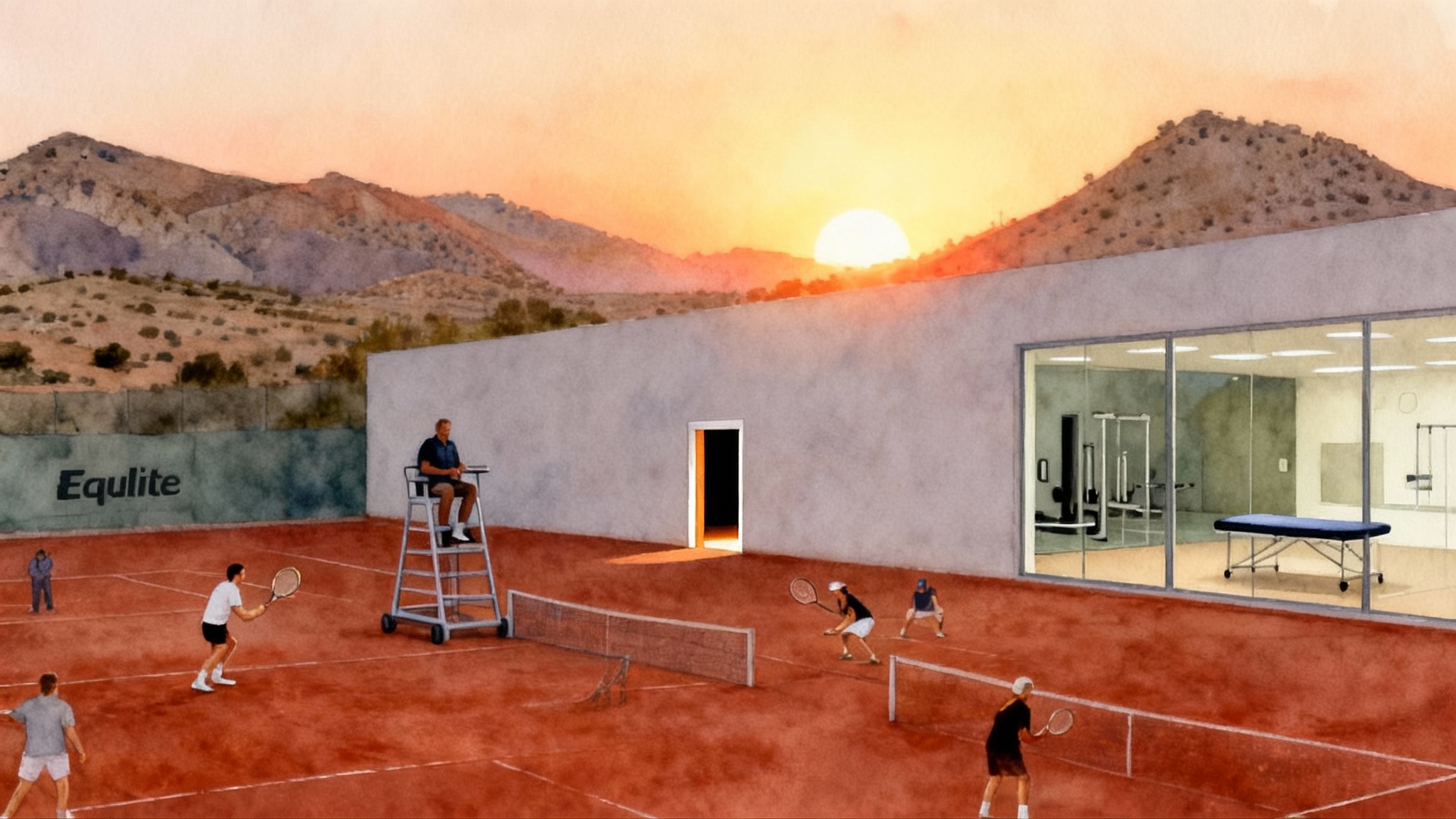
Jannik Sinner and Piatti Academy: South Tyrol to Bordighera
 Tommy
Tommy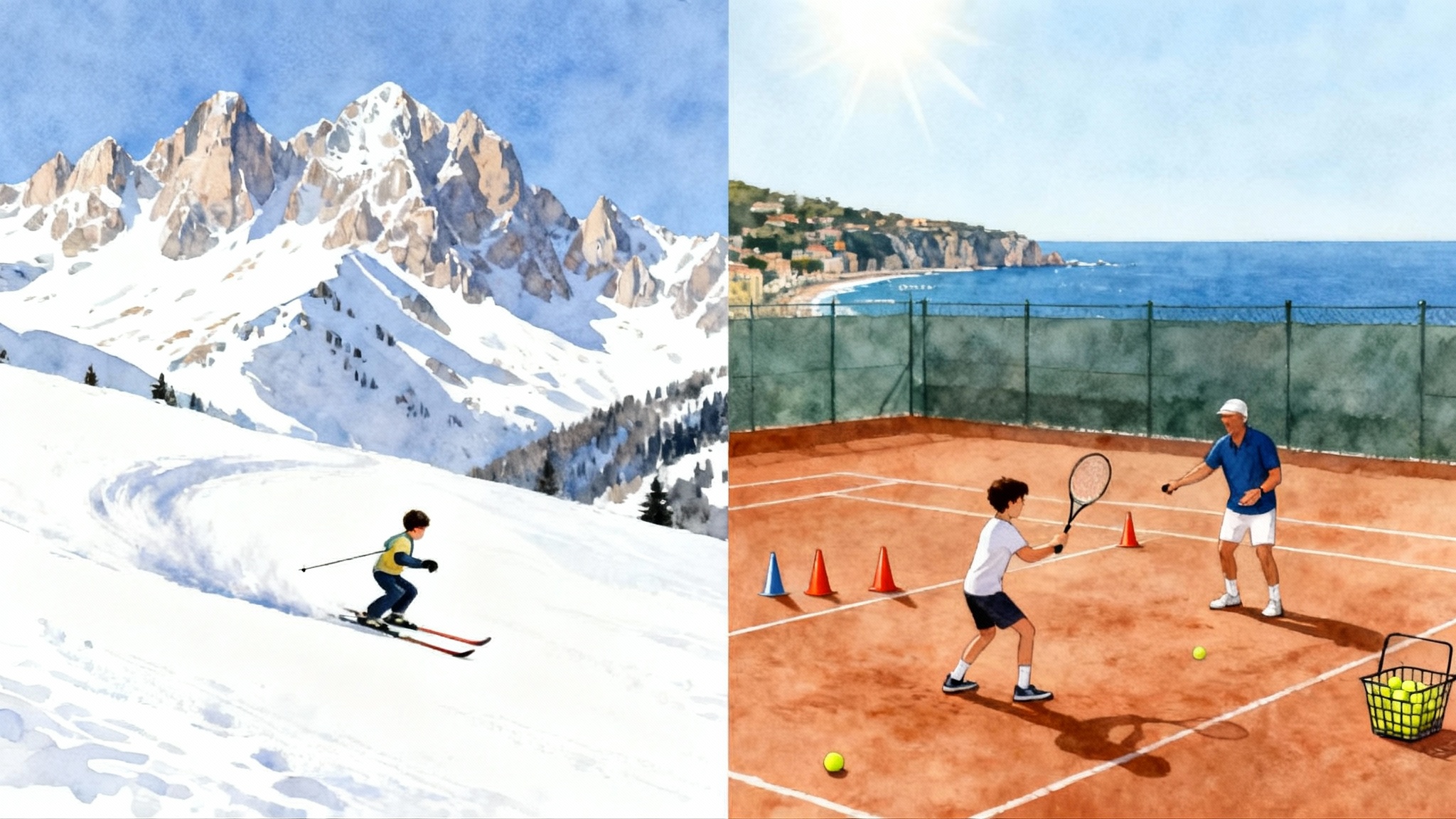
The road from South Tyrol to Bordighera
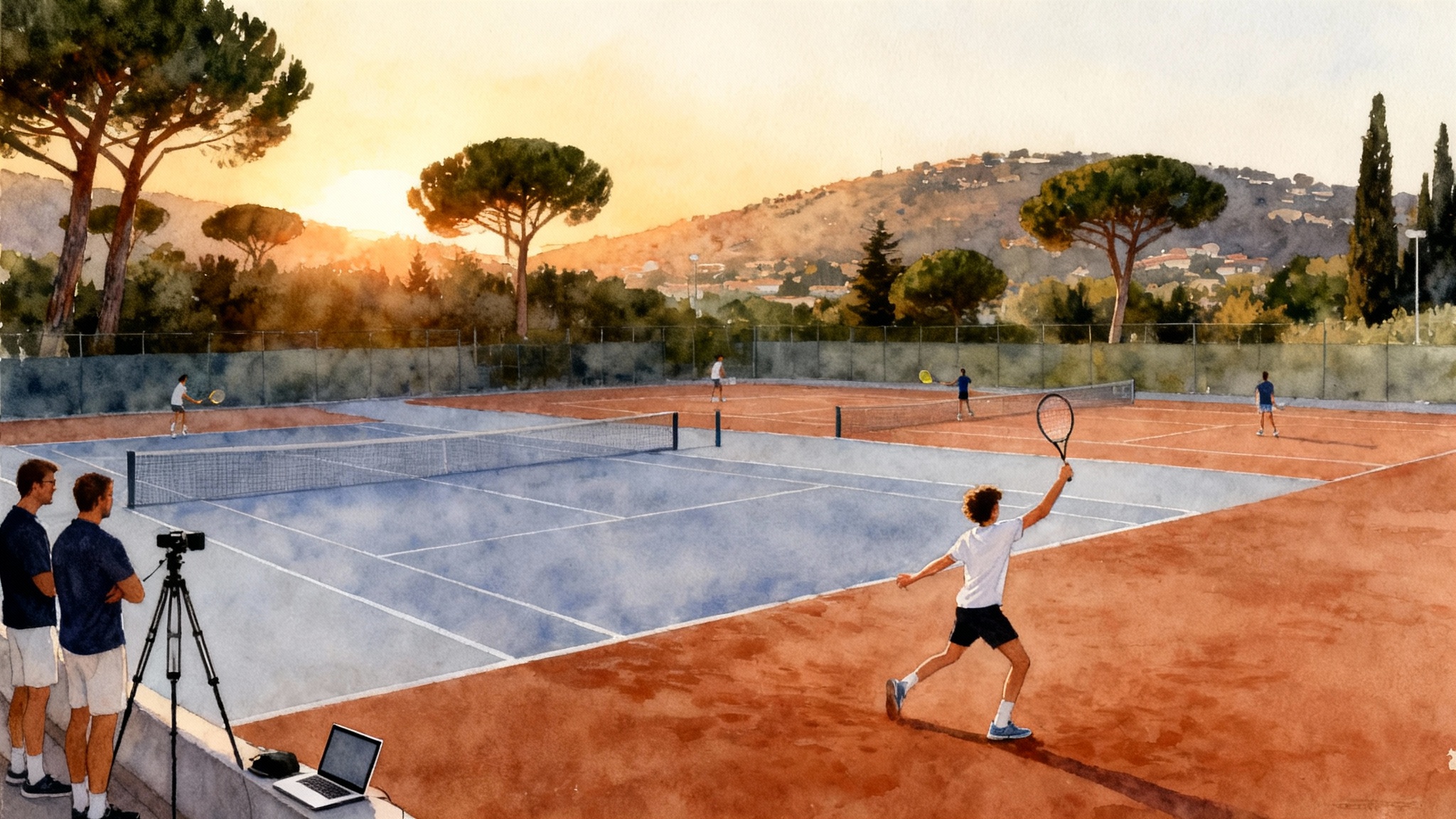
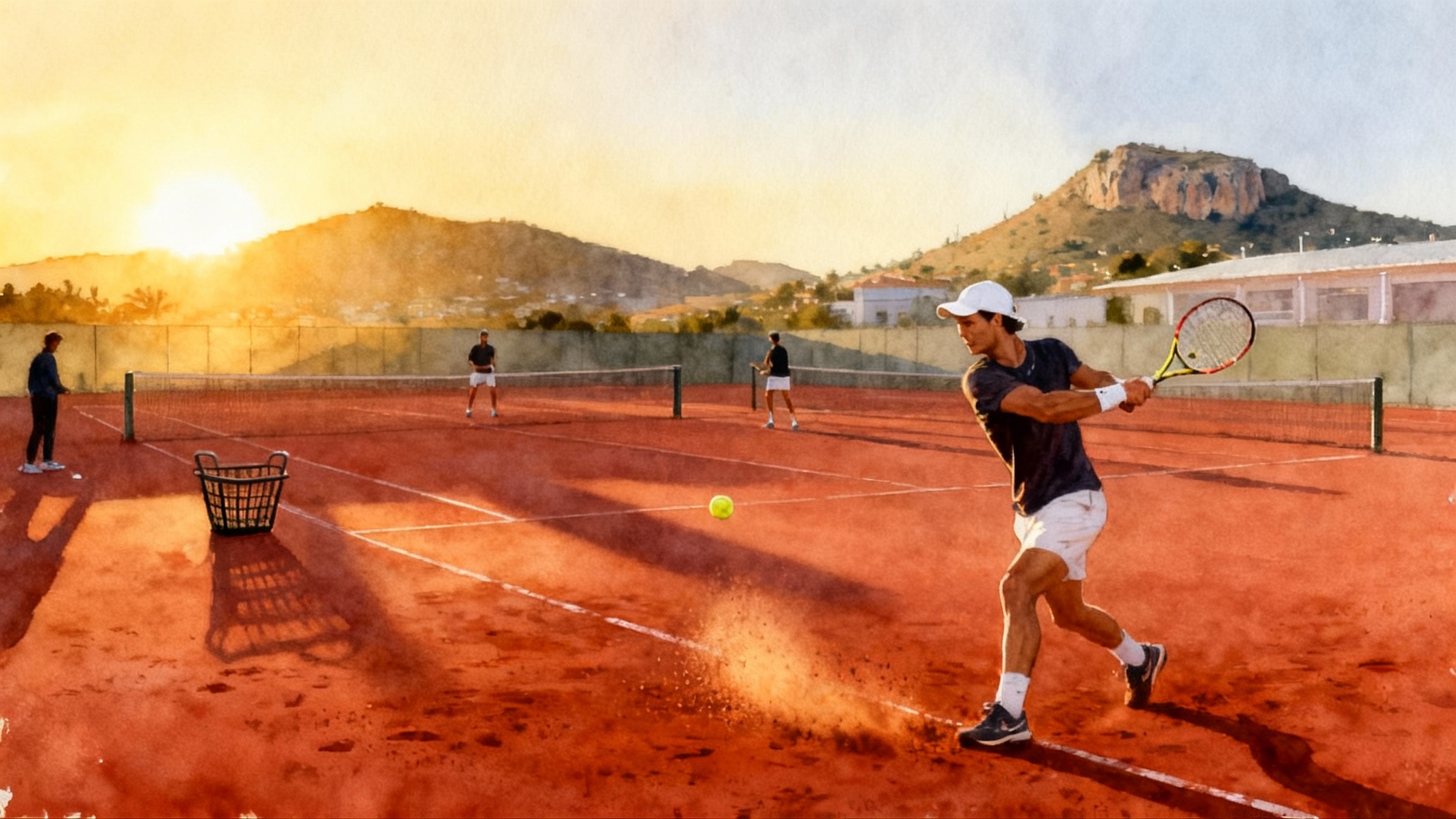
To understand Jannik Sinner’s rise, start with a map. Trace a line from Sesto in South Tyrol, where winter makes athletes tough and patient, to Bordighera, a Mediterranean town that hums with forehands and footwork. Sinner spent his childhood torn between two slopes. Snow groomed his balance and legs. Tennis began as a side project. He won big junior ski races, then made the counterintuitive call that changed everything. At 13, he left the mountains and moved south to Riccardo Piatti’s training center in Bordighera. That decision, daunting at the time, has become a case study in how late specialization can work when paired with the right environment and a disciplined plan. Similar academy pivots have powered other breakthroughs, from Djokovic’s early foundation in Germany to Alcaraz’s refinement in Spain, as seen in how Niki Pilic forged Djokovic and Inside JC Ferrero’s Alcaraz plan.
This is not a fable about destiny. It is a blueprint about choices. Sinner did not enter a magic academy and emerge complete. He entered an environment designed to hardwire foundations, demand thousands of correct repetitions, and expose a teenager to the pace of grown professionals until the adult game felt normal. The result is a compact two‑handed backhand that holds up under pressure, repeatable baseline patterns that scale against top‑10 pace, and a mindset that treats risk as a trained behavior, not a leap of faith.
Why the switch at 13 worked
Switching sports late can look risky. In practice, the risk depends on the new environment’s ability to translate previous athletic skills into tennis‑specific habits. Skiing gave Sinner lower‑body stability, edge control, and anticipation. Piatti’s staff converted those raw traits into footwork patterns, contact discipline, and balance through the shot. The key was not volume for volume’s sake. It was volume with intent.
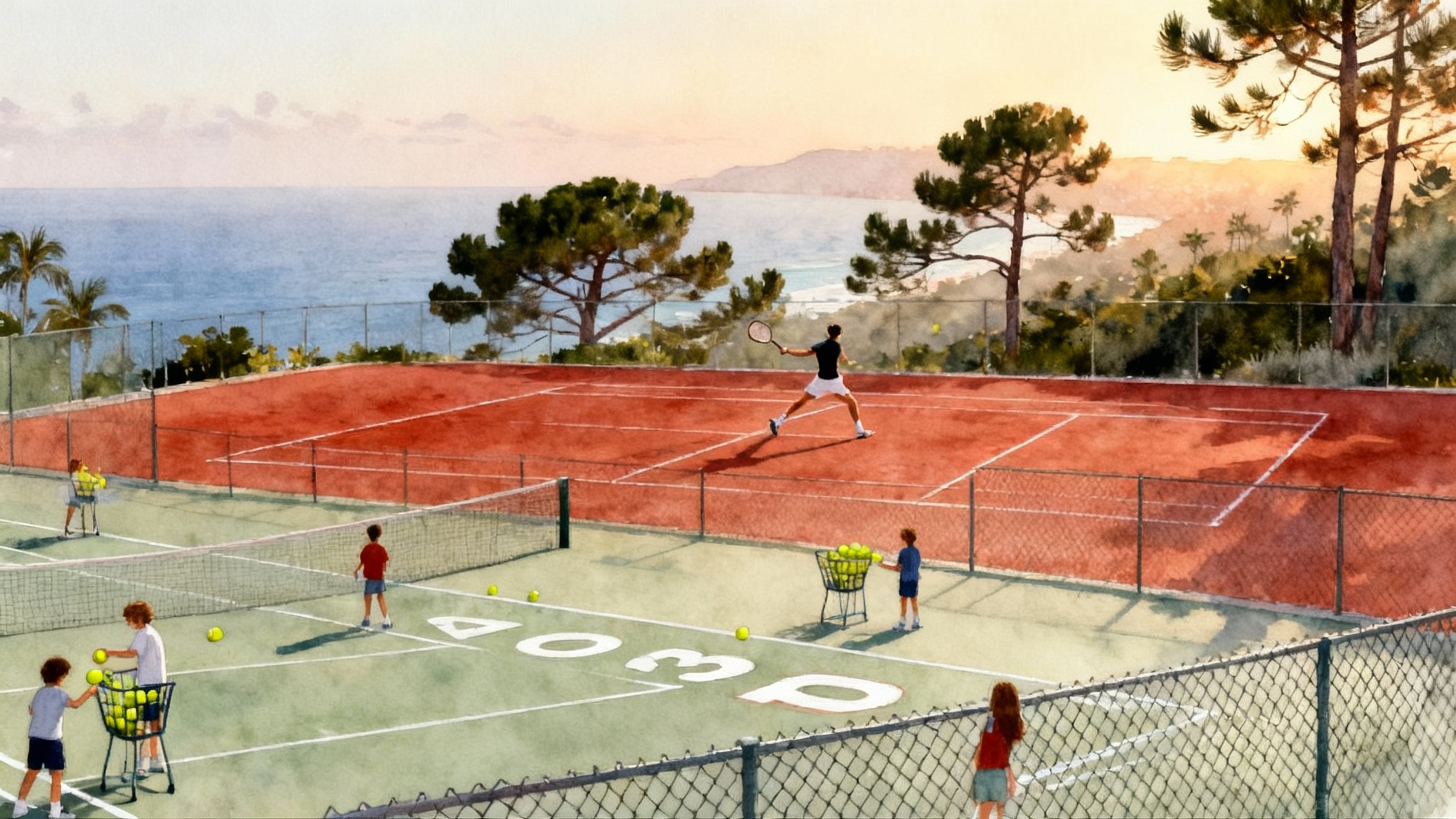
In the first 12 to 18 months, the emphasis was simple: repeatable technique with consistent spacing. Coaches built a short, economical takeback on both wings and a contact point that did not drift when fatigue set in. The staff kept rallies long and directed, so timing would normalize at a useful speed. They layered in basket‑fed drills for specific windows: shoulder‑height backhands, lower hip‑level forehands, and deep neutral balls that required depth control rather than raw acceleration. Repetition installed a baseline autopilot. Once the swing shapes were clean, intensity could rise without the strokes breaking down.
Inside Piatti Academy: method and daily rhythm
Riccardo Piatti’s reputation is built on fundamentals first, then high‑quality repetition. The daily rhythm in Bordighera is not mysterious. What matters is the sequence and the standards.
Here is a typical microcycle pattern families can recognize:
- Morning court: 60 to 90 minutes of technical reps. Heavy focus on alignment, racquet head position, and length of follow‑through. Feed patterns narrow to one or two tactical windows each day.
- Midday fitness: ankle and hip stability, medicine ball rotation for elastic power, and short acceleration runs. Skiing strength becomes tennis agility when the work is targeted.
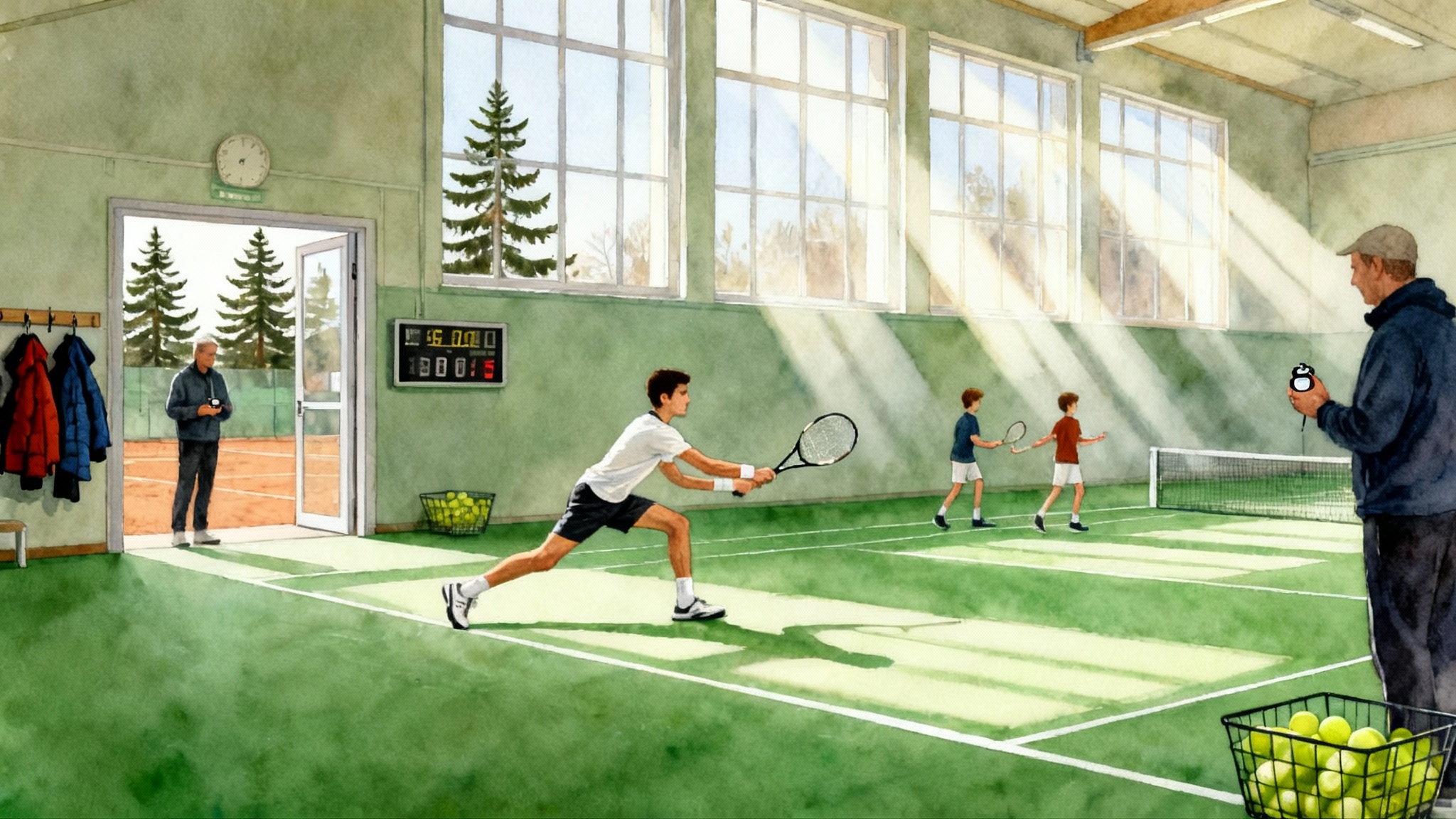
- Afternoon live hitting: 90 to 120 minutes with a sparring focus. Younger players are put across the net from older, stronger hitters. Score is not the point. Ball weight is the point. This is where decision‑making under pressure starts to form.
- Recovery: stretch, light mobility, cold shower or ice if needed, and a short video review that highlights one technical cue and one tactical cue. One cue each. The brain can only anchor so much in a day.
The program looks unglamorous. That is the point. Fundamental strokes get installed the way builders pour a foundation. You do not see the concrete once the house is up, yet the house stands or falls because of it. For a comparison to another high‑standard routine, see the All In Academy blueprint.
The backhand that does not blink
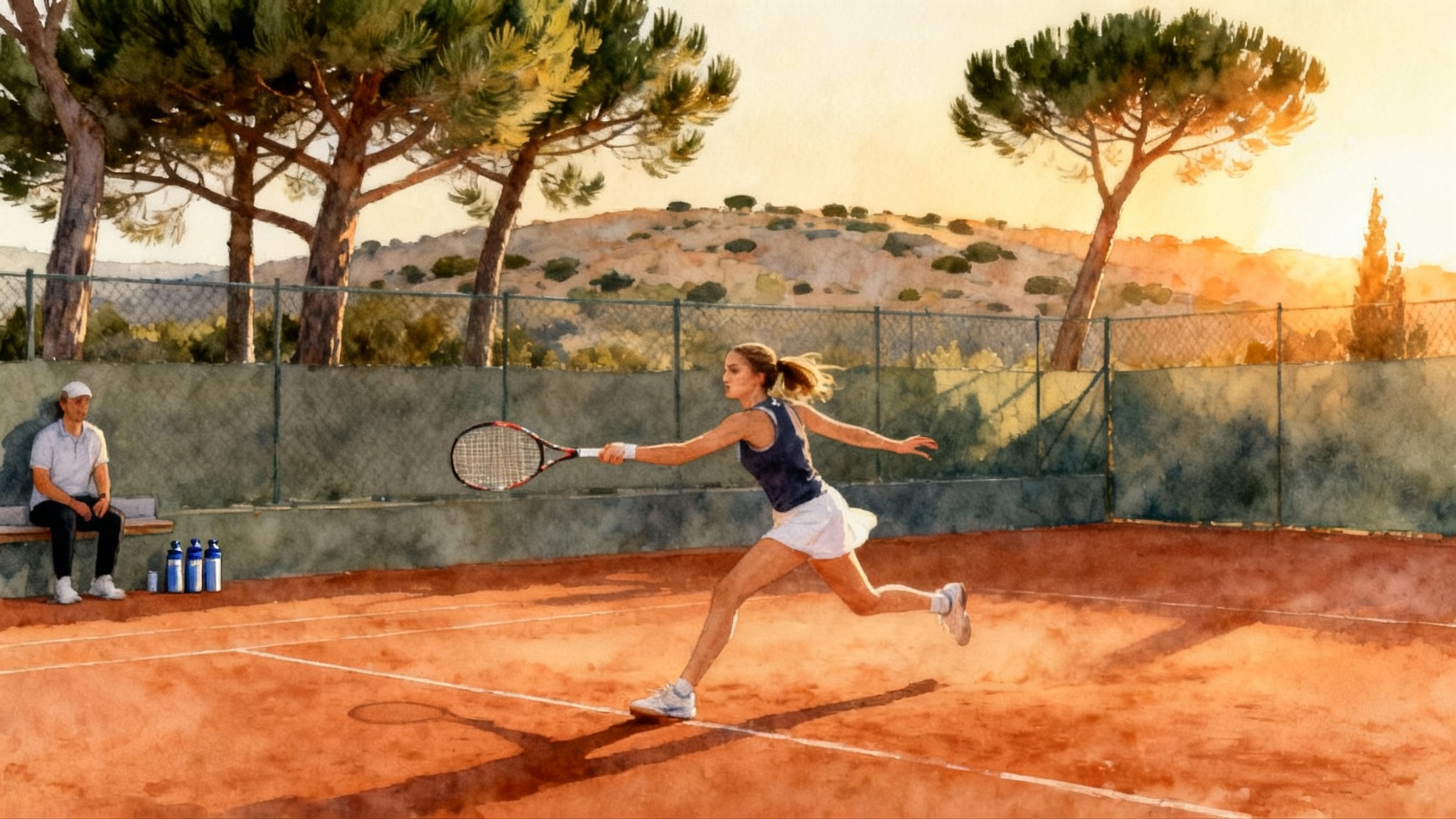
Watch Sinner’s two‑hander late in a close set. The takeback is compact, the left arm drives through contact, the head stays still. None of this is an accident. Piatti’s coaches shape a reliable contact window and then drill it until the player can hit the same ball fifty times without a miss. That is how the backhand learns to absorb world‑class pace without panic. The racquet path is not steep or forced. The result is a backhand that neutralizes heavy crosscourt forehands and drives line with little tell. It is a shot that survives in bad positions because the swing never stretches beyond its trained template.
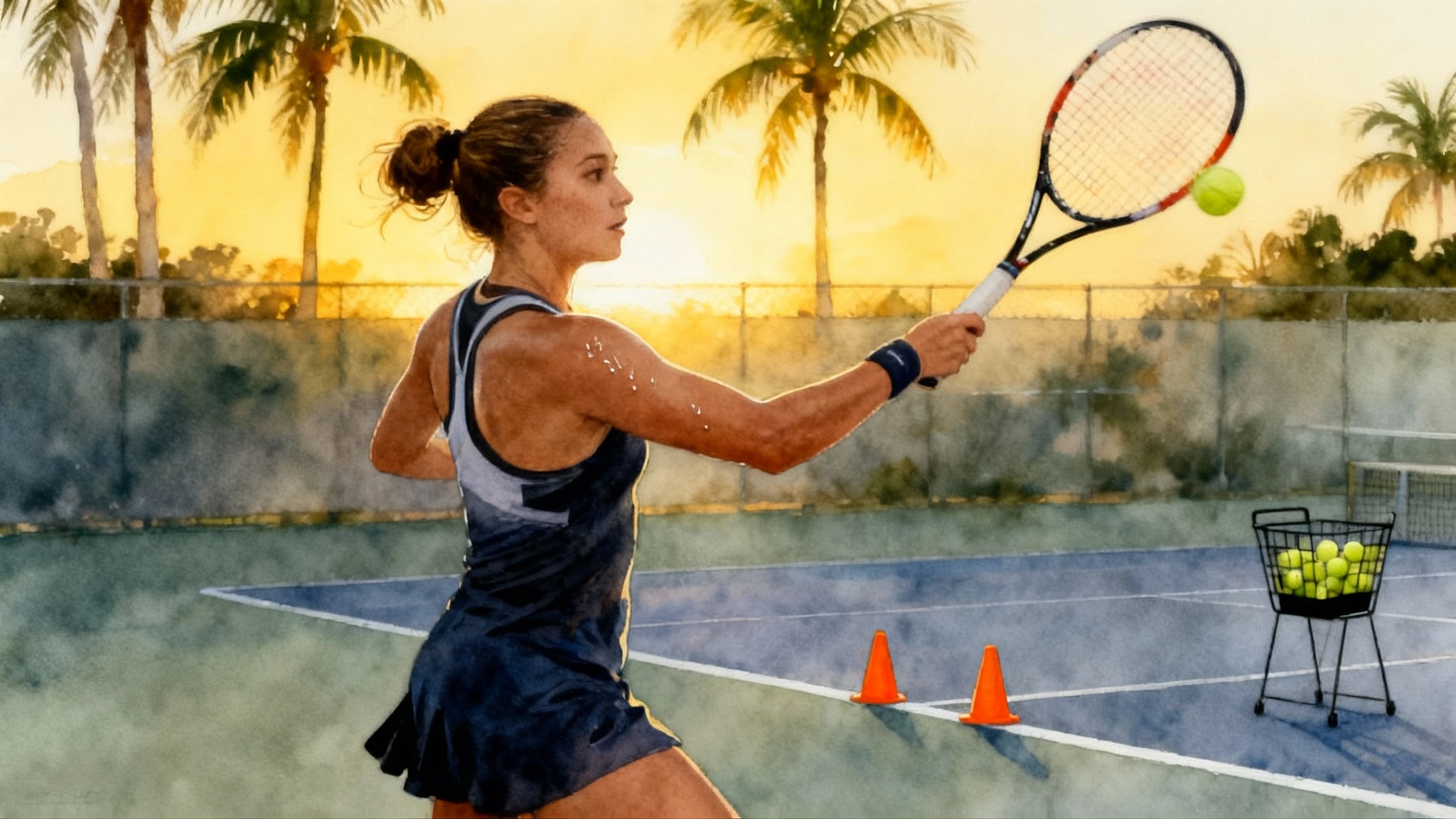
One drill illustrates the philosophy. Place two cones just inside the singles corner, one deep and one short. Feed a heavy crosscourt ball, then a shorter inside ball. The player must drive crosscourt deep, then redirect line off the shorter feed. The constraint forces a compact takeback and early preparation. Ten clean pairs, then swap sides. Simple, repeatable, and always at the speed the player can own. When execution rises, add pace or shrink targets.
Fearless baseline patterns are trained, not inherited
People love to say Sinner is fearless. The word makes it sound innate. In reality, much of that confidence comes from rehearsal. Piatti’s groups run game‑based scenarios on repeat. One classic pattern is serve plus one crosscourt to set depth, then either a line change or a middle dipper to freeze the opponent’s position. The sequence is played as a mini set to 15 points. If a player chooses the wrong ball to change line, they do a quick reset and name the ball they should have chosen. Decision plus stroke, scored, then instantly reviewed. Courage is easier when you have seen the picture a hundred times.
Another pattern, especially for counterpunchers, is the slow build. Three neutral balls crosscourt with angle control, then a surprise line. If the opponent drifts, take the middle and come forward. Forward movement is rewarded, but only when the setup was credible. The lesson is not aggression for its own sake. The lesson is aggression when the court position says yes.
Pushing a teenager against grown pros
Part of the Bordighera engine is sparring with older professionals. The effect is twofold. First, a young player adapts to heavier spin and faster tempo. Second, the mind normalizes the noise that comes with big ball striking. A teenager who learns to see the ball early against adult pace does not panic when he meets that pace in a junior final, or later in a Challenger. He already saw it on Tuesday in training.
Piatti’s staff choreographs these sessions. The older pro does not play to win by any margin. He plays to push new speeds while holding the tactical pattern. If the junior starts rushing, tempo is dialed back for a game, then increased again. Everything is calibrated to learning, not ego. This is how a sixteen‑year‑old avoids the ruinous habit of swinging harder just to keep up. Instead, he learns to take the ball early with the same compact swing, use the opponent’s pace, and trust his targets.
2022: from Piatti to Vagnozzi and Cahill
In February 2022 Sinner ended his long run with Riccardo Piatti and hired Simone Vagnozzi. Months later he added Darren Cahill, first as a consultant, then as a regular voice on the team. This pivot was not a rejection of his base. It was a specialization phase. Once the foundation proved rock solid, the team optimized the details that win the very biggest matches: serve patterns, first‑ball aggression, and tactical flexibility match to match. Cahill’s addition was covered by the ATP, including Sinner adds Darren Cahill in 2022.
What changed on court? Three upgrades stood out:
- Serve patterns and location discipline. Higher first‑serve percentages while still aiming for corners. Service games designed to set up his favorite plus‑one forehands without becoming predictable.
- Transition clarity. Finish when the opponent’s reply dips short. Enter behind the right ball and cut the volley without over‑swinging.
- Match‑to‑match adjustments. Against big servers, the return position shifts and the block return becomes a weapon. Against grinders, depth tolerance rises and the line change arrives a ball later.
The result was an elite base upgraded for Grand Slam and Masters problem sets. The sequence validated a simple point. A great academy turns potential into a dependable A game. A great pro team helps that A game scale to any opponent, surface, and occasion.
The academy base that powers specialization
Families often ask when to specialize. Sinner’s path suggests a helpful model. Specialize in the training environment before you specialize in the coaching brand. In other words, choose a place where the daily work guarantees fundamentals and repetition, where fitness is baked into the plan, and where the player sees stronger pace often. Once the base is proven, add specialists who tune serve patterns, scouting, and week‑to‑week adaptations. If you flip the order, you risk polishing details on a shaky base. For more on sequencing, compare with Inside JC Ferrero’s Alcaraz plan.
Here is how that progression might look in practice:
- Ages 11 to 13: emphasize technique consolidation and fitness basics. Find a program that holds stroke shapes steady and demands consistent spacing. Keep points long in practice so timing stabilizes. Enter local events for competitive reps without travel fatigue.
- Ages 13 to 15: elevate ball speed gradually. Add two weekly sessions against older sparring partners. Begin a simple strength routine supervised by a coach. Track unforced error patterns on video once a week. Enter regional tournaments, but cluster them in two or three‑week blocks to learn how to manage momentum.
- Ages 15 to 17: introduce targeted tactics. Build two or three default patterns on serve and return. Practice them under scoreboard pressure. Start lightweight scouting. Consider a short training block at a high‑standard academy during school breaks to simulate a pro day.
- Ages 17 and up: bring in specialists. Serve coach, performance analyst, nutrition consultant, or a traveling coach who translates data into daily drills. Start mapping tournament calendars to the player’s game style and development goals.
What families can copy from Bordighera
- Late specialization can work when the old sport feeds the new one. Skiing gave Sinner balance and patience. Your child’s second sport might be football, basketball, or gymnastics. Transfer those qualities into tennis footwork and discipline. For more foundation‑first models, see how Niki Pilic forged Djokovic.
- Make repetition your ally. Ten thousand random balls do not help. Thousands of correct balls do. Keep targets small, feed speeds the player can own, and raise the tempo only when execution holds.
- Seek older, stronger sparring partners once or twice a week. The goal is not to win practice sets. The goal is to normalize the pace they will meet in the next phase of their career.
- Review one technical cue and one tactical cue per day. Overloading kills retention. Pick the one thing that changes a rally pattern and build around it.
Using ITF and Challenger calendars to accelerate the jump
Progress needs the right stage. That is where the International Tennis Federation and the ATP calendars matter. The ITF World Tennis Tour and the ATP Challenger Tour are bridges between junior success and the main tour. Families can map a smart schedule by clustering events regionally and by surface.
Start by browsing the ITF World Tennis Tour calendar. Filter for country and month, then look for two or three events within a reasonable travel radius. Aim for back‑to‑back weeks so players learn to manage momentum and fatigue. For players who train mostly on clay, plan a clay swing rather than bouncing between surfaces. When confidence rises, sprinkle in higher‑grade events that offer more ranking points.
On the Challenger side, think in arcs. A player might open with two or three ITF events to bank matches, then move up to a lower‑tier Challenger once results stabilize. The ATP website posts Challenger schedules and entry lists. Coordinate with coaches to find qualifying draws that suit the player’s style. A first qualifying win at a Challenger can be more instructive than a junior trophy because it reveals the physical and mental standards of the next level.
A simple upgrade map you can use tomorrow
- Audit the base. Film groundstrokes from side and behind. If contact points drift or the swing lengthens under pressure, prioritize a technical block before chasing bigger events.
- Write a two‑week microcycle. Three technical sessions, two fitness blocks, two live‑hitting sessions with at least one older sparring partner, and one match‑play day with scorekeeping and clear patterns.
- Choose two patterns per phase. For example, serve wide on the deuce court, then lift crosscourt; or return deep middle, then drive line off the shorter ball. Play mini sets to 15 where you must run your pattern at least once per point.
- Cluster tournaments. Pick two or three events in a row within driving distance to practice recovery, scouting, and adjustments. After the swing, debrief and retool.
- Add a specialist when the base holds. If the serve breaks down under pressure, bring in a serve coach for a two‑week block while the rest of the plan stays stable. If decision‑making is the bottleneck, add a match analyst for a short window and test the adjustments immediately in local competition.
The bigger picture: what Sinner’s path teaches
Sinner’s story confirms a principle that transcends one academy. Development works when three elements align.
- A clear technical identity. Compact strokes that repeat at rising speeds.
- A training environment that makes heavy pace feel normal.
- A progression from broad foundations to targeted specialization.
The academy supplied the first two. The pro team supplied the third. After the 2022 change to Simone Vagnozzi and Darren Cahill, the benchmarks started to arrive in sequence: deeper runs at the biggest events, a first major title, and a ranking rise that marks a fully formed professional. All of it rested on the base poured in Bordighera.
If you run a program, borrow the structure
Coaches and academy owners can apply the same template.
- Standardize technical language across the staff. If one coach says shoulder turn and another says hip coil, the player hears noise. Pick your terms and teach them.
- Track repetition quality, not just volume. A thousand rally balls with sloppy spacing is fitness, not development. Use cones, depth boxes, and video to keep standards visible.
- Protect sparring time with stronger players. It only works when the brief is clear. Define the pattern, the target, and the speed. Stop the drill when the purpose is lost.
- Build partnerships with nearby tournaments. Negotiate practice court access the day before main draw starts, and arrange warm‑up hits for your players. Create a rhythm that repeats each month so competition becomes a habit rather than a disruption.
Conclusion: build the base, then aim higher
From South Tyrol’s slopes to Bordighera’s courts, Sinner’s path proves that the order of operations matters. First, install a base that does not blink. Compact strokes, clear footwork, and daily repetition against real pace. Then, when the time is right, add specialists who sharpen serve patterns, scouting, and match‑day adjustments. Late specialization is not a gamble when the environment is right. It is a strategy. Families can adopt it by choosing training that builds reliable habits, by upgrading sparring partners, and by using the ITF and Challenger calendars to step into bigger arenas at the right time. Do that, and the leap from promise to performance stops looking like a leap. It looks like a staircase you already built, one smart step at a time.