From El Palmar to Villena: How Equelite Forged Carlos Alcaraz
 Tommy
Tommy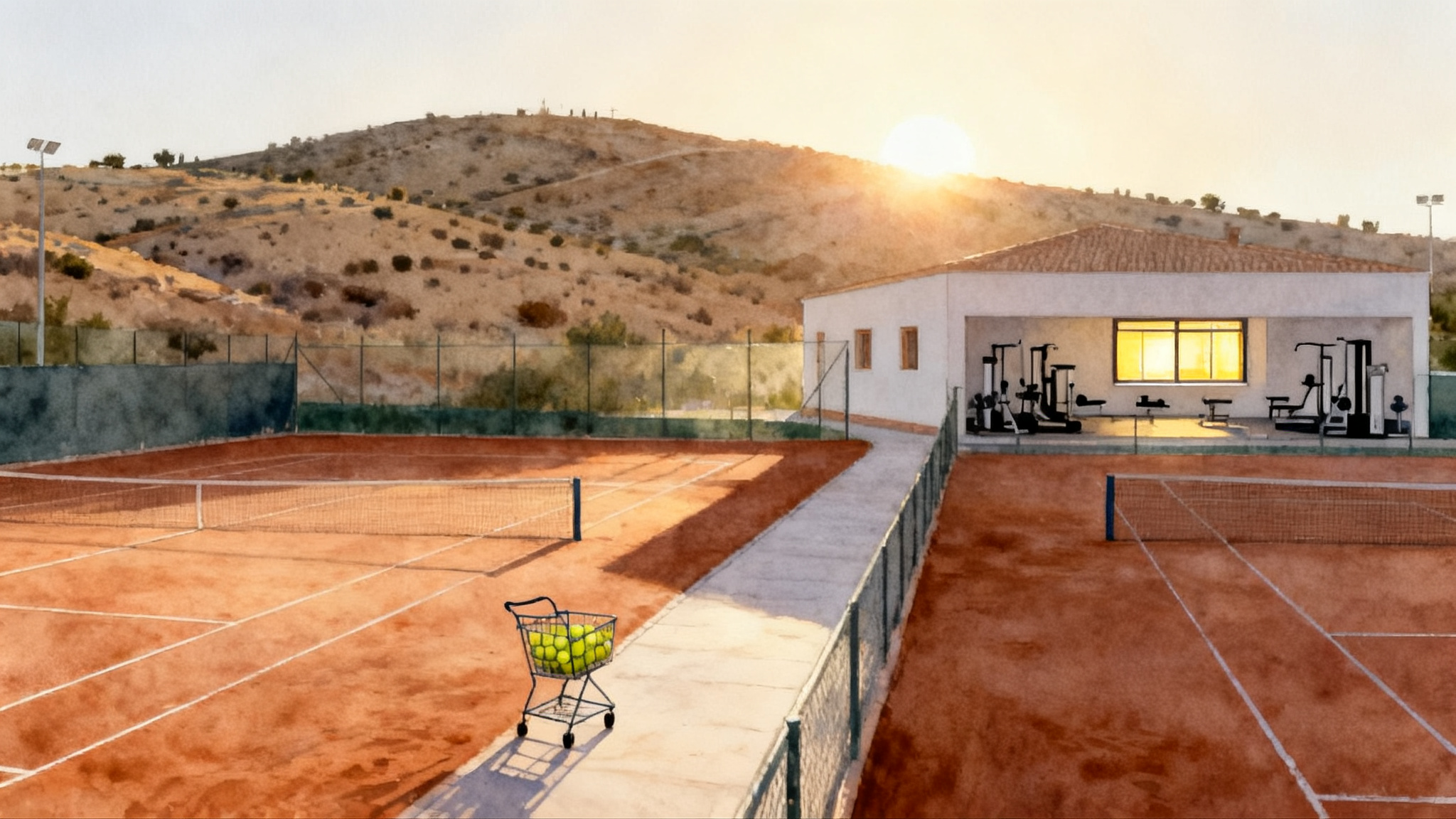
The timely hook: a split that spotlights the foundation
In December 2025, Carlos Alcaraz announced a split with coach Juan Carlos Ferrero after more than seven years together. The news traveled fast because their partnership defined his rise from prodigy to champion, and it gives us a clear lens: which parts of Alcaraz’s game were built at the academy stage, and which elements can families reproduce during the crucial 15 to 17 window? The headline changed, but the groundwork endures. For context, Alcaraz announced the split on December 17, 2025; see the official ATP announcement.
El Palmar to Villena: the decision at 15
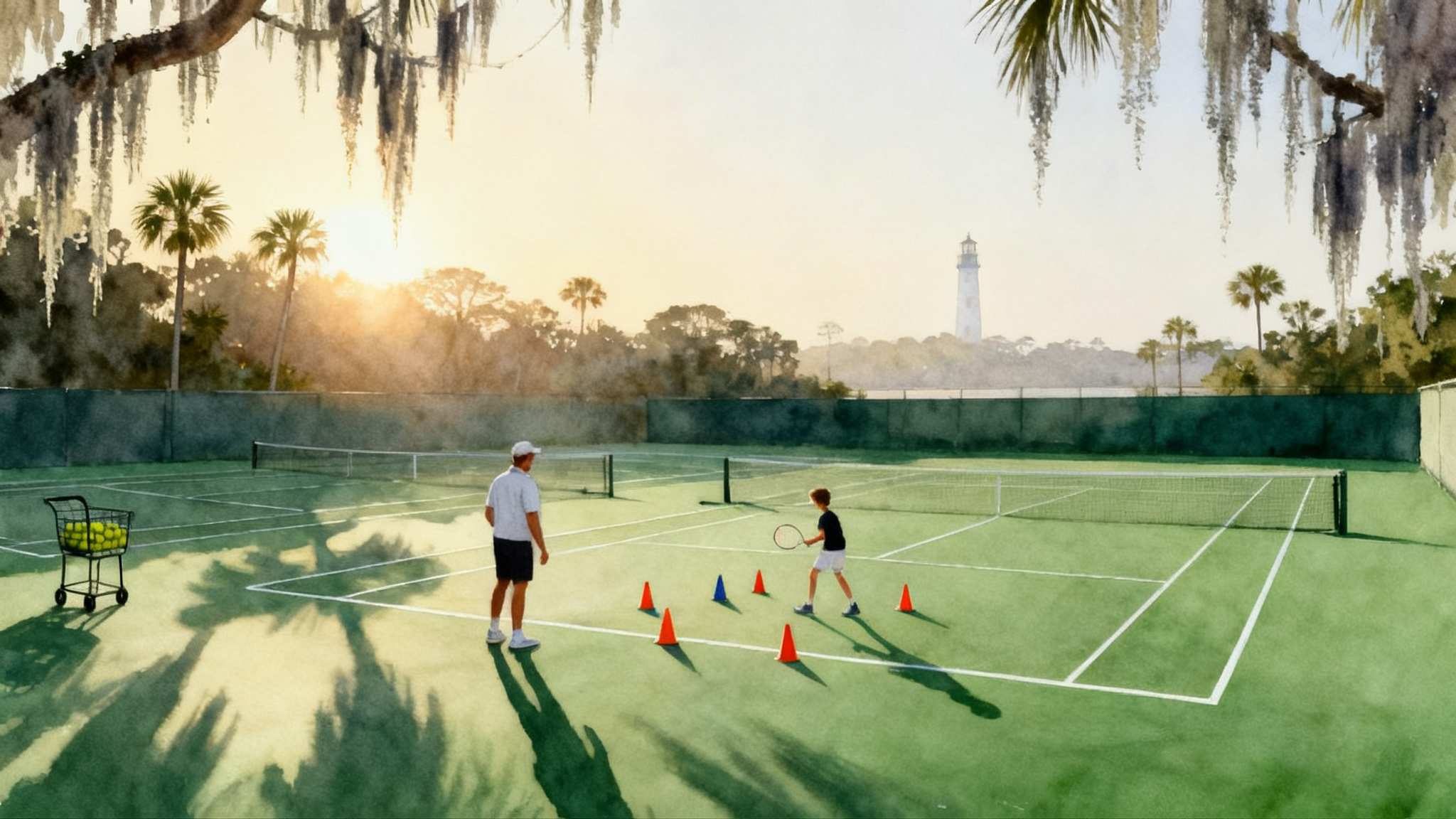
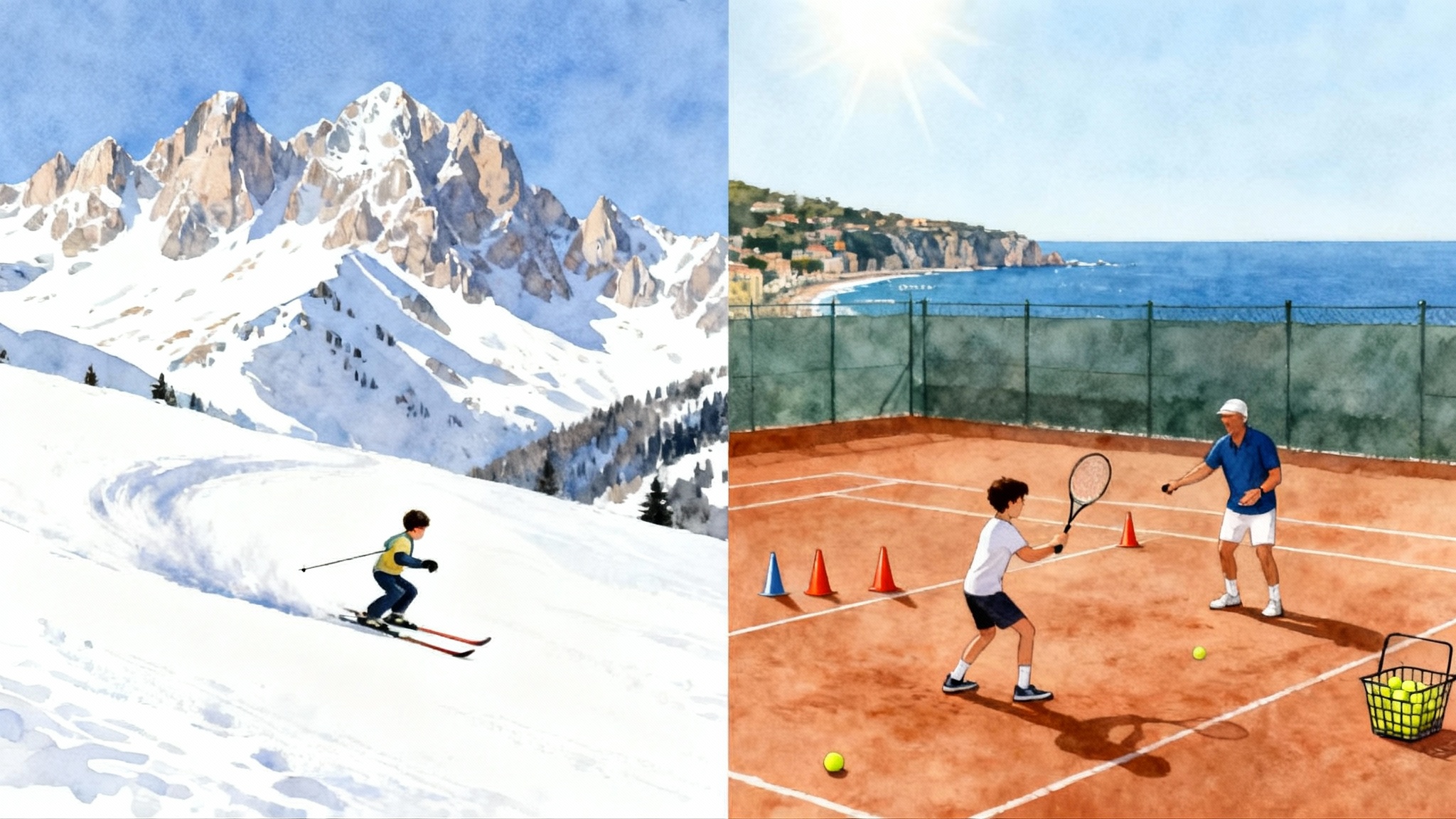
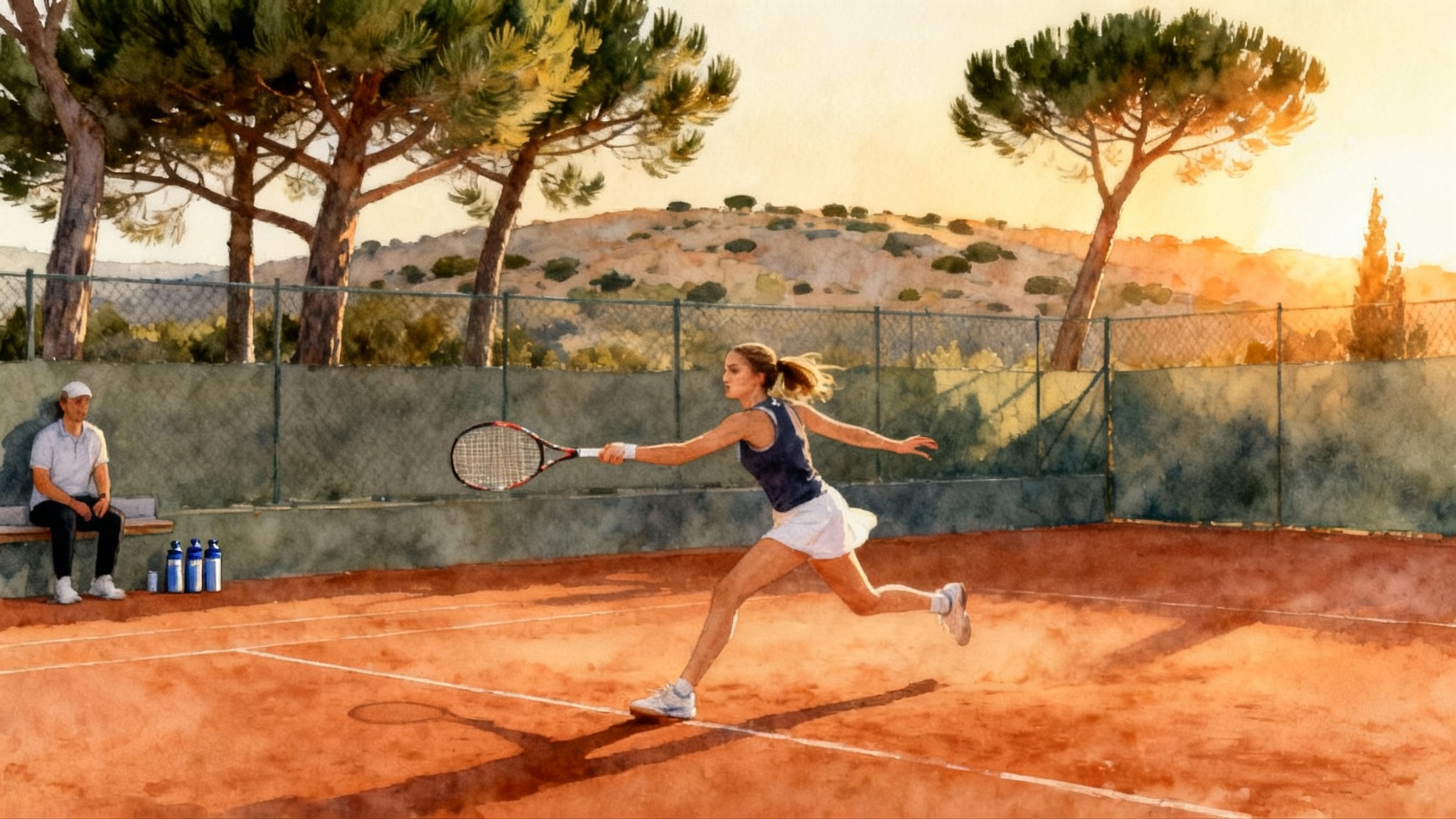
Relocating at 15 is not a glamorous postcard. It is a life choice. In 2018, Alcaraz moved one hour north to Villena to live and train full time under Ferrero at JC Ferrero-Equelite. The move compressed his world into one walkable campus: courts, gym, physio, school support, meals, rest. One place, many levers. That single decision turned the idea of being a pro into a daily system.
Think of a young player’s development like baking bread. Ingredients matter, but so does the oven. Villena was the oven: same heat every day, same timing, predictable inputs. Equelite’s strength is coordination. Coaches, fitness staff, and physios are within a few steps of the baseline. A conversation after a morning hit can become an afternoon gym tweak without waiting a week for an outside appointment. For a teen who is still growing, that speed of adjustment compounds.
What Equelite got right at 15
Below are the specific mechanisms that helped Alcaraz jump from regional standout to a teenager who could win real matches against grown professionals.
1) One campus, one plan
- Short feedback loops: On-site staff can huddle after a session and adjust the rest of the day. If movement looks heavy, the fitness coach downgrades loads and the physio checks calf tightness before lunch. The next hit runs on the revised plan.
- Seamless days: No dead time in cars. A two-hour hit flows into recovery, video clips, and a second court block. The calendar serves the body, not the other way around.
2) Surface mixing that teaches adaptability
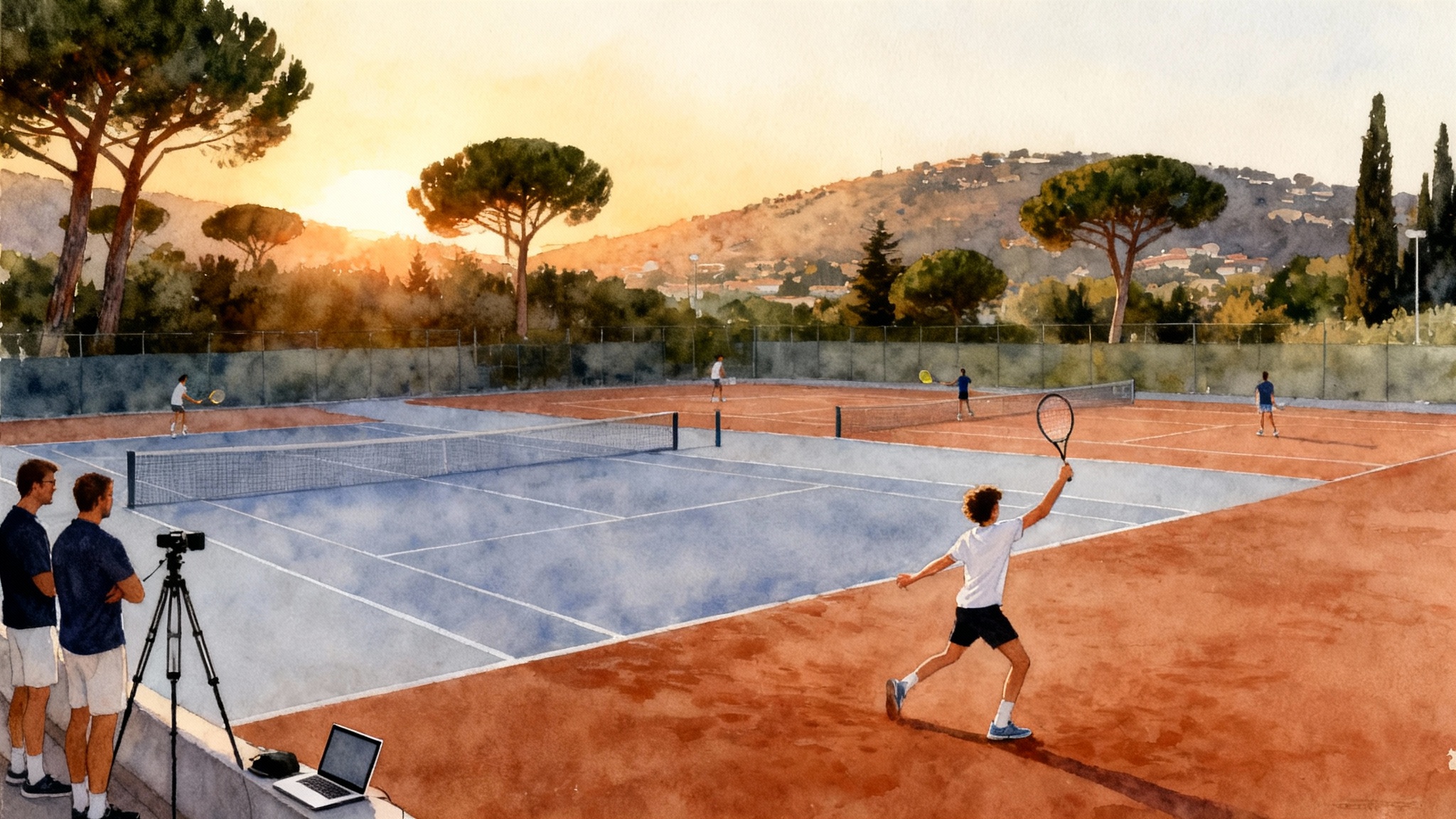
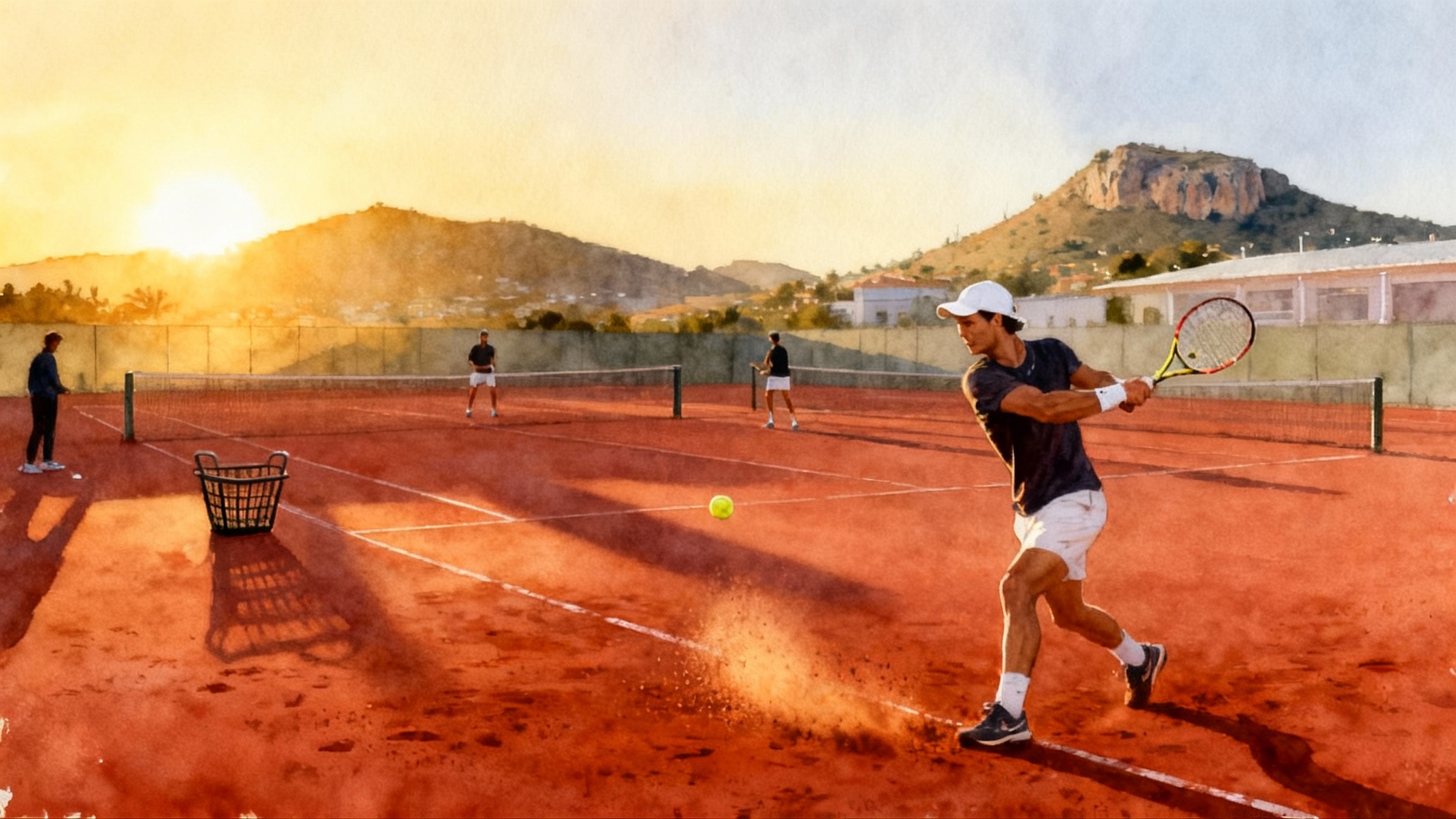
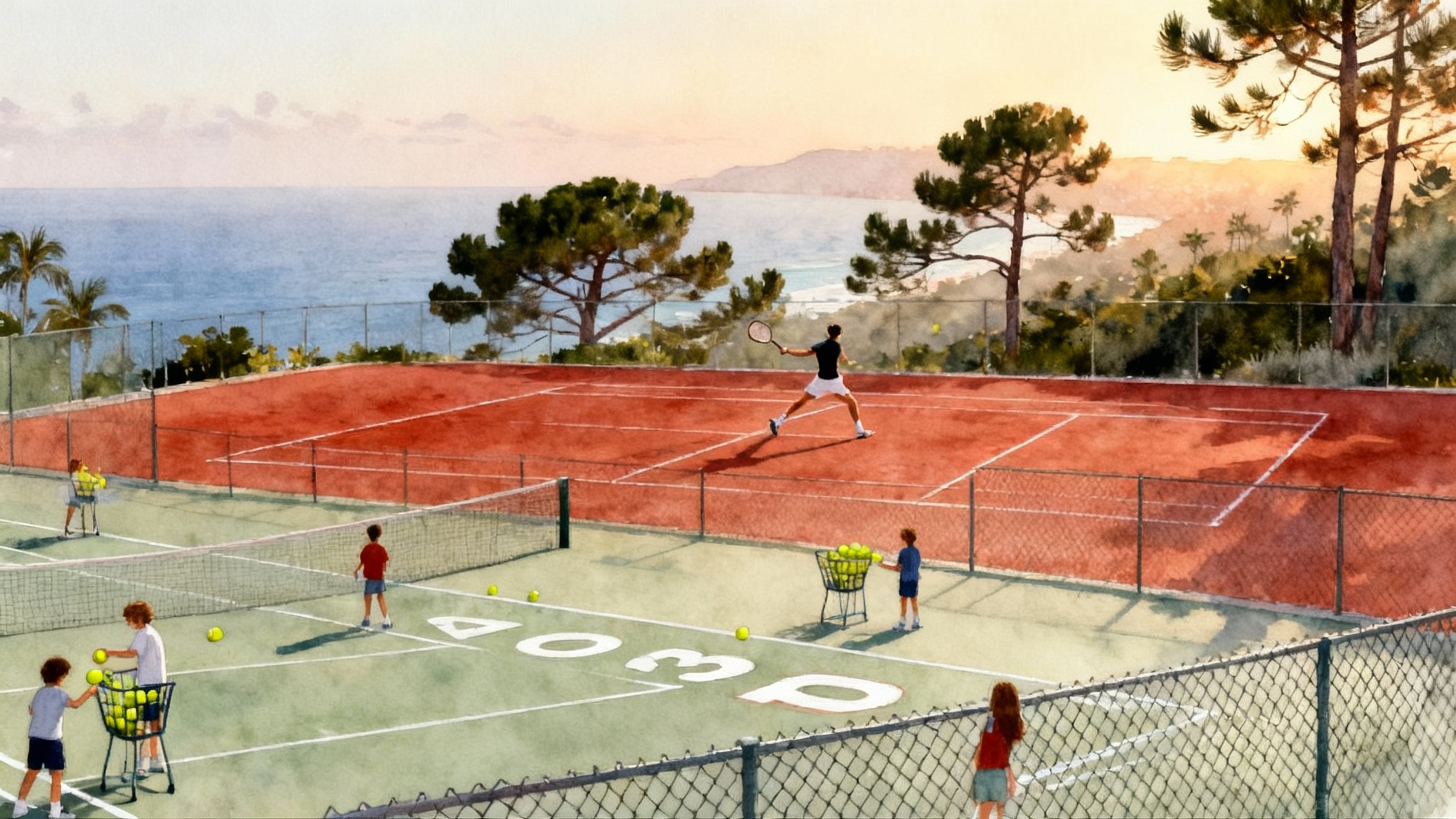
Villena offers multiple clay and hard courts, plus an artificial grass court. Rotating surfaces within a week is like teaching a guitarist to switch between acoustic and electric. The shot toolbox stays the same, but timing, balance, and choices change. For a teen, that means:
- Clay days to harden patterns and build legs for high-rally volume.
- Hard days to speed up the first two shots and tighten the serve plus first ball.
- Occasional grass-style skids to shorten backswings and practice front-foot balance.
You can see the same surface-switching approach in Sinner at Piatti Academy.
3) Deliberate match scheduling
Alcaraz’s team did not treat tournaments as random stamps in a passport. They treated them as a ladder of stress. At 15 and 16, he sampled ITF World Tennis Tour events close to home to learn adult match rhythm and logistics. By 17, he stacked ATP Challenger titles on clay and hard in tight blocks, turning form into ranking points. For a snapshot of that surge, see Alcaraz’s three Challenger titles in 2020.
4) Strength, not size; movement, not mileage
At 15 to 17, growth plates and tendons are still catching up. Equelite’s model focused on qualities that travel to the tour without breaking a young frame:
- Strength endurance in the hips and trunk before heavy barbell work.
- First-step acceleration and deceleration as the default movement skill.
- Upper-body elastic power through medicine balls, not constant maximal lifts.
- Aerobic base with tempo intervals that do not grind down joints.
5) Tactical themes per week
Instead of vague goals like “be aggressive,” each week got a theme that showed up in drills and point play. For example:
- Serve plus forehand into open ad corner on hard.
- Backhand line changes after two neutral crosscourt balls on clay.
- Net closures off inside-out forehands, sliding through the volley without stopping.
The theme repeated enough to become a habit, then got tested in match play the following weekend.
Programming the ladder: juniors to ITF to Challengers
Families often overvalue the single big result and undervalue the runway. Here is the model Equelite applied, simplified into steps you can copy. A similar progression appears in Djokovic at Niki Pilic.
- Local juniors as fitness plus pattern labs: Play enough to test weekly themes under low stress. Avoid chasing points across continents.
- ITF World Tennis Tour starters at 15 to 16: Mix M15 and M25 events to learn adult match rhythm and logistics. Travel is short, surfaces match the training phase, and doubles entries add volume without extra pounding.
- First Challenger at level readiness, not by birthday: Enter when internal metrics say a player can hold neutral rallies and protect serve at 60 percent plus.
- Two to three event blocks: Stack events on the same surface with minimal travel to let form compound. That is how a 17-year-old can make a big ranking move without a single miracle upset.
The mechanism behind the rise is not mystical. You lower chaos, stack similar challenges, and keep coaching aligned with what the schedule demands next month.
The pro habits that survived the jump
Even as coaches rotate or roles evolve, the habits formed at 15 to 17 remain sticky. Here are the durable ones Equelite baked in that still show up in Alcaraz’s tennis.
- A fast start ritual: light mobility, a short feel rally, then three point-play bursts before the match. This primes first-step attacking.
- Two-shot clarity: serve plus first ball on hard, return plus first counter on clay. Matches are often decided before the third swing.
- Front-foot decisions at the net: close on balance, keep the chest over the ball, play the volley as a finishing groundstroke.
- Between-points resets: one breath down, one cue up. No long speeches, just a single intention like “height over the middle” or “back through contact.”
- Recovery as part of the session, not something you do later. Ten minutes of easy bike, breath work, and tissue care after practice is non-negotiable.
When to relocate: a decision framework for families
Relocating a teenager for tennis is not just about talent. Use this checklist to decide if the timing is right.
Green lights
- The player can self-manage 12 months of training days without constant parental prompting.
- There is a clear academy point person who will coordinate fitness, court work, and physio, and who will update you weekly.
- The academy can show written microcycles and mesocycles that fit your player’s tournament calendar.
- Schooling is real, with a path to accredited exams and a schedule that respects training blocks.
Yellow lights
- The player still needs external motivation every practice. Consider postponing the move and building consistent habits at home first.
- The academy offers great court work but outsourcing of fitness and physio. That increases friction and cost.
- Promises of rapid ranking jumps without specifics on how. Ask for the mechanism.
Red lights
- No clarity on who travels to events, who coaches during matches, or who writes post-match reports.
- Oversized groups on court. If every session is six players per coach, individualized habits will lag.
- Mixed surfaces are unavailable. A single-surface environment narrows growth.
How to vet an academy like a pro manager
Bring the same rigor a sports director would use. For a French example of integrated campuses, review the All In Academy profile.
- Demand a trial week. Pay for it. Ask for a daily written plan and end-of-week report with specific cues your player should use.
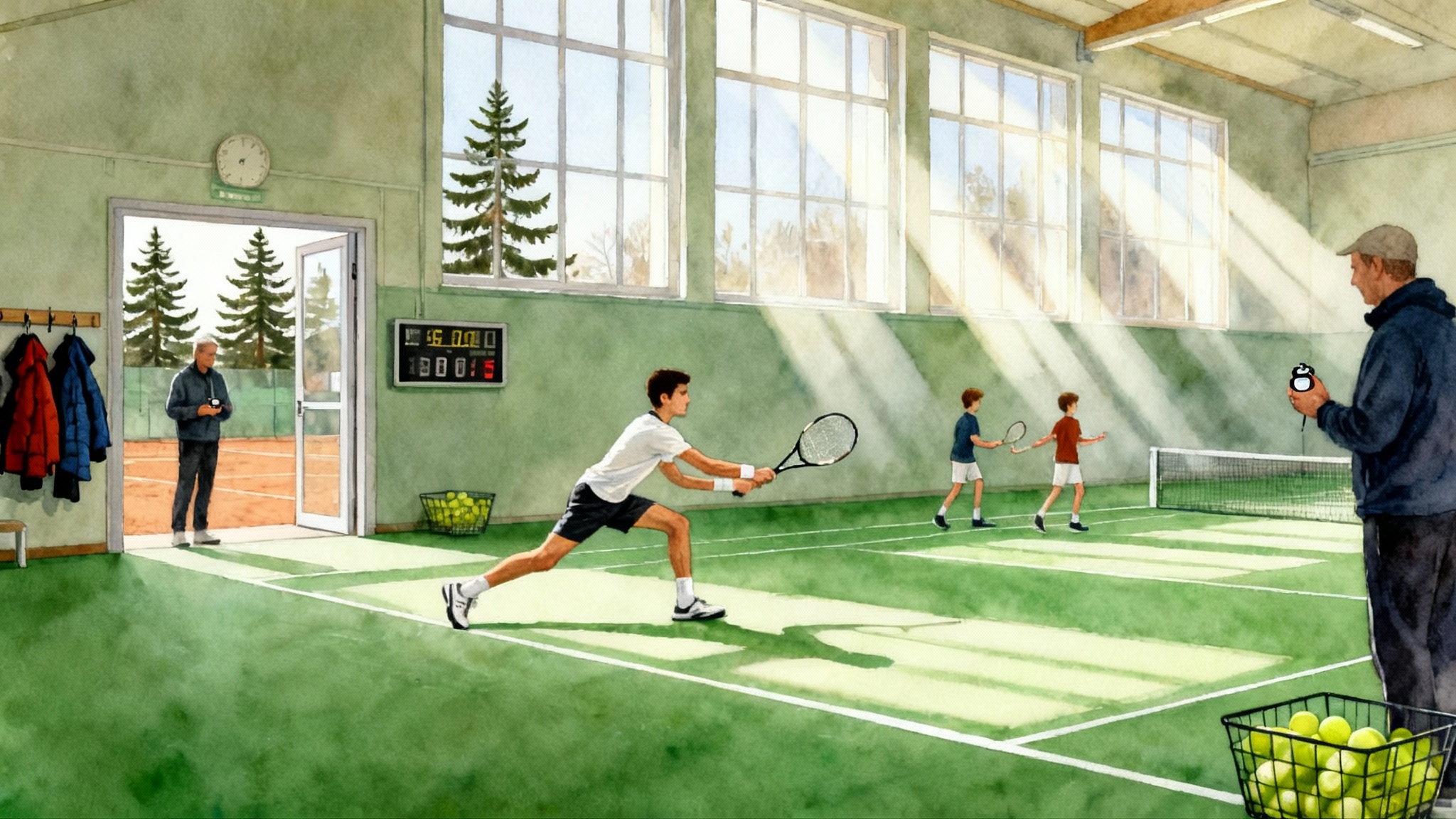
- Observe a staff huddle. If the head coach, fitness coach, and physio do not meet in person on site, coordination will collapse when things get busy.
- Walk the distances. The courts, gym, and treatment rooms should be minutes apart. If sessions require shuttles, the day will bleed time.
- Ask for a tournament support map. Who enters events, who travels, who scouts opponents, and how match data is stored and reviewed.
- Request three sample microcycles. Look for surface mixing, tactical themes tied to the upcoming schedule, and explicit recovery windows.
- Check athlete-to-coach ratios at your player’s level. Under four to one for technical sessions, under six to one for fitness.
- Verify school logistics. How are exams handled during travel weeks. What happens if a training block shifts at short notice.
- Speak to two families whose kids trained there from 15 to 17 and then jumped levels. Ask what actually moved the needle.
A 48-hour Equelite-inspired template for ages 15 to 17
This is not a script from Villena. It is a faithful template that mirrors the priorities that worked for Alcaraz’s development.
Day 1
- 07:15 Wake, hydration, 5 minutes of breath-led mobility
- 07:30 Breakfast with carbs plus protein; review a three-bullet training focus
- 08:30 Court 1: tempo warmup, serve plus first ball on hard, 75 minutes total
- 09:50 Video clip review: five rally starts, two returns, one footwork pattern
- 10:15 Gym 1: acceleration and deceleration, medicine ball throws, trunk work
- 11:15 Physio check: tissue status, brief hands-on or mobility prescription
- 12:00 Lunch, 20-minute quiet time
- 13:30 School block or study hall
- 15:30 Court 2 on clay: backhand line change theme, plus six points from 30 all
- 17:00 Recovery circuit: easy bike, parasympathetic breath, self-care
- 17:40 Snack and journaling: one sentence on what changed today
- 19:00 Dinner
- 21:30 Lights out, phone in another room
Day 2
- 07:30 Breakfast, confirm one cue for the morning session
- 08:30 Court 1 on clay: returns plus first counter; transition to net twice per game
- 10:00 Gym 2: strength endurance, unilateral leg work, pull pattern, elastic push
- 11:00 Physio screen: recheck any hot spots; modify afternoon load if needed
- 12:00 Lunch, 15-minute walk
- 13:30 School block, then a 10-minute nap
- 15:00 Court 2 on hard: match play set with constraints, no second serves into the body, net closure on any short ball
- 16:30 Recovery plus hydration check; finish with three breaths in, six out
- 18:30 Dinner; lay out kit for next day
- 21:30 Lights out
The key is not superhuman effort. It is repeatable rhythms that allow themes to stick and the body to adapt.
What still matters after the coaching change
The split changed the name on the top line, not the pillars underneath. The foundations that Equelite laid at 15 to 17 continue to matter in 2026 and beyond:
- Training days that look the same most of the time, with one theme repeated until it is boring. Boring is good. Boring becomes automatic under stress.
- A team that talks quickly and in person. Whether in Villena or elsewhere, the best results come when fitness, physio, and court work are aligned.
- Scheduling in waves. There is a time to step up in level, and a time to bank confidence where the player is slightly overqualified. The art is to alternate these on purpose.
- Surface range. When a player can switch between clay and hard without losing identity, matchups become less scary and week-to-week consistency improves.
Fans will track which voice calls the patterns from the box this season. Families should track which systems can be copied. The systems are the story.
Practical takeaways you can act on this month
- Audit your teen’s day. Count transitions. If a normal training day includes more than 90 minutes of non-productive movement between sessions, you need an on-site solution or a tighter schedule.
- Write a three-week theme plan. Pick one pattern per week, match it to surface choice, and test it on the weekend in match play.
- Build a mini-campus. Even if you cannot relocate, put the court, gym, and treatment within 15 minutes of each other. If that is impossible, schedule in blocks so you are not zigzagging.
- Plan your tournament ladder. Two M15s and one M25 in a four-week window beats three scattered events across three surfaces and countries.
- Protect recovery like it is a session. Ten minutes right after practice beats an hour late at night.
Conclusion: a blueprint, not a fairy tale
Alcaraz’s path from El Palmar to Villena was not magic. It was a series of precise choices that made each day point in the same direction. An integrated campus turned feedback into action. Surface variety made skills travel. A deliberate match calendar turned form into ranking. Those choices did not just produce results at 17. They built a competitive identity sturdy enough to survive the inevitable changes that come later. If you are a family weighing a move at 15, aim less for the brand name and more for the system you can live with every day. The right oven bakes the bread. Villena showed what happens when the temperature is set right and the timing never wavers.