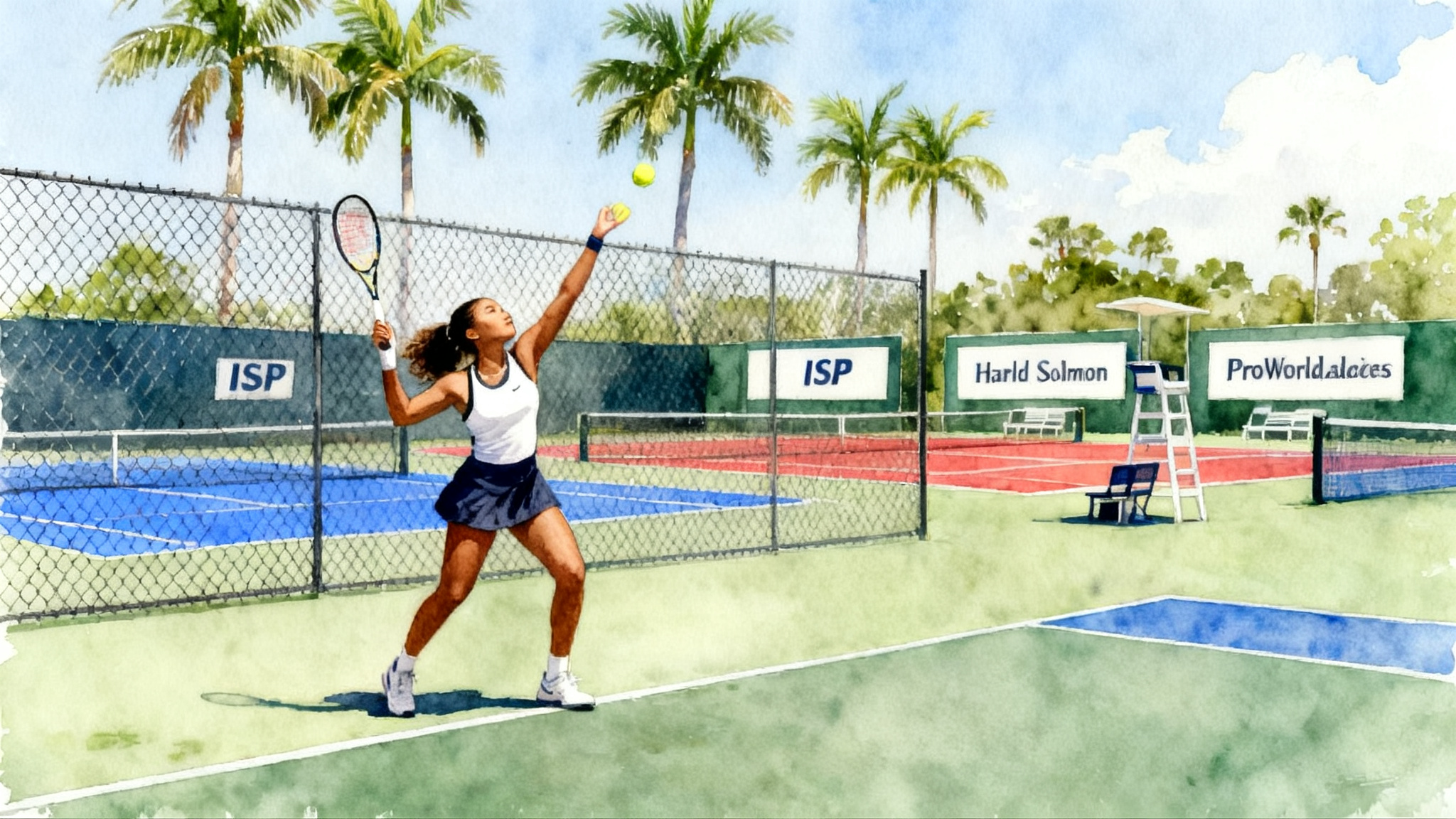
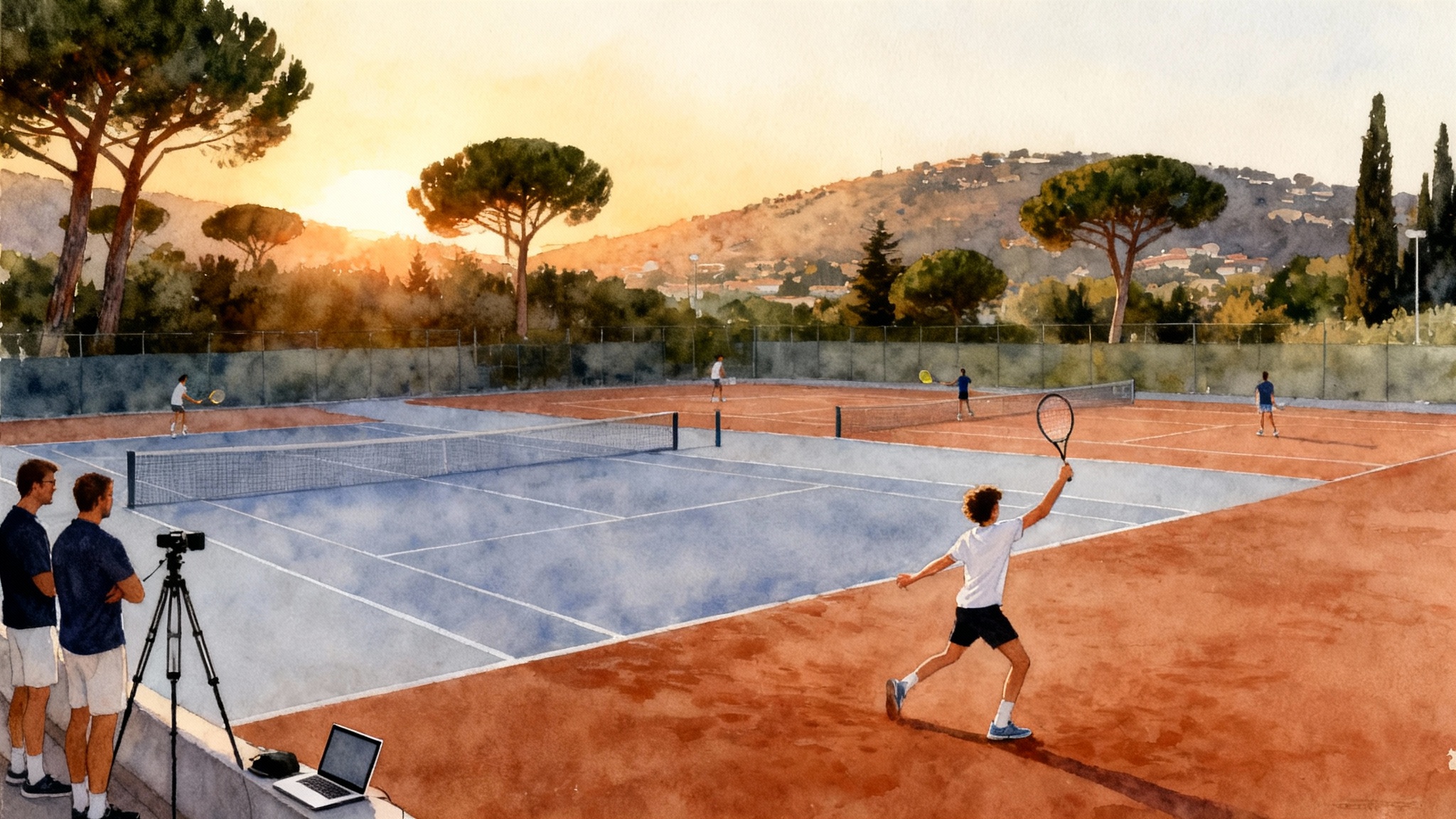
From Spartak to Kazakhstan: Rybakina’s blueprint for growth
Elena Rybakina’s rise runs through Moscow’s Spartak Tennis Club and a late, targeted shift to a traveling coach and federation backing. Here is how group-first training, smart timing, and the right support turned a tall junior into a tour champion.
 Tommy
Tommy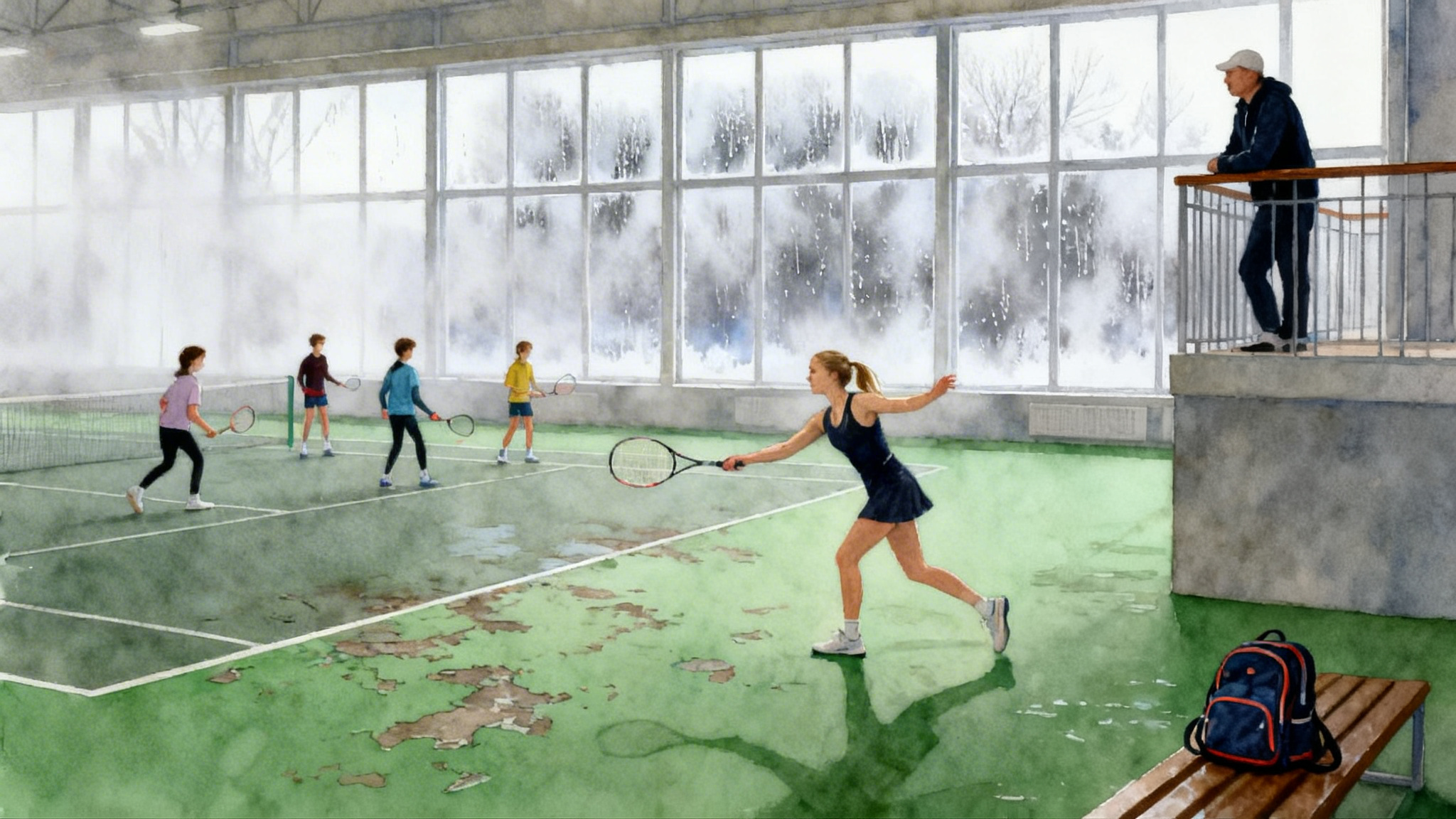
The overlooked origin story of a modern champion
Elena Rybakina did not sprint to the top on a straight line of private lessons and luxury academies. Her path began in Moscow, where she split time between school, a fundamentals-heavy group program at Spartak Tennis Club, and long fitness blocks that built a powerful base. Then, in 2018 and 2019, two strategic moves changed her runway: she chose to represent Kazakhstan, which provided real financial and logistical support, and she finally added an individualized, traveling coach. Those steps turned steady promise into week-in, week-out results. Families weighing options can also study Medvedev’s Elite Tennis Center path as a contrasting Russian development model.
This is not only a biography. It is a practical playbook for families: why early group environments can work, when to add one-to-one coaching, how to weigh federation or academy offers, and why multi-sport beginnings plus phased specialization can speed development.
Spartak’s group-first model: what it teaches that private lessons can miss
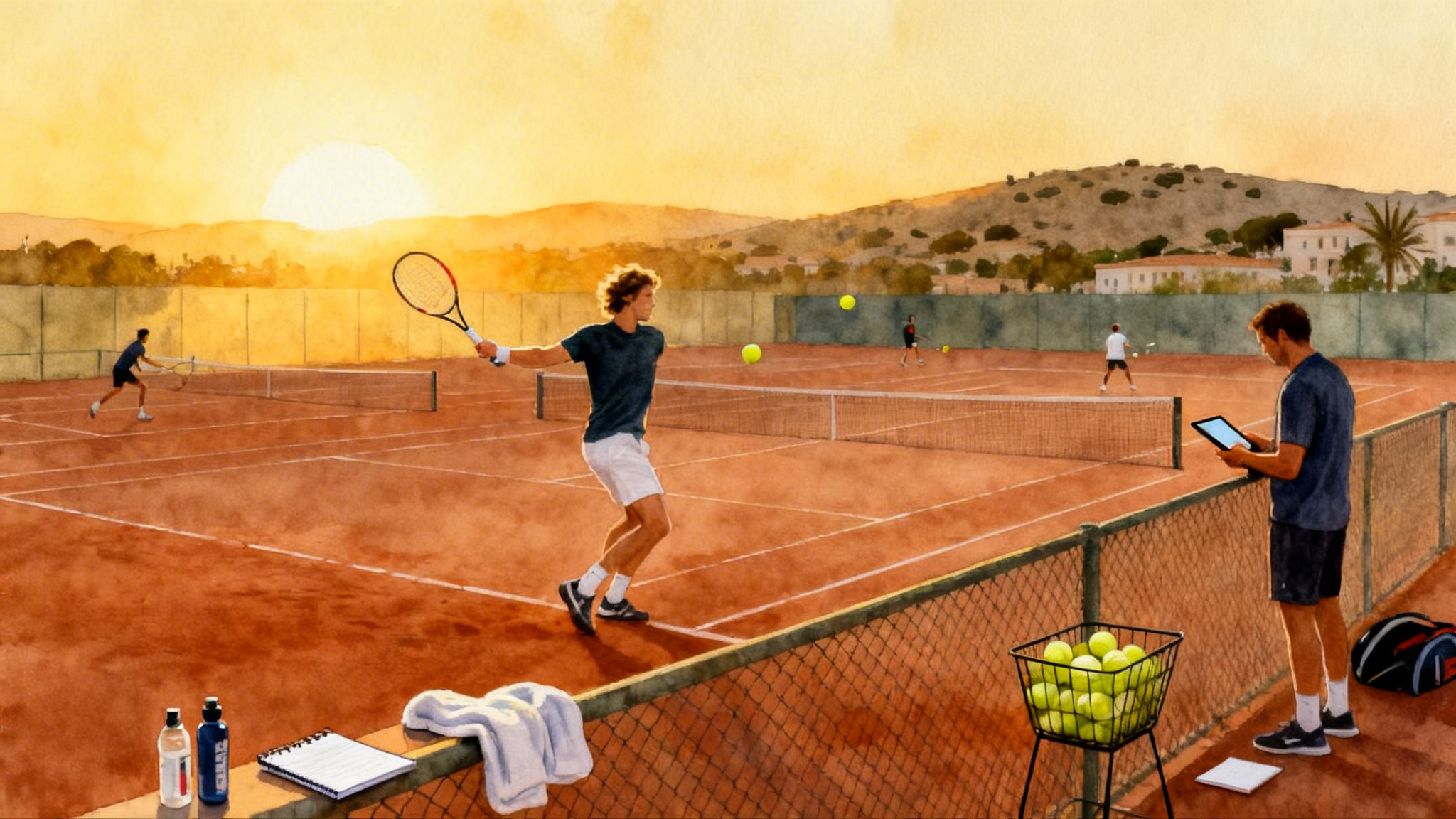
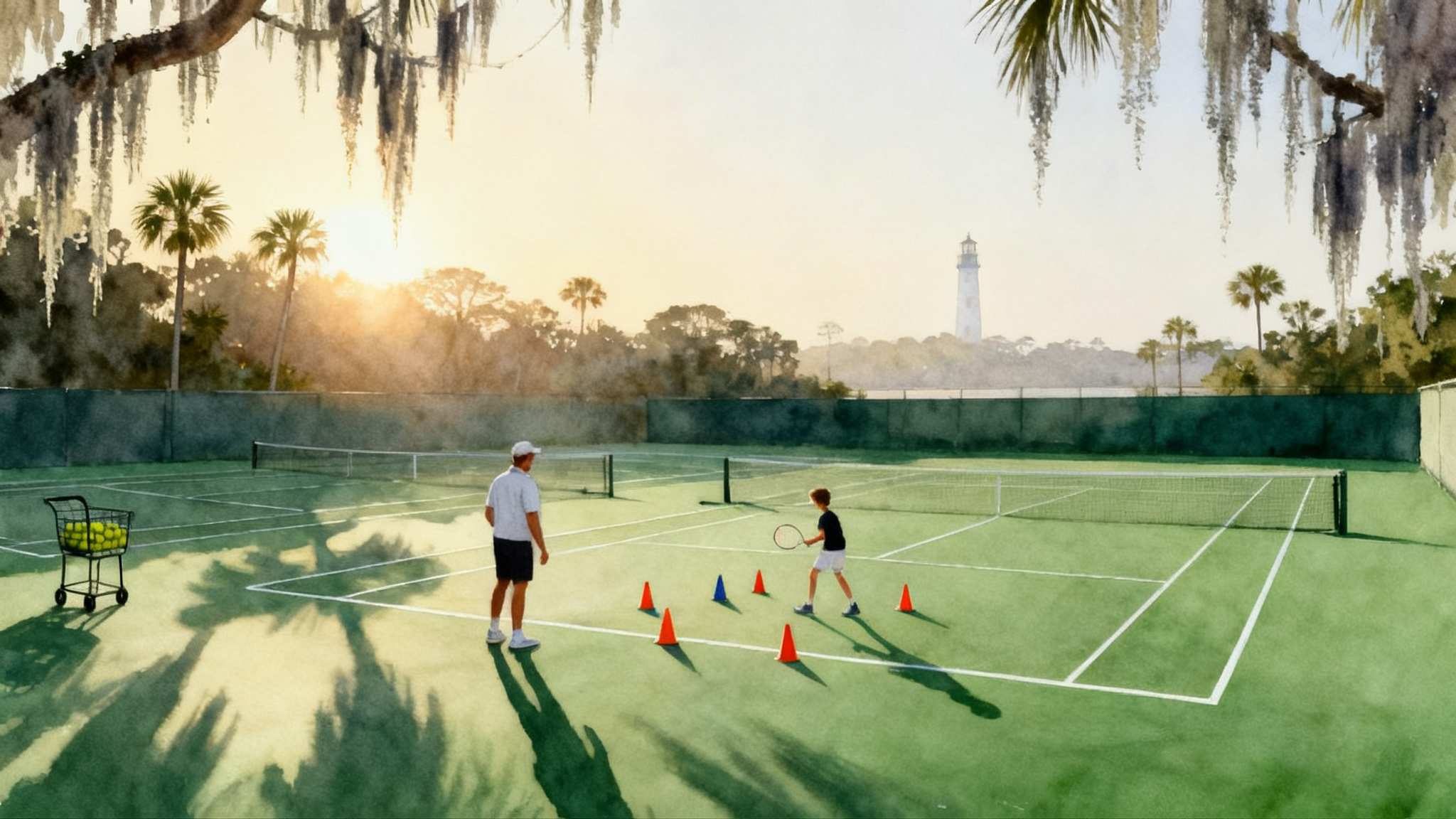
Spartak Tennis Club has a reputation that far exceeds its vintage facilities. The program is built on crisp technique, competitive group drills, and a culture of economy where no minute of court time is wasted. An older profile of Spartak captured the essence: coaches emphasize fundamentals in dense groups, scarcity of courts raises the intensity of every rep, and peer competition is the constant that lifts standards for everyone on the court. That scarcity-forces-quality dynamic is not theory. It is daily reality in winter Moscow, where five kids may share a court and still leave better than they arrived because every ball matters, every rally has a purpose, and every player is being watched. For a sense of this culture and its impact on generations of Russian players, see Spartak’s fundamentals-first environment.
In that system, Rybakina did most of her formative work in groups rather than with a private coach. She also cross-trained heavily and attended a regular high school, which demanded discipline and time management. The result was a foundation of quiet footwork, compact strokes, and a resilient aerobic engine that carried into long matches and long weeks.
Families sometimes worry that group training means “getting lost.” Spartak flips that idea. Group work teaches players to compete for space, to manage tempo, and to problem-solve amid noise and limited feedback. When a program holds technique standards high and runs sessions that are structured, variable, and competitive, the group becomes a strength, not a compromise.
Early guidance: Chesnokov and Kulikovskaya
Inside Spartak, Rybakina spent time with two coaches whose names matter because of what they emphasized. Former top ten pro Andrei Chesnokov brought professional rigor and a clean-strike aesthetic; former top one hundred player Evgenia Kulikovskaya, a long-time Spartak figure, reinforced the technical clarity and reading of the ball that the club prizes. Together they formed part of her early scaffolding. Just as important, that help was not constant one-to-one shadowing. It was coaching within a group rhythm, with standards set by the court, not by the calendar.
The late pivot: add a traveling coach when the calendar demands it
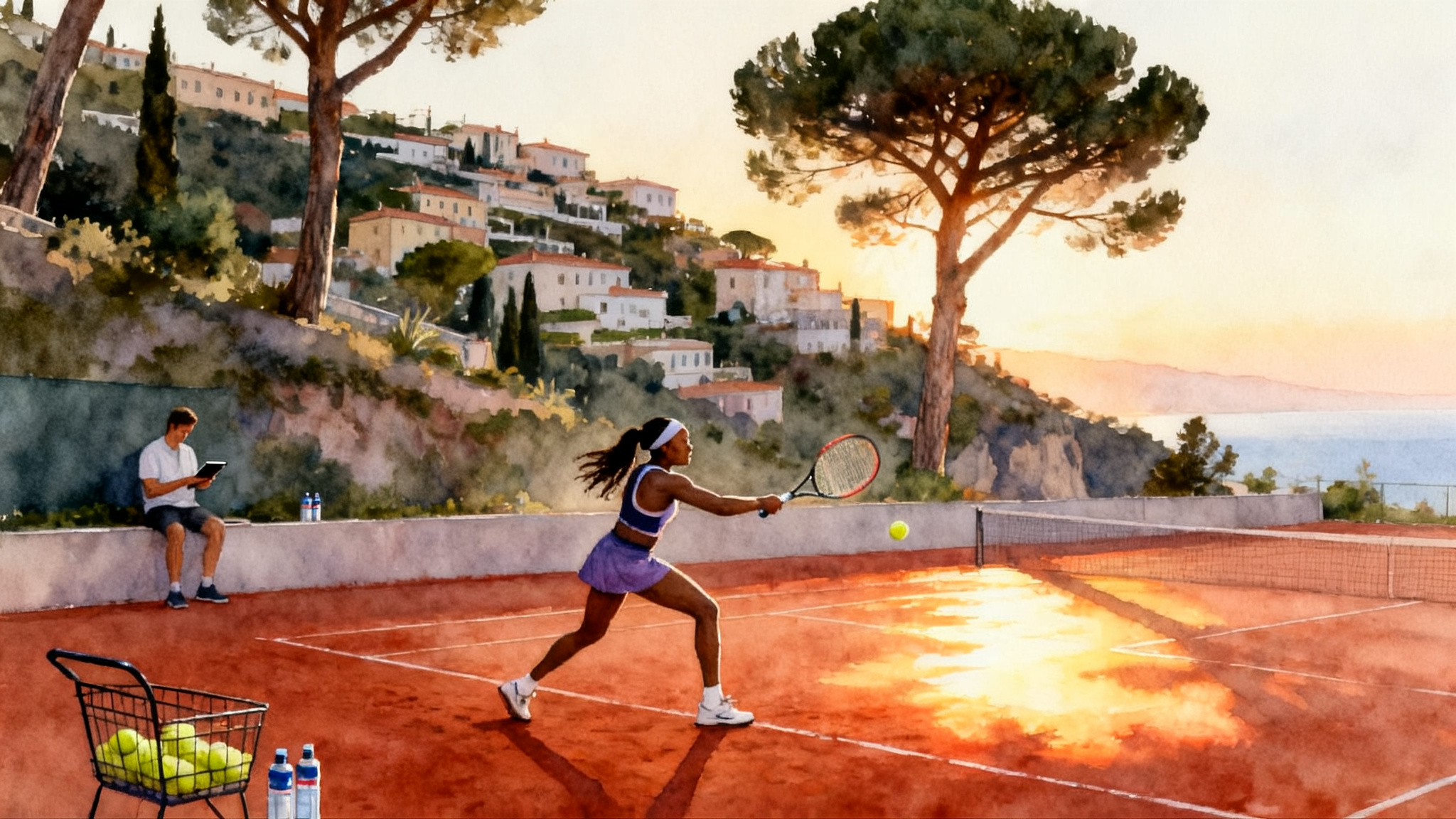
Rybakina’s move to individual coaching happened late by modern standards. In 2018, she briefly worked one-to-one with Chesnokov in Moscow, but he did not travel. In 2019 she hired Croatian coach Stefano Vukov, her first full-time traveling coach. That single change brought daily tactical planning, match-to-match adjustments, and a unified practice language from Monday to Sunday. As she explained to WTA Insider, the shift to a private, always-there coach unlocked day-by-day improvements and made tour life easier because they could tailor work and tactics for each opponent and surface. You can read those details in the WTA Insider feature on her rise. A similar calendar-driven upgrade shows in how Rafa Nadal Academy fueled Casper Ruud.
Why does the timing of a traveling coach matter? Junior and lower-tier events compress learning into three-day sprints, where you need feedback loops measured in hours, not weeks. When a coach is on site, you do not just fix a forehand. You adjust the second-serve target for a lefty tomorrow, change patterns for slower balls at altitude, and re-balance workloads if the forecast says wind and late nights are coming. That is not possible if your coach is a continent away.
The federation decision: how Kazakhstan changed the runway
In 2018, Rybakina made the pivotal decision to represent Kazakhstan. She has said the Kazakh Tennis Federation believed in her and made it possible to keep playing professionally. The offer was not only about money. It was about certainty. It meant predictable travel support, access to training bases, and a green light to staff a team that could stay with her through the grind of the calendar. Again, the WTA Insider feature cites her directly on why the move mattered and how it dovetailed with hiring a traveling coach.
Some families view federation switches as risky or political. In pro tennis, federations are often practical partners first and symbols second. The right offer can stabilize an 18 or 19 year old’s career at a moment when many fizzle out under cost and logistics. Rybakina’s progression after 2018 is a case study in what reliable backing makes possible: more starts, smarter scheduling, and consistent coaching presence.
The hidden power of multi-sport beginnings
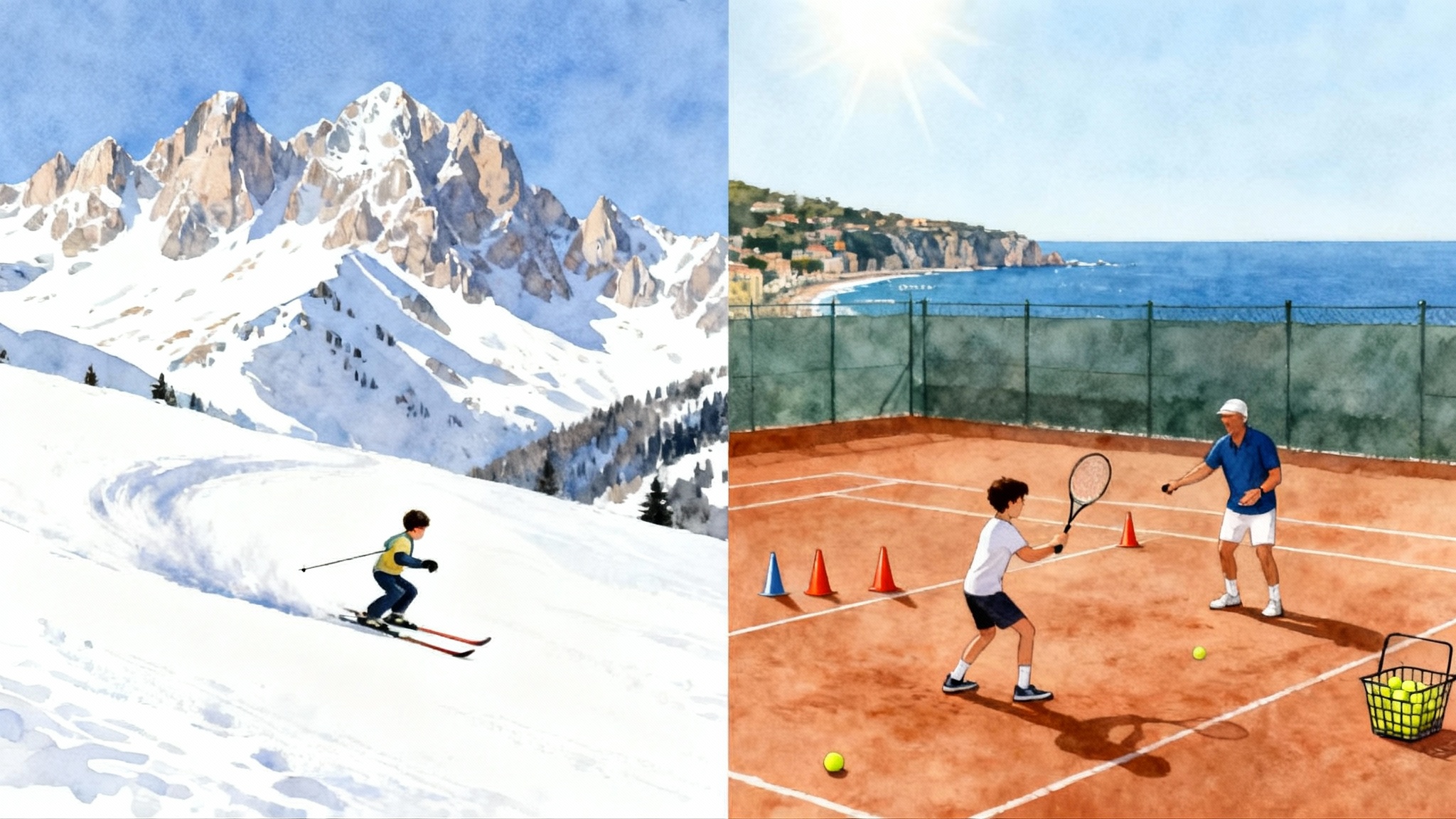
Before tennis, Rybakina tried gymnastics and skating. That is not a throwaway detail. Early exposure to balance, rhythm, and reaction speed from other sports helps tall athletes move as if they are shorter. It also widens a child’s motor vocabulary. When tennis gets serious at 12 to 14, those stored patterns become efficient footwork and clean transitions. The key is phasing. Multi-sport breadth should narrow into tennis-specific work once growth spurts stabilize and the calendar hardens into travel blocks. Spartak’s model, with its long fitness blocks and constrained court time, acted like a guardrail through that phase.
From foundation to results: what actually changed on court
Watch Rybakina today and you see the products of those choices:
- A first serve that wins free points without forcing her to overplay patterns on return games.
- A minimal backswing and early preparation that let her take the ball on the rise and simplify timing in wind or on slower courts.
- Rally tolerance built on clean mechanics rather than bailout defense. She looks unhurried in long exchanges because footwork and contact discipline are automatic.
- Match-to-match adjustments that show up in small ways: switching to body serves when opponents lean wide, using short-angle backhands to pull a forehand first, or leaning on first-strike patterns on hotter days to shorten points.
Those are not poster moves. They are habit moves. Habits get installed in group settings that demand repetition, and they get sharpened on tour by a traveling coach who lives in the details.
When to invest in one-to-one coaching
If you are a family planning a player’s pathway, use the calendar as your trigger rather than age as your trigger. Add one-to-one and traveling support when:
- The player qualifies regularly for final rounds where day-to-day tactical adaptation decides outcomes.
- The schedule includes back-to-back events on different surfaces or at different altitudes or time zones.
- Video review and scouting become weekly tasks, not occasional projects.
- Physical preparation must be integrated with practice plans to manage load during long swings.
What to do and how to do it:
- Set outcome thresholds. For example, a player who is consistently making quarterfinals at strong national events or International Tennis Federation juniors is ready for a tighter feedback loop.
- Buy days, not slogans. Pay for on-site days tied to key tournaments rather than vague monthly hours. Being present during qualifying and early rounds returns the most value.
- Demand a shared language. Ask a coach to write a one-page match plan template: serve targets, return positions, first two patterns, pressure release patterns, and between-point cues. If they cannot or will not, keep looking.
- Protect school or online coursework. One-to-one does not mean twelve hours daily at the courts. Use short, focused sessions plus match play, and account for academics the way Spartak did, with fixed study windows and predictable routines.
How to evaluate a federation or academy offer
An offer is only as good as its line items. Build a simple scorecard and insist on writing. Ask for specifics on:
- Travel budget and rules. What is guaranteed for the next twelve months and who books? Are qualifying events covered? What happens if a player withdraws?
- Coaching access. Does the offer include a dedicated coach who travels, or only access to a pool on site? How many on-site days are guaranteed and at which events?
- Training bases. Which cities and surfaces are available? Are there indoor options and strength facilities? What are the set weeks for training blocks?
- Sports science and medical. Is there a physiotherapist who travels during long swings? What about heat protocols, sickness management, and return-to-play plans?
- Education and visas. If the player is a minor or still in school, is there tutoring support and exam flexibility? Are visa letters handled in-house?
- Performance incentives and exit clauses. Are there ranking milestones that change support levels? What is the notice period if either side wishes to end the partnership?
How to run the process:
- Compare two real documents. Push to receive a draft memorandum of understanding, not just a phone promise.
- Do a reference check. Speak with two current or former athletes who worked under the same program director. Ask what broke during adversity, not just what worked during wins.
- Pilot for one swing. If possible, test a six-week window that includes at least two events and one training block. Evaluate logistics, responsiveness, and the quality of daily work.
- Choose certainty over prestige. An offer that quietly funds coaches and travel every week is more valuable than a glossy affiliation that leaves gaps.
Why early group environments still win
Spartak shows that you do not need maximal private court time at age 10 to build a pro. Group training done well delivers three advantages:
- Competitive density. Players get hundreds of contested balls per session, which sticks better than blocked, cooperative feeding.
- Peer learning. Teenagers copy body language, spacing, and patterns quicker than they internalize verbal instruction. Put them with slightly stronger peers and they will adapt.
- Constraint-led technique. With little room and time, swings self-organize toward compactness. That economy travels well. It especially helps taller players who must find balance and early preparation.
The US example of the JTCC pathway for Frances Tiafoe shows group density translating to pro habits.
What to copy at your local club
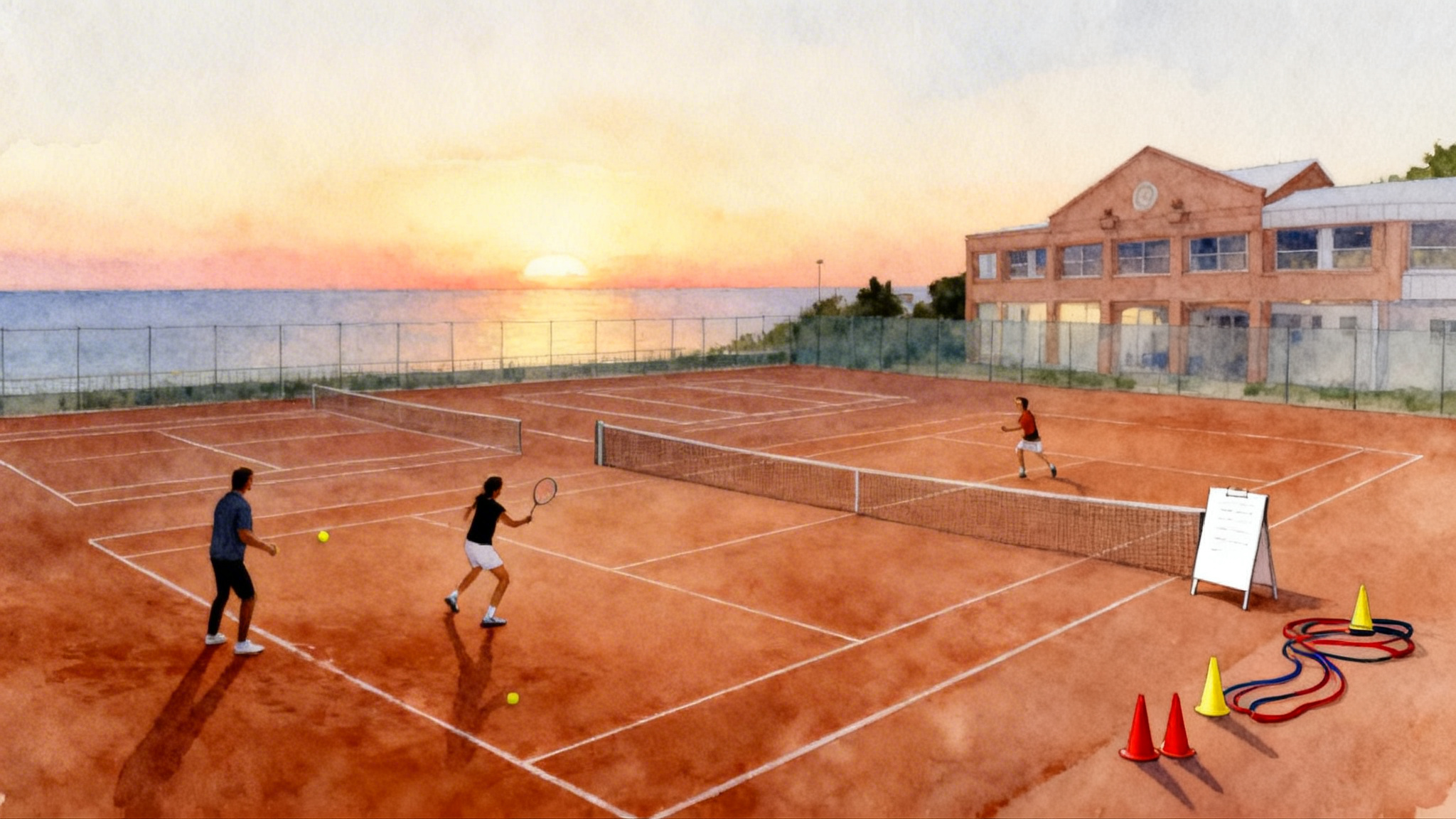
- Ask for mixed-level match play blocks where the stronger player gives a constraint, like serving only into the body or finishing points at net, to keep both engaged.
- Push for time-capped drills that force urgency, like first-to-11 point play with a new serve target every three balls.
- Keep technique feedback short and specific. One key per day beats a lecture. Film one rally and pick a single change.
Mixing training bases without losing your “home game”
Once results arrive and travel accelerates, do not abandon the habits that formed at home. Rybakina’s team blended bases rather than replacing one with another. That is a model worth copying. Use a stable home court for technical touches and strength work, then rotate short stints at complementary bases that simulate tour conditions.
A simple template:
- Winter: two weeks at altitude or indoor hard to sharpen timing on fast, thin air and quick courts.
- Pre-clay: one block on slow red clay to deepen rally tolerance and build slide mechanics.
- Pre-grass: a shorter, high-serve-intensity block to refine first-strike patterns and returns that keep low.
Keep the same weekly rhythm at each base: two court sessions plus one strength session on load days, one light hit plus mobility on unload days, and a fixed window for schoolwork.
Phased specialization: a growth-friendly timeline
Use a timeline that mirrors the beats in Rybakina’s development, scaled to your context:
- Up to 11: Multi-sport priority. Two to three tennis touches weekly, short and fun. Emphasize agility, basic grips, and overhand throw patterns.
- 12 to 14: Group-first tennis. Add fitness blocks to grow movement quality and injury resilience. Keep team sport touches once a week for coordination and joy.
- 15 to 17: Competitive density and travel tests. Layer in regional events and short training camps. Start building a player notebook: serve targets by opponent type, go-to patterns under pressure, self-talk cues.
- 17 to 19: Decision window. If the calendar fills with events and results deepen, add a traveling coach and explore federation or academy partnerships with guaranteed on-site support. If academics are the priority or results are uneven, college tennis can be a developmental accelerant rather than a delay.
What this blueprint means in practice
Rybakina’s story is not about magic. It is about sequencing.
- Foundation first. A group model that insists on footwork, cargo discipline, and competitive reps can create a pro-level base without private-hours overload.
- Targeted upgrades. Add a traveling coach the moment the schedule demands daily tactical iteration. Tie the role to specific weeks and outcomes.
- Secure the runway. Federation or academy support should remove uncertainty, not add logo shine. Choose the partner that funds coaches and travel predictably.
- Keep school in the plan. Balanced schedules protect attention and reduce burnout. Even a future Wimbledon winner once had to finish homework before practice.
A parent’s quick checklist
- Does my child leave group sessions with one clear technical cue and one competitive cue written in a notebook?
- Are we measuring progress by repeatable patterns, not just wins? Example: second-serve points won above 50 percent for three events in a row.
- If we add one-to-one, do we know which two match situations we expect to improve in six weeks? For instance, return depth on second serve and backhand cross under pressure.
- If we consider an offer, can we list what is guaranteed for the next twelve months without guesses? If not, it is not ready.
The takeaway for families and coaches
Elena Rybakina’s rise shows that early group environments are not a concession. They are a smart investment when the program is built on fundamentals, fitness, and competitive density. The turn to one-to-one coaching should be late and timely, when the calendar makes on-site feedback essential. Federation backing should be chosen for its ability to stabilize the plan, not because of prestige. Mix training bases without abandoning the rhythm that built the player. And keep the long view. A career is built by sequencing the right decisions in the right order, then repeating the right work on ordinary days.
Rybakina’s blueprint is simple to say and demanding to do: master the basics in a group that pushes you, add targeted help exactly when the tour schedule requires it, and secure support that buys time to keep improving. The reward is not just a trophy. It is a game that travels anywhere.