Growth-Spurt Smart Tennis: Train and Schedule by PHV, Ages 10-16
 Tommy
Tommy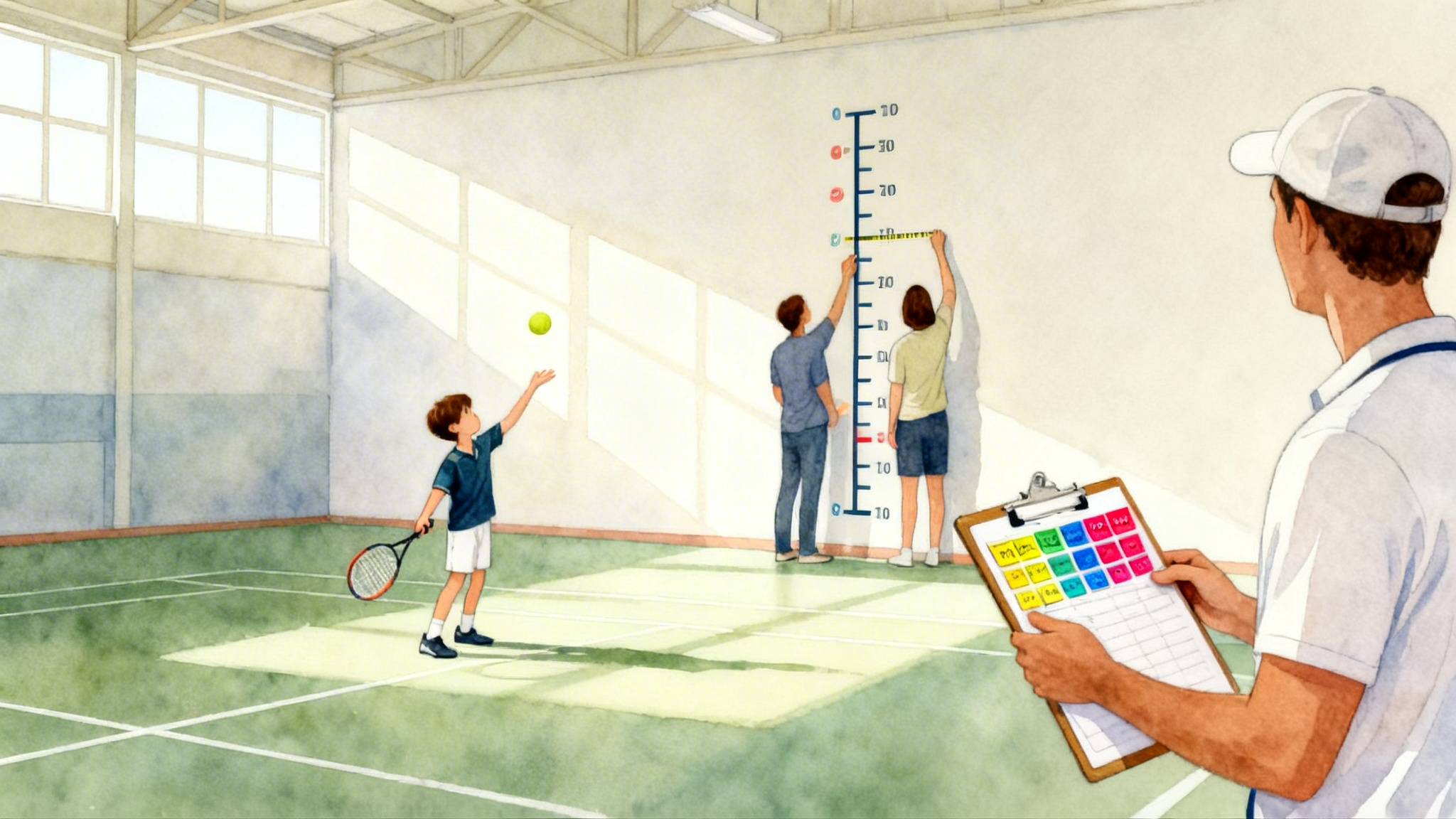
Why peak height velocity matters in junior tennis
If you want a north star for junior training between ages 10 and 16, track growth first and performance second. Peak height velocity, often shortened to PHV, is the stretch when a young athlete grows fastest in stature. Think of it as a renovation phase for the body. The frame extends, wiring lags, and power tools should be used with care. Tennis skills learned and protected here pay compound interest later. Mismanage the window and you risk overuse pain, unstable technique, and burnout.
PHV usually arrives earlier for girls than boys, often around 11 to 13 for girls and 12 to 15 for boys, but the range is wide. You can estimate how close an athlete is to their PHV by tracking height and using the maturity offset method that combines standing height, sitting height, leg length, and age. A widely cited approach is described in a peer reviewed paper by Mirwald and colleagues. If you want the formula and caveats, read the original research on maturity offset estimation.
The message for parents and coaches is simple. Do not copy a pro’s plan. Build the plan around growth stage first, then layer in skill goals, school load, and tournament targets.
Spotting PHV at home: a quick field guide
You do not need a lab, just a tape measure, a wall, and a notebook or an app.
- Measure like a pro
- Standing height: no shoes, heels against the wall, light inhale, head in a neutral position. Measure to the nearest millimeter or one eighth inch.
- Sitting height: sit straight on a hard box against the wall and measure to the top of the head.
- Repeat once per week at the same time of day. Morning is best. Record weight too if available.
- Track growth velocity
- Calculate monthly change: add the last four weekly gains. A sustained jump above roughly 0.7 inches per month or 6 to 7 centimeters in three months is a strong hint you are entering the spurt.
- Watch for quick levers: shoe size jumps, sleeves and pants too short within weeks.
- Movement audit in the living room
- Single leg balance 20 seconds, eyes open, each side. If this suddenly becomes wobbly, coordination may be lagging.
- Five broad jumps with soft landings. Listen for loud, stiff landings or see if knees cave in.
- Overhead reach and deep squat with arms overhead. Tight calves and hamstrings often show up fast.
- Daily red flags that say dial volume down
- Morning body soreness that lingers after an off day.
- Knee, heel, or elbow pain during or after tennis.
- Serve speed inconsistency and a rising toss that drifts.
- Sleepiness, irritability, or a sudden drop in sprint or change of direction quality.
Treat the above as trend lines, not single-day verdicts. Parents do the measuring. Coaches interpret and plan.
Training priorities by stage
The aim is not to train less during PHV. It is to train correctly for the hardware upgrade that is underway.
Before the spurt: build broad coordination and clean technique
What to prioritize
- Skill variety: different spins, heights, and tempos. Make the brain your primary load.
- Landing mechanics: teach soft, quiet landings and knees that track over toes.
- Serve patterning: groove a repeatable toss and shoulder-friendly rhythm.
Serve and plyometric guide
- Serves per practice: 60 to 90 across first and second serves, split in small sets of 8 to 12 with 60 to 90 seconds rest.
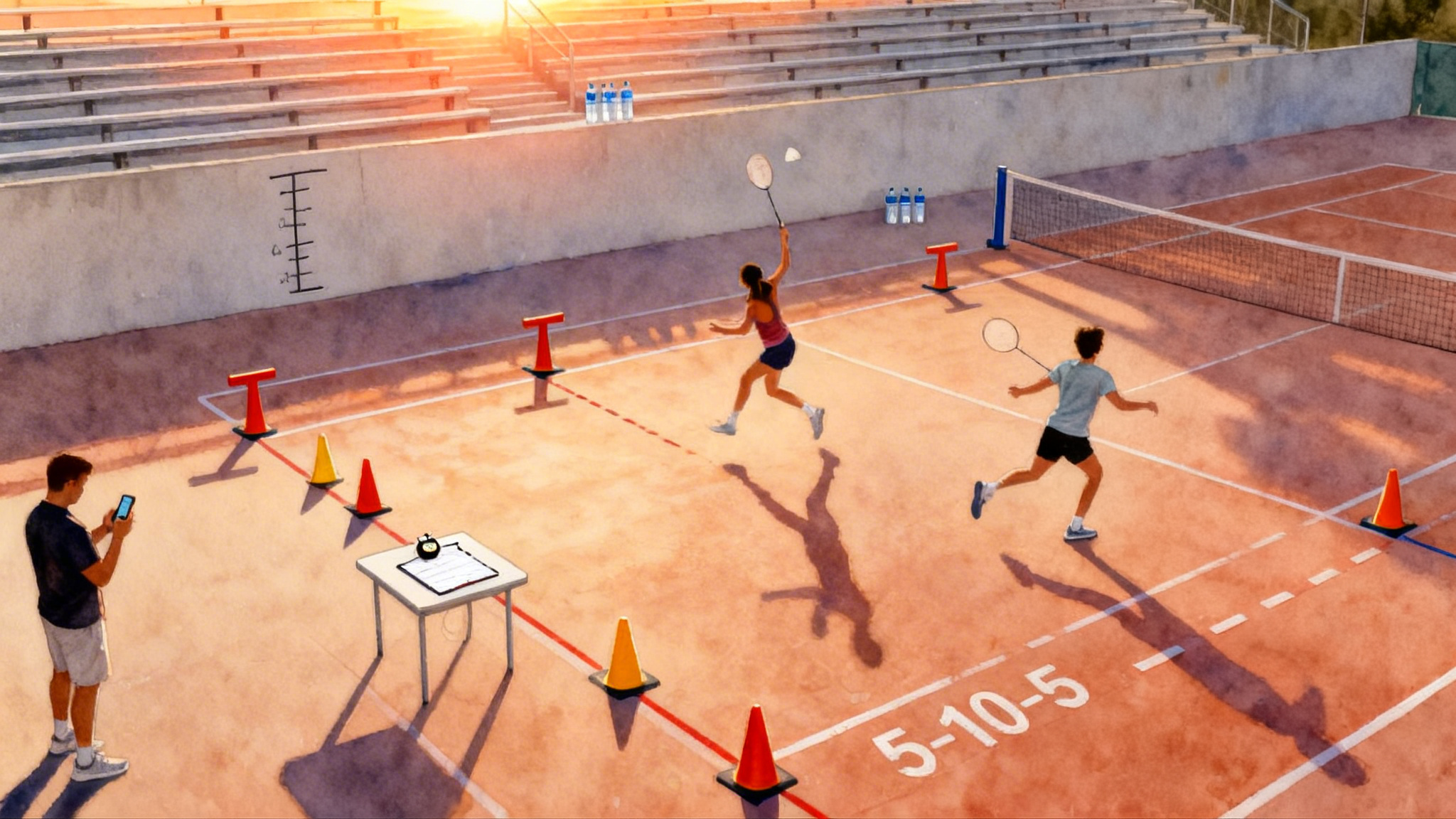
- Plyometric contacts: 80 to 120 light to moderate ground contacts per session, two sessions per week. Include jump rope, small box step-offs, lateral hops.
Strength and mobility
- Two or three short total body sessions. Squat and hinge patterns with bodyweight, rows and presses with light dumbbells, core anti-rotation drills, calf and hamstring mobility.
During PHV: protect tissues, preserve feel, and keep the brain sharp
This is the wobbly window. Long levers plus rapid growth can reduce coordination and raise stress on growth plates.
Key shifts
- Volume becomes a budget. Replace some high impact work with skill and rhythm drills.
- Keep speed, but reduce doses. Short sprints and quick footwork in tiny sets maintain neural qualities without crushing the legs.
- Maintain technique at slightly slower ball speeds. Quality over pace.
Serve and plyometric guide
- Serves per practice: 40 to 60, broken into micro sets of 6 to 8 with full recovery. Two serve-focused days per week. Add 10 to 15 shadow or medicine ball throws for rhythm instead of more live serves.
- Plyometric contacts: 40 to 80, one or two sessions per week. Emphasize low height jumps, single response hops, and landings. Avoid repeated maximal depth jumps.
Strength and mobility
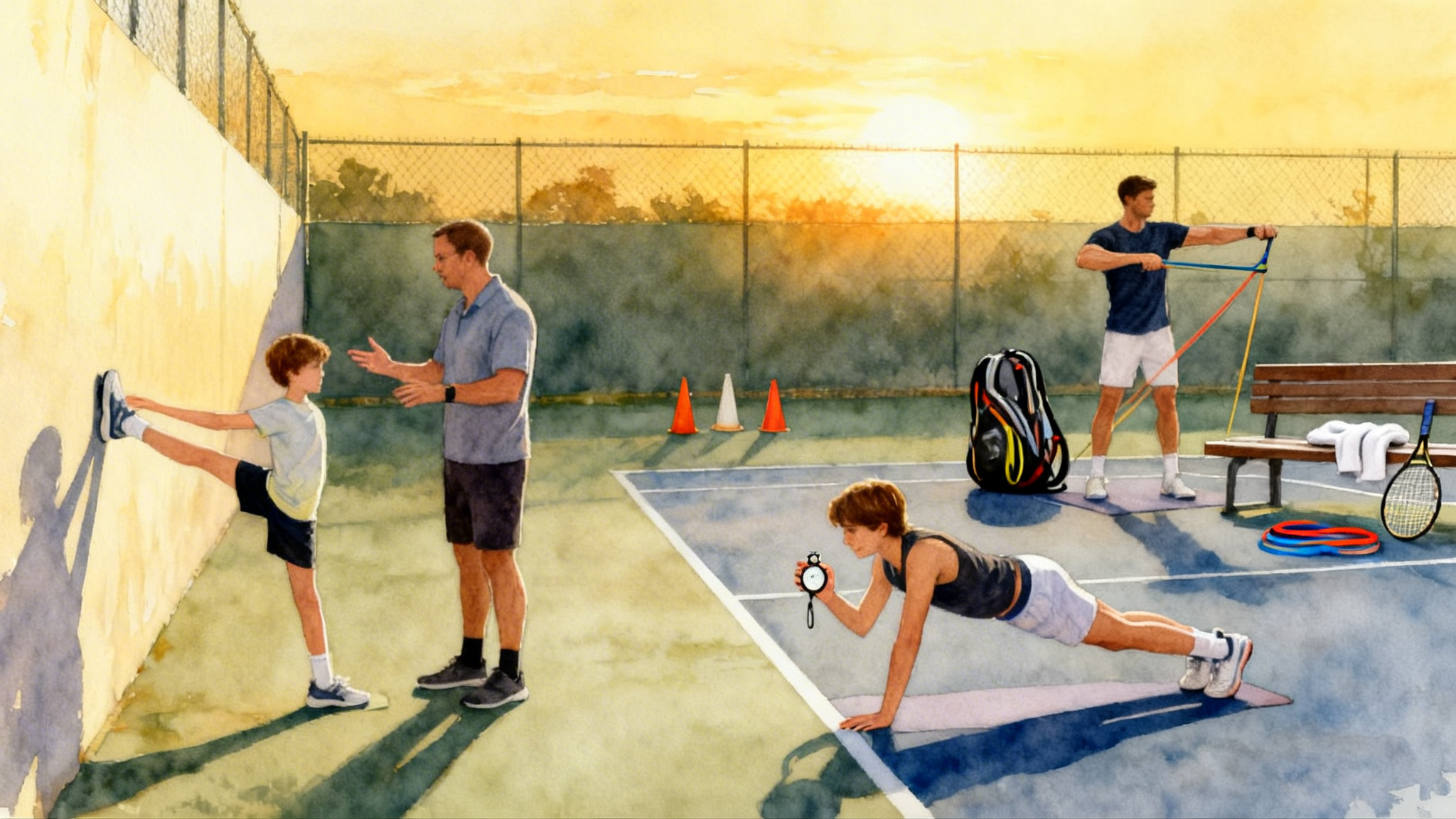
- Emphasize isometrics and slow eccentrics: wall sits, split squat holds, calf isometrics, slow lowering pushups. Two sessions, 20 to 30 minutes.
- Mobility boosters: calves, hamstrings, hip flexors, thoracic spine. Three mini sessions of 8 to 12 minutes each week. For at-home maintenance, use our 12-minute tennis prehab routines.
On-court focus
- Rally tolerance: crosscourt patterns at moderate pace that reward shot selection.
- Serve technique maintenance: toss consistency, shoulder-hip rhythm, pronation feel.
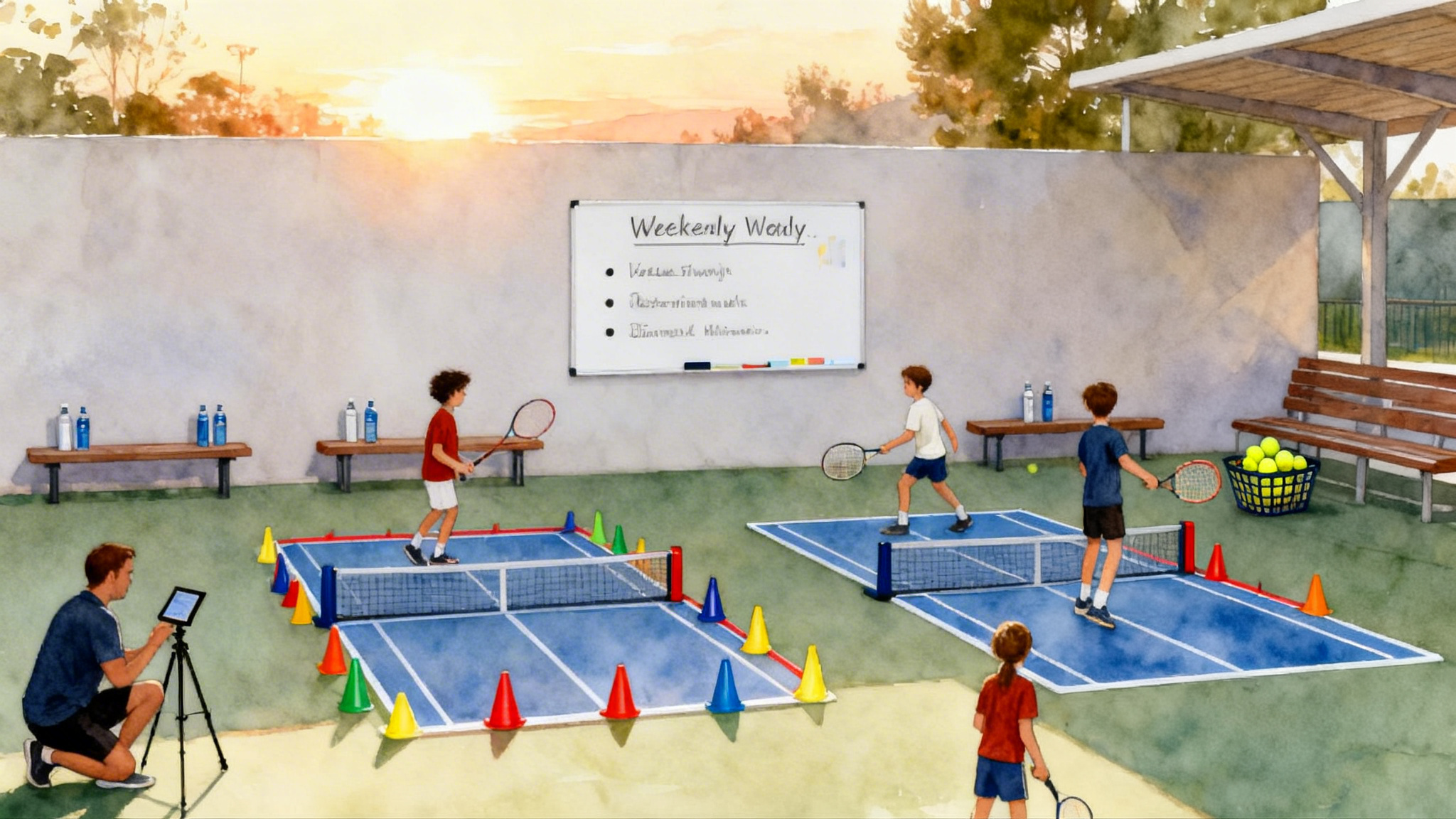
- Reactive coordination: colored cone calls, bounce-to-catch patterns, and quick visual cue games that challenge decision speed without pounding joints.
Pain rule
- Any focal knee, heel, or elbow pain that is more than 3 out of 10 or lingers the next morning means immediate reduction of serve and jump volume and a call to a qualified clinician. Conditions like Osgood-Schlatter and Sever’s disease are common and manageable when loads are adjusted early.
After PHV: consolidate strength and re-accelerate speed
Once weekly height changes settle and coordination returns, rebuild power and endurance.
Serve and plyometric guide
- Serves per practice: 70 to 100, with 20 to 30 percent dedicated to second serve spin development. Two to three serve sessions per week.
- Plyometric contacts: 100 to 140, two sessions per week. Reintroduce multi-response jumps and low to moderate depth drops with strict landing rules.
Strength and mobility
- Three total body sessions with progressive overload. Goblet or front squats, trap bar or kettlebell deadlifts, split squats, chin-ups or assisted variations, dumbbell presses, and medicine ball throws. Keep technique pristine and ranges pain free.
Speed and conditioning
- Short sprints 10 to 20 meters with full recovery, change of direction drills with clear angles, and repeat sprint sets that mirror tennis points and games.
Serve and plyometric load rules that work
Think in weekly budgets, not single hero sessions. Here is a simple framework.
- Green weeks: no pain, good sleep, height stable. Use the upper end of the serve and plyo ranges for the stage.
- Yellow weeks: mild soreness, height rising, coordination off. Use the middle to lower end of the ranges and add one extra rest day.
- Red weeks: pain, clear growth spurt, energy low. Cap serves at 30 to 40 in a single day, remove high impact jumps, and shift workload to technical and tactical drills.
Serve quality checklist
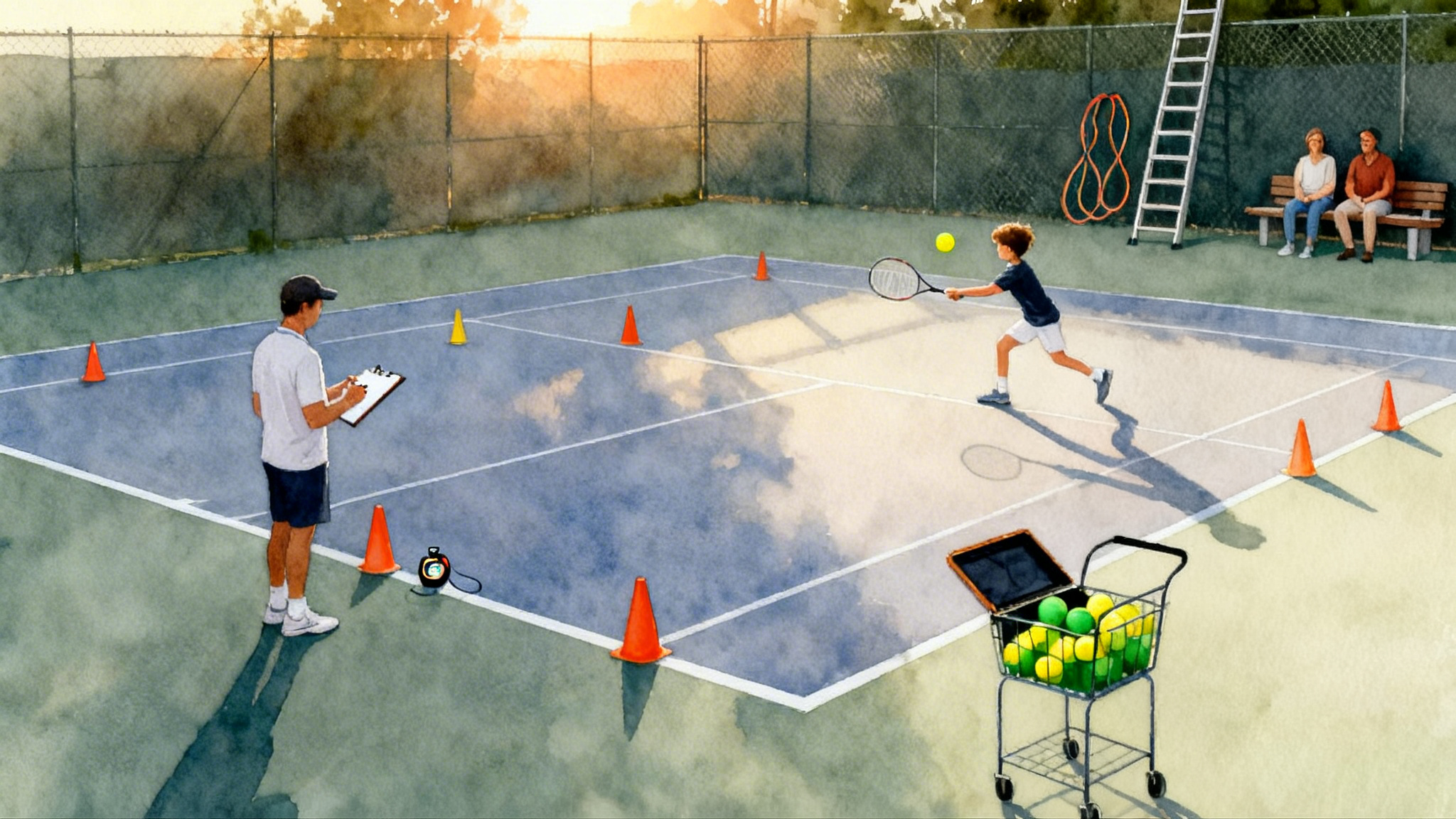
- Toss lands within a one-foot circle 8 out of 10 times.
- Finish in balance without a hard jolt on the landing foot.
- Arm path is smooth with no holding of the breath.
If any of these slip, stop chasing speed. Switch to shadow reps or medicine ball patterns and return to live serves only when quality returns.
Plyometric checklist
- Landings are soft and quiet.
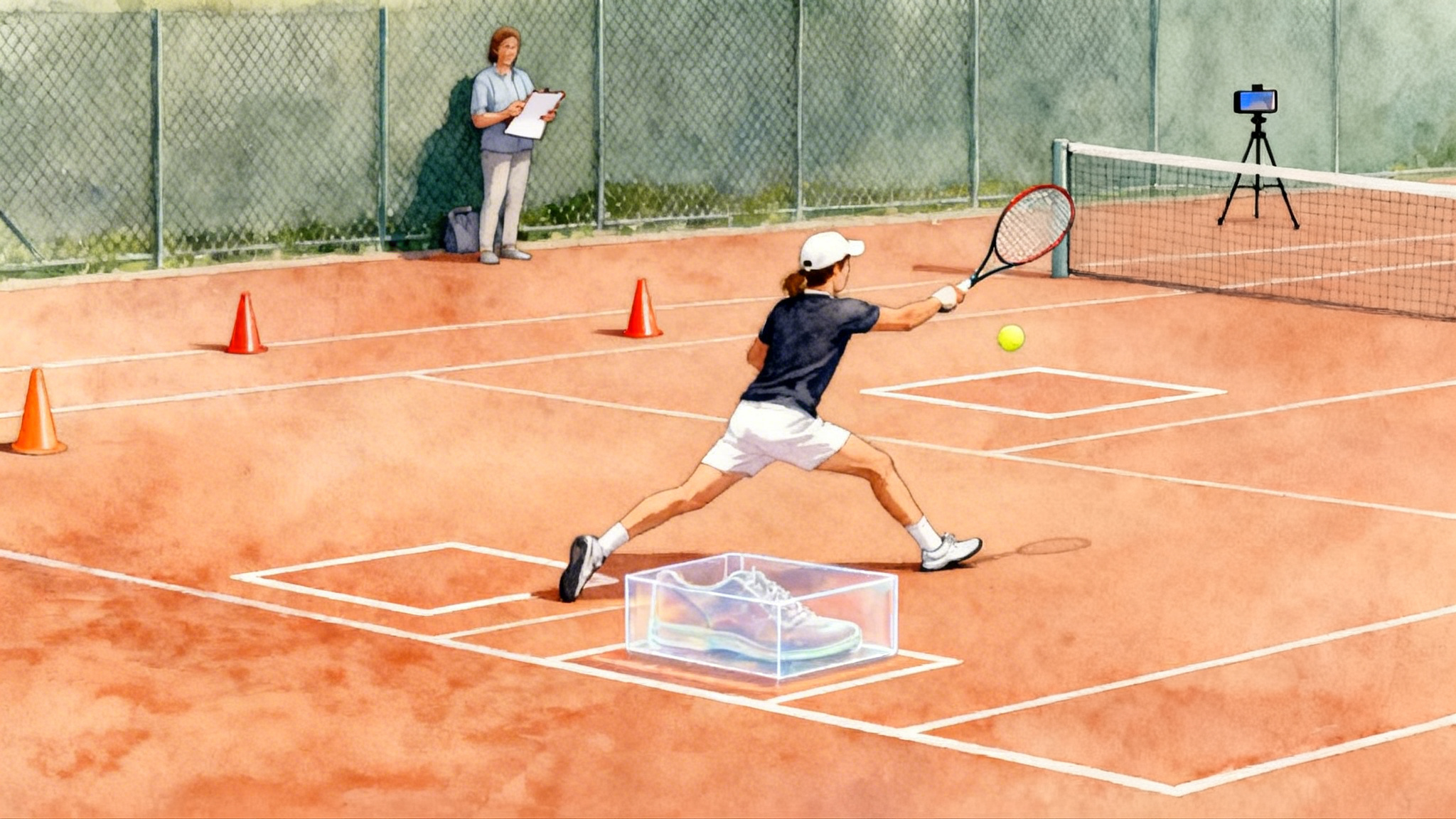
- Knees track over toes and do not collapse inward.
- Athlete can pause and hold posture after landing.
If form fails, reduce height, reduce reps, or swap jumps for low impact movement games.
Tournament planning that fits the growth curve
You can still compete during the spurt, but schedule with purpose.
- Space the peaks: no back to back weekends with long travel during a red week. Use local round robins or one day events instead.
- Choose formats that limit late night finishes. Early rounds that start on time preserve sleep and recovery.
- Build two kinds of blocks: learning blocks that emphasize pattern training and serve maintenance during mid spurt, and sharpening blocks that include higher intensity hitting and match play before key events after the spurt settles.
- Protect the day after tournaments. Plan either full rest or a light 30 minute mobility and skills session. For fueling and recovery details, see our match-day tennis blueprint.
Example two month outline when PHV is active
- Month 1: two local events in weeks 1 and 3, each with a light training taper, and one rest weekend.
- Month 2: one travel event in week 2 with a short training week after. Fill the other weeks with skill blocks, serve technique, and low impact coordination games.
Travel tips for the spurt
- Pack a small massage ball, a jump rope for light activation, and a mini band.
- Plan 10 minute mobility in the morning and after matches.
- Keep serve warm ups shorter and more deliberate.
Three sample weekly templates
These are living examples. Adjust up or down based on the stage and the athlete’s history. Durations include water breaks and reset time.
Template A: Pre-PHV builder week, ages 10 to 12
- Monday: 75 minutes on court. Controls and height targets, forehand and backhand shape. 60 serves in sets of 10. 15 minutes of landing and footwork basics.
- Tuesday: 30 minute strength and mobility at home. Bodyweight squats, hip hinges with a dowel, row variations with a band, side planks, calf and hamstring mobility.
- Wednesday: 90 minutes on court. Pattern play crosscourt to down the line. Reactive color call games. 20 minutes jump rope and lateral hop games, about 100 contacts total.
- Thursday: Rest or an easy 30 minute bike and stretch.
- Friday: 75 minutes on court. Second serve spin school. 70 serves mixed first and second, short sets. 10 medicine ball tosses to groove rhythm.
- Saturday: 45 minute fun multi sport session. Basketball, soccer, or frisbee to expand coordination.
- Sunday: Rest. Quick 5 minute measurement and log.
Template B: Mid-spurt protector week, ages 12 to 14
- Monday: 60 minutes on court. Rally control at 70 to 80 percent pace. 40 serves in sets of 6 to 8. 10 slow shadow serves between live sets.
- Tuesday: 25 minute isometric strength. Wall sits, split squat holds, calf isometrics, dead bug and side plank. 10 minute calf, hamstring, hip flexor mobility.
- Wednesday: 70 minutes on court. Two ball patterns and approach plus volley with controlled tempo. 6 by 10 meter accelerations with full rest. 40 light plyometric contacts.
- Thursday: Rest or 20 minute easy swim or walk plus mobility.
- Friday: 60 minutes on court. Serve plus first ball patterns with lower ball speed. 50 serves total, technique first.
- Saturday: Match play set or a short local event if green week status. If yellow, replace with 60 minutes of pattern drills and returns only.
- Sunday: Rest. 10 minute balance, squat, and overhead reach check. Log height.
Template C: Post-PHV consolidation week, ages 14 to 16
- Monday: 90 minutes on court. Aggressive crosscourt patterns. 70 serves, 20 focused on second serve spin and kick.
- Tuesday: 45 minute strength. Goblet squat, split squat, hinge with kettlebell, row, overhead press, core anti-rotation. Finish with 8 by 15 meter sprints.
- Wednesday: 75 minutes on court. Return plus first four balls. 100 to 120 plyometric contacts, low to moderate intensity, perfect landings.
- Thursday: Rest or 25 minute mobility circuit and light bike.
- Friday: 75 minutes on court. Point construction games and serve plus volley sequences. 80 to 90 serves across first and second.
- Saturday: 45 minute strength and speed. Trap bar or kettlebell deadlift technique, medicine ball rotational throws, short sprints.
- Sunday: Rest. Review training notes, plan the next week.
How Legend Tennis Academy individualizes growth-stage training
At Legend Tennis Academy we do not guess. We measure and adapt.
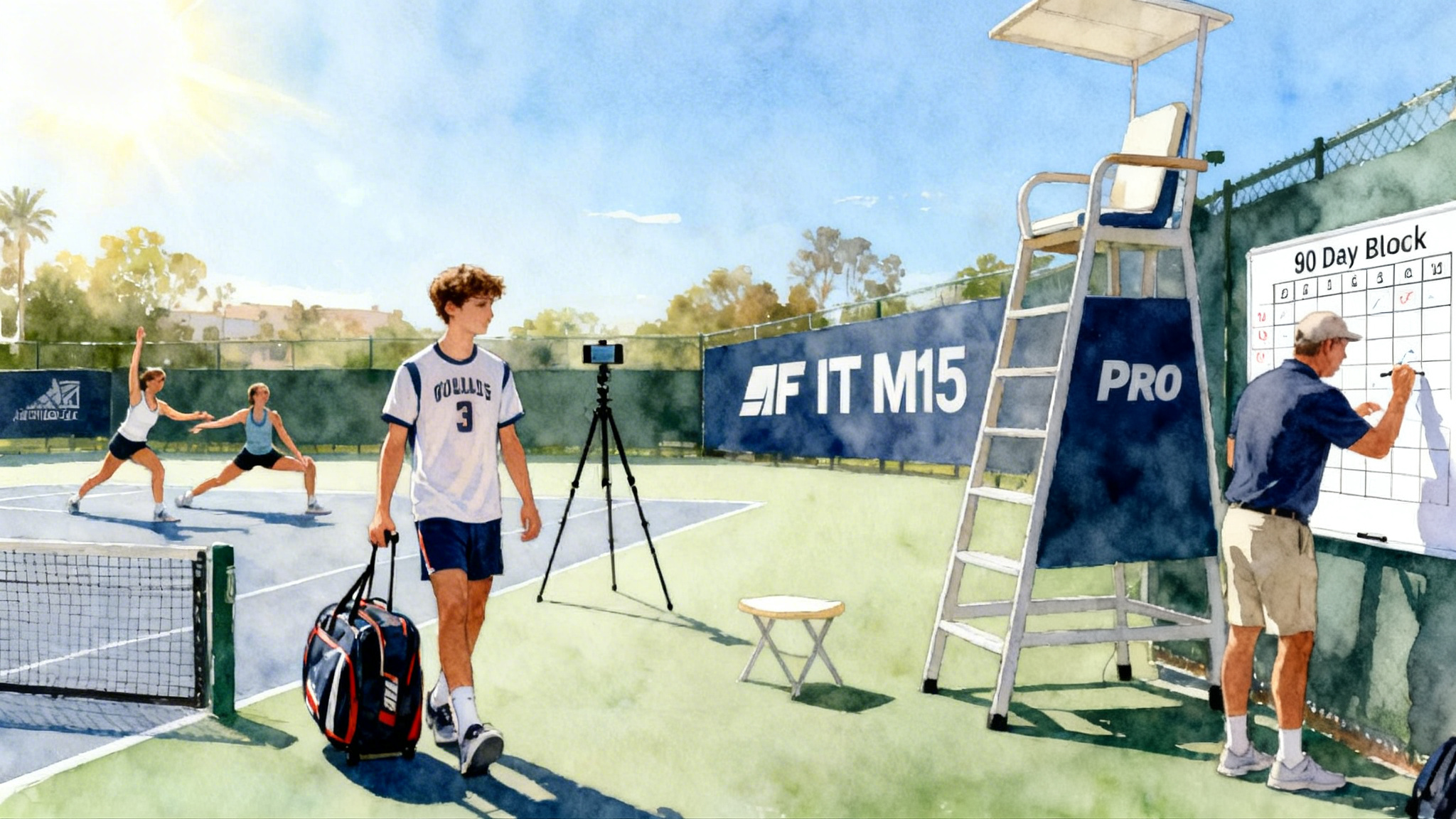
- Growth calendar: we record standing height and sitting height weekly and generate each athlete’s growth velocity curve. Parents get a shared view so everyone speaks the same language.
- Stage-based microcycles: we tag each week green, yellow, or red based on pain, sleep, and height data. Coaches adjust serve counts and plyometric contacts to fit the tag.
- Movement screen: quarterly balance, landing mechanics, and mobility checks. Results inform footwork and strength priorities.
- Skill protection: during PHV we lower rally speed and reserve the fastest ball for short, high quality bursts. We invest in toss stability, pronation feel, and rhythm with shadowing and medicine ball drills.
- Tissue care: calf and patellar tendon isometrics, shoulder cuff and scapular control, hip and hamstring flexibility. We aim to solve the next problem before it arrives. For daily maintenance structure, see our 12-minute tennis prehab routines.
- Tournament design: we map competitive goals to the growth curve. Red weeks get local, simple formats. Green weeks get the bigger tests. We leave room for school and family life so tennis adds energy instead of draining it.
If you want a growth review and a stage matched plan, request an assessment through our Legend Tennis Academy growth review. We share a simple dashboard with parents, outline the next eight weeks, and set clear serve and plyometric budgets.
Frequently asked questions
What if my player loves to jump and hates to slow down during the spurt?
- Keep the intent high and the impact low. Use quick step drills, mirror movement, and reaction games. Layer jumps in tiny, crisp sets with long rests and perfect landings.
Should we change racquet weight or string tension during PHV?
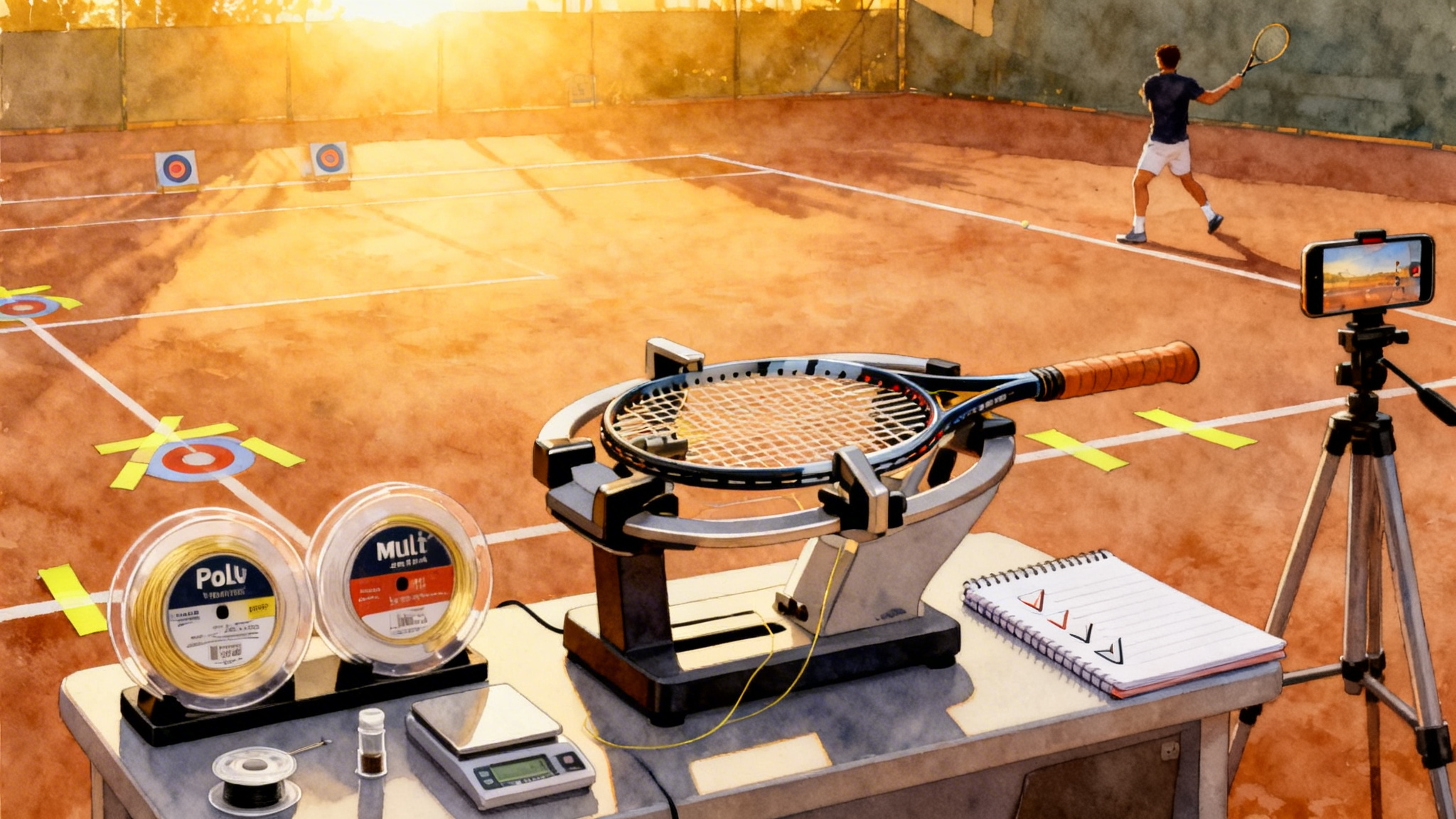
- Keep the racquet comfortably stable but not heavy. If the arm feels sluggish or the shoulder complains, drop swingweight slightly. Consider a small tension decrease to add depth without extra effort, then retest feel in two to three sessions.
How do we know if it is just soreness or a problem?
- General muscle soreness fades within 24 to 48 hours and does not localize to a joint. Growth plate irritation tends to localize to the front of the knee, the heel, or the inside of the elbow. Persistent or focal pain earns a reduction in volume and a professional evaluation.
What if tournaments are already booked back to back?
- Convert one weekend into a training camp with controlled sets and serve limits, or play doubles only. Prioritize sleep and nutrition and keep Monday fully off. For day-of details, review our match-day tennis blueprint.
How much conditioning should we do during the spurt?
- Enough to keep habits alive, not enough to drain recovery. Brisk 10 to 20 minute aerobic finishers after easy court sessions keep the engine humming without grinding the chassis.
A closing note for parents and coaches
Growth sets the tempo. Training plays the melody. When you track height, watch movement, and adjust serves and jumps with intention, you protect technique when it is most fragile and build confidence that sticks. Use the templates to start, color code your weeks, and let the growth curve guide your tournament map. The goal is not just to get through the spurt. The goal is to arrive on the other side with clean mechanics, resilient tissues, and a player who loves the game even more than before. That is the quiet edge that shows up in the third set months from now.
For more detail on youth training principles, the International Olympic community has published consensus guidance on safe, progressive development. A good overview is the youth athletic development consensus, which reinforces the idea that training should match maturation stage and emphasize movement quality alongside performance.