Junior Tennis 2026: A Parent Guide to Programs and Plans
 Tommy
Tommy
The parent playbook for choosing a junior tennis program in 2026
Your child loves tennis. You want a program that builds skill, confidence, and durability, not just more hours on court. In 2026 there are more options than ever, from boutique academies with tight coach pods to club embedded programs that blend squads with recreational play. This guide gives you a simple way to compare them. You will find age specific weekly training loads, what good periodization looks like, coach to player ratios that protect learning, a fitness checklist, red flags, and a scoring matrix you can use on a single visit.
Step 1: Pick the right setting before you pick the coach
You will usually choose between two models:
- Boutique academy: a stand alone or small footprint program that limits roster size, runs consistent pods of players, and emphasizes technical standards with frequent feedback. You tend to see fewer courts, smaller groups, and more coach continuity.
- Club embedded academy: a program inside a large club. It offers deeper court inventory, multiple squads, ladders, and convenient add ons like swimming or study spaces. Groups can be larger and coach assignments can vary.
Either model can be excellent. The key is how clearly the program defines the training week, how it measures skill change, and how coaches adjust loads through the year. The scoring matrix near the end will help you compare the two on equal footing.
Step 2: Know the coach to player ratios that actually teach
When groups are too big, players rally, sweat, and stall. When groups are too small, they may miss the challenge of live ball problem solving. Use these ratio targets and do not be shy about asking to observe them in action.
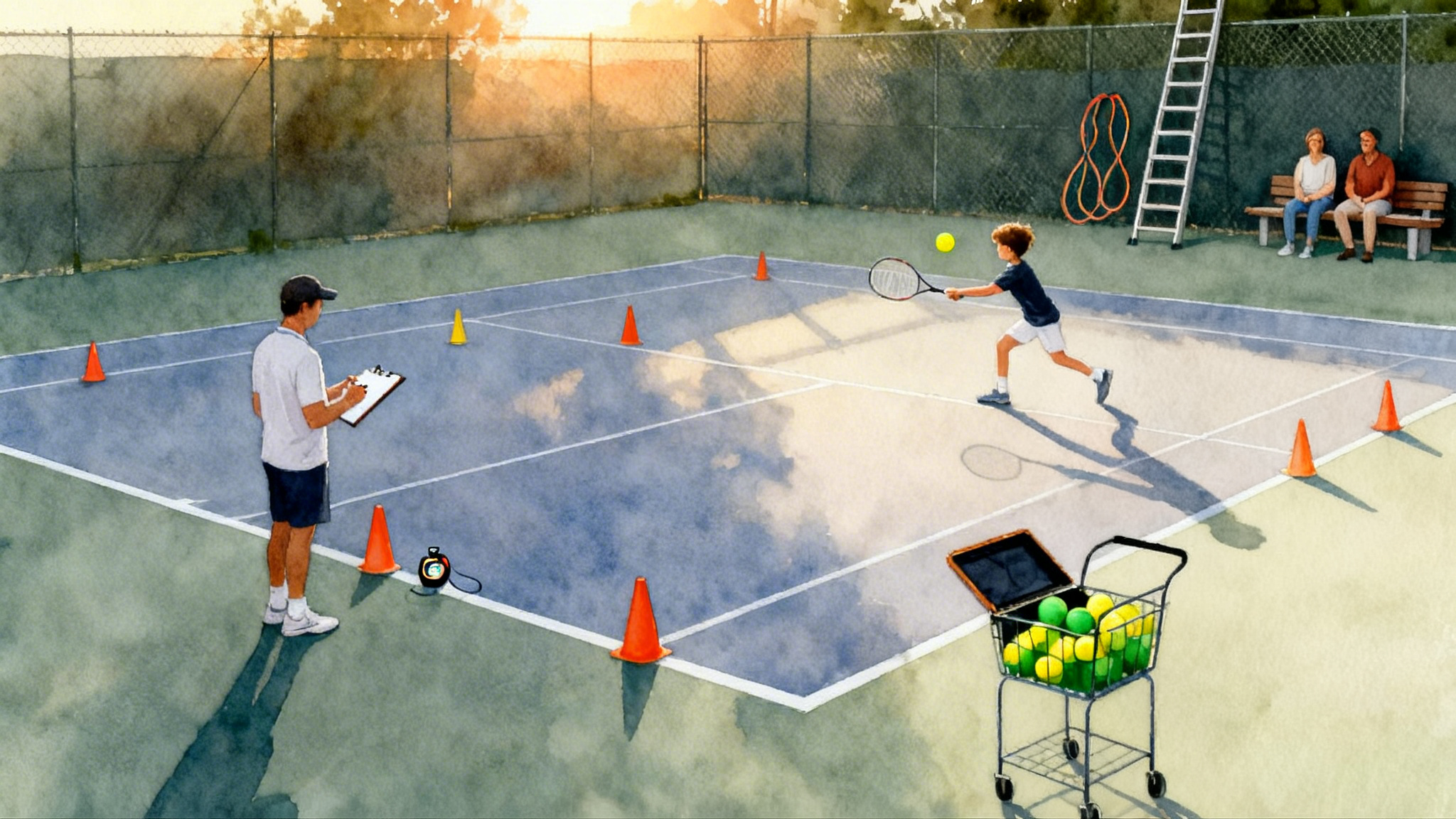
- Ages 6 to 8: 1 coach for 4 players in technical sessions, 1 for 6 in games based stations. Courts set at red or orange ball dimensions.
- Ages 9 to 10: 1 for 4 to 5 in technical sessions, 1 for 6 in live ball. Orange to green progression with clear criteria to move up.
- Ages 11 to 12: 1 for 5 to 6 in technical drills, 1 for 6 to 8 in live ball. One assistant per 2 courts for ball feeding and video.
- Ages 13 to 18: 1 for 6 in technical sessions, up to 1 for 8 in live ball, plus a specialist coach who floats for serve, return, and footwork.
For serve work and grip changes at any age, a 1 to 2 or 1 to 3 micro group is ideal for 20 to 30 minute blocks. If the program cannot explain how it hits these ratios across the week, learning will be inconsistent. If your player is navigating the 8 to 12 transition, review our green to yellow ball readiness checklist to match ratios and court size with skills.
Step 3: Ask for the periodization map, not just the calendar
A good program plans the year like a school curriculum. Periodization breaks the year into cycles so your child builds capacity, then sharpens, then competes. Here is the language a coach should use, in plain words:
- Macrocycle: the season, usually 9 to 12 months. It defines big goals like backhand stability, first serve percentage, and movement efficiency.
- Mesocycle: a 4 to 6 week block that targets 1 to 2 skills and a physical quality. Example: backhand patterns and change of direction footwork with a focus on eccentric strength.
- Microcycle: the training week, where intensity and volume rise, stabilize, then drop so the child adapts.
Ask to see last month’s mesocycle summary. It should list the theme, weekly intensity plan, and a way they tested progress. Programs aligned with the USTA American Development Model often publish age appropriate progressions and seasonal priorities that look like this structure. Look for this kind of clarity or ask for it during your visit. For context, review the USTA American Development Model and bring the key ideas to your coach conversation.
Step 4: Age specific weekly training loads you can actually use
These examples assume a normal school week during a training mesocycle. Adjust up or down by about 20 percent for easier or tighter school calendars, and reduce by half in the week after a tournament block.
-
Ages 6 to 8
- Tennis: 2 to 3 hours, mostly games based with red or orange balls
- General movement: 1 hour of playground style agility and throwing
- Match play: optional 30 to 45 minutes of supervised scoring games
- Rest: at least 3 full days without structured tennis
-
Ages 9 to 10
- Tennis: 3 to 4 hours, 60 percent live ball, 40 percent technical stations
- Fitness: 1 to 2 hours of movement literacy, medicine ball throws, hops and landings, and core games
- Match play: 60 to 90 minutes of short formats
- Rest: 2 to 3 days without structured tennis
-
Ages 11 to 12
- Tennis: 5 to 6 hours, with one 20 minute micro group for serve each week
- Fitness: 2 hours focused on coordination, landing mechanics, and light strength with bands and bodyweight
- Match play: 1 to 2 sessions, total 2 to 3 hours
- Rest: 2 days
-
Ages 13 to 14
- Tennis: 7 to 9 hours, include one video technical session and two live ball problem solving blocks
- Fitness: 3 hours split across strength, sprint mechanics, and mobility
- Match play: 2 sessions, total 3 to 4 hours
- Rest: 1 to 2 days depending on the school load
-
Ages 15 to 16
- Tennis: 8 to 10 hours, with one tactical theme week each mesocycle
- Fitness: 3 to 4 hours, introduce heavier resistance in a coached setting
- Match play: 2 sessions, total 3 to 5 hours
- Rest: at least 1 full day
-
Ages 17 to 18
- Tennis: 9 to 12 hours, precise serve and return targets with weekly metrics
- Fitness: 3 to 4 hours, strength and power blocks with jumps and sprints
- Match play: 2 to 3 sessions, total 4 to 6 hours depending on the season
- Rest: at least 1 day, often placed after match play
If a program suggests more, ask what they will remove when school exams hit or after a tournament run. Load is a budget. Great programs spend it with care.
Step 5: Fitness that fits tennis
A tennis specific plan should do three things: build strong positions, build repeatable speed, and keep growing bodies safe.
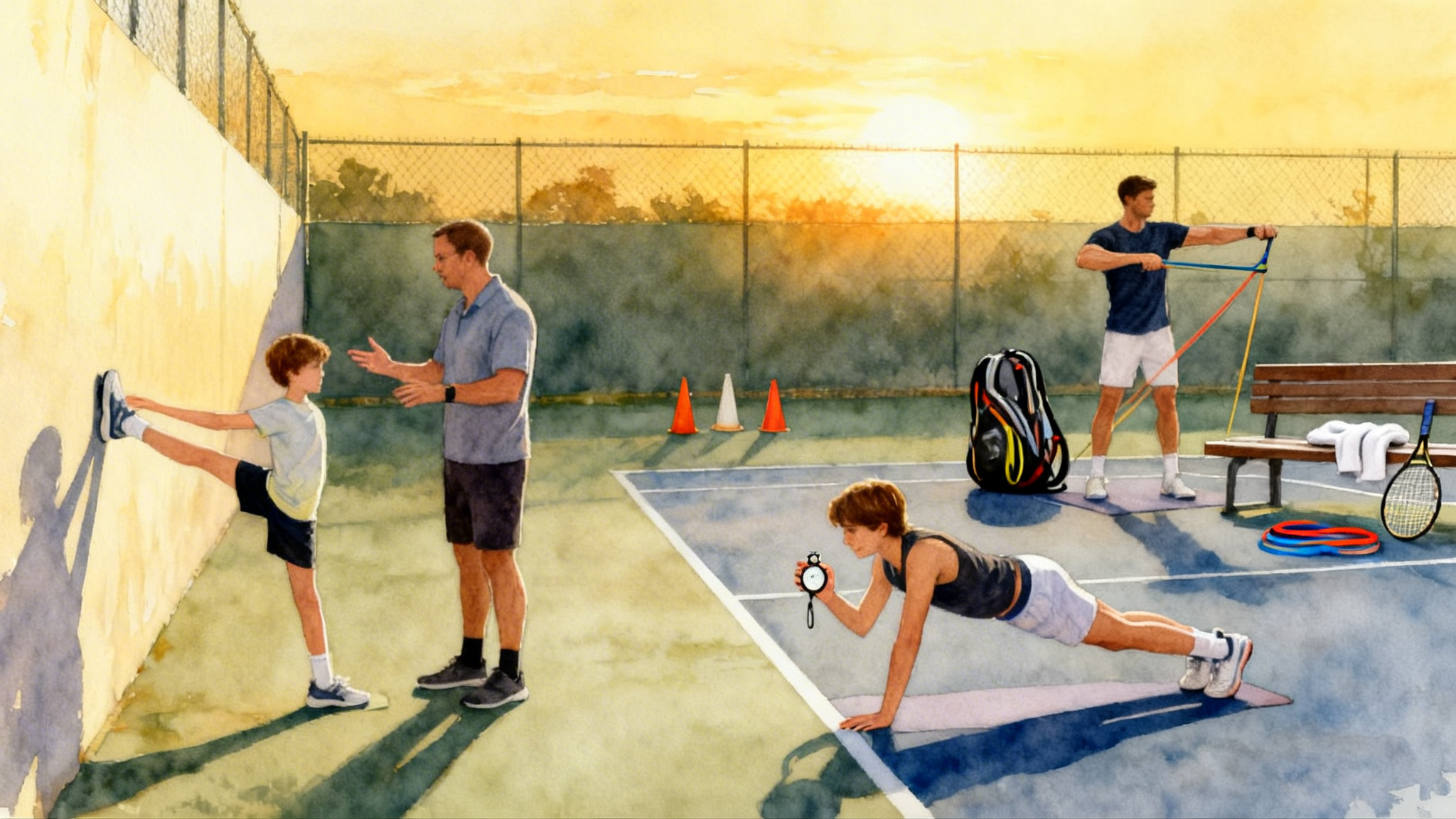
- Mobility and positions: ankle dorsiflexion, hip rotation, and thoracic rotation. Look for warm ups that include deep split squats, lateral lunges, and short reach rotations with quality, not speed.
- Strength: bodyweight to light external load for ages 9 to 12, then coached barbell patterns for mid to late teens. The gold standard is a coach who can show you a written progression and who follows best practice like the NSCA position statement on youth resistance training.
- Power and speed: medicine ball throws, low box jumps, and 10 to 20 meter sprints with full recovery. One to two short blocks per week beat one long grind.
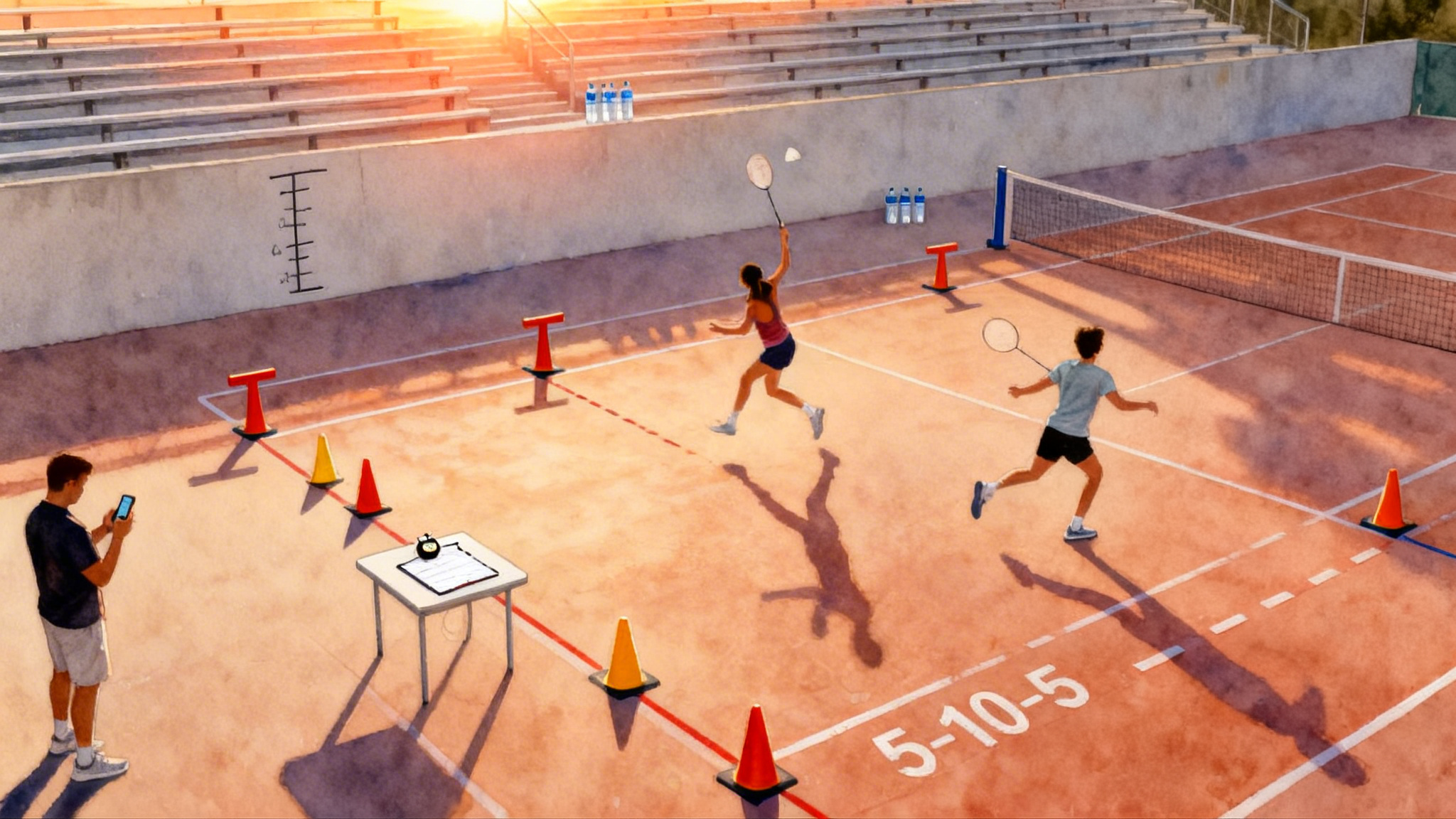
- Conditioning: tennis is repeat sprint with recovery. Expect bouts of 15 to 30 seconds on, 30 to 60 seconds off, not endless court suicides.
If the fitness looks like random circuits with no visible teaching of landing and deceleration, it is not tennis specific.
Step 6: Competition plans without the ranking talk
You do not need to live inside a ranking site to make a smart schedule. You just need a simple plan that respects school, growth, and training blocks.
- Ages 9 to 10: one local event or internal match day per month, or two very short events separated by two weeks
- Ages 11 to 12: one event per month with one optional friendly match day, avoid back to back weekends
- Ages 13 to 14: one to two events per month depending on school load, protect recovery after consecutive weekends
- Ages 15 to 18: two events most months during peak season, one during heavy school periods, planned deload after two consecutive events
More important than volume is the review. After an event, a coach should identify two keeps and one change, then place those into next week’s microcycle. If you cannot see that loop on paper, the schedule is just travel.
Step 7: Measurement that matters
Progress should be visible. Ask how they measure these four pillars:
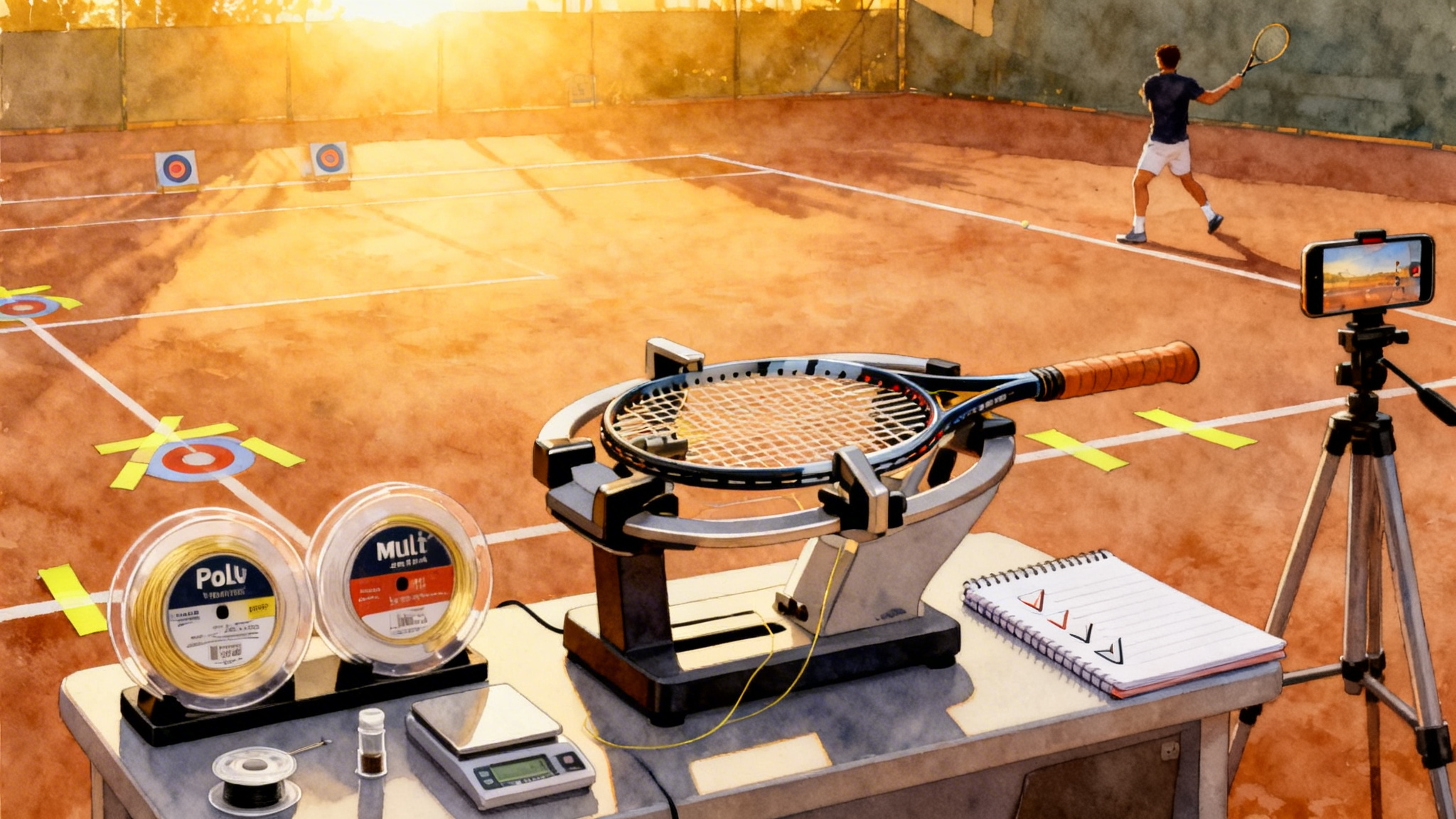
- Accuracy under speed: targets for crosscourt and down the line at prescribed tempos
- Serve benchmarks: first serve in play at a set speed, second serve kick height over the net tape, location maps
- Movement economy: time to split and first step, recovery to the middle, and a deceleration drill score
- Error quality: forced versus unforced, with a clear definition shared with the player
A simple monthly test battery beats tech for tech’s sake. Video is valuable if it is clipped, labeled, and paired with one or two practice tasks. To make video work at home, follow our smartphone tennis video guide.
Brief case study callouts you can borrow on your visit
These callouts are templates for what clarity looks like when a program is run well. Use the format and questions below when you visit.
-
Legend Tennis Academy, Austin
- What to look for: a posted monthly theme that links technical checkpoints to live ball games, a coach to player pod that stays consistent through the week, and a visible skill ladder that sets standards for moving from green to yellow ball or from development to performance squads.
- Questions to ask: Can you show me last month’s skill map and two examples of a player meeting the standard to move pods, and how do you handle a growth spurt week when coordination dips.
-
Gomez Tennis Academy, Naples
- What to look for: an intake assessment that produces two to three measurable goals, a calendar that alternates technical and competition emphasis across 4 to 6 week blocks, and written feedback that ties tournament observations to next week’s practice.
- Questions to ask: Where do you post a player’s current benchmarks for serve, return, and movement, and how do those change the next mesocycle if match demands shift.
These are the kinds of signals that show a clear pathway and measurable skill work. Regardless of academy, insist on this level of transparency.
Trial day checklist and the exact questions to ask
Print this and bring it to your first visit.
- Before play
- Do you have a written periodization map for the next 4 to 6 weeks that I can see
- What is today’s ratio and who will coach my child next session and next month
- What is the technical theme for today and how will you cue it in live ball
- During play observation
- Are rallies and drills time boxed with clear rest, or does everything run until players fade
- Do coaches name one cue per player, or do they give long lectures
- Does fitness show landing, change of direction, and acceleration mechanics, or is it random circuits
- Are players measuring anything today, even something simple like target hits or serve locations
- After play debrief
- What two things did my child do well and what one thing should we change this week
- When do you expect that one change to be visible in a game, and how will you test it
- What is the plan if school exams reduce training next week, what will you cut first and why
- How do you communicate match observations back into practice plans
If a program answers in vague terms, ask to observe again or request a written one week plan.
Red flags that save you time and money
- Ratios change daily and no one can tell you why
- All feeds, no live ball, little problem solving under speed
- No posted theme or it sounds like a slogan rather than a skill
- Endless conditioning that looks like punishment, not tennis specific work
- Tournament schedule set first, training plan squeezed around it
- Video captured but never clipped or discussed with the player
- Player moves up by age alone, not by a clear skill standard
- Coaches discourage questions or cannot show last month’s plan
- Strength training without coaching on landing and deceleration
- A parent contract that talks about results but not learning behaviors
A simple scoring matrix to compare programs
Give each category 0 to 2 points.
-
Coach to player ratios match the plan across the week
- 0: unknown or routinely exceeded
- 1: usually met, sometimes off
- 2: clear schedule, tracked and met
-
Periodization clarity for the next 6 weeks
- 0: calendar only
- 1: themes named without loads
- 2: themes, loads, and test dates posted
-
Measurable skill work each week
- 0: none visible
- 1: occasional targets or timed drills
- 2: weekly benchmarks across serve, groundstrokes, and movement
-
Fitness integration and safety
- 0: random circuits
- 1: plan exists but not tied to tennis skills
- 2: written progression, visible coaching of landing and acceleration
-
Competition plan alignment
- 0: events drive training
- 1: some alignment
- 2: post event reviews feed next week’s practice
-
Coaching continuity
- 0: new coach every session
- 1: lead coach rotates but communicates
- 2: stable pod with clear handoffs
-
Parent communication
- 0: none besides billing
- 1: ad hoc texts
- 2: scheduled check ins with written notes
-
Cost transparency
- 0: unclear or many surprise add ons
- 1: fees listed without what they include
- 2: full breakdown with what is optional and why
-
Facility fit for your child
- 0: courts and schedule mismatched to school life
- 1: workable with compromises
- 2: training times and court surfaces match needs
-
Culture and values
- 0: fear based coaching and public call outs
- 1: mixed messages
- 2: standards based coaching with respectful tone
Scoring guide:
- 16 to 20: strong fit, confirm logistics and start with a four week trial
- 11 to 15: workable, ask for fixes on any 0 scores before committing
- 0 to 10: keep looking
Use this matrix on both a boutique academy and a club embedded program, then compare. The categories keep the conversation anchored to learning, not brand gloss.
How to read a sample week plan
Ask to see a week plan and scan for three things in order:
- A daily focus that matches the mesocycle theme. Example: Monday serve rhythm and toss height, Tuesday backhand direction change, Thursday first step speed.
- An intensity wave. Example: slightly harder Monday and Tuesday, medium Thursday, light Friday before match play.
- One to two measurable outcomes. Example: first serve in play at 55 percent to both corners, backhand crosscourt to a 1 meter target 7 of 10 times at a set tempo.
If you see those three ingredients, the plan is likely sound.
Put it together on your visit
- Call ahead, ask to watch a full session, and request a short debrief
- Bring the trial day checklist and scoring matrix
- Watch your child’s face and feet. Are they learning and moving with purpose, or just surviving volume
- Ask for a four week start plan with a clear review date
Your final decision should balance clarity, measurement, and how the program flexes around your life. The model matters less than the craft.
Conclusion: Choose the signal, not the noise
You do not need a secret contact or an insider ranking to pick a great junior tennis home in 2026. You need a coach who shows their math. That means the right ratios for the day’s goal, a periodized plan that fits school and growth, fitness that teaches landing and speed, and a competition plan that loops learning back into practice. Use the trial day questions, spot the red flags, and score what you see. When a program welcomes that kind of scrutiny, you have likely found the right place for your player to grow.