NCAA to Pro Tennis in 18 Months: 2026 Transition Guide
A practical, step by step blueprint for college graduates and elite juniors to launch a first pro season in 2026. Build two 9 month blocks, pick the right ITF and USTA events, budget smart, earn points, and form a winning team.
 Tommy
Tommy
Who this blueprint is for
You have a degree, a big forehand, and real belief. Or you are a top junior considering a gap year. This guide is a field manual for turning college match toughness into professional results in 18 months. It walks you through two nine-month blocks that blend training and competition, explains how to select International Tennis Federation and United States Tennis Association Pro Circuit events, sets ranking point targets, compares doubles first versus singles first, shares budget models, includes email templates for wild card outreach, and ends with a Texas swing case study anchored at Legend Tennis Academy in Spicewood, Texas.
Use this as a working document. Edit the examples with your dates and travel realities. Revisit after each block to adjust.
The 18 month plan at a glance
- North Star: become a consistent qualifier and periodic main draw winner at 15k to 25k events by month 9, then push into regular main draws and occasional qualifying at Challenger or WTA 125 level by month 18.
- Structure: two nine-month blocks. Each block has three phases that stack fitness, skill, and tournament density.
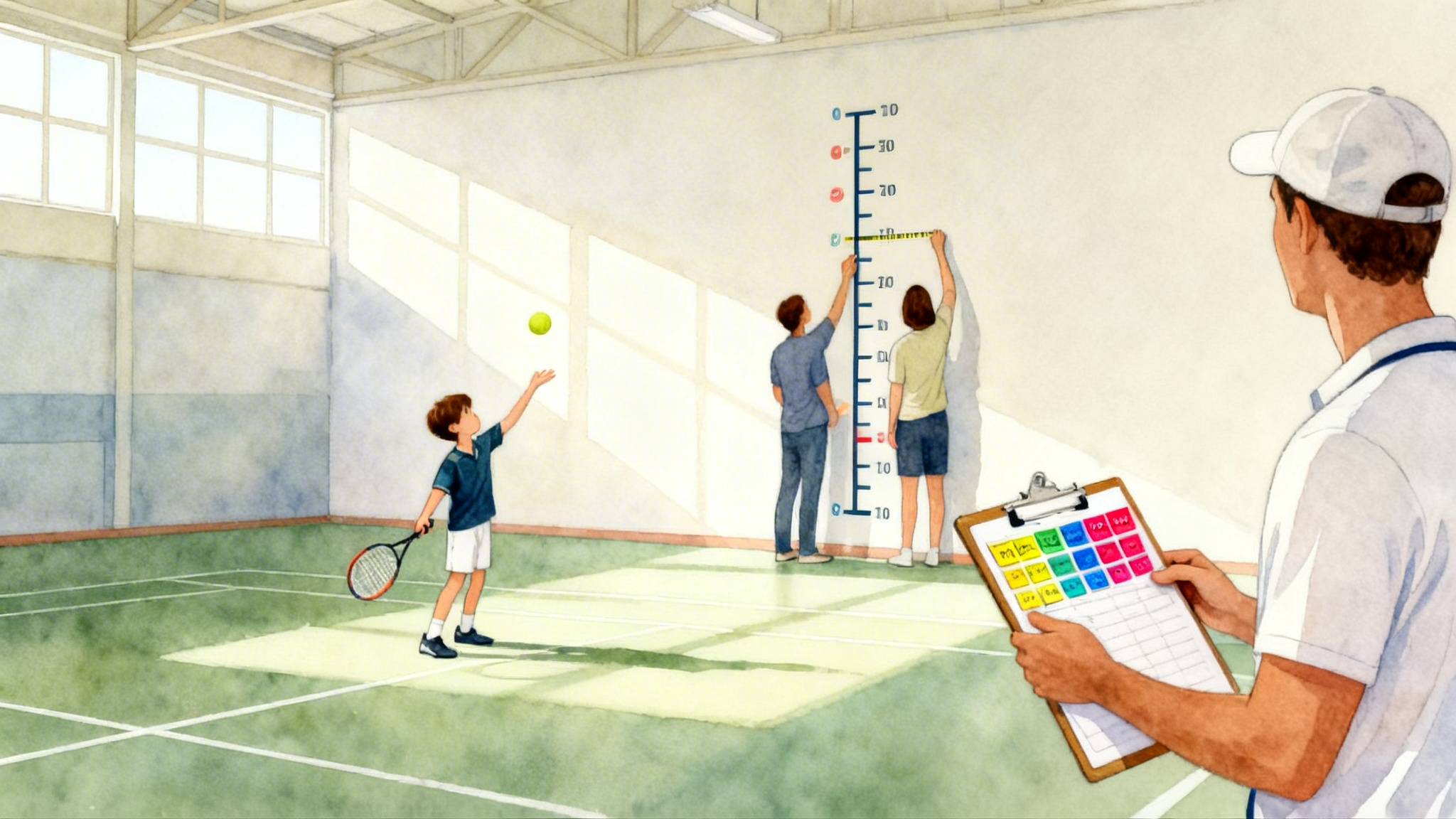
- Scoreboard: track matches played, wins in three set matches, break point conversion, hold percentage, return games won, and doubles first serve points won. Add a short written note after each tournament on what actually moved the needle.
Block 1, months 1 to 9: foundation, first points, consistency
Objective: build a pro ready engine, convert college strengths to tour patterns, and secure your first ranking points.
-
Months 1 to 3: rebuild and convert
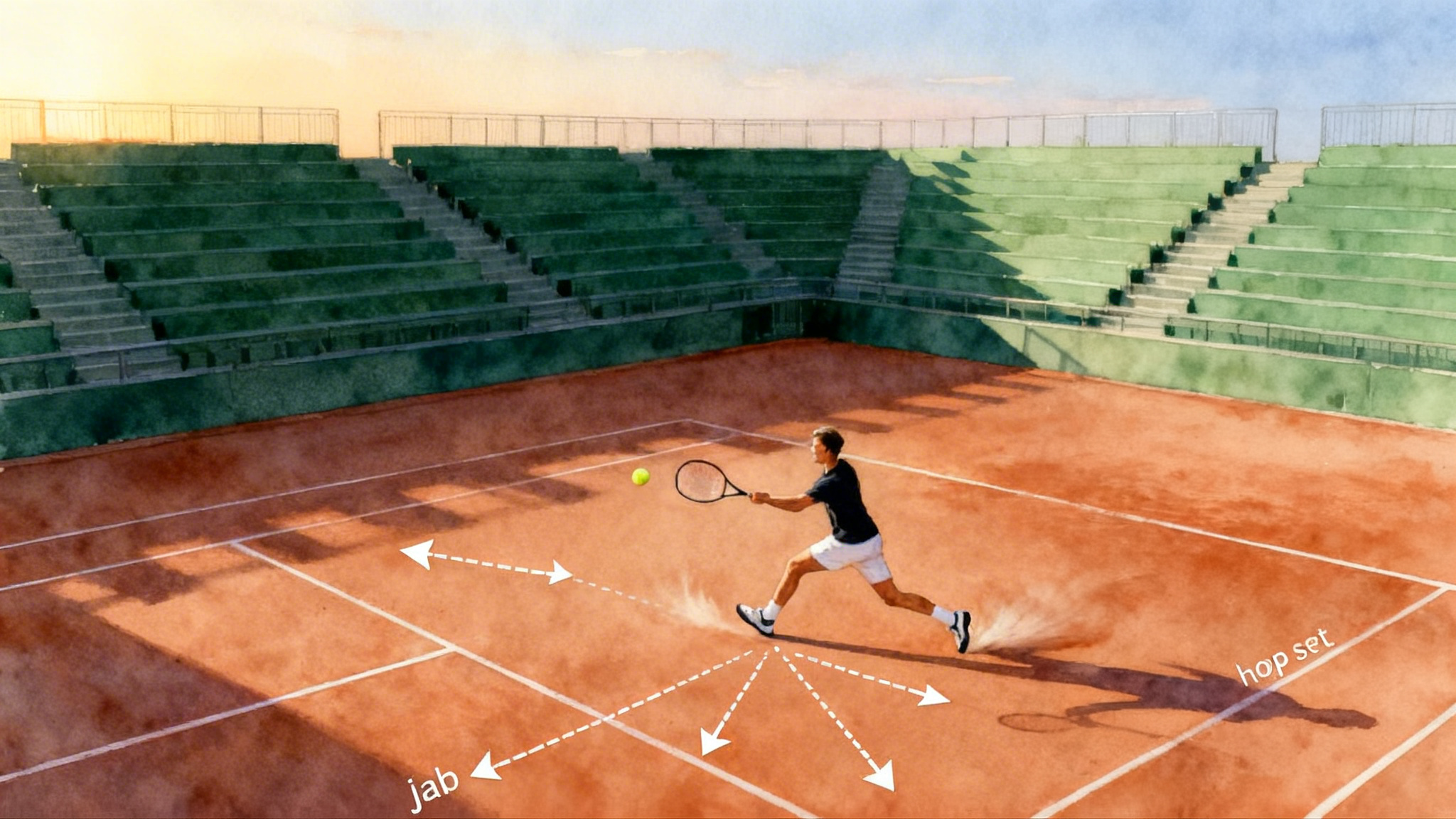
- Training priority: movement quality, pro tempo patterns, serve plus one, return position versatility, neutral ball tolerance. For return skills, see the Return of Serve Mastery guide.
- Competition: two events in month 2, three in month 3. Enter one level you belong in and one you are stretching for. Use doubles to log matches and enhance your network.
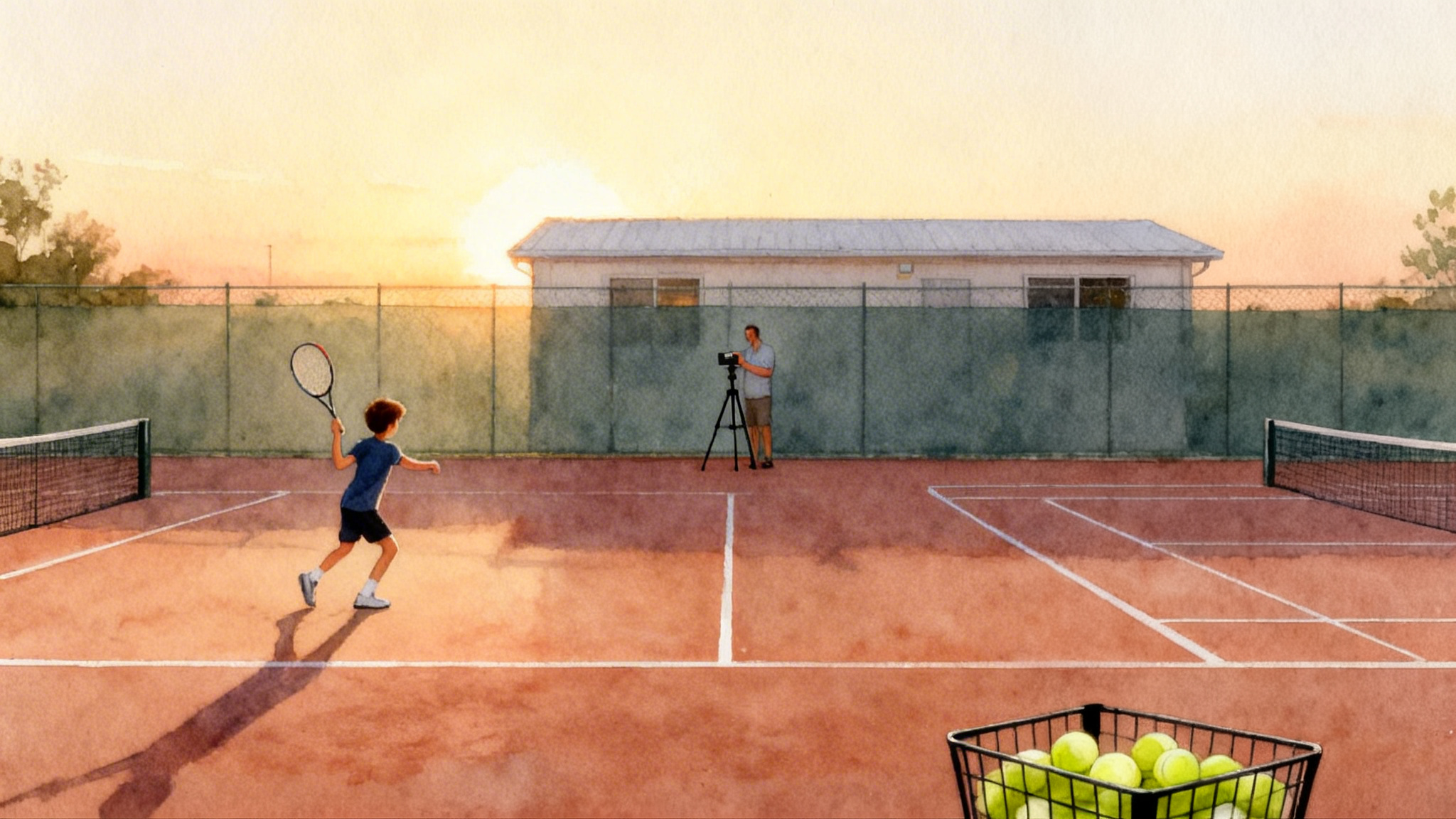
- Deliverables: a repeatable daily warmup, a travel recovery routine, and a video library of five bread and butter patterns.
-
Months 4 to 6: first points and proof of concept
- Training priority: first serve percentage above 62 percent in matches, forehand from defense to offense, add one aggressive return play.
- Competition: three tournament cluster in month 4, two in month 5, three in month 6. Chase clusters within one region to save budget and reduce fatigue.
- Deliverables: first ranking points, a doubles partnership you can call on, and a shortlist of tournaments where you can qualify consistently.
-
Months 7 to 9: consolidate
- Training priority: strength maintenance and speed, second serve quality under scoreboard stress, finishing at net.
- Competition: two clusters of three events each. Skip week 9 if travel load is high. Add one higher level event for experience.
- Deliverables: match charting for 10 full matches, hold above 75 percent on hard courts or above 70 percent on clay, and at least two tournaments with back to back wins.
Sample week in Block 1 training phase
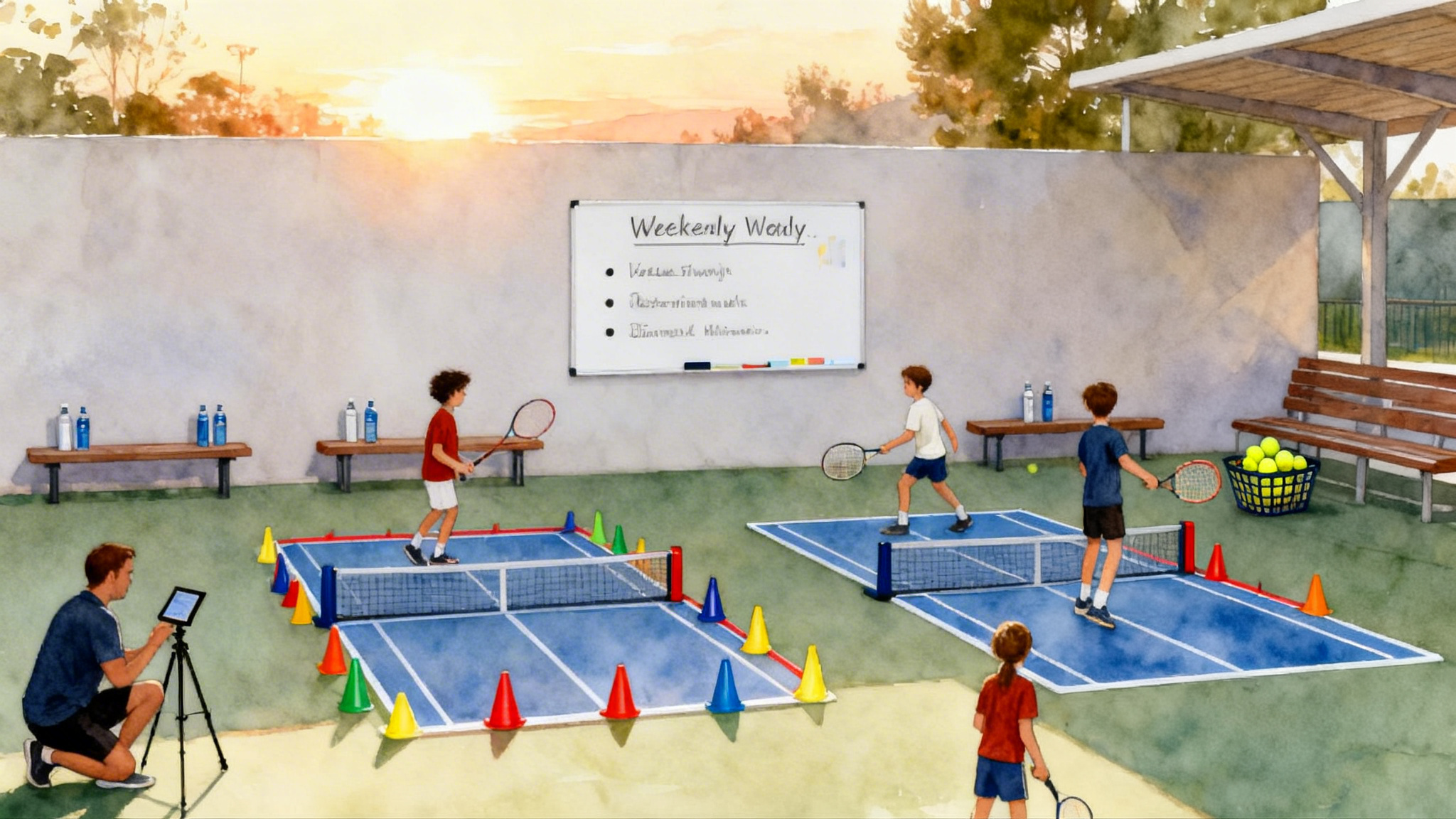
- Monday: a.m. serves and returns, p.m. baseline depth ladders and 2 on 1 defense. Lift lower body and core.
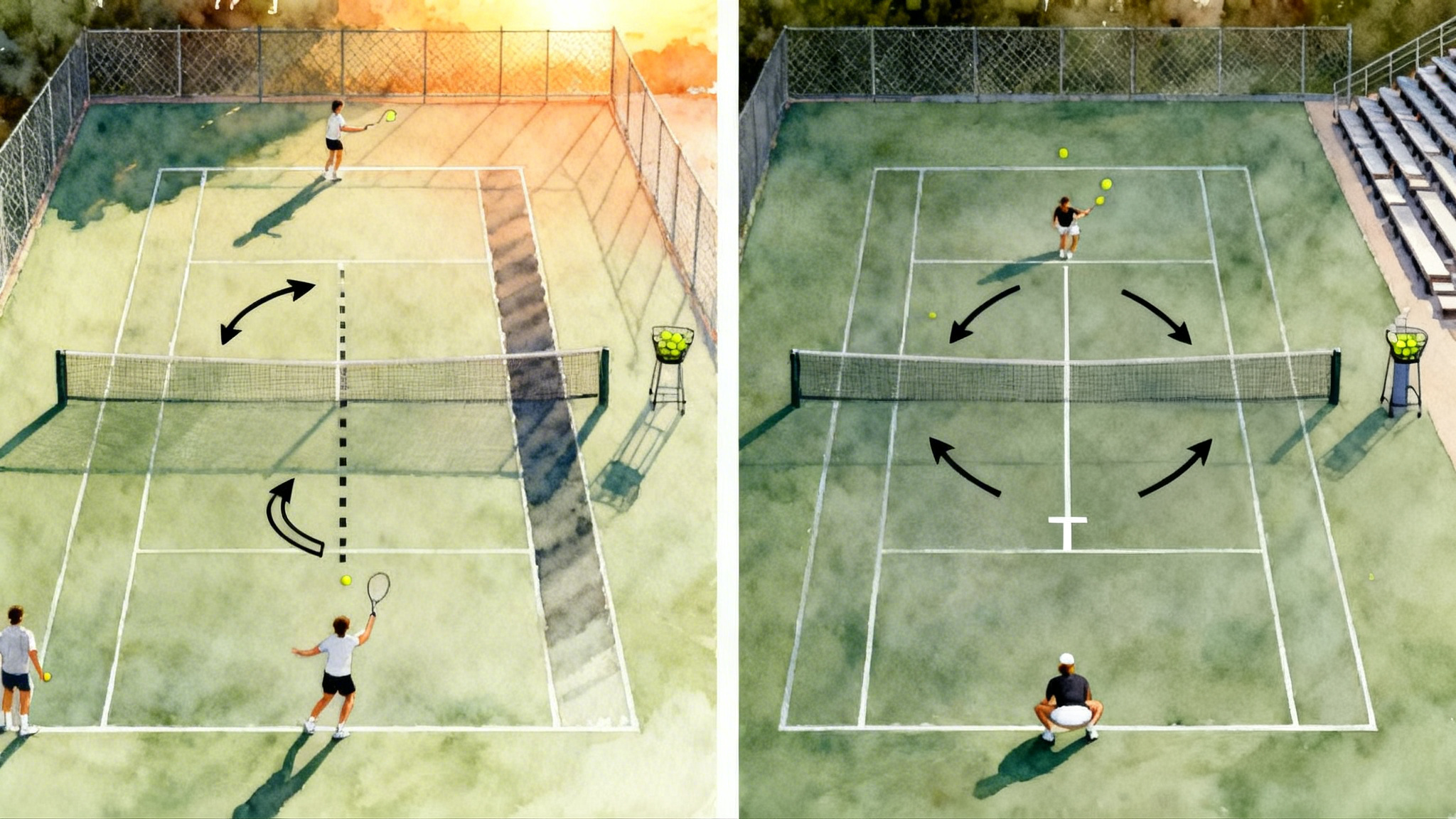
- Tuesday: a.m. point construction sets, p.m. doubles specific returns and poach triggers (study the Australian and I-Formation doubles playbook). Mobility and shoulder care.
- Wednesday: a.m. tempo day with high ball tolerance, p.m. match play first to four tiebreak sets. Lift upper body and power.
- Thursday: a.m. transition and volley finishing, p.m. video review and situational games. Mobility.
- Friday: match simulation scoring with changeover routines. Short lift and medicine ball.
- Saturday: light hit or doubles set. Recovery modalities.
- Sunday: rest, travel, or light movement.
Block 2, months 10 to 18: scale up, tougher draws, sustainable routines
Objective: raise your floor, not just your ceiling. Enter stronger events, protect health, and stabilize ranking.
-
Months 10 to 12: step up
- Schedule three event clusters with one event at a slightly higher tier. Keep doubles to sharpen returns and net instincts.
- Add specific altitude and surface adaptations if your cluster demands it.
-
Months 13 to 15: expand
- Seek regional swings with deeper fields to normalize big ball speed. Plan one international trip if budget allows and the cut lists suggest entry.
- Target at least two quarterfinals or better at your base level.
-
Months 16 to 18: solidify
- Enter three events where you are seeded or near seeded. Test one Challenger or WTA 125 qualifying week if your trendline supports it.
- Decide on an off season location and book it early. Protect your body with a two week capacity block before finishing.
Sample week in Block 2 between clusters
- Monday: short court and speed. Serve targets with second serve under pressure.
- Tuesday: match play day. Film two sets.
- Wednesday: strength maintenance and short tactical session.
- Thursday: recovery, movement tune up, and doubles return reps.
- Friday: travel or light hit.
- Weekend: tournament start.
How to select the right tournaments
You win the week when logistics are calm and predictable. Here is a simple selection process that respects budgets and improves performance.
- Pick regions, not dots on a map. Choose three week clusters within one flight or one long drive. A Texas, Oklahoma, and Louisiana loop, or a Carolinas and Georgia loop, keeps costs and fatigue down.
- Work backward from entry deadlines. Most events close entries about three to four weeks before week of play. Plot your applications on a calendar with reminders at 30, 21, and 14 days out.
- Build your A, B, and C lists. A is your belong level. B is stretch. C is backup events within a drive if you do not get into qualifying or if you lose early and want a follow on opportunity.
- Play your game on the surface that loves you back. If you are a first strike hard court player, hunt those clusters. Clay specialists should dedicate at least two extended clay blocks, not one offs.
- Travel with purpose. If you need blocks of matches, double enter singles and doubles, then treat doubles as a second training match with feedback. If you are overloaded, prioritize singles, withdraw from doubles sooner, and bank quality practice sets.
Sample 12 week competition ladder
- Weeks 1 to 3: base level events in your region with doubles each week. Aim for one quarterfinal.
- Weeks 4 to 6: similar level, new region. Use car rental to connect cities and practice at host sites two days before.
- Weeks 7 to 9: add one stretch event. Accept likely tougher draw to learn the ball speed and patterns.
- Weeks 10 to 12: return to a favorable cluster where you have already scouted the courts and hotels.
Ranking point milestones and how to hit them
You need signposts, not myths. Treat these as working targets that you will adjust with your coach.
- First foothold: by month 6, earn your first singles points by qualifying and winning main draw rounds at your base level. Use doubles to supplement confidence and get into facilities early.
- Stability band: by month 9, target a points total that translates to consistent qualifying and the occasional seed at your base level. The exact thresholds change by tour and year, so verify current point tables.
- Growth band: by month 18, your goal is a ranking that gets you straight into main draws at your base level most weeks and puts you within striking distance of qualifying at the next tier.
How to accelerate the climb
- Bank early round wins. Fewer early exits produce steadier points than one big week followed by three first round losses.
- Defend your best weeks. Note when you scored your biggest haul and plan to arrive fresh and prepared if those events repeat on the calendar.
- Treat doubles as a second ladder. Doubles results can improve your skills at net, build relationships, and sometimes open doors for practice and wild cards.
Budget your first 18 months
Build a budget that lets you finish the project. Here are three practical models. Numbers are round figures in United States dollars and assume North America travel with one international trip.
-
Solo lean model
- Per week on the road: 1,000 to 1,400 for flights or gas, hotel or shared housing, food, stringing, and entry fees.
- Coaching: remote support with one or two in person weeks per quarter at 300 to 600 per day when on site.
- 18 month total: 35,000 to 55,000 depending on travel density.
-
Player plus part time coach model
- Per week on the road with shared costs: 1,600 to 2,300 including an onsite coach part of the time.
- 18 month total: 60,000 to 85,000.
-
Full support model
- Per week: 2,800 to 4,500 with a dedicated coach most weeks and periodic physio.
- 18 month total: 110,000 to 160,000.
Savings that change outcomes
- Clusters beat one offs. One flight, three events, and one car rental. Book early with free cancellation and recheck rates weekly.
- Stay where you can cook. Two athlete roommates in an apartment reduce costs and improve recovery.
- Join with one training hub. Use a base like Legend Tennis Academy between tournaments for structured training rather than random hits.
Doubles first or singles first
Pick the lane that maximizes matches and momentum.
-
Doubles first path
- Why: faster entry into match reps, lower physical tax per day, and a strong way to learn pro returns, poaches, and volley finishing.
- Who: players with serve value, quick hands, good returns, and comfort at net. Also helpful for anyone managing a niggling injury while building singles capacity.
- How: enter doubles every week. Choose a stable partner for six to nine events to build chemistry. Spend two court sessions per week on returns, first volley shape, and signals. On singles off days, play a one set doubles practice tiebreaker.
-
Singles first path
- Why: most long term upside depends on singles ranking. You will need endurance for back to backs and the ability to manage three setters.
- Who: high engine players who recover well and expect to progress into later rounds as fitness and patterns stabilize.
- How: prioritize singles entries and practice sets. Play doubles when the week’s singles load is light or when a strong partner invites you and the schedule fits.
Decision framework
- If you struggle to get through qualifying in singles, go doubles heavy for eight to ten weeks to bank matches and confidence.
- If you are making quarterfinals in singles once per cluster, taper doubles to conserve energy during those weeks.
How to secure wild cards
Wild cards are relationships plus proof. You need a short, credible story and an easy yes.
Who to contact
- Tournament directors via the published email on the factsheet.
- Host clubs and academies that support the event.
- Your national federation and sectional offices.
- College coaches with alumni ties to events.
What to include in your ask
- One paragraph athletic bio with two best college wins and one pro result.
- Current ratings such as Universal Tennis Rating and World Tennis Number with brief context. Explain abbreviations once, then use them.
- Video link of two or three points that show your weapons.
- A clear reason the event benefits from your entry. Local ties, community work, or bringing a partner who is already accepted.
Template: qualifying wild card request
Subject: Wild card request for [Tournament Name], week of [Date]
Hello [Director Name],
I am [Name], a recent graduate of [College] playing my first pro season. My best 2026 results are [two results]. My Universal Tennis Rating is [value] and my World Tennis Number is [value].
I would like to request a qualifying wild card for [Tournament Name]. I am based in [City] and can arrive early to participate in a clinic or media activity if helpful. Here is a 90 second highlight of my serve plus one and return patterns: [private video link].
I will also enter doubles with [Partner Name], who is [brief credential].
Thank you for considering my request. I will be at the venue on [arrival date] and am happy to help with any community activation.
Best regards,
[Name]
[Mobile]
[Coach or reference]
Template: doubles main draw wild card with local angle
Subject: Doubles wild card request for [Tournament Name]
Hello [Director Name],
I am [Name]. I will compete in singles qualifying and would like to request a main draw doubles wild card with [Local Partner Name], a [local club or college] player. We have practiced together and can support the event’s local story. I have attached a one page profile and match clips. We can also run a doubles clinic on [date].
Thank you for your time and consideration.
[Name]
[Mobile]
Pro tips for outreach
- Send your first note four to five weeks before the event. Follow up one week before sign in with a short update.
- Keep it to one screen. Attach a single page profile. Put everything else in a simple folder link.
- Offer to help. Directors remember players who make the event better.
Your support team and how to assemble it
You do not need a big staff on day one. You need the right roles and clear agreements.
- Head coach: strategy and periodization. Remote plus targeted onsite weeks. Agreement should include communication rhythm, video review, and travel day rate.
- Strength and conditioning coach: two phases. Build capacity in the first three months. Maintain in season with two short sessions weekly and one reload microcycle between clusters.
- Physio or bodywork: build a local network in your training hub and ask directors for vetted therapists on the road.
- Mental performance: short, frequent sessions on routines, reset scripts, and pressure strategies.
- Nutrition: travel meal plan and two or three anchor breakfasts you can make anywhere.
- Stringing: set your tensions for hot, cold, and indoor. Log match results by tension. Carry a backup reel and overgrips.
Write a one page player operating manual that covers patterns, routines, and preferences. Share it with your team so everyone speaks the same language.
Case study: a Texas swing anchored at Legend Tennis Academy
Texas rewards smart planners. Courts run fast in heat, winds can be tricky, and drives between cities are manageable. Use Legend Tennis Academy in Spicewood as your base for pre event training blocks and in season tune ups.
Six week sample plan
- Week 1: arrival and base. Three days at Legend Tennis Academy for heat acclimation, serve targets, and transition work. One practice match filmed. Recovery orientation in the gym and pool.
- Week 2: Event A in Central Texas. Arrive two days early. Practice sets on site. Singles qualifying and doubles main draw if accepted. After elimination, return to Legend for two hitting blocks and a strength reload.
- Week 3: Event B two to three hours away. Drive, settle in rental housing, and rehearse your first five games script. Focus on return plus first volley in doubles.
- Week 4: Tune up at Legend. Two high intensity days, one technical day, one recovery day. Video review session. Adjust tension for forecasted heat.
- Week 5: Event C in North Texas. Aim to protect first strike patterns when wind picks up.
- Week 6: Debrief and micro-taper at Legend. If healthy and trending up, add a bonus regional event. If worn down, pull the ripcord and lock a rest block.
Daily rhythm at Legend Tennis Academy during a tune up block
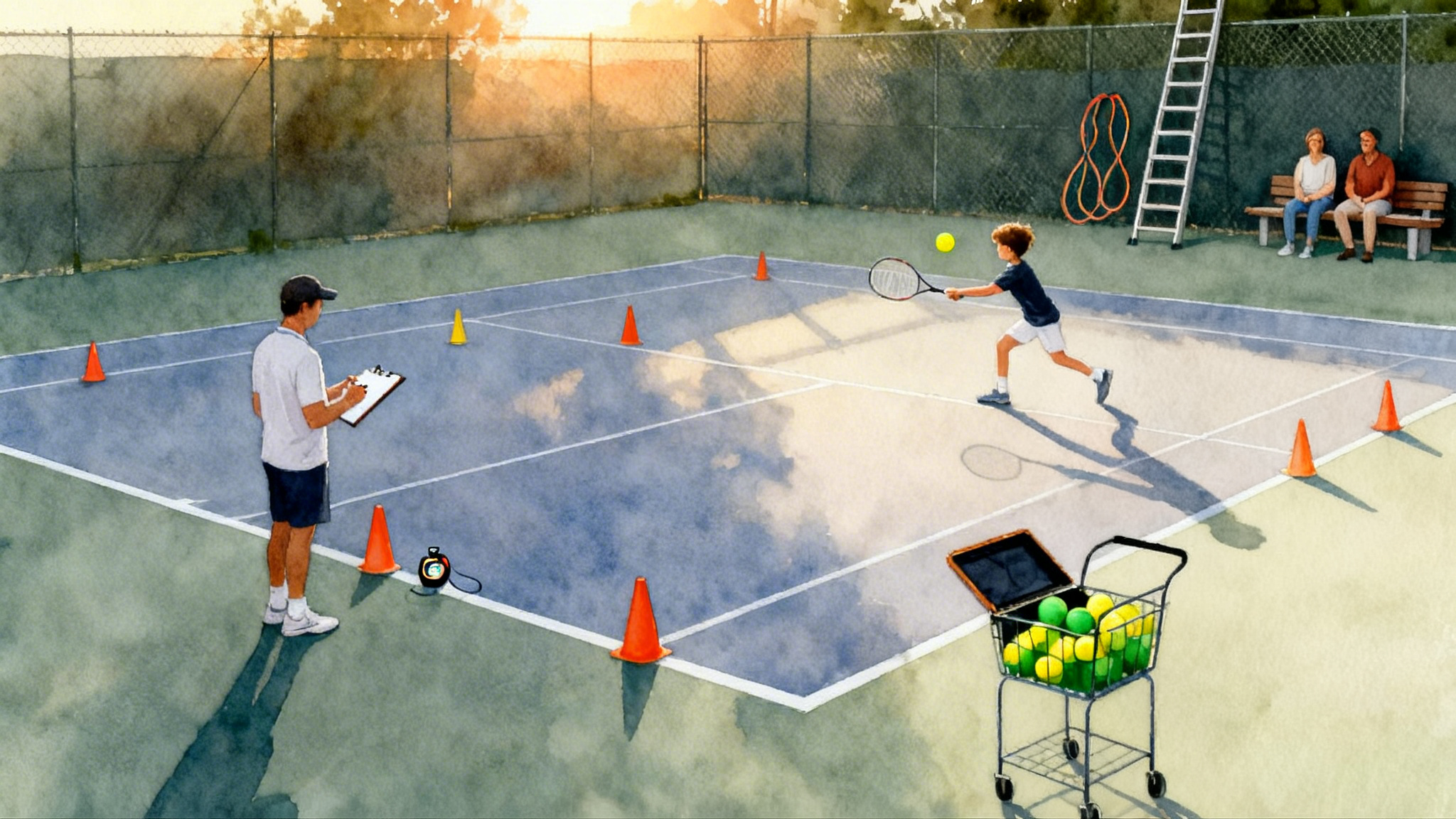
- 8:30 a.m. on court: serves and returns, then pattern sets tilted toward your next opponent styles.
- 11:30 a.m. gym: speed and power in 45 minutes, then shoulder and hip maintenance.
- 2:30 p.m. on court: situations and live ball, finish with doubles poach and eye formation reads.
- 4:30 p.m. recovery: hydration plan, cold and hot contrast if needed, sleep setup and travel checklist.
Where a hub saves you money
- Housing: academy partnerships often unlock local host families or preferred rates.
- Transport: fewer extra flights and more short drives.
- Coaching: pay for targeted days instead of a full tour coach salary.
Admin, entries, and anti-doping basics
- Get your International Tennis Federation IPIN account and national body memberships early. Store logins in a password manager.
- Set calendar reminders for entry deadlines, sign in windows, and withdrawal cutoffs. Add a backup event each week.
- Complete required anti-doping education and understand Therapeutic Use Exemption basics. Travel with a medications list and keep prescriptions handy.
- Build a one page profile with headshot, short bio, best wins, and contact details. Keep it updated and easy to share.
Sample 9 month calendars
Block 1, example layout
- Month 1: training heavy, two practice matches weekly, one local prize money event for match reps.
- Month 2: two base level events plus doubles each week. One rest weekend.
- Month 3: three event cluster within one region. Evaluate travel rhythm and recovery.
- Month 4: training and video block at your hub, then two events. Ask for a qualifying wild card if your results justify.
- Month 5: three events with one stretch entry. Protect sleep hours.
- Month 6: two events, then a four day reload at the hub.
- Month 7: three events you know well. Seek a seed at one.
- Month 8: one higher tier event for experience, one base level event to score.
- Month 9: consolidation and health check. Lock the next block.
Block 2, example layout
- Month 10: two events, one at a slightly higher tier. Doubles with a stable partner.
- Month 11: three events with regional driving connections.
- Month 12: tune up block and two events. Test a new return position if data supports it.
- Month 13: three events. Pick one with a familiar venue to anchor confidence.
- Month 14: two events, then bodywork week.
- Month 15: three events with one stretch. Film all matches this month.
- Month 16: two events where you can be seeded. Target one semifinal.
- Month 17: one qualifying attempt at the next tier if entry lists suggest a shot. One base event to stabilize points.
- Month 18: health first. One event you love and one debrief camp. Plan off season.
What to track and how to adjust
- Match count and health. If you exceed three matches in four days often, reduce practice volume and protect sleep.
- Serve quality. Record first and second serve points won and double faults per set.
- Return quality. Record return games won and second serve return points won.
- Pressure skills. Record break point conversion and tie break results.
- Doubles communication. Record first volley made percentage and successful poaches per set.
Review every six weeks. If metrics lag and you are healthy, raise training intensity. If metrics lag and you are tired, reduce load and sharpen tactics.
Final word
Graduating from college tennis to life on tour is less about a single breakthrough and more about building a reliable machine that turns days into wins. Organize your 18 months into two honest blocks. Choose clusters that fit your game and your wallet. Ask early and well for wild cards. Let doubles make you sharper even when singles is the main story. Use a hub like Legend Tennis Academy to keep training quality high between events. Most of all, keep a written log of what you learn each week and adjust with intention. If you do that, your ranking will follow.