Spain vs France Tennis Academies 2026: The Junior Pathway Guide
A decision-first guide for U.S. families comparing Spanish and French tennis academies across surfaces, coaching, boarding and academics, language, UTR and ITF access, costs, calendars, and two sample plans with a parent checklist.
 Tommy
Tommy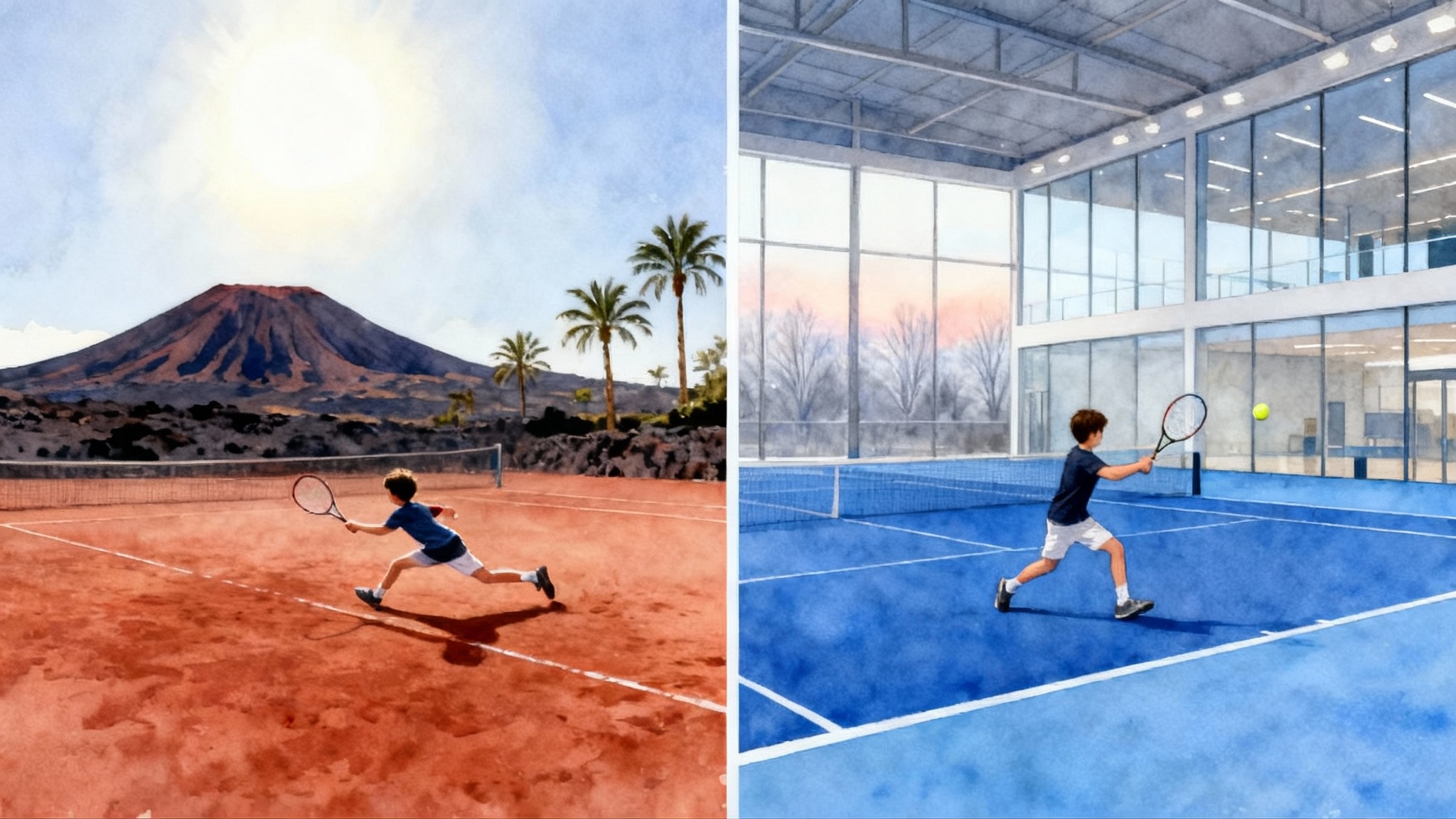
The quick answer for busy parents
If your junior thrives on long rallies, patience, and clay-court problem solving, Spain usually fits. If your player needs variety, faster indoor reps, and a broader tactical toolbox, France often delivers. Both pathways can produce complete players. The better choice depends on your child’s current game, school needs, language goals, and competition calendar.
Use this decision snapshot:
- Choose Spain if your junior needs more time on red clay, wants consistent outdoor training through winter, and benefits from high-volume repetition and physical conditioning.
- Choose France if your junior needs year-round access to indoor courts, wants an all-court style with creativity and net skills, and plans to mix national events with International Tennis Federation junior tournaments.
- If academics are priority one, short-list programs that run accredited school partners or monitored online learning blocks with proctored exams.
- If language immersion matters, pick the country whose language your child is most motivated to learn and practice daily, inside and outside the academy.
Surfaces and playing identity
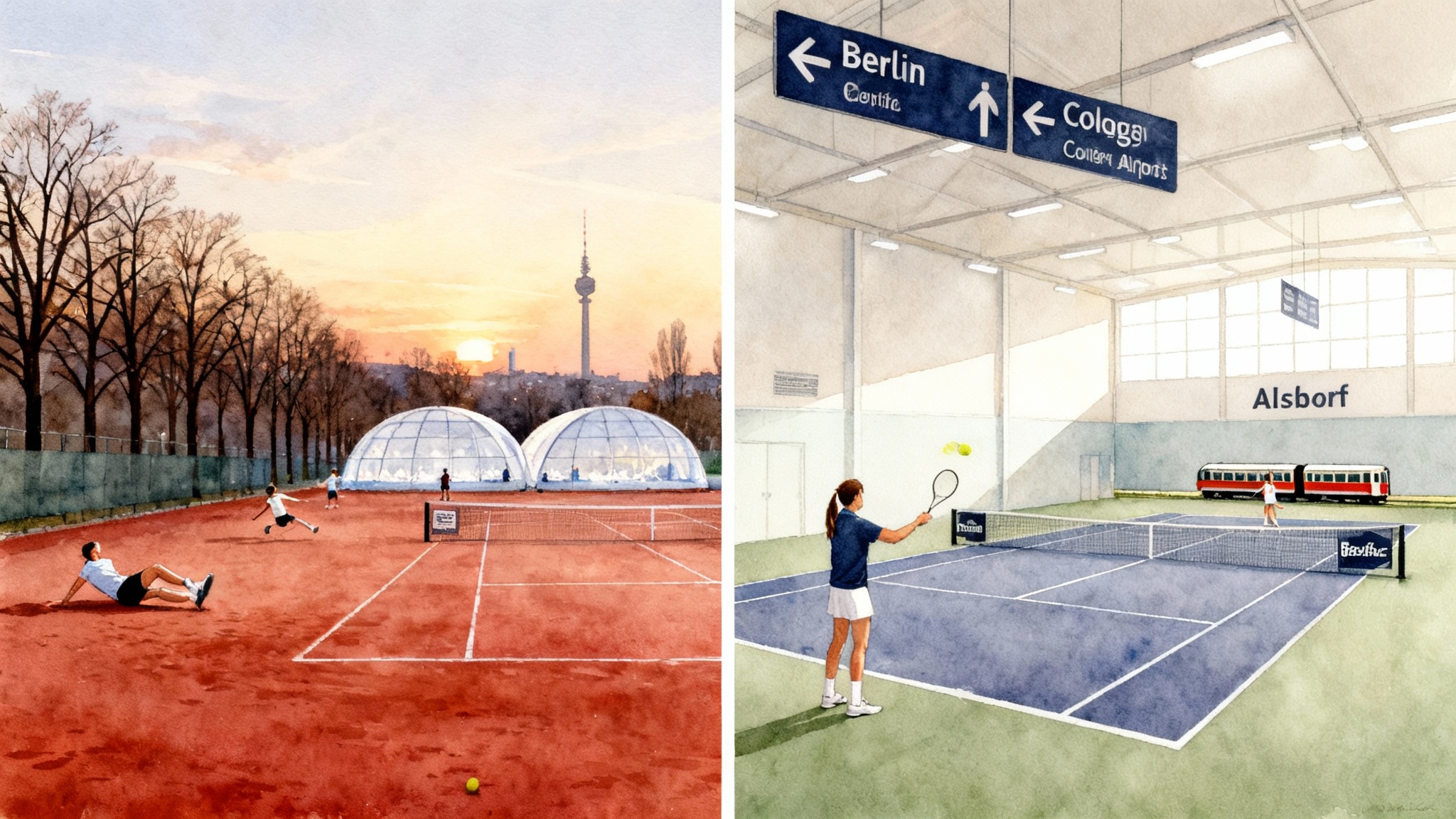
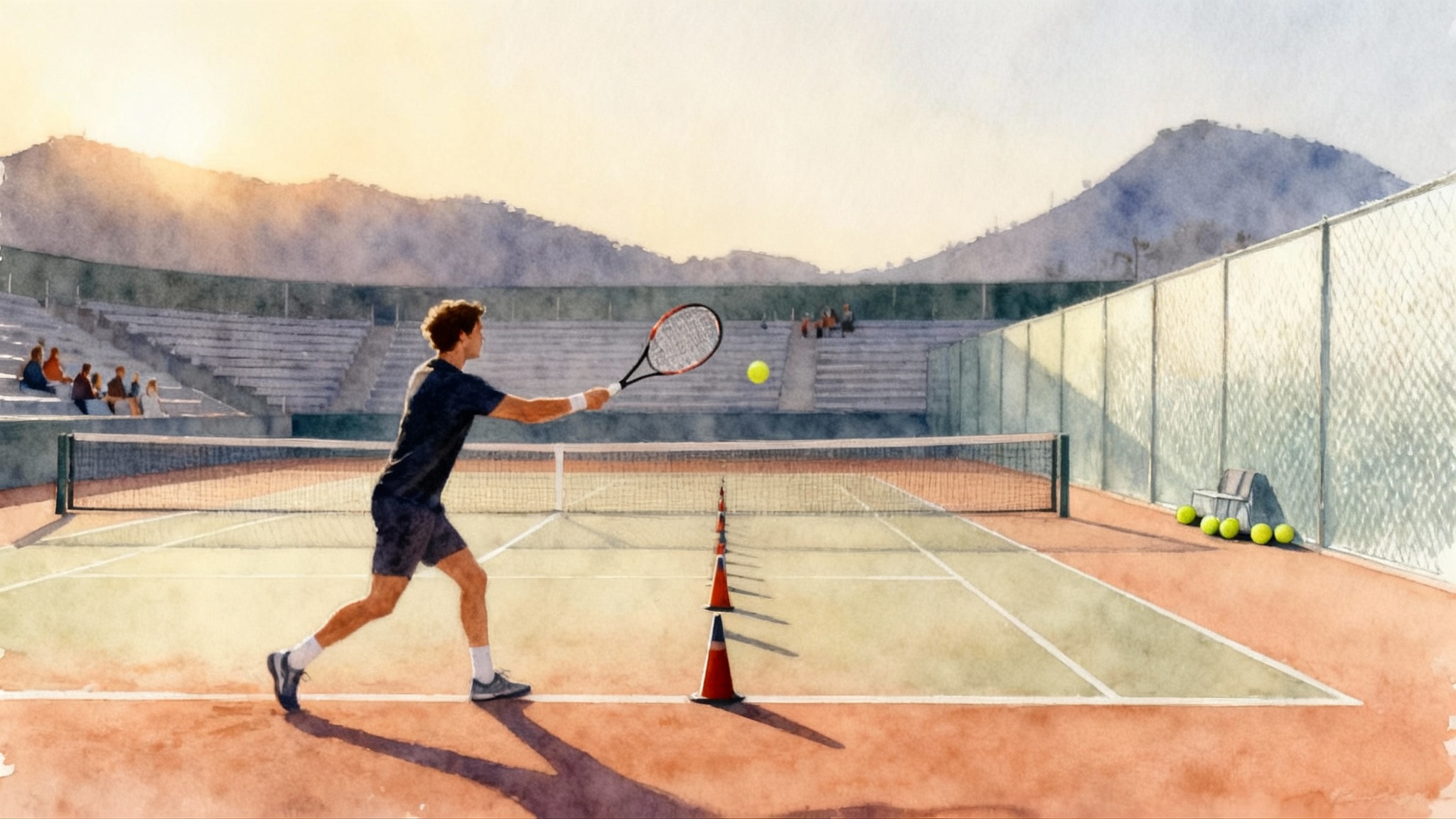
- Spain: Red clay dominates and shapes identity. Players learn to build points, defend with depth, roll heavy topspin, and turn defense into offense. Clay rewards footwork and patience. A common training block is crosscourt consistency followed by pattern change on ball three or five. The surface itself teaches shot tolerance and tactical discipline.
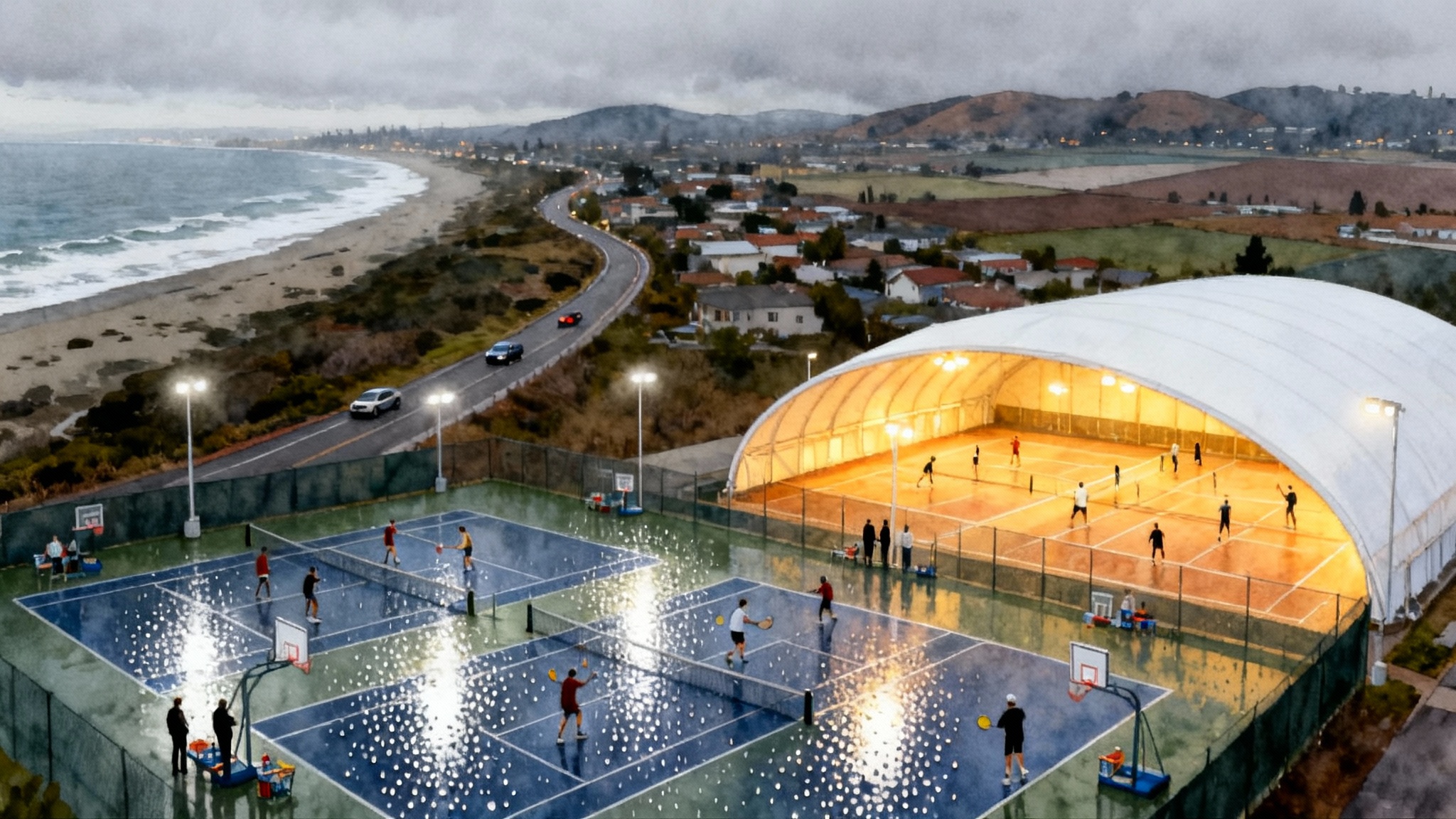
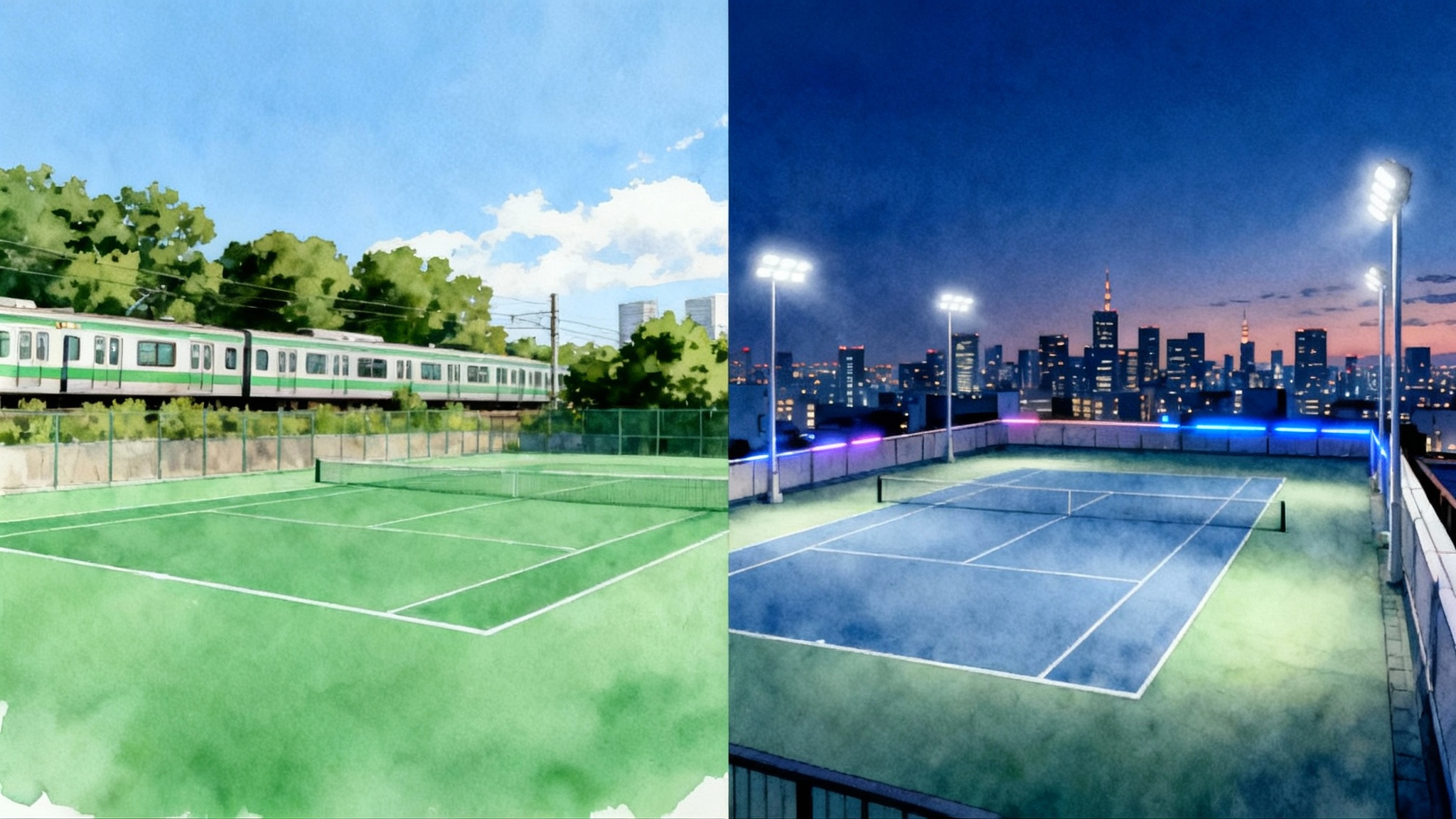
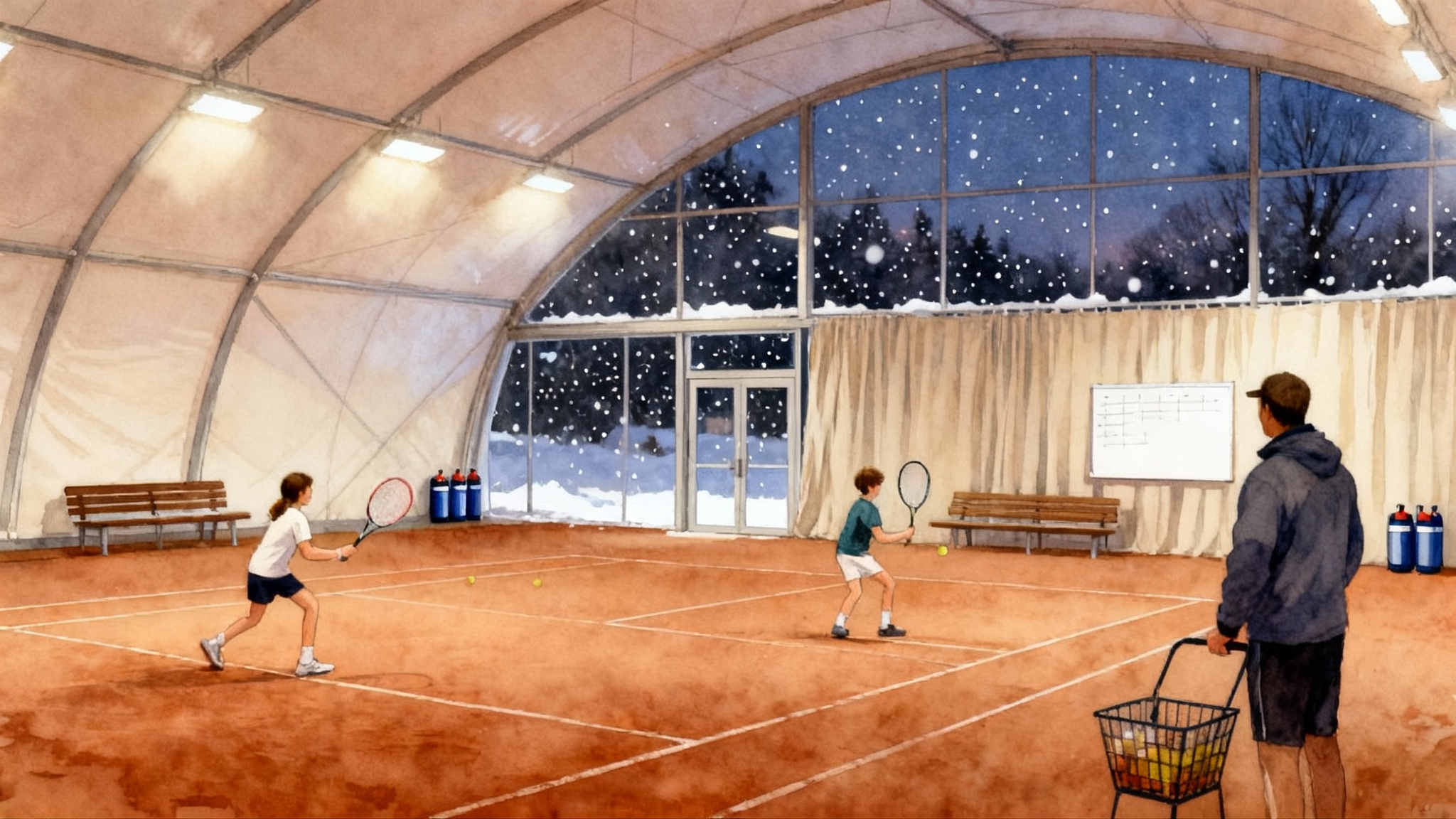
- France: Mixed surfaces are common. Many French academies combine clay, hard, and indoor acrylic. Juniors cycle through faster courts to train on-the-rise timing and transition skills. You will still see clay, but winter often shifts to indoor hard. That variety nudges players toward a more complete toolkit earlier.
Practical takeaway: If your child floats balls and struggles to finish, a French block with quicker courts can sharpen first-strike tennis. If your child rushes points and sprays errors, a Spanish clay block can slow the game down and grow point construction.
Coaching philosophies you will actually feel on court
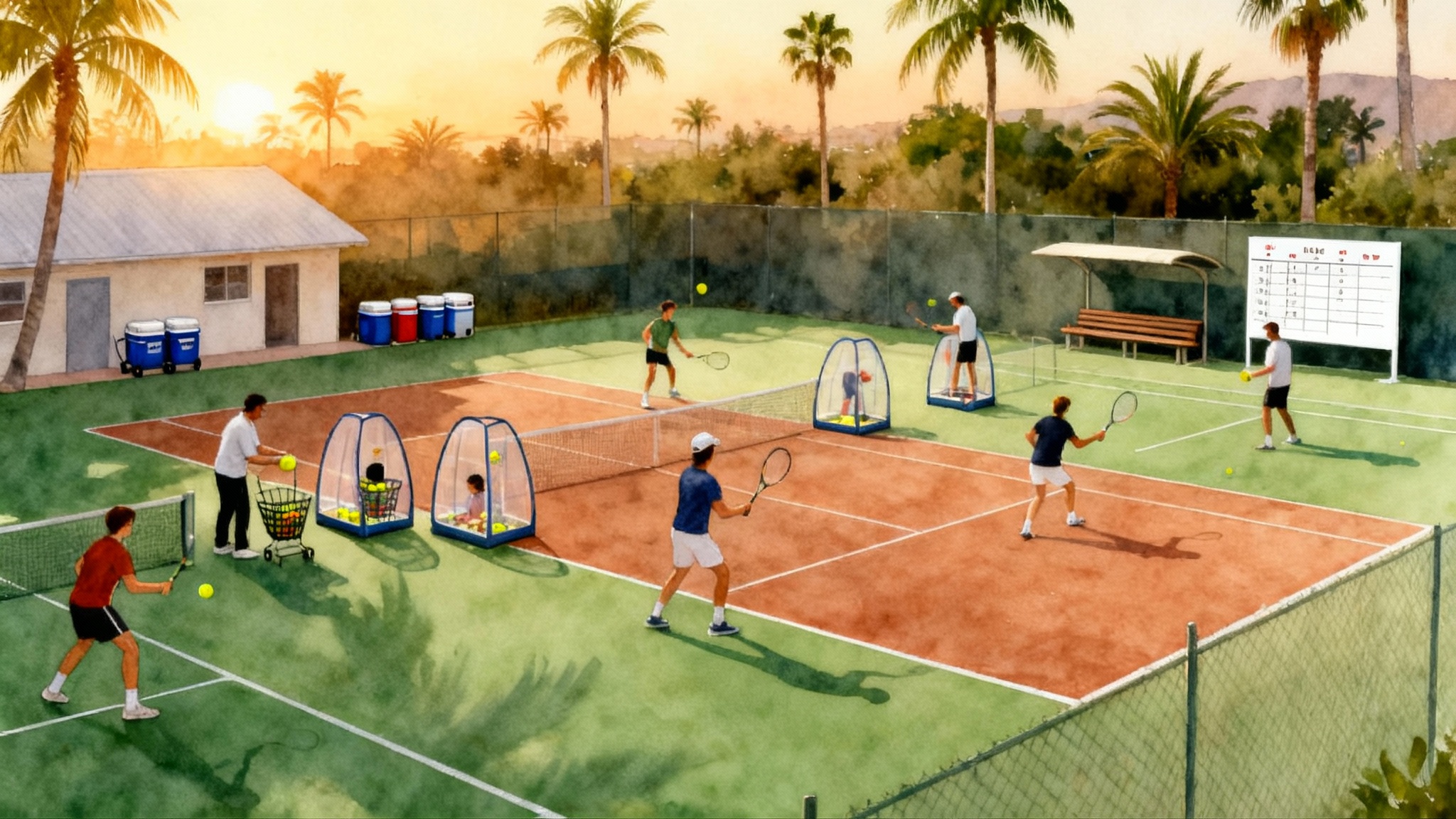
- Spanish model: Volume plus specificity. Expect long ball baskets, live-ball drills with targets, and strict footwork tasks. Coaches emphasize height, spin, and rally length. Physical work is integrated into tennis sessions. It is common to track ball counts and intensity, then review patterns after set play.
- French model: Variation plus creativity. Sessions often include problem-based games, transition approaches, and serve plus volley prompts. Coaches use constraint drills to force decisions, like playing only to the backhand for three balls, then mandatory approach. Many centers prioritize indoor decision speed and net finishing.
Neither approach is better in a vacuum. The match between methodology and your junior’s gaps is what matters. Ask yourself: Does my child need more tolerance and legs, or more first-step aggression and finishing tools? For technique at home, see our forehand mechanics and drills.
Boarding and academics
Both countries offer boarding options, but the day-to-day environment differs.
- Spain: Many programs run compact boarding houses near the club, with supervised study halls and bilingual staff. Some partner with international schools or manage online programs with dedicated classroom monitors. Outdoor training days are long, so ensure your junior gets real study time after dinner, not just an hour with a laptop.
- France: Larger cities and colder winters push more structured school partnerships and indoor training schedules. Academies often coordinate with private or international schools, or support France’s national distance education curriculum. Look for proctored testing, transcript support, and teacher office hours.
Questions to ask either country:
- Who monitors homework nightly?
- Are math and science teachers available on site or only virtual?
- How are grades reported to a U.S. school?
- What is the policy for missed exams during tournament travel?
Language immersion that sticks
- Spain: Everyday Spanish in cafés, markets, and public transport gives constant practice. Coaches often mix English with Spanish cues, so beginners pick up tennis vocabulary fast. Daily ordering of meals and errands forces speaking, which speeds learning.
- France: French immersion is strong in and out of the club, and indoor training days mean more locker-room small talk in French. Academies near major cities may have more English speakers, so ask whether your child will be nudged to use French in study hall and homestay settings.
Plan one language goal per month. For example, give a Spanish warmup explanation by week two, or conduct a full French match recap by week four.
Competition access: U.S. families and the alphabet soup
Two acronyms drive a lot of decisions:
- ITF is the International Tennis Federation. Its junior circuit points build a world ranking that matters for college recruiting and pro transitions. See the ITF junior pathway.
- UTR is the Universal Tennis Rating. It is a global rating that matches players to level-appropriate events and helps U.S. college coaches evaluate results. Review the UTR rating overview.
Spain: You will find frequent UTR events and strong local and regional tournaments. Academies often help visiting players enter Spanish federation events. The depth on clay is real, so expect tough draws and meaningful match reps.
France: You will find structured rating-based competition and a thick indoor calendar in winter. Many French events require a federation license. Good academies handle the paperwork and organize travel. Indoors can mean reliable match counts when weather would cancel outdoor draws.
Action step: Before committing, ask each academy for a 12-week sample tournament map that includes entry windows, travel times, and expected match counts. If the plan relies on last-minute sign-ups, your game exposure will be inconsistent.
Cost bands and the costs families forget
Prices vary by brand and region. These ranges are directional for 2026 and will differ by academy and season.
- Spain day program: roughly 2,000 to 3,500 U.S. dollars per month, tennis and fitness included.
- Spain boarding program: roughly 3,500 to 5,500 U.S. dollars per month, room and board included.
- France day program: roughly 2,800 to 4,200 U.S. dollars per month, higher in big cities.
- France boarding program: roughly 3,800 to 6,500 U.S. dollars per month, often higher where indoor court time is premium.
Add the often hidden items:
- Private lessons: 70 to 160 U.S. dollars per hour depending on the coach.
- Tournament travel: 150 to 300 U.S. dollars per domestic weekend. 400 to 900 U.S. dollars for trips with flights.
- Stringing and equipment: 100 to 250 U.S. dollars per month for frequent players.
- Academic fees: 1,500 to 6,000 U.S. dollars per term for partner schools or accredited online programs.
- Health insurance and sports physio: price depends on coverage. Ask for a written protocol for injuries and return-to-play.
Request a written quote with inclusions and exclusions. If the package includes airport transfers, clarify which airport and at what hours. If the academy charges coach travel fees for tournaments, cap the daily rate in advance.
Seasonal calendars and travel logic
- Spain: Mainland Spain and the Canary Islands provide mild winters and heavy outdoor blocks. Spring and fall are prime for clay training. Summer heat in some regions shifts sessions earlier and later in the day. Flight connections are frequent into Madrid, Barcelona, and the Canary Islands.
- France: Reliable indoor access in winter keeps the engine running when outdoor clay is unplayable. Spring and summer expand options across clay and hard. High-speed trains can reduce domestic travel times. Airports in Paris, Lyon, and Nice serve most academy hubs.
For U.S. families, direct arrivals matter after an overnight flight. If connections are required, build a light first day with movement, not volume. Plan stringing on arrival so racquets match local temperature and humidity.
Mini-spotlight: Tenerife Tennis Academy, Spain
See the Tenerife Tennis Academy profile.
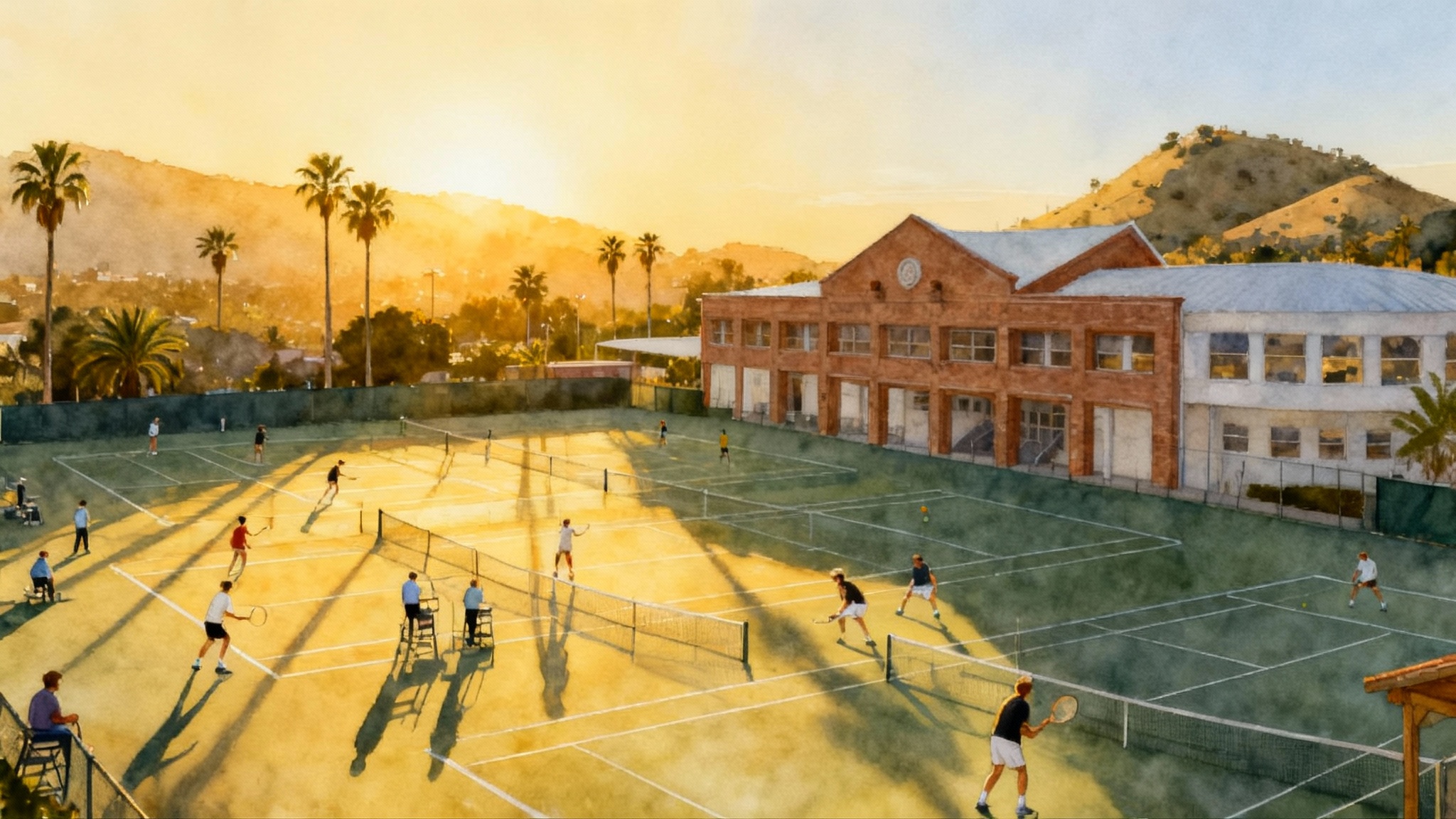
What stands out: Tenerife’s climate allows year-round outdoor training. That consistency is gold for repetition, confidence, and match flow. The academy culture emphasizes clay-court point building, footwork economy, and fitness blocks that support long rallies.
Training environment: Expect a strong clay presence with outdoor sessions and integrated fitness. The island setting makes distractions manageable. Coaches often run clear weekly themes like neutral ball depth, crosscourt control, and transition patterns.
Academics and boarding: International families typically blend boarding with online coursework or partner school options. Ask for a structured study hall, monitored assessments, and coach coordination with teachers. Tenerife South airport makes arrivals straightforward for U.S. families connecting through mainland hubs.
Who thrives here: Players who need rhythm, patience, and consistent outdoor reps. Juniors returning from injury also benefit from predictable weather and controlled load management.
Mini-spotlight: All In Academy, France
Explore the All In Academy overview.
What stands out: A modern French model that values all-court versatility. Mixed surfaces and indoor access shape a faster decision speed. Tactical creativity is encouraged in drills and match play. The culture rewards initiative and intelligent risk.
Training environment: A typical week blends serve plus first ball patterns, transition approaches, finishing at net, and match scenarios on different surfaces. Winter blocks often lean on indoor training for uninterrupted volume and reliable tournament scheduling.
Academics and boarding: Expect a clear school partnership or supported distance learning. Ask for proctored exams, transcript support, and language tutoring. Families should clarify how indoor court allocations shift during school exam weeks.
Who thrives here: Players who need to accelerate first-strike patterns, attacking returns, and finishing skills. Juniors targeting a balanced clay and hard calendar will find structure.
Plug-and-play plan: two-week summer block
Goal: A sharp, targeted boost without disrupting school or club teams back home.
Spain sample plan
- Week 1
- Monday to Friday: Morning technical clay sessions on height and depth. Afternoon live-ball patterns with serve plus one. Daily fitness with agility and hips.
- Saturday: Local match play or UTR event. Light recovery after.
- Sunday: Beach jog, mobility, and racquet check.
- Week 2
- Monday to Friday: Add transition patterns and finishing. Two private lessons across the week. Video review midweek and on the final day.
- Saturday: Tournament draw if available. Otherwise two match play blocks.
- Sunday: Pack, coach debrief, and flight.
France sample plan
- Week 1
- Monday to Friday: Indoor sessions on first-step speed, return position, and on-the-rise timing. Afternoon on clay for defense-to-offense. Fitness on acceleration and deceleration.
- Saturday: Rating-calibrated match play or local event.
- Sunday: City walk in French. Language immersion tasks.
- Week 2
- Monday to Friday: Serve patterns, approach triggers, and net finishing. Two private lessons to solve a personal bottleneck. Video touchpoints.
- Saturday: Tournament if scheduled, or match day with scoring goals.
- Sunday: Coach meeting, written plan for the next eight weeks at home.
Estimated budget for two weeks: 2,200 to 3,600 U.S. dollars for training, plus flights and lodging. Add private lessons and tournament fees as needed. Ask for a family package if two siblings travel together.
Plug-and-play plan: nine-month school-year track
This is a commitment and requires planning for visas, transcripts, and travel.
Core structure
- Training: Two tennis sessions per day on three to four days per week. One lighter day with technical focus. One rest day with mobility and study catch-up.
- Academics: Accredited online or partner school with monitored study hall, teacher office hours, and proctored exams. Weekly grade reports to parents.
- Competition: Two competitive weekends per month. One is local or regional. One is a travel event that aligns with development goals.
- Health: Integrated strength and conditioning plan. Screening every six to eight weeks. Clear return-to-play protocols.
Spain track
- Fall: Clay foundations and point-building emphasis. Enter local events and a UTR series to build confidence.
- Winter: Continue outdoor load. Strategic travel to mainland tournaments if needed.
- Spring: Add hard-court sessions to speed up patterns before summer tournaments.
France track
- Fall: Mixed indoor and clay. Build first-strike patterns and net finishing.
- Winter: Heavy indoor block with tightly planned events to guarantee match counts.
- Spring: Outdoor transition and clay lead-up to summer schedule.
Administrative points for U.S. families
- Schengen rules typically allow U.S. citizens to stay up to 90 days within any 180-day period without a visa. Longer stays usually require a student visa. Confirm requirements with the relevant consulate before booking.
- Health coverage and guardianship letters are often required by schools and boarding houses. Ask for templates.
- Build a budget that includes three round-trip flights, tournament travel, academic fees, and a cushion for injury rehab.
Parent checklist to choose the right fit
Program quality
- Watch a full session unannounced by video or in person. Are players moving with purpose between drills?
- Ask for three specific player case studies similar to your child, including starting level, timeline, and outcomes.
- Request the weekly plan template. Does it integrate fitness, mobility, and recovery?
Competition plan
- Get a 12-week tournament and match-play map. Look for realistic entries and backups.
- Confirm who travels with the group, coach to player ratio at events, and daily rate caps.
Academics
- Verify accreditation and transcript transfer to your U.S. school. Who proctors exams?
- See the actual study hall schedule. Who monitors, and what happens when grades slip?
Boarding and safety
- Ask for staff-to-student ratios in boarding. Curfew times and weekend supervision.
- Medical plan for injuries. Who decides return-to-play and when physio is involved?
Communication and measurement
- Monthly video check-ins with parents. Written goals for each four-week block.
- Clear key performance indicators such as first-serve percentage, rally tolerance, and approach conversion.
Budget clarity
- Fixed monthly fee with inclusions and exclusions in writing.
- Transparent tournament costs with caps for travel days and stringing.
Language and culture
- Weekly language goals. Local immersion tasks that the academy will support.
Final word
Spain and France both offer world-class development, but they shape players in different ways. Spain builds patience, legs, and clay-court intelligence through consistent outdoor volume. France builds decision speed, variety, and finishing skills through mixed surfaces and indoor access. Start with your child’s gaps, not the brand on the building. Ask for a plan you can measure, a school setup you can trust, and a calendar that guarantees match counts. When all three align, the pathway is right, whether your junior is sliding on red clay in Tenerife or finishing at net after an indoor serve plus first ball in France.