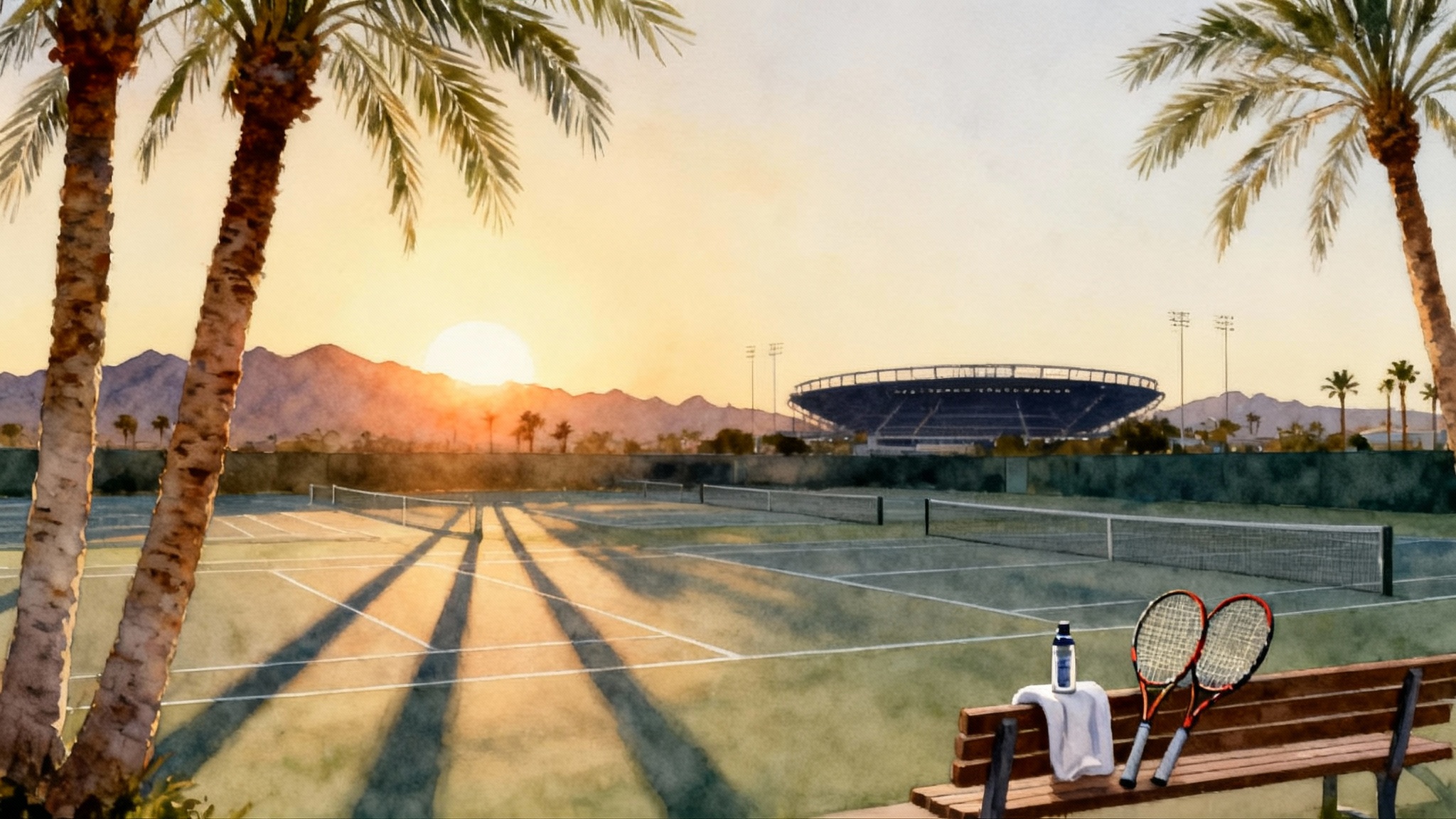
Orlando Jan to Apr Tennis at USTA: Lake Nona to Maitland
Plan a climate-smart, family-friendly tennis trip to Orlando from January to April. Book daytime courts at the USTA National Campus, add high-performance blocks in Maitland, pick the right surfaces, and streamline stay and play.
 Tommy
Tommy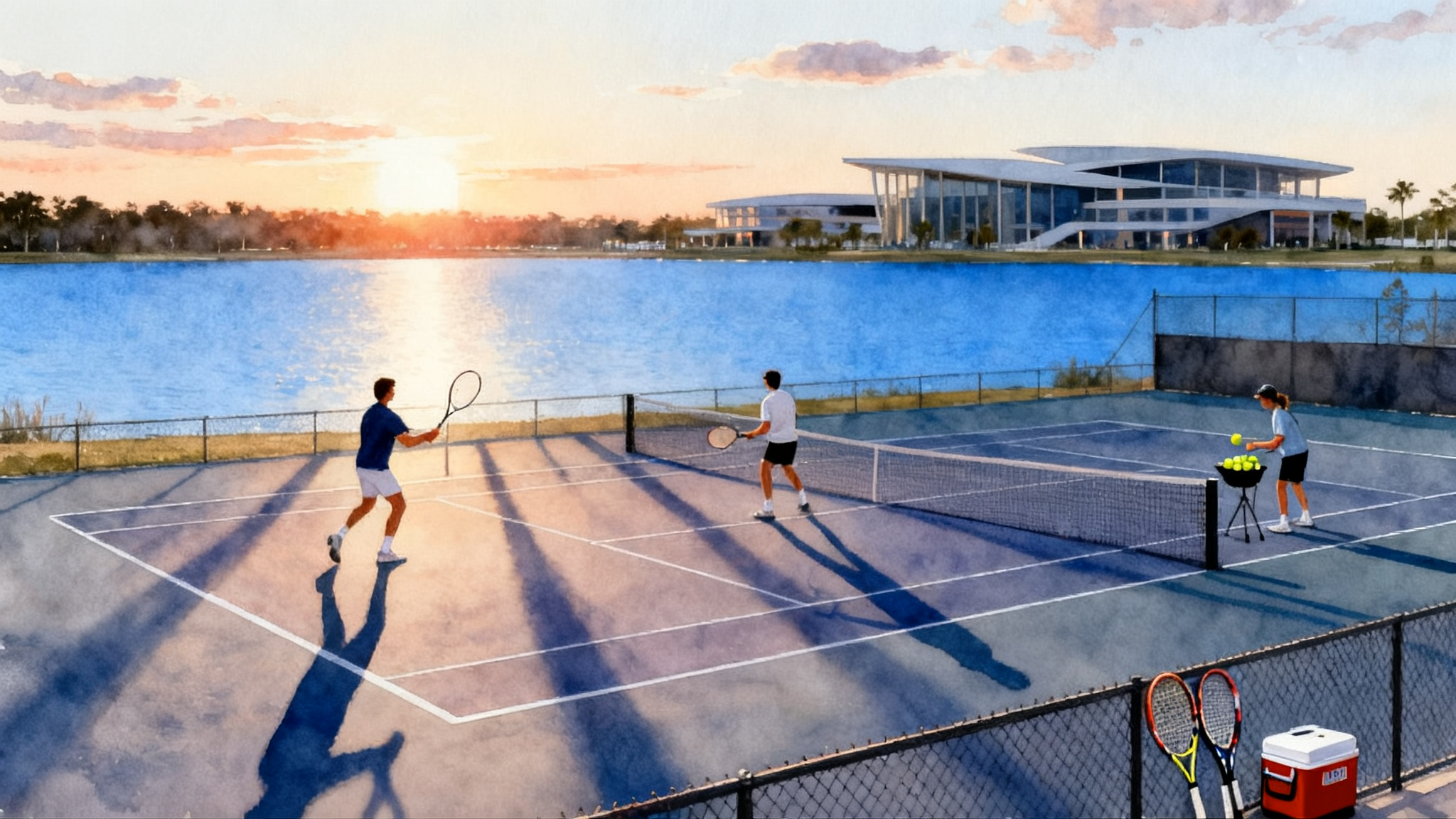
Why January to April is Orlando's tennis sweet spot
If you want reliable outdoor tennis without battling peak heat or daily lightning delays, plan Orlando between January and April. Morning and late afternoon windows are cool and breezy, sun angles are forgiving, and humidity is manageable. Crowds are lighter outside of holiday spikes, which means better court availability and less time in traffic. By late May through September, afternoon thunderstorms ramp up, and training windows narrow. Aim your trip for winter into early spring and you will maximize court time, energy, and fun.
Two planning moves make the difference. First, reserve daytime courts at the United States Tennis Association's flagship in Lake Nona, the USTA National Campus. Second, blend in targeted high-performance work up the corridor in Maitland, where many academies, including Revolution Tennis Academy in Maitland, serve juniors and adults chasing competitive gains. That combination covers repetition, coaching intensity, and family flexibility.
The two-hub plan: Lake Nona by day, Maitland for performance
Orlando's east to north corridor gives you two distinct tennis ecosystems in one trip:
- Lake Nona: A modern, master-planned district south of Orlando International Airport. The USTA National Campus is the magnet, with a deep inventory of courts and organized programming. It is ideal for bookable daytime blocks, match play, and family sessions where siblings or parents can rotate on and off court.
- Maitland and nearby Winter Park: North of downtown, this area is home to high-performance coaches and academies. Expect focused drilling, footwork blocks, and match play that mimics tournament stress. It is a strong complement to your Lake Nona volume.
Driving between the two is straightforward. Lake Nona to Maitland typically runs 35 to 50 minutes depending on time of day. Plan Lake Nona mornings and early afternoons, then a late afternoon drive to Maitland for a high-intensity two hour block. If you reverse it, start Maitland at dawn, then head south after rush hour.
How to book courts and programs without friction
Start with the anchor. The USTA National Campus publishes court inventory and programs well in advance, and you can reserve online. Make your first move at least two weeks out for weekend mornings in January and February, and three to four weeks out if your trip touches Presidents Day or spring break periods.
- Reserve courts and browse programs at the official site via the USTA National Campus booking.
- Target start times at 8:00 a.m. to 10:30 a.m. for cool conditions. If you prefer two sessions, add a second block after 3:30 p.m. when the sun softens.
- Build in contingency. Book a second court for 30 minutes after your first reservation ends so you can stretch a tight set into a full match without rushing.
- If you want a private tune-up, use your court booking as a backbone and slot a lesson around it. For performance blocks, contact your chosen Maitland academy with player ages, levels, and goals.
For your performance days up in Maitland, email or call the academy ahead of time and send player ages, current level, and goals. Ask for a sample day that includes warm-up, technical block, live ball, and match play. Confirm whether the academy provides hitting partners on demand. Juniors should share their upcoming tournament schedule so work can be tuned to match formats and surfaces.
A sample 7 day schedule
- Day 1, Saturday: Arrive mid day. Easy 60 to 90 minute hit at Lake Nona to wake up travel legs, then an early dinner.
- Day 2, Sunday: Two hour court in Lake Nona at 9:00 a.m. Family pool or museum time midday. Light doubles set late afternoon.
- Day 3, Monday: Performance block in Maitland 3:30 p.m. to 5:30 p.m. Morning recovery jog and mobility.
- Day 4, Tuesday: Lake Nona technical lesson plus 90 minute live ball. String any racquets in the pro shop.
- Day 5, Wednesday: Maitland high-intensity drilling and set play. Early night.
- Day 6, Thursday: Match play at Lake Nona in the morning, then a relaxed afternoon.
- Day 7, Friday: Tune-up set, pack, and fly out.
Surfaces that serve your goals
Orlando gives you surface choice that many destinations cannot match. Use it to your advantage.
- Hard court is the default in the United States and perfect for league preparation, serve rhythm, and realistic bounce patterns. If your season features hard court leagues or high school matches, keep at least half your volume here.
- Green clay (Har Tru) is forgiving on joints and great for building movement skill. You will slide lightly into shots, which forces balance and footwork discipline. If you are returning from an injury or ramping volume after a winter layoff, tilt toward green clay.
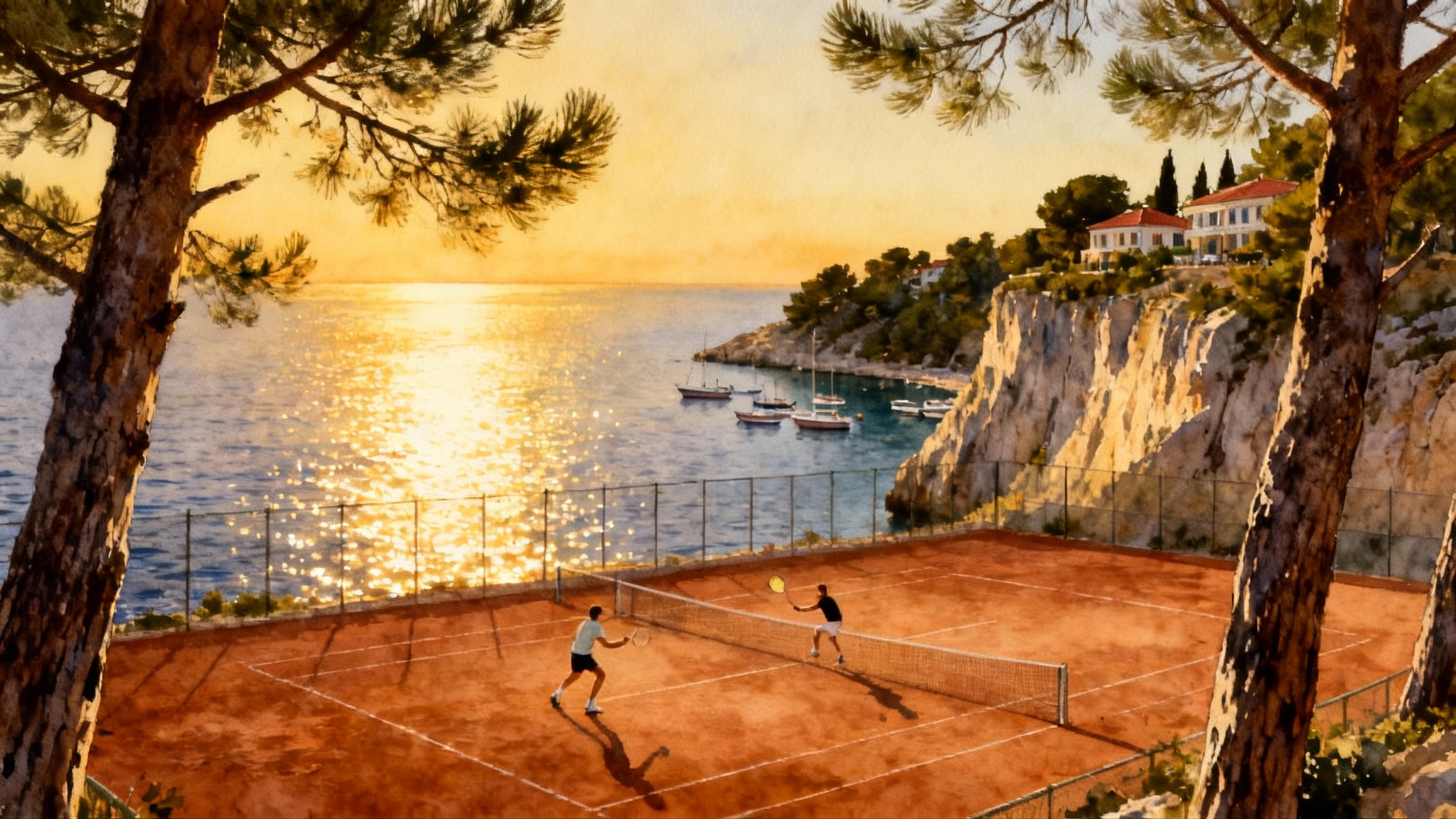
- Red clay is less common in the United States and may be limited to specific training areas. If you have European or South American events ahead, ask your academy or the campus desk about red clay access and grooming windows. Even two sessions can recalibrate your point construction.
Practical tip: Match your stringing to the surface. On hard courts, a poly blend at your normal tension preserves control. On green clay, consider dropping a pound or two to restore depth as points lengthen. If you want a full Florida Har Tru week nearby, see our Naples Florida Har-Tru season.
Climate-smart scheduling that respects Florida weather
January into April offers mild mornings, low storm risk, and long playable days, but the clock still matters.
- Block the morning first. Start between 8:00 a.m. and 9:30 a.m. and you will finish heavy hitting before the day warms.
- Protect the mid day. Use air conditioned time from noon to 3:00 p.m. for lunch, naps for kids, a museum, or recovery work. Shoulder prehab, Theragun sessions, and band work go here.
- Return late day. Start a second hit at 3:30 p.m. or 4:00 p.m. for softer sun and stable winds.
By late May through September, plan for pop up storms and lightning holds after 2:00 p.m. Your winter to spring window avoids most of that, which is why this season is ideal for volume and match play.
Where to stay: two clusters that make life easy
You can split your stay or pick one base and drive.
- Lake Nona cluster: Choose a hotel near Lake Nona Town Center for quick hops to the campus, walking access to restaurants, and easy grocery runs. You are roughly 15 minutes from Orlando International Airport, which reduces arrival stress with kids.
- Maitland and Winter Park cluster: North of downtown, this area is quieter and tree lined. It positions you close to academies and Winter Park's dining for post practice meals. If your schedule leans toward afternoon high performance, base here and drive south for your morning Lake Nona block.
If you prefer not to move hotels, base in Lake Nona and plan two trips north during the week. That keeps your airport transfer simple and maximizes morning court time.
Family friendly downtime that fuels the next session
The secret to a sustainable tennis trip is what you do off court. Keep it local and low friction.
- Lake Nona playgrounds and greens: Simple, stroller friendly spaces that let kids burn energy while you stretch hamstrings.
- Boxi Park in Lake Nona: Casual, open air dining with live music on select nights. It is perfect for families after an early finish.
- Orlando Science Center near Winter Park: Hands on exhibits for grade schoolers. Pick a short visit on a non training morning then nap.
- Pools and quiet time: Schedule at least one afternoon with no commitments. Float, nap, hydrate, then head to an early dinner.
Logistics that keep your gear and energy ready
- Stringing: Bring one spare racquet per player. Plan to string after Day 2 and Day 5. Ask for same day turnaround so you never delay a session.
- Hydration: Pack insulated bottles, electrolyte tabs, and a small cooler for the car. Florida sun dehydrates even in winter.
- Transportation: Rent a car to control your schedule. Ride share is reliable, but a trunk for gear and a guaranteed return time is worth it.
- Food: Stock a bin with bagels, nut butter, bananas, and jerky. You do not want to sprint for breakfast before an 8:00 a.m. hit.
- Recovery: Bring a foam roller, a mini band, and a lacrosse ball. Ten minutes of maintenance after each session adds up over a week.
Three traveler profiles with concrete plans
The adult improver chasing a new level
Goal: Raise rally tolerance and serve percentage without aggravating the shoulder.
- Book 4 mornings on hard court at Lake Nona for structured drills and practice sets.
- Add 2 late afternoon green clay sessions to extend points and build patience.
- Slot 2 high-performance blocks in Maitland that target second serve patterns and first ball forehand.
- Recovery rule: No more than one two hour session per day on back to back days. Use mobility work on off afternoons.
What to watch: Do not let enthusiasm override volume management. Use heart rate or perceived exertion to keep rallies high quality. If your shoulder is sensitive, cap serves to 60 per session and shift to returns.
The tournament junior tuning for spring
Goal: Normalize play under pressure and clean up movement patterns.
- Book 3 Lake Nona mornings on hard court for match play with scoring, captains, and changeovers. Emulate tournament rhythm.
- Add 3 Maitland high-performance afternoons with footwork ladders, direction changes, and fed ball to live ball transitions.
- Choose 1 or 2 clay sessions to lengthen patterns and simulate defensive resets.
- Recovery rule: Ice bath or cold shower after the heaviest drill day, plus 9 hours of sleep.
What to watch: Ask the academy to rotate opponents so you see lefties and aggressive net rushers. Load the backhand corner to test defense to offense transitions.
The family tennis week with mixed levels
Goal: Everyone plays, no one burns out.
- Book two side-by-side morning courts at Lake Nona for 90 minutes. Parents rally while a coach runs a fun mini clinic for kids.
- Take a park break and a simple lunch, then a pool nap window.
- Add one Maitland session midweek for the older child or the parent who wants a hard push. The rest of the family does a light hit back in Lake Nona.
- Recovery rule: One fully off afternoon for the entire family.
What to watch: Keep drill to play ratios high for kids. If a child loses steam, switch to target games and doubles points.
Budgeting with eyes open
- Court fees: Expect to pay for each reserved hour at the campus. Prime morning slots are the first to go, so pay for what you actually need and avoid speculative extra blocks you will not use.
- Coaching: Private and semi private lessons run higher than regular clinics. Secure those first so you can build the rest of your schedule around them.
- Stringing and balls: Budget for two sets of strings per player on a weeklong trip and two cases of balls if you prefer new balls for point play.
- Food and fuel: Plan for a bigger grocery run on Day 1. Prep breakfast kits and packable snacks so you can hit the courts with minimal delay.
A checklist to make it seamless
- Flights booked into Orlando International Airport with arrival before 3:00 p.m.
- Rental car reserved with a midsize trunk for racquets and a cooler.
- Courts reserved in Lake Nona for mornings on Days 2, 4, and 6.
- High-performance blocks confirmed in Maitland on Days 3 and 5.
- Surfaces chosen per goal: hard for league prep, green clay for volume.
- Two spare sets of strings per player in your bag.
- Hydration plan: bottles, electrolytes, cooler, ice packs.
- Recovery gear: foam roller, mini band, lacrosse ball, sunscreen, hats.
- Family downtime reserved: one museum block and one pool afternoon.
- Backup plan: one indoor activity held in reserve in case of rain.
Putting it all together
Orlando's Lake Nona to Maitland corridor gives you something rare. A national caliber campus with deep court inventory sits just a short drive from high performance training that can move the needle in one week. January to April is your moment. The mornings are kind, the afternoons are long enough for a second hit, and the storm risk is low. Book your Lake Nona courts first, stitch in your Maitland performance days next, and protect family energy with smart downtime. If March takes you west, pair this with our Indian Wells training guide. Do this, and you will come home with a better forehand, a calmer pre point routine, and a trip your family wants to repeat.