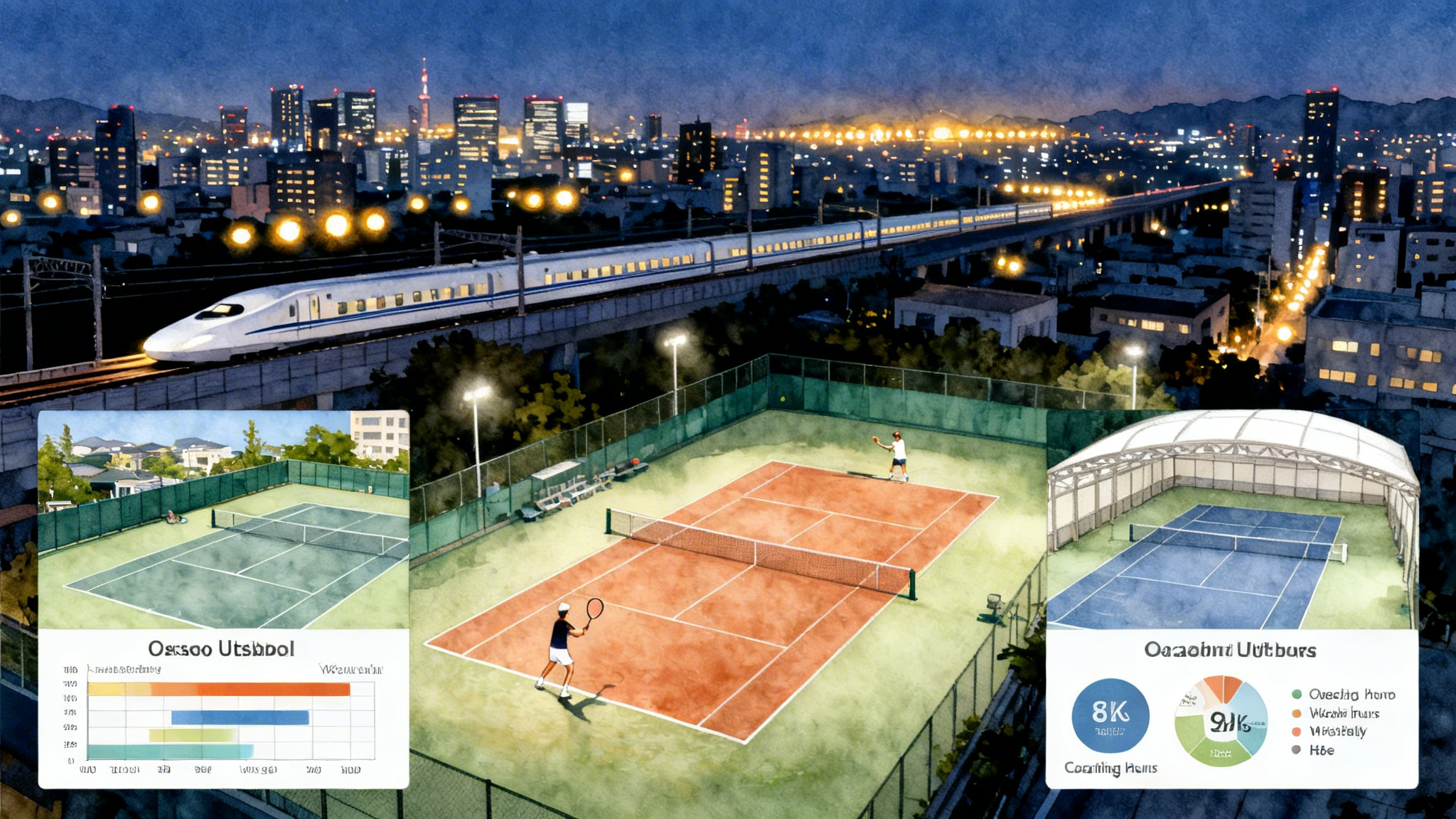
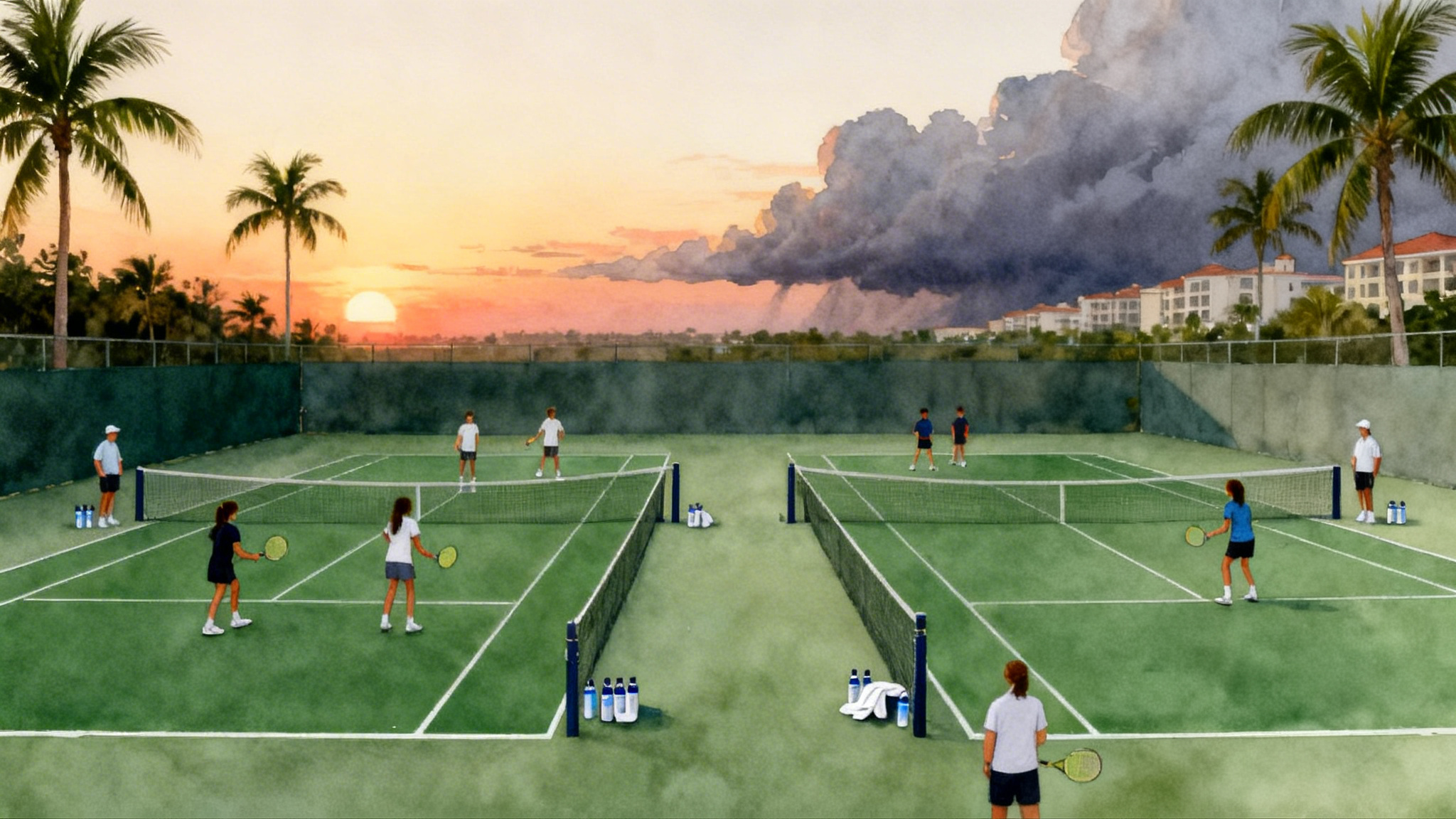
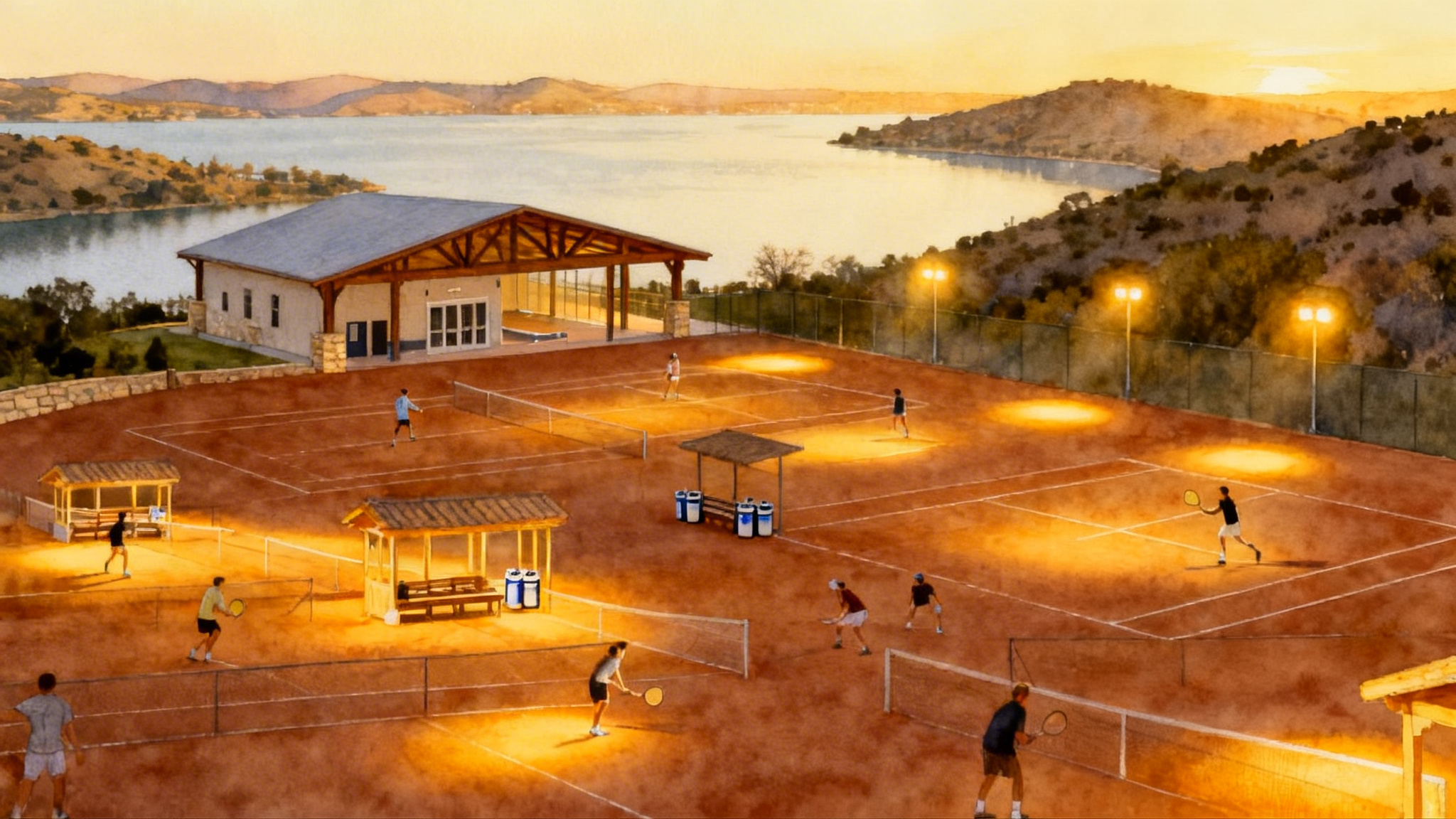
Best Croatia Tennis Academies 2026: Istria, Lošinj, Zagreb
A practical, parent-focused comparison of Croatia’s boutique high-performance tennis options in Istria, Lošinj, and Zagreb. See court surfaces, full-time vs holiday blocks, pro-prep paths, prices in EUR and USD, and sample training weeks.
 Tommy
Tommy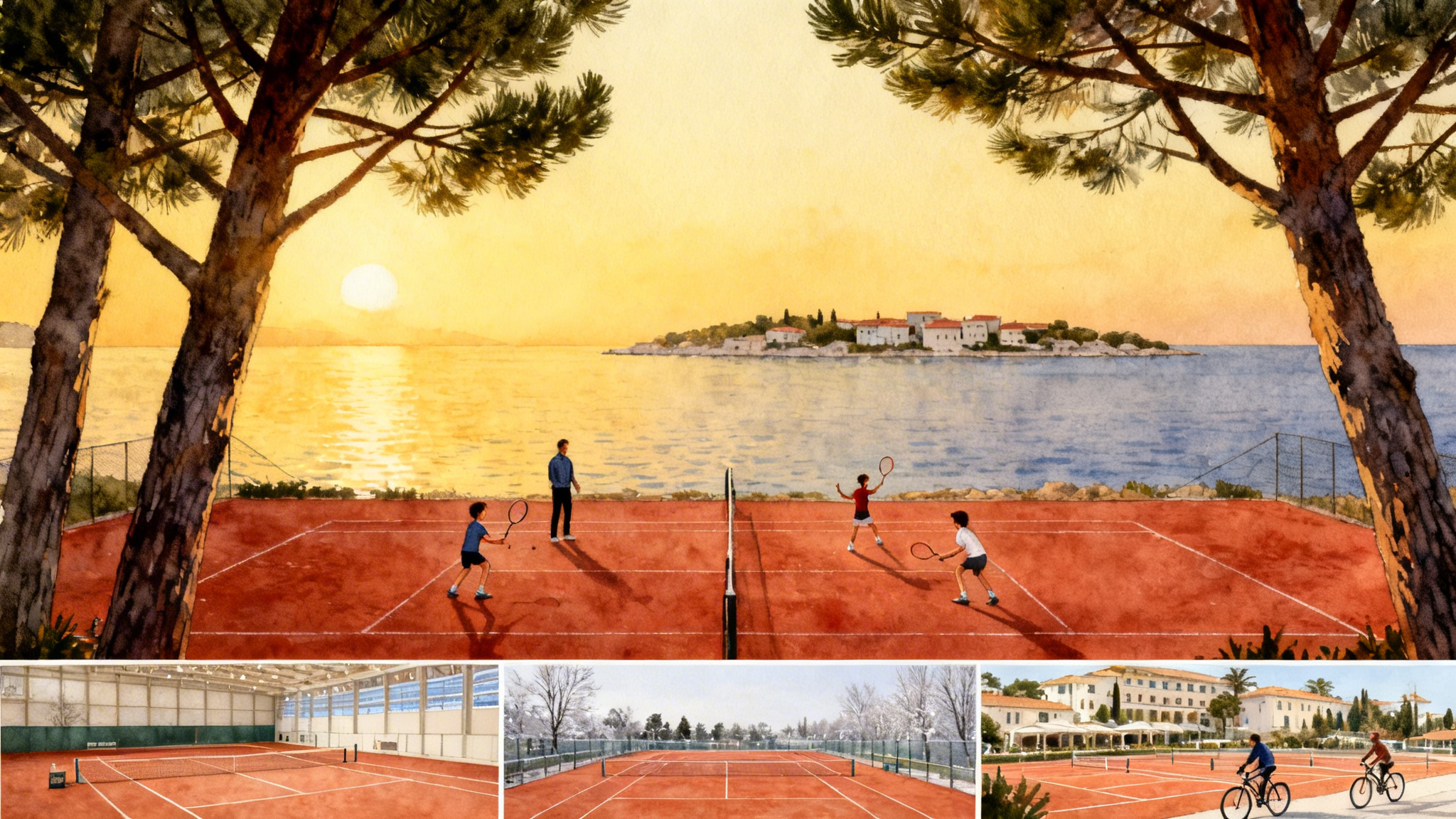
Why Croatia in 2026 works for ambitious juniors
If you are choosing a European base that blends strong clay-court fundamentals, sensible costs, and safe logistics, Croatia checks every box. The country offers long outdoor seasons on red clay, a growing set of year-round indoor options, and easy tournament hops to Slovenia, Italy, Austria, and Hungary. Families also find the hospitality straightforward, English widely spoken, and the rhythm of life supportive of sustained training blocks.
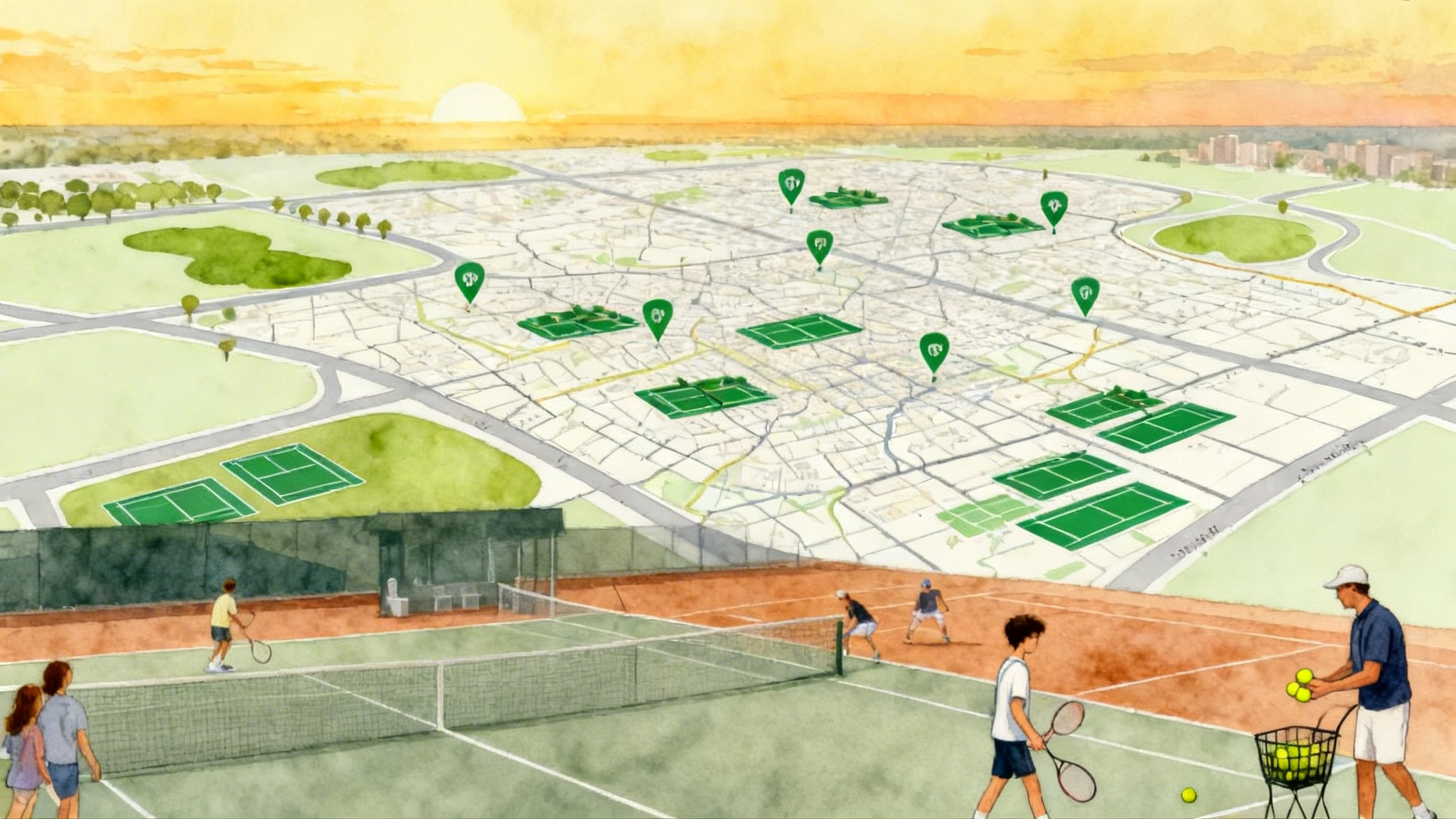
This guide is aimed at parents comparing boutique, high-performance environments in three hubs: Istria, the island of Lošinj, and Zagreb. We spotlight Ljubicic Tennis Academy on Lošinj, then stack it up against leading options in Istria and Zagreb. You will see how they differ on surfaces, block lengths, pro-prep pathways, costs in euros and dollars, schooling, and even flight routes from the United States and the European Union. If you are also vetting other European bases, compare our France academies 2026 guide and Germany academies 2026 guide.
How to choose: surface, seasonality, school fit, and budget
Four variables separate a great academy match from an average one:
- Surface access: Croatia’s default is red clay. If you need regular hard-court touches for serve patterns and first-strike speed, confirm that the academy can schedule weekly hard sessions, either on-site or nearby. In winter, Zagreb’s indoor centers are the country’s most reliable hard-court fallback.
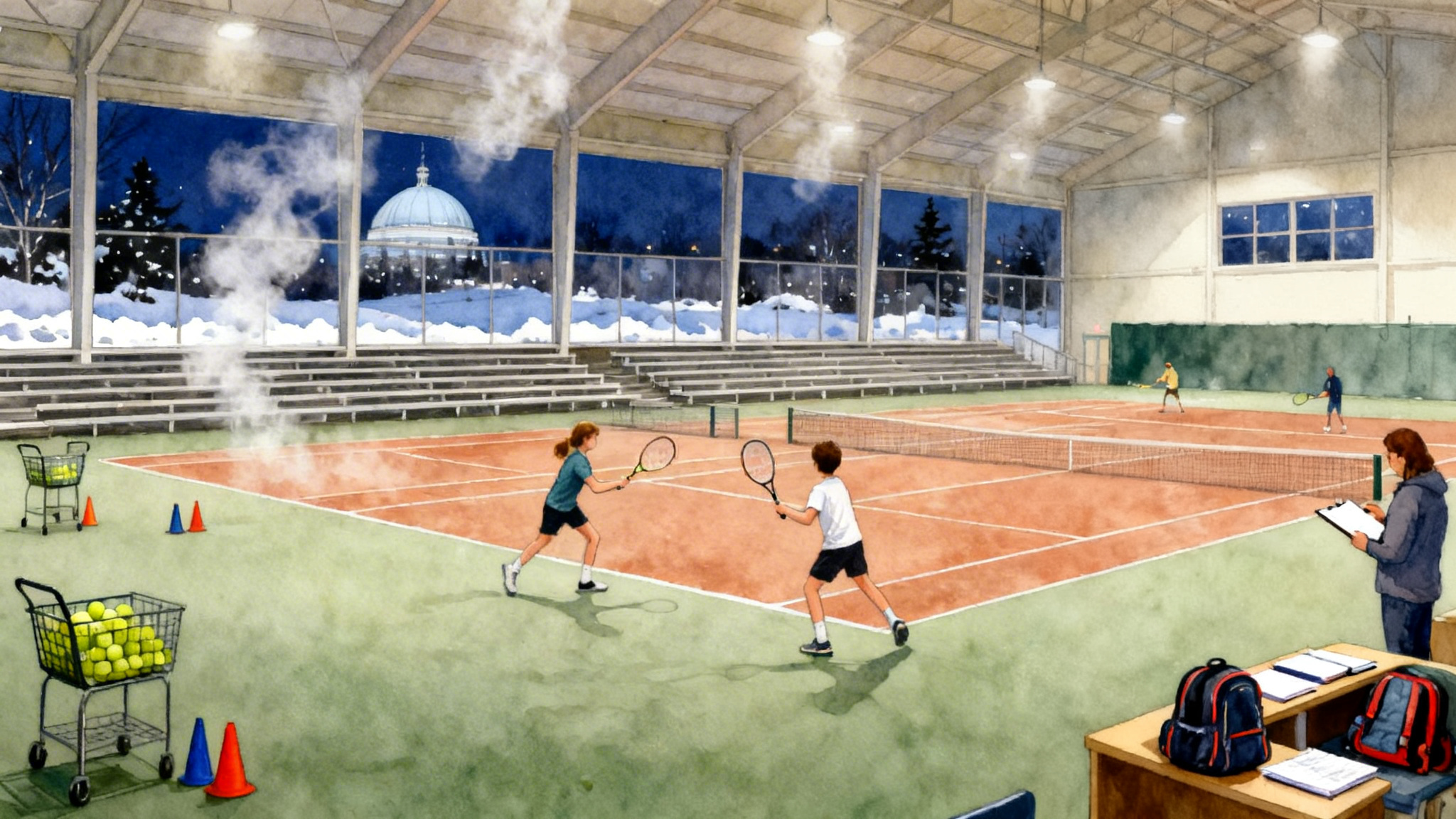
- Seasonality: Istria and Lošinj are outdoor-first, with prime months from March to November. Winter coverage depends on bubbles and indoor bookings. Zagreb runs most consistently all year, including indoor blocks from November to March.
- Schooling: Boutique programs often mix on-site tutoring, online curricula, and partnerships with local schools. Decide first between full-time schooling, a hybrid model, or online-only. That choice sets your daily training windows.
- Budget and block length: Financially, Croatia remains friendlier than Spain or France. Still, you will need clear guardrails. Decide whether you want a one to three week holiday block, a ten to twelve week seasonal push, or a full academic year with boarding.
Spotlight: Ljubicic Tennis Academy, Lošinj
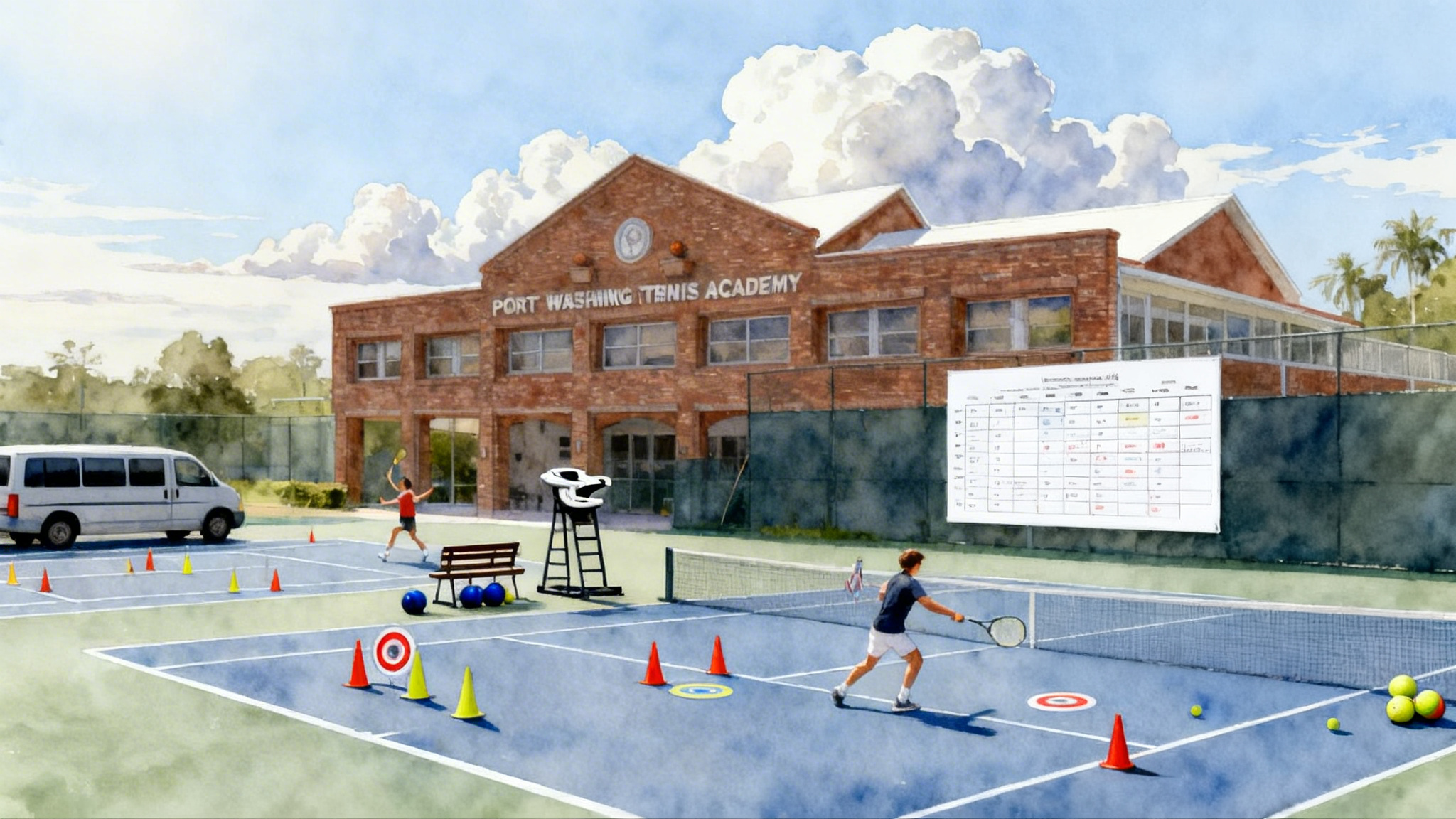
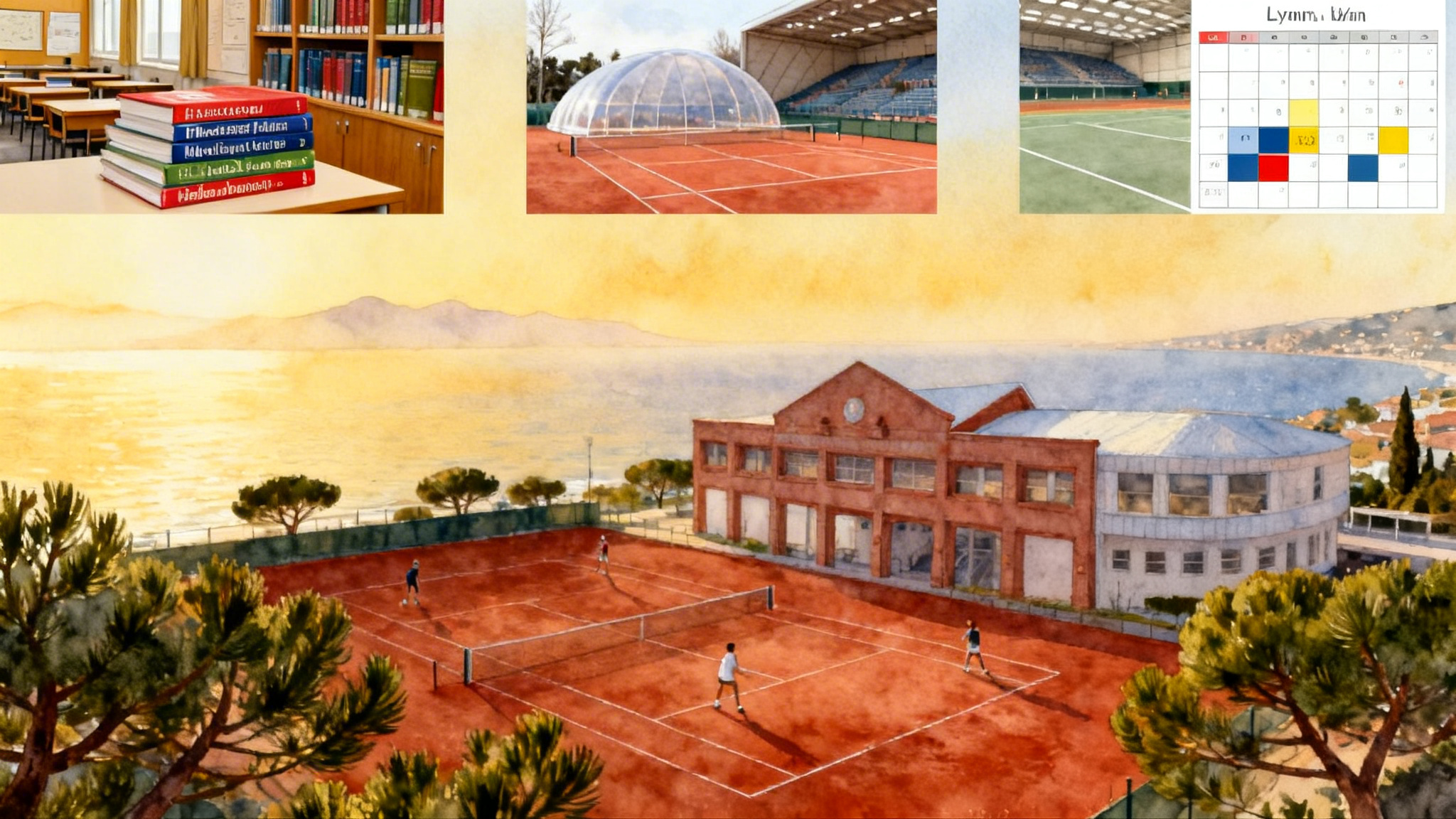
Families who want a boutique, detail-obsessed environment should start with Ljubicic Tennis Academy on Lošinj. The island setting is calm, walkable, and purpose-built for training, recovery, and study. Courts are predominantly red clay, which suits technical consolidation and point construction. Hard-court access can usually be arranged within the weekly plan so players keep first-step speed and serve patterns sharp. The staff culture prizes individualization over mass groups, which is what many parents of driven juniors are after.
What stands out
- Player-to-coach ratio: Small squads for drilling and live-ball patterns, with structured rotations into individual sessions for serve, return, and transition patterns.
- Physical prep: Strength and conditioning blocks tailored by age and maturation, with an emphasis on sprint mechanics, deceleration, and shoulder health. Recovery is deliberate, from mobility sessions to ice and sea swims in season.
- Tournament integration: Coaches map Tennis Europe or International Tennis Federation junior calendars with parents, adding local matchplay blocks that keep volume and intensity balanced. When appropriate, older juniors sample entry-level professional events to learn the cadence of qualifying days, doubles, and recovery.
Schooling and boarding
- Boarding: Boutique boarding is typically organized in partnership with quality island accommodations. Expect quiet rooms, supervised study windows, and short walks to courts and gym.
- Schooling: Most families use accredited online programs or school back home with coordinated remote support. The academy team blocks two daily study windows on full-year tracks so academics do not trail performance.
Typical schedules
- Holiday week: Six days on court, roughly 18 to 20 total on-court hours, plus six to eight hours of strength and conditioning. One targeted one-on-one technical session per day is common for serve or backhand specifics. Sunday is travel or full rest.
- Full-year rhythm: Nine to ten court hours across Monday to Wednesday, a lighter Thursday with video review and mobility, then matchplay Friday and Saturday. Conditioning runs four days per week, usually 45 to 60 minutes per session.
Costs and value in 2026
- Holiday blocks: Approximately 650 to 1,100 euros per week for group programs that include daily training and fitness, with private add-ons billed separately. At a reference rate of 1 euro ≈ 1.10 dollars on March 14, 2026, that is about 715 to 1,210 dollars per week.
- Full-time training: Approximately 18,000 to 32,000 euros per nine to ten month academic year for training and fitness, with boarding, schooling, and tournament travel on top. That converts to about 19,800 to 35,200 dollars.
- Private lessons: Typically 70 to 140 euros per hour, or about 77 to 154 dollars.
Who it is best for
- Players 12 to 18 who thrive in quieter, high-attention environments.
- Families who want a clay-first base with structured hard-court touches.
- Parents who value integrated planning, from video analysis to tournament logistics.
Potential trade-offs
- Travel time: Lošinj requires a flight or drive plus a transfer, so plan arrivals to avoid late-night check-ins.
- Social scale: If a large peer group is critical, a capital city club might feel busier. On the flip side, focus and staff attention are strong here.
Istria: Umag and Poreč as tournament-friendly bases
Istria has hosted elite competition for decades and remains a practical base for juniors who need outdoor volume and a realistic drive-to-tournament map. Facilities in and around Umag and Poreč skew to red clay with some acrylic or greenset options. The environment is lively from spring through early autumn, with more limited indoor coverage in the coldest months.
Training formats you are likely to see
- Holiday intensives at resort complexes that can scale court hours quickly.
- Performance weeks that pull in visiting hitters across Central Europe each school break.
- Seasonal blocks, for example April to June or September to October, timed to Tennis Europe and International Tennis Federation junior calendars.
Costs and practicalities
- Holiday weeks typically run 550 to 950 euros, about 605 to 1,045 dollars, depending on private add-ons and hitting partners.
- Seasonal blocks negotiate down per-week costs when you book three weeks or more.
- Boarding skews hotel or apartment style, often at walking distance to courts during peak season.
Pros
- High density of matchplay partners in spring and summer.
- Straightforward logistics from European Union hubs to Pula or Trieste, then a short drive.
- Easy weekend tournament hops across Slovenia and northern Italy.
Cons
- Winter reliance on bubbles or limited indoor hours.
- Group quality can fluctuate in holiday-heavy weeks; ask for projected squad sizes and level bands before you book.
Best for
- Players who want many outdoor reps and frequent competition within a compact radius.
- Families who plan two or three seasonal pushes rather than a full academic-year move.
Zagreb: year-round consistency, more hard courts, school depth
Zagreb functions as Croatia’s all-season training city. You will find reliable indoor bookings in the colder months, more consistent access to hard courts, and a broader set of schooling options, including bilingual and international tracks. Clubs and performance groups here understand the weekly cadence of city life, which helps older juniors pair morning court blocks with afternoon classes or vice versa.
What to expect
- Surfaces: A mix of red clay outdoors and hard courts indoors, with better winter access than coastal regions.
- Coaching: Performance groups that run structured six-day weeks, with technical sessions, pattern play, and weekend matchplay. Private hours are readily bookable.
- Schooling: The widest range of in-person schooling in Croatia, plus strong support for hybrid and online programs.
Costs and structure
- Holiday weeks: 600 to 1,000 euros, about 660 to 1,100 dollars, with indoor court fees included in winter pricing.
- Full-time training: 16,000 to 28,000 euros per academic year, about 17,600 to 30,800 dollars, excluding boarding and travel.
- Boarding: Apartments and supervised student housing options usually range from 900 to 1,500 euros per month, about 990 to 1,650 dollars.
Pros
- True year-round scheduling with reliable indoor coverage.
- Easier access to medical and performance services, from physio to sports dentistry.
- Larger peer groups across levels and ages.
Cons
- City travel time can eat into day margins; choose housing within a 15 to 25 minute commute to courts.
- Less of the immersive, retreat-like focus you feel on Lošinj.
Best for
- Players who need hard-court reps, winter reliability, and a wide school menu.
- Families who want year-round rhythm with clear backup plans for weather.
Full-time vs holiday blocks: what actually changes
- Volume and density: Holiday weeks compress work into six training days. Expect faster gains in specific areas if you set two technical priorities and hammer them. Full-time tracks spread stress more evenly with built-in recovery, which supports bigger changes in movement quality and match habits.
- Academic load: Holiday blocks tilt almost fully to sport. Full-time setups must protect study windows and sleep. If grades slip, tennis quality slips soon after.
- Coach attention: In boutique environments, full-time athletes benefit from long arcs of video, drills, and matches. Holiday blocks need sharp focus and clear pre-arrival goals so that every hour hits the target.
Pro-prep pathways from Croatia
A realistic Croatian build moves through three layers:
- Regional matchplay and Tennis Europe events at 12 to 16. This is where movement patterns, serve foundations, and point construction mature.
- International Tennis Federation junior events at 16 to 18, building ranking and learning the weekly grind. Doubles volume matters here; it accelerates net instincts and first step reads.
- Entry-level professional events once the player can hold serve consistently and protect second serves under pressure. Croatia and neighboring countries host Men’s and Women’s fifteen thousand events throughout the year, which are reachable by car. The early aim is not ranking points at any cost, but logging professional match reps while protecting confidence and health.
Coaches in all three hubs can help with scheduling, entry deadlines, and travel logistics. Ask for a written plan that balances tournament weeks, recovery weeks, and two focused technical blocks per quarter.
Costs in 2026: side-by-side bands
Use these as planning ranges for March 2026. Prices vary by player age, private hours, and season. Conversions use 1 euro ≈ 1.10 dollars on March 14, 2026.
-
Weekly holiday block
- Istria: 550 to 950 euros, about 605 to 1,045 dollars
- Lošinj: 650 to 1,100 euros, about 715 to 1,210 dollars
- Zagreb: 600 to 1,000 euros, about 660 to 1,100 dollars
-
Full-time academic year, training and fitness only
- Istria: 15,000 to 26,000 euros, about 16,500 to 28,600 dollars
- Lošinj: 18,000 to 32,000 euros, about 19,800 to 35,200 dollars
- Zagreb: 16,000 to 28,000 euros, about 17,600 to 30,800 dollars
-
Boarding and schooling
- Boarding: 900 to 1,600 euros per month, about 990 to 1,760 dollars
- Schooling: Online programs vary; budget 2,500 to 6,000 euros per year, about 2,750 to 6,600 dollars
-
Private add-ons
- Individual technical sessions: 70 to 140 euros per hour, about 77 to 154 dollars
- Tournament weekend, local: 250 to 500 euros door to door for transport, entry, and coaching support, about 275 to 550 dollars
Getting there from the United States and the European Union
United States to Zagreb is the cleanest route for year-round arrivals. Fly into Zagreb, then connect by domestic flight or car to Istria or the coast. For Lošinj, families often combine a flight to Rijeka or Pula with a pre-arranged car transfer and short island crossing. In peak season there are additional catamarans linking coastal towns to the islands, but for predictable arrivals with luggage, private transfers remain your safest bet.
From European Union hubs, fly into Pula for Istria, Rijeka for Kvarner Bay and Lošinj transfers, or Zagreb for central and northern bases. Car rentals are straightforward, roads are modern, and border crossings to Slovenia and Italy are fast for weekend events. If you plan frequent tournament travel, ask the academy whether they pool transport with other families; shared vans cut cost and simplify chaperoning.
Vetted shortlist by region, with pros, cons, and best fit
This is a parent-first shortlist that emphasizes boutique, high-performance coaching and clear planning. All can structure holiday blocks or longer stays; availability changes with season, so request projected group sizes and level bands before you book.
-
Lošinj
- Ljubicic Tennis Academy
- Pros: Boutique attention, clay-first technical depth, integrated planning, strong recovery culture, quiet island focus.
- Cons: Extra transfer step to the island, smaller peer pool than a capital city.
- Best for: Focused 12 to 18 year olds, families who value individualized work and calm surroundings.
- Ljubicic Tennis Academy
-
Istria
- Umag performance setups around major tournament facilities
- Pros: Dense outdoor calendar, steady stream of hitters in season, easy drives to Slovenia and Italy.
- Cons: Winter coverage depends on bubbles and booking lead time, group quality swings in holiday peaks.
- Best for: Seasonal pushes and matchplay-heavy weeks that sharpen patterns learned in one-on-ones.
- Poreč high-volume training weeks at established centers
- Pros: Many courts, good hitting depth in spring and summer, family-friendly lodging at walking distance.
- Cons: Less individualized than boutique island setups unless you add private sessions daily.
- Best for: Players who absorb volume well and benefit from lots of set play.
- Umag performance setups around major tournament facilities
-
Zagreb
- Capital-city performance groups across leading clubs
- Pros: Year-round indoor reliability, more hard-court access, deeper schooling menu, broad peer groups.
- Cons: Commute planning needed, less resort-style downtime.
- Best for: Juniors needing consistent winter training and families seeking robust academic options.
- Capital-city performance groups across leading clubs
Sample training weeks you can copy
-
Holiday block, age 13 to 16
- Monday to Friday
- Morning: 90 minutes technical drilling on clay, 30 minutes serves; 45 minutes movement and footwork
- Afternoon: 90 minutes pattern play and points; 30 minutes mobility and shoulder care
- Saturday
- Matchplay day, two best-of-three short-set matches; video on key points
- Sunday
- Full rest or light sea swim and mobility
- Coaching focus: Two technical priorities for the week, for example second-serve shape and forehand plus-one. Daily video clips uploaded to a shared folder for parent and player review.
- Monday to Friday
-
Full-year rhythm, age 15 to 18 with online school
- Monday
- A.M. study; P.M. 2 hours patterns and points; 45 minutes gym strength
- Tuesday
- A.M. 90 minutes technical plus serves; 30 minutes footwork; P.M. study; 20 minutes recovery
- Wednesday
- A.M. study; P.M. 2 hours live ball; 45 minutes sprint mechanics
- Thursday
- A.M. video and technique tune-ups; P.M. study; 30 minutes mobility
- Friday
- A.M. 2 hours points and returns; P.M. study; 20 minutes shoulder care
- Saturday
- Matchplay day or travel to weekend event
- Sunday
- Recovery
- Coaching focus: One technical pillar per month, one tactical theme per fortnight, and one match habit per week. Quarterly assessments drive adjustments to the plan.
- Monday
Quick decision guide
- Choose Lošinj if your child thrives on calm routines, deep technical work, and a clay-first base with targeted hard-court exposure. You will trade a longer transfer for top-tier attention and recovery quality.
- Choose Istria if you want volume, outdoor matches, and seasonal pushes that stack competition within short drives. Confirm winter coverage if you go beyond November.
- Choose Zagreb if you need year-round structure, indoor and hard-court breadth, and the widest academic choices. Commute planning becomes part of the high-performance equation.
The bottom line
The right academy is the one that fits your child’s stage, your school plan, and your calendar, not the one with the loudest brochure. Croatia gives you three honest choices. Lošinj delivers boutique precision in a focused setting. Istria delivers outdoor volume and matchplay density. Zagreb delivers year-round reliability and school depth. Pick the environment that removes the most daily friction, book a one or two week trial with clear goals, then use what you learn to lock your longer plan.