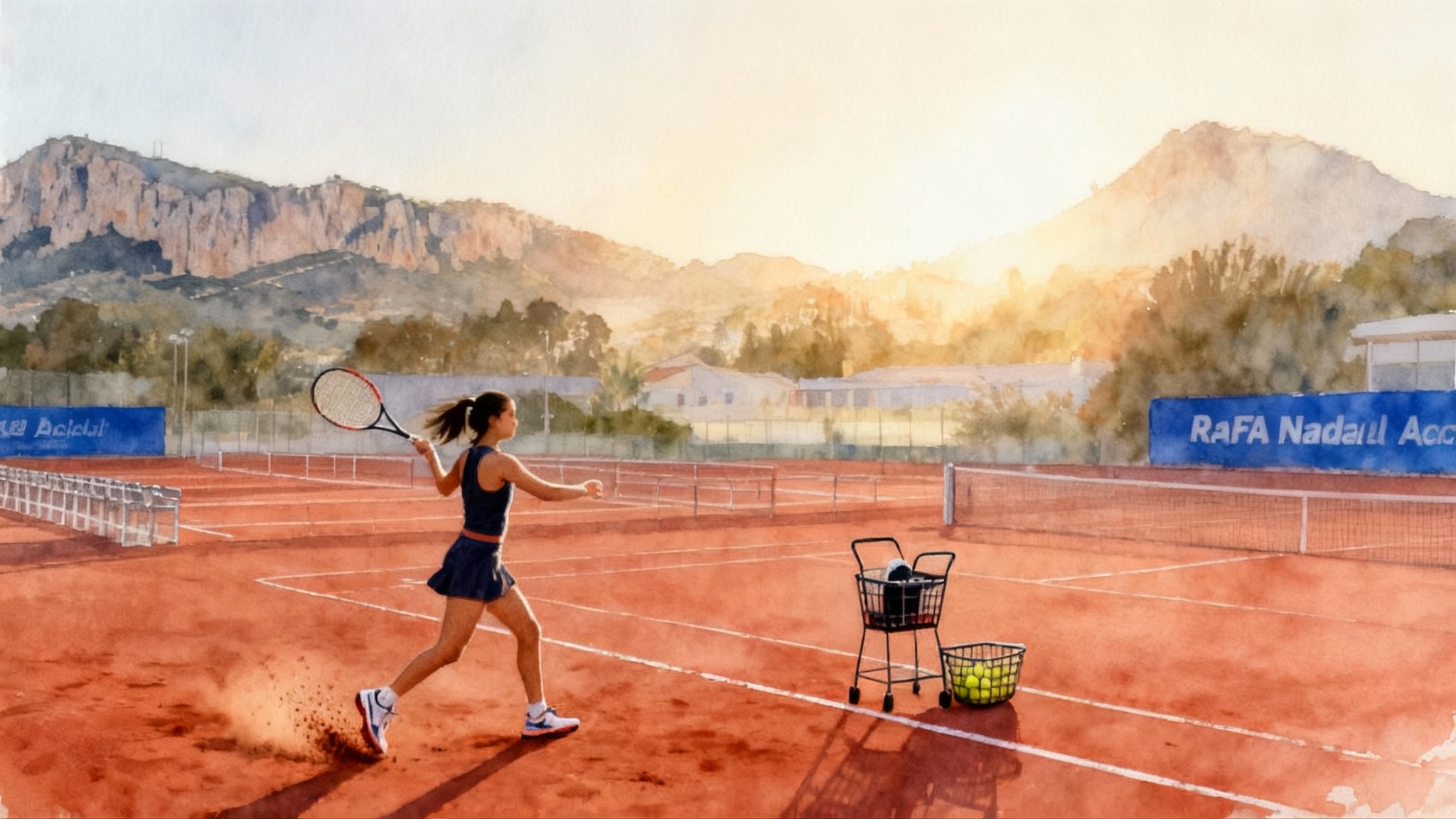
How All In Academy fast-tracked Mirra Andreeva from Krasnoyarsk
 Tommy
Tommy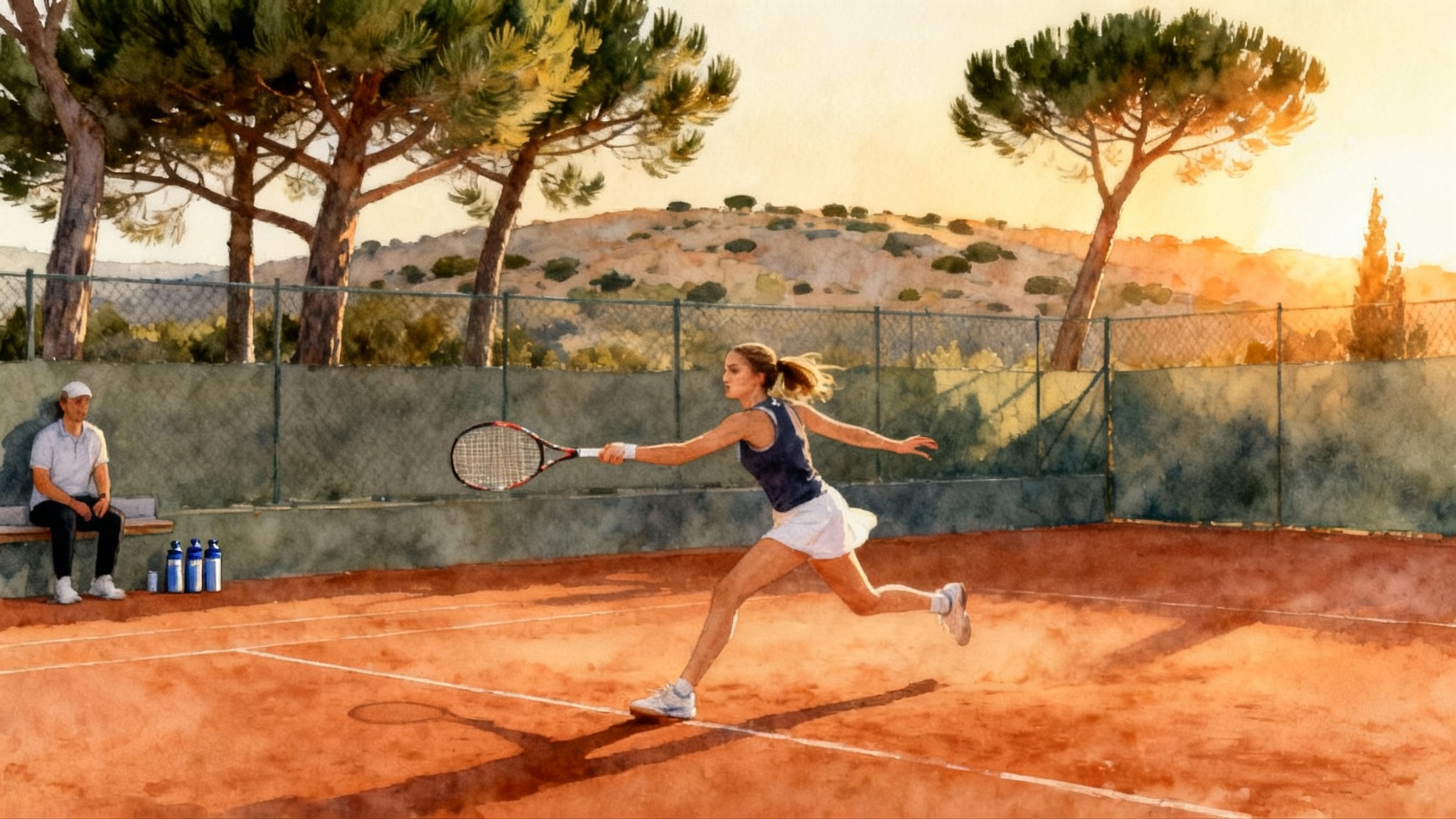
From Krasnoyarsk to the Côte d’Azur
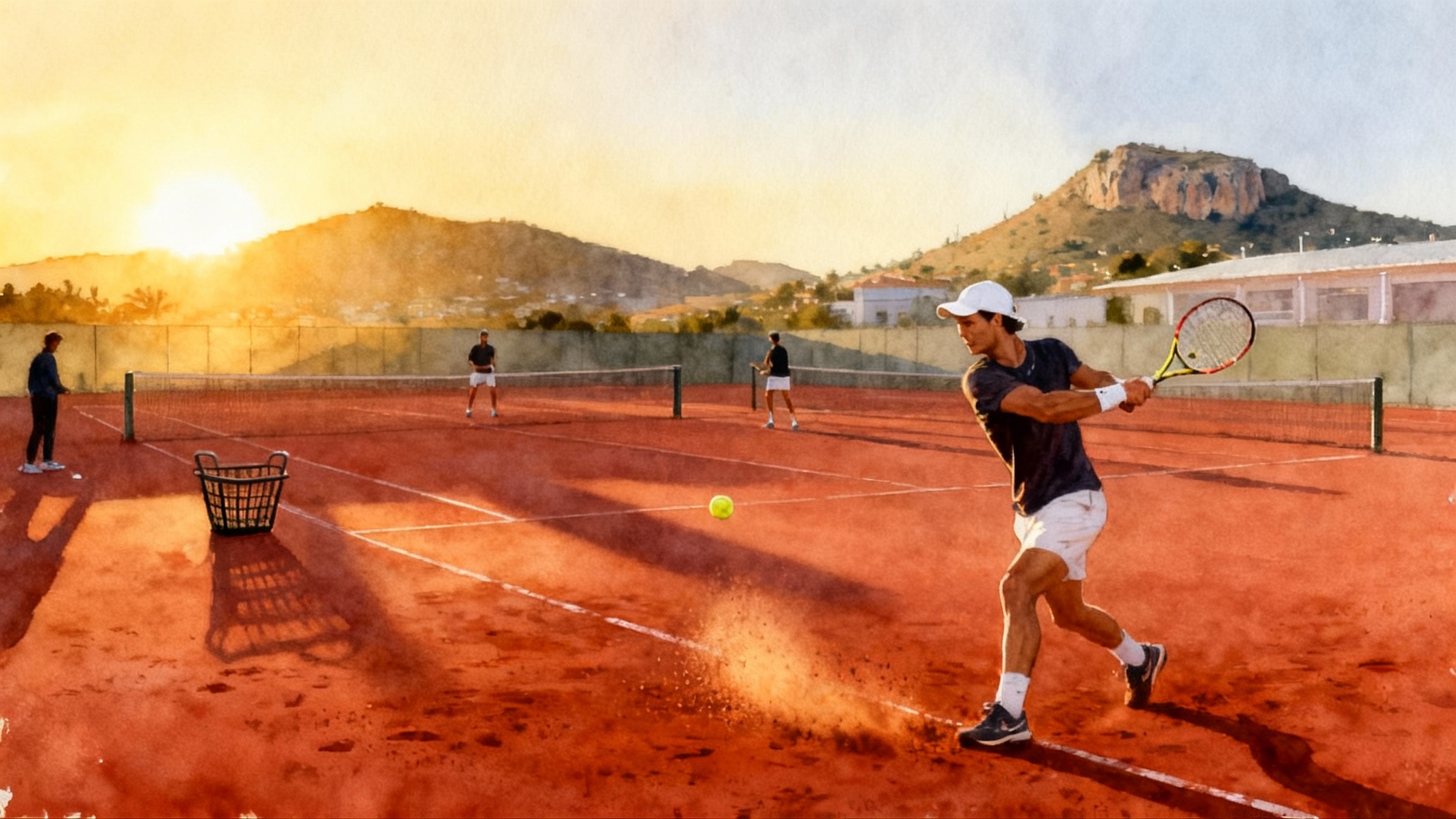
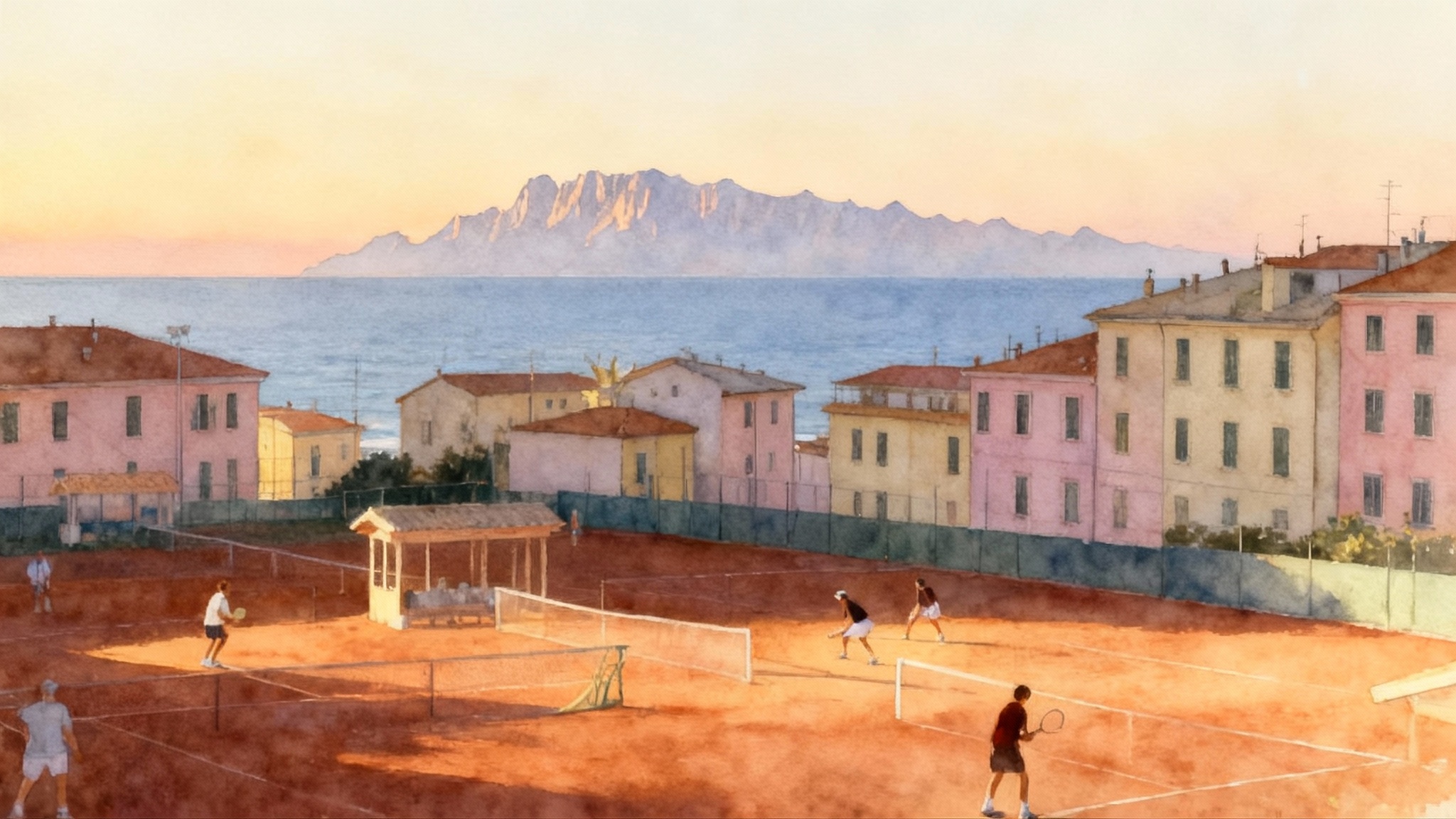
Mirra Andreeva’s story begins in Siberia, but the chapter that changed everything was written on the French Riviera. After formative years in Cannes at the Elite Tennis Center, she moved her training base in late 2023 to All In Academy in Villeneuve‑Loubet, just north of Antibes. For facilities and programs, see our All In Academy campus profile. The academy confirmed that Andreeva had been training there since November 2023 and outlined how its staff would support her day to day, with on‑site head coach Julie Coin ensuring continuity when the traveling coach was away. That move set the stage for the next jump in her career in a detailed academy release.
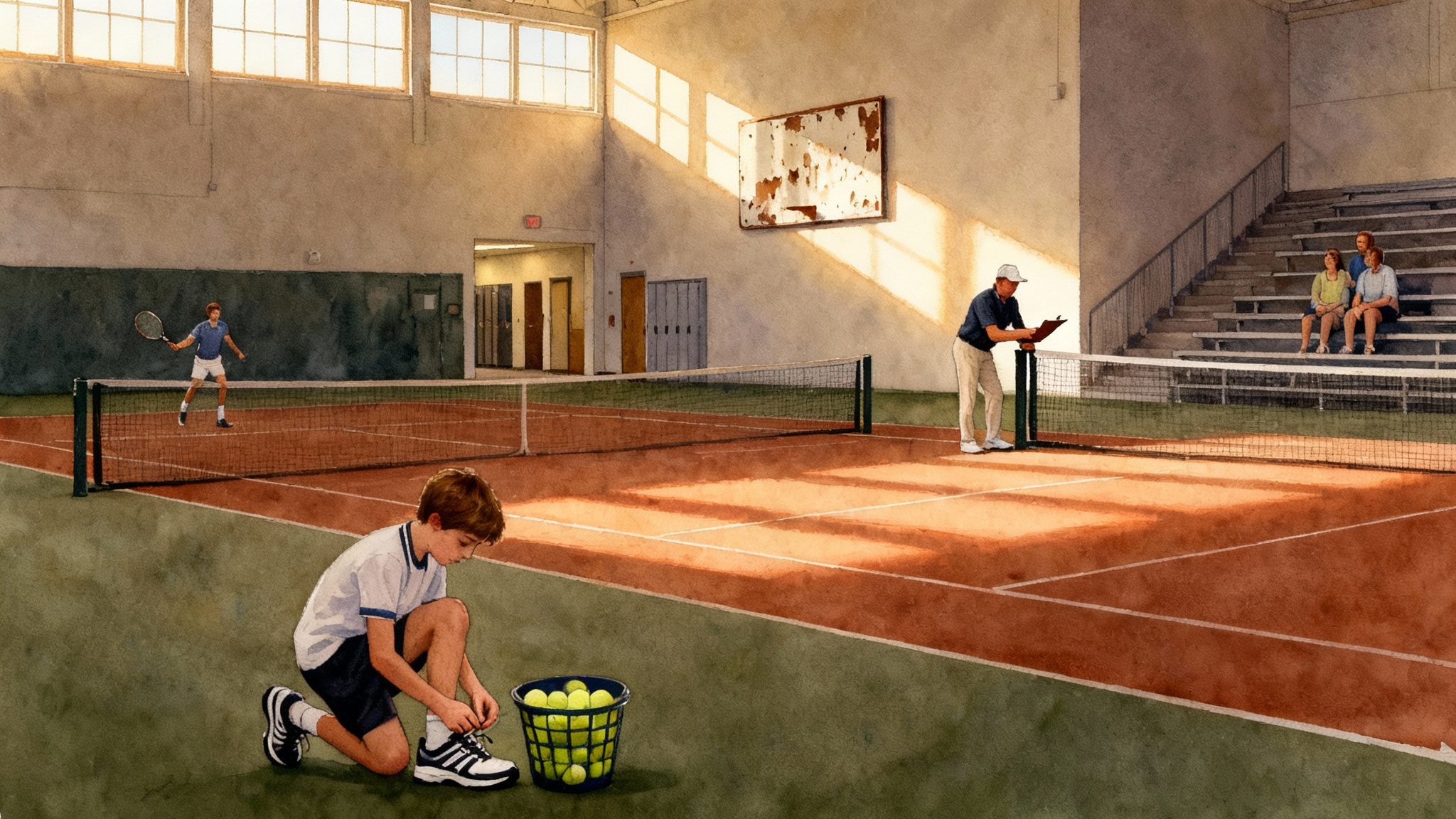
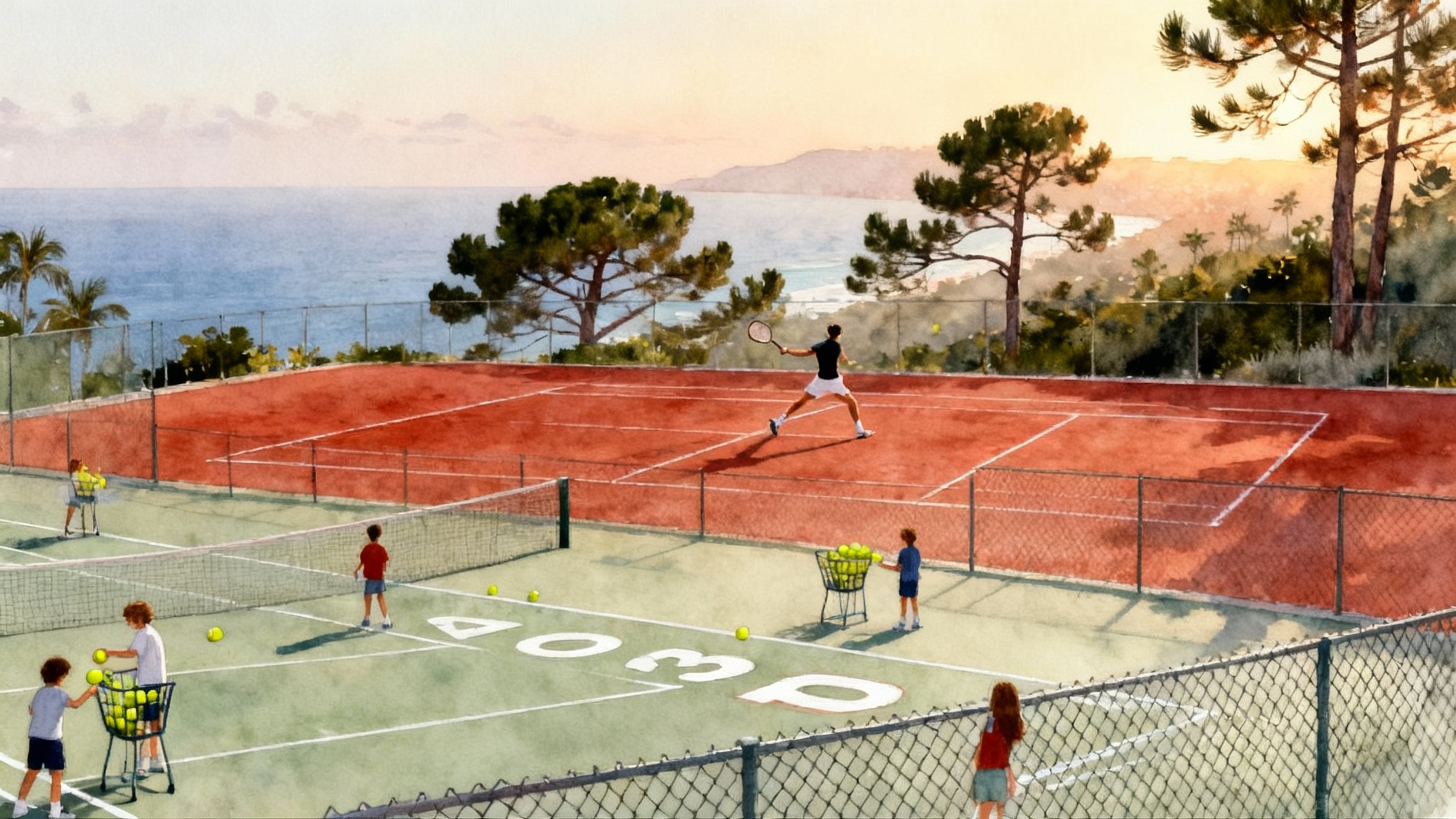
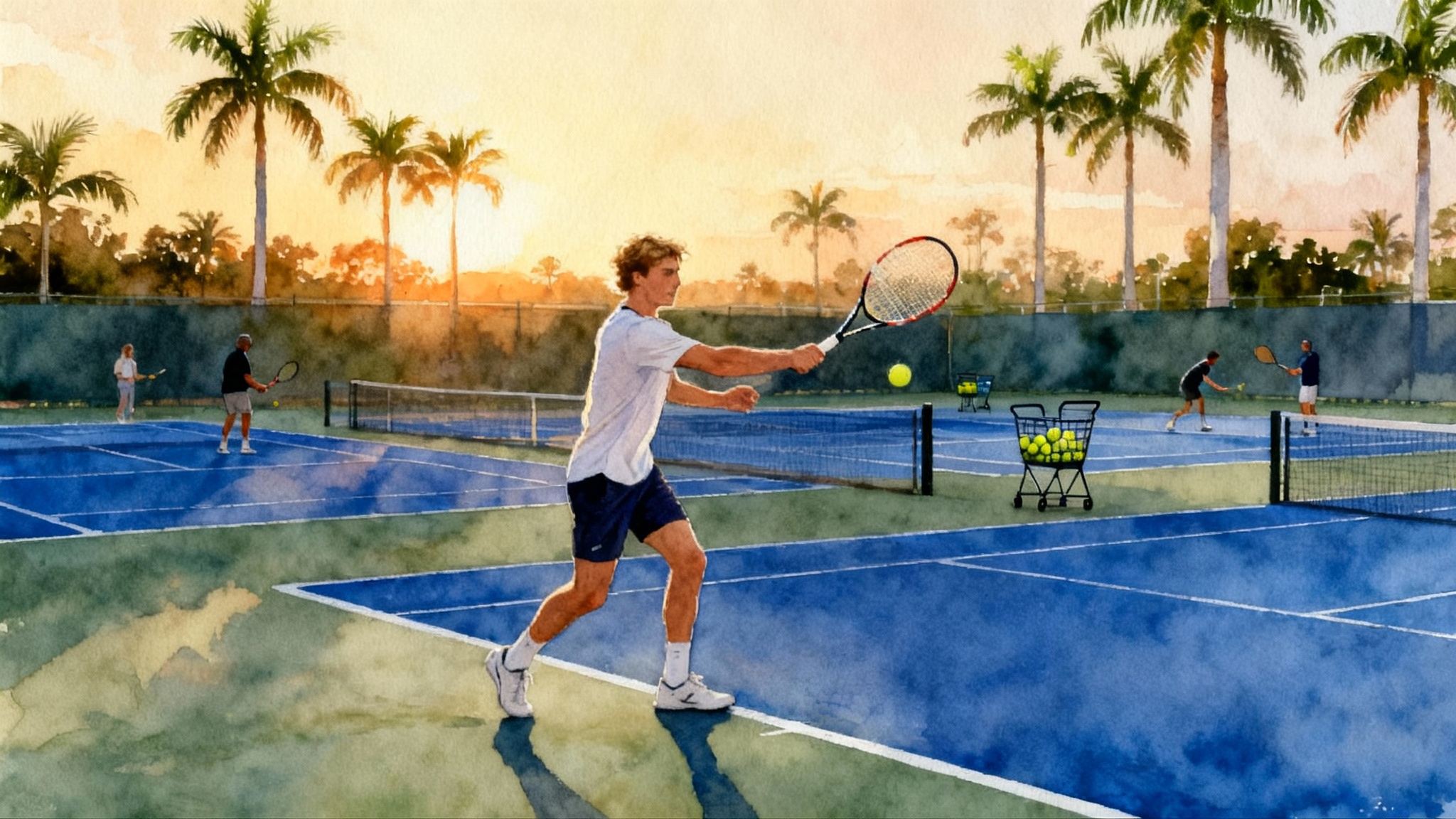
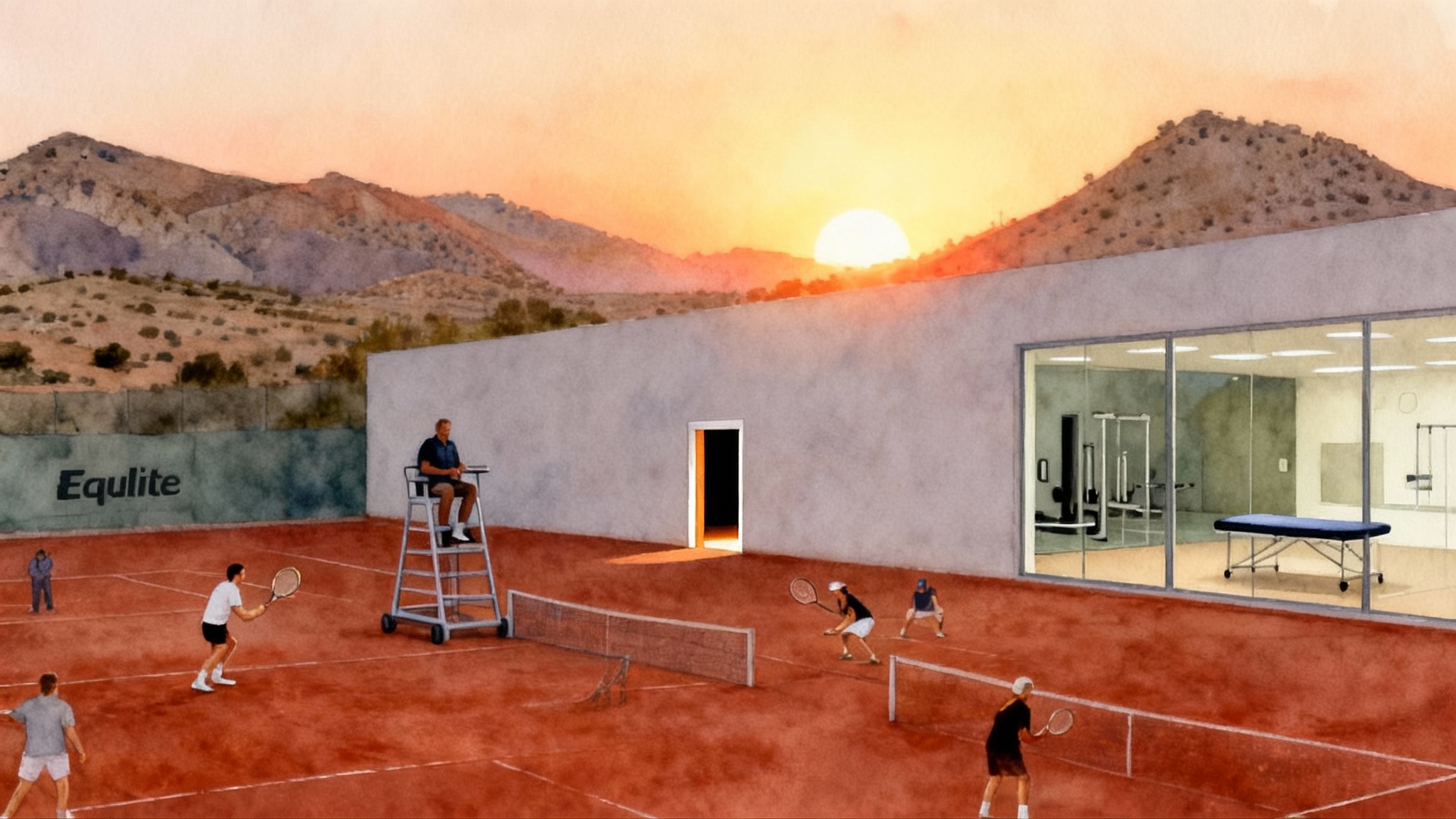
If you drive along the coastal road between Nice and Antibes and turn inland toward the hills, you find the academy tucked amid pine and cypress. It is a place built for repetition and routine. Multiple clay and hard courts, a strength room close enough to the courts that sessions can be stacked without wasted minutes, and on‑site staff who can adjust plans as fatigue or weather rolls in. The setting matters for a teenager who is still growing into the rigors of the tour. It provides a predictable rhythm, which is the raw material of progress.
The second piece: Conchita Martinez joins in April 2024
Two elements turned a promising trajectory into a surge. The first was the base. The second arrived in April 2024, when former Wimbledon champion Conchita Martinez began working with Andreeva. Their first week together came during the indoor event in Rouen, and by early summer they were a functioning team. The tone was distinctive from the start. Martinez’s greatest strength is clarity. She trims plans to one or two priorities per session, then insists on quality and intent. That suits Andreeva, whose game thrives on smart choices rather than raw power.
The working model is practical. Martinez leads tournament weeks and blocks, then returns to the Riviera. At Villeneuve‑Loubet, head coach Julie Coin keeps the daily scaffolding intact. Coin is a former world No. 60 and a Clemson All‑American who understands the difference between clever and effective. She is also coach to Mirra’s sister, Erika, which helps align the sisters’ training loads and travel. When an elite teen juggles growth spurts, schoolwork, and a full tour, that handoff between traveling coach and academy lead can be the difference between steady gains and stop‑start months.
What changed on court
Parents often ask what improvements actually look like from the outside. With Andreeva you can see three clear shifts.
-
Serve patterns with purpose. Early in 2024, her serve could be readable in big moments. The new plan focuses on location rather than mph. Out wide on the ad side to open the court, up the T on the deuce to set a first‑ball forehand, and a heavier kicker when holding serve feels fragile. Watch a match and track just this: when she makes a first serve to a corner, she now wins a majority of those points against elite returners. That is a pattern, not a coincidence.
-
Return depth and posture. She now treats second serves like short putts. Feet set early, hips under control, and a neutral swing that sends the ball through the middle third. She is not trying to hit winners off returns. She is trying to take the first neutral rally ball from inside the baseline. That posture, literally a few inches forward, flips many points.
-
Rally templates that squeeze time. Andreeva’s hallmark is how she compresses opponents’ decision windows without swinging harder. Think of it like chess blitz. She hits to big targets but takes the ball on the way up, mixing heavy crosscourt forehands with slow‑bouncing slices to pull opponents off their hitting height. When the other player begins to overhit, the mistakes come by themselves.
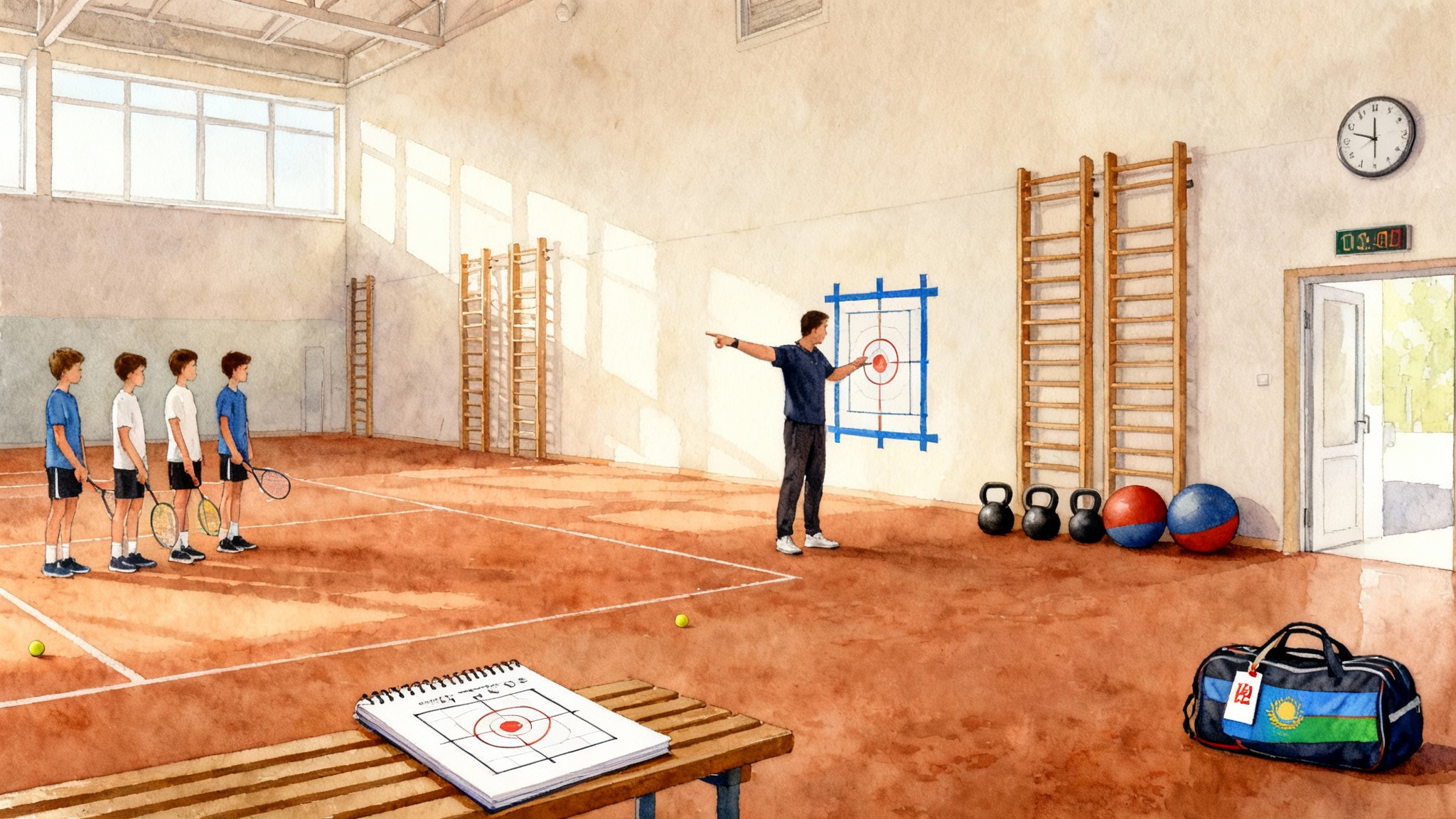
These are not tricks. They are structures that travel from surface to surface. They also align with how All In Academy trains teens: small cohorts, usually four to six players per court, drills that build rally count before speed, and a bias for repeatable patterns rather than highlight shots. Small groups give a coach time to correct footwork angles and ball height. In a group of twelve, that detail is lost.
The 2024 Roland Garros semifinal as proof of concept
Paris validated the model. At Roland Garros in June 2024, Andreeva reached her first Grand Slam semifinal. She beat World No. 2 Aryna Sabalenka in the quarterfinals by refusing to rush the finish line. The match swung not on power but on decisions. She played to big crosscourt targets until Sabalenka’s risk tolerance crept upward, then changed height and pace to draw errors. She lost to Jasmine Paolini in the semifinals and did so decisively. That loss is critical to the story because of what came next.
At the academy, the response to Paris was not to add more weapons at once. It was to double down on consolidation. Serve reliability over serve speed. Neutral ball discipline over low‑percentage haymakers. A teen player’s body and confidence are compounding assets. The staff at Villeneuve‑Loubet set out to protect both by reducing volatility.
Dubai and Indian Wells 2025: when the plan scaled
In February and March 2025, the plan traveled to back‑to‑back WTA 1000 titles. First came Dubai. Then Indian Wells, where she rallied from a set down in the final to beat the world No. 1 and claim the biggest title of her career. The WTA recap captured the scale of the run, including the detail that she arrived in California already carrying a 1000‑level title from Dubai and then beat the top two players in the same event at age 17 in a match report from Indian Wells.
Results like that do not appear out of nowhere. Look at the scaffolding around them.
-
Periodized weeks. Martinez scheduled heavy tactical work weeks before Dubai, then a lighter on‑ramp into match play. Post‑Dubai the team held the line on simple goals for Indian Wells rather than adding complexity. That avoids the classic young‑player trap of inflating expectations after a big win.
-
Year‑round facilities. Early spring on the Riviera can flip from sun to wind to showers in an hour. Having courts and a gym within a short walk keeps the day intact if weather shifts. That is not glamorous. It is compounding.
-
A clear division of labor. Martinez is responsible for match plans and tournament‑block development. Coin and the academy staff keep Mirra’s daily mechanics consistent. Strength and conditioning dovetails with the court work rather than hijacking it. Everyone knows their lane, which means the player’s head is clear.
Inside All In Academy’s structure under Julie Coin
The academy’s set‑up is built around a simple idea: fewer players per coach, more touches per hour. A typical session for a small cohort maxes out at four to six players per court with one coach. The work is quiet. You hear ball height checkpoints, not slogans. Finish points with the feet forward. Get outside the ball on shoulder‑high forehands. Breaks are for water and one cue, then straight back to the line.
On a normal day in Villeneuve‑Loubet, Andreeva’s block looks like this.
-
Morning rhythm. Mobility, footwork ladders, then serve locations with a target cone on both deuce and ad. This is where the location over pace habit is reinforced.
-
Midday drilling. Crosscourt forehand work with height and shape variations, two patterns to close: one heavy cross to open the inside‑in, one slice backhand to pull a taller opponent off their strike zone. Coaches track rally length rather than winners.
-
Afternoon solutions. Fifteen‑minute sets of problem scenarios that actually happen on tour. Two points down in a tiebreak. Serving at 4‑5 after a medical timeout. Playing into the wind against a flat hitter. The session ends only when the player demonstrates a workable solution.
Coin’s role is not to reinvent Martinez’s plans, but to keep the checksum intact. If a cue worked during a Martinez block on the road, it shows up in Coin’s sessions the following week. If travel fatigue accumulates, Coin and the fitness coach scale the volume down and protect the movement quality. For a teenager, this reduces the whiplash of bouncing between short‑term tournament tweaks and long‑term development.
Why the switch from Cannes mattered
Elite Tennis Center in Cannes is a respected base that has produced strong professionals. Why move at all? Two reasons stand out for this particular teenager.
-
Proximity and presence. The Villeneuve‑Loubet base offered a blend of top‑tier facilities with more immediate access to the staff responsible for Mirra’s daily work. In small cohorts, feedback loops tightened. The player heard fewer voices, more often.
-
A clean slate for the next jump. By late 2023, Mirra had already established herself as a top prospect. A new environment that matched her rising ambitions served as a forcing function. New courts and coaches often reset everyday habits, which is exactly what a promising 16 or 17 year old needs to convert promise into results.
The move was not a rejection of what came before. It was a fit adjustment. Families sometimes wait too long to make that call. The lesson is not to chase novelty, but to recognize when a teenager has outgrown the constraints of a current setting.
Parent takeaways you can use
You do not need a Grand Slam semifinalist to apply these lessons. Here is how to copy the parts that travel.
- Pair a stable base with a marquee coach.
- What to do: Anchor your teen at a year‑round academy where they know the courts, the gym, and the people. Then add a marquee coach who joins for tournament blocks or targeted weeks.
- Why it works: The base provides repetition and continuity. The marquee coach adds specific expertise and fresh attention in the highest‑leverage windows.
- How to do it: Before you hire a big name, meet the academy lead who will own the day to day. Ask both how information will flow, what gets measured each week, and who has final say when travel collides with long‑term plans.
- Train in small cohorts.
- What to do: Seek programs that cap groups at four to six players per court with one coach, and that publish those ratios.
- Why it works: The coach has time to fix one joint angle or one toss height in real time. Those micro fixes are what scale.
- How to do it: Watch a session with a timer. If your teen is hitting balls for less than half the scheduled time, the group is too large or the transitions are too slow.
- Use facilities that compress the day, not expand it.
- What to do: Choose a training base where courts, gym, recovery area, and meals are within a short walk.
- Why it works: Teens have limited high quality minutes. If they spend them in a car, they will spend them tired.
- How to do it: Ask the academy to map a sample training day down to the minute. Look for dead space between warm up, court, gym, and cool down. Less is better.
- Know when a teen should change environments.
- What to do: Every six months, run a three part audit: skills, results, and mood. Skills are specific checkpoints, like first serve percentage to each corner or backhand height control. Results are performance against target opponents, not just rankings. Mood is whether the teenager feels their work is adding up.
- Why it works: Teens grow in spurts. The right environment builds compounding habits. The wrong one creates noise. A scheduled audit helps you act before the plateau calcifies.
- How to do it: If two of the three audit areas are drifting the wrong way for a full quarter, pilot a change. That can be a short training block at a different academy, a new hitting partner, or a trial week with a different voice. Treat it as data collection, not a declaration.
- Keep a clean division of labor.
- What to do: Define lanes. The academy owns mechanics and daily structure. The traveling coach owns match plans and tournament weeks. Fitness owns periodization and readiness.
- Why it works: Conflicting cues drain attention, which is a teenager’s scarcest resource.
- How to do it: Put the weekly plan in writing. If a cue changes, it changes for everyone.
The mechanism behind the magic
From the outside, Andreeva’s rise can look like talent unleashed. On the inside, it is logistics and language. Logistics are the courts, the schedule, the handoffs between Martinez on the road and Coin at home. Language is the shared cues that make a practice court look like a match court. When those two align, a teenager’s confidence stops wobbling. She knows what to work on, why it matters, and what good feels like.
The proof is not only the trophies. It is the way she wins now. She uses location and height to force decisions. She accepts that some days the hardest work is on a windy outer court in Villeneuve‑Loubet. She leans on a base that knows her rhythms and a coach who knows how to raise the ceiling without breaking the floor.
A model that scales
Every academy celebrates champions on its walls. The real measure is whether the system helps a teenager grow their game in a way that lasts. In late 2023 Andreeva chose a base that fit her next stage. In April 2024 she added a coach whose clarity fit her mind. In 2025 that pairing scaled to titles in Dubai and the California desert. The sequence is instructive. First build the base. Then choose the specialist. Then keep the rooms talking to each other. Families can study similar models in our Mouratoglou built Gauff case study and JC Ferrero’s Alcaraz blueprint.
From Krasnoyarsk to the Côte d’Azur, the fast track was not a mystery shortcut. It was a set of decisions that any family can copy at their own level. Start with a stable home court and small cohorts. Add an expert voice at the right time. Protect the handoffs. If you do that, the next jump becomes less of a leap of faith and more of a step you are ready to take.